Tulum Maya Heritage Valladolid Chichen Itza Ek Balam and the Post-Classic Coastal Trade Network That Connected the Caribbean to the Heart of Mesoamerica
The Tulum archaeological site sits at the southern end of a chain of Maya post-Classic coastal sites that extends north through Xel-Ha, Akumal, and Xcaret to the major trading port of Pole, serving the maritime trade route that the post-Classic Maya civilization developed as the inland Classic period cities declined. The post-Classic Maya maritime economy of the Yucatan coast connected the Caribbean coast ports to the inland agricultural cities through the canoe routes that transported cacao, vanilla, salt, dried fish, obsidian, jade, and copper goods between the producing communities and the consuming markets of the Yucatan interior and the Gulf Coast. Chichen Itza, the most famous Maya site in the world and the destination of the tourist circuit from Tulum, is 155 kilometres northwest of Tulum and accessible as a day trip or as part of the longer inland circuit that includes the Valladolid colonial city and the Ek Balam site. Valladolid, the colonial city equidistant between Chichen Itza and Tulum, is the logical overnight base for the inland Yucatan circuit before returning to the Caribbean coast. Ek Balam, the less visited Maya site 30 kilometres north of Valladolid whose acropolis pyramid preserves the finest late Classic stucco relief sculpture surviving in the Maya world, is the architectural discovery that rewards the visitor who ventures beyond the Tulum and Chichen Itza circuit.
- 1
Chichen Itza El Castillo and the Kukulcan Serpent
Chichen Itza, the UNESCO World Heritage Maya site 155 kilometres northwest of Tulum, is the most visited archaeological site in Mexico with the El Castillo pyramid dominating a complex including the Great Ball Court, Temple of Warriors, Platform of Skulls, and the Sacred Cenote. The El Castillo pyramid, nine-stepped and 30 metres in height, is designed with astronomical precision that creates the serpent descent effect at the equinox when afternoon sun produces a triangular shadow pattern on the north staircase balustrade that moves downward as the sun sets, creating the illusion of a feathered serpent descending. The equinox effect now attracts tens of thousands of visitors on the March and September equinox dates, creating the largest annual gathering at any archaeological site in the Americas. The Sacred Cenote, the natural sinkhole where the rain god Chaac was propitiated through offerings and human sacrifices, produced in the 1904 dredging by Edward Herbert Thompson a collection of jade, gold, copper, obsidian, and human skeletal material. The climbing prohibition that INAH implemented at Chichen Itza in 2006 followed a fatal accident and recognition that 1.5 million annual visitors eroding the pyramid stone represented irreversible heritage loss.
- 2
Ek Balam and the Royal Stucco Reliefs
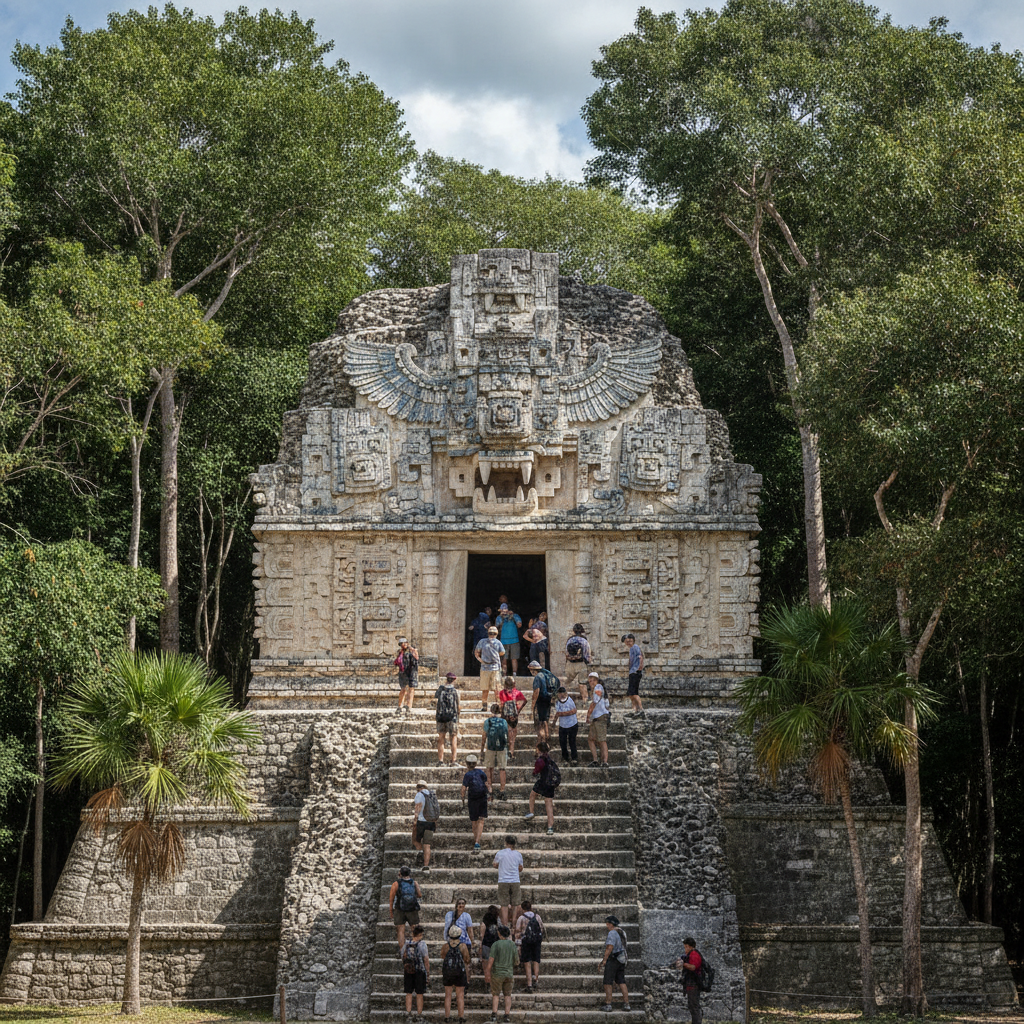
Ek Balam, the Late Classic Maya site 30 kilometres north of Valladolid, receives fewer than 100,000 annual visitors compared to Chichen Itza's 3 million, yet contains in its acropolis pyramid facade the finest surviving Late Classic Maya stucco sculpture in the world: winged figures, jaguar-deity masks, and the entrance to the royal tomb of ruler Ukit Kan Lek Tok framed by a monster-mouth portal whose preserved detail equals the finest relief at Palenque or Copan. The acropolis of Ek Balam, 160 metres long and 31 metres high, was protected from jungle growth by later construction layers, and when INAH archaeologists excavated the stucco in the 1990s they found the most complete set of Late Classic period relief figures in the northern lowlands, with paint traces preserved in protected recesses of the facade. The royal tomb of Ukit Kan Lek Tok, discovered inside the acropolis, contained jade ornaments, ceramics, and obsidian offerings documenting the ruler whose 9th-century CE reign produced the architectural program. Ek Balam remains climbable at its main pyramid structure, providing a panoramic view over the flat Yucatan jungle canopy that the Chichen Itza and Tulum prohibitions deny, making it the last climbable major pyramid on the standard tourist circuit. The adjacent jungle cenote provides the combination of archaeology and swimming that the Tulum circuit offers on the coast.
- 3
Valladolid Colonial City and Cenote Dzitnup
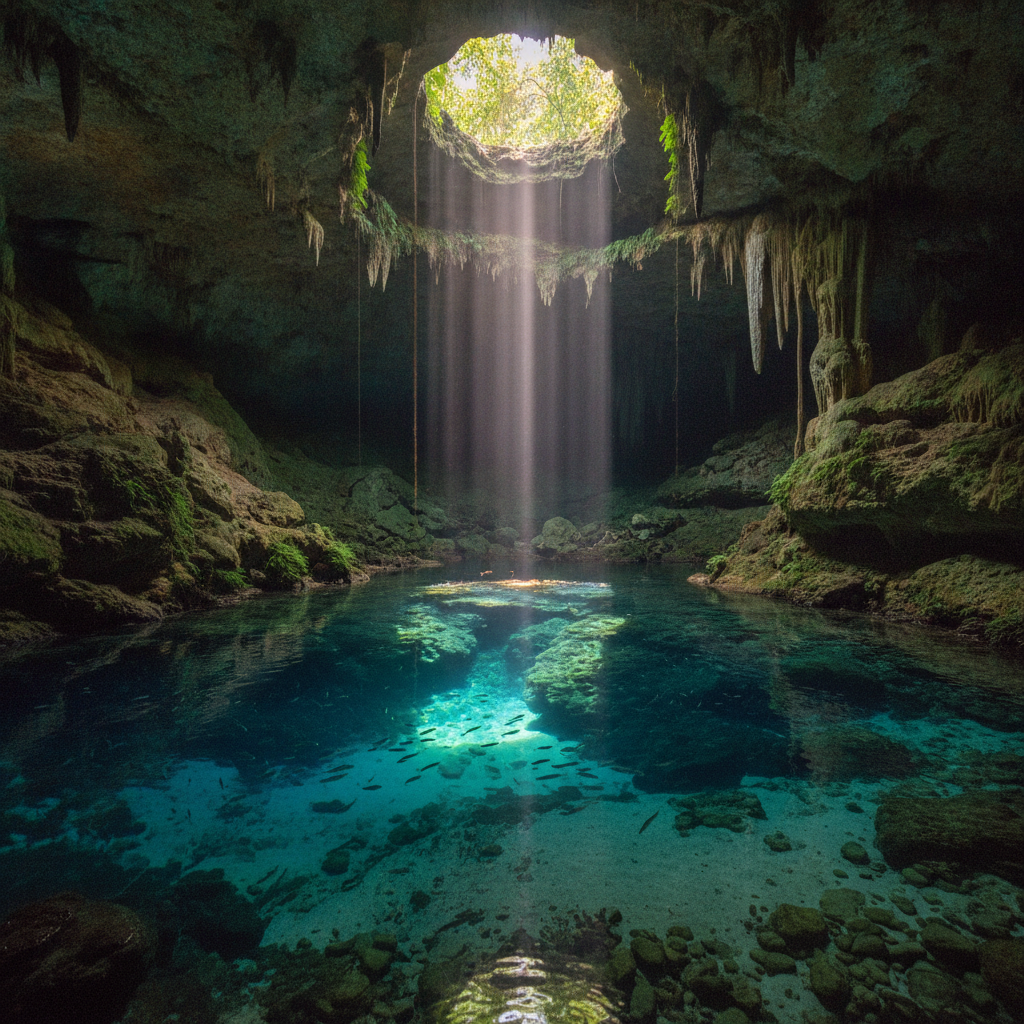
Valladolid, the colonial city founded in 1543 equidistant between Chichen Itza and Tulum, has developed a boutique cultural tourism infrastructure positioning it as the most authentically Mexican overnight stop in the Riviera Maya circuit, with colonial streets, city-center cenotes, and hacienda hotels providing the heritage experience unavailable in the coastal hotel zone. The Cenote Dzitnup, 7 kilometres west of Valladolid, is the most atmospherically dramatic cenote on the tourist circuit, with the underground cathedral of stalactites descending to a circular pool of vivid blue water illuminated by a single roof opening through which sunlight creates the celestial light shaft that every photograph of Dzitnup attempts to capture. The Cenote Zaci within Valladolid city limits allows swimmers to access the aquifer water in the middle of a colonial city, with the cenote depression surrounded by restaurant and hammock terraces. The Valladolid Palacio Municipal on the main plaza, the colonial church of San Bernardino de Siena, and the colorful houses of the centro historico provide the colonial urban setting for evening walks that make Valladolid a pleasant overnight stop between the coastal and inland Maya experiences. The Hacienda San Lorenzo Oxman near Valladolid, whose cenote-fed swimming pool in the converted hacienda grounds has made it the most photographed hacienda in the Yucatan, provides the combination of colonial architecture and cenote access that the premium ecotourism market seeks.
- 4
Caste War of Yucatan and the Chan Santa Cruz Maya Kingdom
The Caste War of Yucatan, which began on July 30, 1847, when Maya communities in the Valladolid area rose against the landowning elite in one of the most successful indigenous rebellions in the Americas, is the most significant historical event in the formation of modern Quintana Roo and the cultural context that the Tulum and southern Quintana Roo indigenous communities carry in their historical memory. The Caste War began as a conspiracy among Maya leaders who had obtained weapons during Yucatan political conflicts, erupting with the attack on Valladolid that drove the Yucatec elite to the coast before the founding of Chan Santa Cruz established the theocratic Maya state that controlled southern Quintana Roo territory until its defeat in 1901. The Talking Cross phenomenon, in which Maya leaders relayed divine guidance through messages attributed to a cross, served as the organizational focus of Maya military and political resistance that maintained the independence of the Chan Santa Cruz territory for 53 years against the Mexican army. The modern municipality of Felipe Carrillo Puerto, on the highway between Cancun and Chetumal, preserves the Talking Cross shrine in its church and maintains the direct historical connection to the Chan Santa Cruz resistance in the community of its descendants. The Caste War accounts for the relatively low colonial Spanish presence in the southern Quintana Roo region and explains why the Maya communities of the area maintained greater cultural autonomy through the colonial and Republican periods than those of the northwestern Yucatan.
- 5
Tulum Food Fish Tacos and the Town Market
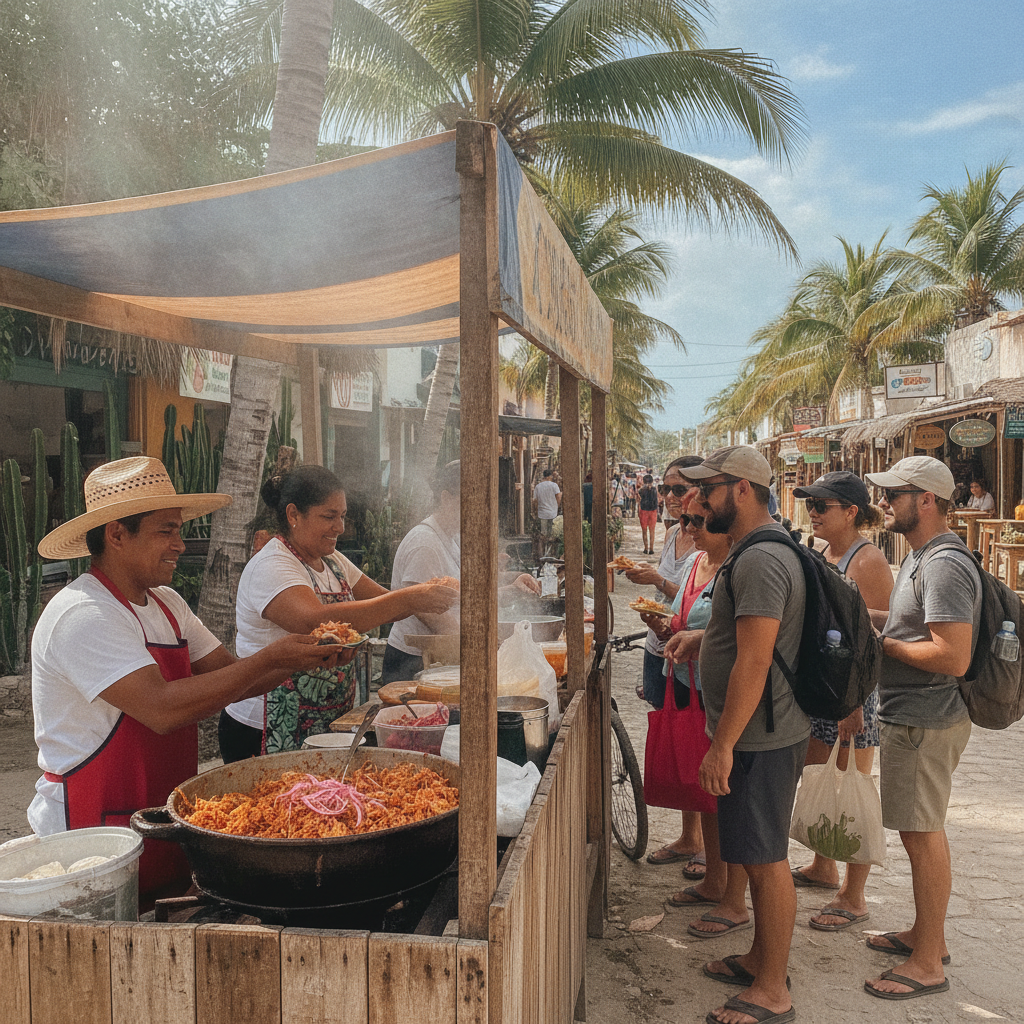
The food culture of Tulum divides sharply between the hotel zone wellness cuisine and the taco-and-market food of Tulum town that the hotel zone carefully excludes from its menu. The hotel zone restaurants offer the plant-based, organic, and superfood-enriched menu that the wellness tourist expects, with quinoa bowls, acai smoothies, raw cacao desserts, and the full range of global wellness nutrition available at prices of 200 to 500 pesos per dish. The taco culture of Tulum town, on the main street and in the market area adjacent to the ADO bus station, serves poc chuc, cochinita pibil, fish and shrimp tacos, and the standard Yucatecan breakfast of huevos motulenos at prices of 20 to 80 pesos. The Mercado Municipal of Tulum town, the covered market serving the resident population, provides the context for understanding the food economy of the Mexican working class that services the hotel zone, with the comida corrida fondas serving the three-course midday meal for 60 to 100 pesos. The seafood of the Caribbean Tulum coast, available in the town restaurants, includes the grouper, snapper, barracuda, and conch that the fishing cooperatives of the Sian Kaan communities land, and the lobster of the Punta Allen cooperative that maintains the sustainable fishing certification the international seafood market requires for the premium export product.
- 6
Tulum After Dark Beach Club DJ Scene and Alternatives
The nightlife of Tulum, operating in beach clubs that transition from day restaurant to night venue at sunset and in DJ venue complexes of the hotel zone, is one of the most expensive party circuits in Mexico, with minimum spend at beach club night events ranging from 100 to 300 US dollars per person and the DJ talent representing the international electronic music touring circuit. The Papaya Playa Project at the northern end of the hotel zone established the format of combining ecological design with international DJ programming, producing weekly and monthly events that draw the electronic music community from across the Americas and Europe. The deep house and techno music dominating the Tulum DJ scene, distinct from the reggaeton and Latin pop of Cancun and Playa del Carmen nightlife, reflects the European and North American demographic of the Tulum party market. The sound ordinance environment of the hotel zone, where proximity to the Sian Kaan biosphere reserve imposes decibel limits and midnight curfews on outdoor venues, creates the tension between ecological protection and the commercial nightlife that requires high volume. The cenote pool parties, wellness festival events in jungle clearing venues, and full moon ceremonies that blend spiritual practice with social gathering constitute the alternative evening programming for the visitor who is not drawn to the beach club DJ circuit, providing a spectrum of social experience from the contemplative to the hedonistic that the Tulum market serves.
Walk this route with audio
Stories play automatically as you reach each stop — no tapping needed.
More in Tulum
Tulum Riviera Maya Circuit Akumal Xel-Ha Xcaret and the Full Caribbean Coast Experience From the Cancun Hotel Zone to the Sian Kaan Biosphere Reserve
Tulum Practical Guide Getting There Transport Budget Safety and How to Visit the Riviera Maya Without Paying New York Prices for Mexican Beach Sand
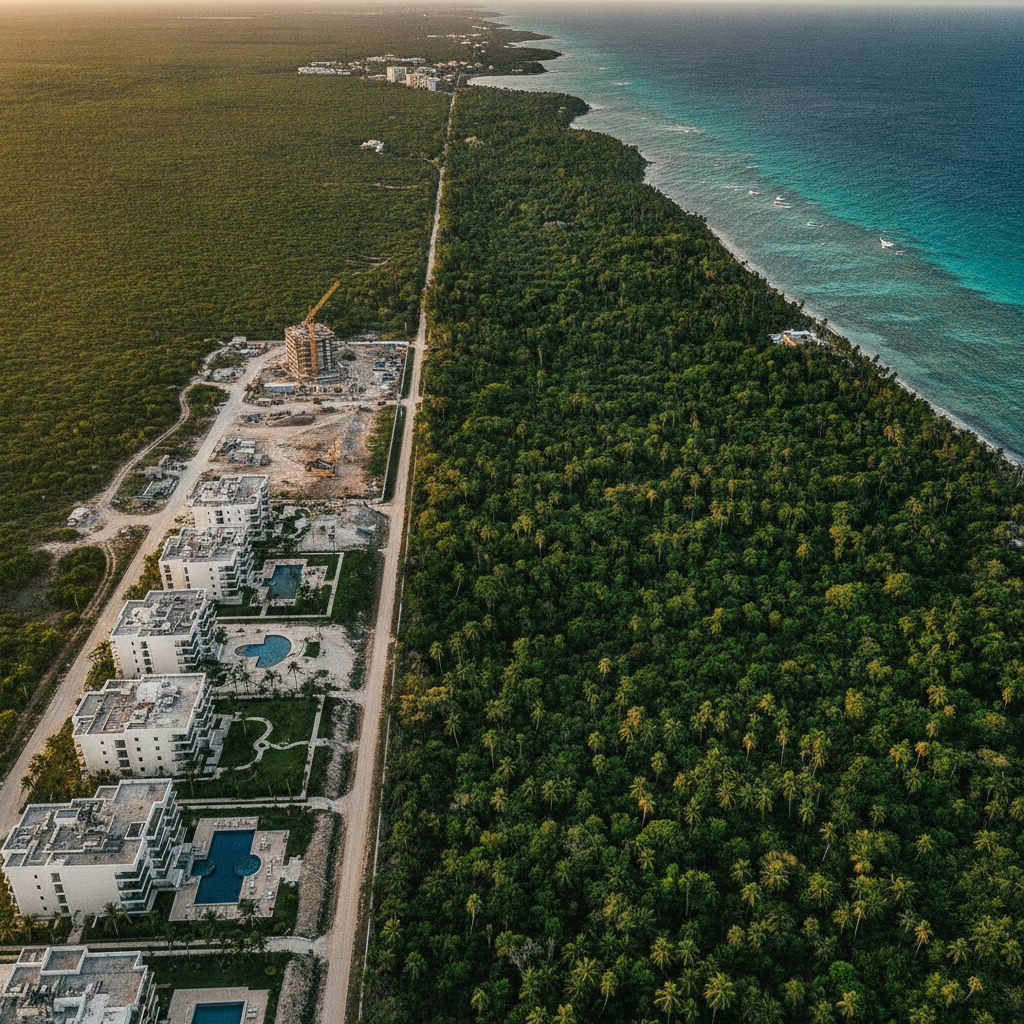
Tulum Real Estate Speculation Narco Investment Organized Crime and the Political Economy of How the Most Beautiful Beach in Mexico Was Sold to Money Launderers Hedge Funds and Instagram Influencers
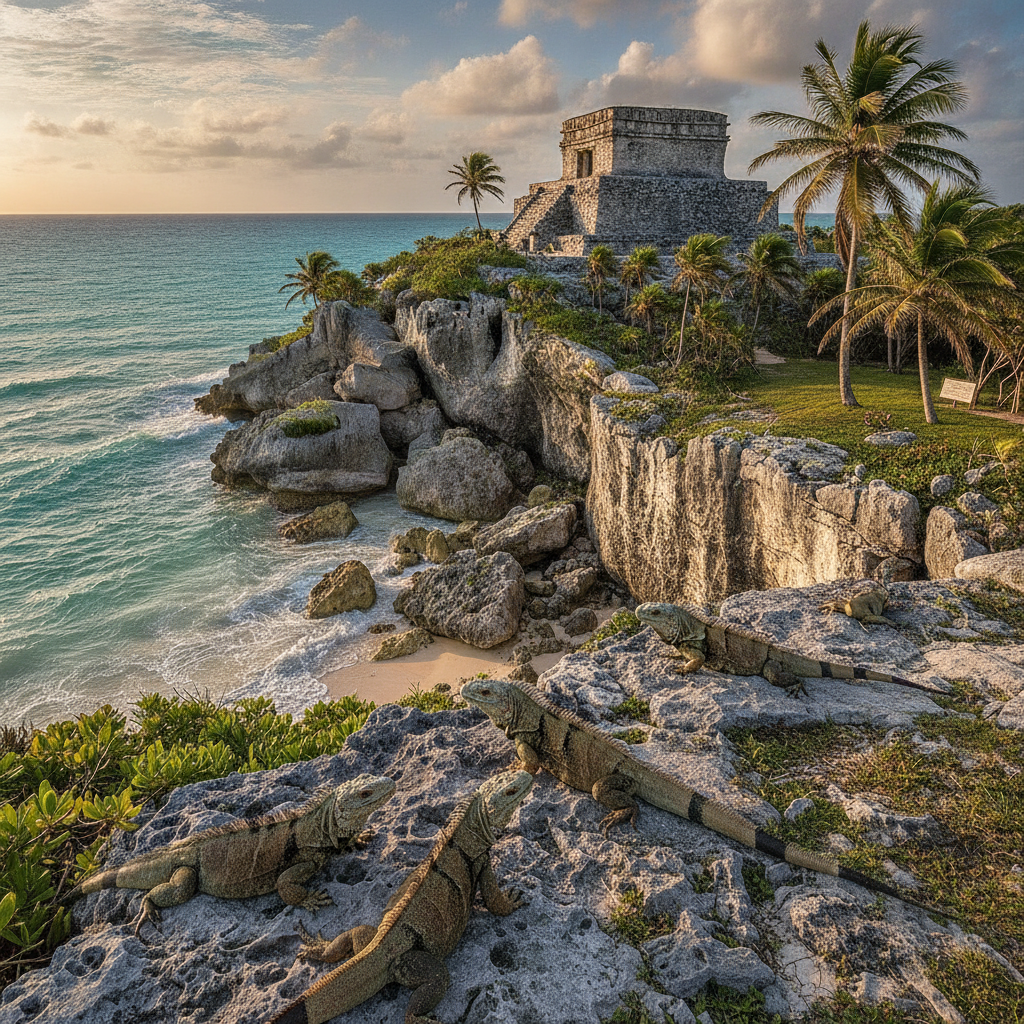
Tulum Maya Ruins on the Caribbean Cliff Gran Cenote Sian Kaan Biosphere and the Beach Town That Became the Worlds Most Instagrammed Destination and Its Own Ecological Crisis
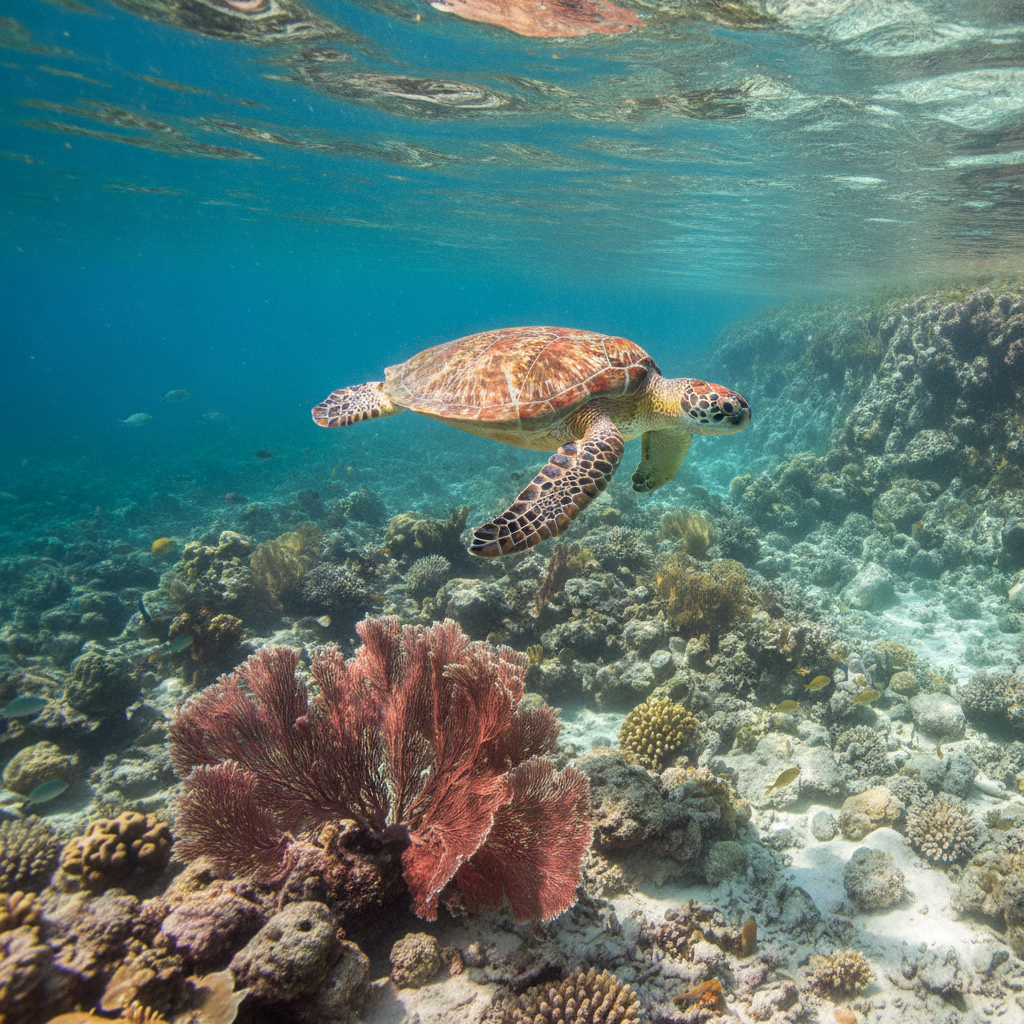
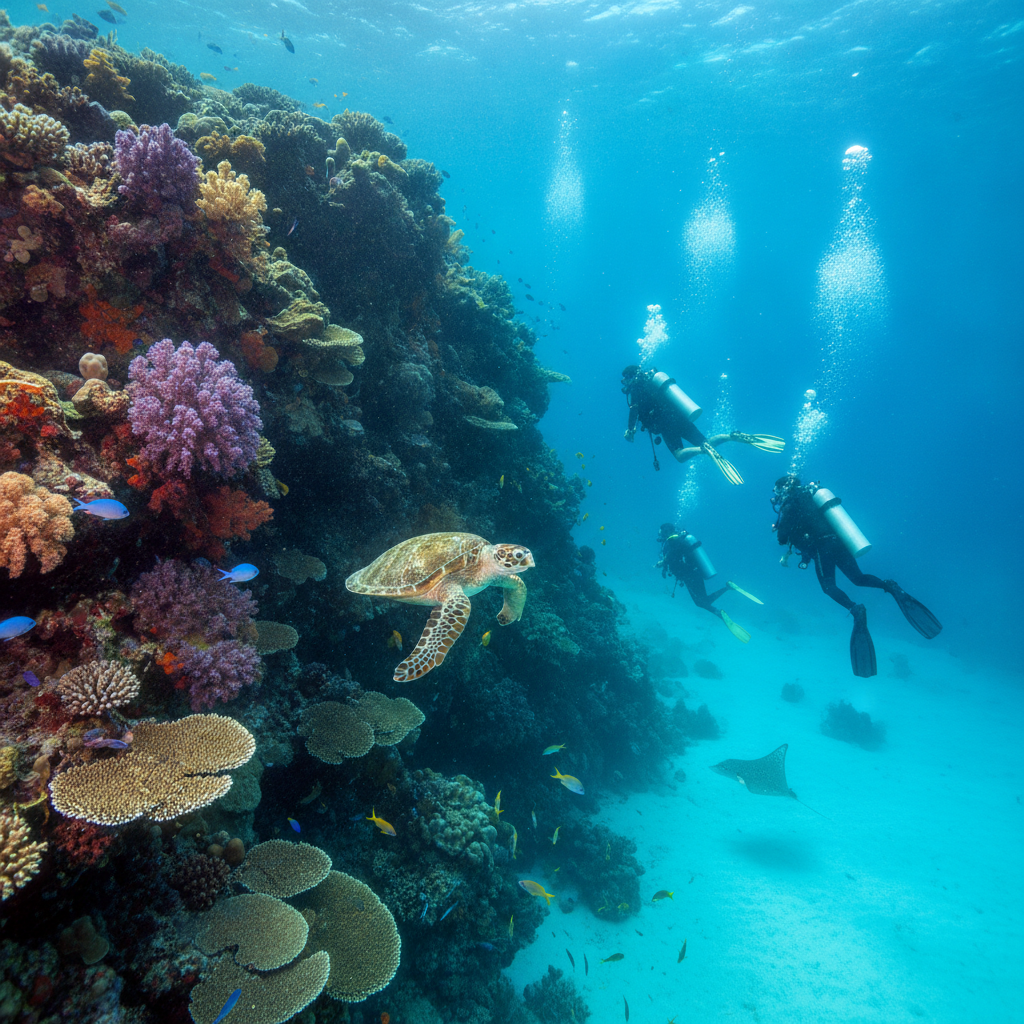
Tulum Sea Turtles Coral Reef Manatees Jaguars and the Caribbean Marine Ecosystem That Surrounds the Worlds Most Photographed Beach Town