Tulum Real Estate Speculation Narco Investment Organized Crime and the Political Economy of How the Most Beautiful Beach in Mexico Was Sold to Money Launderers Hedge Funds and Instagram Influencers
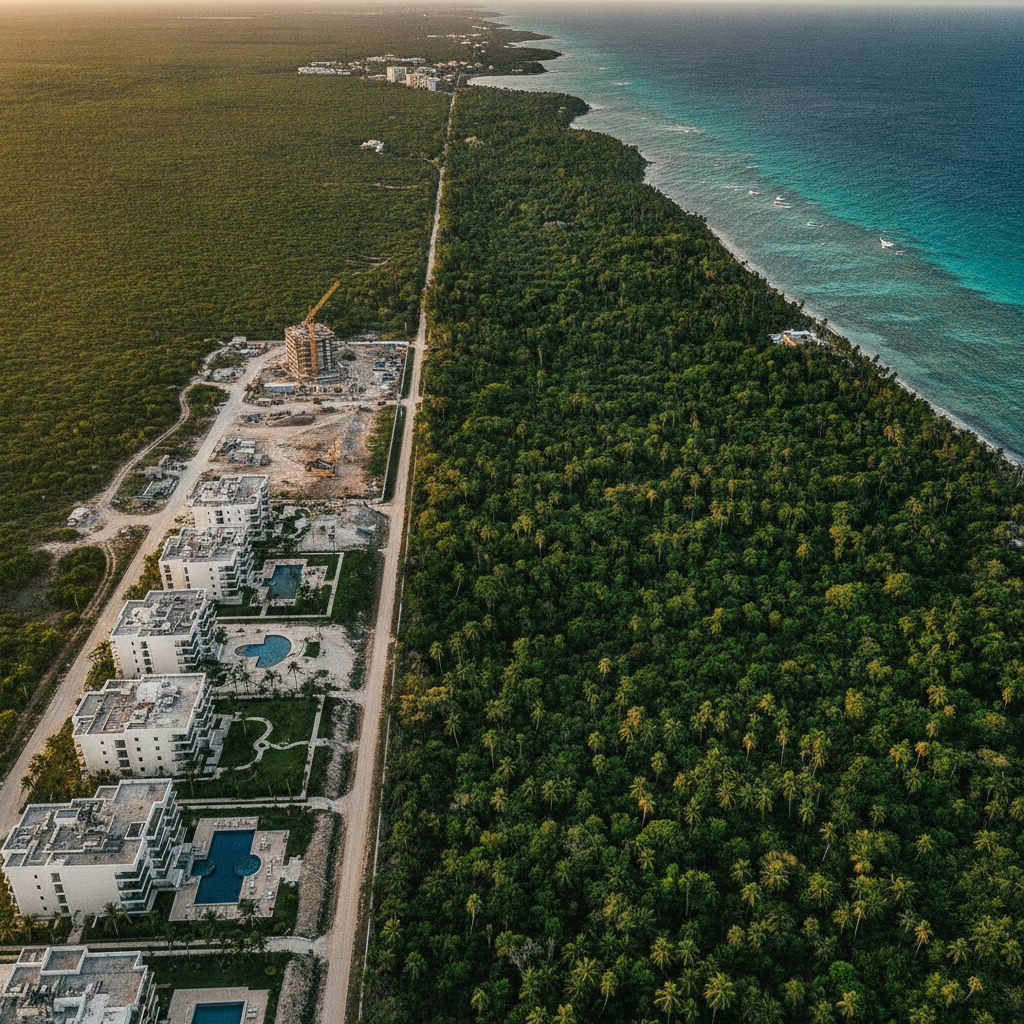
The real estate economy of Tulum is one of the most dramatic examples of speculative development in the history of Mexican tourism, a 15-year process that transformed the value of undeveloped beachfront from a few thousand to millions of dollars per hectare and that attracted investment from organized crime organizations, international hedge funds, Mexican political families, and the global Instagram influencer economy that converted undeveloped jungle into branded lifestyle destinations. The initial land acquisitions in Tulum were made possible by the ejido land reform system that gave indigenous Maya communities communal land titles after the Revolution, land whose legal ambiguity between collective communal ownership and individual sale was exploited by real estate developers who purchased individual ejido parcels from community members willing to sell, often at prices that the sellers had no framework for evaluating given that the land had no prior market value. The organized crime investment in Tulum real estate, documented by the Mexican financial intelligence unit in multiple money laundering investigations, has produced a pattern where the ownership structures of the most prominent hotel zone properties trace through shell companies in the Caribbean, Panama, and Delaware back to beneficial owners whose identity the corporate structures are designed to conceal. The political economy of the Tulum development boom intersects with the Maya Train infrastructure project launched by the Lopez Obrador administration in 2019, whose station at Tulum has been anticipated to generate additional real estate appreciation and whose construction through the jungle and the cenote zone has been challenged by environmental organizations for the damage to the aquifer that tunneling through the karst limestone produces.
- 1
Ejido Land and the Legal History of Tulum Development
The land tenure history of Tulum begins with the Maya ejido communities established after the 1917 Revolution and the Calles-era land reform that gave the indigenous Maya communities of Quintana Roo collective land titles to the jungle territory they had inhabited since the pre-Hispanic period, including the coastal strip that would become the Tulum hotel zone. The ejido system created collective ownership of the land that prevented individual sale without the approval of the ejido assembly, theoretically protecting the community land from individual exploitation, but the practical reality of the Tulum development boom was that ejido members sold their individual-use parcels to developers in transactions that the agrarian courts have variously upheld and overturned depending on the procedural compliance of the sale. The conversion of ejido land to tourist development required the legal process of excorporation from the ejido, which was processed by the Procuraduria Agraria under a systematic program that facilitated the privatization of former ejido land for tourist development in Quintana Roo, Yucatan, and the coastal states during the 1990s and 2000s. The Maya communities whose ejido land was sold during the Tulum development boom were not in most cases the primary beneficiaries of the resulting development: the sale prices, while representing more money than many ejido families had seen previously, were small fractions of the subsequent appreciation in land value that the developer investment and the tourism boom produced. The legal disputes over ejido land in the Tulum area continue to generate litigation, with some ejido communities seeking to reverse the excorporation of their land on procedural grounds and others negotiating profit-sharing arrangements with the hotel operators who developed the former ejido territory.
- 2
Organized Crime and Real Estate Money Laundering
The investigation by Mexican financial intelligence unit UIAF and the reporting of the organized crime-Tulum real estate connection by investigative journalists from Proceso, Animal Politico, and international media has documented the pattern of hotel zone property ownership tracing through offshore shell company structures to beneficial owners connected to the Gulf Cartel, the Jalisco New Generation Cartel, and the regional organized crime organizations that have contested control of the Quintana Roo coast since the 2010s. The money laundering mechanism applied in the Tulum real estate market uses the construction cost inflation technique: a cartel investor purchases an undeveloped lot at the market price, contracts a construction company owned by the same investor for a grossly inflated construction cost that represents the money being laundered, and produces a completed hotel or beach club whose recorded cost is several times the actual construction cost but whose market valuation is justified by the tourism revenue it generates, converting illegal cash into legitimate real estate equity. The extortion economy of Tulum, in which the security fee demanded from hotel zone businesses represents a percentage of revenue paid to the organized crime organization that controls the territorial rights of the hotel zone, has been reported by multiple hotel operators who have spoken on condition of anonymity, with the payment described as the cost of operating without disruption in a territory where the state cannot provide the security protection that the tourism industry requires. The assassination of prominent Tulum business figures, including the 2021 killings that occurred in the beach clubs and attracted international media attention, demonstrated that the cartel territorial conflict over the Tulum tourist economy generates the same violence that the cartel wars produce in the mining and drug traffic corridors of northern Mexico, but with the additional publicity of occurring in an internationally visible tourist destination.
- 3
Maya Train Infrastructure and the Cenote Controversy
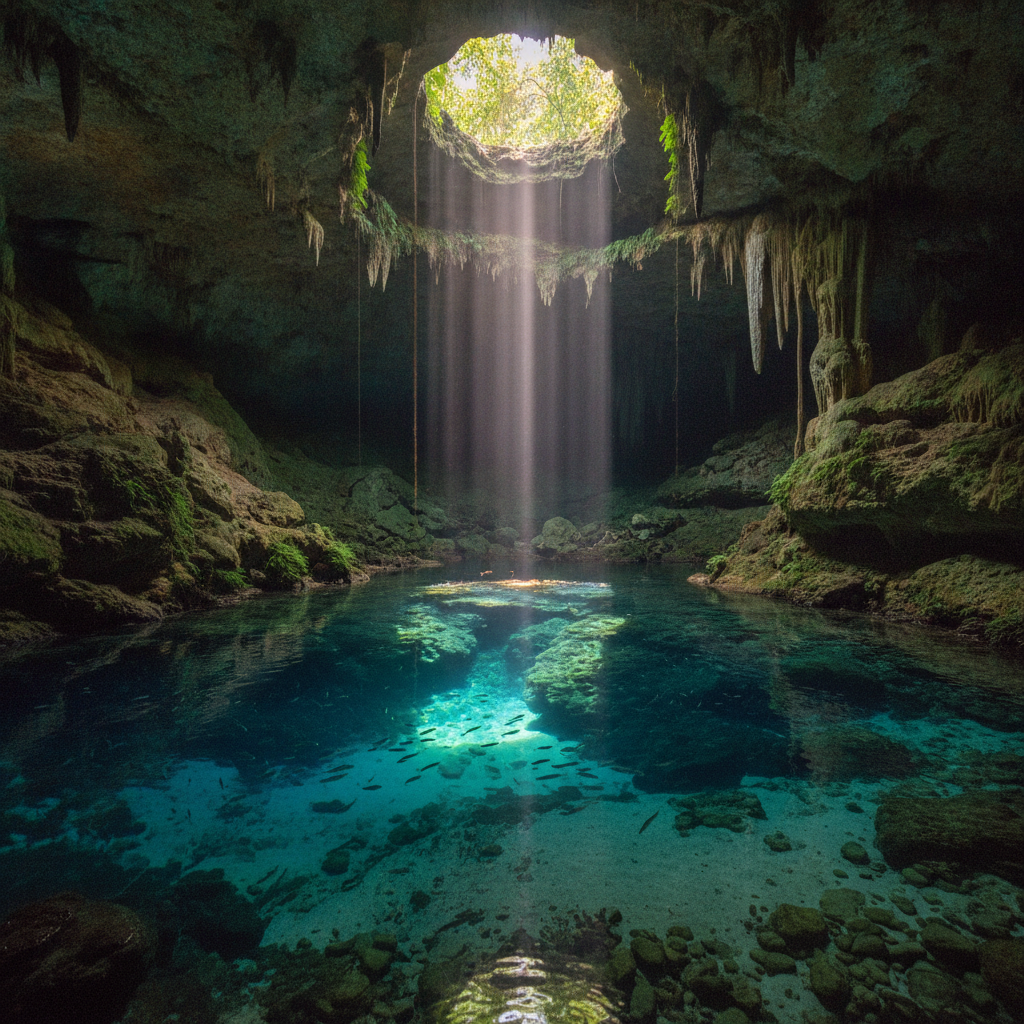
The Tren Maya, the 1,554-kilometre railway connecting Cancun to Palenque through the Yucatan Peninsula that the Lopez Obrador administration launched in 2019 as a social and economic development project for the Maya region, is the most significant infrastructure investment in the Yucatan Peninsula since the development of the Cancun hotel zone in the 1970s, and has generated the most significant environmental controversy in Mexico since the Laguna Verde nuclear plant protests of the 1980s. The Tulum section of the Maya Train, where the railway passes through the urban area and then continues south through the cenote and jungle zone toward the Sian Kaan boundary, required the excavation of a tunnel through the karst limestone aquifer in the section where the railway crosses the cenote zone, a process that the INAH and SEMARNAT initially required to be suspended pending environmental impact assessment and that the military-administered railway authority proceeded with under a presidential decree that overrode the environmental review requirements. The tunnel excavation through the karst aquifer below Tulum produced documented collapses of cenote roofs in the construction zone, the draining of connected cenote chambers, and the silting of the cenote water that the environmental organizations documented with drone footage and water quality testing distributed through social media. The legal challenges to the Maya Train construction in the cenote zone, filed by environmental organizations and individual Maya communities whose land was acquired under eminent domain provisions, were dismissed by the Mexican courts under the argument that the infrastructure project served the public interest and was subject to the social function override of private property rights. The Maya Train station in Tulum town, completed in 2023, connects the town to Cancun, Playa del Carmen, and the inland Maya sites and is expected to bring a new category of domestic tourism to the Tulum area that the international beach club economy does not serve.
- 4
Gentrification Displacement and the Mexican Service Worker
The demographic transformation of Tulum from a Maya fishing village of 3,000 residents in 1990 to a metropolitan area of 35,000 permanent residents and 2 million annual visitors in 2024 has produced the most rapid gentrification of any community in Mexico, displacing the original Maya and mestizo Yucatecan residents from the coastal zone and the tourism infrastructure areas to the peripheral colonias of the interior where housing costs are lower but urban infrastructure is less developed. The service workers of the Tulum hotel zone, who cook, clean, build, and maintain the eco-luxury establishments that charge 500 to 2,000 US dollars per night, live in the colonias of Tulum town and in the adjacent communities of Akumal, Paamul, and the ejido neighborhoods where the housing available to the peso economy is located. The rental housing crisis of Tulum town, where the short-term rental market through Airbnb and VRBO has reduced the long-term rental housing available to workers, has been documented by community organizations that have organized around the right to affordable housing in a context where the tourism economy captures the value of the real estate while externalizing the housing costs to the workers who make the tourism product possible. The indigenous Maya community of the Tulum area, descendants of the Chan Santa Cruz warriors whose guerrilla resistance against the Mexican state lasted until 1901, have been the population most comprehensively displaced from the coastal territory that their communities held under the ejido system before the tourism development converted that land into the most expensive real estate on the Caribbean coast. The community organization resistance to displacement, led by the indigenous rights organizations in collaboration with the environmental NGOs that have documented the ecological impacts, represents the convergence of social and environmental justice that the Tulum crisis has produced in the movements that advocate for an alternative model of coastal tourism development.
- 5
Tulum Music Festivals and the Cultural Economy
The music festival economy of Tulum, built on the foundation of the electronic music circuit that the beach clubs established in the early 2010s, has grown into an international festival destination with the Zamna Tulum festival, the Azulik music series, and the seasonal programming of the major beach clubs attracting international touring DJs and festival artists who generate the audience of 2,000 to 5,000 that the outdoor Tulum venues accommodate in their jungle clearing and beachfront stage configurations. The Zamna Tulum festival, held in the jungle cenote setting of the Zamna ecological park between the hotel zone and the town, is the most internationally recognized music festival associated with Tulum, with the cenote pool, the giant trees, and the aerial drone photography of the jungle stage creating the visual identity that positions it as the festival with the most dramatic natural setting in the global electronic music circuit. The connection between the Tulum music economy and the organized crime territorial control of the venue and hospitality sector creates the context in which the international festival artist who performs at Tulum is operating in a destination where the security of the audience and the commercial viability of the event depends on the accommodation that the club operators have made with the organized crime structure that controls the territory. The Day of the Dead festival programming in Tulum, when the beach clubs and jungle venues create elaborate altar installations and programming that blends the Mexican cultural tradition with the electronic music event format, has become the most photographed seasonal event in the Tulum calendar, with the combination of flower-covered altars, skeleton face paint, and the deep house soundtrack producing the visual aesthetic that the global social media audience circulates each November as the Tulum Day of the Dead image. The tension between the commercial appropriation of the Day of the Dead for the tourist entertainment economy and the sacred dimension of the tradition for the Mexican and Maya communities whose cultural practice it draws on is the recurrent ethics conversation that the Tulum cultural economy generates without resolving.
- 6
Tulum Alternatives and the Future of Sustainable Tourism
The sustainable tourism alternatives to the hotel zone experience in Tulum include the community ecotourism operations of the Sian Kaan biosphere, the cenote conservation fee programs that direct admission revenue to aquifer monitoring and management, the Maya community cultural programs in Felipe Carrillo Puerto, and the emerging agritourism circuit of the Quintana Roo interior that connects the organic cacao, honey, and chili production of the Maya milpa agricultural tradition to the slow food tourism market. The question of whether Tulum as a destination can be reformed toward ecological and social sustainability while maintaining the international tourism market that funds the community revenue is the central debate among the environmental organizations, community groups, real estate developers, and government agencies that have competing interests in the future direction of the area. The investor community that has committed to the Tulum hotel zone at the current land valuations has no financial incentive to accept the regulatory constraints that ecological and social sustainability would require, making the political economy of the reform agenda dependent on the regulatory capacity of the federal environmental agency that has demonstrated its inability to enforce existing regulations against the organized crime-backed development. The alternative vision for the Tulum area, articulated by the environmental organizations and the indigenous community organizations, emphasizes the Sian Kaan model of community-controlled ecotourism with limited visitor numbers, ecological certification requirements, and revenue sharing that benefits the Maya communities whose territory the biosphere reserve occupies. The test of whether this alternative vision can be implemented against the financial and political forces aligned with the current development model is the most significant environmental governance question in Mexican tourism, with the outcome shaping the precedent for the management of the remaining coastal zones of the Caribbean Mexico that have not yet experienced the Tulum trajectory.
Walk this route with audio
Stories play automatically as you reach each stop — no tapping needed.
More in Tulum

Tulum Riviera Maya Circuit Akumal Xel-Ha Xcaret and the Full Caribbean Coast Experience From the Cancun Hotel Zone to the Sian Kaan Biosphere Reserve
Tulum Practical Guide Getting There Transport Budget Safety and How to Visit the Riviera Maya Without Paying New York Prices for Mexican Beach Sand
Tulum Maya Heritage Valladolid Chichen Itza Ek Balam and the Post-Classic Coastal Trade Network That Connected the Caribbean to the Heart of Mesoamerica
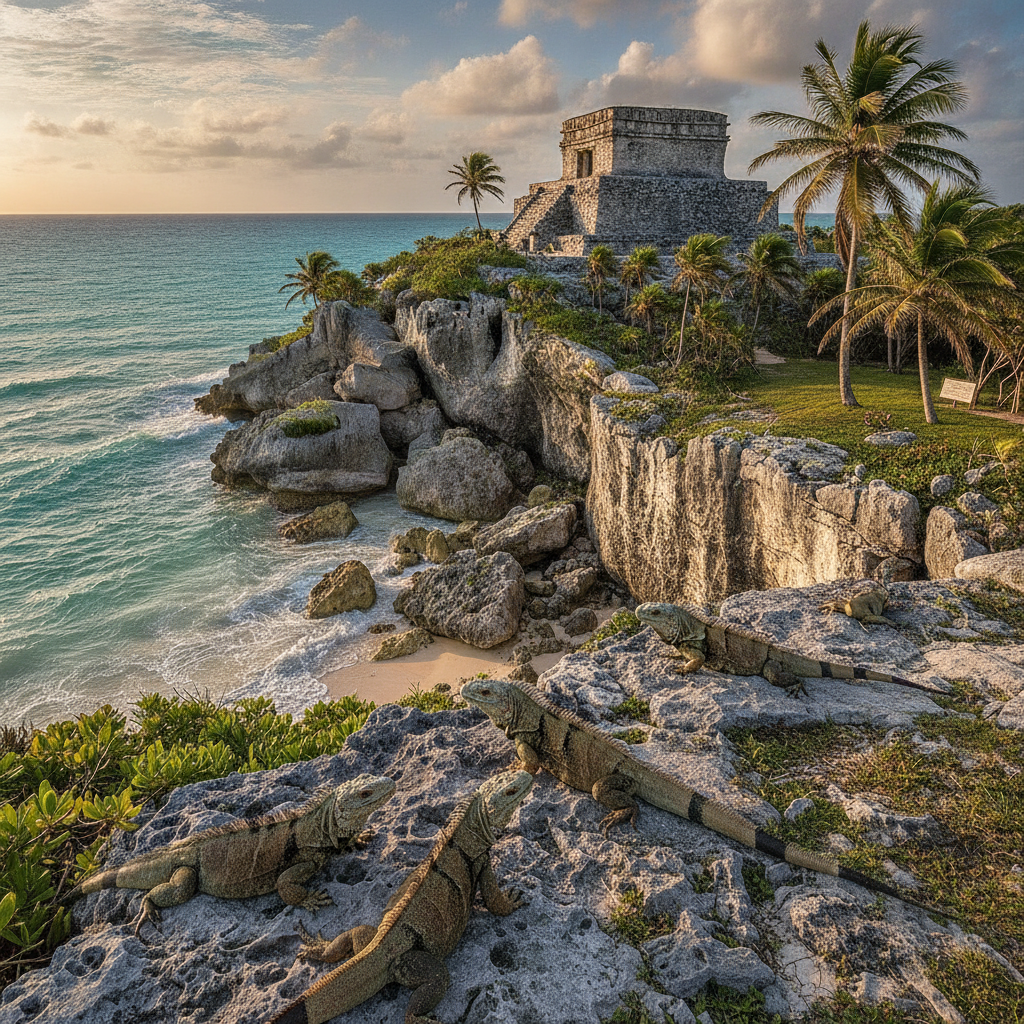
Tulum Maya Ruins on the Caribbean Cliff Gran Cenote Sian Kaan Biosphere and the Beach Town That Became the Worlds Most Instagrammed Destination and Its Own Ecological Crisis

Tulum Sea Turtles Coral Reef Manatees Jaguars and the Caribbean Marine Ecosystem That Surrounds the Worlds Most Photographed Beach Town