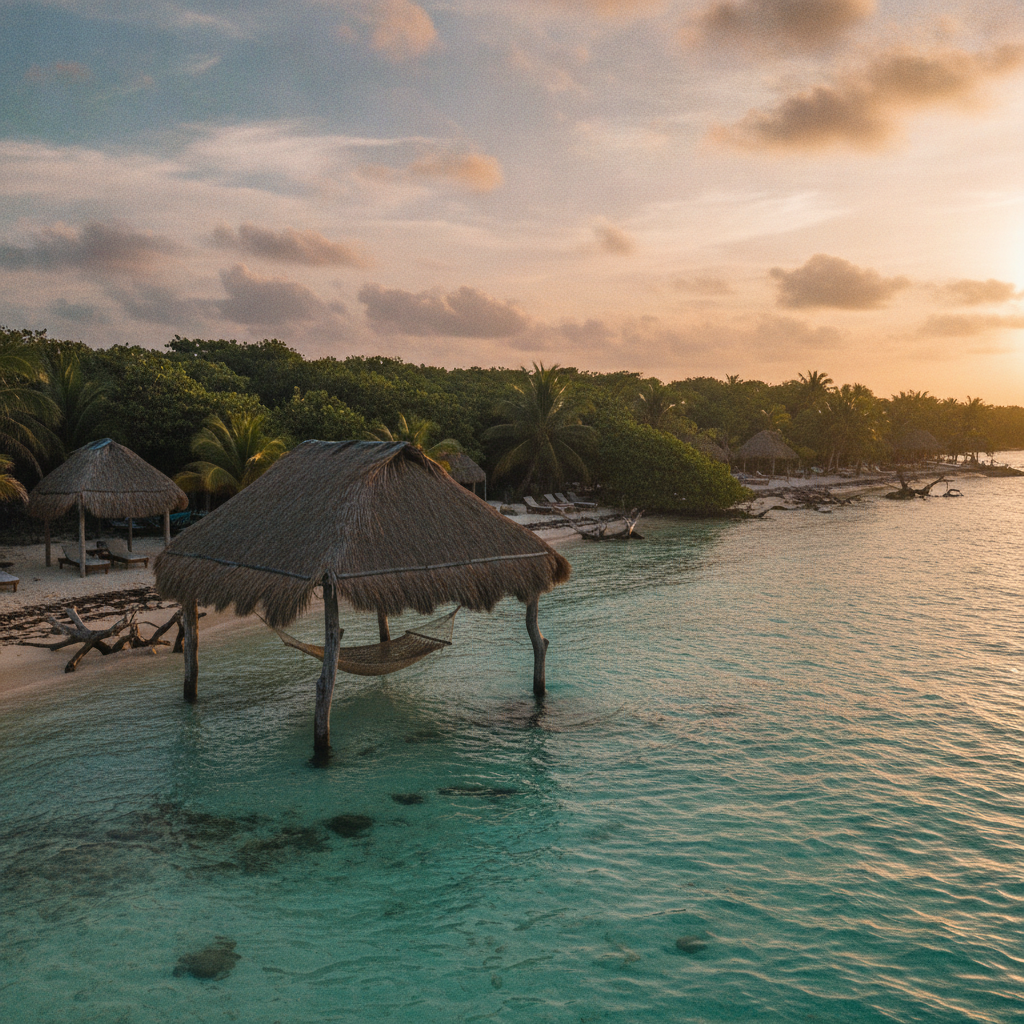
Tulum Wellness Yoga Retreats Holistic Tourism and How a Mexican Fishing Village Became the Global Capital of Spiritual Tourism Where Every Hotel Is a Temple and Every Menu Mentions Chakras
Tulum's identity as the global capital of wellness and spiritual tourism is the product of a specific cultural migration that began around 2012 when the international yoga and meditation community, seeking an alternative to the commercialized retreat circuits of Bali and Ibiza, discovered in Tulum a combination of natural beauty, cenote swimming, warm weather, relative accessibility from New York, and a pre-existing bohemian infrastructure of small eco-hotels that could be converted to the retreat format. The wellness tourism economy of Tulum, which by 2019 generated more revenue per tourist than any other destination in Mexico, positioned itself as the anti-Cancun: where Cancun offered all-inclusive mass tourism and neon nightclubs, Tulum offered boutique eco-lodges with thatched roofs, jungle-set yoga shalas, plant-based menus, cacao ceremonies, and the Mayan cosmology aesthetic of crystals, copal incense, and the underground cenote as a portal to spiritual transformation. The yoga retreat industry of Tulum, concentrated in the beach hotels of the hotel zone and the jungle retreats accessible from the Tulum-Coba road, delivers a week-long immersive experience that the premium wellness tourist from New York, London, or São Paulo pays 3,000 to 7,000 dollars to access, generating a revenue per visitor ratio that no other category of Mexican tourism approaches. The plant medicine ceremony economy of Tulum, involving ayahuasca, psilocybin mushroom, and peyote ceremonies facilitated by both authentic indigenous practitioners and by non-indigenous ceremony providers who have adopted the indigenous formats for the international wellness market, operates in a legal grey zone that the Mexican authorities tolerate without actively regulating. The Tulum wellness economy has attracted the global wellness celebrity circuit, with prominent yoga teachers, wellness influencers, and alternative health practitioners establishing their primary retreat base in Tulum or visiting annually for the festival season.
- 1
Yoga Retreats and the Wellness Tourism Economy
The yoga retreat industry of Tulum, concentrated in the beach hotels of the hotel zone on the Caribbean coast and in the jungle retreat centers accessible from the Tulum-Coba road, constitutes the highest-revenue segment of the Tulum tourism economy, with week-long residential retreats at prices of 3,000 to 8,000 US dollars per person generating the luxury accommodation and premium food spending that makes Tulum the most revenue-intensive tourist destination per visitor in Mexico. The retreat format typical of the Tulum yoga economy involves morning meditation at sunrise, two or three yoga sessions daily in the open-sided shala structure facing the Caribbean or the jungle, vegetarian or vegan meals prepared from local and organic ingredients emphasizing the regional produce of the Yucatan and the superfoods of the wellness market, and the afternoon program of cenote swimming, cacao ceremonies, sound healing, or the full-moon ceremonies that the Tulum spiritual calendar organizes around the lunar cycle. The yoga teacher community of Tulum, consisting of international teachers who have established year-round residency or seasonal bases in the hotel zone, is the most concentrated group of certified yoga instructors in any single destination outside of the primary yoga cities of India, generating a supply of daily drop-in classes, workshop intensives, and teacher training programs that serve both the retreat visitors and the growing permanent resident community of wellness practitioners and digital nomads. The cacao ceremony, in which ceremonially prepared drinking cacao from Guatemalan or Oaxacan varieties is consumed in a group setting with meditation, music, and intention-setting practice, has become the most widely offered experiential wellness product in Tulum, available in the beach clubs, the retreat centers, and the jungle ceremony venues at prices of 40 to 100 US dollars per participant. The ceremony format has been criticized as a decontextualization of the Mesoamerican cacao ritual tradition by the indigenous communities whose practice it draws on without attribution or benefit sharing.
- 2
Tulum Beach Clubs and the Boho Luxury Aesthetic
The beach club circuit of the Tulum hotel zone, from Papaya Playa Project in the north to Azulik and Mia at the southern end of the developed zone, has created the visual aesthetic that defines Tulum in global cultural consciousness: the thatched palapa structure, the drift wood furniture, the handwoven macrame, the crystal arrangement, the plant-based cocktail menu, the DJ playing deep house at medium volume, and the model-quality crowd whose photographic documentation of the experience on Instagram accelerated the Tulum tourism boom of 2015 to 2020. The beach clubs of Tulum charge day passes of 50 to 150 US dollars that include access to the beach and facilities and a minimum spend at the restaurant and bar, creating a revenue model that prices the beach access at the level of a premium European beach club while drawing on the natural asset of the Caribbean water that costs the club nothing to provide. The Azulik resort and its associated Holistika commune in the jungle behind the hotel zone represent the extreme end of the Tulum eco-luxury aesthetic, with the resort architecture of handbuilt wooden treehouse structures without electricity, the jungle spa experience, and the Mayan cosmology-inspired decor creating the immersive environment that the premium wellness tourist pays the highest daily rates in the Caribbean for. The visual identity of Tulum, marketed through the Instagram photography of the beach clubs and the cenote experiences, generates organic social media marketing that no advertising budget can replicate, with each guest's social media post multiplying the destination's visibility in the networks of potential visitors who aspire to the lifestyle that the Tulum imagery represents. The aspirational quality of the Tulum image economy has survived the ecological crisis revelations of the late 2010s and the COVID-19 closure of 2020, recovering to pre-pandemic visitor numbers within 12 months of the 2021 reopening.
- 3
Plant Medicine Ceremonies and the Spiritual Economy
The plant medicine ceremony economy of Tulum, involving ayahuasca, psilocybin mushroom ceremonies, peyote, and the full range of psychedelic plant traditions that the international wellness and spiritual tourism market seeks, operates in a legal environment that the Mexican authorities have not clarified, with the possession and use of these substances in ceremonial contexts occupying a grey zone between the traditional indigenous rights protection of the Mexican constitution and the drug control laws that technically prohibit the same activities when conducted outside specifically recognized indigenous communities. The ceremony facilitators operating in Tulum range from authentic representatives of the Mazatec, Huichol, and other indigenous traditions whose ceremonial use of psilocybin mushrooms and peyote is legally protected within their communities, to mestizo Mexican and international practitioners who have adopted the indigenous ceremony formats without the training, lineage, or cultural authorization that the originating communities recognize. The ayahuasca ceremony tradition, originating in the Amazon basin indigenous communities of Peru, Brazil, Colombia, and the adjacent countries, has been transplanted to Tulum through the retreat circuit that connects the international wellness market to the Amazon tradition via Peruvian shamans who travel to Tulum for retreat seasons and through Mexican practitioners who have trained in Amazonian lineages. The participant safety dimension of the Tulum ceremony economy is a serious concern: the absence of medical screening, the potential for adverse reactions in participants with psychiatric histories or medication interactions, and the historical documentation of sexual abuse in ceremonial contexts have generated both community regulation efforts and media coverage that the ceremony facilitators must navigate in their marketing. The ceremony economy generates significant revenue for the Tulum hotel and restaurant infrastructure that supports the ceremony participants during their retreat periods, creating an economic interdependence between the legal tourism industry and the grey-zone ceremony market.
- 4
Tulum Town Pueblo and the Non-Tourist Economy
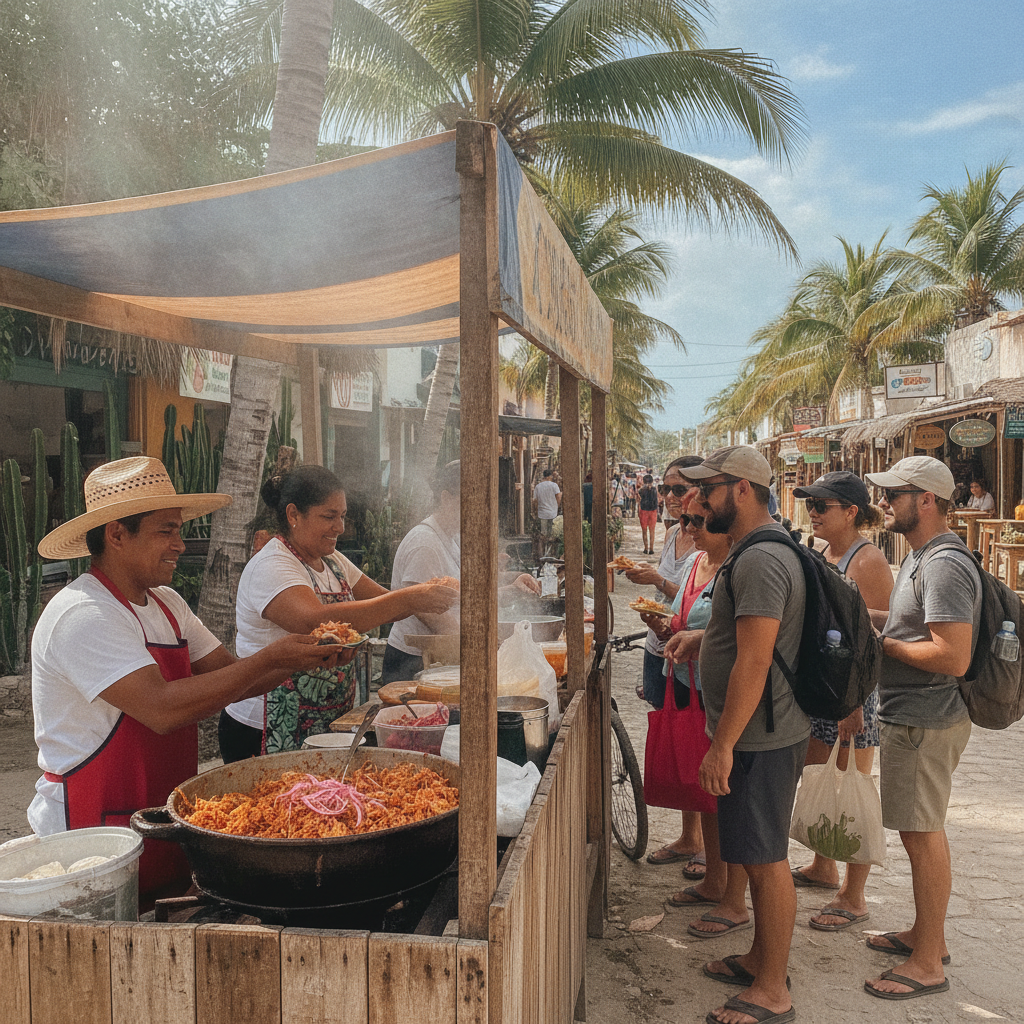
Tulum town, the Mexican community of approximately 30,000 permanent residents that exists behind and alongside the tourist infrastructure of the hotel zone, is the urban reality of Tulum that the hotel zone photography carefully avoids: the grid of streets with the taco stands, the hardware stores, the laundromat, the community market, and the Mexican families who service the tourist economy from their homes in the colonia neighborhoods that extend west from the main ADO bus route. The town of Tulum, designated a Pueblo Magico by the Mexican federal tourism program in 2020, has its own cultural attractions beyond the service economy of the hotel zone, including the cultural center with its Mayan cultural programming, the weekly tianguis market, and the restaurants of the main street that serve the local Mexican and the budget traveler population at prices that reflect the peso economy rather than the tourist premium. The relationship between the Tulum town population and the hotel zone economy is primarily one of employment: the service workers, construction workers, and support staff of the hotel zone commute from Tulum town and the surrounding Maya communities including Felipe Carrillo Puerto and the ejido lands of the Tulum municipality, living in rental housing whose price has been pushed above the reach of the workers who need it by the short-term rental market that the international tourism demand creates. The Maya community of the Tulum ejido, the communal land tenure system established after the Revolution that gave the indigenous communities collective land rights in the Quintana Roo jungle, has been the primary mechanism by which the indigenous population of the area has both profited from and been dispossessed by the tourism development of the past three decades, as ejido land parcels sold to hotel developers have transformed the collective holdings into private tourist infrastructure while the ejido members who sold moved to peripheral housing without the natural capital they previously held.
- 5
Tulum Sargassum Crisis and Reef Management
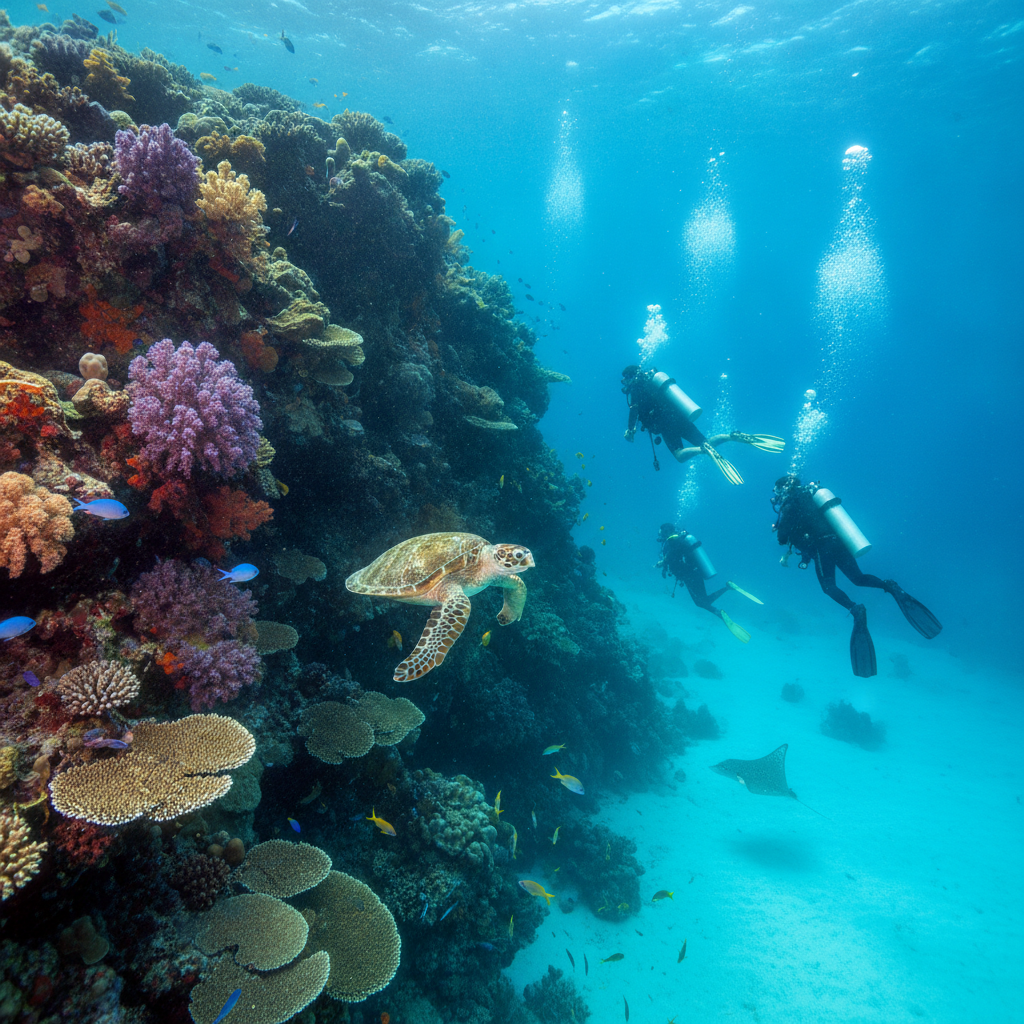
The sargassum crisis of the Tulum coast, in which massive blooms of free-floating brown algae from the Sargasso Sea and the tropical Atlantic have washed onto the Caribbean beaches from 2015 onward in quantities that overwhelm the manual removal capacity of the hotel cleaning crews, constitutes the most visible environmental problem of the Tulum tourist economy and the one most directly experienced by visitors who arrive to find their beach obscured by a brown carpet of decomposing algae emitting hydrogen sulfide gas. The sargassum accumulation on the Tulum coast is a symptom of the broader Atlantic nutrient pollution crisis, in which the increased nutrient load from agricultural runoff in the Amazon and West African river systems has fertilized the Sargasso Sea sargassum population beyond its historical equilibrium, producing the bloom scale that the Caribbean coast has experienced since 2015. The economic impact of severe sargassum seasons on the Tulum hotel zone has been estimated at 20 to 30 percent reduction in occupancy and the hotel daily rate premium, with the social media documentation of sargassum-covered beaches by disappointed tourists creating the reputation damage that the destination marketing organizations have attempted to counter by emphasizing the cenote experiences available inland. The Mesoamerican Barrier Reef, the second-largest coral reef system in the world extending from the tip of the Yucatan Peninsula through Belize to Honduras, faces multiple stressors in the Tulum area: water temperature increase bleaching events, the crown-of-thorns starfish population explosions that consume coral tissue, the chemical contamination of the cenote system that enters the reef through the coastal submarine spring discharge, and the boat anchor damage from the dive tourism that depends on the reef for its product. The CONANP monitoring program that tracks the coral coverage of the Mesoamerican Reef in the Tulum area has documented significant decline in coral coverage since the 2010s, with the bleaching events of 2023 and 2024 producing mortality levels that require decades of reef recovery under optimal conditions.
- 6
Tulum Practical Guide Transport Safety Cenote Circuit and How to Visit Without Contributing to the Ecological Collapse
Tulum is accessible by the ADO first-class bus service from Cancun airport and the Cancun hotel zone in 90 minutes, from Playa del Carmen in 60 minutes, and from the Coba and Valladolid direction in 45 and 90 minutes respectively, with the ADO bus station in Tulum town serving as the hub for regional connections. The tourist transport within the Tulum area depends on the colectivo minibuses that run north toward Playa del Carmen along the main highway and on the bicycle rental from Tulum town that provides the most economical access to the ruins and the Gran Cenote. The Tulum ruins are accessible by bicycle from the town center in 30 minutes, with the route passing through the approach road to the site that the tourist bus circuit uses but is navigable by bicycle in the morning before the crowds arrive. The cenote circuit of the Tulum area includes Gran Cenote, Cenote Dos Ojos, Cenote Calavera, Aktun Chen, and the Cenote Suytun near Valladolid that operates a different lighting aesthetic, with each cenote requiring separate admission fees and the budget for the day cenote circuit running 300 to 600 pesos per person for the main sites. The ecological contribution practices for Tulum visitors that reduce the cenote and reef impact include using reef-safe sunscreen (zinc oxide based without oxybenzone or octinoxate), avoiding underwater sunscreen application in the cenotes, renting a bicycle rather than driving in the hotel zone, choosing accommodation that documents its sewage treatment system, and supporting the community ecotourism operations of the Sian Kaan biosphere over the private beach clubs for the wildlife and marine experience. The best time to visit Tulum for weather is December through April, for manageable crowds and lower prices is May and October through November, and for the sargassum risk the unpredictable Atlantic bloom cycle makes monitoring the real-time sargassum forecast available on the SeaWiFS satellite tracking website the best advance planning tool.
Walk this route with audio
Stories play automatically as you reach each stop — no tapping needed.
More in Tulum
Tulum Riviera Maya Circuit Akumal Xel-Ha Xcaret and the Full Caribbean Coast Experience From the Cancun Hotel Zone to the Sian Kaan Biosphere Reserve
Tulum Practical Guide Getting There Transport Budget Safety and How to Visit the Riviera Maya Without Paying New York Prices for Mexican Beach Sand
Tulum Real Estate Speculation Narco Investment Organized Crime and the Political Economy of How the Most Beautiful Beach in Mexico Was Sold to Money Launderers Hedge Funds and Instagram Influencers
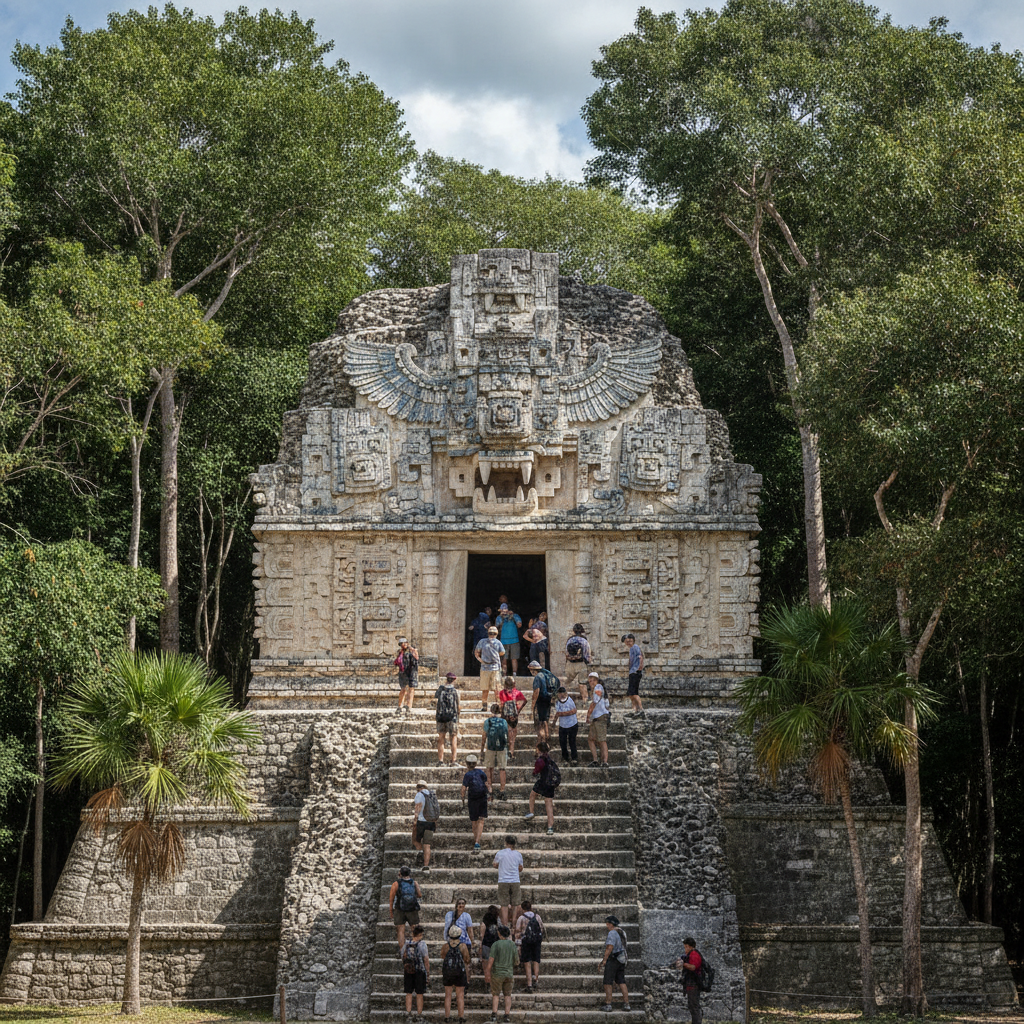
Tulum Maya Heritage Valladolid Chichen Itza Ek Balam and the Post-Classic Coastal Trade Network That Connected the Caribbean to the Heart of Mesoamerica
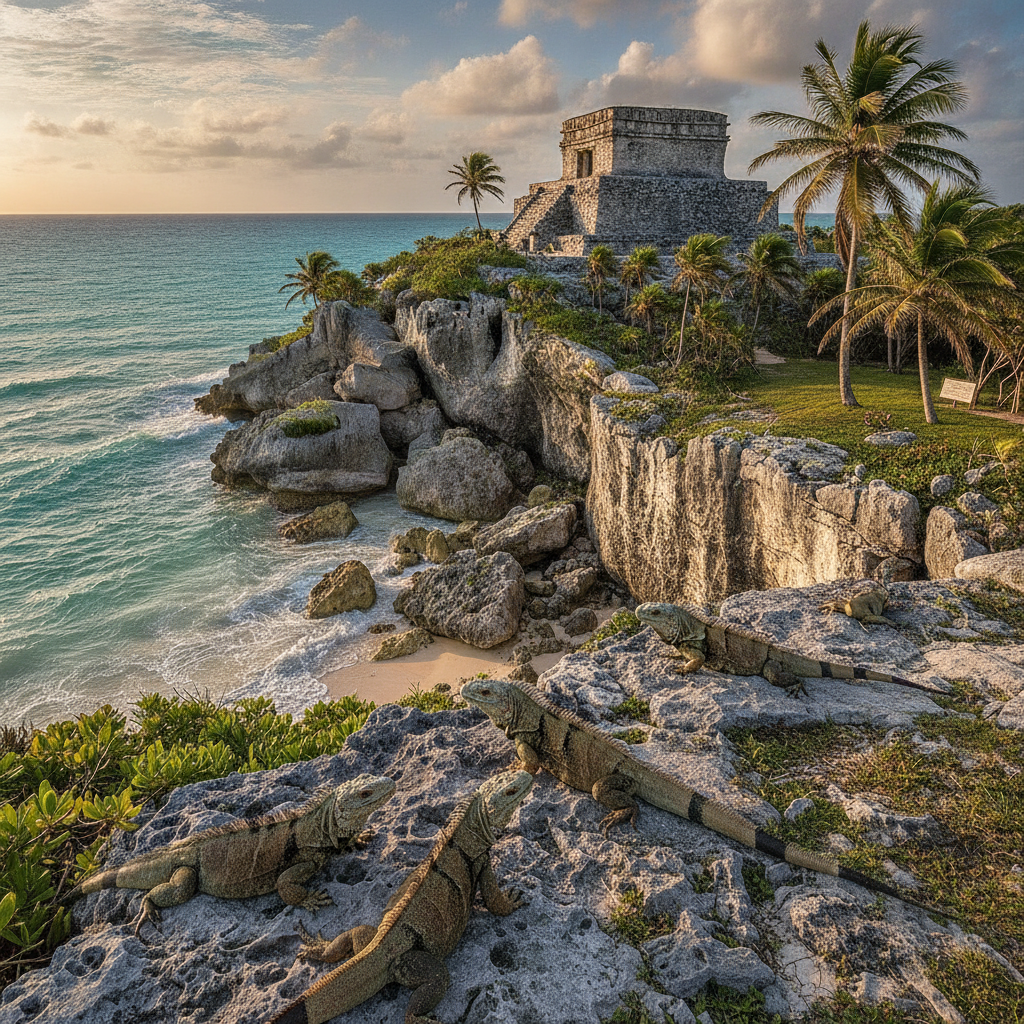
Tulum Maya Ruins on the Caribbean Cliff Gran Cenote Sian Kaan Biosphere and the Beach Town That Became the Worlds Most Instagrammed Destination and Its Own Ecological Crisis