Tunisia Occupies the Geographic Center of the Mediterranean Where the 148km Strait Between Cap Bon and Sicily Has Been the Crossing Point for Phoenicians, Romans, Vandals, Arabs, and Today's Migration Crisis; Tunisia's El Ghriba Synagogue on Djerba Has a Legendary Founding Date of 586 BCE and 100,000 Tunisian Jews Emigrated to Israel and France Between 1948 and 1967; Tunisia Supplied One-Third of Rome's Grain Requirements as the Granary of Rome
Tunisia's Cap Bon peninsula being 148km from Sicily making it the crossing point for Phoenicians, Romans, Vandals (sacking Rome 455 CE), Arabs (Sicily 827 CE), and today's migration route; El Ghriba Synagogue's legendary 586 BCE founding and 100,000 Tunisian Jews emigrating 1948-1967; Tunisia supplying one-third of Rome's grain as the Roman granary; the Hafsid Mosque of the Kasbah (1233 CE) and 40+ zaouias in the Tunis Medina; the Tunisia vs Egypt Arab Spring comparison and why Tunisia's smaller military and stronger civil society (UGTT) enabled a democratic transition Egypt could not achieve.
- 1
Tunisia Complete Reference – History, Geography, and Visitor Information
The comprehensive Tunisia reference guide (all essential visitor and historical information for Tunisia consolidated): the complete guide. The geography (Tunisia: total area 163,610 km2: the smallest country in North Africa: northern Tunisia (the Tell region) has a Mediterranean climate and fertile agricultural land: the Sahel (the central coastal strip) is the primary olive oil production region: the south is Sahara desert: the highest point: Jebel ech Chambi (1,544m in the western mountains): the history timeline (3000 BCE: earliest Berber settlements: 1100-800 BCE: first Phoenician trading posts on the Tunisian coast: 814 BCE: founding of Carthage: 264-146 BCE: the Punic Wars: 146 BCE: Rome destroys Carthage: 46 BCE: Julius Caesar refounds Carthage as a Roman colony: 238 CE: the El Djem amphitheatre built: 429-534 CE: Vandal kingdom of North Africa: 534 CE: Byzantine reconquest: 670 CE: Arab general Uqba ibn Nafi founds Kairouan: 800-909 CE: Aghlabid dynasty: 1228 CE: Hafsid dynasty begins: 1574 CE: Ottoman Empire annexes Tunisia: 1705 CE: Husainid dynasty (Ottoman vassals): 1881 CE: French Protectorate: 1956 CE: Tunisian independence: 1987 CE: Ben Ali seizes power: 2010-2011 CE: Jasmine Revolution: 2014 CE: democratic constitution: 2021 CE: Kais Saied suspends constitution: the population (Tunisia: approximately 12.3 million (2025): the primary languages: Arabic (official): Tunisian Arabic (Darija — the colloquial dialect): French (widely used in education and business): the religion (Islam — predominantly Sunni Maliki: the official religion of the state: small Jewish community (approximately 1,500 in 2025, primarily on Djerba): the UNESCO sites: the Medina of Tunis (1979): Dougga (1997): Kairouan (1988): Sousse (1988): Carthage (1979): El Djem (1979): Ichkeul National Park (1980).
- 2
Tunisia vs Egypt – Two North African Arab Springs Compared
Tunisia and Egypt comparison (the two Arab Spring uprisings of 2011 — the Tunisian Jasmine Revolution that succeeded and the Egyptian Revolution that failed): the comparative political analysis. The uprisings (the Tunisian Revolution (December 2010 - January 2011): triggered by Mohammed Bouazizi's self-immolation: Ben Ali fled after 28 days of protests: the Egyptian Revolution (January 25 - February 11, 2011): triggered in part by the Tunisian example: Hosni Mubarak resigned after 18 days of Tahrir Square protests ending 30 years of rule: the outcomes (Tunisia: democratic elections (October 2011): the Ennahda Islamist party won a plurality but accepted democratic process: a secular-Islamist compromise produced a new constitution (2014): the Nobel Peace Prize to the National Dialogue Quartet (2015): the Kais Saied reversal (2021): Egypt: the Muslim Brotherhood won the 2012 elections: the army under General Abdel Fattah el-Sisi staged a coup in July 2013 deposing President Morsi: Egypt has been under military-backed authoritarian rule since 2013: the explanations for the different outcomes (why Tunisia succeeded where Egypt failed): Tunisia's smaller size and more homogeneous society: the role of a strong civil society (particularly the powerful Tunisian General Labour Union (UGTT) — the trade union confederation founded in 1944 that never aligned exclusively with either secular or Islamist camps): the Tunisian military (smaller, less politically powerful, less economically invested in the existing order than the Egyptian military): the Ennahda political maturity (the Tunisian Islamist party accepted democratic setbacks more gracefully than the Egyptian Muslim Brotherhood): the economic difference (Tunisia's economy and the 2023 situation: high youth unemployment (approximately 30%): public debt at approximately 80% of GDP: severe inflation: President Kais Saied has been governing by decree since 2021: the democratic gains are under threat but Tunisia has not returned to full authoritarianism).
- 3
The Medina of Tunis Deep Dive – 700 Years of Islamic Monuments
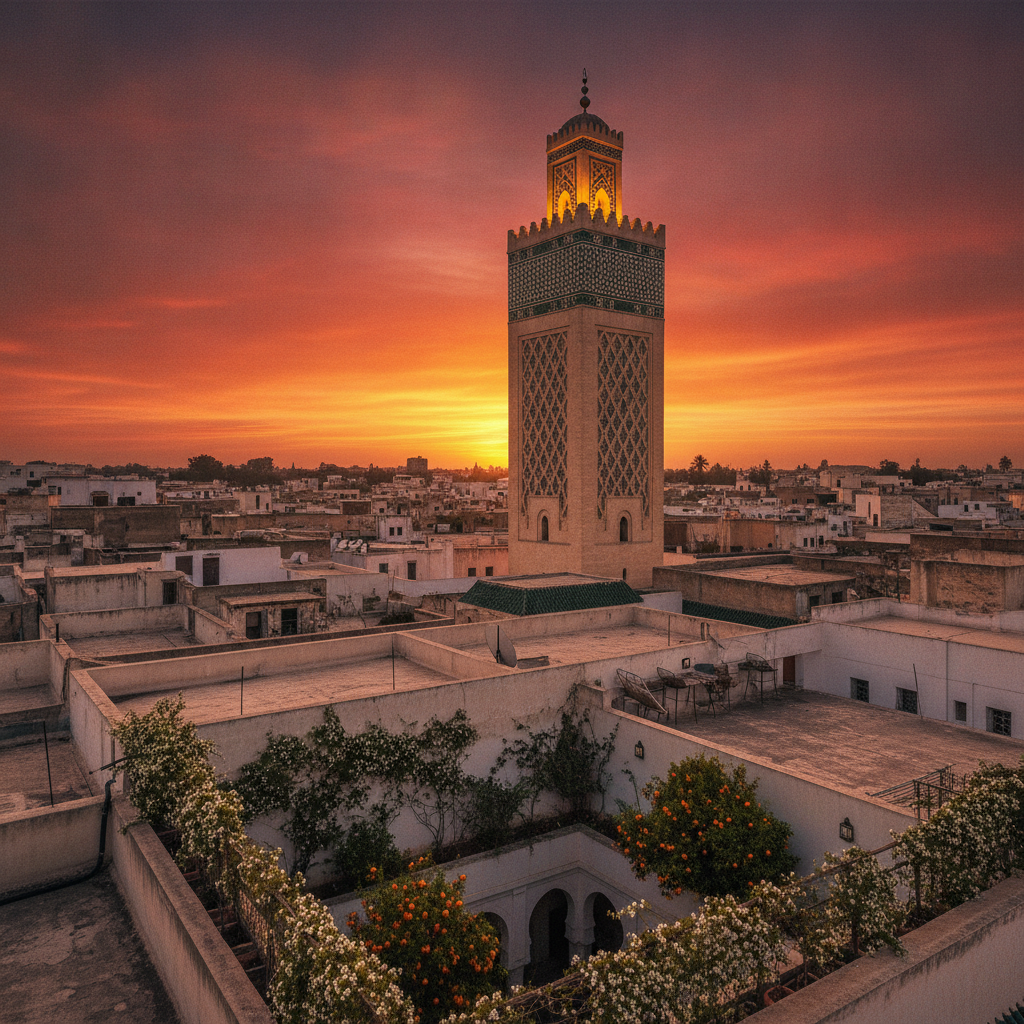
The Medina of Tunis architectural inventory (the concentrated collection of Islamic monuments in the UNESCO-listed medina of Tunis spanning seven centuries from the 9th to the 16th century): the monument guide. The chronological layers: the Aghlabid layer (9th century CE): the Zaytuna Mosque foundations (though the current structure is mostly later): the Abbasid palace remains beneath the medina: the Hafsid layer (13th-16th century CE): the Hafsid dynasty (1228-1574 CE) made Tunis the primary city of Ifriqiya and built the most important medina monuments: the Hafsid Mosque of the Kasbah (1233 CE) — opposite the Kasbah citadel: a classic Almohad-Hafsid mosque type with square minaret decorated with ceramic tile patterns and diamond lattice: the zaouia (Sufi lodge and shrine) system (the medina contains over 40 zaouias — Sufi religious establishments dedicated to a particular saint: the primary zaouias: the Zaouia of Sidi Mahrez (17th century) — the largest and most spectacular zaouia in Tunis: the Hafsid-period zaouias are the most architecturally significant: the Ottoman layer (16th-19th century CE): the Ottoman Husainid dynasty built numerous mosques, palaces, and institutional buildings: the Mosque of Yusuf Dey (1616 — the first Ottoman mosque in Tunis: notable for its octagonal minaret — unusual in the Maghreb tradition): the Bir Lahjar (the Well of Stones — a historic public water point in the medina): the Husainid palaces (18th-19th century): the Dar Othman: the Dar Hussein: the Dar Ben Abdallah: the French Protectorate layer (the Protectorate-era medina buildings: the expansion of the medina toward the European quarter (the ville nouvelle).
- 4
Coastal Tunisia – Hammamet, Sfax, and the Sahel Olive Groves
Coastal Tunisia (the Tunisian Mediterranean coast from the Gulf of Hammamet south to Sfax — the primary beach tourism corridor and the heart of the Sahel olive oil economy): the coastal guide. The Gulf of Hammamet (the Gulf of Hammamet — a broad shallow bay between Cap Bon (the northeastern promontory of Tunisia) and Sousse: the primary beach tourism zone of Tunisia: Hammamet (the primary beach resort town: the original historic medina of Hammamet sits at the southern end of a bay with some of the finest beaches in the western Mediterranean: Hammamet was the first Tunisian destination to attract European tourists in the 1960s: the writer Andre Gide lived in the Hammamet villa of Romanian millionaire George Sebastian in the 1930s-1940s: Cap Bon (the Cap Bon peninsula — the northeastern tip of Tunisia: traditionally known as the garden of Tunisia for its fertile soil and Mediterranean climate: the primary production: wine grapes (the Kelibia and Grombalia wine regions): citrus: the Villa Sebatian at Hammamet was used as Rommel's headquarters during the North African Campaign (World War II): Nabeul (the capital of the pottery tradition): the Sahel (the Sahel (the coastal strip between Sousse and Sfax): the primary olive oil production region of Tunisia: an estimated 30 million olive trees: the Sfax (Sfax (Safaqis) — Tunisia's second largest city (population approximately 400,000): the primary commercial and industrial city of Tunisia: an important olive oil exporting port: the old medina of Sfax is one of the best preserved and least touristed in Tunisia: the Chott el-Jerid (the road south from Sfax through the Gafsa mining region (Tunisia is a significant phosphate producer) to the Chott el-Jerid salt flat and the Sahara gateway of Tozeur).
- 5
Tunisian Judaism – 2,600 Years of Jewish Presence in North Africa
Tunisian Jewish heritage (the Jewish community of Tunisia — one of the oldest Jewish diaspora communities in the world and a community that has maintained continuous presence in North Africa for over 2,500 years): the heritage guide. The history (the earliest evidence of Jewish presence in North Africa: the El Ghriba synagogue on Djerba with its legendary founding date of 586 BCE (the year of the destruction of Solomon's Temple by Nebuchadnezzar): archaeological evidence for continuous Jewish presence in Tunisia from at least the 3rd century BCE: the Carthaginian period (Jewish merchants were likely present in Carthage during the Phoenician period due to the close linguistic and cultural relationship between Phoenician and Hebrew: the Roman period (the Roman province of Africa had a significant Jewish population: the Jewish community had legal status as a protected minority (religio licita) in the Roman Empire: the Arab-Islamic period (the Arab-Islamic conquest of the Maghreb (670-698 CE) brought legal protection (dhimmi status) for Jewish communities: the Tunisian Jews maintained their distinct religious and communal institutions through all subsequent rulers (Aghlabid, Fatimid, Hafsid, Ottoman): the Ottoman-Husainid period (the Husainid Beys of Tunis maintained relatively tolerant relations with the Tunis Jewish community: the Jewish quarter of the medina (the Hara) was the center of Jewish commercial and religious life: the French Protectorate (French citizenship was offered to Tunisian Jews under the Cremieux Decree of Algeria but Tunisian Jews did not receive French citizenship automatically — their legal status remained as Tunisian subjects under the Husainid Beys: the 1956 departure (approximately 100,000 Tunisian Jews emigrated from Tunisia between 1948 and 1967: the primary destinations: Israel, France, Canada: the remaining community (approximately 1,500 Jews in Tunisia in 2025 — primarily on Djerba and in Tunis).
- 6
Tunisia and the Mediterranean World – The Central Sea's Central Country
Tunisia's geopolitical position (Tunisia occupies the geographic center of the Mediterranean Sea — the narrow strait between Tunisia and Sicily is the narrowest navigable passage of the central Mediterranean and the crossing point that has defined Mediterranean history for 3,000 years): the geopolitical analysis. The central position (the distance from the Cap Bon peninsula (the northeastern tip of Tunisia) to Sicily is approximately 148 km: this was the crossing point of: the Phoenician trade networks (1000-500 BCE): the Roman naval battles of the First Punic War (264-241 BCE) for control of Sicily: the Vandal fleet crossing to sack Rome (455 CE): the Arab conquest of Sicily (827 CE): the Norman re-conquest of Sicily (1072 CE): the World War II North African campaign (1940-1943): the contemporary migration crisis (the primary Mediterranean migration route 2014-present): the Roman granary (Tunisia was called the granary of Rome (frumentum Africanum) in the Roman period: the province of Africa Proconsularis supplied approximately one-third of Rome's grain requirements: the grain was shipped across the Sicilian Strait from the ports of Carthage, Utica, and Hippo Diarrhytus (modern Bizerte): the strategic importance (Tunisia has been strategically important to every Mediterranean power that has sought to dominate the central sea: the Carthaginian empire: the Roman empire: the Byzantine empire: the Arab Caliphates: the Aghlabid conquest of Sicily: the Ottoman Empire: the French Protectorate (motivated partly by fear of Italian expansion into Tunisia): the contemporary geopolitics (Tunisia borders Libya to the east and Algeria to the west: Tunisia's stability or instability directly affects European security: the Tunisian migration route to Italy and Malta is the primary Mediterranean migration crossing: Tunisia signed a Memorandum of Understanding with the European Union in July 2023 for financial assistance in exchange for migration control).
Walk this route with audio
Stories play automatically as you reach each stop — no tapping needed.
More in Tunis
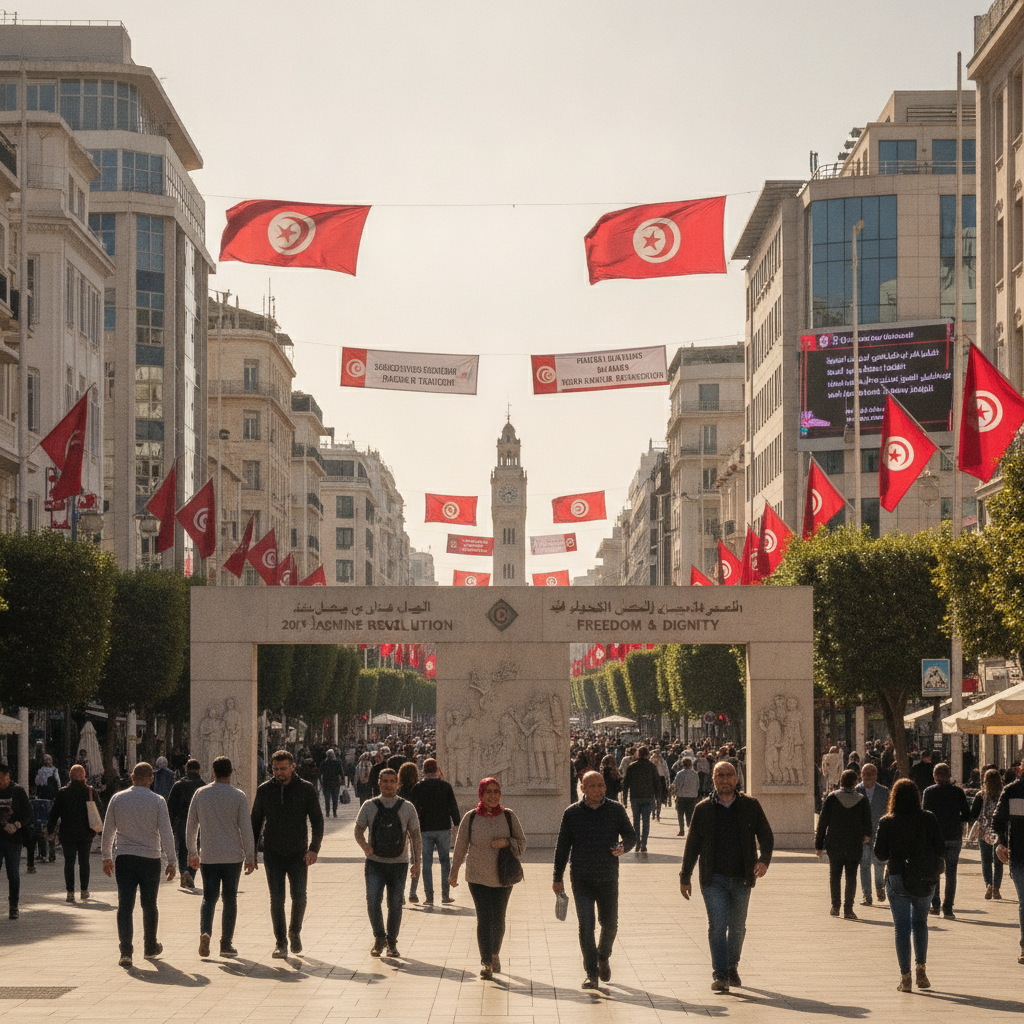
Tunis Modern History: The Arab Spring Jasmine Revolution, the Ben Ali Regime, the Bourguiba Legacy, the Transitional Democracy, and Contemporary Tunisia
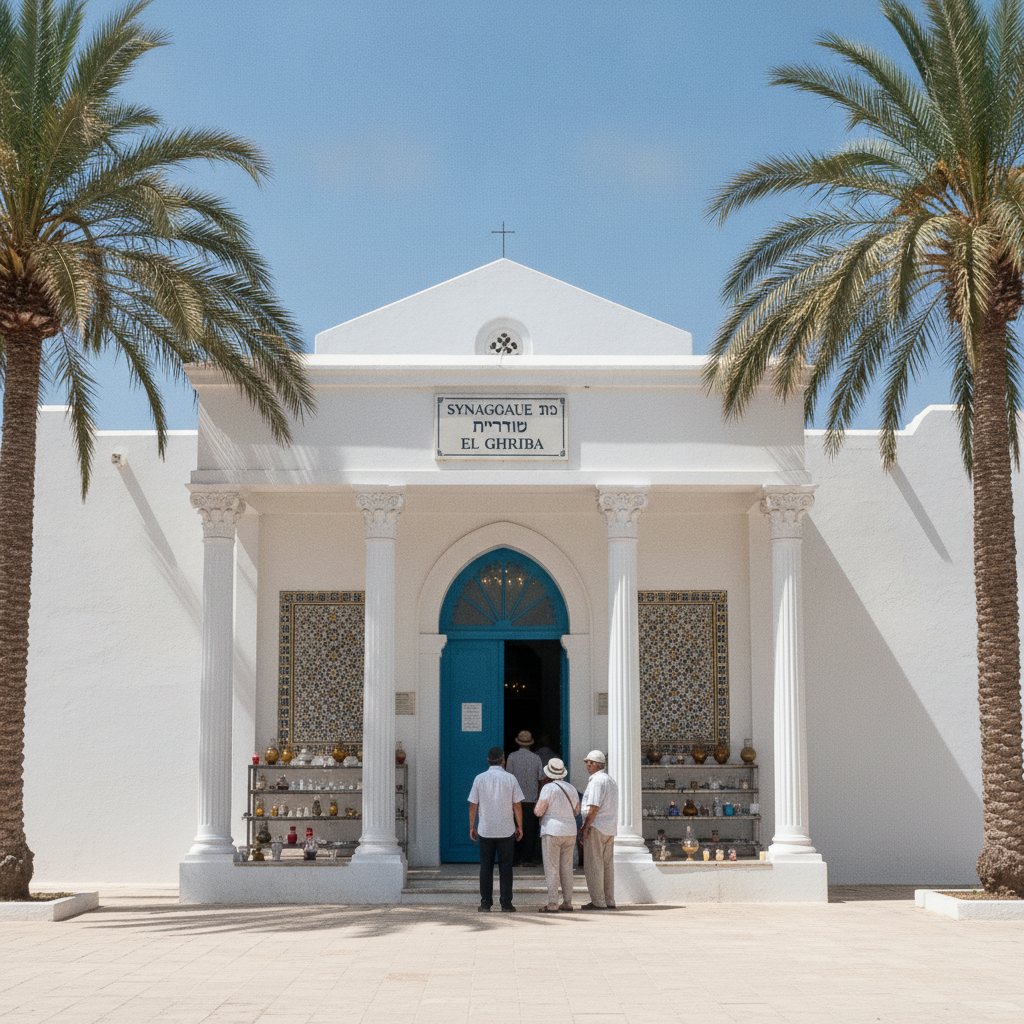
Mohammed Bouazizi Set Himself on Fire on December 17, 2010 and Ben Ali Fled Tunisia 28 Days Later Triggering Arab Spring Revolutions Across 6 Countries; El Ghriba Synagogue on Djerba Has a Legendary Founding Date of 586 BCE Making It the Oldest Synagogue in Africa; the Tunisian Rapper El General's Track Rayes Lebled Criticizing Ben Ali Became the Anthem of the Revolution After Going Viral on Facebook

The Punic Language Survived as a Spoken Vernacular in Roman North Africa Until the 5th Century CE When Augustine of Hippo Mentions Punic Speakers in His Parish; The Vandals Sacked Rome in 455 CE from Their Base in Carthage and May Have Taken the Temple Treasures of Jerusalem; the Arab Berber Queen Dihya (Kahina) Defeated an Arab Army and Is Honored Both as a Brave Enemy in Muslim Tradition and as a National Hero in Berber Tradition
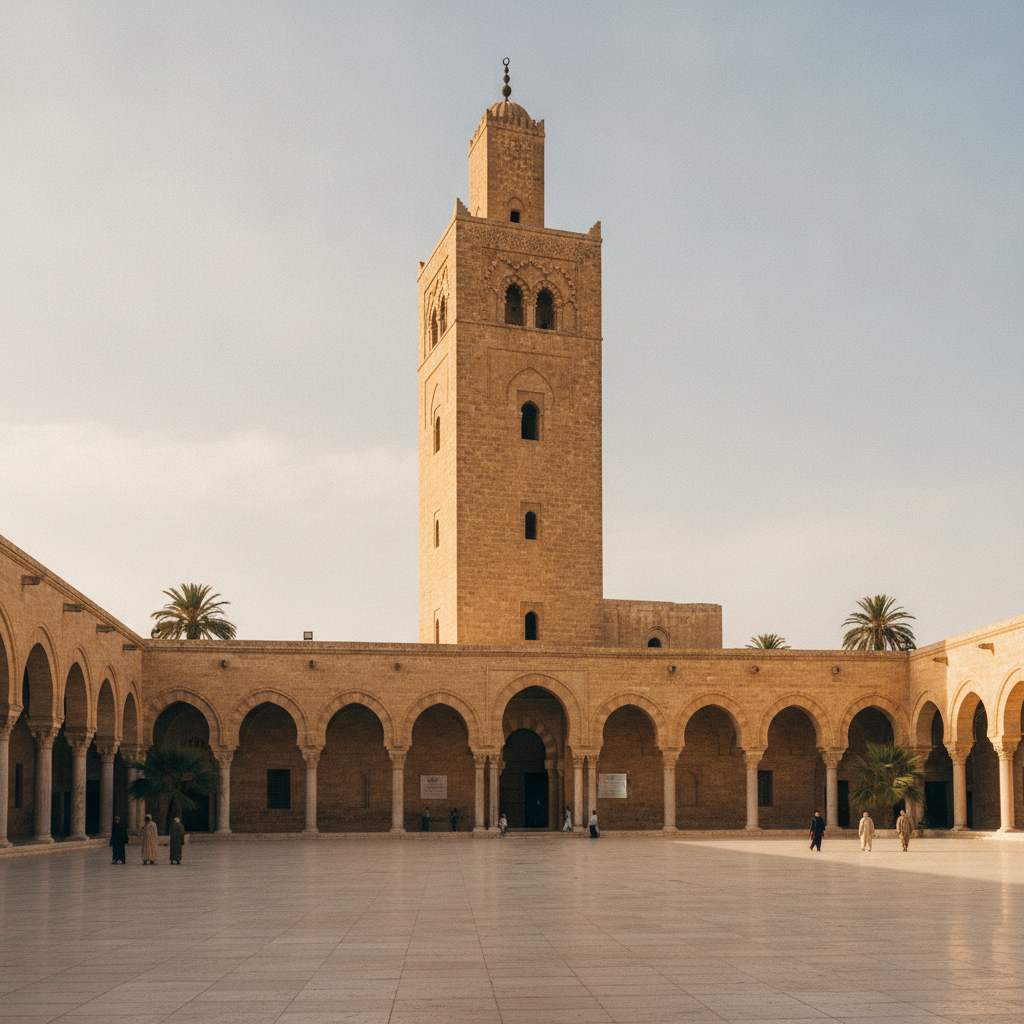
Tunis Day Trips: Kairouan the Holy City, the Great Mosque of Kairouan, the Aghlabid Basins, the Ribat of Monastir, and the Sahel Coast Circuit
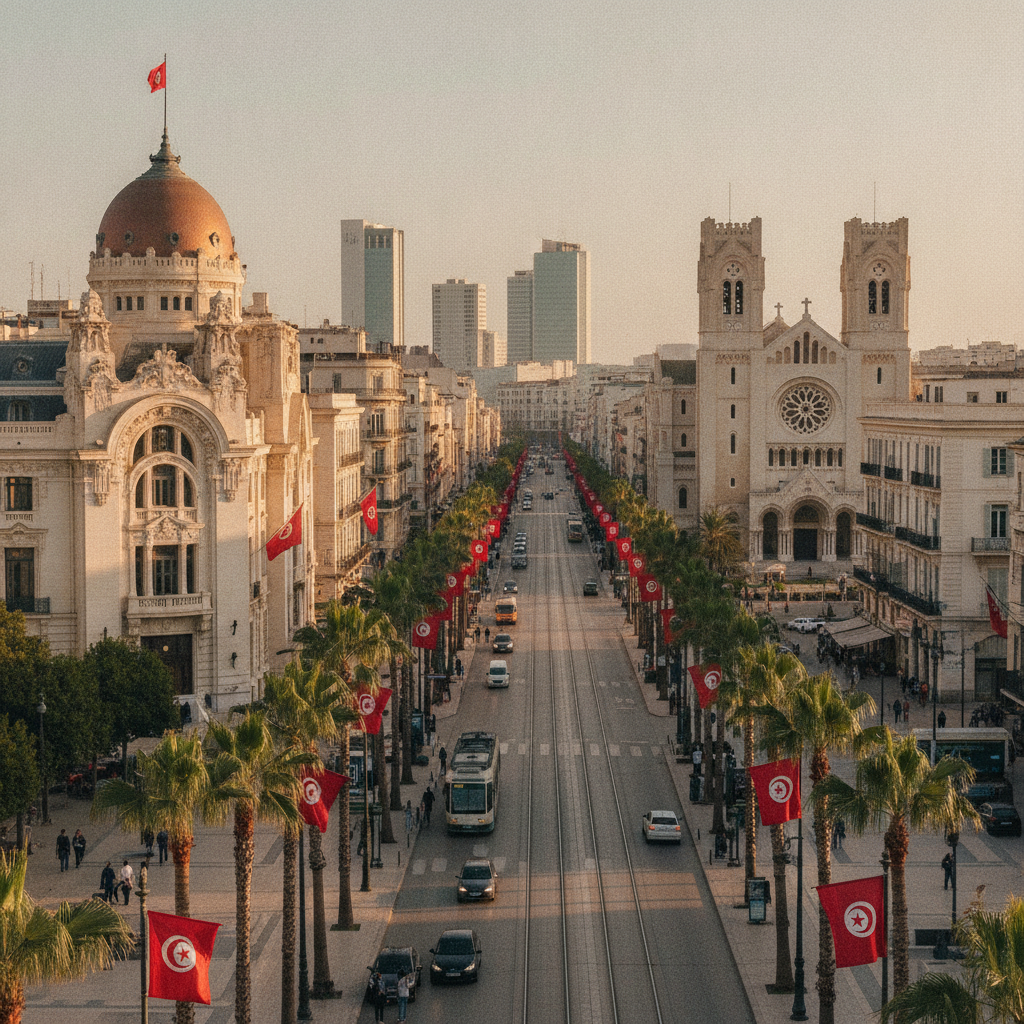
Tunis History: The Aghlabid Founders, the Hafsid Golden Age, the Ottoman Regency, the Husseinid Beys, and the French Protectorate Avenue Habib Bourguiba