Udaipur Dawn to Dark: Lake Light at Every Hour, Dilwara's Lace-Like Marble Carving & the Lake That Dried Out Twice
Experience Udaipur completely across a day—dawn mist on Lake Pichola when only pilgrims and fishermen are on the ghats, the Mount Abu Dilwara marble temples where stone was carved to the transparency of lace without metal tools (the finest marble carving in the world), the old city night market at Hathi Pol where silver jewellery dealers stay open until 10pm, Marwari horse rides through the Aravalli Hills with lake views, yoga on a rooftop with palace backdrop, and the uncomfortable truth that Lake Pichola dried out completely in 2004 and 2018—the floating palace sitting on cracked mud—raising the question of what Udaipur's next drought brings.
- 1
Lake Pichola at Different Hours – The Changing Light
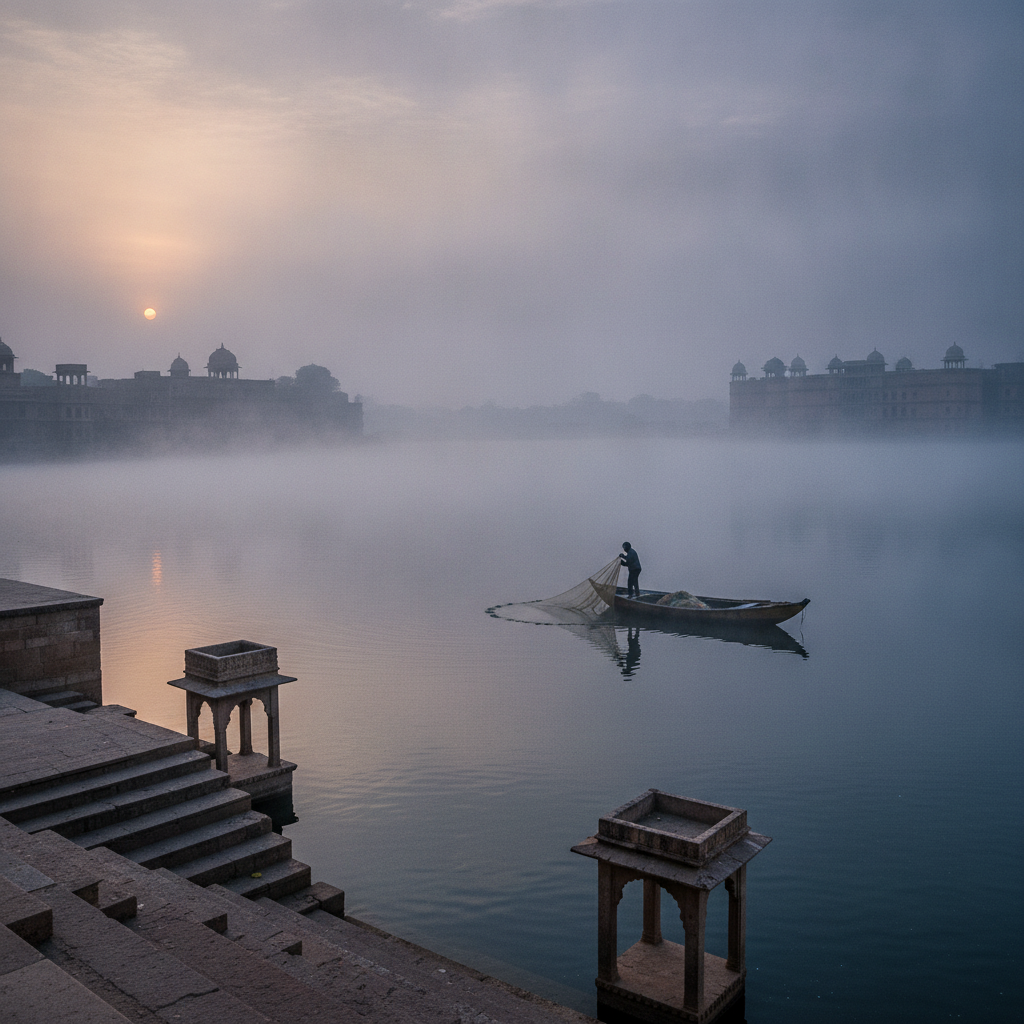
Lake Pichola's quality of light changes completely through the day, and experienced visitors plan their time on or near the lake accordingly. Dawn (5:30–7am): the softest light, mist over the water in winter, almost no tourists, pilgrims and locals doing laundry at the ghats, the City Palace ramparts catching the first warm rays—the most atmospheric time. Morning (7–10am): clear light, busy boat traffic, good photography of the City Palace and Lake Palace detail. Afternoon (12–4pm): harsh light, hot in summer, least interesting photographically but good time for the City Palace museum interior. Sunset (4:30–7pm depending on season): the peak time—golden light on the palace walls, crowds at Gangaur Ghat and in boats, the Lake Palace Hotel glowing. Night (8pm onwards): the City Palace and Lake Palace are lit; the Ambrai restaurant view across the illuminated water is the evening's primary experience.
- 2
Udaipur's Jain Temples – Delwara & the White Marble Tradition
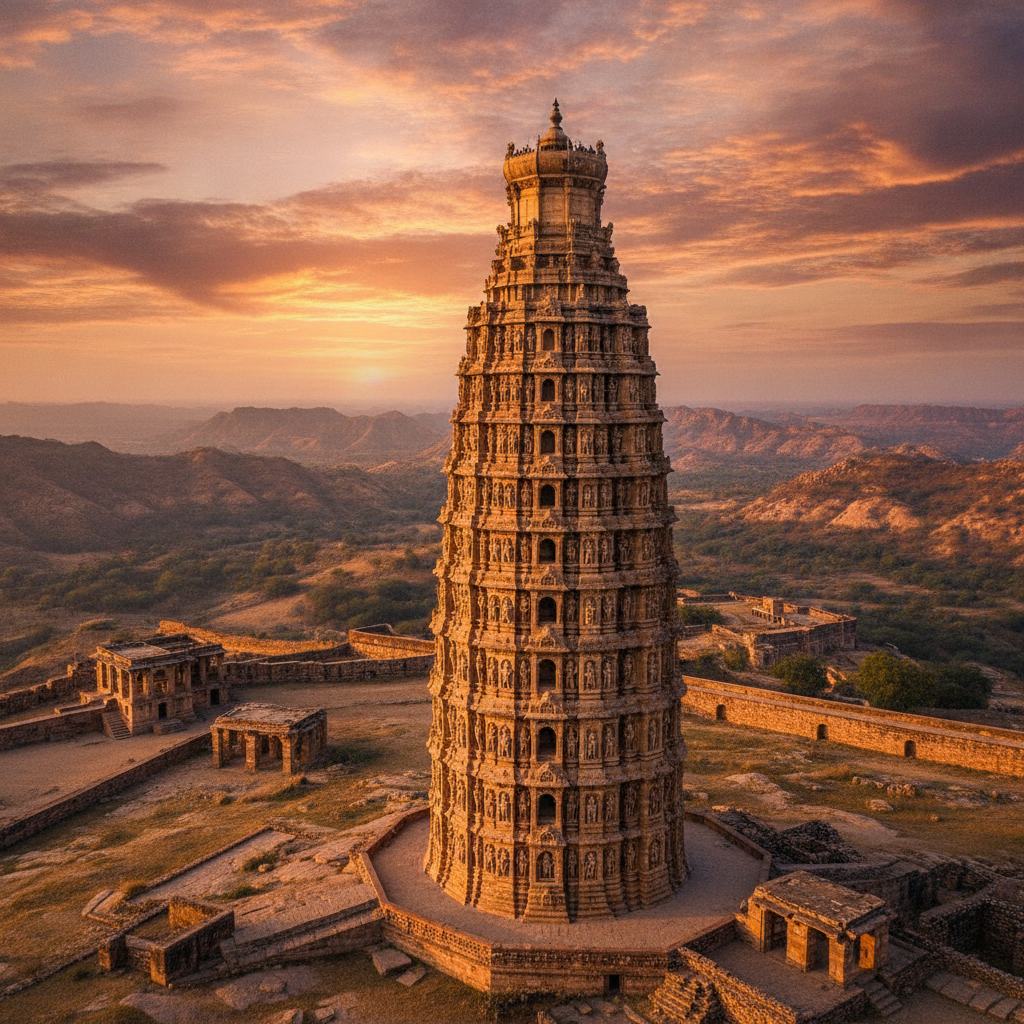
The Dilwara Temples at Mount Abu—85 km southwest of Udaipur, 2 hours, on a 1,219-metre hilltop—are five Jain temples built between the 11th and 13th centuries that are considered the finest examples of marble carving in the world. The Vimal Vasahi temple (1031 AD) and the Luna Vasahi temple (1231 AD) have interiors of such intricate carved marble that the stone appears to have the transparency of lace—thousands of deities, dancers, elephants, and floral patterns carved in white marble to the depth of the most delicate filigree, all without the use of metal tools (only bamboo, stone, and sand). Mount Abu is also Rajasthan's only hill station: the Nakki Lake and the Guru Shikhar summit (1,722 metres—Rajasthan's highest point) make it a popular summer escape from the Rajasthan heat.
- 3
Udaipur's Night Markets & Shopping
Udaipur's shopping is best in the old city lanes between the City Palace and the Hathi Pol Bazaar gate. The Hathi Pol Bazaar (near the City Palace north entrance) specialises in silver jewellery, miniature paintings, and colourful textile bags; the Bapu Bazaar (parallel street) has block-print and Rajasthani textile specialities. The night market at Saheliyon-ki-Bari (the Garden of the Maidens—built by Maharana Sangram Singh for the ladies of the royal household, with fountains and marble elephant sculptures; open daily, ₹50/€0.55 entry) is surrounded by evening hawkers selling silver trinkets and souvenirs as visitors exit. The Chhoti Chaupar and Bada Chaupar markets (old city crossroads) are active until 9–10pm with street food, local shoppers, and evening activity that gives a sense of Udaipur life beyond the tourist restaurant circuit.
- 4
Udaipur's Horse Riding & Rural Village Experiences
The Aravalli Hills around Udaipur have maintained a horse culture since the Rajput period; Marwari horses (the distinctive inward-curving ear breed specific to Rajasthan) are bred and kept by communities around Udaipur. Riding programmes (Krishna Ranch, Bassi near Udaipur, and several farms in the Nathdwara area) offer half-day and full-day rides through Aravalli hill terrain with views of the lakes and the surrounding countryside. The rural villages around Lake Badi and Lake Udaisagar (8–15 km from the city) are accessible by bicycle; the villages maintain traditional potter, weaver, and farmer communities. The Bedla village (7 km from Udaipur) has a traditional rural atmosphere with a small Shiva temple by the roadside and farmers working the fields visible from the main road.
- 5
Udaipur's Yoga & Wellness Scene
Udaipur has a modest but genuine yoga and wellness scene, distinct from Goa or Rishikesh but appealing to travellers who want short-term practice alongside sightseeing. Yoga classes are offered at several rooftop venues in the old city (Yog Sadhana Ashram, Yoga Sankalp); most offer drop-in morning sessions (₹200–500/€2.20–5.50) with lake or palace views. Ayurvedic massage and treatment is available at several dedicated clinics (Sri Sri Tattva Panchkarma centre, Mewar Ayurvedic centre) as well as hotel spas. The combination of the Aravalli hills (clean air, natural landscape), the lakes (visual tranquillity), and the city's relatively slow pace (compared to Delhi or Mumbai) makes Udaipur an intuitive wellness destination. The Nathdwara pilgrimage route (48 km north) offers a walking pilgrimage context for those interested in a more physically active spiritual practice.
- 6
Udaipur's Future – Water Scarcity & Responsible Tourism
Udaipur faces intensifying water scarcity: the seven-lake system that defined the city's character is under stress from population growth (city population has grown from 30,000 in 1947 to 650,000 in 2024), reduced monsoon reliability (likely linked to climate change), and groundwater depletion. Lake Pichola itself dried out completely in 2004 and again in 2018—years when the Lake Palace Hotel sat on dry ground. The Rajasthan water department has undertaken catchment area restoration to improve lake recharge; the traditional johad (check dam) revival movement (led by Rajendra Singh's Tarun Bharat Sangh, as in the Alwar district) has been applied around Udaipur. Responsible tourism practices: staying in heritage properties (which use less water per guest than large hotels), using water sparingly, and supporting the artisan economy directly (buying from the craftsperson rather than the middleman tour-group shop).
Walk this route with audio
Stories play automatically as you reach each stop — no tapping needed.
More in Udaipur
Udaipur's Layers: Bhil Tribal Crafts, Haveli Hotels with Lake Views & the Sanskrit Inscription That Covers 25 Ghats
Udaipur Essentials: Lake Pichola at Sunset, James Bond's Floating Palace Hotel & 400 Years of Mewar Architecture
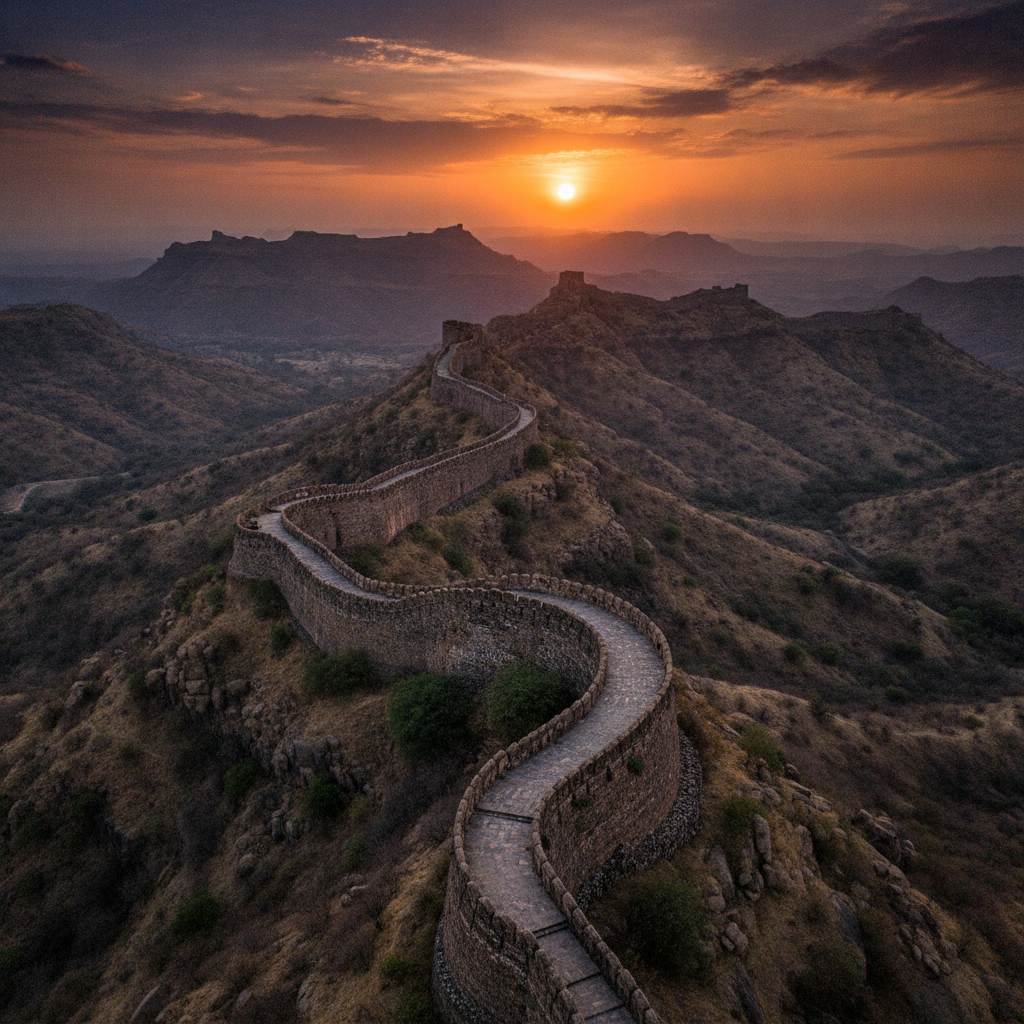
Udaipur's Mewar Legacy: Maharana Pratap's Battle of Haldighati, Ranakpur's 1,444 Pillar Temple & the 36km Fort Wall