The 17,000 Monks Executed in 1937 and the Single Monastery That Survived, the Secret Burial Site Never Found & the Peaceful Revolution That Made Mongolia the First Democracy in East Asia
The Stalinist purge executing 17,000 Buddhist monks and destroying 700 monasteries with only Gandantegchinlen surviving; Chinggis Khaan's deliberately secret burial site never found after 800 soldiers were killed to protect it; the 1990 hunger strike achieving the most successful peaceful democratic transition in East Asia; the deer stones as Mongolia's highest-concentration Bronze Age art form; the ger interior's encoded nomadic hospitality with the north side for honored guests; and the Beijing-to-Ulaanbaatar 30-hour Trans-Mongolian Express.
- 1
Gandantegchinlen Monastery – Mongolia's Spiritual Heart
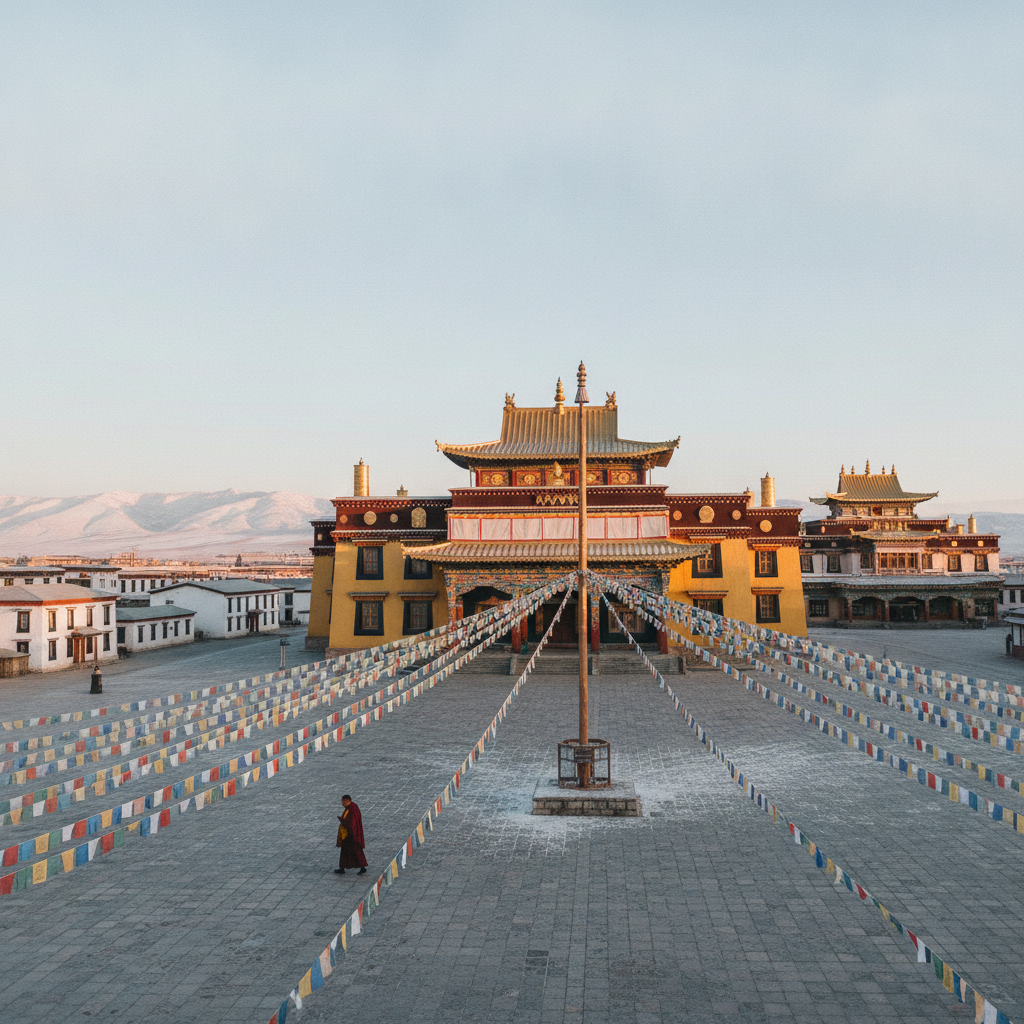
Gandantegchinlen Monastery (Гандантэгчинлэн хийд—'the great place of complete joy'): the largest active Buddhist monastery in Mongolia and the spiritual center of Tibetan Buddhism in the country. The history (Gandantegchinlen was established in 1835 CE during the Qing Dynasty Mongolian theocratic period—the monastery was suppressed and partially destroyed in the Stalinist purges of 1937–1940 (the Mongolian communist government executed approximately 17,000 Buddhist monks and destroyed most of Mongolia's 700+ monasteries): the reopening (Gandantegchinlen was partially reopened in 1944 as a symbolic concession during WWII propaganda—the only functioning Buddhist institution in Mongolia during the communist period—the full religious revival began in 1990 following the democratic transition). The Migjid Janraisig statue (米格吉德扎那日格—the 26.5m golden copper statue of Avalokitesvara (the Bodhisattva of Compassion) inside the Migjid Janraisig Temple—the largest indoor statue in Mongolia): the original statue (the original golden Avalokitesvara statue was cast in 1913 and melted down by the Stalinist government in 1938 to mint coins—the current statue was cast in 1996 with the assistance of the Japanese Buddhist community): the monastery daily life (the Gandantegchinlen complex houses approximately 150 monks in active residence—the morning puja (prayer assembly) at 09:00 in the main assembly hall is the most accessible Tibetan Buddhist liturgical practice in Ulaanbaatar).
- 2
Sukhbaatar Square – The Center of Mongolian Public Life
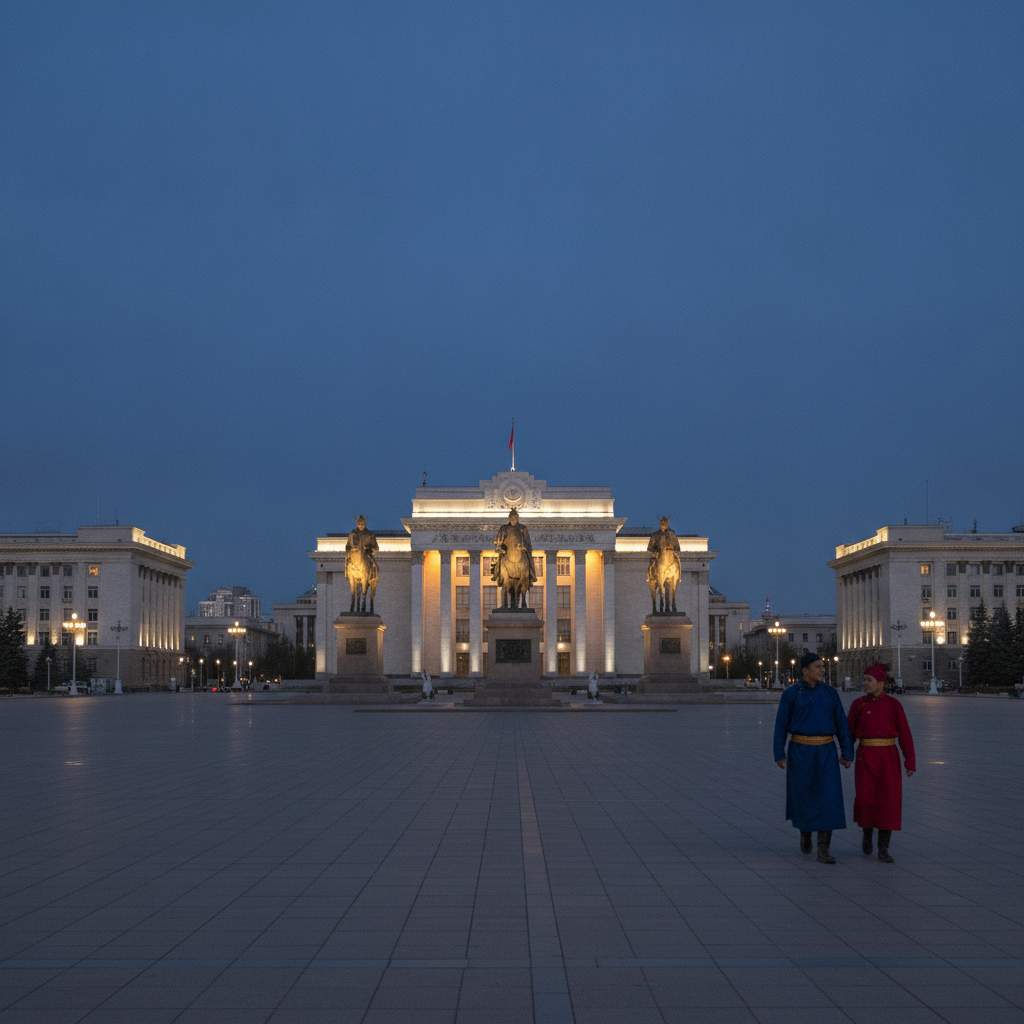
Sukhbaatar Square (Сүхбаатарын талбай—renamed Chinggis Square in 2013 and renamed back to Sukhbaatar Square in 2016 following public protest): the central public square of Ulaanbaatar and the location of Mongolia's most significant political events since 1921. The monuments (the Damdin Sukhbaatar (Дамдин Сүхбаатар) equestrian statue—the central monument depicting the Mongolian revolutionary leader who declared Mongolia's independence from China in 1921 (the bronze rider on horseback, the most iconic public sculpture in Mongolia): the Chinggis Khaan Parliament complex (the large colonnaded government building on the north side of the square, with the enormous bronze figures of Chinggis Khaan (center), Ögedei Khaan (left), and Kublai Khaan (right) on the building's plinth—the 2006-built monument replacing the Lenin statue that stood in the same location from 1955 to 2012). The square events (the 1990 Democratic Revolution: the hunger strike and mass demonstrations in Sukhbaatar Square in January–March 1990 that ended the Mongolian communist government—the most successful peaceful democratic transition in East Asia in the 20th century; the 2008 riots: the post-election protests in Sukhbaatar Square that resulted in 5 deaths and the declaration of a state of emergency—the most violent political event in Mongolia since 1990).
- 3
The National Museum of Mongolia – From Nomads to Nation
The National Museum of Mongolia (Монголын Үндэсний Музей): the primary museum of Mongolian history and culture, housing the most comprehensive collection of objects documenting the nomadic and imperial traditions of the Mongol people. The permanent collection (the museum's 50,000+ objects are organized chronologically from the Paleolithic to the present—the prehistoric collection includes: the 3,300-year-old bronze deer stones (хүн чулуу—the standing stones carved with flying deer figures that are the most distinctive art form of the Bronze Age Mongolian steppe—Mongolia has the highest concentration of deer stones of any country in the world): the imperial collection (the collection of artifacts from the Mongol Empire period (1206–1368): the scale armor (хуяг—the traditional Mongolian lamellar armor made from leather and metal plates—the armor type used by the Mongol cavalry that conquered half the known world)): the Ger display (the full-scale traditional Mongolian ger (юрт—the felt-covered circular dwelling of the nomads) assembled in the museum as the most accessible single introduction to nomadic material culture: the ger interior arrangement (the north side (хойморт) is the honored guest position; the west side (баруун тал) is the male/equipment side; the east side (зүүн тал) is the female/kitchen side)—the spatial logic of nomadic hospitality encoded in the circular dwelling).
- 4
Chinggis Khaan – The Man & The Empire
Chinggis Khaan (Чингис Хаан—1162–1227 CE): the founder of the Mongol Empire—the largest contiguous land empire in history and the man whose descendants ruled from the Pacific Ocean to the Adriatic Sea within 60 years of his birth. The biography (born Temujin (铁木真) in approximately 1162 CE near the Onon River in northeastern Mongolia—his father was poisoned when Temujin was 9 years old and the family was abandoned by their clan—the childhood of extreme hardship that formed the man who would unify all the Mongol and Turkic tribes by 1206 CE): the unification (the kurultai (great assembly) of 1206 CE on the banks of the Onon River at which all the Mongol tribes swore loyalty to Temujin and gave him the title Chinggis Khaan (Genghis Khan—the etymological debate: possibly from the Turkic 'tengis'—'ocean'—meaning the Khan of Oceans, i.e., the universal ruler)): the conquests (the Mongol conquests under Chinggis and his sons covered 33 million km² of territory—the largest empire in history: the Jin Dynasty (1211–1234); the Kara-Khitan Khanate (1218); the Khwarazmian Empire (1219–1221); the Western Xia (1226–1227)). The death (Chinggis Khaan died in 1227 during the campaign against the Western Xia—the cause of death is disputed (fall from a horse, illness, arrow wound)—his burial site has never been found, by deliberate design: a secret burial by 800 soldiers who were killed after completing the burial to prevent knowledge of the location).
- 5
Ulaanbaatar's Soviet Architecture & Transformation
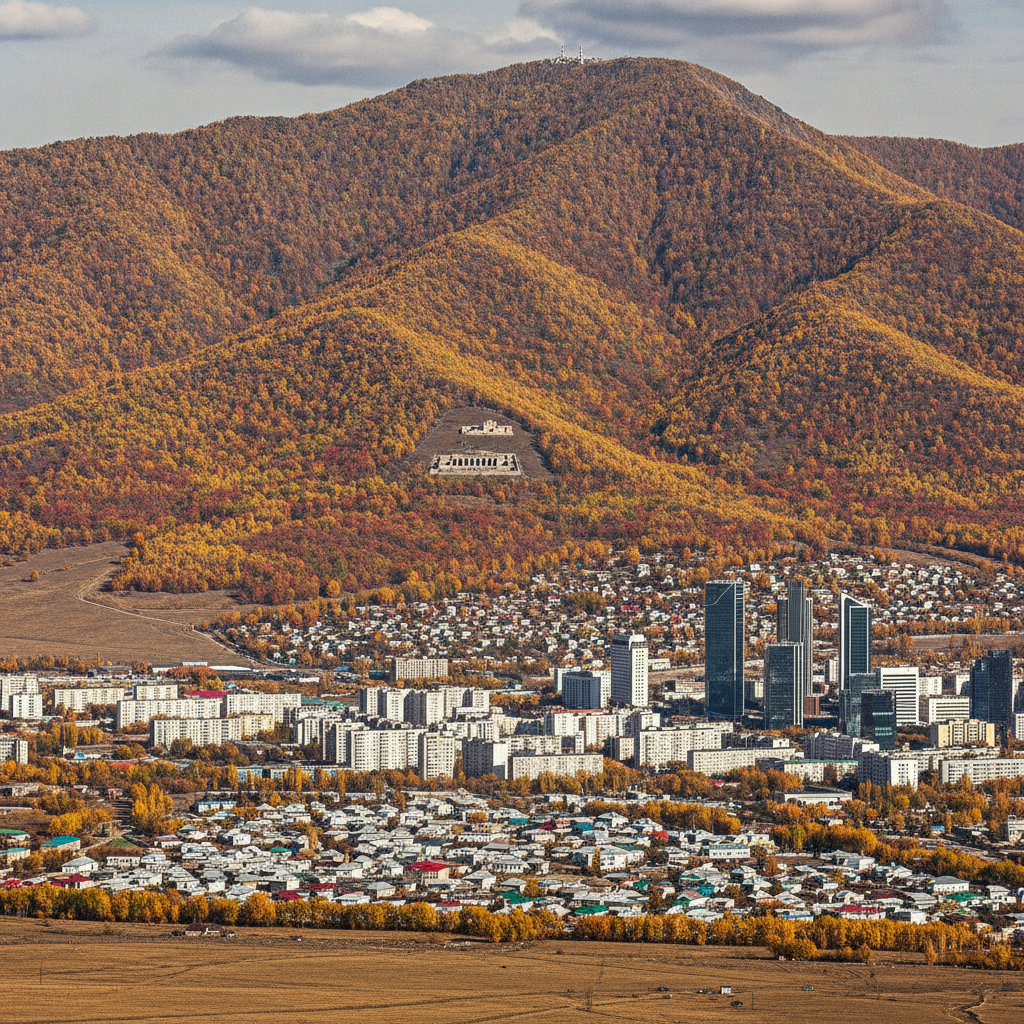
Ulaanbaatar's Soviet-era architectural heritage (the planned city infrastructure built under the Soviet-Mongolian partnership (1924–1990) that constitutes the majority of Ulaanbaatar's urban fabric): the architectural guide. The Soviet city plan (Ulaanbaatar was entirely redesigned as a Soviet model city from the 1950s—the original tent city (the 'felt city'—the city of gers that preceded the concrete buildings) was replaced with the Soviet housing estates (хорооллын орон сууц—the standard 4–9 story concrete apartment blocks)): the notable Soviet buildings (the Central Post Office (Төв шуудан—1950s Stalinist monumental style with the characteristic rusticated base and stepped crown); the State Academic Theatre of Opera and Ballet (Дугэлэн театр—1932, rebuilt 1963—the opera house that introduced Western classical music to Mongolia): the Government House (Засгийн Газрын Ордон—the parliament building on Sukhbaatar Square where the Chinggis statue now stands): the transition (the post-1990 democratic transition has introduced: the Blue Sky Tower (Хөх Тэнгэр цамхаг—the glass-clad skyscraper that is the tallest building in Ulaanbaatar at 105m—the most visible symbol of the post-Soviet market economy): the Central Tower (the mixed-use shopping and office tower)). The ger districts (40% of Ulaanbaatar's 1.6 million population live in the ger districts (гэрийн хороолол) on the hills surrounding the city center—the semi-permanent settlements of traditional gers and wooden houses without running water or central heating—the most visible urban poverty in the Mongolian capital).
- 6
Ulaanbaatar Practical Guide – Getting There & Getting Around
The Ulaanbaatar practical guide. Access: Chinggis Khaan International Airport (ULN—the new airport opened 2021, replacing the historic Buyant-Ukhaa Airport in the center of the city—the new airport is 50 km southwest of the city center): direct flights: Beijing 2h, Seoul 3h, Tokyo 4h, Moscow 5h30m (limited direct European connections—most European visitors transit through Seoul, Beijing, or Moscow). The Trans-Siberian Railway (the Ulaanbaatar Railway (УБТЗ—the Mongolian section of the Trans-Mongolian branch of the Trans-Siberian Railway): the most famous rail journey in Asia: Moscow to Ulaanbaatar (5 days), Beijing to Ulaanbaatar (30 hours): the Beijing connection (the K23 international express: Beijing to Ulaanbaatar in approximately 30 hours via the Mongolian border crossing at Erlian (二连浩特)/Zamiin-Uud). City navigation (the city center is compact—the main hotels, museums, and Gandantegchinlen Monastery are within 3 km of Sukhbaatar Square): taxis (taxis in Ulaanbaatar are unmetered—negotiate the price before boarding; the standard rate for city center trips is MNT 2,000–5,000 (approximately USD 0.60–1.50)). Currency (Mongolian Tugrik (MNT)—USD 1 ≈ MNT 3,400 (2024): ATMs available in city center banks and in the major hotels on Sukhbaatar Square).
Walk this route with audio
Stories play automatically as you reach each stop — no tapping needed.
More in Ulaanbaatar
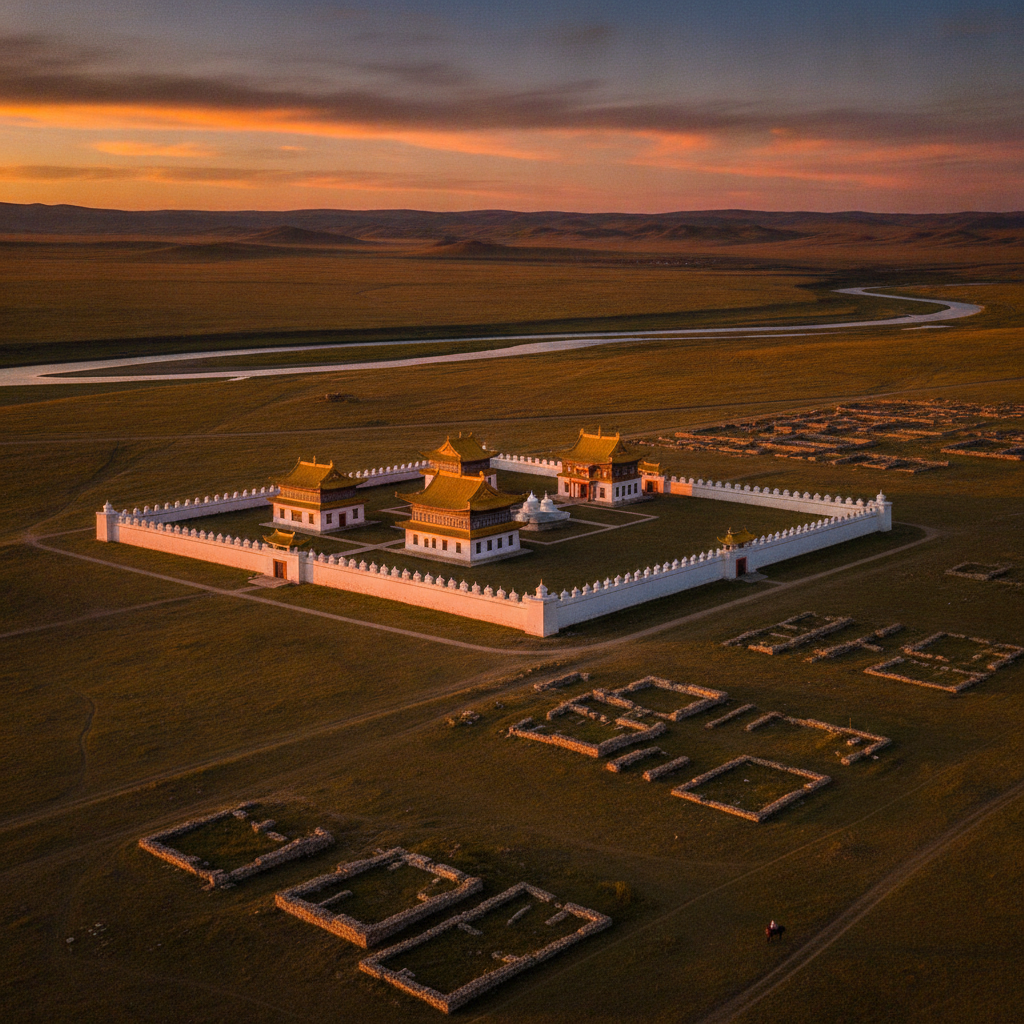
The 13th-Century Capital That Had Buddhist Temples, 2 Mosques, a Nestorian Church & a Taoist Temple, the Last Wild Horse Declared Extinct in 1969 & the Coldest National Capital on Earth
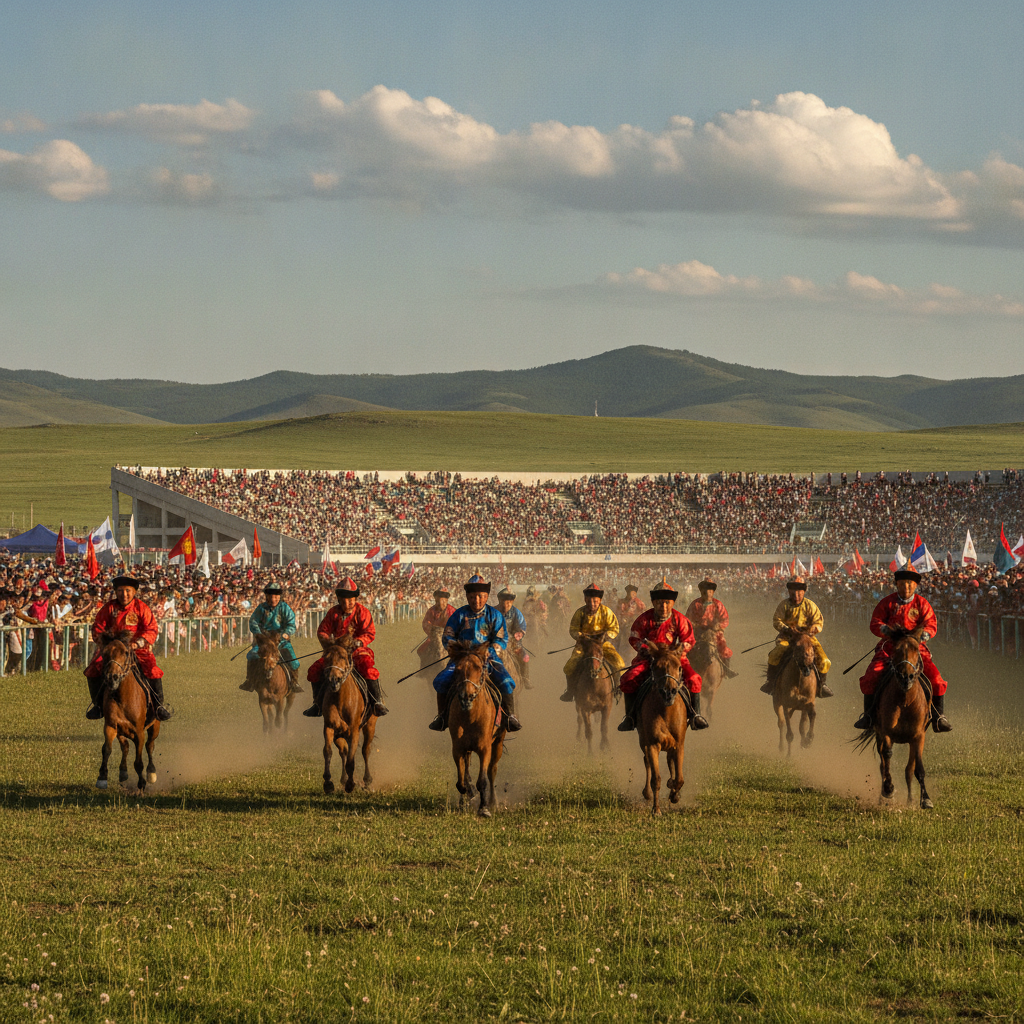
The Child Jockeys Who Race 30 Kilometers, the Dinosaur Eggs Found in 1922 That Proved Dinosaurs Were Not Viviparous & the Bogie-Changing Border Crossing That Takes 4 Hours
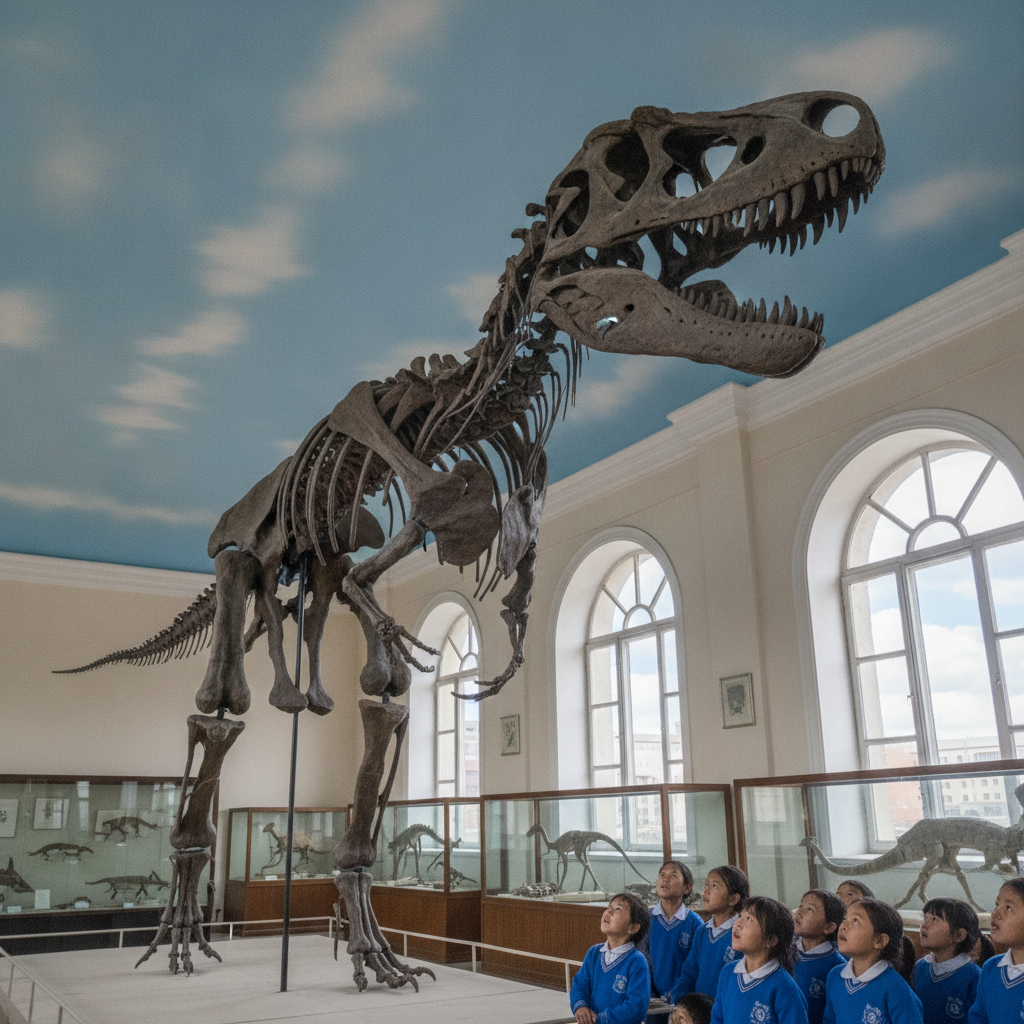
The 1924 Velociraptor 3× Smaller Than Jurassic Park Showed, the 13th-Century Deel Still Worn Daily by 30% of Ulaanbaatarians & the Bortle Class 1 Sky Where the Milky Way Casts Shadows
The 6,000-Year-Old Domestication That Made the Mongol Empire Possible, the Open-Chest Wrestling Jacket That Proves the Competitor Is Male & the 1989 Hunger Strike That Ended Communism Without Violence