Ushuaia Wildlife: King Crabs, Penguins, Sea Lions, and the Sub-Antarctic Ecosystem
The sub-Antarctic marine and terrestrial ecosystems of the Ushuaia region support a wildlife community of extraordinary richness, shaped by the productive cold waters of the Beagle Channel and the Drake Passage, the Nothofagus forest habitats of Tierra del Fuego, and the relative inaccessibility that has preserved the wildlife from intensive human disturbance. King crabs, Magellanic penguins, southern sea lions, Andean condors, upland geese, and a rich community of seabirds are accessible to visitors within a short boat or land excursion from the city.
- 1
King Crab: The Centolla and Ushuaia Seafood Culture
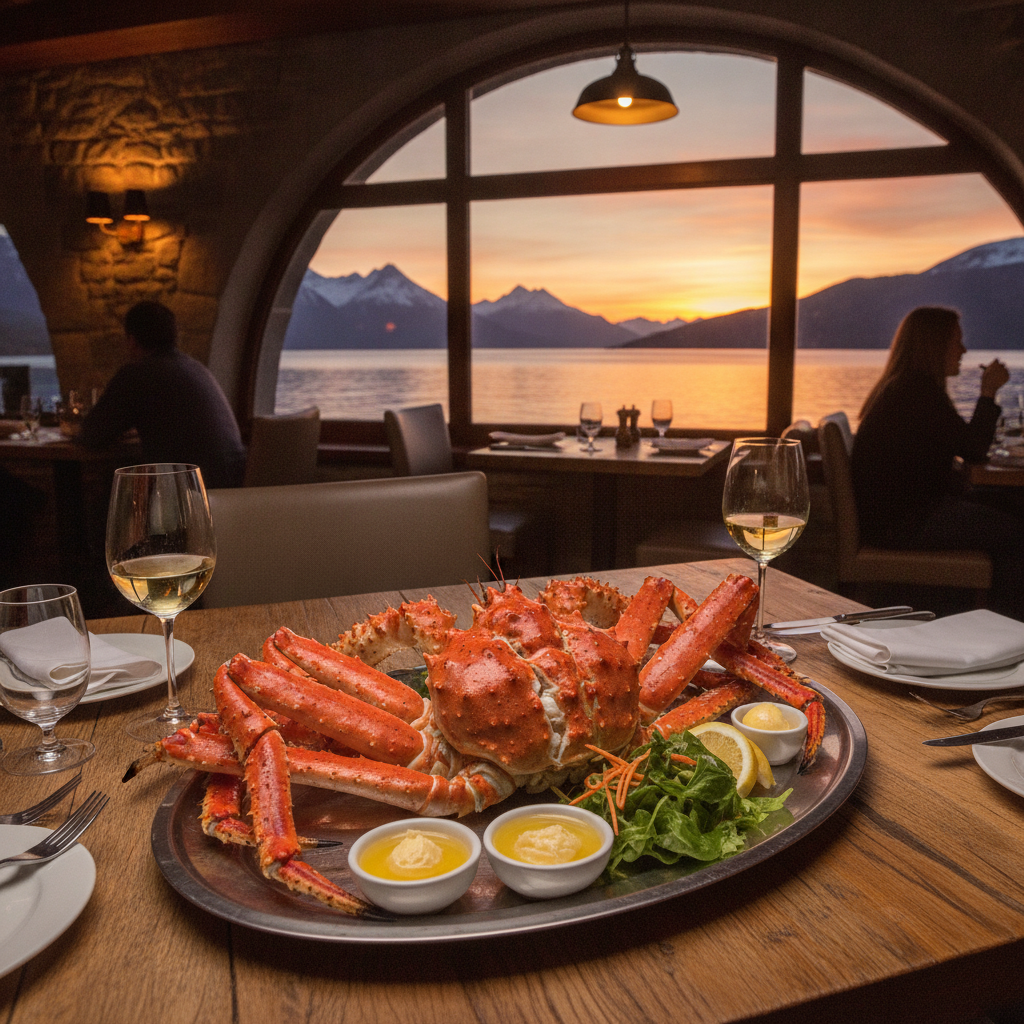
The centolla, the southern king crab harvested from the Beagle Channel and the Atlantic waters south of Tierra del Fuego, is the culinary signature of Ushuaia and one of the finest seafood products in South America, prized for the sweetness and texture of its white leg meat that is available in the restaurants of the city fresh from the local fishing fleet. The centolla is harvested under strict quota controls by a small fleet of licensed fishing boats from Ushuaia, and the sustainability of the harvest is a subject of ongoing research given the sensitivity of the deep-water ecosystem to overharvesting pressure. The best way to eat centolla in Ushuaia is at one of the restaurant tables with views over the Beagle Channel, where a fresh-cooked crab served with local bread and a glass of Argentine white wine creates a combination of food, view, and sub-Antarctic atmosphere unmatched anywhere else in the world. Centolla bisque, centolla ceviche, and centolla ravioli are common preparations in the Ushuaian restaurant scene alongside the simple presentation of the whole boiled crab that allows the quality of the ingredient to dominate; the local cholgas mussels and centollón snow crab are additional seafood specialties of the Beagle Channel fishing grounds. The centolla harvest season runs from August to April, with a closed season during the winter months; visitors arriving in the closed season may find frozen centolla available in restaurants rather than the fresh product, a significantly inferior culinary experience.
- 2
Penguin Colonies: Magellanic and Gentoo Penguins near Ushuaia
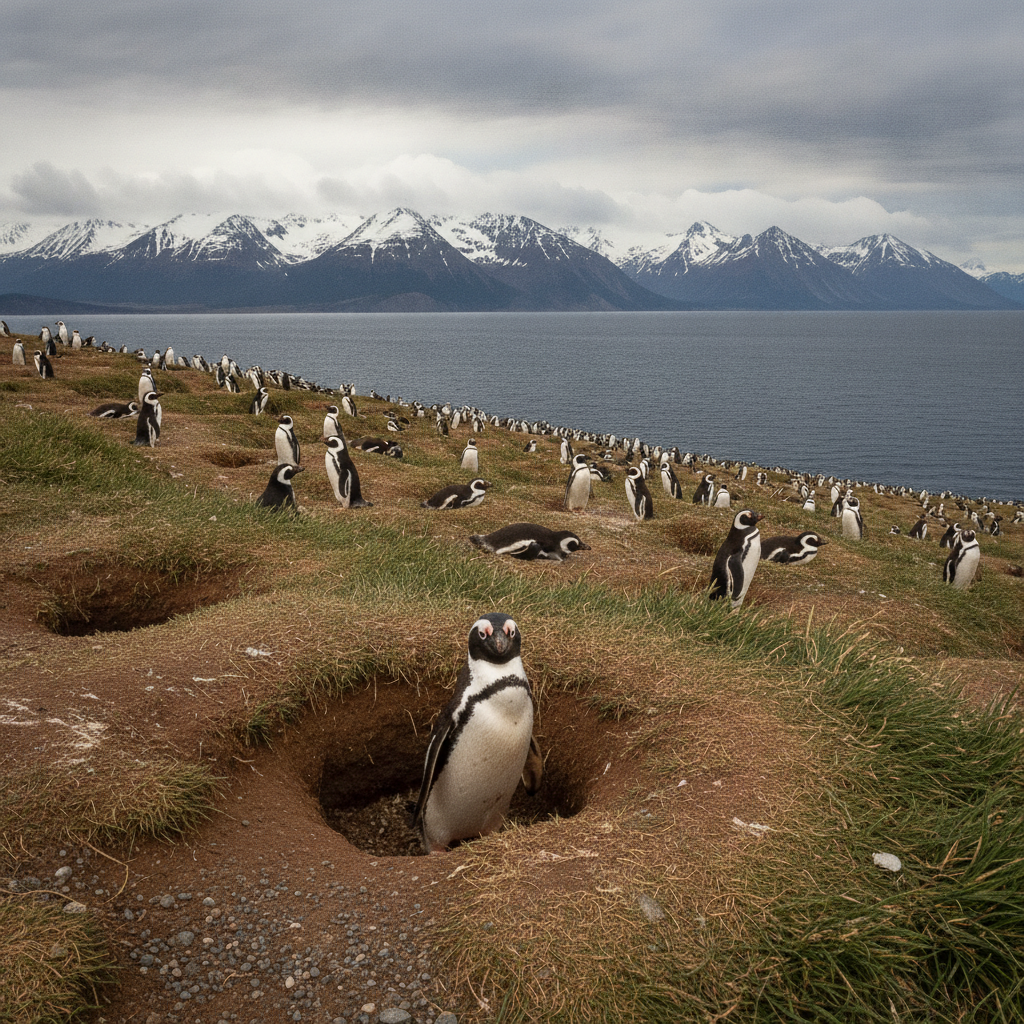
The penguin colonies accessible from Ushuaia include the Magellanic penguin colony at Isla Martillo in the Beagle Channel east of the city and the gentoo penguin colony at the Bahia Inutil area, both accessible through day excursions that combine boat navigation with walking among the penguin burrows during the breeding season from October to March. The Isla Martillo colony, managed as an ecotourism destination with strict visitor limits and guided access, allows visitors to walk within meters of the Magellanic penguins at their burrow entrances during the breeding season when the birds are incubating eggs or brooding chicks; the penguins have become sufficiently habituated to the walking groups that they continue their normal behavior without significant disturbance. The gentoo penguin, a larger and more aggressive species than the Magellanic, has established breeding colonies on several locations around the Beagle Channel and is increasingly visible on the boat excursions that navigate the channel west from Ushuaia. The king penguin, the second largest penguin species after the emperor, does not breed on Tierra del Fuego but is a regular visitor to the channels and is occasionally encountered on boat excursions in the Beagle Channel area. Visitors who have also booked an Antarctic expedition from Ushuaia will encounter much larger colonies of several penguin species on the Antarctic Peninsula, but the Ushuaia-accessible colonies at Isla Martillo provide an important preliminary penguin experience for those who have not yet visited the white continent.
- 3
Seabirds of the Beagle Channel: Albatrosses, Petrels, and the Southern Ocean
The Beagle Channel and the adjacent Drake Passage are among the most seabird-rich waters in the world, reflecting the high productivity of the cold sub-Antarctic waters that support the food chain from krill through fish to the large seabird community that depends on these resources. The black-browed albatross, the most abundant albatross species in the southern hemisphere with a wingspan of up to 2.5 meters, is a regular visitor to the Beagle Channel area during the non-breeding season and is seen on boat excursions from Ushuaia throughout the year. The giant petrel, the scavenging seabird that occupies a similar ecological role in the sub-Antarctic to the condor in the Andes, is common in the channel and around the Ushuaia port where fishing boats discard offal; the birds approach the boat closely enough for detailed observation of their impressive size and hooked bills. The steamer duck, a large flightless duck endemic to Tierra del Fuego that steams across the water surface using wings and feet in a pattern resembling a paddle steamer, is the most frequently observed duck in the Beagle Channel and the Lapataia Bay area of the national park. The South American tern and the Fuegian snipe are among the bird species of the channel area that are not encountered north of Patagonia and that contribute to the endemic and near-endemic character of the sub-Antarctic bird community accessible from Ushuaia. A focused birding day combining the Tierra del Fuego National Park with a Beagle Channel boat excursion will typically yield 40 to 60 species of birds representing the full range of sub-Antarctic habitats.
- 4
Sea Lions, Dolphins, and Orca: The Marine Mammals of the Channel
The southern sea lion, the largest sea lion species in the world with males reaching 300 kilograms, maintains a breeding colony on the Isla de los Lobos in the Beagle Channel accessible by the standard boat excursion from Ushuaia pier; the colony is visible and audible from the boat as the males vocalize in territorial displays and the females nurse their pups on the rocks. The commerson dolphin, a small black and white dolphin endemic to the southern hemisphere that is among the most acrobatically active of the dolphin species, is regularly encountered in the Beagle Channel and frequently approaches boats to bow ride, providing close-range observation of one of the most distinctive dolphins in the world. The orca, which hunts sea lions and penguins in the channels of Tierra del Fuego, is less regularly encountered on standard day excursions but is seen with sufficient frequency during the appropriate seasons to be worth watching for; the interaction between hunting orca and the sea lion colonies of the channel is one of the most dramatic wildlife spectacles in the sub-Antarctic region. The southern right whale, the most endangered of the great whales, makes occasional appearances in the Beagle Channel and surrounding waters; sightings are rare enough to be memorable events for both visitors and the local boat operators who have worked the channel for decades. The Peale dolphin, a species restricted to the cold waters of southern South America, is occasionally confused with the commerson dolphin in the channel but is distinguished by its different color pattern; both species are commonly seen on boat excursions from Ushuaia and contribute to the marine mammal character of the region.
- 5
Condors, Foxes, and Guanacos: Terrestrial Wildlife of Tierra del Fuego
The terrestrial wildlife of the Tierra del Fuego National Park and the surrounding landscapes includes both native species and the introduced mammals that have become one of the most significant conservation problems in the sub-Antarctic ecosystem. The Andean condor soars over the Martial Mountains and the valley systems of the national park, and the upland goose, a large and conspicuous goose endemic to southern South America, is abundant on the grassland areas of the park and around the Lapataia Bay. The guanaco, the wild ancestor of the llama and one of the characteristic large mammals of Patagonia and Tierra del Fuego, is present in the national park and in the rangeland areas of the Isla Grande, where it maintains healthy populations despite historical hunting pressure. The South Andean fox, a medium-sized canid with a distinctively fluffy tail and a curious temperament that has become habituated to human presence in the national park, approaches campers and hikers with less fear than its counterparts in less-visited protected areas; the foxes are photogenic but should not be fed as this reinforces their dependence on human food. The beaver, introduced from Canada in 1946 with the mistaken expectation of establishing a fur trade, has spread to cover essentially the entire Isla Grande and has caused devastating ecological damage to the native Nothofagus forest by flooding valley systems and creating the dead standing-timber landscapes visible throughout the national park. An eradication program for the Fuegian beaver population has been underway for several years and represents one of the most ambitious invasive species removal projects in South American conservation history.
- 6
Winter Wildlife: Ushuaia in the Off Season
The winter months of June to August in Ushuaia bring a different wildlife experience from the summer breeding season, with the channel and national park significantly quieter of visitors and the opportunity to observe species and behaviors that are obscured by the activity and crowds of the peak season. The winter sea lion population at Isla de los Lobos is augmented by individuals that have dispersed from breeding colonies further south during the summer; the winter colony is larger and more diverse in age and sex composition than the summer one and provides better opportunities to observe the full social behavior of the species. The winter plumage of the channel seabirds, with several species showing breeding colors that differ from their summer appearance, adds diversity to the regular bird list; the kelp goose, the steamer duck, and several shag species are present year-round and show seasonal behavioral variation in their channel-shore territories. The snow conditions in the national park during winter create a landscape of extraordinary visual beauty, with the Nothofagus forest holding snow on its branches and the lake surfaces frozen to the shore; the silence of the winter park, with visitor numbers reduced to a fraction of the summer levels, creates a meditative experience that contrasts with the crowded summer walkways. The ski season at Cerro Castor brings a different population of visitors to the city during the winter months and provides the social energy that sustains the restaurants and bars of the tourist strip through the cold season; the combination of skiing during the day and the Beagle Channel view from a seafood restaurant in the evening is the most complete winter experience available in Ushuaia.
Walk this route with audio
Stories play automatically as you reach each stop — no tapping needed.
More in Ushuaia
Ushuaia History: Penal Colony, Missionaries, Darwin, and Argentine Sovereignty

Ushuaia Practical Guide: Getting There, Costs, Booking Antarctica, and Circuit Planning
Ushuaia Hiking: Glaciers, Peaks, and Multi-Day Treks in the Fuegian Andes
Cape Horn and the Drake Passage: The Bottom of the World
Ushuaia Food, Culture, and the Frontier City Social Life