Malvarrosa Beach, Mediterranean Coast & Valencia's Seaside Life
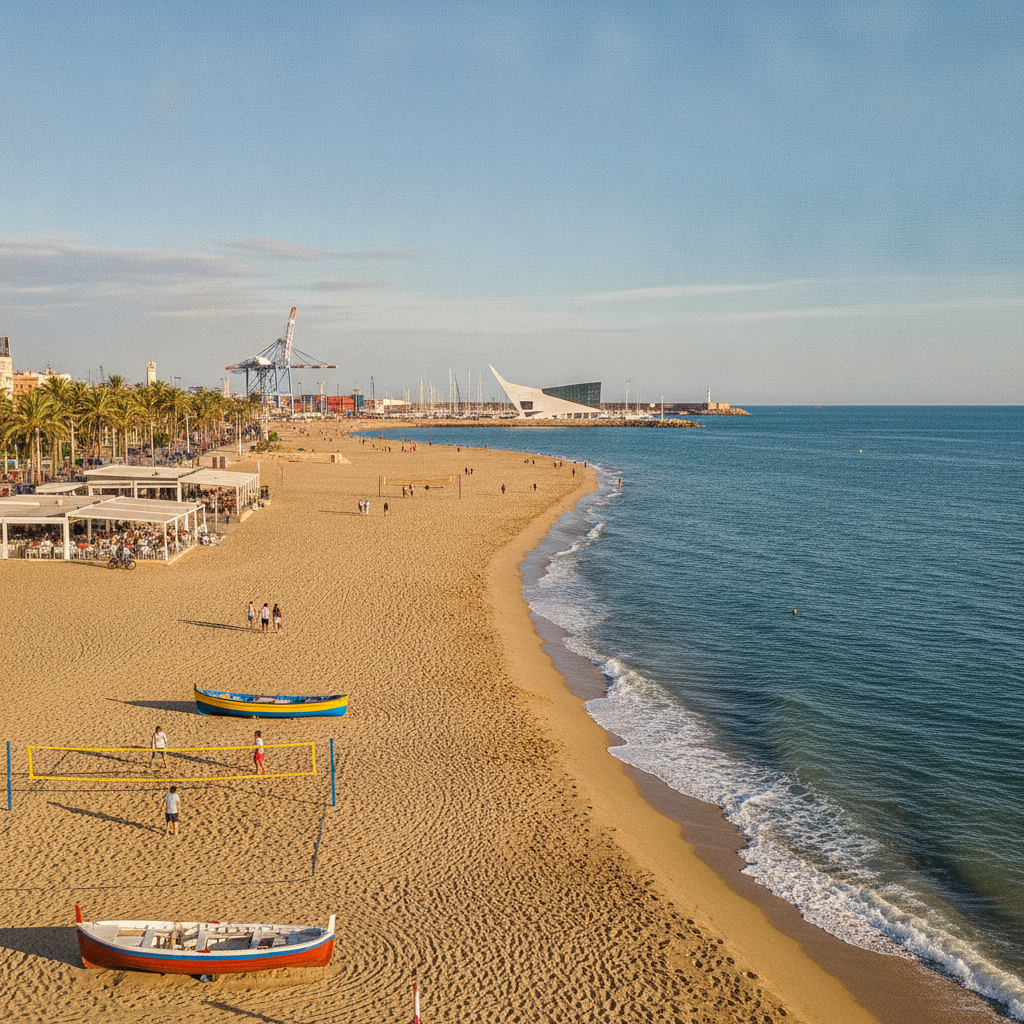
Valencia is the only major city in Spain with an urban beach within walking or short cycling distance of the historic centre — the Playa de la Malvarrosa (the main beach of Valencia, 4 km from the old town) and the adjacent Playa de las Arenas together form the 5 km stretch of Valencia urban beach that is the most accessible Mediterranean beach of any major Spanish city, the beach where the Valencians spend the summer and where the famous beachfront paella restaurants serve the rice dishes of the Valencia coast tradition.
- 1
Playa de la Malvarrosa — Valencia's Urban Beach
The Playa de la Malvarrosa (the 'Malvarrosa Beach' — the main beach of Valencia, the 1.5 km sandy beach on the Mediterranean coast 4 km east of the Valencia historic centre): the beach (the Playa de la Malvarrosa — the wide, fine sand beach facing the calm waters of the Mediterranean Sea (the Valencia coast protected from the Atlantic swell by the Iberian Peninsula, the Mediterranean waters calmer and warmer than the Atlantic beaches of northern Spain): the beach facilities (the beach facilities of the Malvarrosa — the 'hamacas' (the sun loungers) and the 'sombrillas' (the beach umbrellas) for hire, the beach volleyball courts, the showers and the changing facilities, the beach bars ('chiringuitos') serving the cold drinks and the bocadillos, and the 'watercycle' (the pedalo boats) hire on the shore): the Paseo Marítimo (the promenade behind the Malvarrosa beach — the 'Paseo Neptuno' and the 'Paseo Marítimo de la Malvarrosa', the wide promenade lined with the palm trees, the seafood restaurants, and the café terraces that runs the full length of the Valencia urban beach): the access (the access to the Malvarrosa beach from the Valencia historic centre — the metro (the Línea 4 and Línea 6 of the Valencia Metro, the tram line from the Torres de Serranos to the Malvarrosa beach in approximately 15 minutes), the bicycle (the Valencia Valenbisi bicycle sharing scheme, with stations throughout the city centre and at the beach), and the car (the promenade car parking).
- 2
Arroz a Banda & the Rice Dishes of the Valencia Coast
The rice dishes of the Valencia coast (the 'arrossos' — the rice dishes of the Valencia culinary tradition that go beyond the internationally famous paella to encompass a rich and varied repertoire of rice preparations): the 'arroz a banda' (the 'rice on the side' — the rice dish of the fishermen of the Valencia coast, the dish where the rice is cooked separately ('a banda' — 'on the side') in the rich fish stock ('fumets de peix') made from the offcuts and the head and bones of the fish (the fish that is then served separately as the main course), the rice served with the 'all i oli' (the Valencian garlic mayonnaise)): the 'arroz al horno' (the 'oven rice' — the Valencia rice dish of the Valencian winter, the rice baked in the earthenware casserole dish in the oven with the chickpeas, the blood sausage ('morcilla'), the white sausage ('blanqueta'), the ribs of pork, the potato, and the garlic head): the 'arròs amb crosta' (the 'rice with crust' — the rice dish of the Elche tradition, the rice baked in the casserole and finished under the grill with the beaten eggs that form the crispy egg crust over the top of the rice, the most unusual and the most theatrical of the Valencia rice preparations): the 'arroz negro' (the 'black rice' — the rice dish coloured and flavoured by the squid ink ('tinta de calamar'), the ink giving the rice the deep black colour and the distinctive iodine and sea flavour, served with the white 'all i oli' as the contrasting accompaniment): the 'Restaurante La Pepica' (the most famous beachfront restaurant on the Malvarrosa beach — the 'La Pepica', established 1898, the restaurant where the American writer Ernest Hemingway (1899-1961) ate the paella regularly during his visits to Valencia in the 1920s-1930s and that is still one of the most celebrated paella restaurants in Valencia).
- 3
Port of Valencia & the Americas Cup Legacy
The Port of Valencia (the 'Port de València' — the working commercial port on the Mediterranean coast immediately south of the Malvarrosa beach, the largest container port on the Mediterranean Sea (measured by container throughput) and one of the largest ports in Europe): the port history (the Port of Valencia — the port that has been the primary Mediterranean trading port of the Iberian Peninsula since the medieval period (the port through which the goods of the Kingdom of Valencia — the silk, the oranges, and the ceramic tiles — were exported to the markets of Europe and the Americas): the Americas Cup (the America's Cup — the sailing competition held in Valencia in 2007 (the 32nd America's Cup) and 2010 (the 33rd America's Cup), the competition that transformed the Valencia port area and generated major urban renewal investment in the Marina de Valencia): the Veles e Vents (the 'Sails and Winds' building — the building designed by the British architect David Chipperfield (b.1953) for the 2007 America's Cup in Valencia, the building that is the most important work of contemporary architecture in the Valencia port area: the layered horizontal platform building rising in four stacked terraces above the marina, the building now used as a cultural centre and event space): the Marina de Valencia (the 'Valencia Marina' — the sailing marina developed for the America's Cup in the old port area of Valencia, the marina with the sailing club facilities, the restaurants and bars on the Moll de la Duana, and the luxury yachts moored in the basin).
- 4
The Albufera — Valencia's Sacred Lake & Rice Paddies
La Albufera (the 'Albufera de Valencia' — the coastal lagoon 10 km south of Valencia, the most important wetland in Spain and one of the most important wetland ecosystems in the western Mediterranean): the lagoon (La Albufera — the shallow freshwater lagoon (the maximum depth of 1.5 metres) of approximately 21 km² (the lagoon that was historically much larger — up to 250 km² in the Roman period — but has been progressively reduced in size by the conversion of the surrounding marshland to the rice paddies ('arrozales') that now surround the lagoon on all sides): the Parc Natural de l'Albufera (the 'Albufera Natural Park' — the protected natural park of 21,120 hectares surrounding the Albufera lagoon, the park that protects the lagoon itself, the surrounding rice paddies, and the 'marjal' (the coastal marshland) from the development pressure of the Valencia metropolitan area): the birdlife (the birdlife of the Albufera — the lagoon and the surrounding wetlands supporting the largest concentration of wintering birds in Spain: the Albufera is a critically important wintering site for the 'ànec cullerot' (the Northern Shoveler — 'Anas clypeata'), the 'fotja' (the Eurasian Coot — 'Fulica atra'), the cormorants ('corb marí' — 'Phalacrocorax carbo'), and the Grey Heron ('garsa real' — 'Ardea cinerea'), with the lagoon also hosting a significant breeding colony of the Purple Heron ('garsa imperial' — 'Ardea purpurea') and the Eurasian Bittern ('bitó' — 'Botaurus stellaris')): the 'barqueta' (the traditional wooden flat-bottomed boat of the Albufera — the 'barqueta de l'Albufera', the wooden punt used by the local fishermen to navigate the shallow lagoon and the irrigation channels of the rice paddies, the boat used in the traditional sunset boat tours of the lagoon that are the most popular tourist experience in the Albufera).
- 5
Valencia Metro, Cycling & Getting Around the City
Valencia's urban mobility (the transport systems that make Valencia one of the most bicycle-friendly and the most liveable cities in Spain): the Valencia cycling culture (the city that has been consistently rated as the best cycling city in Spain (the 'I-CE' cycling city ranking regularly placing Valencia first in Spain for cycling infrastructure and cycling culture): the cycling infrastructure of Valencia — the network of approximately 200 km of dedicated cycle lanes ('carrils bici') covering the entire city, the 'Valenbisi' bicycle sharing scheme (the public bicycle sharing scheme of Valencia, one of the first bicycle sharing schemes in Spain, established 2010 — the scheme with 2,750 bicycles at 275 stations throughout the city): the Valencia Metro (the Metrovalencia — the metro and tram network of Valencia, operating 9 lines (the metro, the tram, and the light rail lines) covering the city and the metropolitan area, the 'Tram' (the tram line that connects the Torres de Serranos in the historic centre to the Malvarrosa beach and the Cabanyal neighbourhood): the Jardí del Túria cycling route (the cycling route through the 9 km Jardí del Túria linear park — the most pleasant urban cycling route in Valencia, the route that connects the western suburbs of Valencia to the City of Arts and Sciences and the Malvarrosa beach without encountering the traffic of the city streets).
- 6
IVAM & Valencia's Contemporary Art Scene
The IVAM (the 'Institut Valencià d'Art Modern' — the 'Valencian Institute of Modern Art', the contemporary art museum in the Carmen neighbourhood of Valencia's historic centre, the most important contemporary art museum in the Valencian Community and one of the most important in Spain): the museum (the IVAM — the museum built 1986-1989 to the design of the Valencian architects Emilio Giménez and Carlos Salvadores, the building that was the first purpose-built contemporary art museum in Spain and that established the model for the Spanish regional contemporary art museum that was subsequently replicated across Spain in the 1990s-2000s): the collection (the IVAM permanent collection — the collection of over 11,000 works focused on the international art movements of the 20th century, with particular strength in the Spanish avant-garde of the early 20th century (the works of Julio González (1876-1942) — the Valencia-born sculptor who is one of the most important European sculptors of the 20th century and whose work in welded metal had a decisive influence on 20th-century sculpture), the Valencian avant-garde movements (the 'Equipo Crónica' — the Valencian pop art duo of Rafael Solbes and Manolo Valdés who produced the most celebrated Spanish pop art of the 1960s-1980s), and the international movements (the minimalism, the conceptual art, and the post-modernism of the international art scene): the temporary exhibitions (the IVAM temporary exhibition program — the museum that has organized the most important retrospectives of the international modern and contemporary art in Spain, the venue for the major touring exhibitions of the MoMA, the Guggenheim, and the other leading international museums).
Walk this route with audio
Stories play automatically as you reach each stop — no tapping needed.
More in valencia
Valencia Old Town, Carmen Quarter & Gothic Heritage
Paella, Mercado Central & Valencia's Gastronomic Soul
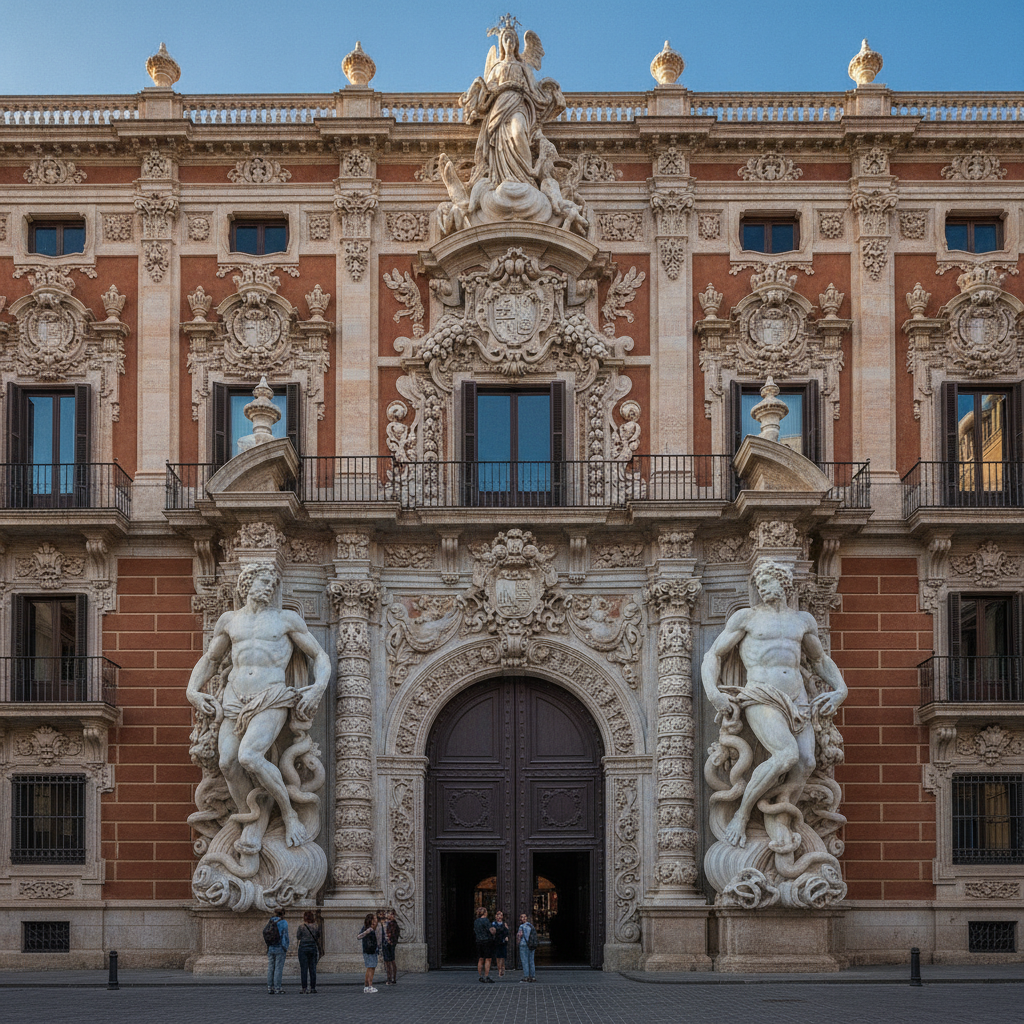
National Ceramics Museum, Valencian Tiles & Craft Heritage
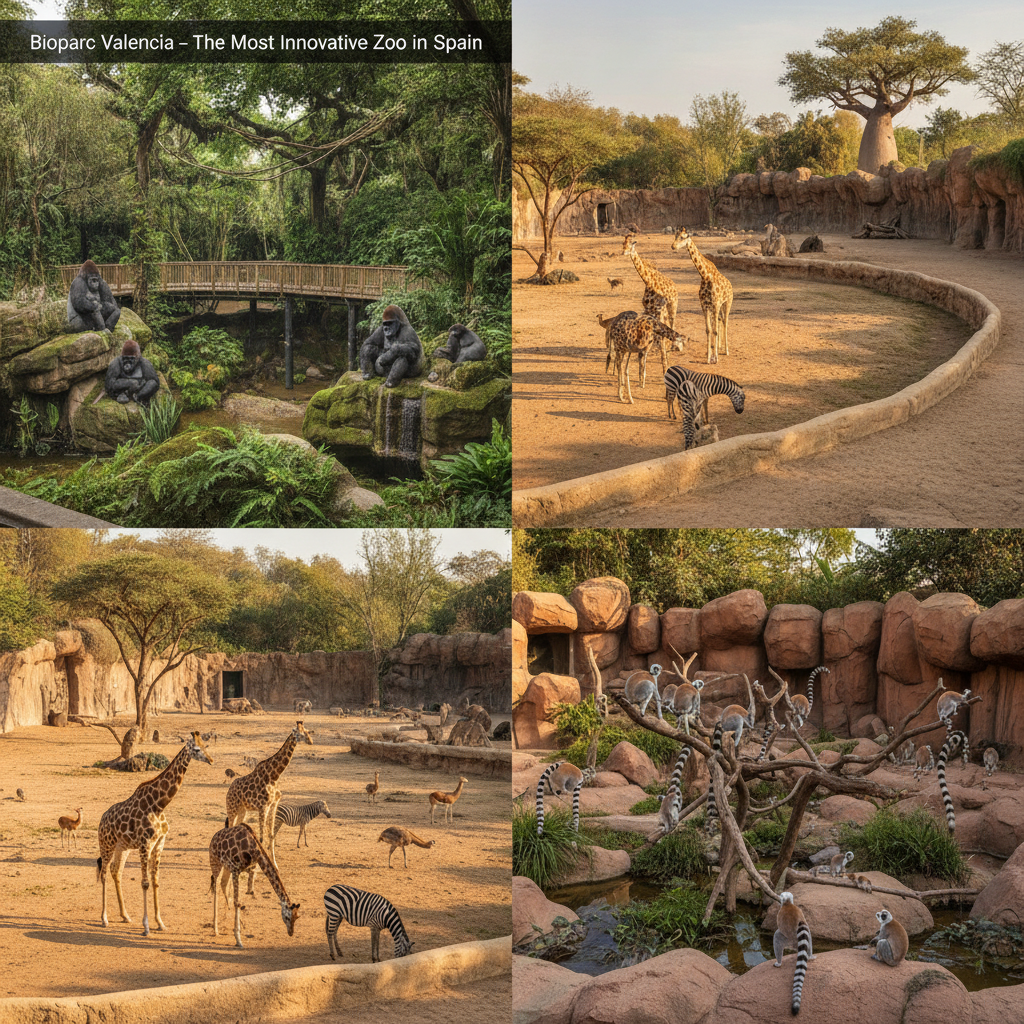
Bioparc Valencia, Cabecera Park & the Modern City
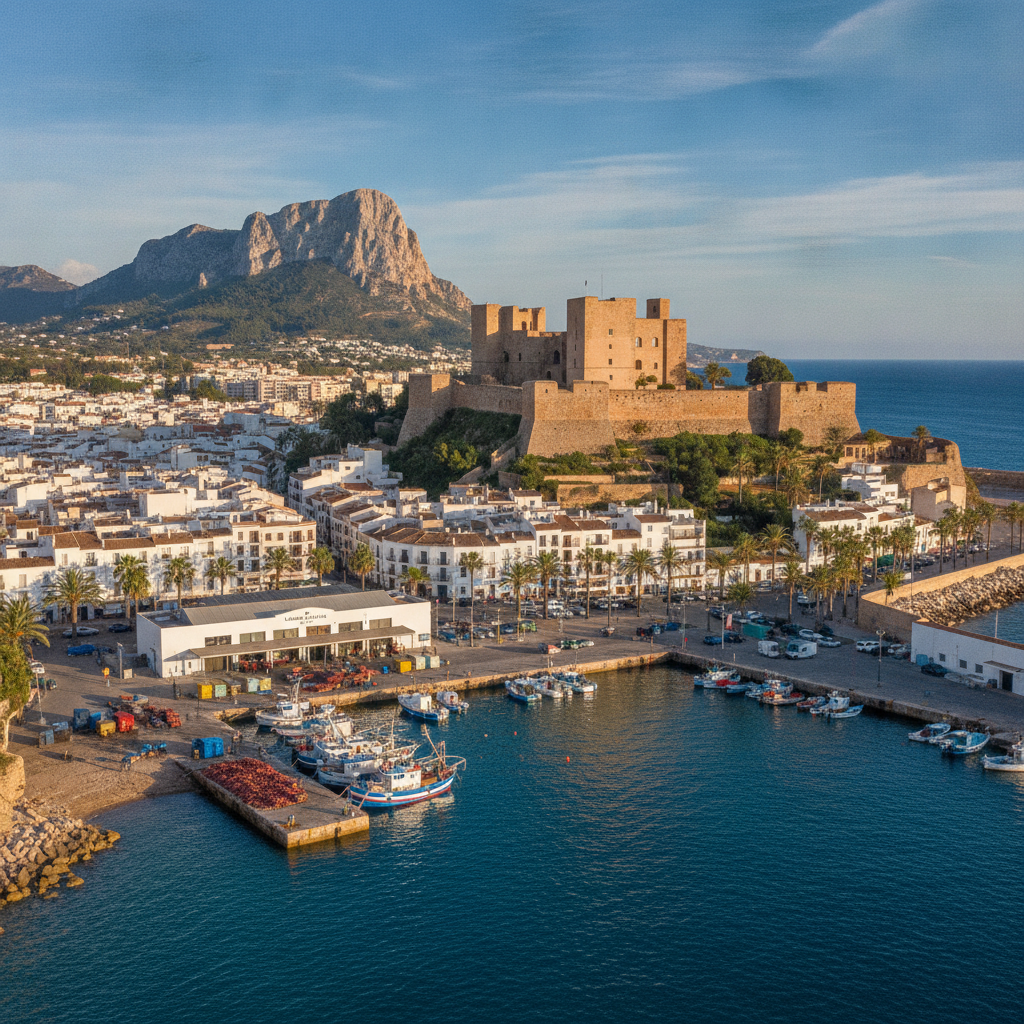
Costa Blanca Day Trip — Dénia, Altea & Alicante