Malta Practical Guide: Flights, Buses & Staying Smart
Everything for a smooth Malta visit—cheap flights from across Europe, Renzo Piano's dramatic city gate, €2 buses to every corner of the island, practical accommodation in Sliema with the Valletta ferry at your doorstep, and why spring and autumn are far better than peak summer.
- 1
Malta International Airport & Arrival
Malta Luqa International Airport, 8 km from Valletta, connects to most European cities year-round; low-cost carriers (Ryanair, Wizz Air, easyJet) make Malta one of Europe's cheapest short-break destinations. The X4 express bus takes 30 minutes to Valletta City Gate; taxis and rideshare (eCabs) take 15 minutes. Bus tickets are purchased on board and cover the entire island for a flat fare.
- 2
Valletta City Gate & Bus Terminus
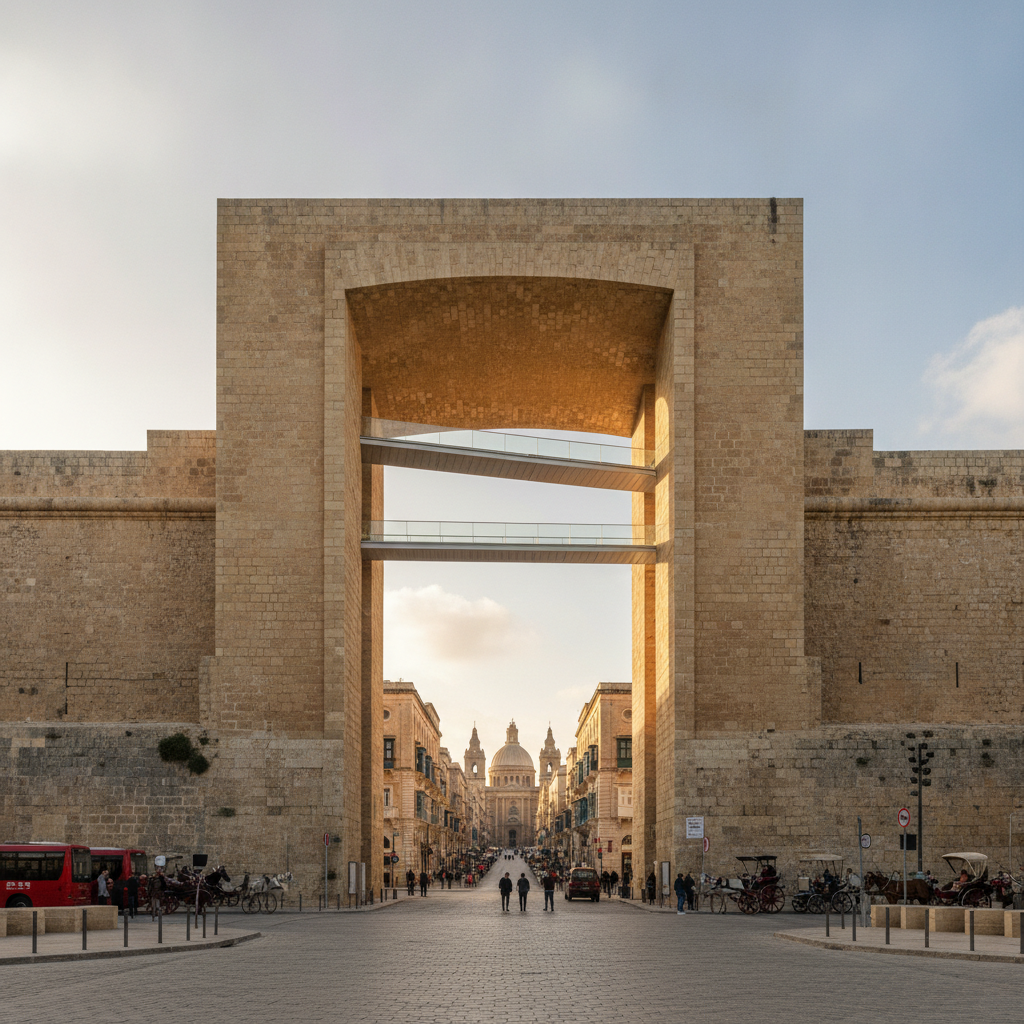
Renzo Piano's redesign of Valletta City Gate, completed for the 2013 European Capital of Culture bid (awarded for 2018), replaced a 1960s gate with a dramatic stone and steel opening framed by the ancient bastion walls. The adjacent open-air Pjazza Teatru Rjal—where the Royal Opera House once stood before WWII bombing—now hosts outdoor performances under Piano's minimalist canopy.
- 3
Bus Network – The Entire Island for €2
Malta's public bus network covers the entire island from Valletta's central bus terminus. A standard 2-hour ticket costs €2 (€1.50 in winter); the 24-hour pass is €6. The buses are air-conditioned and frequent on main routes; remoter areas require more patience. Mdina, Marsaxlokk, Ħaġar Qim, the Blue Lagoon ferry at Ċirkewwa, and Marsaskala are all reachable by public bus.
- 4
Sliema & St Julian's – Practical Accommodation Base
Sliema, across Marsamxett Harbour from Valletta (reached by ferry in 5 minutes or bus in 15), is Malta's main hotel hub with the largest concentration of accommodation at all price points, a waterfront promenade, and the island's best supermarkets. The ferry to Valletta runs frequently from 7 am to 11 pm; staying in Sliema and visiting Valletta by ferry is the most practical and affordable arrangement.
- 5
Best Seasons & Weather
Malta has 300 days of sunshine per year—the warmest winter climate of any EU country. October–May is ideal for sightseeing; July–August is very hot (35°C+) but perfect for beaches. The sea temperature reaches 27°C in August and remains swimmable through November. Spring (March–May) brings wildflowers to the countryside and comfortable temperatures for walking; the Easter processions make Holy Week especially atmospheric.
- 6
Language, Money & Practical Tips
Malta has three official languages—Maltese (Semitic, written in Latin script), English, and Italian—making communication effortless for English speakers. The euro is the currency. Malta drives on the left (a British legacy until 1964 independence). Tipping is not compulsory but 10% is appreciated in restaurants. The standard electrical socket is the British three-pin type—adapters are needed for most European appliances.
Walk this route with audio
Stories play automatically as you reach each stop — no tapping needed.
More in Valletta
Valletta Classics: Caravaggio's Cathedral, Grand Harbour & Knights' Fortresses
Malta's Ancient World: Hypogeum, Megalithic Temples & Mdina
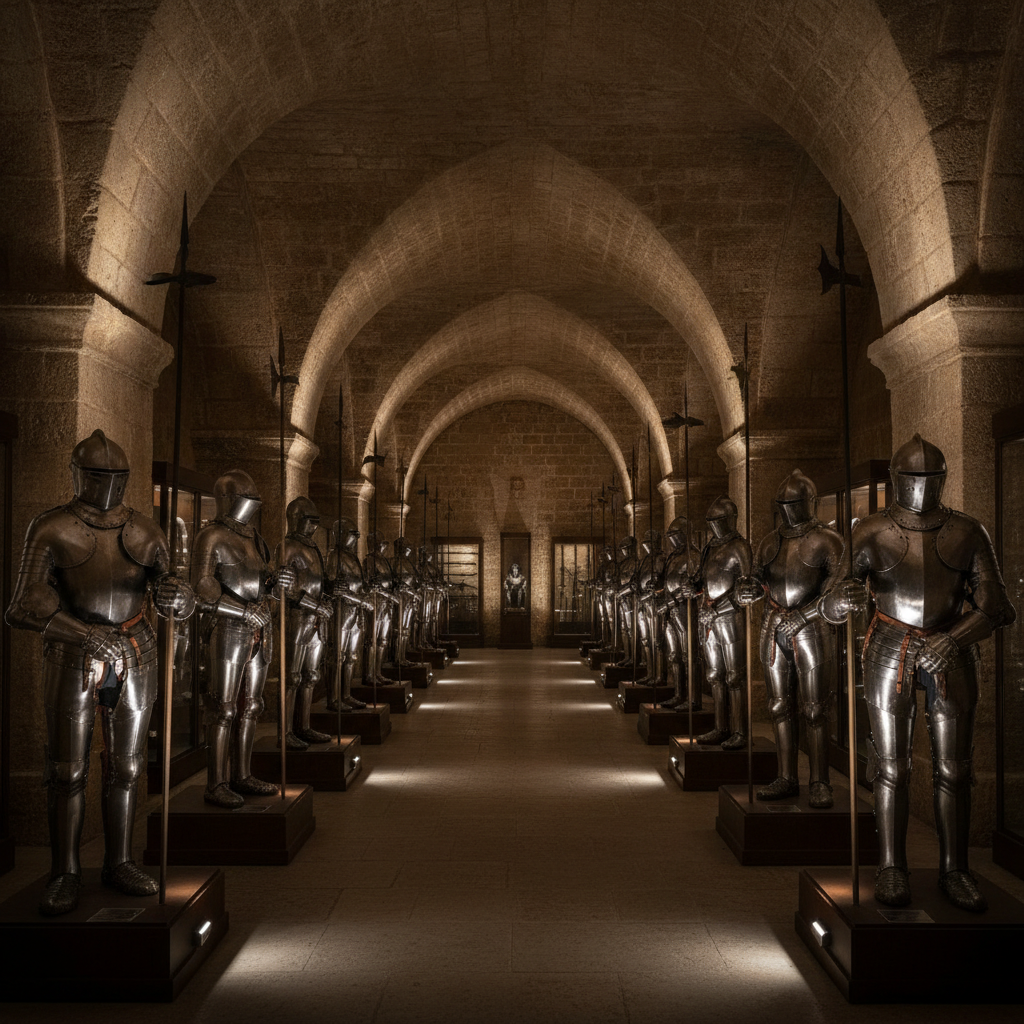
Malta's History: Great Siege, Knights, WWII & Caravaggio
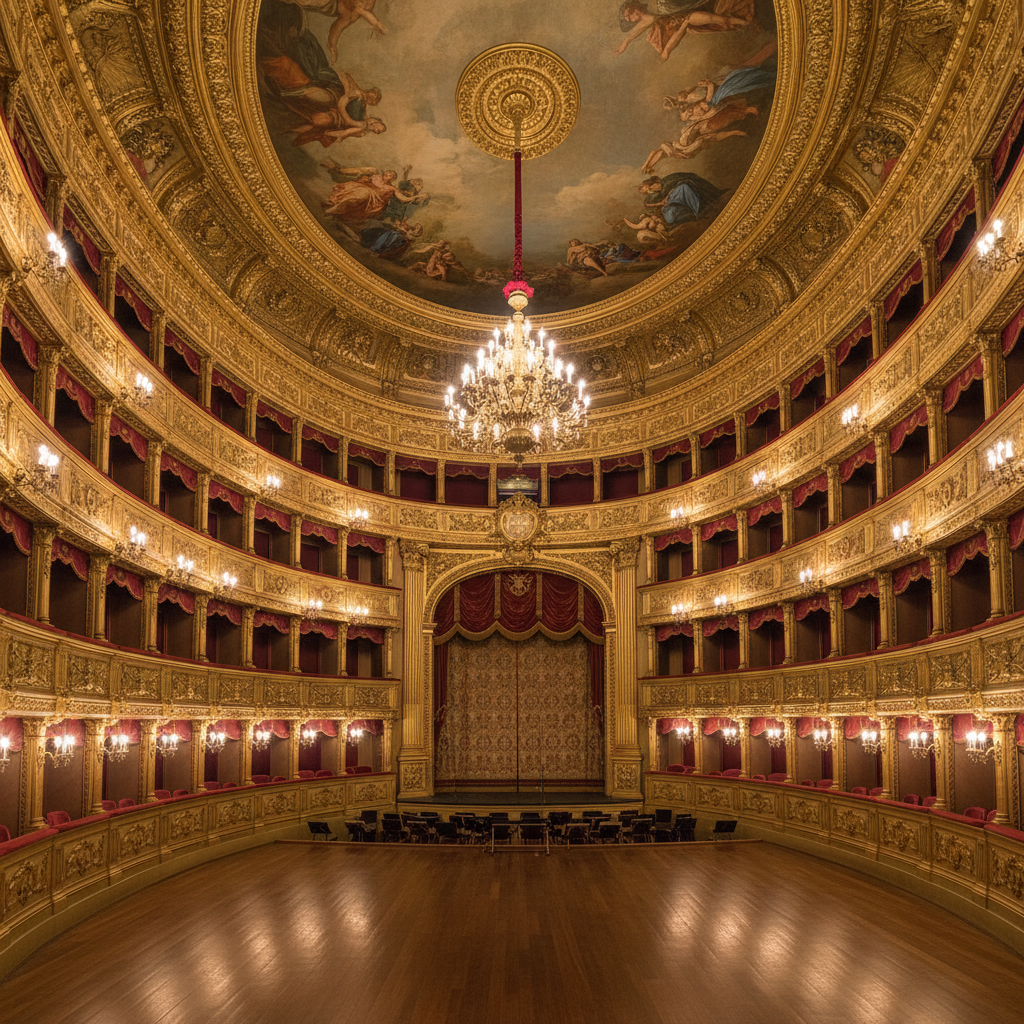
Valletta Arts & Culture: Theatre, Museums & Noble Palaces