Valparaiso: Cerros, Street Art, Funiculars, and the Pacific Port City
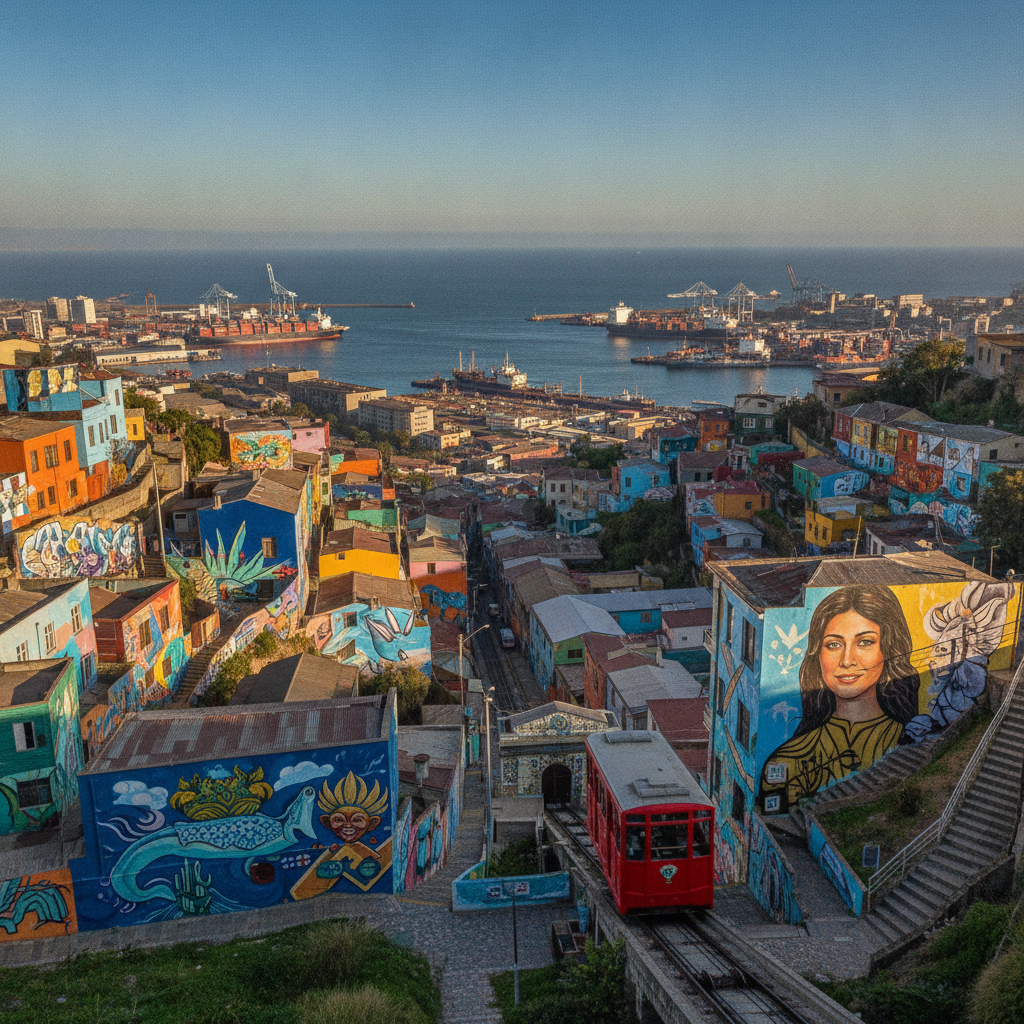
Valparaiso, Chile's most charismatic city and a UNESCO World Heritage Site, climbs 42 dramatic hills above a working Pacific port, its hillside neighborhoods painted in vivid colors and connected by the historic funicular elevators known as ascensores that have operated since the late 19th century. The combination of labyrinthine hillside streets, one of the finest concentrations of street art in South America, Pablo Neruda's house La Sebastiana, and the creative and nightlife culture of the city's resident artistic community make Valparaiso one of the most rewarding urban experiences in the southern cone.
- 1
Cerro Alegre and Cerro Concepcion: The UNESCO Heritage Hillsides
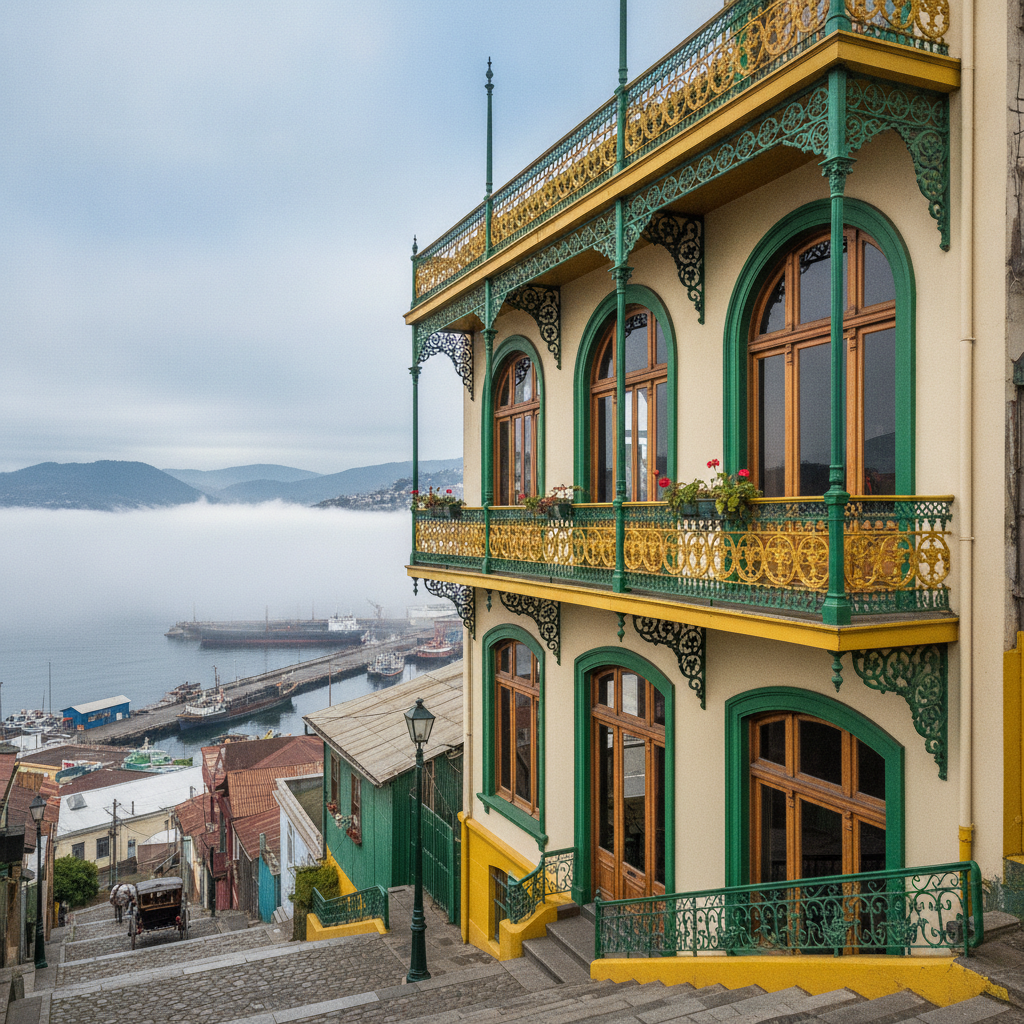
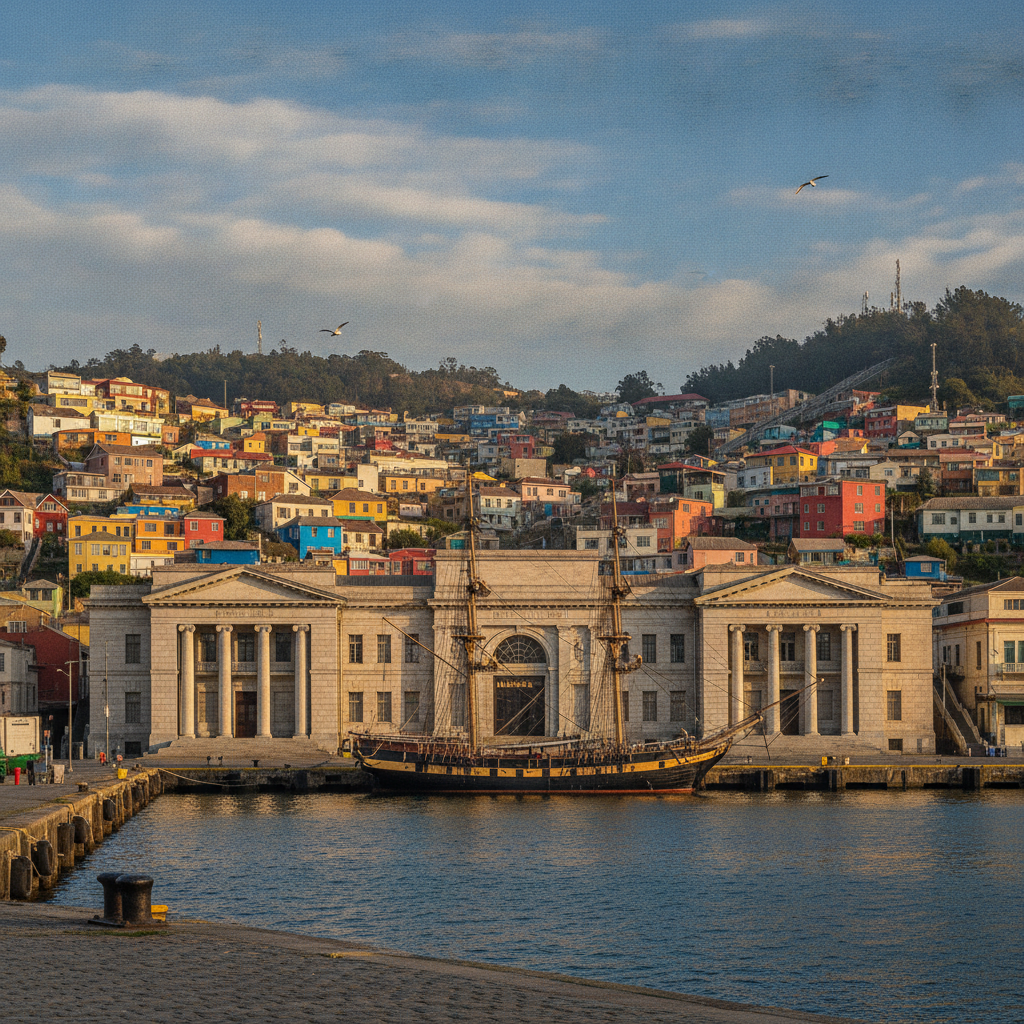
The twin hillsides of Cerro Alegre and Cerro Concepcion, adjacent to the historic city center, are the most visited and most photographed neighborhoods of Valparaiso, where 19th century immigrant mansions painted in vivid colors and covered with murals line steep narrow streets connecting the ascensores to the ridge-line viewpoints. The British, German, and French immigrant families who built the Victorian-era houses of Cerro Concepcion in the late 19th century established the architectural character that now defines the UNESCO heritage zone; the painted facades and garden terraces of these houses are the visual icon of Valparaiso.
- 2
Ascensores: The 19th Century Funicular Elevators
The ascensores of Valparaiso, funicular elevators built to connect the lower port city with the residential hillsides above, are the defining infrastructure of the city and among the oldest operating funiculars in South America; of the original 30 ascensores, approximately 15 remain operational and several are actively used by residents rather than functioning solely as tourist attractions. The Ascensor Turri, the Ascensor Artilleria, and the Ascensor Reina Victoria are among the most historic and most frequently used; riding the ascensores is both practical and atmospheric.
- 3
La Sebastiana: Neruda's House on the Hill
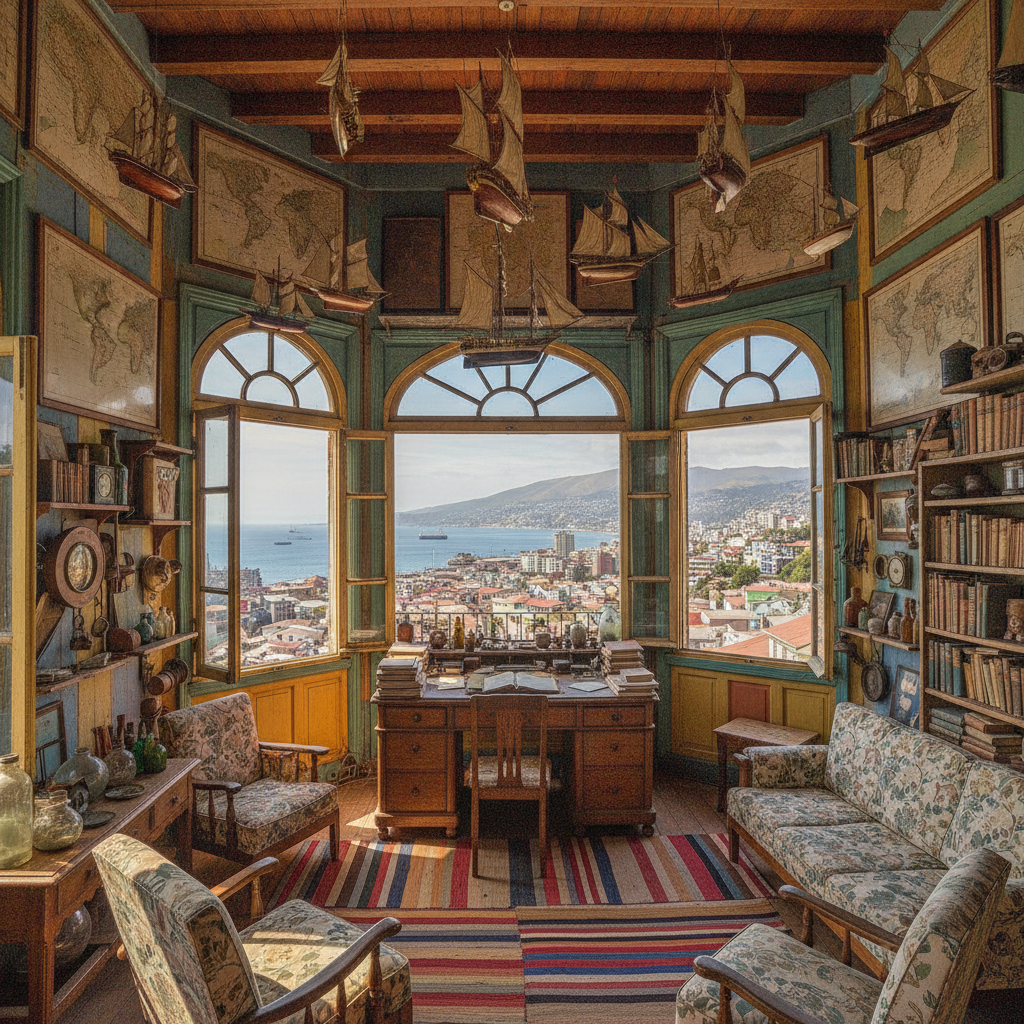
La Sebastiana, the Valparaiso house of Pablo Neruda located on Cerro Florida with panoramic views over the port and the Pacific, is the most visited cultural attraction in the city and provides the most personal and intimate encounter with the Nobel Prize-winning poet available anywhere in Chile. The house is maintained by the Neruda Foundation as a museum with Neruda's original collections of nautical objects, maps, globes, and the eclectic personal possessions that fill every room in the manner the poet preferred.
- 4
Street Art and Murals: The Open-Air Gallery of the Cerros
The street art culture of Valparaiso is the most developed in Chile and one of the most significant in South America, covering virtually every available wall surface in the hillside neighborhoods with murals that range from politically engaged large-scale works by internationally recognized artists to spontaneous tags and small illustrations by local creators. The murals of Cerro Alegre, Cerro Bella Vista, and Cerro Baron represent the highest concentration of significant works; guided walking tours of the street art provide context and artist identification that is impossible without local knowledge.
- 5
El Plan: The Historic Port District and Market Culture
The lower city or El Plan of Valparaiso, centered on the port and the market area around the Plaza Aduanas and the Mercado Central, has a working-class commercial character that contrasts with the gentrified hillsides above and provides the most authentic encounter with the everyday economic life of the city. The fish market adjacent to the port serves fresh Pacific catch to restaurants and individuals, and the market streets contain hardware stores, clothing vendors, and the social life of the port workers.
- 6
Vina del Mar: The Pacific Beach Resort Next Door
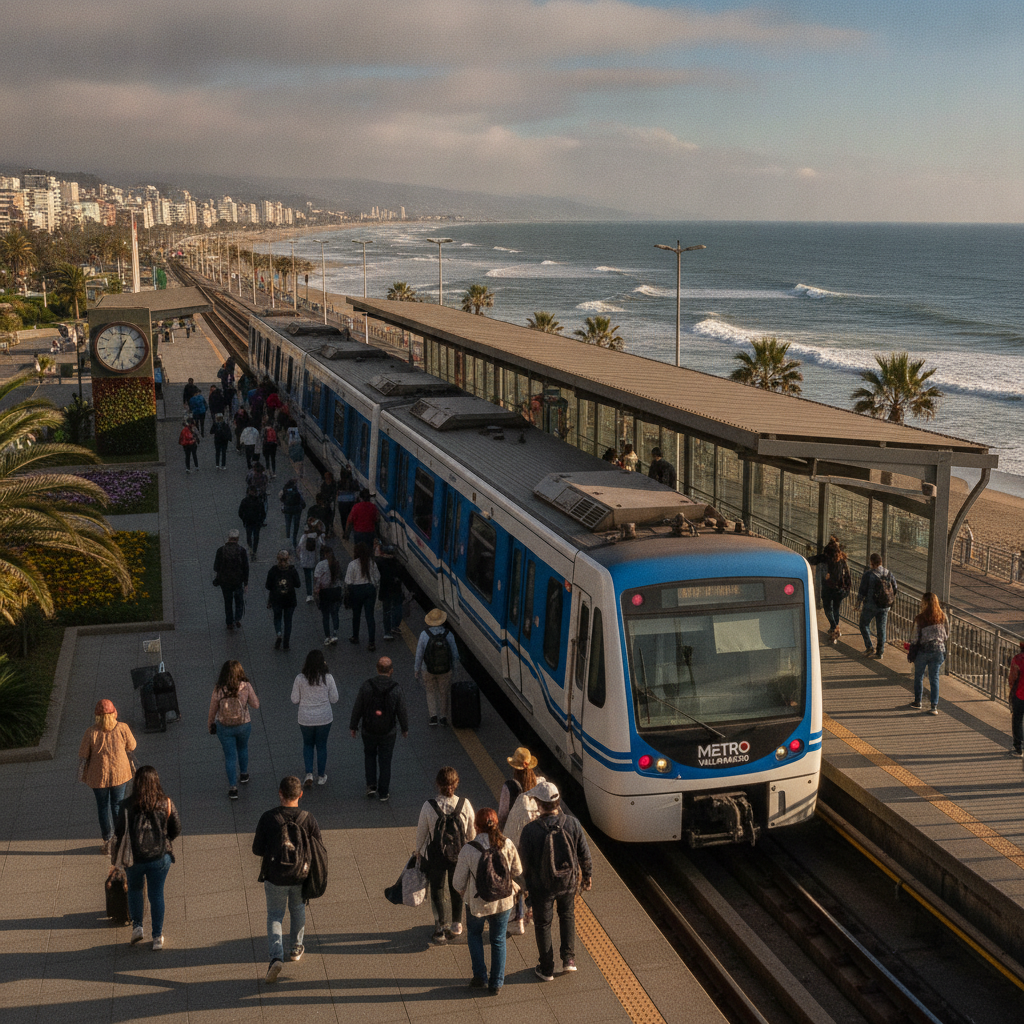
Vina del Mar, connected to Valparaiso by a 15-minute metro or bus journey along the Pacific coast, is Chile's premier beach resort city with a completely different character from the bohemian hillside neighborhoods of its neighbor: orderly boulevards, casino hotels, beach promenades, and the famous flower clock of Reloj de Flores that is the most photographed object in the city. The contrast between the gritty port creativity of Valparaiso and the polished beach resort of Vina del Mar illustrates the full range of the Valparaiso conurbation experience.
Walk this route with audio
Stories play automatically as you reach each stop — no tapping needed.
More in Valparaiso
Valparaiso Practical Guide: Getting There, Navigation, and the Santiago Day Trip Option
Valparaiso Architecture: Victorian Mansions, Tin-Clad Houses, and the UNESCO Heritage Zone
Valparaiso History: Independence, the Nitrate Boom, and the Panama Canal Decline
Valparaiso Food: Seafood, Chorrillana, and the Casablanca Wine Valley
Valparaiso Nightlife, Music, and the Creative Arts Scene