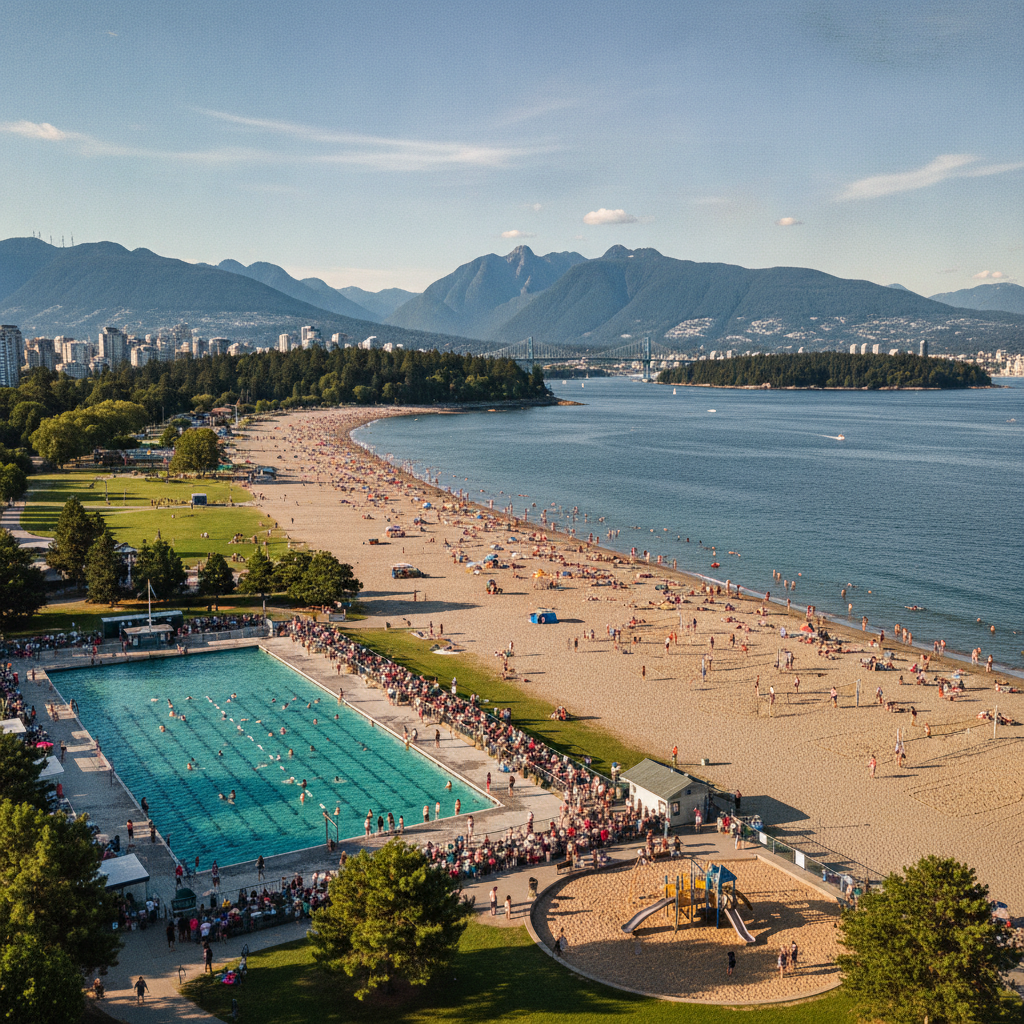
Whistler, Mountain Skiing & Vancouver's Outdoor Adventure Culture
Vancouver's mountain culture (the culture of a city that is the only major city in the world with world-class downhill skiing within 30 minutes of the city centre (Grouse Mountain, Cypress Mountain, and Mount Seymour are all accessible by car from downtown Vancouver in under 30 minutes), and within 2 hours of the finest ski resort in North America (Whistler Blackcomb — the resort with the most vertical descent (1,609 metres / 5,280 feet on Blackcomb Mountain) and the most skiable terrain (3,307 hectares / 8,171 acres) of any ski resort in North America)): Vancouver has hosted more Olympic and Paralympic events in winter sports than any other city (the 2010 Winter Olympics).
- 1
Whistler Blackcomb — North America's Greatest Ski Resort
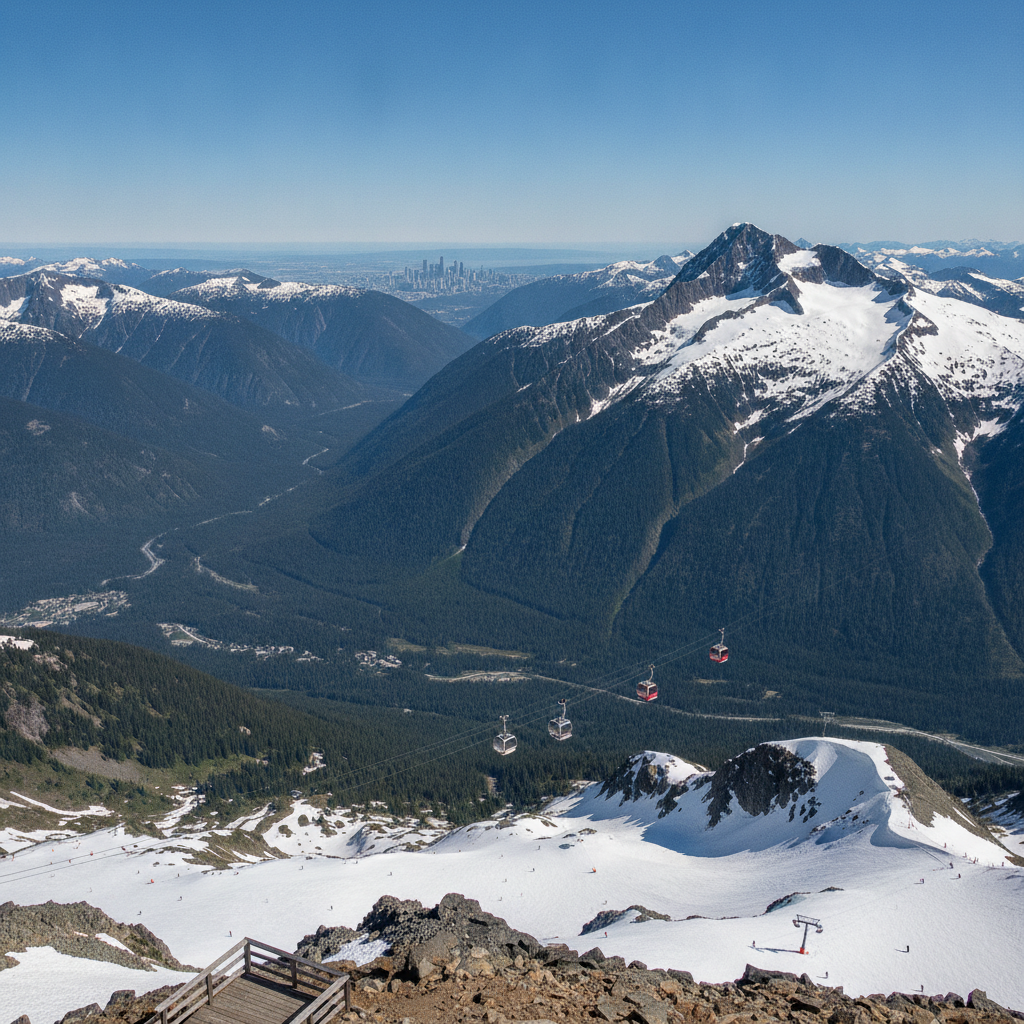
Whistler Blackcomb (the ski resort 125 km (78 miles) north of Vancouver on the Sea-to-Sky Highway (Highway 99 — the spectacular two-lane mountain highway that runs from Vancouver through the town of Squamish (the 'Outdoor Recreation Capital of Canada') and the Whistler ski village): the resort statistics (the largest ski resort in North America by total skiable area (3,307 hectares / 8,171 acres across two mountains (Whistler Mountain (2,182 m / 7,160 ft) and Blackcomb Mountain (2,436 m / 7,992 ft))), the longest vertical descent in North America (1,609 metres / 5,280 feet on Blackcomb Mountain), and the 37 lifts that serve the 200+ marked ski runs): the Whistler village (the purpose-built ski village at the base of both mountains — the pedestrian-only village with ski-in ski-out access, the most successful planned ski village in North America, with 3,000 hotel rooms and condominiums, 90+ restaurants, and 200+ shops and services): the Summer activities at Whistler (the resort operates year-round, with summer activities including mountain biking (the Crankworx Mountain Bike Festival — the most important mountain bike event in the world, held annually in August), hiking on the 90+ kilometres of maintained trails above the treeline, the Peak 2 Peak Gondola sightseeing, and glacier skiing on the Horstman Glacier (July and August)).
- 2
Sea-to-Sky Highway — The World's Most Scenic Drive
The Sea-to-Sky Highway (Highway 99 — the 2-lane mountain highway running 125 km (78 miles) from Vancouver to Whistler along the eastern shore of Howe Sound (the southernmost fjord in North America — the 65-km (40-mile) long fjord carved by glacial action between the Coast Mountains and the ocean, bounded on the west by the Sunshine Coast and on the east by the Squamish and Sea-to-Sky corridor)): the Sea-to-Sky Highway experience (the drive from West Vancouver (the suburb north of the Lions Gate Bridge) north along the highway through the Howe Sound corridor (the first 40 km of the drive, along the shore of Howe Sound with the fjord visible below and the Coast Mountains rising abruptly above), through the town of Squamish (the outdoor recreation hub at the head of Howe Sound, famous for world-class rock climbing (the Stawamus Chief (the 'Chief' — the 700-metre (2,300-foot) granite monolith immediately south of Squamish, the largest granite face in North America and one of the most challenging rock climbing destinations in the world)), through Brandywine Falls Provincial Park (the waterfalls visible from the highway), and into the Whistler valley): the improvements for the 2010 Winter Olympics (the highway was significantly improved for the 2010 Vancouver Winter Olympics, including the construction of the Britannia Mine Museum exhibit (the historic copper mine at Britannia Beach, the largest copper mine in the British Empire from 1929-1935) and the Sea-to-Sky Gondola (the gondola at Squamish that ascends 885 metres (2,903 feet) to the Spirit Ridge summit, with the views of Howe Sound and the Stawamus Chief)).
- 3
Grouse Mountain & the Vancouver Ski Scene
Grouse Mountain (6400 Nancy Greene Way, North Vancouver — the ski mountain immediately north of Vancouver, the ski resort closest to a major Canadian city): the Grouse Mountain Gondola (the 8-minute gondola ride from the base of Capilano Road at the foot of Grouse Mountain (elevation 274 m / 899 ft) to the Grouse Mountain Resort (elevation 1,231 m / 4,039 ft) — the gondola ride that is the most dramatic urban gondola experience in Canada, ascending 957 metres (3,140 feet) vertically in 8 minutes through the old-growth Douglas fir and western red cedar forest of the lower slopes, then emerging above the treeline for the panoramic view of the Lower Mainland, Burrard Inlet, Vancouver Island, and the Gulf Islands): the Grouse Mountain skiing (26 marked runs, 10 lifts, and the most lit night skiing terrain in Canada — the mountain that allows Vancouver residents to ski under the lights on weekday evenings after work, a Vancouver tradition for over 50 years): the Grouse Mountain Refuge for Endangered Wildlife (the GROW program — the on-mountain wildlife conservation program that houses two orphaned grizzly bear brothers (Grinder and Coola), a pair of grey wolves, an owl, an eagle, and other rehabilitated wildlife species — the most accessible wildlife encounter available within 20 minutes of a major Canadian city).
- 4
Garibaldi Provincial Park & Hiking Culture
Garibaldi Provincial Park (the 194,000-hectare (479,000-acre) provincial park approximately 65 km (40 miles) north of Vancouver, accessed primarily from the Sea-to-Sky Highway — the most visited provincial park in British Columbia and one of the finest alpine wilderness areas accessible by day hike from a major North American city): the Garibaldi Park landscape (the volcanic landscape of the park — the park that encompasses Mount Garibaldi (the 2,678-metre / 8,786-foot volcanic peak that gives the park its name — the composite volcano that last erupted approximately 10,000 years ago), the Garibaldi Lake (the turquoise glacial lake at 1,473 metres / 4,830 feet elevation — the most photographed natural landscape in British Columbia, the lake whose intense turquoise colour results from the glacier flour (the fine sediment ground by the Sphinx and Garibaldi Glaciers) in suspension in the water)): the most popular hikes (the Garibaldi Lake trail (9 km / 5.6 miles one-way from the Rubble Creek trailhead to the lake, with an elevation gain of 820 metres / 2,690 feet — the hike consistently rated among the top 10 day hikes in Canada), the Black Tusk trail (the hike to the summit of the Black Tusk (2,319 m / 7,608 ft) — the distinctive black volcanic spire that is the most recognizable mountain in the Lower Mainland skyline): the wildflower meadows (the Singing Pass and the Helm Creek meadows — the subalpine wildflower meadows in full bloom from mid-July through August, the finest wildflower display accessible by trail in western Canada).
- 5
Vancouver Island & the Gulf Islands Day Trips
Victoria (the capital of British Columbia, on the southern tip of Vancouver Island — the city 95 km (60 miles) south of Vancouver across the Strait of Georgia, accessible by BC Ferries (the world's largest passenger ferry fleet) from Tsawwassen in the south of Vancouver): the Victoria experience (the city that is the most British city in Canada — the city of the British Columbia Parliament Buildings (the Neo-Baroque building facing the Inner Harbour), the Fairmont Empress Hotel (the Château-style hotel opened 1908, the most famous hotel in western Canada, famous for the traditional afternoon tea service (the Fairmont Empress Afternoon Tea — the most-served afternoon tea in Canada, with the BC salmon tea sandwiches, scones with Devonshire cream, and a selection of cakes and pastries)), the Butchart Gardens (the 55-acre (22-hectare) National Historic Site of Canada that fills the former limestone quarry of the Butchart family with elaborate themed gardens — the Sunken Garden, the Italian Garden, the Japanese Garden — visited by approximately 1 million people per year, the most visited private garden in the world): the Gulf Islands (the Southern Gulf Islands — the archipelago of approximately 200 islands and islets in the Strait of Georgia between Vancouver Island and the BC mainland, the islands accessible by BC Ferries from Tsawwassen (to Saltspring Island (the largest and most visited Gulf Island, known for the Saturday Farm Market, the arts community, and the organic farms), Galiano Island, Mayne Island, and Pender Island) and from Swartz Bay near Victoria.
- 6
2010 Winter Olympics Legacy & Vancouver Sport Culture
The 2010 Winter Olympics (the XXI Olympic Winter Games, held February 12-28, 2010 in Vancouver, British Columbia (the in-city venues — the BC Place Stadium (the opening and closing ceremonies), the GM Place / Rogers Arena (the hockey venue), and the Vancouver Convention Centre) and Whistler, BC (the mountain venue — the Whistler Creekside (the alpine skiing venue), the Whistler Olympic Park (the biathlon and cross-country skiing venue), and the Whistler Sliding Centre (the bobsled, luge, and skeleton venue))): the legacy of the 2010 Olympics (the physical legacy — the Sea-to-Sky Highway improvements, the Whistler Sliding Centre (now open to the public for bobsled rides), the Richmond Olympic Oval (the speed skating oval, now the largest multi-sport community facility in Canada), and the Olympic Village (the Athletes' Village in Southeast False Creek, converted to the Millennium Water residential development after the Games, the development that is the most ambitious sustainable urban development in the history of Canadian real estate)): the Canada Hockey Place (Rogers Arena — the arena where Canada defeated the United States in overtime in the Men's Ice Hockey gold medal game on February 28, 2010 (the most watched hockey game in Canadian history, with 16.6 million Canadian viewers — the single most watched television event in Canadian history), the goal scored at 7:40 of overtime by Sidney Crosby — the 'Golden Goal' that is the single most celebrated moment in the history of Canadian sport).
Walk this route with audio
Stories play automatically as you reach each stop — no tapping needed.
More in vancouver
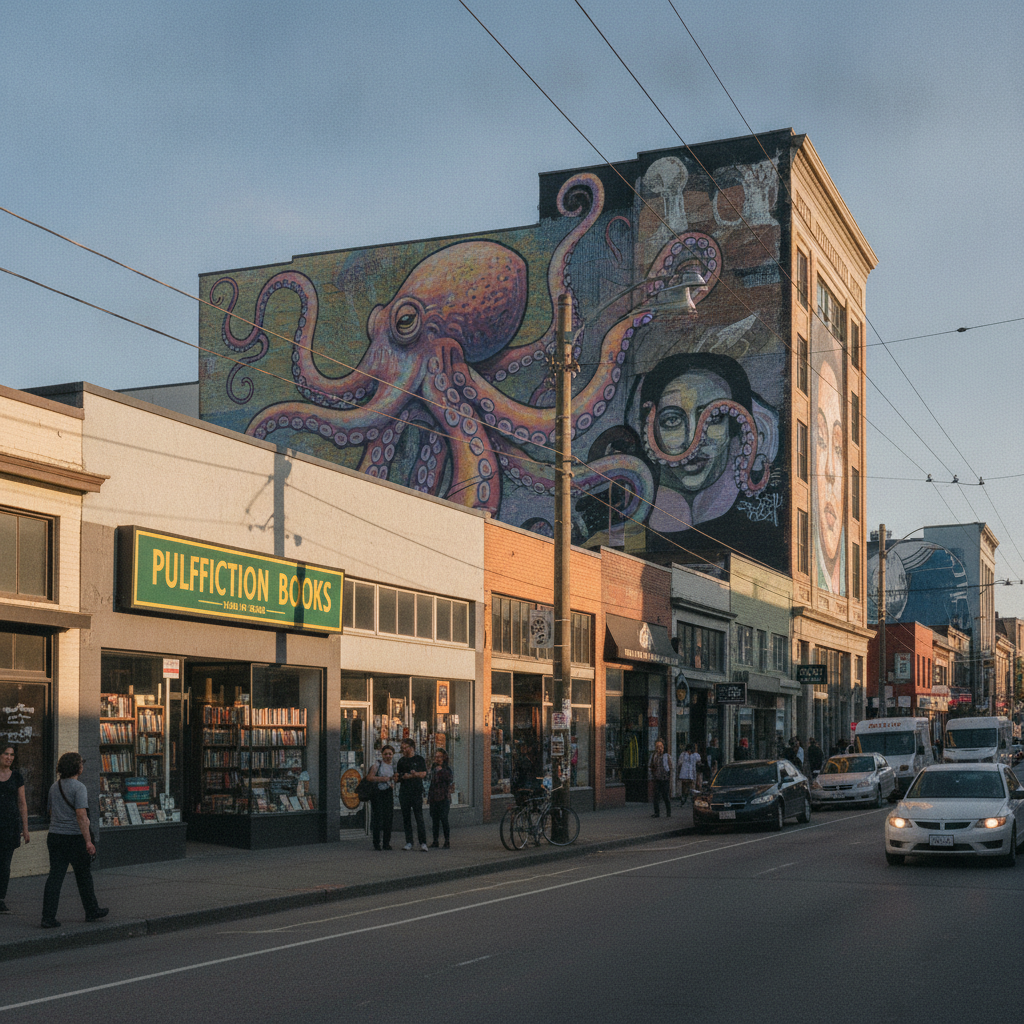
Olympic Village, East Van Arts & Mount Pleasant Creative District
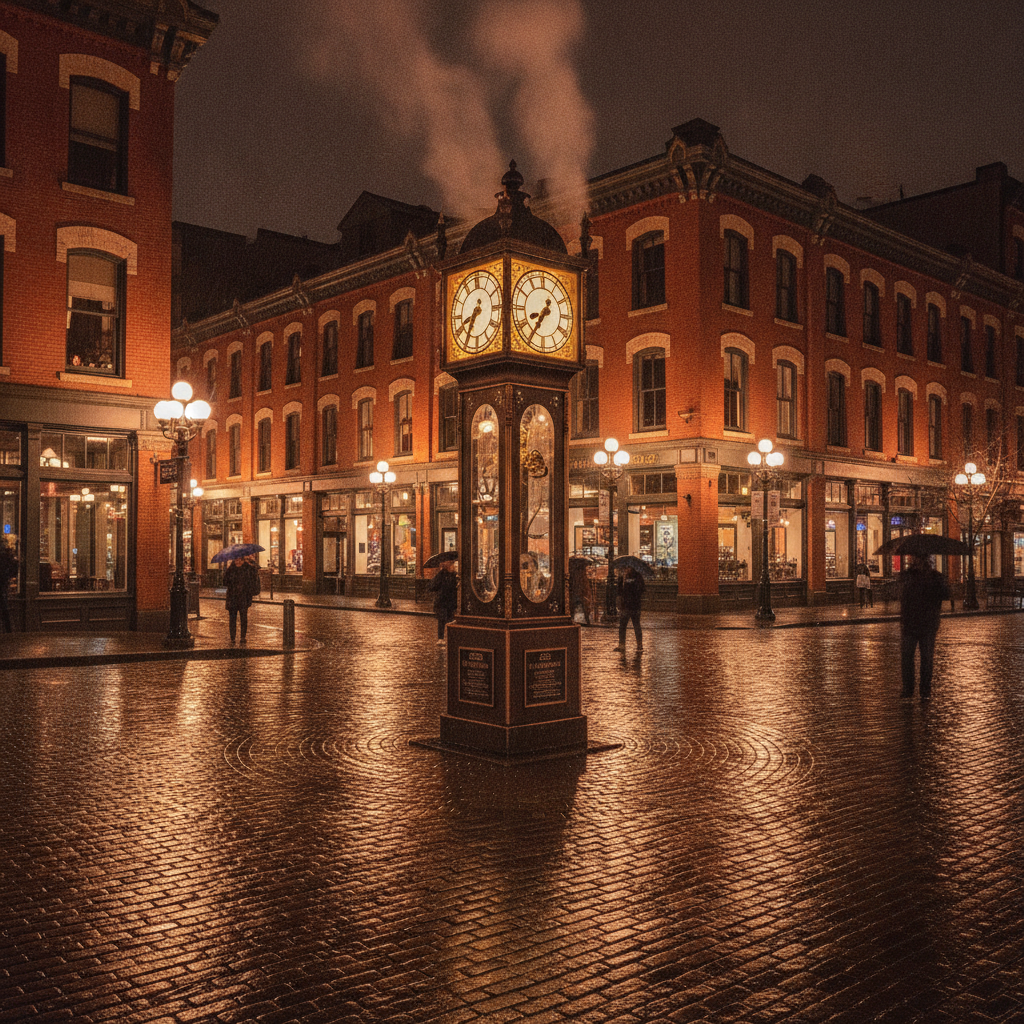
Gastown, the Steam Clock & Vancouver's Historic Neighbourhood
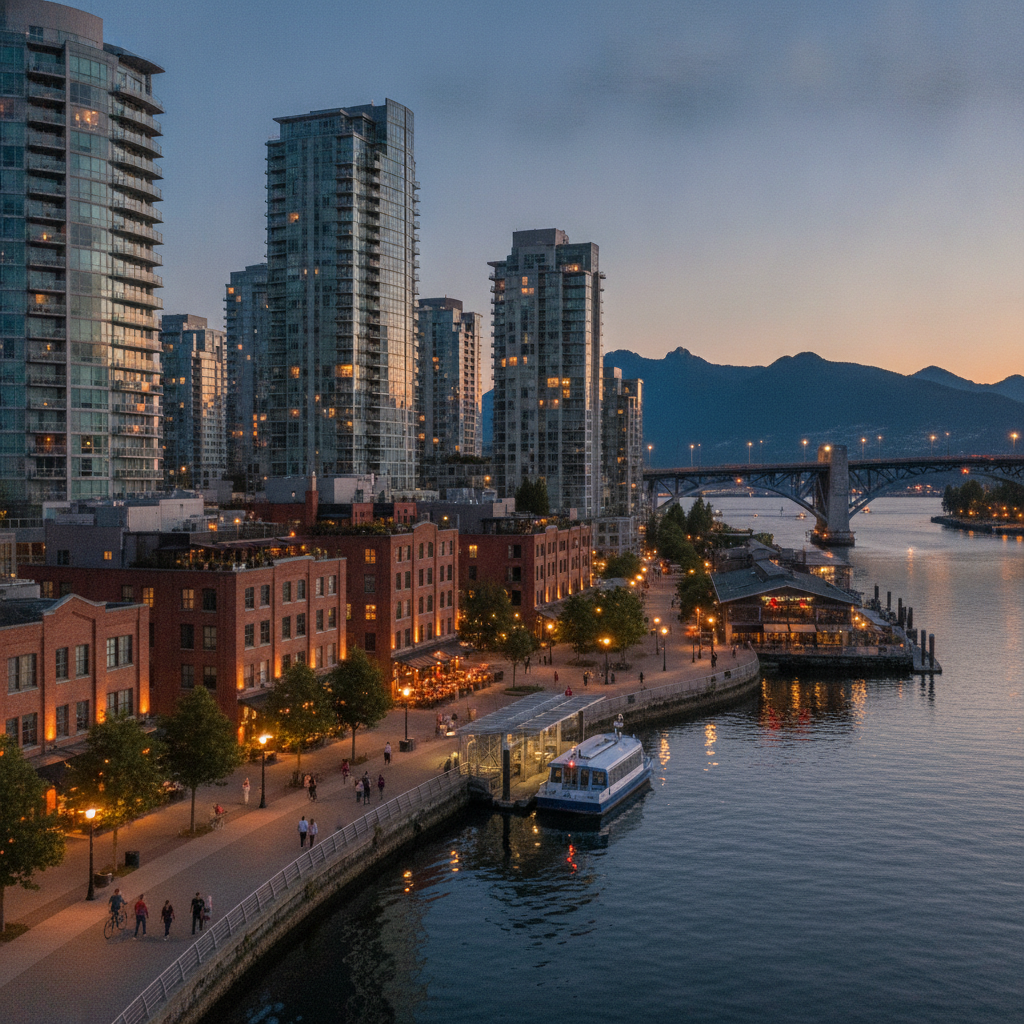
Yaletown, False Creek & Vancouver's Urban Design Success
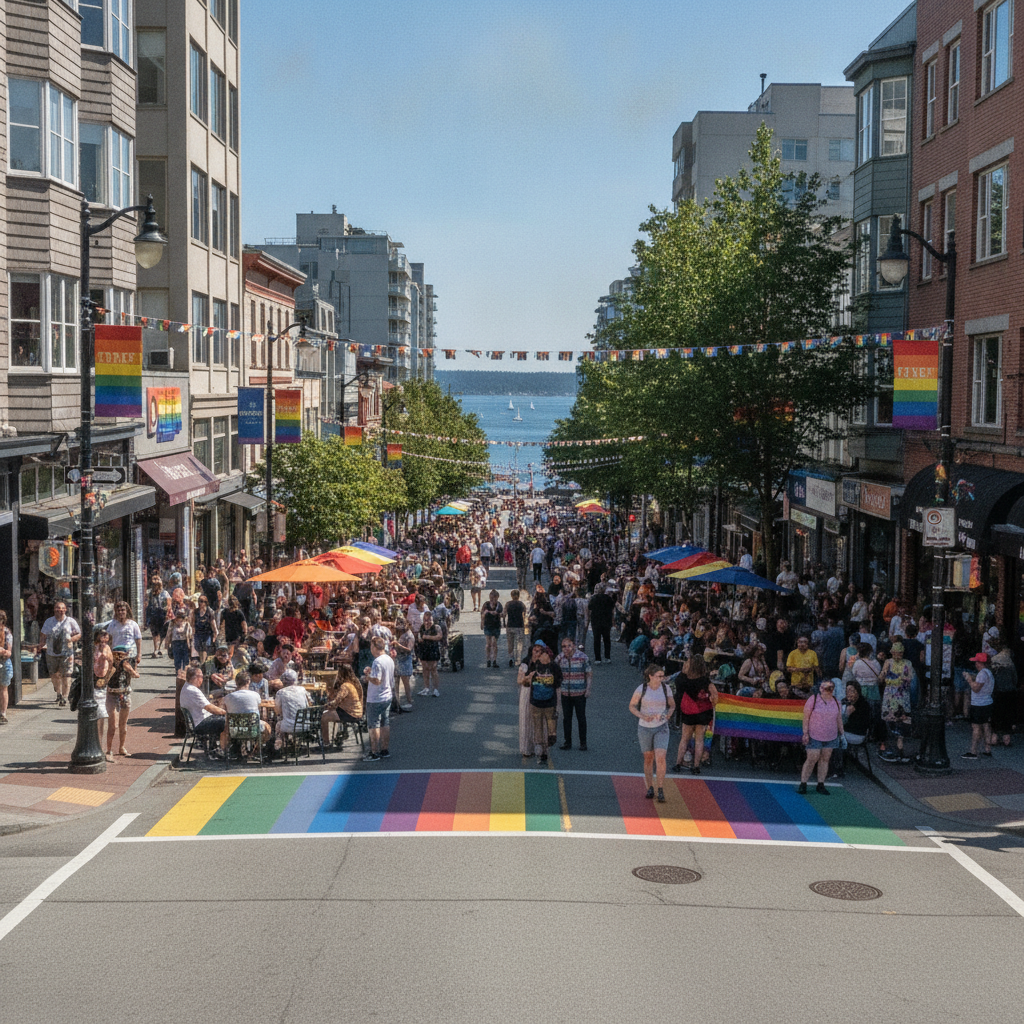
Davie Village, LGBTQ+ Culture & Vancouver Pride
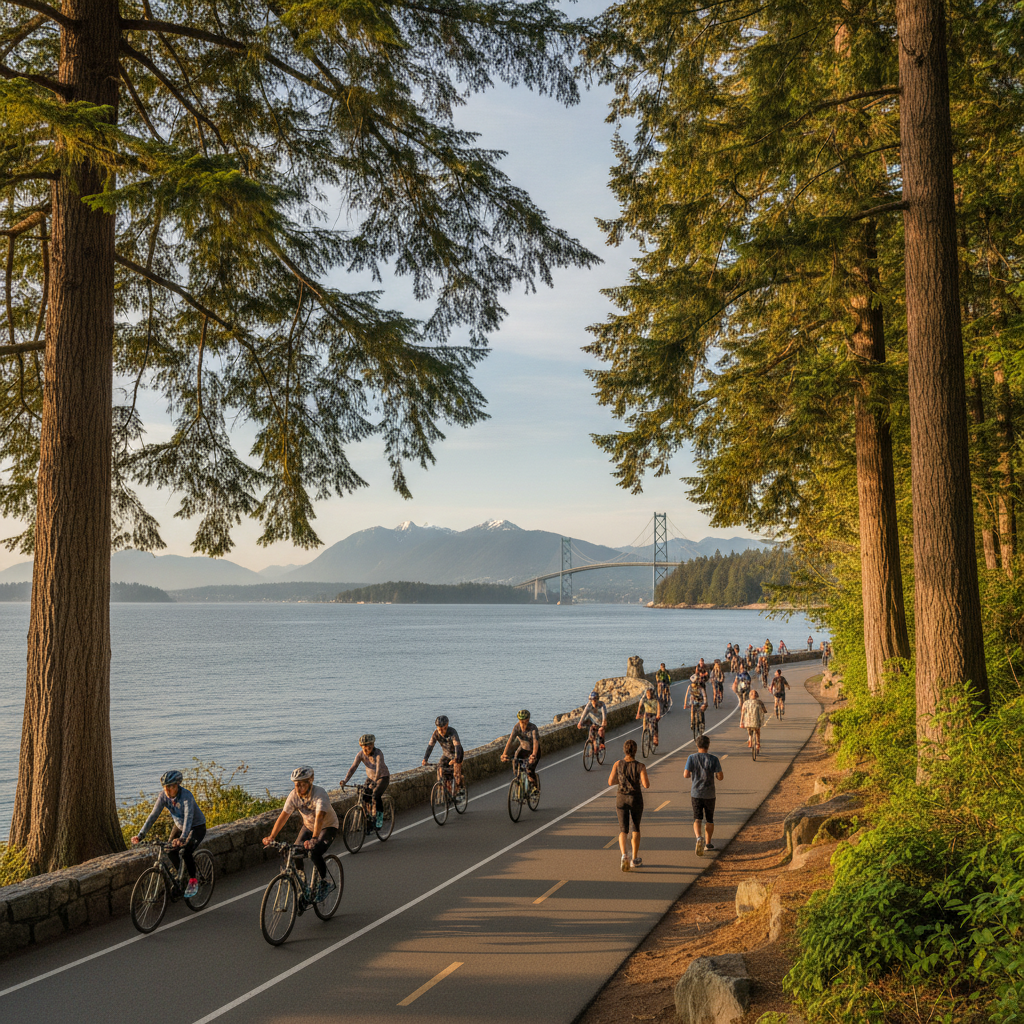
Stanley Park, the Seawall & Vancouver's Urban Wilderness