Varanasi's Depths: 3,000 Years of Continuous Life, the Aghori Who Meditate in Cremation Grounds & the Ethics of Watching Death
Sit with Varanasi's hardest questions—how a city mentioned in the Rigveda has been continuously inhabited for 3,200 years, the Aghori ascetics who eat cremation remains to dissolve the illusion of pure and impure, the precise difference between the dawn and full-moon boat rides that locals say are completely different experiences, kachori sabzi at 6am on a leaf plate after a Ganges bath, and the acute ethical challenge of whether to photograph open-air funeral pyres—a question that separates documentary photography from voyeurism without a clean answer.
- 1
Varanasi's Ancient History – One of the World's Oldest Living Cities
Varanasi (also called Kashi—'City of Light'—and Banaras) is one of the world's oldest continuously inhabited cities: historical records of settlement go back to approximately 1200 BC (Late Vedic period); the city is mentioned in the Rigveda (1500–1200 BC). Mark Twain visited in 1896 and wrote: 'Benares is older than history, older than tradition, older even than legend, and looks twice as old as all of them put together.' The city was a major centre of trade, philosophy, and religious learning by 600 BC—Mahavira (founder of Jainism) and the Buddha (Siddhartha Gautama) both lived and taught in or near the city in the 6th–5th century BC. The city has been destroyed and rebuilt multiple times—most significantly under Aurangzeb (1669)—but the continuous occupation of the site is unbroken.
- 2
The Aghori Sadhus – Varanasi's Extreme Ascetics
The Aghori are a Shaivite Hindu ascetic sect who practice extreme renunciation by deliberately violating social and ritual norms: meditating in cremation grounds, using human skulls as bowls, consuming substances considered ritually polluting (including human flesh from unclaimed cremation remains, in some accounts). The Aghori's practices are understood within their own tradition as a direct path to non-duality—by embracing what society considers most impure, the Aghori dissolves the illusion of distinction between pure and impure. Varanasi's cremation ghats are the Aghori's natural home; the area around Manikarnika has a small Aghori community. They are not commonly encountered; when encountered, uninvited photographing or approaching is strongly inadvisable. Their presence is one of many reminders that Varanasi operates under its own rules.
- 3
Varanasi's Boat Ride – Dawn, Dusk & Full Moon
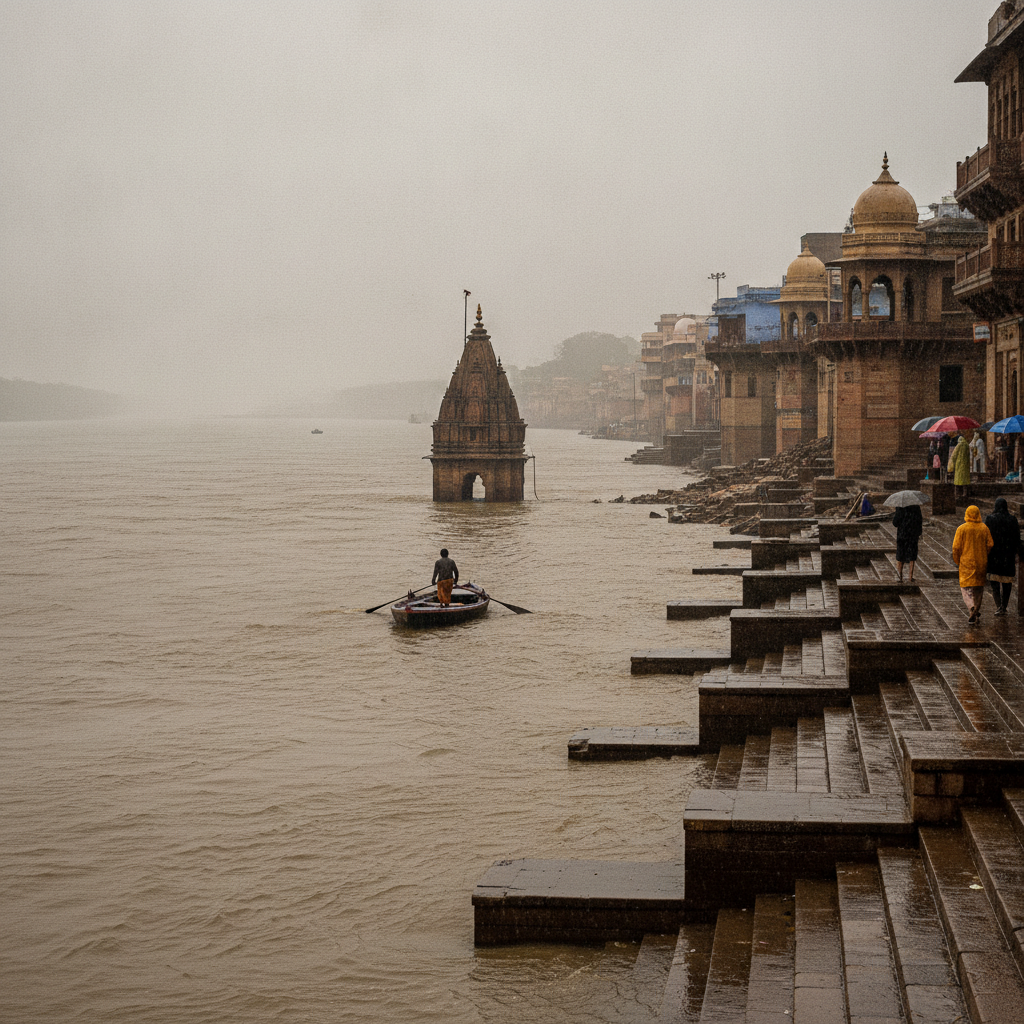
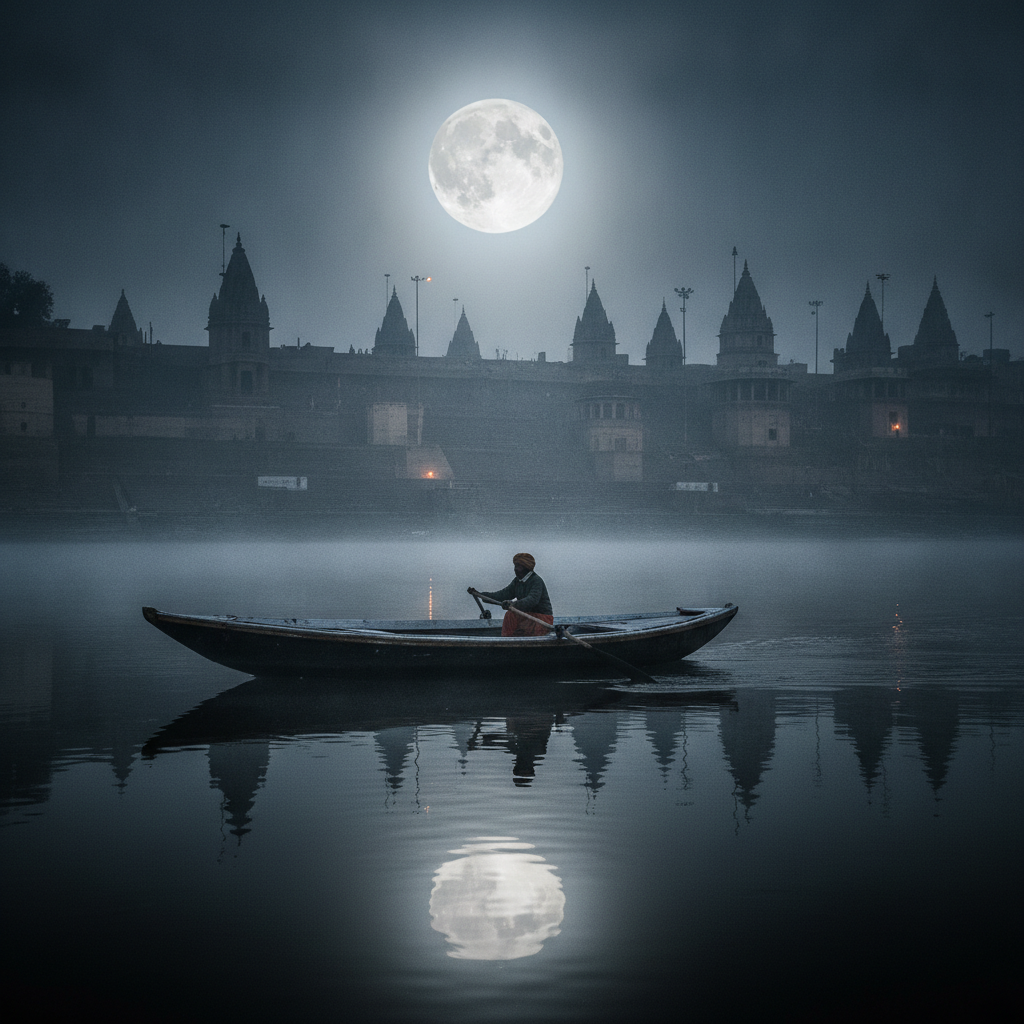
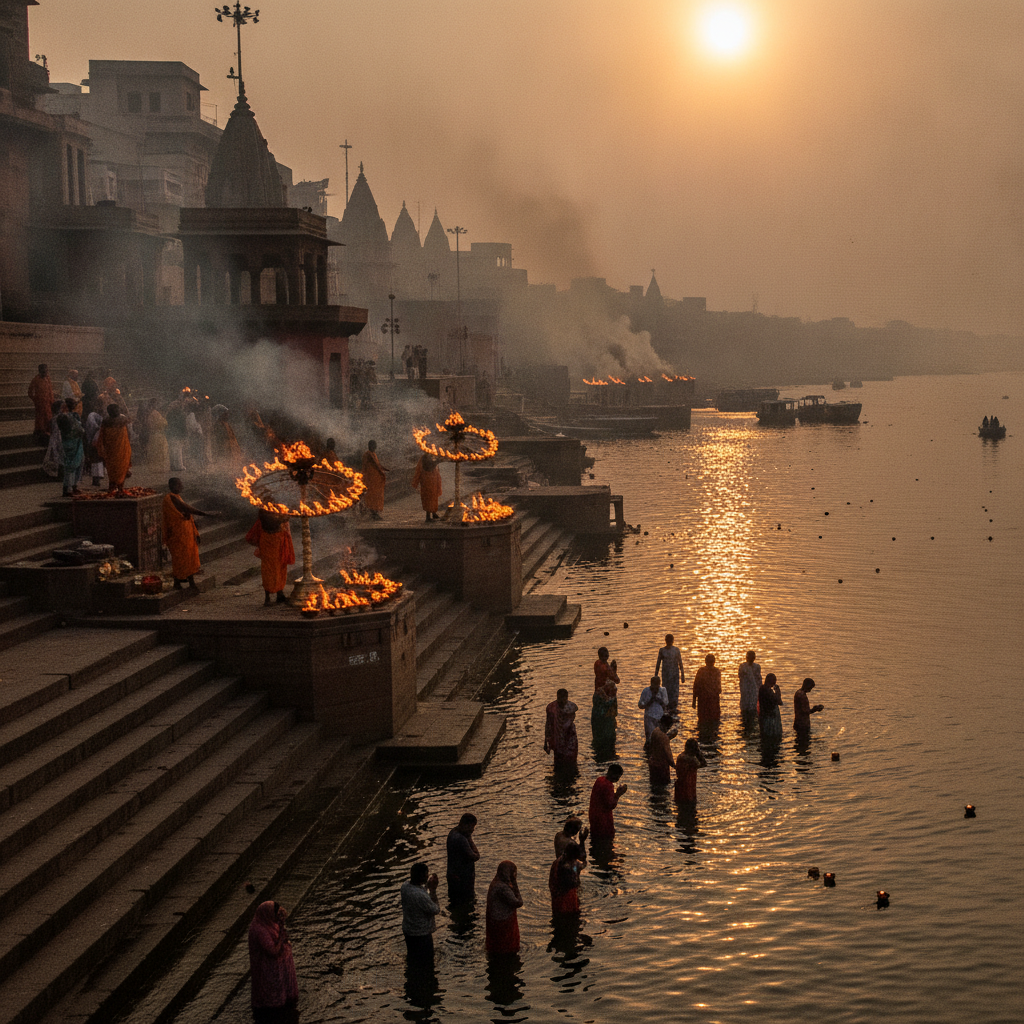
The boat ride along Varanasi's ghats is the experience that most visitors cite as their most memorable in India. The dawn ride (5:30–7am)—watching the city wake, pilgrims enter the water, the smoke from Manikarnika drifting over the river as the first light strikes the temple towers—is qualitatively different from the afternoon ride (harsh light, crowded, commercial) and the evening ride (after the Aarti, lights reflected on the water, quieter and contemplative). Full-moon nights offer boat rides at 10pm–midnight when the Taj Mahal is closed; the Ganges at Varanasi in full moonlight is among the most beautiful natural light experiences in India. Rates: ₹200–400 for a one-hour private rowing boat (agree the price before boarding); ₹100–200 per person for shared boats.
- 4
Varanasi's Food – Kachori Sabzi, Chaat & Thandai
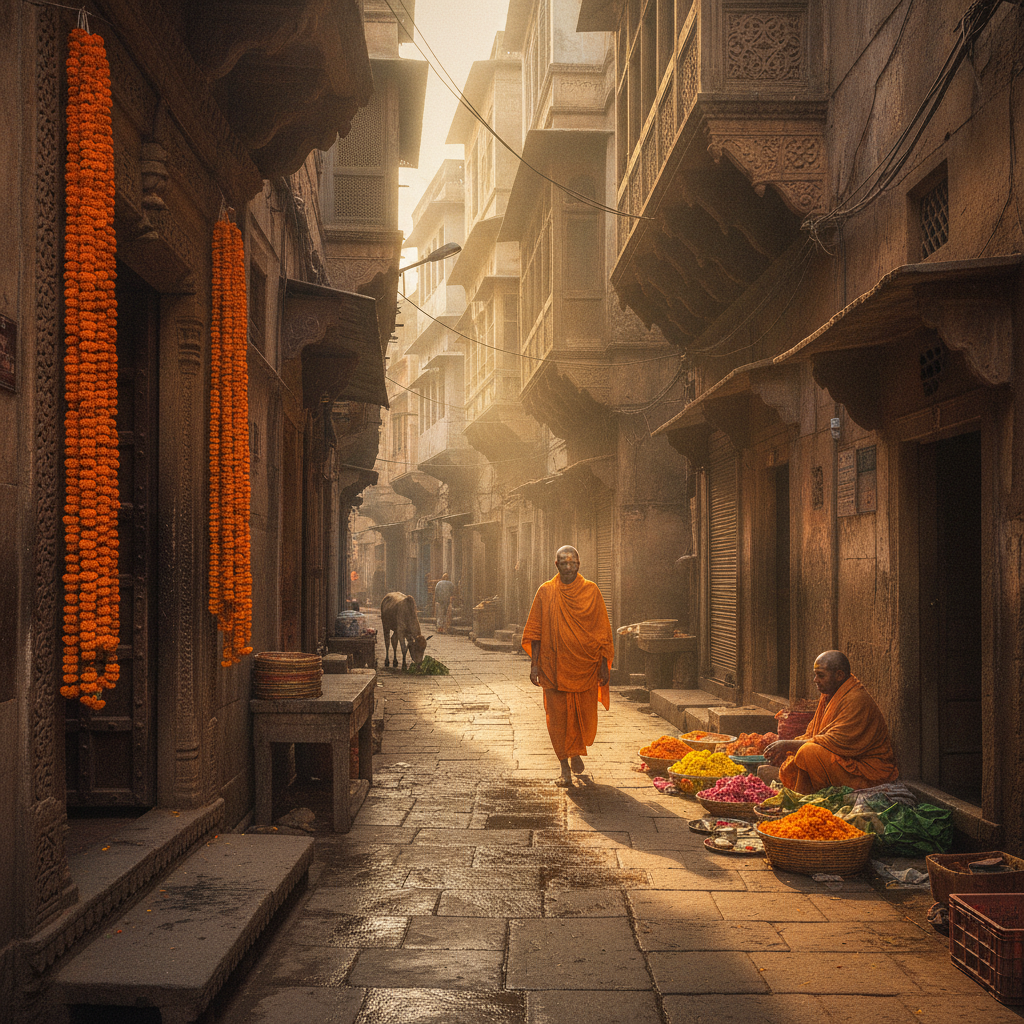
Varanasi's street food tradition is one of North India's finest, distinct from Lucknow or Delhi in its specific flavours and combinations. Kachori sabzi (deep-fried spiced dough balls with potato curry)—the standard Varanasi breakfast, served on leaf plates at stalls from 6am—is the local morning meal that pilgrims eat after bathing at the ghats. Chaat (tamatar chaat and aloo tikki chaat in Varanasi style) uses a specific combination of tamarind and hing (asafoetida) that is recognisably Banarasi. Thandai—a cold milk drink blended with rose water, saffron, almonds, and spices (and optionally bhang—cannabis—during Holi)—is the city's signature drink. The Deena Chat Bhandar (near Godaulia crossing) and the Kachori shops near Vishwanath Gali have operated for decades.
- 5
Varanasi & Death – Photography, Ethics & Tourist Gaze
Varanasi's cremation ghats present one of the most acute ethical challenges in travel photography. The urge to photograph open-air cremations—available in a way that would be unthinkable at a Western funeral—conflicts with the privacy and dignity of grieving families performing their most intimate religious rites. The Dom caste attendants actively discourage photography close to the burning platforms; some ghat 'helpers' charge ₹500–1,000 for 'permission' to photograph (this is unofficial and exploitative). The appropriate conduct: observe from a respectful distance, do not point cameras at pyres or grieving relatives, and understand that you are witnessing a sacred act, not a spectacle. The Lonely Planet and many ethical travel writers have consistently advised against photographing the burning ghats—a position that is contested by documentary photographers who argue the subject is legitimate.
- 6
Varanasi's UNESCO Status & Conservation
Despite its extraordinary cultural significance, Varanasi's old city (the area of the ghats and historic temples) is not a UNESCO World Heritage Site—a recurring proposal that has faced opposition from property owners, religious authorities, and politicians who fear restrictions on development and construction around the temples. The Kashi Vishwanath Corridor project (2021)—which demolished 300+ historic buildings to create a wide approach to the temple—would likely have been prevented by UNESCO heritage status. Several conservation organisations (INTACH—Indian National Trust for Art and Cultural Heritage) have documented the loss of historic structures in the old city. The Ganga Action Plan and Namami Gange programme have improved some aspects of the ghats' physical condition but have not addressed the core pollution problem.
Walk this route with audio
Stories play automatically as you reach each stop — no tapping needed.
More in Varanasi
Varanasi Complete: Cremation-Ash Holi, the House Where People Go to Die & the Ashoka Lion Capital at Sarnath
Varanasi's Seasons: The Month-Long Street Ramayana, Bismillah Khan's Shehnai & the Buddhist Circuit to Bodh Gaya
Varanasi Deeper: Classical Music at Shiva's Court, the Ganga's Lethal Pollution & the Poet Who Rejected Both Hinduism and Islam
Varanasi Essentials: 88 Ghats, the Burning Ghat That Never Stops & the Buddha's First Sermon at Sarnath