Varanasi Essentials: 88 Ghats, the Burning Ghat That Never Stops & the Buddha's First Sermon at Sarnath
Encounter Hinduism's most sacred city—88 stone staircases descending to the Ganges where pilgrims wash away lifetimes of sin at dawn, Manikarnika Ghat's 24-hour cremations where 300 families a day achieve the moksha liberation that every Hindu hopes for at death, the Ganga Aarti fire ceremony at Dashashwamedh Ghat performed every single evening for centuries, the Dhamek Stupa at Sarnath marking the exact spot where the Buddha gave his first sermon in 528 BC, the contested Kashi Vishwanath Temple with its Mughal-demolished history and Modi-rebuilt corridor, and the Muslim weavers who take 4 weeks to make a single gold-thread Banarasi saree.
- 1
The Ganges Ghats – 88 Steps to the Sacred River
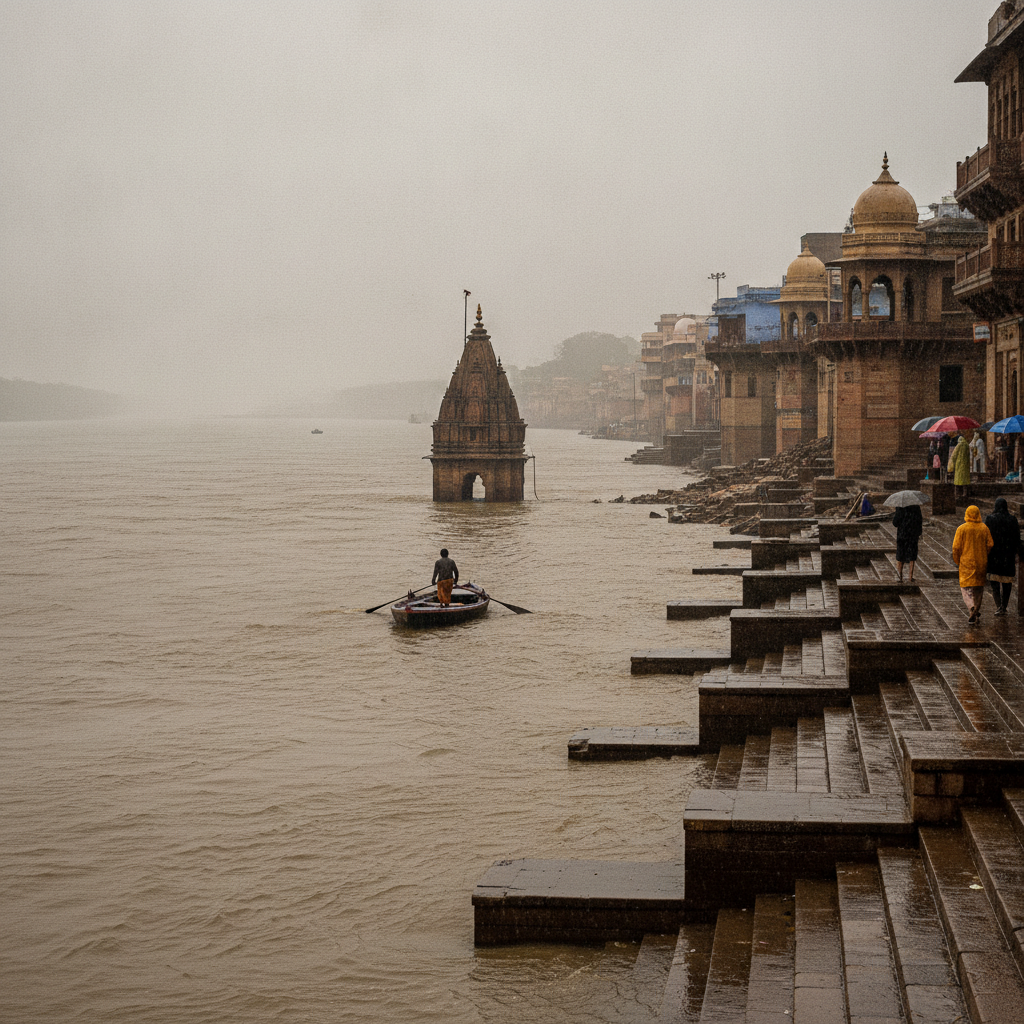
Varanasi's ghats—88 stone staircases descending to the Ganges river along a 7 km crescent-shaped riverfront—are the spiritual heart of the city and the defining image of Hindu pilgrimage in India. The ghats were built and rebuilt by the Maratha, Rajput, and other Hindu rulers between the 16th and 19th centuries; each major ghat was commissioned by a different patron. Daily activity on the ghats ranges from ritual bathing (snan, performed at dawn by thousands of pilgrims who believe a single dip in the Ganges at Varanasi washes away all sins), to yoga, to boat repair, to cricket games. The 6am boat ride along the ghats—watching the dawn light strike the temple towers, pilgrims entering the water, and Varanasi waking up—is one of the great travel experiences in Asia.
- 2
Manikarnika Ghat – The Burning Ghat
Manikarnika Ghat—Varanasi's main cremation ghat, burning continuously 24 hours a day, 365 days a year—is the most sacred place to die in Hinduism. Dying in Varanasi is believed to guarantee moksha (liberation from the cycle of rebirth); tens of thousands of Hindus travel to Varanasi specifically to die here, staying in hospices (mokshadham) near the ghat. Between 200 and 300 bodies are cremated daily at Manikarnika; the wood (primarily mango and sandalwood) is weighed and sold by the Dom caste (the untouchable caste who tend the fires and hold a hereditary monopoly on cremation services). Photography at the ghat is sensitive—permitted at a distance but photographing grieving families directly is inappropriate. The atmosphere—smoke, chanting, the smell of burning wood—is intensely visceral.
- 3
Ganga Aarti – The Evening Fire Ceremony
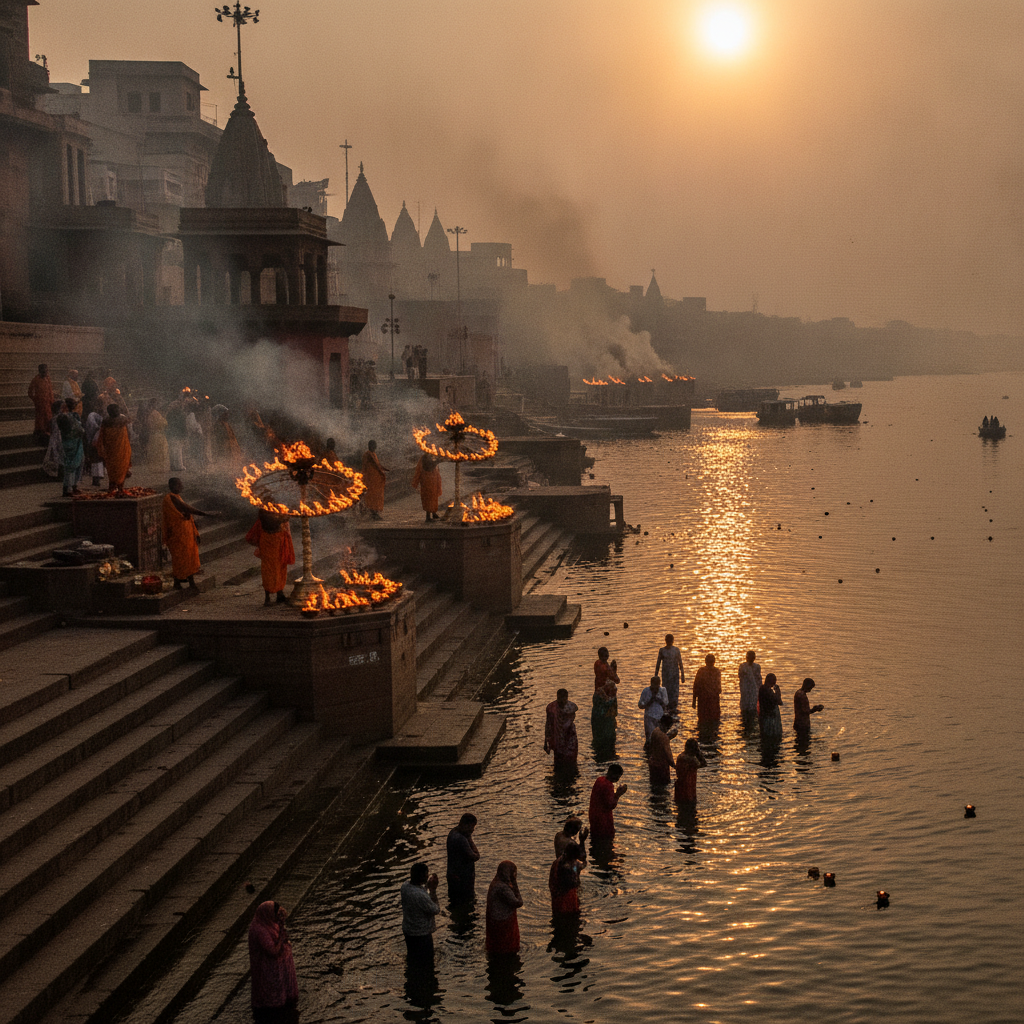
The Ganga Aarti—a nightly ceremony at Dashashwamedh Ghat (the most accessible and most visited of Varanasi's ghats), performed every evening at sunset (approximately 6pm in winter, 7pm in summer)—involves 5–7 priests performing a choreographed ritual of fire, incense, flowers, and chanting. The ceremony lasts 45 minutes; priests rotate burning brass lamps (deepam) and conch shells in elaborate gestures while a crowd of thousands watches from the ghat steps and from boats on the river. The ceremony is genuinely devotional (not a tourist performance, though tourists are welcome); it has been performed nightly for centuries. The boat view is more expensive (₹300–500/€3.30–5.50 from private operators) but gives a wider perspective; the ghat steps are free and packed.
- 4
Sarnath – Where the Buddha Gave His First Sermon
Sarnath—10 km north of Varanasi's centre—is one of the four most sacred sites in Buddhism (alongside Lumbini, Bodh Gaya, and Kushinagar): the Deer Park where Siddhartha Gautama, shortly after his enlightenment at Bodh Gaya, gave his first sermon (the Dhammacakkappavattana Sutta—'Setting in Motion the Wheel of the Dharma') to his five former companions in 528 BC. The Dhamek Stupa (249 BC, later enlarged, standing 34 metres high)—built by Emperor Ashoka to mark the exact spot of the first sermon—is the dominant structure. The Archaeological Museum at Sarnath contains the Sarnath Lion Capital (250 BC)—the finest sculpture of the Maurya period and the national emblem of India, source of the 'Satyamev Jayate' motto.
- 5
The Kashi Vishwanath Temple & Hindu Pilgrimage
The Kashi Vishwanath Temple ('Lord of All')—Varanasi's most sacred temple, dedicated to Shiva and one of the 12 Jyotirlinga shrines in India—has been destroyed and rebuilt multiple times throughout history. The original temple was demolished by Aurangzeb in 1669 and replaced with a mosque (the Gyanvapi Mosque, which stands immediately adjacent to the current temple); the current temple was built in 1780 by Maharani Ahilyabai Holkar of Indore. The Kashi Vishwanath Corridor—completed in 2021 by the Narendra Modi government at a cost of ₹339 crore (€37 million)—controversially demolished 300+ historic buildings to create a wide promenade between the temple and the Ganges. The Gyanvapi Mosque-temple dispute is an active legal and political controversy.
- 6
Varanasi's Silk Weaving – Banarasi Sarees
Varanasi (Banaras) is the centre of India's most prestigious silk weaving tradition: the Banarasi saree—woven with real gold or silver zari thread (metallic thread) on a silk ground, in patterns inspired by Mughal floral motifs, typically requiring 2–4 weeks to weave a single saree—is the most sought-after bridal saree in North India and among the most expensive textiles in the world (₹5,000–500,000/€55–5,450). The weaving industry employs approximately 1.2 million weavers in the Varanasi region, predominantly Muslim families who have woven Banarasi silk since the Mughal period. The industry has faced severe competition from power-loom copies and cheap Chinese-made imitations; government GI (Geographical Indication) certification protects the 'Banarasi Saree' label for handwoven Varanasi products only.
Walk this route with audio
Stories play automatically as you reach each stop — no tapping needed.
More in Varanasi
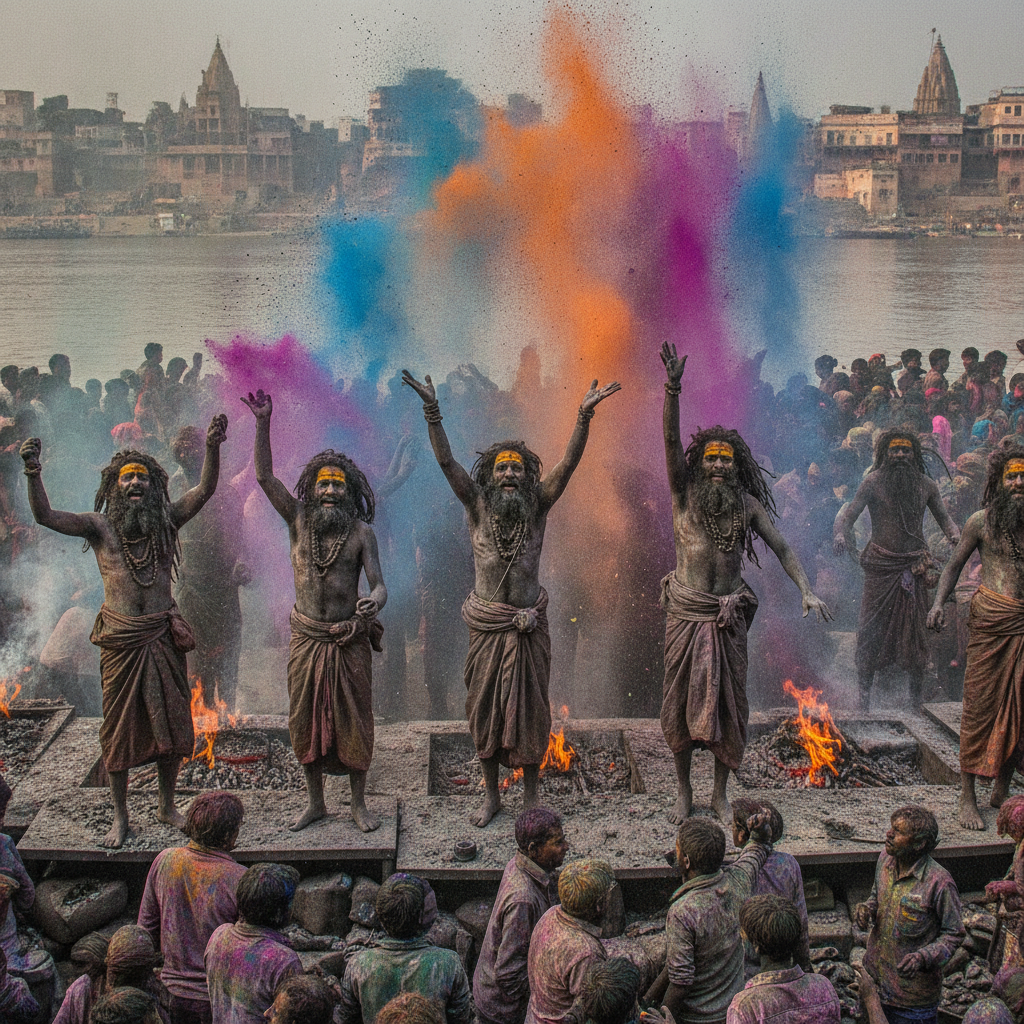
Varanasi Complete: Cremation-Ash Holi, the House Where People Go to Die & the Ashoka Lion Capital at Sarnath
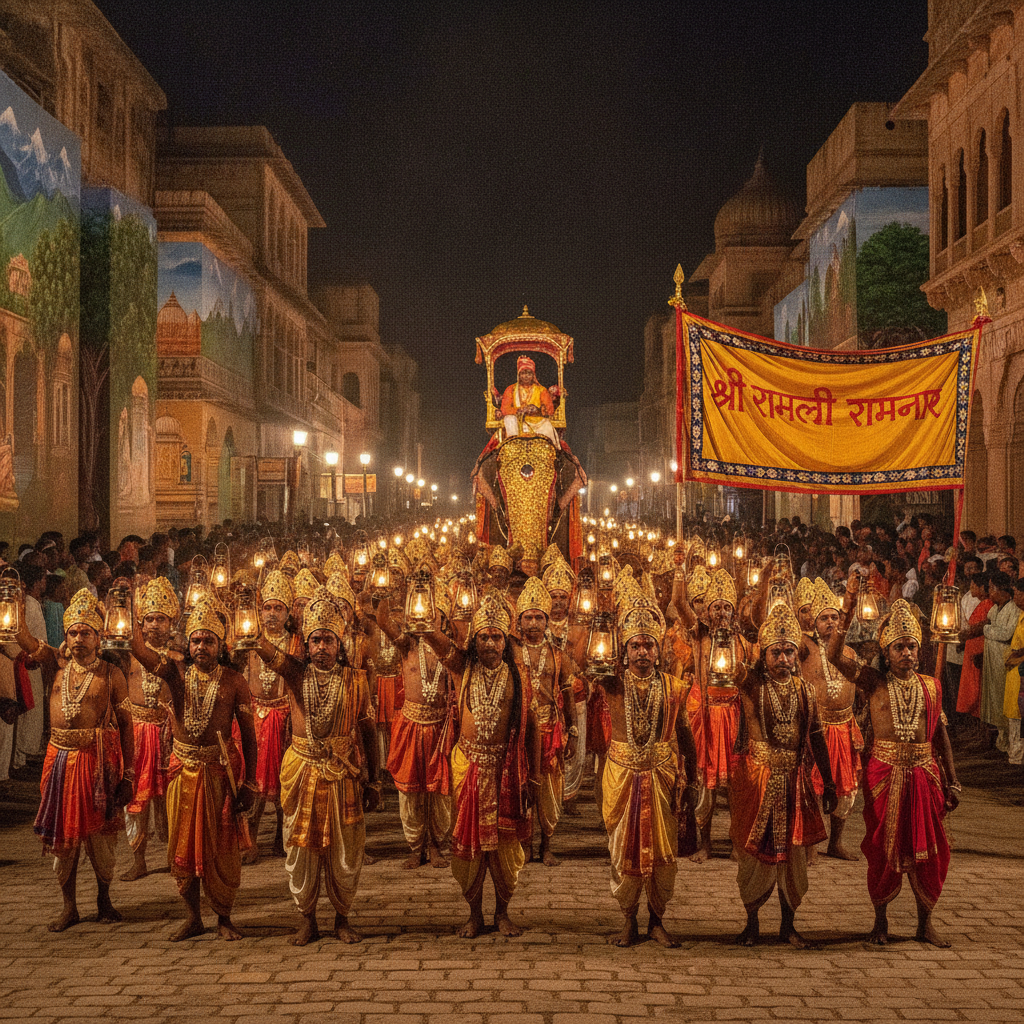
Varanasi's Seasons: The Month-Long Street Ramayana, Bismillah Khan's Shehnai & the Buddhist Circuit to Bodh Gaya
Varanasi Deeper: Classical Music at Shiva's Court, the Ganga's Lethal Pollution & the Poet Who Rejected Both Hinduism and Islam

Varanasi's Depths: 3,000 Years of Continuous Life, the Aghori Who Meditate in Cremation Grounds & the Ethics of Watching Death