Victoria BC: The First Brew Pub in Canada That Has Been Serving Pints Since 1984, the Oldest Building in Western Canada Outside Quebec and the Intertidal Zone That Has No Equal in British Columbia
Drink a pint at Spinnakers on the Vic West waterfront where Canada first brew pub opened in 1984 and then work through a city with 25 other breweries per 375,000 people which is by any measure an extraordinary ratio, walk Fan Tan Alley where the narrowest commercial street in Canada once housed gambling dens for a game using buttons and a bowl and opium processing for export across North America before the federal ban in 1908, drive 35 minutes to Craigflower Manor the oldest building in western Canada outside Quebec built in 1853 by Scottish settlers growing food for a Hudson Bay Company fort, understand that Victoria 600mm annual rainfall makes it Mediterranean-dry by Pacific Northwest standards because the Olympic Mountains block the moisture that creates 4000mm rainforests 100 kilometres west on the outer coast, listen to 40,000 people watch the Victoria Symphony perform from a barge in the Inner Harbour on the August long weekend, and find the Botanical Beach tide pools at the end of the Juan de Fuca Marine Trail where sandstone shelves at low tide expose the most diverse intertidal community in British Columbia.
- 1
Victoria Pub Culture and Craft Beer
Victoria has the highest density of craft breweries per capita of any Canadian city, with over 25 brewing operations in the metropolitan area serving a population of 375,000 and creating a craft beer culture that has made the city a destination for Canadian beer tourism. Driftwood Brewery, Hoyne Brewing, Phillips Brewing and Malting, and the Spinnakers Brew Pub, which opened in 1984 as the first brew pub in Canada, constitute the most established operations in a field that includes dozens of small-format taprooms and nano-breweries in every neighborhood. The Spinnakers Brew Pub on the Vic West waterfront, overlooking the Inner Harbour from the west, holds the distinction of being the first licensed brew pub in Canada and has maintained its industrial-heritage building setting for 40 years. The British pub tradition imported by the colonial settlers has been transformed in Victoria by the craft brewery movement into something genuinely local: stout beers that reflect the rainy Pacific winter, pale ales using Pacific Northwest hops, and farmhouse ales using Vancouver Island grain. The Canoe Brew Pub on the Inner Harbour waterfront in the restored Canadian National Railway steamship terminal building is among the most atmospheric restaurant and brewery spaces in Victoria. The Government Street corridor has multiple pubs with heritage interiors from the colonial era that maintain their dark wood, leather banquette, and fireplace character alongside contemporary draft lists.
- 2
Victoria Chinatown History and Fan Tan Alley
Fan Tan Alley in Victoria Chinatown, a passageway between two buildings on Fisgard Street that narrows to 1.2 metres at its tightest point and runs approximately 40 metres between Government and Fisgard Streets, was historically the center of the gambling and recreational culture of the Chinese community in Victoria, housing fan tan games from which the alley takes its name, mah-jong parlors, and small shops in the ground floor spaces of buildings that rose above it. Fan tan is a traditional Chinese gambling game using a pile of buttons covered with a bowl, then divided into groups of four with a rod, with players betting on the remainder. The alley was associated by the non-Chinese press with opium smoking dens, a characterization partly accurate and partly a racist trope applied to Chinese communities across North America. The opium trade in Victoria was legal until 1908, when the federal government banned opium following the anti-Chinese riots in Vancouver. Victoria had a significant opium processing industry in the Chinatown area in the late 19th century, with refined opium exported throughout North America. The current Fan Tan Alley contains small boutiques, artisan shops, and studios in its narrow ground floor spaces. The heritage buildings above the alley, with their characteristic double-hung windows and brick construction, are among the oldest surviving commercial structures in British Columbia.
- 3
Victoria Craigflower and Colwood Heritage
Craigflower Manor, a farm complex built by the HBC in 1853 at the head of the Gorge Waterway to supply Fort Victoria with agricultural produce, is the oldest surviving building in western Canada outside of Quebec, a two-storey frame house built by Scottish settlers employed by the Puget Sound Agricultural Company, the farming subsidiary of the HBC, and now operated as a National Historic Site open for seasonal tours. The Craigflower Schoolhouse, built in 1855 for the children of farm workers and the oldest surviving schoolhouse in western Canada, stands adjacent to the manor. The heritage farmland of the Saanich Peninsula, where the Dominion Experimental Farm operated from 1886 to 2003 on land now converted to a veterinary college for the University of Victoria, represents the agricultural heritage that supplemented the colonial economy of Victoria in its founding decades. The Colwood area west of Victoria contains Fort Rodd Hill National Historic Site, a coastal artillery fortification built by the British Army in 1895 to defend Esquimalt Harbour and the naval base, with the original gun emplacements, searchlight installations, and barracks buildings preserved on a headland above Esquimalt Lagoon. The Fisgard Lighthouse, built in 1860 on a small island at the entrance to Esquimalt Harbour, is the oldest lighthouse on the Pacific Coast of Canada and is connected to Fort Rodd Hill by a causeway.
- 4
Victoria Environmental Context
Victoria sits within the Pacific temperate rainforest biome, the most productive forest ecosystem in the world by biomass, but in the dry rain shadow zone on the eastern side of Vancouver Island where the Olympic Mountains to the south and the Vancouver Island Mountains to the north block moisture from the Pacific, creating conditions dryer than the 4,000-millimetre annual rainfall of the west coast and closer to 600 millimetres per year in Victoria, with dry summers averaging less than 20 millimetres of rain per month from July through September. The dry summer climate of Victoria, more Mediterranean than rainforest in character, produces the conditions for the Garry oak meadow ecosystem and the exceptional gardening climate that defines the city character. The Capital Regional District manages regional parks, water supply from the Sooke Reservoir watershed, and waste management for the Greater Victoria area. The CRD water supply from the Sooke Hills, an undeveloped watershed of 22,000 hectares west of the city that is the primary drinking water source for 360,000 people, is one of the finest quality unfiltered municipal water supplies in North America and is protected from development by the Capital Regional District. The Strait of Juan de Fuca marine environment is influenced by cold Pacific waters upwelling from depth along the outer coast that bring nutrients to surface waters, supporting the productive food chain that supports the salmon and marine mammals of the Victoria area.
- 5
Victoria Music Scene and Folk Traditions
Victoria has a rich folk and roots music scene rooted partly in the British folk revival heritage of its colonial settlement and partly in the Indigenous song traditions of the Coast Salish peoples, with a thriving community of fiddle players, guitarists, and singer-songwriters performing in the pub venues, folk clubs, and festival spaces of the city. The Victoria Jazz Society has been presenting jazz concerts since 1979. The Victoria Symphony Splash, a free outdoor concert performed from a barge in the Inner Harbour on the Sunday of the August long weekend, draws 40,000 people to the waterfront for a program mixing classical orchestral music, film scores, and popular entertainment, and is the largest outdoor classical music event in western Canada. The folk music community centered around the Victoria Folk Music Society, which presents concerts and maintains a song circle tradition, is the largest per capita folk music community in Canada. The Butchart Gardens Saturday evening concerts provide mainstream entertainment in the garden setting during summer. The Victoria Conservatory of Music, founded in 1964, is the primary music education institution in the metropolitan area and performs a public concert series. The Guitar Workshop Plus summer music education program draws advanced guitar students from across Canada to the Victoria campus of Camosun College for intensive study.
- 6
Victoria Sooke and the West Coast
Sooke, a community of 13,000 people 35 kilometres west of Victoria on the south coast of Vancouver Island at the edge of the Juan de Fuca Strait, represents the transition from the urban amenity of Greater Victoria to the wild Pacific coast that extends from Sooke to the northern tip of Vancouver Island. The Sooke Potholes Provincial Park, where the Sooke River has carved a series of sandstone pools and channels in the rock above a waterfall, provides freshwater swimming and a favourite summer day-trip destination for Victoria residents within 45 minutes of downtown. The East Sooke Regional Park, a 1,422-hectare coastal wilderness park accessible by trail along the Strait of Juan de Fuca shoreline, provides dramatic tidal pool viewing, old-growth Douglas fir and arbutus forest, and views across to the Olympic Mountains of Washington State in conditions of wild Pacific coast landscape within an hour of the city center. The Juan de Fuca Marine Trail begins at China Beach west of Sooke and runs 47 kilometres west to Botanical Beach, one of the finest intertidal zone areas in BC, where flat sandstone shelves exposed at low tide contain diverse tide pools with sea stars, anemones, chitons, nudibranchs, and the purple sea urchin. The Sooke harbour provides small boat moorage and access to salmon fishing in the offshore banks of the Strait of Juan de Fuca.
Walk this route with audio
Stories play automatically as you reach each stop — no tapping needed.
More in Victoria
Victoria BC: The Six-Gill Sharks in the Anoxic Fjord Nobody Talks About, the Language With Fewer Than 20 Fluent Speakers That Is Now Being Taught in Schools and the Blue Flower Fields That Fed a People for Thousands of Years
Praslin Island: Vallée de Mai UNESCO Forest & Anse Lazio
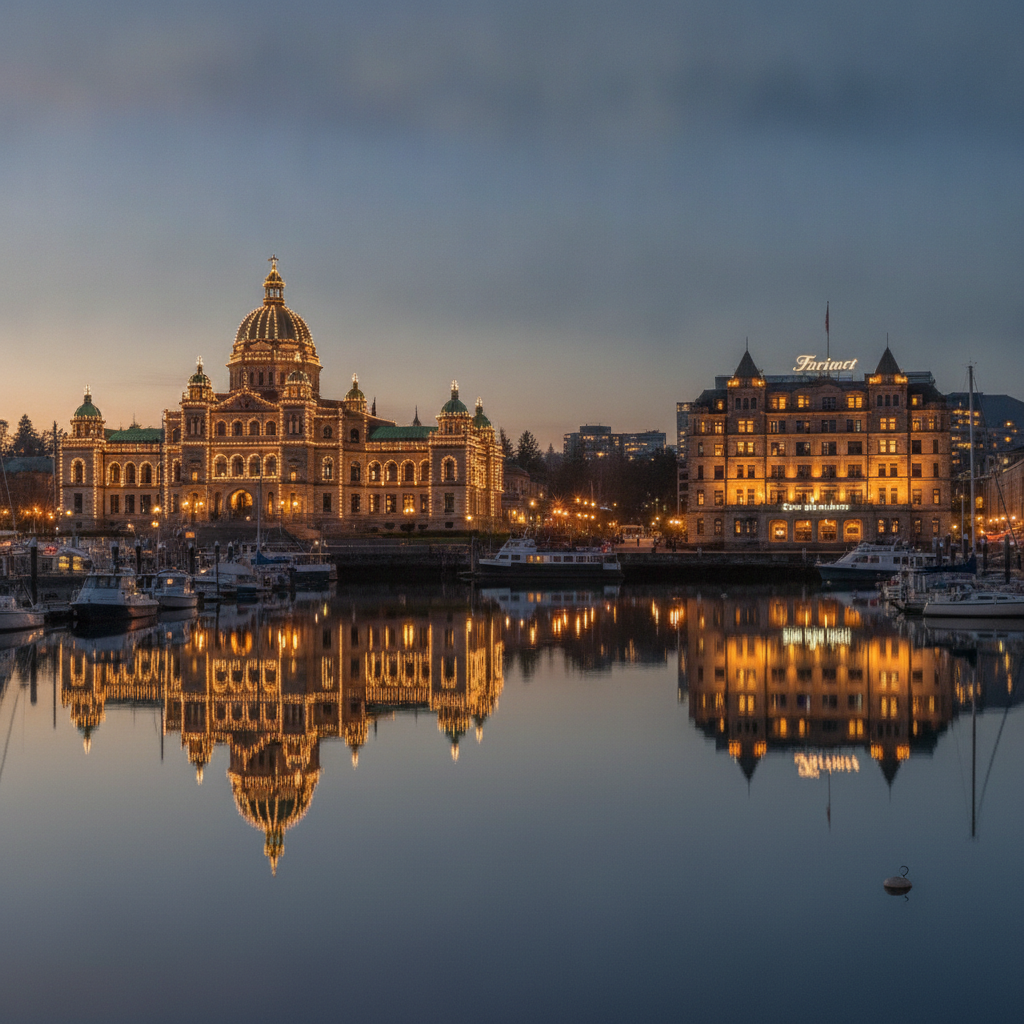
Victoria BC: The Most English City in Canada Where 85 Percent of Residents Were Born in Canada, the Afternoon Tea Capital of North America and the Capital of a Province 14 Times the Size of Switzerland
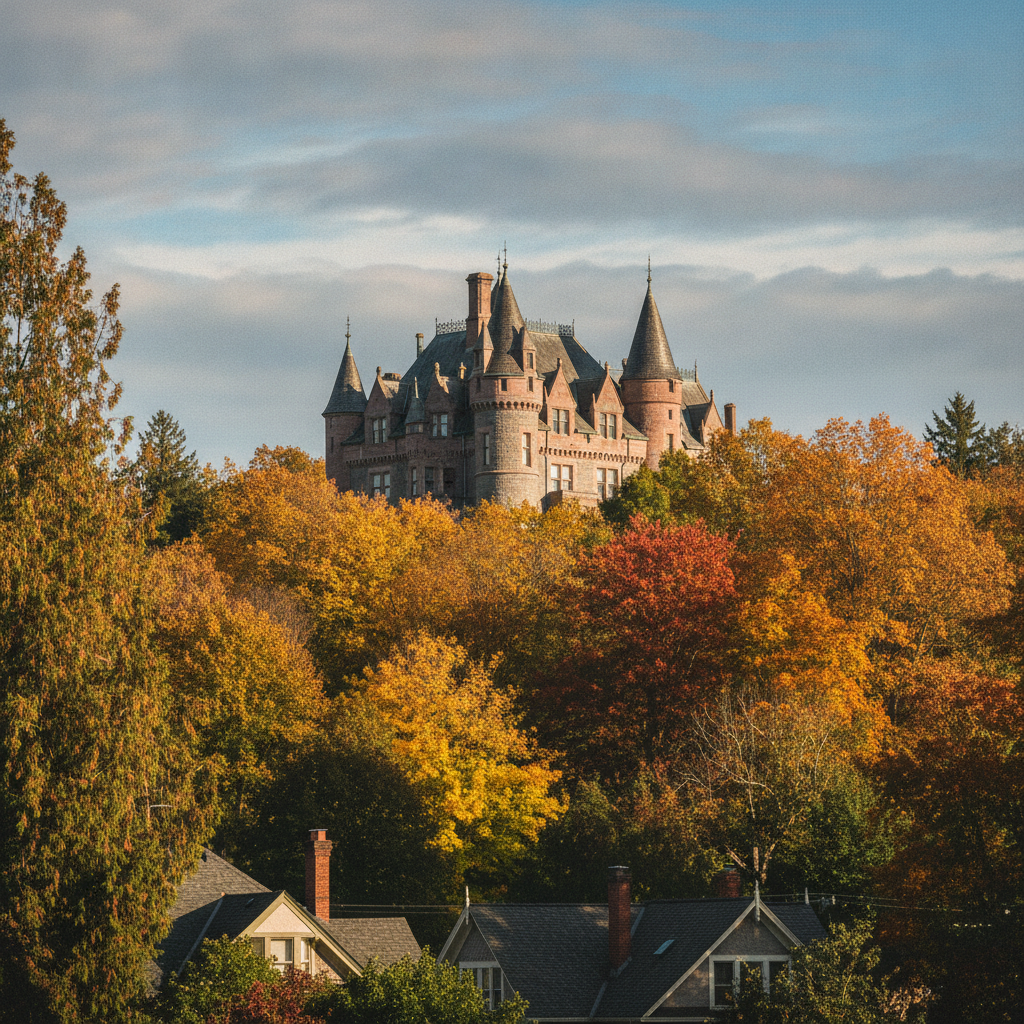
Victoria BC: The Architect Who Designed Both the Legislature and the Empress Hotel Was Murdered by His Young Wife Lover in England, Craigdarroch Castle Built by a Coal Baron Who Died Before Moving In and Canada Coldest Water Surfers
Aldabra Atoll: World's Largest Giant Tortoise Colony