Victoria Falls: Batoka Gorge Geology, Okavango Delta, Chobe Elephants, Livingstone Zambia Culture, and Tigerfish Fishing
Victoria Falls region: the Batoka Gorge basalt geology (the five falls positions), the Okavango Delta fly-in safari, Chobe National Park elephant concentration, Livingstone Zambia and the Leya people, and Zambezi tigerfish sport fishing.
- 1
The Batoka Gorge in Depth - The Geology of Victoria Falls
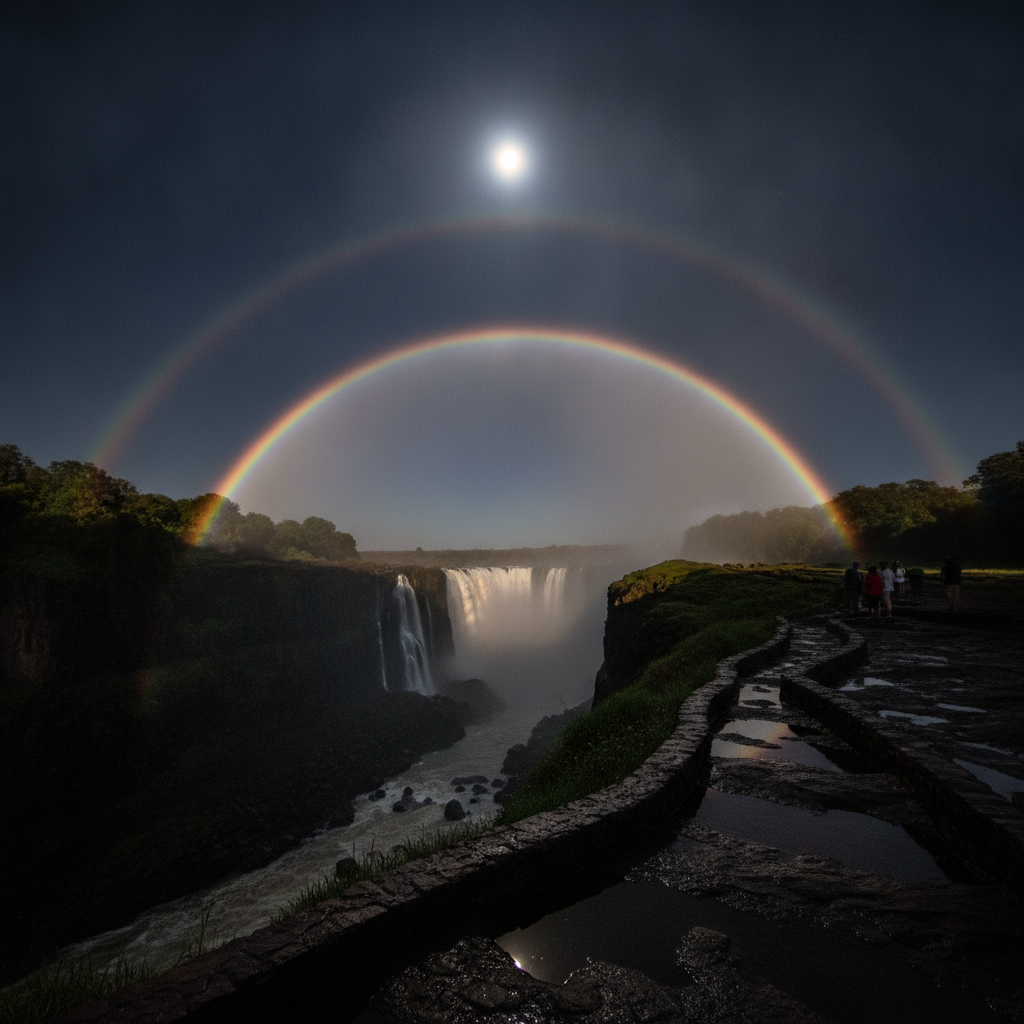
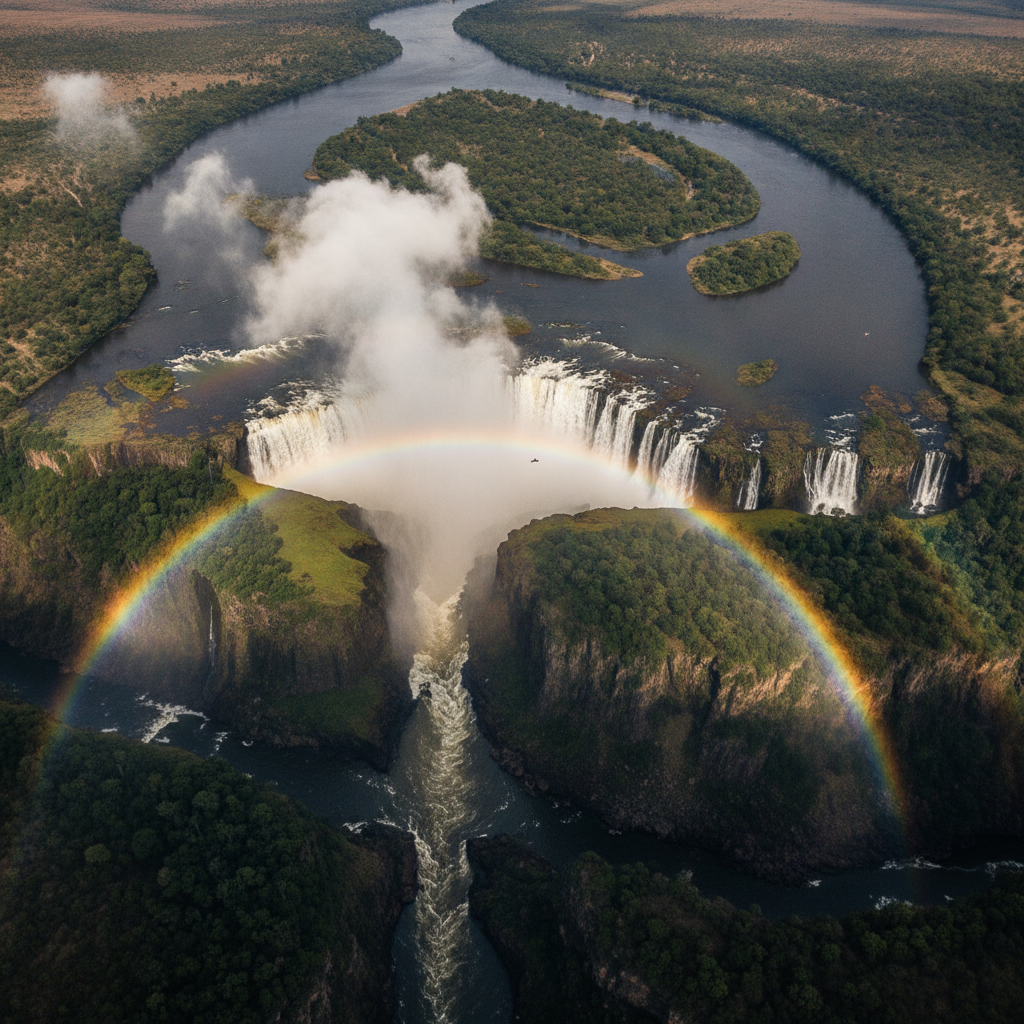
The geology of Victoria Falls and the Batoka Gorge. The basalt plateau through which the Zambezi has cut the falls and gorges: the Karoo basalt (the volcanic rock that makes up the Batoka Plateau) was formed approximately 180 million years ago in the greatest volcanic event in southern African geological history. The falls formation: the Zambezi erodes through a series of parallel east-west fractures (joints) in the basalt. The current Victoria Falls is at the fifth such joint; the previous four falls positions are visible as the zig-zagging series of gorges below the falls. The Boiling Pot (the circular pool at the base of the First Gorge, where the Zambezi river turns from its southward plunge into a 90-degree westward turn through the gorge): the dramatic circular churning of the flood water in the narrow pool. The Knife Edge (the narrow finger of rock on the Zambian side extending over the Eastern Cataract): the most exposed viewpoint at Victoria Falls, often completely drenched in spray during high water.
- 2
The Okavango Delta - The World Greatest Inland Delta Accessible from Victoria Falls
The Okavango Delta (Botswana, UNESCO World Heritage Site): the largest inland delta in the world, approximately 300 km southwest of Victoria Falls. The Okavango River rises in the Angolan highlands and flows southeast, disappearing into the Kalahari sand without reaching the sea. The delta (approximately 15,000-22,000 sq km depending on season): a seasonal flood plain that fills from April-August as the Angolan rainy season waters flow downstream. The Moremi Game Reserve (the protected core of the delta): the primary wildlife area. Chief Island: the central island of the delta, surrounded by the most wildlife-rich lagoons and channels. The mokoro (the dugout canoe): the traditional mode of transport in the delta, poled through the papyrus channels by local Bayei and Hambukushu polers. The Okavango is accessible by charter flight from Maun or by road from Kasane (approximately 300 km from Victoria Falls). The Maun (Botswana) charter flight to the delta is the recommended approach for a 3-5 night delta camp.
- 3
The Chobe National Park in Depth - The Largest Elephant Concentration
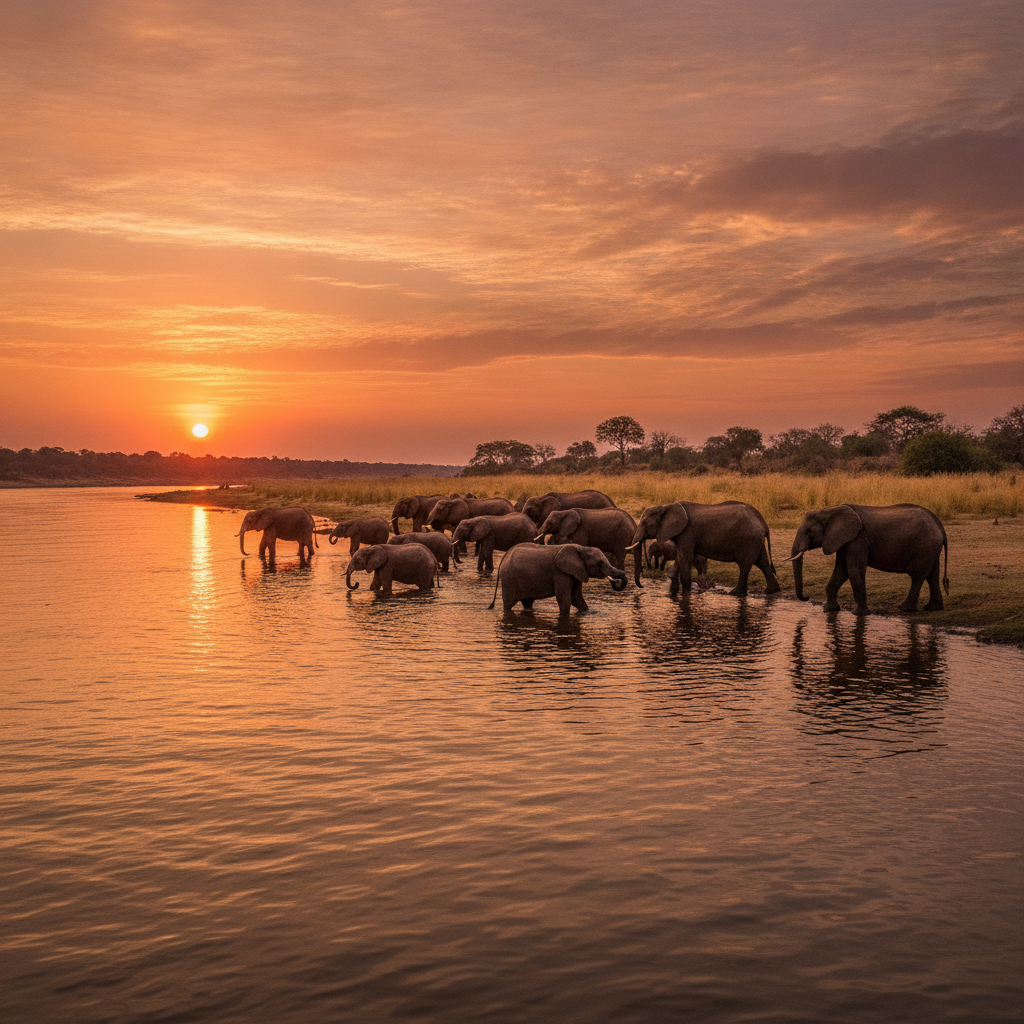
Chobe National Park (Botswana, approximately 70 km south of Victoria Falls): the most wildlife-rich national park in Botswana and the location of the largest elephant concentration in Africa. The Chobe River (the Chobe forms the northern boundary of the park where it joins the Zambezi near Kazungula): the primary game viewing area. The Chobe riverfront: the afternoon riverboat cruise (the sunset cruise on the Chobe River) is one of the great African wildlife experiences; elephants, hippos, crocodiles, buffalo, and numerous bird species are reliably visible within the first 30 minutes of the cruise. The Savute Channel (the western area of the park): the primary lion and cheetah area of Chobe, accessible only by 4x4. The Linyanti Marshes (the northeastern area of Chobe, along the Linyanti River): one of the premier wild dog, lion, and roan antelope areas in Botswana. The Chobe elephant population: estimated 120,000 elephants within the Chobe ecosystem (the highest density of elephant per unit area in Africa).
- 4
Livingstone Zambia - The Colonial Town and African Culture
Livingstone (Zambia): the primary tourist base on the Zambian side of Victoria Falls, named for David Livingstone. Livingstone was the colonial capital of Northern Rhodesia before Lusaka was built. The Livingstone Museum: the most significant museum in Zambia, with exhibits on Zambian history (the pre-colonial Lewanika kingdom, the colonial period), David Livingstone memorabilia, and ethnographic collections. The Mukuni Village (the traditional Leya village approximately 10 km from Livingstone): the primary Zambian cultural village experience near Victoria Falls (the Leya are the original inhabitants of the Victoria Falls area: their chief Mukuni is the hereditary guardian of the Mosi-oa-Tunya). The Livingstone Cultural and Arts Festival (annual): the primary arts festival of southern Zambia. The Zambian food culture: the nshima (the stiff maize meal porridge that is the staple food of Zambia) eaten with relish (vegetables, fish, or meat); the Zambian caterpillar (the mopane worm, the edible caterpillar of the Emperor Moth): a significant protein source in rural Zambia and a notable food experience for visitors.
- 5
The Tiger Fish and Freshwater Fishing on the Zambezi
The Zambezi River tigerfish (Hydrocynus vittatus): the most prized freshwater sport fish in Africa, known for its aggressive fighting behavior, razor-sharp teeth, and the dramatic leaping action when hooked. The tiger fish is the apex freshwater predator of the Zambezi system. The tigerfish season: the best tiger fishing on the Zambezi is September-December (before the rains, when the water is low and clear). The primary tigerfish fishing areas: Lake Kariba (approximately 250 km southeast of Victoria Falls, the massive reservoir created by the Kariba Dam on the Zambezi), the Zambezi between the falls and Lake Kariba, and the Barotse floodplain upstream of Livingstone. The Nile crocodile: the largest crocodile in Africa (up to 6 meters), present throughout the lower Zambezi system. The crocodile and hippo risk makes swimming and wading in the lower Zambezi extremely dangerous; organized fishing and boat-based activities are the recommended form of river engagement below the falls.
- 6
Victoria Falls Three Routes Complete and the Four-Country Safari Circuit
Victoria Falls three routes complete. Route 1: Mosi-oa-Tunya waterfall, Livingstone discovery, Zambezi rafting, bridge bungee jump, Chobe day trip, practical guide. Route 2: Great Zimbabwe UNESCO monument, Zimbabwe economic history, Hwange National Park, Zambezi sunset cruise, KAZA transfrontier area. Route 3 (this route): Batoka Gorge geology (the five gorge series), Okavango Delta day trip option, Chobe riverfront elephant concentration, Livingstone Zambia culture (Leya people, Mukuni Village, nshima), Zambezi tigerfish sport fishing. Routes 4-6 needed: Route 4 (the Victoria Falls adventure sports in depth), Route 5 (the colonial history and the Cecil Rhodes Cape to Cairo railway), Route 6 (final legacy and four-country circuit itinerary). Four-country mini-circuit from Victoria Falls: fly into Victoria Falls (Zimbabwe), Chobe day trip (Botswana), cross to Livingstone (Zambia) for Livingstone Island, fly to Maun (Botswana) for Okavango Delta fly-in safari, fly back to Johannesburg (South Africa). This four-country loop is one of the great Africa itineraries.
Walk this route with audio
Stories play automatically as you reach each stop — no tapping needed.
More in victoria-falls
Victoria Falls: The Devil Pool, Cape to Cairo Railway, Microlight Flights, Victoria Falls Hotel, and Leya Culture
Victoria Falls: Great Zimbabwe UNESCO Monument, Mugabe Economic Collapse, Hwange Wildlife, Zambezi Sunset Cruise, and KAZA
Victoria Falls: The Smoke That Thunders, David Livingstone, Zambezi Rafting, Bungee Jump, Wildlife, and Practical Guide
Victoria Falls: Kariba Dam and Operation Noah, Zambezi National Park, Mana Pools, Nile Crocodile, and Kasane Day Trip