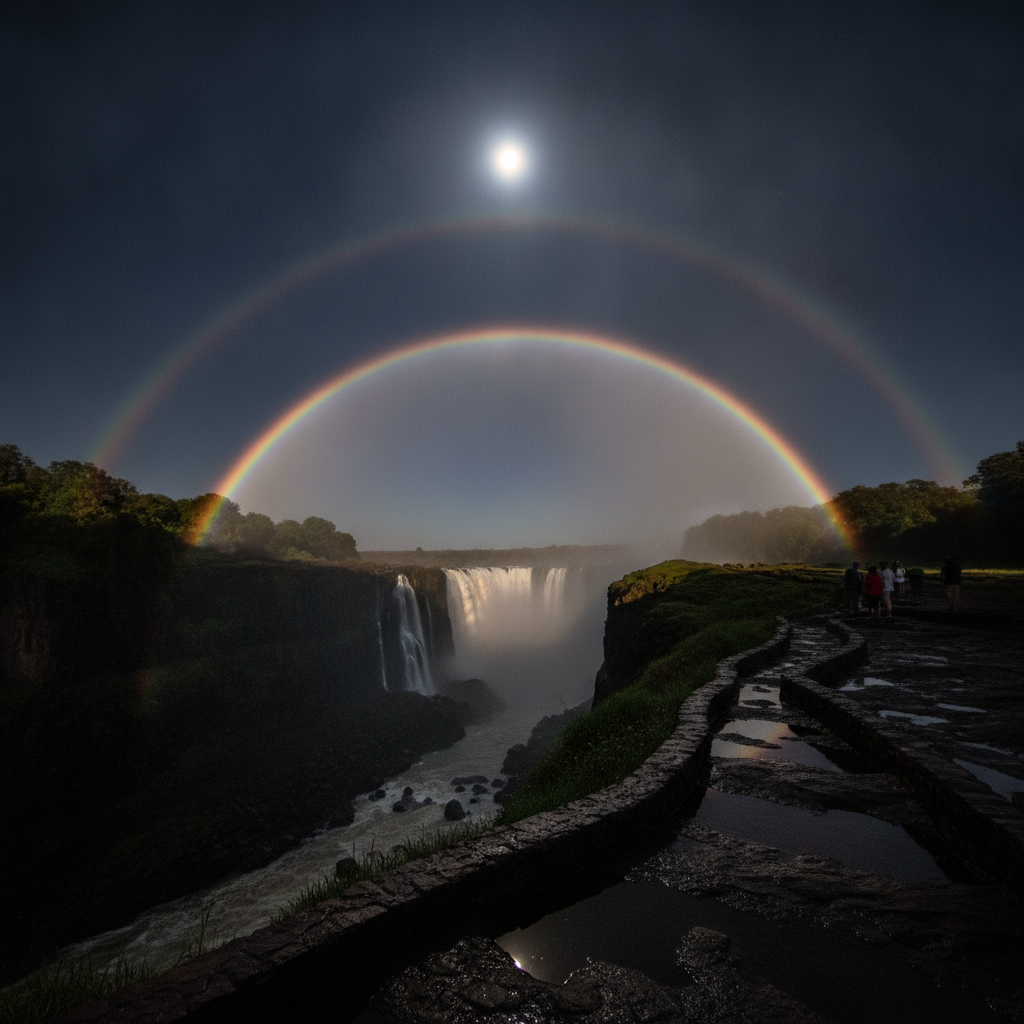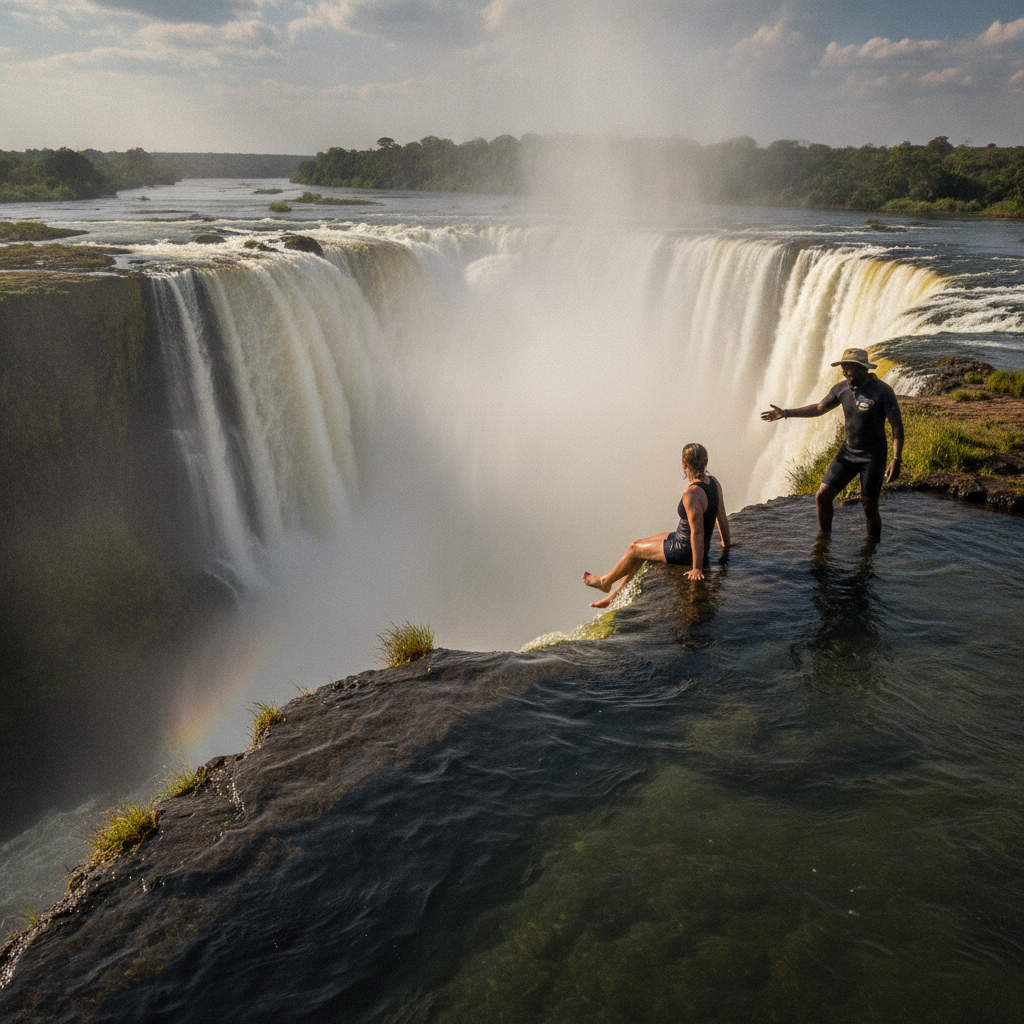
Victoria Falls: The Devil Pool, Cape to Cairo Railway, Microlight Flights, Victoria Falls Hotel, and Leya Culture
Victoria Falls experiences: swimming the Devil Pool at the falls edge, the Victoria Falls Bridge and Cecil Rhodes Cape to Cairo railway dream, microlight and helicopter aerial views, the Victoria Falls Hotel colonial elegance, and the Leya people and Maramba cultural village.
- 1
The Devil Pool - Swimming at the Edge of Victoria Falls
The Devil Pool (also called Livingstone Pool): the natural swimming pool at the edge of the Victoria Falls on Livingstone Island (the Zambian side). During the low-water season (approximately July-January), the current over the lip of the falls creates a natural eddy pool behind a submerged rock barrier where swimmers can sit at the very edge of the 108-meter drop looking down into the spray. The experience: guided by local Zambian guides from the Royal Livingstone Hotel jetty, the swim from the island to the pool (approximately 5-10 meters through a swift channel) with guide assistance, then the sitting at the edge of the falls looking over the drop while the falls roar below. The Devil Pool is only accessible July-January (low water season); February-June it is covered by the full flood flow and inaccessible. The Livingstone Island tour is the most uniquely memorable experience available in the Victoria Falls area: nowhere else in the world is it possible to swim at the edge of a major waterfall.
- 2
The Victoria Falls Bridge - History of the Cape to Cairo Railway Dream
The Cape to Cairo railway: the grand Victorian-era project championed by Cecil Rhodes (1853-1902), the South African mining magnate and British imperialist who dreamed of a continuous British-controlled corridor from Cape Town to Cairo. The railway was intended to facilitate British control of the African interior. The Victoria Falls Bridge (completed 1905): a critical link in the proposed rail corridor, spanning the second gorge of the Zambezi River. The story of the bridge construction (the steel components manufactured in the United Kingdom, shipped to Beira (Mozambique), and transported inland by rail): the bridge was assembled over the gorge in 11 weeks in 1905. Cecil Rhodes died in 1902 before the bridge was completed; his dying wish was reportedly that the spray from Victoria Falls would be felt by travelers on the train crossing the bridge (the bridge site was deliberately chosen so that spray from the falls would reach the train). The Cape to Cairo railway was never completed; the missing link is the section through Congo and South Sudan.
- 3
Microlight Flight and Aerial Perspectives on the Falls
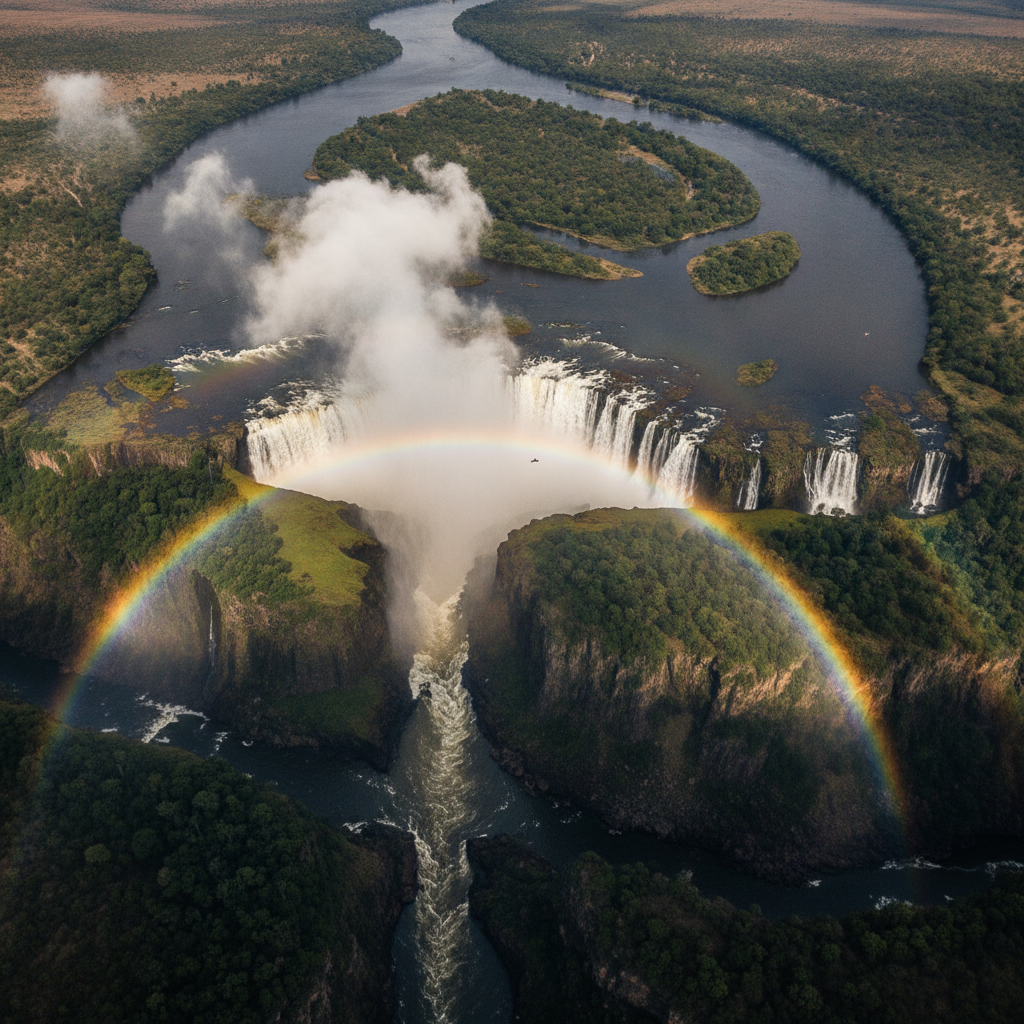
The microlight flight over Victoria Falls: the most intimate aerial experience of the falls. The microlight (a weight-shift controlled ultralight aircraft carrying one passenger and one pilot) flies at approximately 100-300 meters altitude over the falls, gorge, and upper Zambezi, giving unobstructed views in all directions without the glass window of a helicopter. The helicopter flight of the angels (the 12-minute flight): the higher-altitude aerial view of the full 1,708-meter span of the falls, the spray cloud, and the Batoka Gorge zig-zag pattern. The helicopter longer circuit (25 minutes) includes Chobe National Park. The best time for aerial photography: the morning (7:00-10:00am) when the spray drifts away from the falls in the light breeze, giving clearer photography; the afternoon sun angle also works well from the Zambian approach direction. The rainbow: the permanent rainbow in the spray of the falls (visible from approximately 9:00am onwards from the Zimbabwean Rainforest viewpoints).
- 4
The Victoria Falls Hotel - A Century of Colonial Elegance
The Victoria Falls Hotel (opened 1904, expanded 1935): the most historically significant hotel in Zimbabwe and one of the most historically significant hotels in southern Africa. The hotel was built as part of the railway infrastructure by the Rhodesia Railways, intended to accommodate the passengers of the Cape to Cairo railway at Victoria Falls. The hotel terrace (the veranda overlooking the Victoria Falls Bridge and the Batoka Gorge, with the spray cloud of the falls visible in the distance): the most celebrated hotel view in southern Africa. The afternoon tea at the Victoria Falls Hotel veranda: the classic colonial ritual, served with scones and clotted cream. The hotel architecture: the colonial white facade, the wisteria-covered terrace, the tropical gardens. The hotel has accommodated Cecil Rhodes (whose photograph is in the dining room), Theodore Roosevelt (who visited Victoria Falls in 1909 after his African safari), and numerous heads of state and dignitaries. The hotel is a National Monument of Zimbabwe.
- 5
The Maramba Cultural Village and the Leya People
The Leya people: the indigenous Bantu-speaking people who have inhabited the Victoria Falls area for centuries before the arrival of European explorers. The Leya are part of the broader Tonga linguistic group. Chief Mukuni (the paramount chief of the Leya): the hereditary chief whose authority extends over the Victoria Falls area on the Zambian side; the Leya believe that the Mosi-oa-Tunya is the spiritual home of their ancestors. The Maramba Cultural Village (approximately 5 km from Livingstone): a recreation of a traditional Leya village with demonstrations of daily life, craft production, cooking, and music. The Mukuni Village (the living village of the Leya people, approximately 10 km from Livingstone): the most authentic cultural experience; the village is a genuine inhabited community (not a reconstruction) where visitors can walk through the homesteads and meet the residents. The Victoria Falls traditional music: the ngoma drums and the mbira (the thumb piano, also called the kalimba) are the primary musical instruments of the Zambezi Valley peoples.
- 6
Victoria Falls Four Routes Summary and the Adventure Capital of Africa
Victoria Falls four routes complete. Route 1: Mosi-oa-Tunya waterfall, Livingstone European discovery, Zambezi rafting, bridge bungee jump, Chobe day trip, Zimbabwe vs Zambia practical. Route 2: Great Zimbabwe UNESCO, Zimbabwe Mugabe economic collapse, Hwange National Park, Zambezi sunset cruise, KAZA transfrontier conservation. Route 3: Batoka Gorge geology, Okavango Delta access, Chobe river elephant, Livingstone Zambia culture, tigerfish fishing. Route 4 (this route): Devil Pool at the falls edge, Victoria Falls Bridge and the Cape to Cairo railway dream, microlight and helicopter aerial views, Victoria Falls Hotel century of elegance, Leya people and Maramba cultural village. Routes 5-6 still needed. Victoria Falls adventure sports complete list: bungee jump from the bridge (111 meters), gorge swing, zipline across the gorge, white water rafting (Grade 5), kayaking on the upper Zambezi, microlight flight, helicopter flight of the angels, elephant-back safari, cycling in Zambezi National Park, jet boat in the gorge. Victoria Falls is the undisputed adventure sports capital of Africa and one of the top five adventure sports destinations in the world.
Walk this route with audio
Stories play automatically as you reach each stop — no tapping needed.
More in victoria-falls
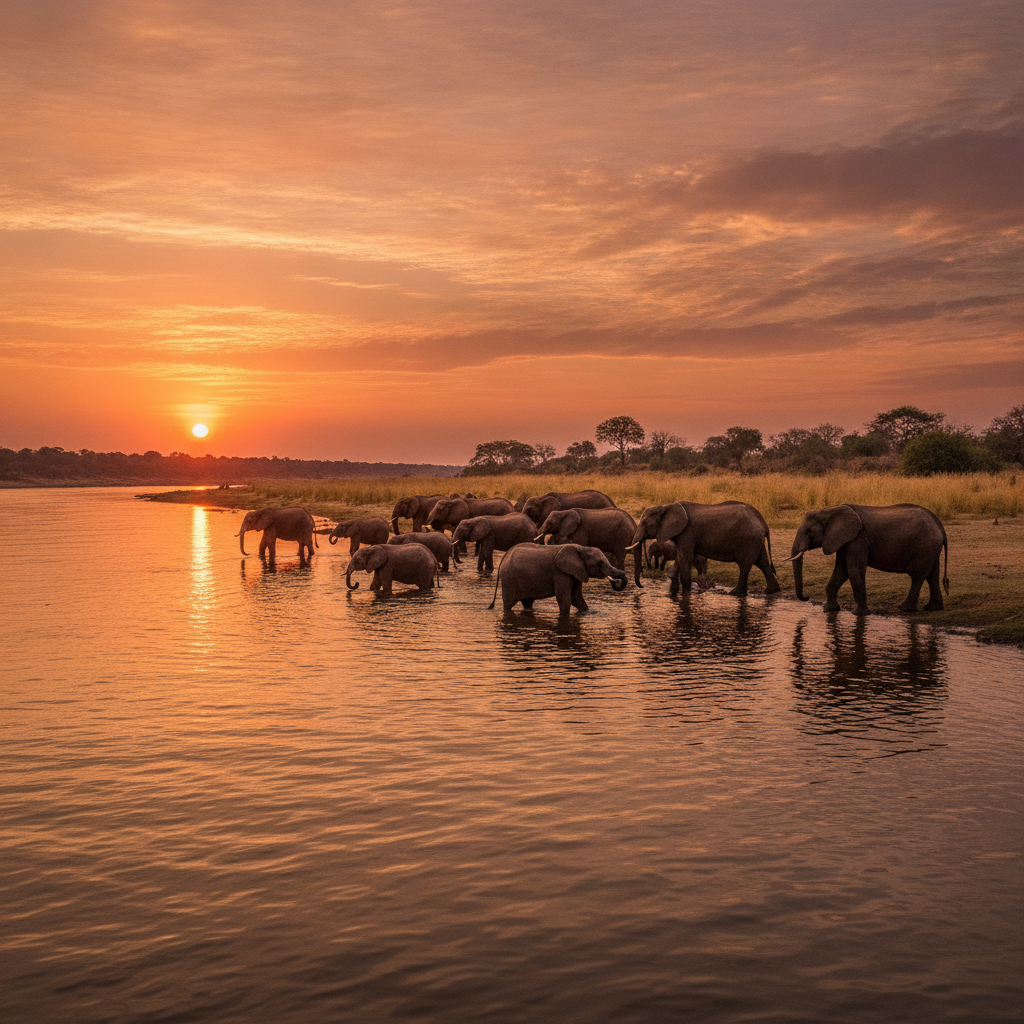
Victoria Falls: Batoka Gorge Geology, Okavango Delta, Chobe Elephants, Livingstone Zambia Culture, and Tigerfish Fishing
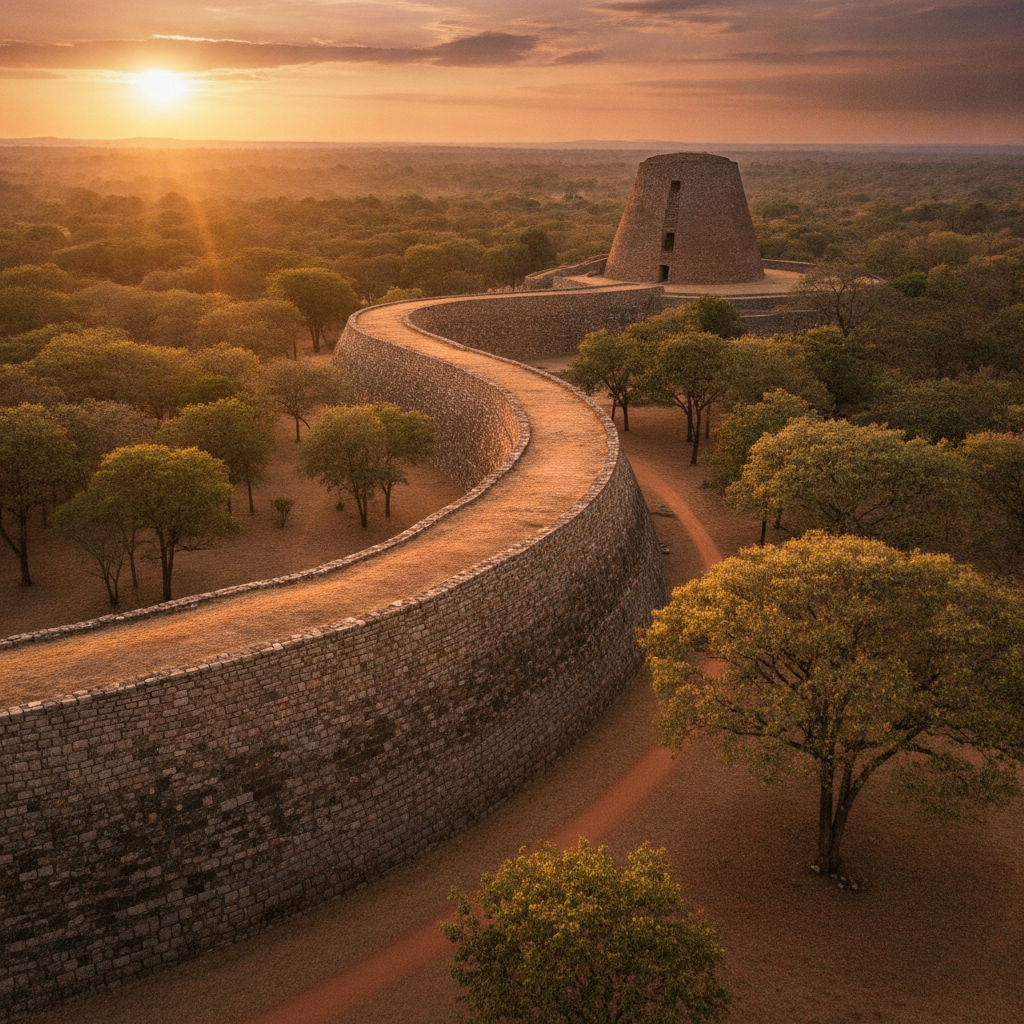
Victoria Falls: Great Zimbabwe UNESCO Monument, Mugabe Economic Collapse, Hwange Wildlife, Zambezi Sunset Cruise, and KAZA
Victoria Falls: The Smoke That Thunders, David Livingstone, Zambezi Rafting, Bungee Jump, Wildlife, and Practical Guide
Victoria Falls: Kariba Dam and Operation Noah, Zambezi National Park, Mana Pools, Nile Crocodile, and Kasane Day Trip