Warsaw Jewish Heritage — POLIN Museum, the Ghetto & the Uprising of 1943
Warsaw was the largest Jewish city in Europe before World War II — with 370,000 Jewish residents constituting 30 percent of the city's population — and the site of the Warsaw Ghetto, the largest Jewish ghetto in Nazi-occupied Europe, and the Warsaw Ghetto Uprising of April-May 1943, the largest Jewish armed resistance to the Nazis in World War II.
- 1
The POLIN Museum — a Thousand Years of Polish Jewish History
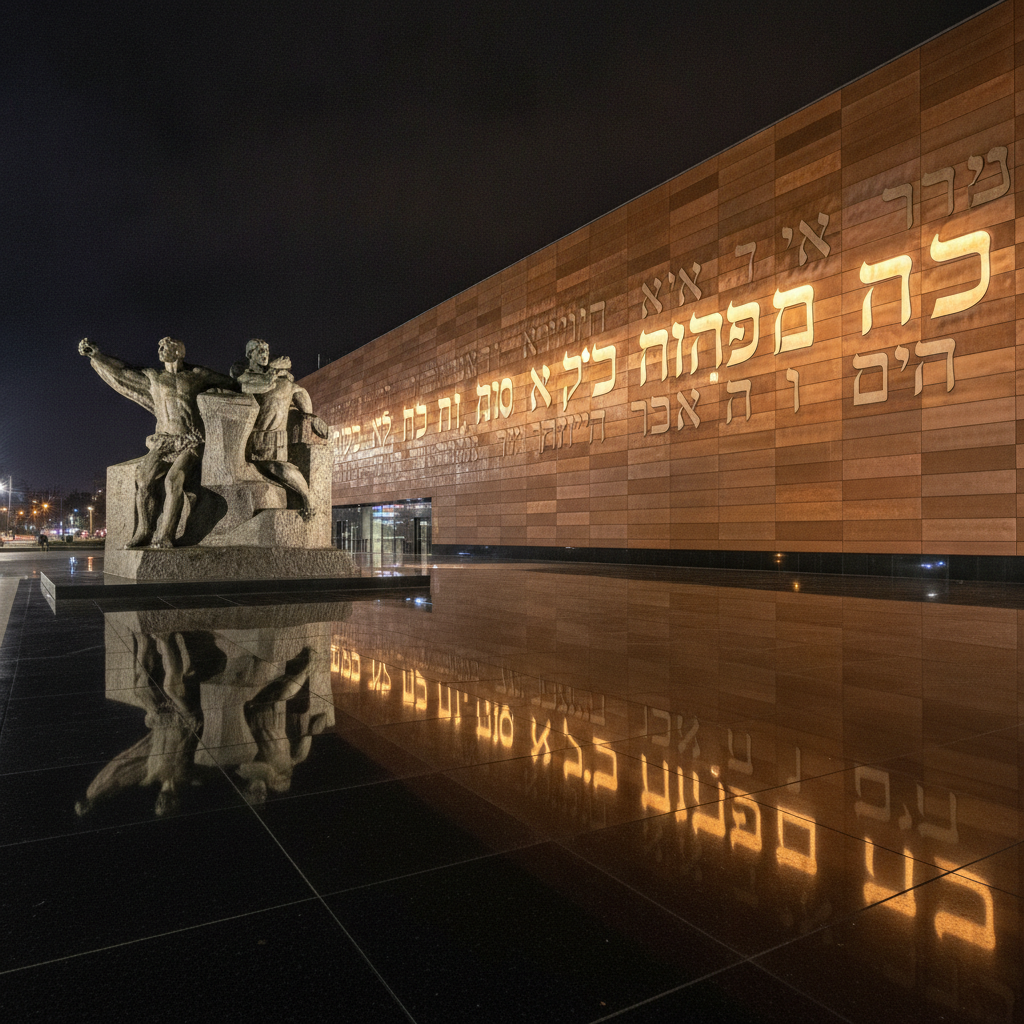
POLIN Museum of the History of Polish Jews (Mordechaja Anielewicza 6, the purpose-built museum on the site of the former Warsaw Ghetto, opened 2013, named POLIN from the Hebrew word for Poland — interpreted as 'here rest' (po-lin), the legend of the first Jews arriving in Poland hearing a divine voice saying 'here rest', €14 adults, Monday and Thursday-Saturday 10am-6pm, Wednesday 10am-8pm, Sunday 10am-6pm, closed Tuesday, the museum the most technically ambitious historical museum in Poland) presents 1,000 years of Jewish life in Poland in 8 chronological galleries. The Forest gallery (the entrance space — the forest of birch trunks standing in the entrance hall, the ceiling painted with the colours of the Polish-Jewish medieval legend, the curved walls of the gallery space creating the sense of standing in the Poland of the early Jewish settlers), the Medieval gallery (the reconstructed medieval synagogue vault, the 11th-century document granting rights to the Jewish community of Gniezno — the oldest evidence of Jews in Poland), and the Holocaust gallery (the most visited section, the documentation of the systematic destruction of the Polish Jewish community, the photographs and testimonies organized around the specific experience of the Warsaw Ghetto) are the three defining spatial experiences of the museum.
- 2
The Warsaw Ghetto — Establishment, Conditions & Starvation
The Warsaw Ghetto (established by the German occupation authorities in November 1940, the area of 3.4km squared in the western part of Warsaw enclosed by a 3m brick wall topped with barbed wire, the 370,000 Jewish residents of Warsaw plus 100,000 Jews deported from surrounding towns confined in an area previously housing 160,000 people) was the largest ghetto in Nazi-occupied Europe. The conditions (the official food ration for the Jewish population in 1941: 184 calories per day, 8 percent of the required minimum — the starvation deliberately engineered to accelerate the death rate, the death toll from starvation and disease in the ghetto reaching 83,000 people in 1941-1942 before the deportations began) and the social response (the Żydowska Samopomoc Społeczna — the Jewish Social Self-Help organization — operating soup kitchens feeding 100,000 people per day at the 1941 peak, the underground schools, the clandestine religious life, the Oneg Shabbat archive — the secret documentation project organized by Emmanuel Ringelblum, the historian who buried tin canisters of testimonies and documentation in the ghetto, three canisters recovered after the war, containing 35,000 pages of evidence of ghetto life — the most important historical source for the Warsaw Ghetto experience).
- 3
The Great Deportation — Treblinka and the Umschlagplatz
The Great Deportation (Grossaktion Warschau, the mass deportation of the Warsaw Ghetto Jews to the Treblinka extermination camp, 22 July to 21 September 1942, 265,000-300,000 Jews deported and murdered at Treblinka in the 9 weeks of the operation — the largest single deportation operation in the Holocaust): the Umschlagplatz (the collection point at the corner of Dzika and Stawki Streets where the Jews were assembled for deportation, the site now marked by a white marble memorial enclosure listing 448 Jewish first names — one for each participant of the Warsaw Ghetto Uprising — the memorial on Stawki Street 5 minutes walk from the POLIN museum, free, accessible at all hours). The Judenrat (the Jewish Council required by the Germans to administer the ghetto and organize the deportations, the chairman Adam Czerniaków who refused to sign the deportation orders and took cyanide on 23 July 1942, his diary the primary source for the early ghetto period) and the Jewish resistance organizations (the Żydowska Organizacja Bojowa — ZOB, the Jewish Combat Organization — founded October 1942 by Mordechai Anielewicz and coordinating the April 1943 armed uprising) are the human counterpoints to the administrative machinery of the deportations.
- 4
The Warsaw Ghetto Uprising — April to May 1943
The Warsaw Ghetto Uprising (19 April to 16 May 1943, the armed resistance by approximately 750 Jewish fighters of the ŻOB and ŻZW organizations against the SS and Police forces commanded by Jürgen Stroop who entered the ghetto on 19 April 1943 — Passover eve — to liquidate the remaining 60,000 ghetto inhabitants, the fighters armed with 2 machine guns, 17 rifles, several hundred pistols and revolvers, and hand-made Molotov cocktails, the fighters holding the German forces in the ghetto for 28 days — the longest urban uprising against the Nazi occupation in Europe, ended by the German systematic burning of the ghetto building by building): the Ghetto Heroes Monument (the bronze monument by Nathan Rapoport, unveiled 1948, the standing male Maccabees figures in high relief on the front face and the bowed deportees on the rear, the monument placed at the site of the ŻOB command bunker at Mila 18, the monument where Willy Brandt knelt in the Kniefall of 1970 — the West German Chancellor's spontaneous act of contrition that became the defining image of German post-war reckoning with the Holocaust), the Mila 18 monument (the bunker site where Mordechai Anielewicz and the last ŻOB fighters took their own lives on 8 May 1943, the mound of earth over the bunker marked by a stone, 5 minutes walk from the Ghetto Heroes Monument).
- 5
The Warsaw Rising Museum — the 1944 Uprising
The Warsaw Rising Museum (Muzeum Powstania Warszawskiego, Grzybowska 79, €10 adults, Monday Wednesday Friday-Saturday 8am-8pm, Thursday 8am-10pm, Sunday 10am-8pm, the purpose-built museum opened 2004 on the 60th anniversary of the Uprising, the most visited museum in Warsaw) documents the Warsaw Uprising of August-October 1944 — the largest armed underground resistance operation in World War II, the Polish Home Army (Armia Krajowa) rising on 1 August 1944 against the German occupation as the Soviet Army approached Warsaw from the east. The essential distinction for international visitors: the Warsaw Uprising (the 1944 general city uprising by the Polish Home Army) and the Warsaw Ghetto Uprising (the 1943 Jewish resistance in the Ghetto) are two separate events, often confused. The 63-day uprising (the Polish population fighting street-by-street in the city from 1 August to 2 October 1944, the Soviet Army stopping at the Vistula and refusing to advance while the Germans suppressed the uprising, the death toll: 18,000 Polish combatants killed, 150,000-200,000 civilian deaths, the city subsequently deliberately demolished by the Germans after the surrender — 85 percent of Warsaw's buildings systematically destroyed) is the foundational trauma of modern Polish identity, more recent and more deliberately catastrophic than the Ghetto.
- 6
Walking the Ghetto — the Memorial Route
The Warsaw Ghetto Memorial Route (the 2km walking circuit through the streets that occupied the former Ghetto area, the route marked by a series of 22 granite commemorative stones placed at significant locations, the circuit starting at the Ghetto Heroes Monument and ending at the Umschlagplatz): the key stops — the Anielewicz bunker at Mila 18 (the ŻOB command post, the stone mound over the bunker), the Pawiak prison (the Gestapo prison at Dzielna 24-26 where 37,000 people were executed and 60,000 deported to the camps, the surviving wall of the prison now a museum, free, Tuesday-Sunday 10am-5pm), the Korczak monument (the monument to Janusz Korczak — the Polish Jewish pediatrician and author, the founder of the progressive orphanage in the ghetto, who refused all offers of rescue and accompanied his 192 orphan charges to the Umschlagplatz and the Treblinka gas chambers on 6 August 1942, the most morally significant single act in the history of the Warsaw Ghetto, the bronze figure with the children at his feet visible in the garden of the former orphanage on Jaktorowska Street). The full route takes 2-3 hours at a careful pace with the POLIN museum's free route guide.
Walk this route with audio
Stories play automatically as you reach each stop — no tapping needed.
More in warsaw
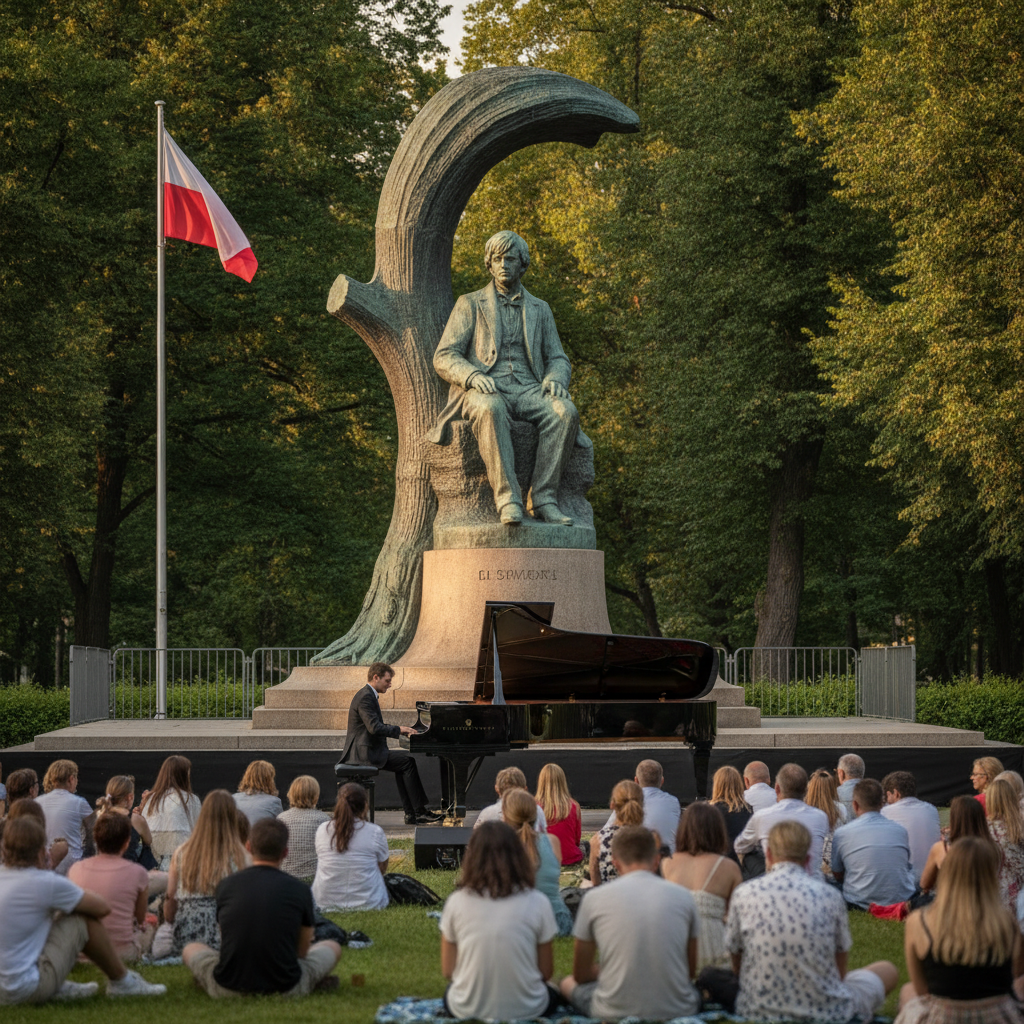
Warsaw Music & Culture — Chopin, Łazienki Park, the Palace of Culture & the Museum Circuit
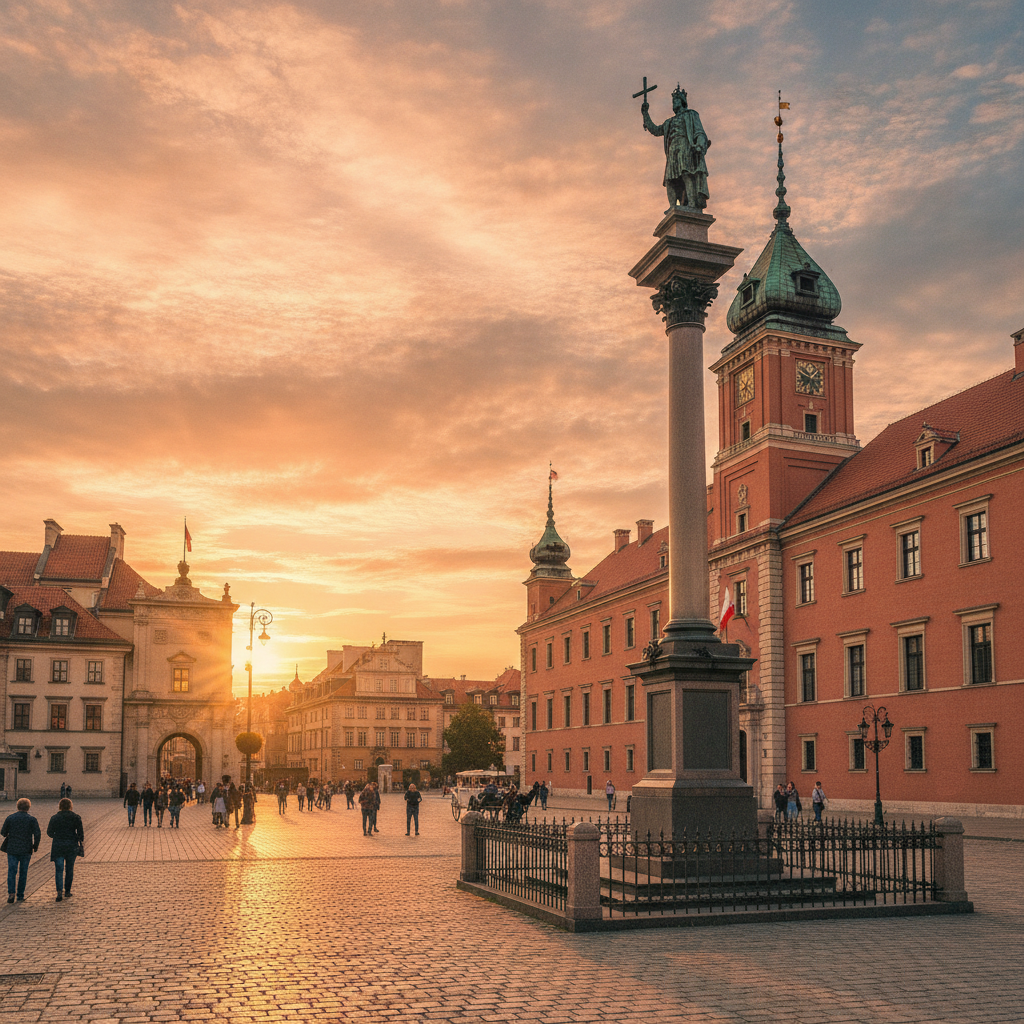
Warsaw Old Town — the Royal Castle, Sigismund Column & the Rebuilt Medieval City
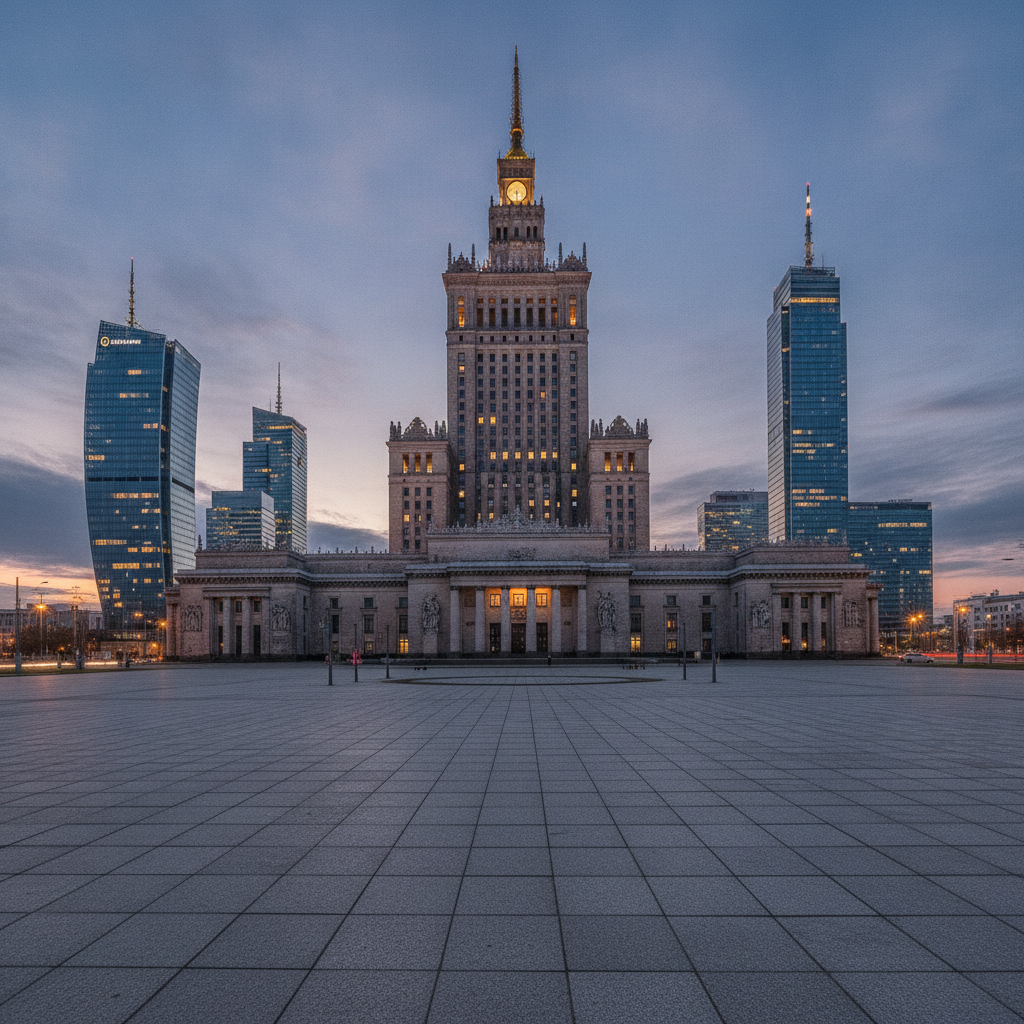
Warsaw Under Communism — the Palace of Culture, Solidarity & the Cold War City
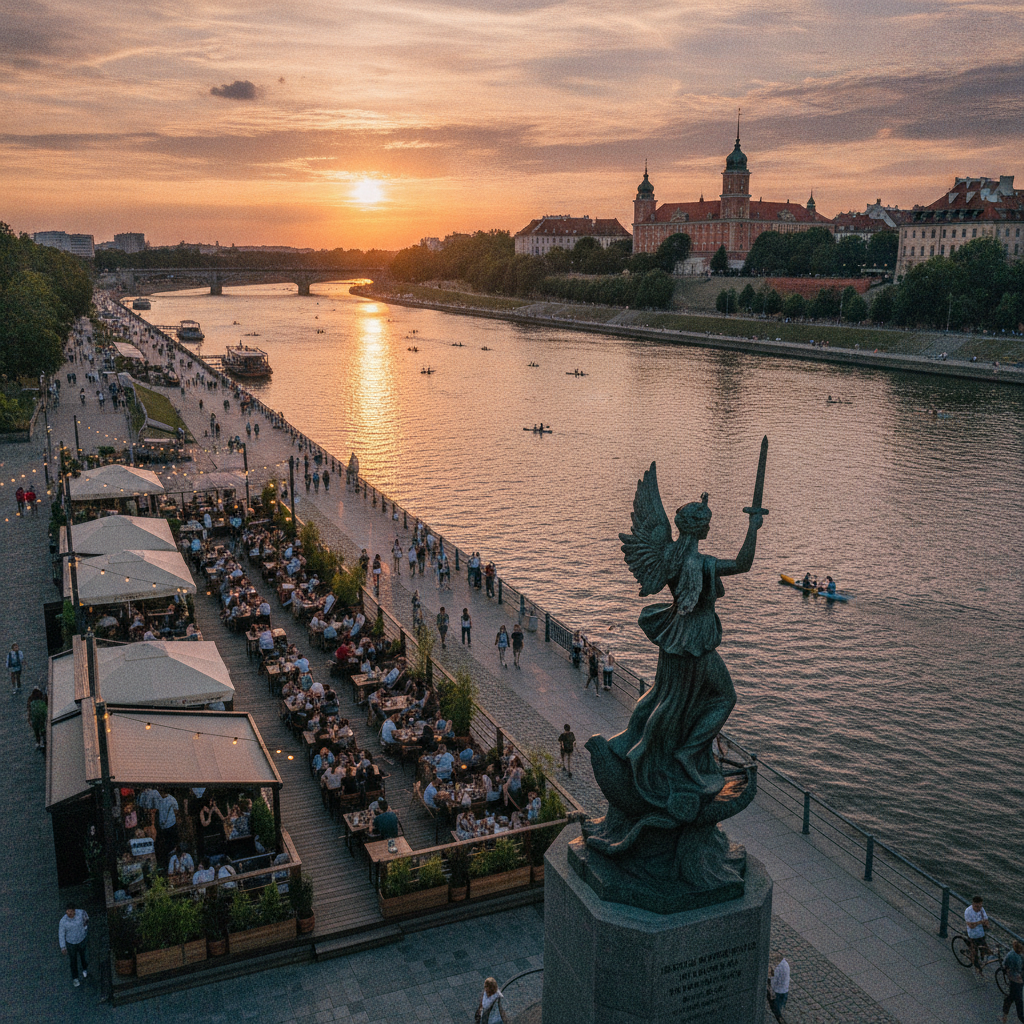
Warsaw Practical Guide — Transport, Seasons, the Vistula & Day Trips