White House, Capitol Hill & the Architecture of American Power
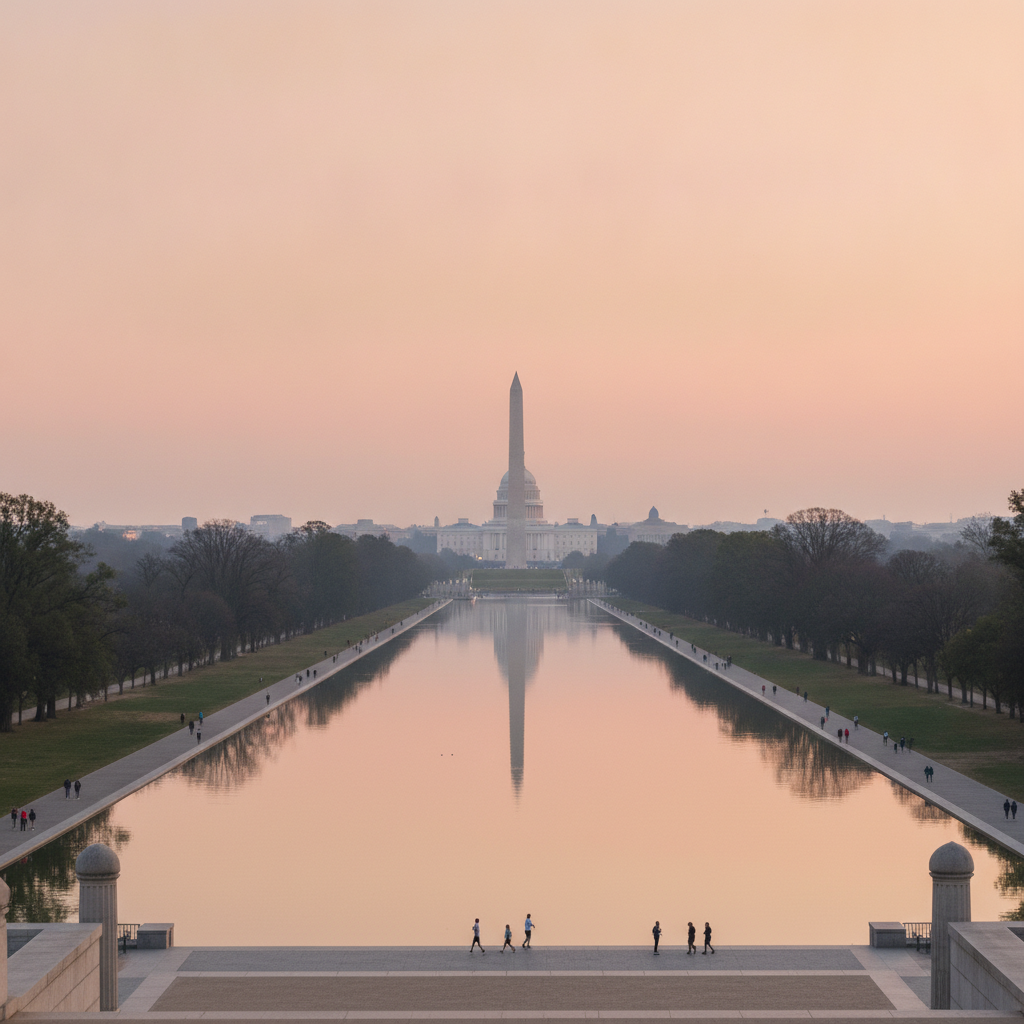
Washington DC was designed from its founding as an explicit statement in architecture of the principles of the American republic — the L'Enfant Plan (1791) positioned the Capitol (the legislature) and the President's House (the executive) on the two dominant elevations of the city, connected by Pennsylvania Avenue (the literal and symbolic link between executive and legislative power), with the Supreme Court (the judiciary) completing the triad of constitutional power along the eastern flank of the Capitol.
- 1
The White House — 1600 Pennsylvania Avenue
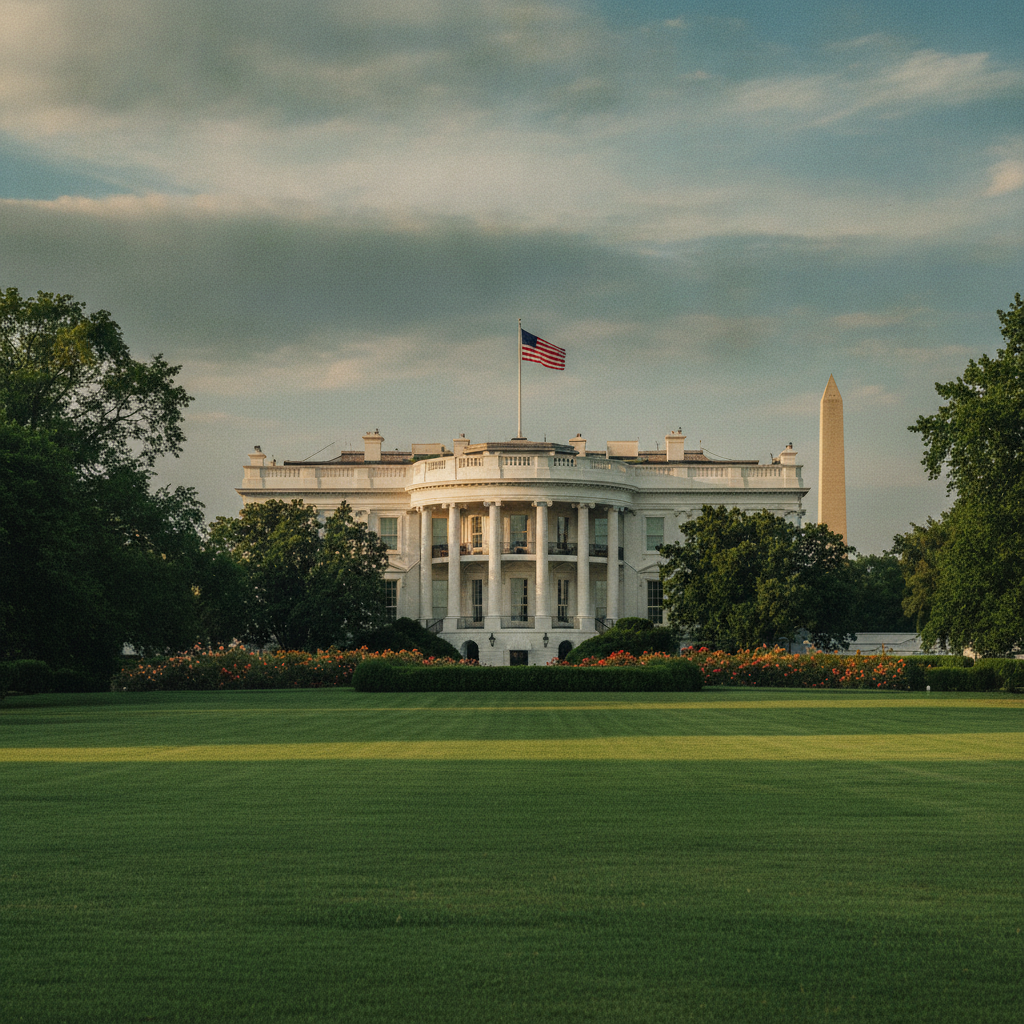
The White House (1600 Pennsylvania Avenue NW — the official residence and principal workplace of the President of the United States since 1800, when President John Adams and First Lady Abigail Adams became the first presidential family to occupy the building (in an unfinished state — the plaster walls were not yet dry, the East Room was used as a laundry room, and there were no indoor plumbing facilities)): the White House (the name officially adopted in 1901 by President Theodore Roosevelt, replacing the earlier informal names 'the President's House' and 'the Executive Mansion') consists of the Main Residence (the 55,000-square-foot (5,100 m²) six-floor central building containing 132 rooms, 35 bathrooms, 3 elevators, and the famous State Rooms (the East Room, the Blue Room, the Red Room, the Green Room, and the State Dining Room) used for official receptions and state dinners) and the East and West Wings (the East Wing (added 1942) and the West Wing (the executive office building containing the Oval Office, the Cabinet Room, the Situation Room, and the Roosevelt Room)) and the Executive Office Building (the massive 1871 French Second Empire-style building immediately west of the White House (formerly the State, War, and Navy Building — now the Eisenhower Executive Office Building), the largest office building in Washington DC by floor space); the White House Visitor Center (the exhibit centre in the Department of Commerce Building at 1450 Pennsylvania Avenue) is the starting point for the free self-guided White House tours (arranged through Congressional offices — the most in-demand free tour in Washington DC, booked months in advance).
- 2
Pennsylvania Avenue — The Avenue of the Republic
Pennsylvania Avenue (the 1.9 km (1.2 mile) ceremonial boulevard connecting the White House (at the west) to the US Capitol (at the east) — the most historically and symbolically significant street in the United States): Pennsylvania Avenue (the 'Avenue of the Presidents' — the street along which every presidential inaugural parade since James Madison's second inauguration in 1813 has been conducted (the inaugural parade route from the Capitol (where the oath of office is administered) to the White House (the new president's first entry as the occupant) has been held on Pennsylvania Avenue for all but a handful of inaugurations)) was also the site of three of the most dramatic events in American presidential history: the Lincoln Funeral Procession (April 19, 1865 — the procession of Abraham Lincoln's coffin from the White House to the Capitol for the public lying-in-state, four days after Lincoln's assassination at Ford's Theatre); the Kennedy Funeral Procession (November 25, 1963 — the procession of President Kennedy's flag-draped coffin from the Capitol to Arlington National Cemetery, following by Jacqueline Kennedy walking on foot behind the coffin (the most iconic single image of the Kennedy assassination aftermath)); and the January 6, 2021 US Capitol Attack (the day when a mob of approximately 2,000 people marched down Pennsylvania Avenue from the White House to the Capitol following the 'Stop the Steal' rally on the Ellipse, and breached the Capitol building during the Congressional certification of the 2020 presidential election results).
- 3
The US Supreme Court — The Temple of Justice
United States Supreme Court Building (1 First Street NE, on the east side of the Capitol grounds — the seat of the highest court in the United States federal judiciary, designed by Cass Gilbert and completed in 1935): the Supreme Court building (the 'Marble Palace' — the formal neoclassical structure built of Vermont marble in the Corinthian order, the most formally imposing building in the Capitol Hill area) was the first purpose-built home of the Supreme Court (for its first 145 years (1790-1935), the Court held sessions in the Capitol Building itself — in the Senate Chamber (1810-1860) and in the Capitol Crypt); the Supreme Court (the nine Justices of the Supreme Court — the Chief Justice and eight Associate Justices, appointed for life by the President with Senate confirmation — the court that has issued the most consequential judicial decisions in American history: Marbury v. Madison (1803 — the decision establishing the power of judicial review, the Court's authority to strike down laws as unconstitutional), Brown v. Board of Education (1954 — the unanimous decision declaring racial segregation in public schools unconstitutional), Roe v. Wade (1973 — the decision establishing a constitutional right to abortion, overturned in Dobbs v. Jackson Women's Health Organization (2022)), Bush v. Gore (2000 — the decision that effectively determined the outcome of the 2000 presidential election), and Obergefell v. Hodges (2015 — the decision establishing the constitutional right to same-sex marriage)): the oral argument sessions (open to the public on a first-come, first-served basis, held October through April (the Court's 'October Term') on alternating weeks) are the most intellectually compelling public events in Washington DC.
- 4
Georgetown — DC's Historic Riverside Village
Georgetown (the historic neighbourhood in the northwest quadrant of Washington DC, on the north bank of the Potomac River — the oldest continuously inhabited neighbourhood in the District of Columbia (Georgetown was founded in 1751 as a tobacco port on the Potomac River, 45 years before the founding of the District of Columbia, and was originally a separate city within the federal district until its merger with Washington DC in 1871)): Georgetown is the neighbourhood in Washington DC that most resembles a traditional American colonial town — the red-brick Federal and Italianate rowhouses (the continuous rows of late 18th and 19th century brick houses that give Georgetown its distinctive character (the 'Georgetown house' — the 3-4 story Federal-style red brick townhouse with white-painted trim, a ground-floor bay window, and a small walled garden behind — is the most sought-after residential property type in Washington DC)), the cobblestone sections of Wisconsin Avenue and M Street, the Chesapeake & Ohio Canal (the 297-km (184.5-mile) historic canal running from Georgetown to Cumberland, Maryland, constructed 1828-1850 as the primary means of transporting coal from western Maryland to the Potomac River — now the C&O Canal National Historical Park, with a towpath trail running the full length of the canal), and Georgetown University (founded 1789 — the oldest Jesuit university in the United States and the most powerful brand name in Washington DC higher education) are the principal landmarks.
- 5
Dupont Circle & Embassy Row — Cosmopolitan Washington
Dupont Circle (the neighbourhood in the northwest quadrant of Washington DC, centred on the traffic roundabout and park at the intersection of Massachusetts and Connecticut Avenues — the most cosmopolitan and culturally vibrant neighbourhood in Washington DC): the Dupont Circle area (the neighbourhood that developed in the late 19th century as the most fashionable residential district in Washington DC, with the large Gilded Age mansions along Massachusetts Avenue ('Embassy Row') and Connecticut Avenue gradually converting from private residences to foreign embassies and legations from the 1920s through the 1960s) is now the densest concentration of embassies in any American city (approximately 175 foreign embassies and chancelleries are located in Washington DC, with the greatest concentration along Massachusetts Avenue NW between Dupont Circle and the Naval Observatory — the 'Embassy Row' section of Massachusetts Avenue): the notable embassies (the British Embassy (designed by Sir Edwin Lutyens (1919-1929), the finest Lutyens building in the United States), the Indonesian Embassy (the 1923 Walsh-McLean House — the finest Beaux-Arts mansion in Washington DC, built for the Irish-American gold mine millionaire Thomas F. Walsh), the Indian Embassy, the Embassy of Japan, and the numerous other major nation embassies visible along Massachusetts Avenue) make Embassy Row the most architecturally diverse and diplomatically significant street in the United States.
- 6
DC's Neighborhood Culture — Adams Morgan, U Street & H Street
Washington DC's neighbourhood culture (the diverse residential neighbourhoods of the District that exist beyond the monumental core of the National Mall, the White House, and Capitol Hill — the communities where approximately 700,000 DC residents actually live, work, and socialise): Adams Morgan (the diverse, historically Hispanic and African-American neighbourhood in the Columbia Heights area of Northwest DC — the most bohemian and culturally eclectic neighbourhood in Washington DC, famous for the 18th Street NW restaurant and bar strip (the most diverse concentration of international cuisine in Washington DC, with restaurants serving Ethiopian (the largest concentration of Ethiopian restaurants in the United States outside of the Ethiopian immigrant community centres), Salvadoran, Mexican, and Caribbean food on the same block), the weekend farmers market, and the annual Adams Morgan Day festival); U Street Corridor (the historically African-American neighbourhood in the Cardozo/Shaw area of Northwest DC — the neighbourhood once known as the 'Black Broadway' (the entertainment and cultural hub of the African-American community in Washington DC from the 1890s through the 1950s, the neighbourhood where Duke Ellington (1899-1974, born at 2129 Ward Place NW in the Shaw neighbourhood) grew up, and where the Lincoln Theatre (the 1922 theatre that hosted Ella Fitzgerald, Billie Holiday, Cab Calloway, and Louis Armstrong in the Harlem Renaissance-equivalent cultural scene of DC's African-American community) hosted the most important African-American entertainers in America)); H Street NE (the 'Atlas District' — the gentrifying corridor east of Capitol Hill that has become the most dynamic restaurant and bar scene in Washington DC in the 2010s-2020s).
Walk this route with audio
Stories play automatically as you reach each stop — no tapping needed.
More in washington-dc
K Street, Think Tanks & the World of Washington DC Power
Washington DC Food Scene — From Ethiopian to Fine Dining
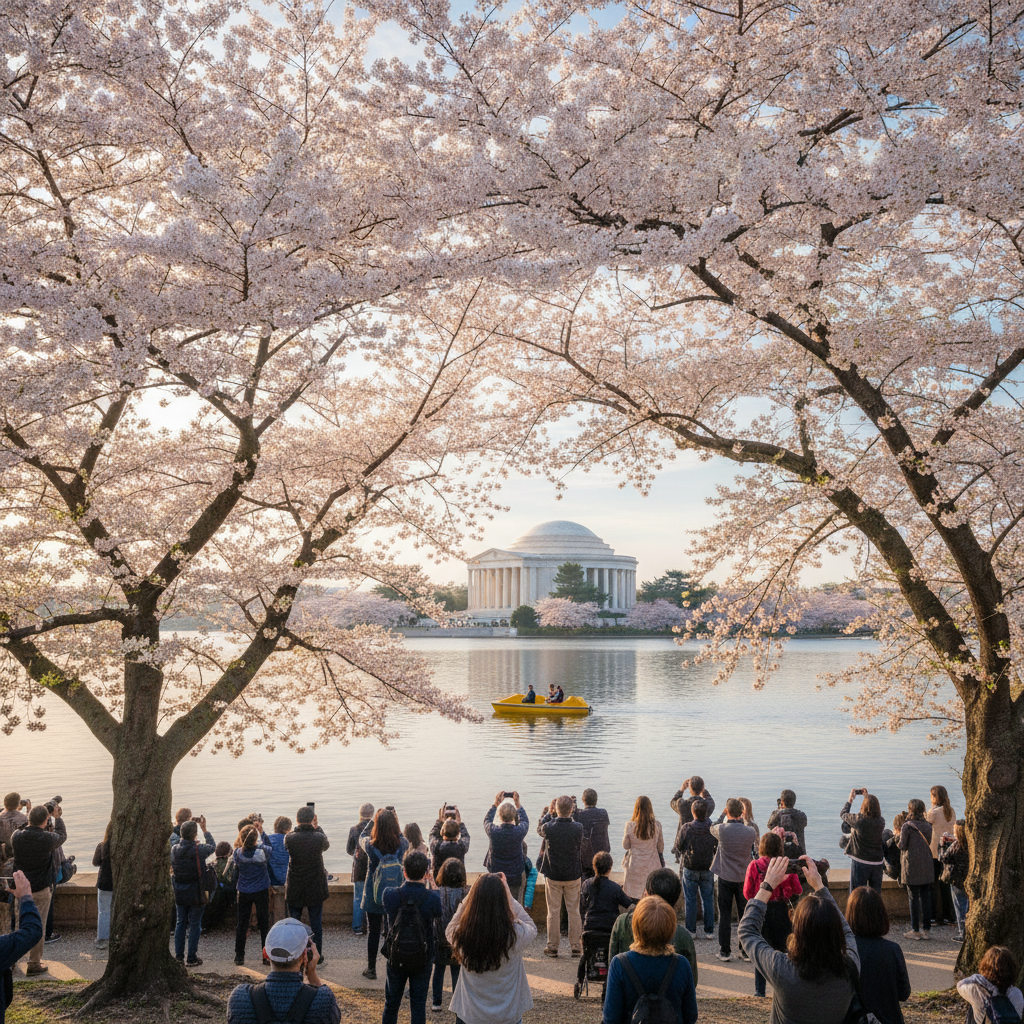
Cherry Blossoms & the Tidal Basin — Washington in Spring
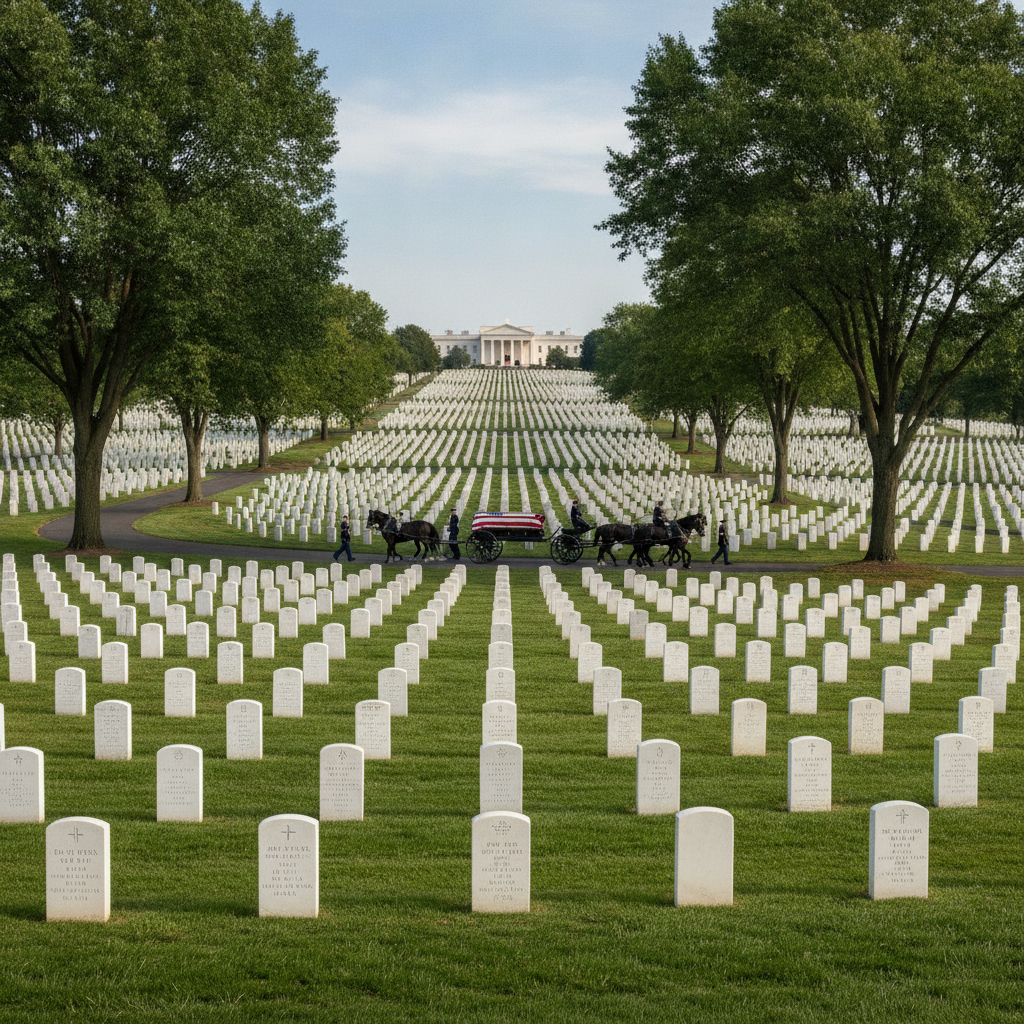
Arlington Cemetery, the Pentagon & DC's Military Heritage
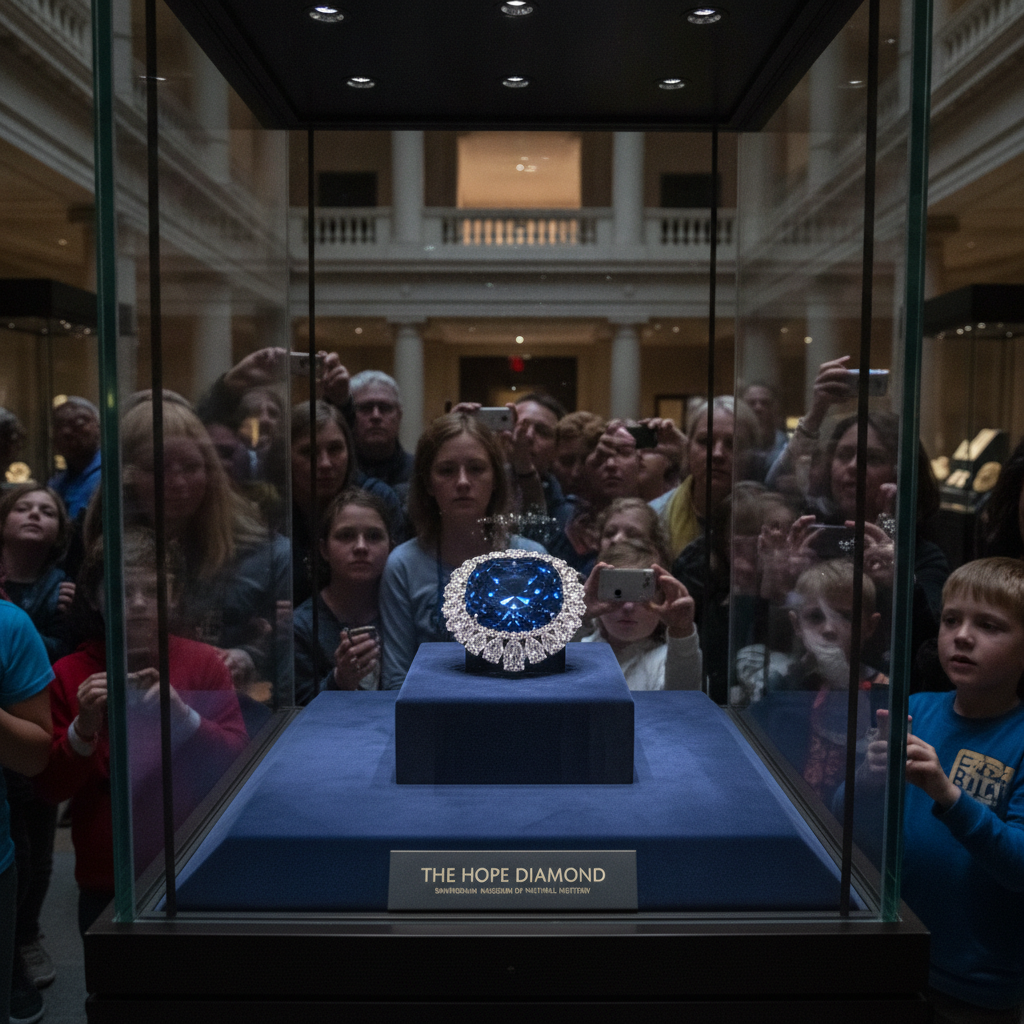
Smithsonian Museums & Washington DC's Free World-Class Culture