Wellington: New Zealand Capital, Te Papa National Museum, Cuba Street Cafe Culture, Zealandia Urban Ecosanctuary, Wellington Harbour, and Complete Practical Guide
Wellington: the world southernmost capital city, Te Papa Tongarewa national museum (Treaty of Waitangi, colossal squid, Maori taonga), Cuba Street bohemian culture and the flat white coffee capital, Zealandia predator-free ecosanctuary (kiwi, tuatara, kaka), Wellington Harbour and Eastbourne, and the complete practical guide.
- 1
Wellington - The Capital at the Bottom of the North Island
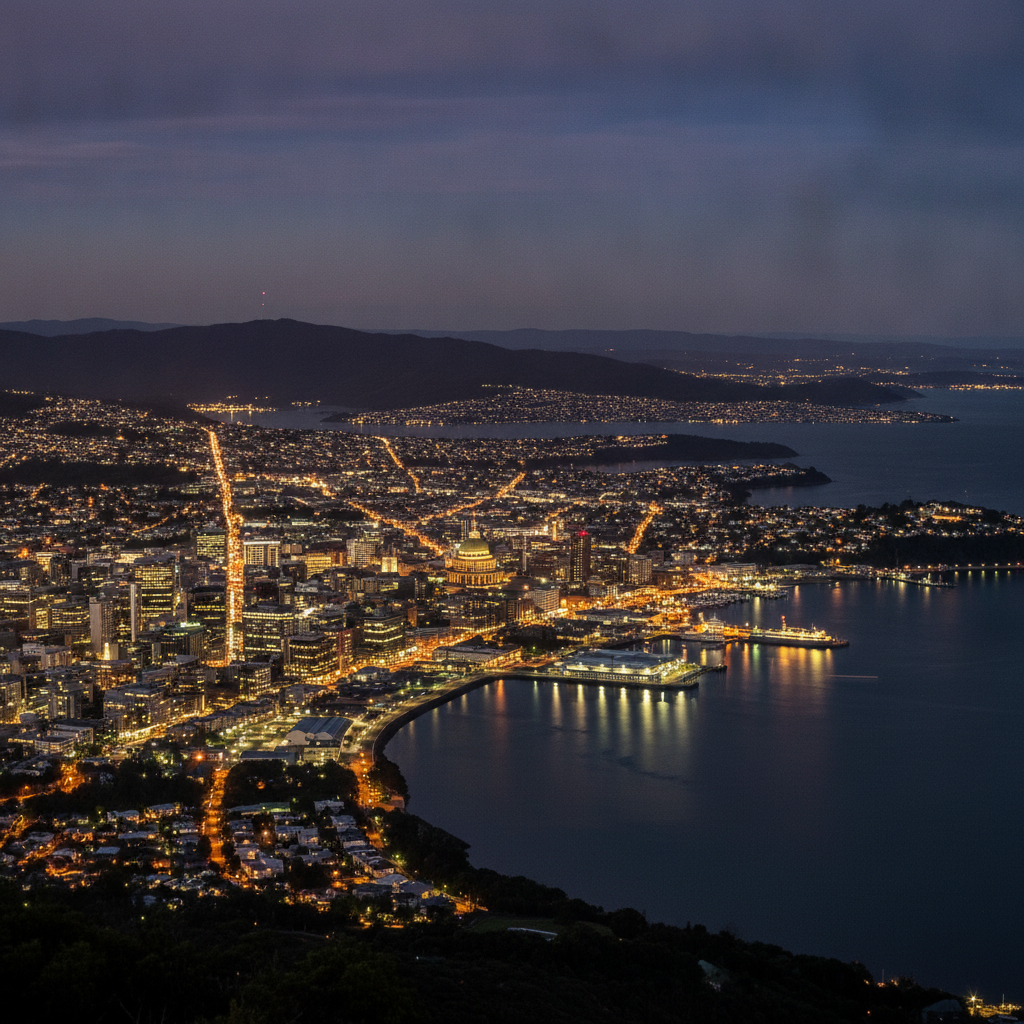
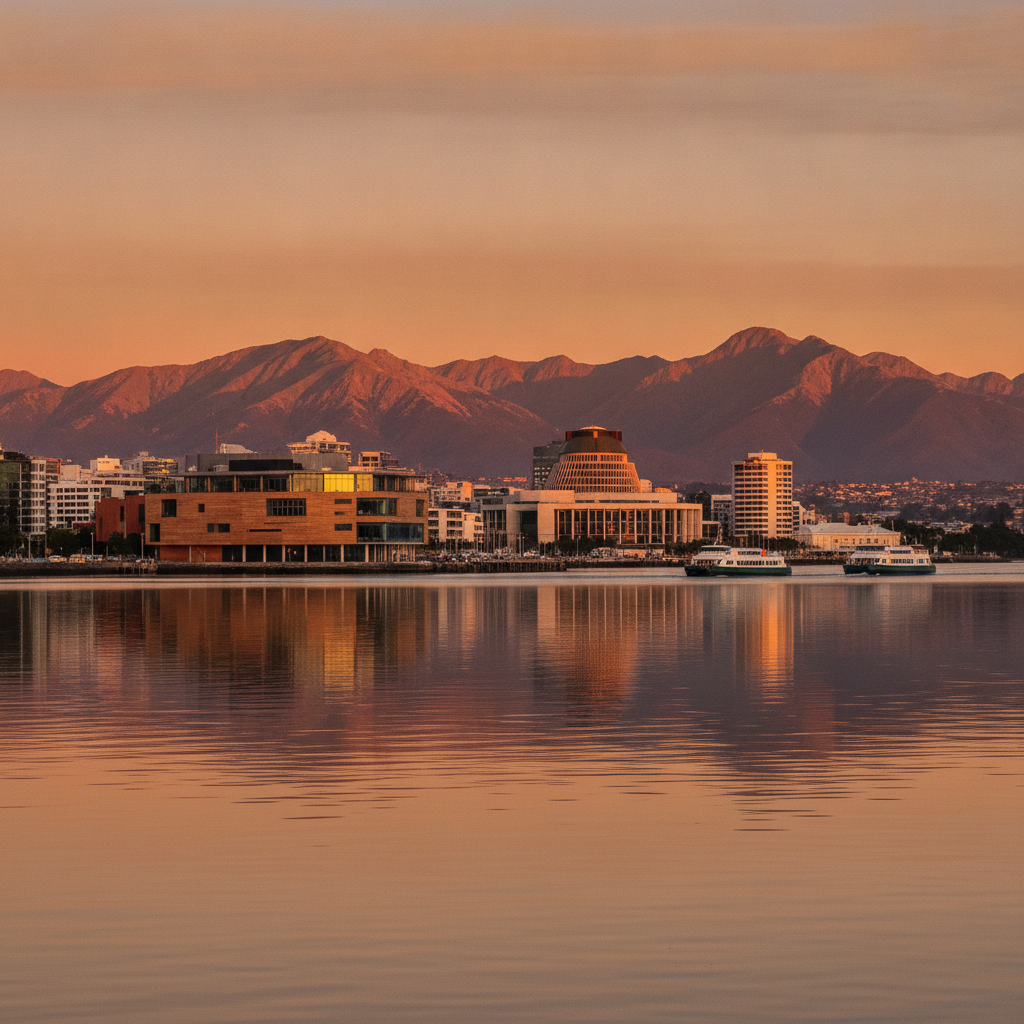
Wellington (population approximately 215,000 in the city, 440,000 in the greater Wellington region): the capital city of New Zealand and the southernmost capital city in the world. Wellington is positioned on the Cook Strait (Te Moana-o-Raukawa), the 22 km wide channel separating the North Island from the South Island. The Cook Strait: the windiest strait in the southern hemisphere, with the Roaring Forties channeled through the narrow gap between the two islands; Wellington is New Zealand windiest city, with the wind an intrinsic part of city identity. Wellington as the cultural and political capital: despite Auckland being the largest city (1.7 million people vs Wellington 440,000), Wellington is the capital and the cultural heart of New Zealand (Te Papa museum, Weta Workshop, the New Zealand Symphony Orchestra, the New Zealand Ballet, the Royal New Zealand Ballet, and the New Zealand Film Archive are all in Wellington). The waterfront: the Wellington waterfront (Te Ahumairangi Hill, Frank Kitts Park, and the Lambton Harbour precinct) is the civic heart of the city, transformed from a working port into a public leisure space in the 1990s-2000s.
- 2
Te Papa Tongarewa - New Zealand National Museum
Te Papa Tongarewa (Museum of New Zealand, on the Wellington waterfront): the national museum of New Zealand, opened 1998. Te Papa (the container in Maori) holds the national collection of New Zealand history, natural history, art, and Maori taonga (treasures). The Treaty of Waitangi display at Te Papa: the most significant political document in New Zealand history, the 1840 agreement between the British Crown and approximately 500 Maori chiefs, is explained in depth with the full context of the differing Maori and English interpretations. The Te Papa marae (the Maori meeting ground within the museum): the first museum marae in the world, where whakapapa (genealogy), tikanga (custom), and taonga Maori are presented in a living context. The giant squid (Mesonychoteuthis hamiltoni, the colossal squid): the Te Papa specimen (captured in Antarctic waters in 2007) is the only complete adult colossal squid specimen in the world: 4.2 meters long, 495 kg. The Toi Art gallery within Te Papa: the New Zealand and Pacific art collection of international quality. Entry to Te Papa is free for all permanent exhibitions.
- 3
Cuba Street and Wellington Cafe Culture
Cuba Street (the primary bohemian street of Wellington, running south from Vivian Street to Ghuznee Street and beyond): the most characterful street in Wellington, with independent cafes, bars, vintage clothing stores, record shops, and the bucket fountain (the kinetic water feature that has become the symbol of Cuba Street since 1969). Wellington as the coffee capital of New Zealand: Wellington has the highest density of cafes per capita in New Zealand (and arguably in the southern hemisphere). The Wellington cafe culture: Wellington baristas pioneered the flat white in New Zealand in the 1980s. The word of the flat white: the flat white (espresso with microfoam milk in a ceramic cup, richer than a latte and without the thick foam of a cappuccino) is claimed by both Wellington and Sydney as its origin city. Wellington inner city neighborhoods: Te Aro (the bohemian inner suburb with Cuba Street at its center), Thorndon (the oldest suburb of Wellington, with the Beehive parliament building), Kelburn (the cable car terminus, above the university), and Mount Victoria (the residential suburb with harbor views). The Courtenay Place entertainment precinct: the primary bar, restaurant, and cinema district of Wellington.
- 4
Zealandia - The Fenced Ecosanctuary in Wellington City
Zealandia (Te Maara a Tane - the Garden of Tane, approximately 2 km from Wellington city center): the world first fully-fenced urban ecosanctuary, in a 225-hectare valley in the Karori suburb. The Zealandia predator-exclusion fence (8.6 km, 2 m high with a pest-proof overhang): the fence excludes rats, stoats, possums, cats, weasels, and all other introduced mammalian predators from the valley. Since the fence was completed in 1999, native species have been reintroduced and are thriving. Zealandia species: tuatara (the reptile unchanged since the dinosaur era, the only surviving member of the order Sphenodontia), little spotted kiwi (the smallest kiwi species, extinct on the mainland by the late nineteenth century but reintroduced at Zealandia from Kapiti Island), saddleback (tieke), hihi (stitchbird), kakariki (red-crowned parakeet), and North Island robin. The Zealandia kaka (the large forest parrot): the kaka population has expanded beyond the Zealandia fence and now flies freely over the Wellington city, becoming a familiar urban bird. The Zealandia night tour: the after-dark guided tour to see kiwi and tuatara, highly recommended.
- 5
Wellington Waterfront, Te Whanganui-a-Tara Harbor, and Eastbourne
Wellington Harbour (Te Whanganui-a-Tara - the great harbor of Tara): the harbor formed by the Rimutaka Range and the Miramar Peninsula; one of the finest natural harbors in the Southern Hemisphere. The Eastbourne community (across the harbor from Wellington, accessible by passenger ferry in 20 minutes from Queens Wharf): the most charming small town in the Wellington region, with the Victorian waterfront esplanade and the access to the Days Bay beach and the Bays walking track. The Petone foreshore (the long gravel beach at the north end of Wellington Harbour): the site of the first European settlement in New Zealand (February 1840) and the Petone Settlement Museum. The Wellington cable car (from Lambton Quay to Kelburn): the funicular railway opened 1902, rebuilt in 1979, running from the city center to the Kelburn suburb and the Victoria University. The Botanic Garden (at the top of the cable car, adjacent to the Carter Observatory): the primary Wellington public garden, with the Lady Norwood Rose Garden (the finest rose garden in New Zealand). The Wellington Night Market (multiple nights per week): the diverse food market of Wellington, reflecting the multicultural food culture of the city.
- 6
Wellington Practical Guide - Weather, Transport, and Best Experiences
Wellington practical: the wind. Wellington is nicknamed the Windy City (one of its nicknames; the others include the Cool Little Capital). The Wellington wind statistics: average wind speeds are consistently above 20 km/h; gusts above 100 km/h are recorded multiple times per year. The Wellington weather: 2,065 sunshine hours per year (comparable to Edinburgh) but highly variable; the weather can change dramatically within hours. Travelling to Wellington: Wellington Airport (WLG) has direct flights to Auckland (1 hour), Christchurch (45 minutes), Queenstown (1.5 hours), and direct services to Sydney, Melbourne, and Brisbane. The Interislander ferry (Wellington to Picton, 3 hours 10 minutes): the primary road and rail crossing of the Cook Strait; the Interislander and Bluebridge ferries carry cars, campervans, trucks, and foot passengers. Wellington public transport: the bus network and the Metlink rail network connect the city to the wider region. Walking Wellington: the inner city is compact and highly walkable; the waterfront walk from Te Papa to Oriental Parade to Roseneath (approximately 5 km) is the finest urban walk in Wellington. Best experiences in Wellington: Te Papa (free, allow 3-4 hours), Zealandia night tour (book in advance), Cuba Street coffee, Weta Workshop tour (Miramar, 15 minutes from city center).
Walk this route with audio
Stories play automatically as you reach each stop — no tapping needed.
More in wellington
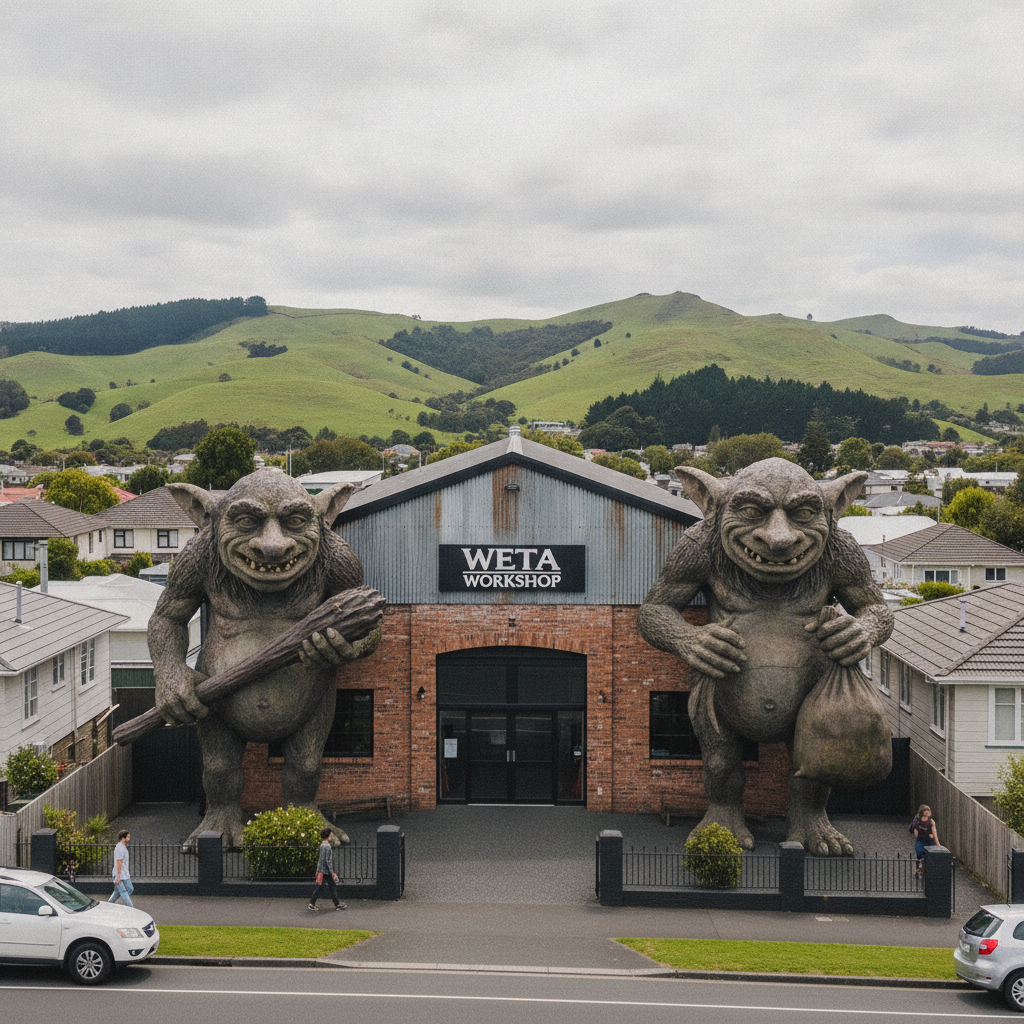
Wellington: Weta Workshop and the New Zealand Film Industry, Lord of the Rings City, Kapiti Island Predator-Free Sanctuary, Arts and Festival Capital, Beehive and New Zealand Political History
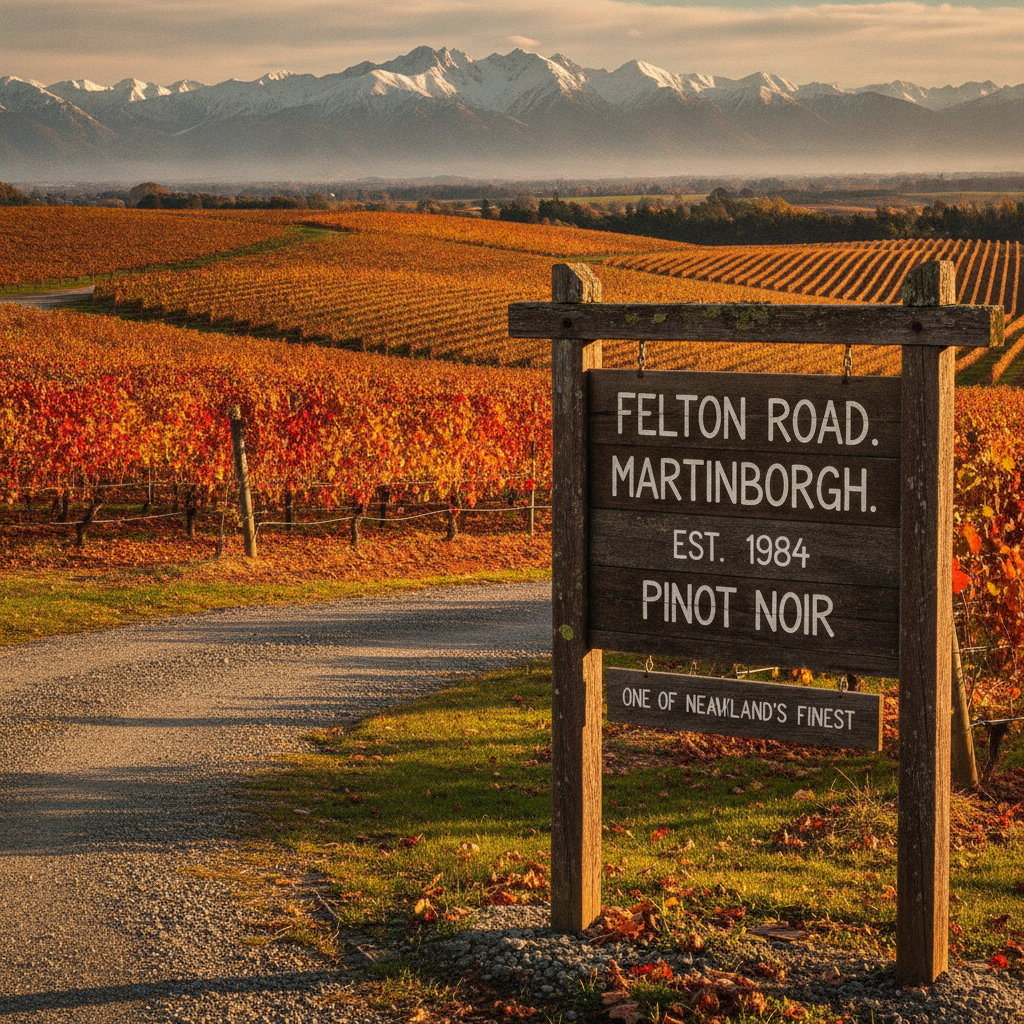
Wellington: Wairarapa and Martinborough Pinot Noir, Rimutaka Cycle Trail, Wellington World-Class Food Scene, Greater Wellington, and the Cook Strait Ferry to Picton