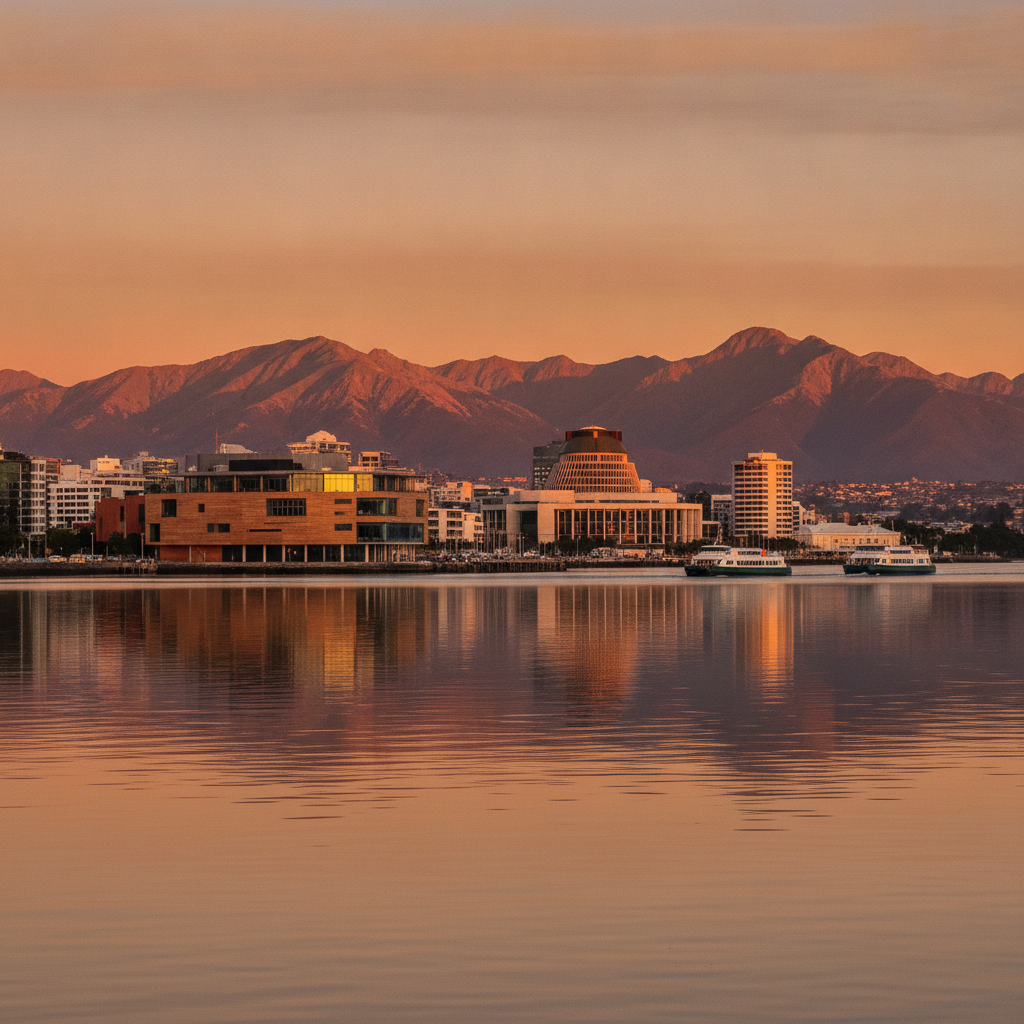
Wellington: Wairarapa and Martinborough Pinot Noir, Rimutaka Cycle Trail, Wellington World-Class Food Scene, Greater Wellington, and the Cook Strait Ferry to Picton
Wellington: Martinborough and Wairarapa Pinot Noir wine country (Toast Martinborough festival), the Rimutaka Cycle Trail Great Ride over the historic incline, Wellington food scene (flat white origin, restaurant capital per capita), Greater Wellington (Hutt Valley, Porirua Pacific culture), and the classic Cook Strait ferry to the Marlborough Sounds.
- 1
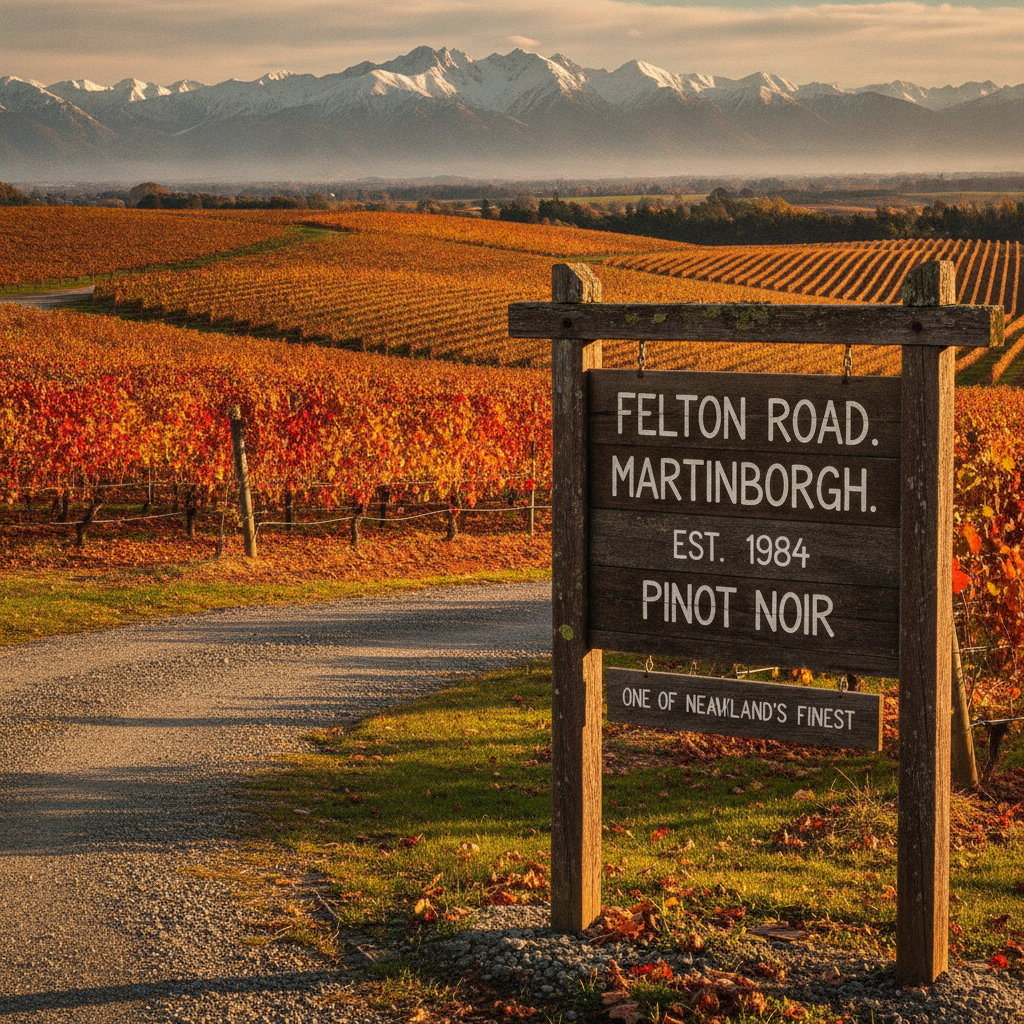
Wairarapa Wine Country and Martinborough Pinot Noir
The Wairarapa wine region (on the eastern side of the Rimutaka Range, approximately 70 km from Wellington by road or rail): the primary wine region within easy reach of Wellington. Martinborough (the small town at the heart of the Wairarapa wine country, 80 km from Wellington, 90 minutes by car): the wine village of New Zealand, with the Martinborough wine trail (most wineries are within walking or cycling distance of the town square). The Wairarapa Pinot Noir: established in the late 1970s and 1980s (Dry River and Martinborough Vineyard were the pioneering producers), Martinborough Pinot Noir has developed a global reputation for elegance, earthiness, and aging potential comparable to the best Otago and Burgundy Pinots. Palliser Estate, Craggy Range, and Ata Rangi: three of the benchmark Martinborough producers. The Martinborough wine weekend (annual Toast Martinborough festival, November): the most popular regional wine festival in New Zealand. The Wairarapa landscape: the flat sheep and cattle farming plains of the Wairarapa contrast with the dense native bush of the Rimutaka Range on the western boundary; Lake Wairarapa (the large shallow lake on the eastern plain) is an important wetland bird habitat.
- 2
The Rimutaka Cycle Trail - Wellington to Wairarapa by Bike
The Rimutaka Cycle Trail (the 115 km cycle trail from the Hutt Valley to Featherston, including the Remutaka Incline): one of the Great Rides of New Zealand. The Remutaka Incline (the historic railway line over the Rimutaka Range, used 1878-1955): the steepest main-line railway in New Zealand, with a gradient of 1 in 15 and the Fell locomotive system (the center-rail brake system used to control descent speed). The trail passes through the Rimutaka Forest Park (the large native forest reserve protecting the Rimutaka and Orongorongo Ranges: one of the largest tracts of native forest in the lower North Island). The Cross Range section of the Rimutaka Trail: the highest point of the Great Ride (elevation approximately 550 m), with views of both the Hutt Valley and the Wairarapa. Cycling the Rimutaka from Wellington: take the Metlink train to Upper Hutt (45 minutes from Wellington), cycle the Rimutaka Incline trail to Featherston (approximately 30 km, 3-4 hours), then train or bus back to Wellington from Featherston. The Remutaka Forest Park tramping: the Orongorongo Track and the Catchpool Valley day walks provide access to native bush with kokako and North Island brown kiwi.
- 3
Wellington Food Scene - from Flat Whites to Fine Dining
Wellington food scene: the highest restaurant density per capita in New Zealand and the most innovative hospitality culture. Wellington flat white: the flat white coffee style (espresso with silky microfoam, drier than a latte, richer than a cappuccino) is claimed by Wellington as its birthplace, specifically attributed to Espressoholic cafe in the late 1980s. The Wellington farmers market (Harbourside Market, Saturday morning on the waterfront): the primary weekly fresh food market of Wellington, with artisan producers from the Wairarapa, the Kapiti Coast, and the Wellington region. Wellington fine dining: Logan Brown (the fine dining institution in a 1920s bank building), The Larder, Ortega Fish Shack (the seafood specialist), and Shepherd (the nose-to-tail restaurant) represent the Wellington fine dining scene. The Wellington food cart scene (the Harbourside food trucks and the Leftbank on Cuba Street): the diverse street food scene reflecting Wellington multicultural population. Wellington restaurants per capita: approximately 70 restaurants per 10,000 people (compared to Auckland with approximately 35 per 10,000): Wellington is genuinely the restaurant capital of New Zealand. The New Zealand wine scene: Wellington restaurants are excellent showcases for New Zealand Pinot Noir, Sauvignon Blanc, and Riesling.
- 4
The Hutt Valley and Porirua - Greater Wellington
Lower Hutt (Hutt City, population approximately 107,000): the second-largest city in the Wellington region, in the Hutt Valley at the northern end of Wellington Harbour. The Hutt Valley history: the site of the failed first European settlement attempt (the New Zealand Company settlers landed at Petone in 1840 and attempted to establish the capital at Lower Hutt before floods and inadequate land forced the move to Wellington). The Petone Settlers Museum: the museum at the landing site of the first New Zealand Company settlers (1840), with the foreshore esplanade. Dowse Art Museum (Lower Hutt): the primary art gallery of the Hutt Valley, with a strong collection of New Zealand contemporary craft. Porirua (the northern suburb city, population approximately 56,000): the city with the largest Maori and Pacific Islander population in the Wellington region; the Pataka Art and Museum in Porirua is one of the strongest regional museums for Pacific art and culture. The Whitireia Performing Arts School (in Porirua): the primary performing arts training institution in the Wellington region. The Transmission Gully motorway (opened 2022): the new 27 km motorway through the hills north of Wellington, reducing the journey to Porirua and beyond.
- 5
Wellington Ferry to Picton - the Cook Strait Crossing
The Interislander ferry (Wellington to Picton, Cook Strait crossing): the most iconic journey in New Zealand travel. Duration: 3 hours 10 minutes (Interislander) or 3 hours 30 minutes (Bluebridge). The departure from Wellington: the ferry leaves Wellington Terminal (at the eastern end of the waterfront, near Te Papa) and passes through the Wellington Harbour entrance, providing views of the Miramar Peninsula, the Pencarrow Lighthouse (the first lighthouse in New Zealand, 1859), and the entrance to the Cook Strait. The Cook Strait: the 22 km wide and 128 m deep channel between the North and South Islands is one of the most treacherous straits in the world, with strong tidal currents, unpredictable winds, and large swells; the Interislander and Bluebridge ferries are large and generally stable but cancellations due to weather are not uncommon. The Marlborough Sounds approach: the arrival into the Marlborough Sounds via the Queen Charlotte Sound is one of the most beautiful approaches to any port in New Zealand, with the forested hills and the sheltered blue water. Picton (the port town at the head of Queen Charlotte Sound): the starting point for the Queen Charlotte Track and the Marlborough wine region.
- 6
Wellington Four Routes Complete: New Zealand Capital Verdict
Wellington four-route summary. Route 1: Te Papa (world class free museum), Cuba Street cafe culture, Zealandia ecosanctuary in the city, Wellington Harbour waterfront, practical guide (wind, weather, transport). Route 2: Weta Workshop and LOTR film legacy, Kapiti Island kiwi sanctuary, Wellington arts capital (NZSO, ballet, festivals), Beehive parliament and NZ political firsts (first women to vote 1893). Route 3 (this route): Wairarapa wine (Martinborough Pinot Noir), Rimutaka Cycle Trail Great Ride, Wellington world-class food and flat white coffee culture, Greater Wellington (Hutt Valley, Porirua), Cook Strait ferry to Picton and the Marlborough Sounds arrival. Wellington final verdict: the Cool Little Capital is the most visitor-friendly major city in New Zealand. At just over 400,000 people in the greater region, Wellington is compact, walkable, and concentrated enough that you can cover the highlights in 2-3 days. Te Papa alone is worth a full day. The combination of free world-class museum, kiwi sanctuary within the city, extraordinary film industry legacy, and a ferry route to the South Island makes Wellington an unmissable destination in New Zealand.
Walk this route with audio
Stories play automatically as you reach each stop — no tapping needed.
More in wellington
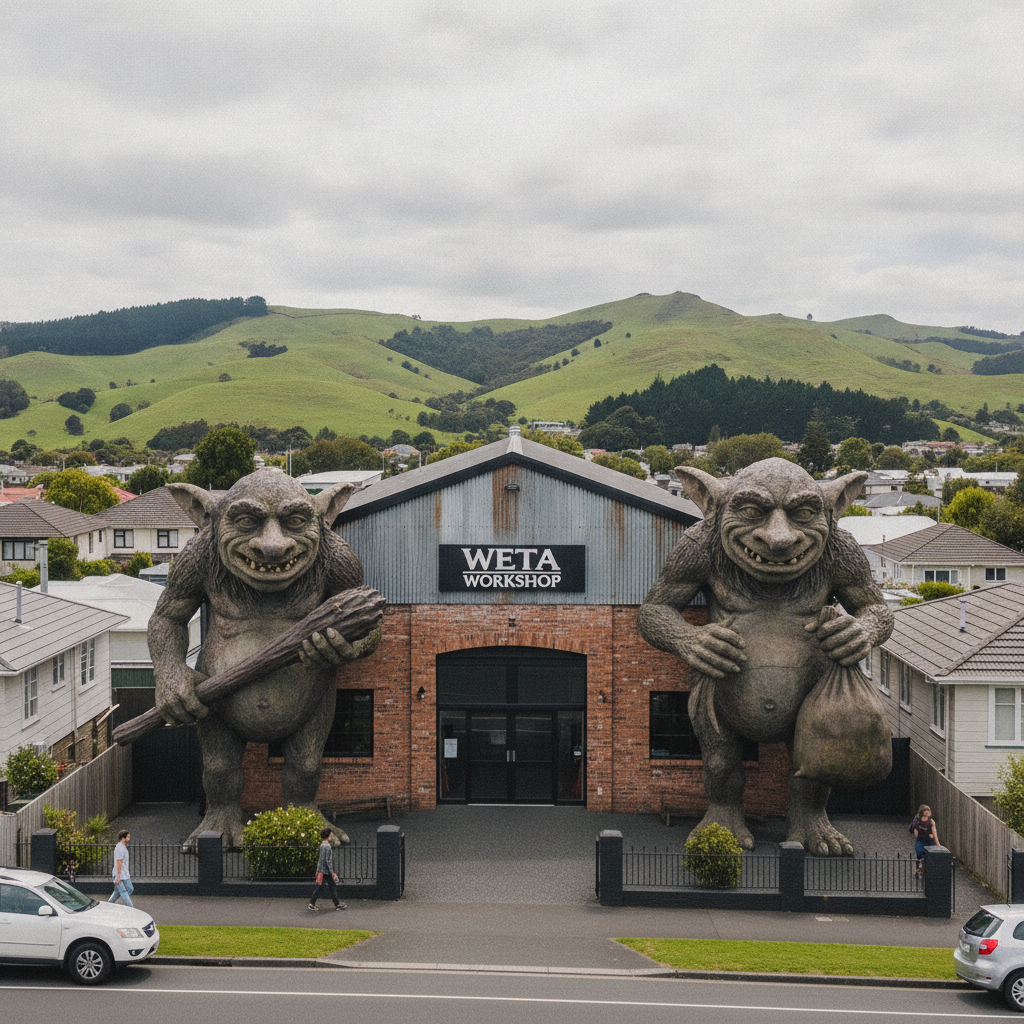
Wellington: Weta Workshop and the New Zealand Film Industry, Lord of the Rings City, Kapiti Island Predator-Free Sanctuary, Arts and Festival Capital, Beehive and New Zealand Political History
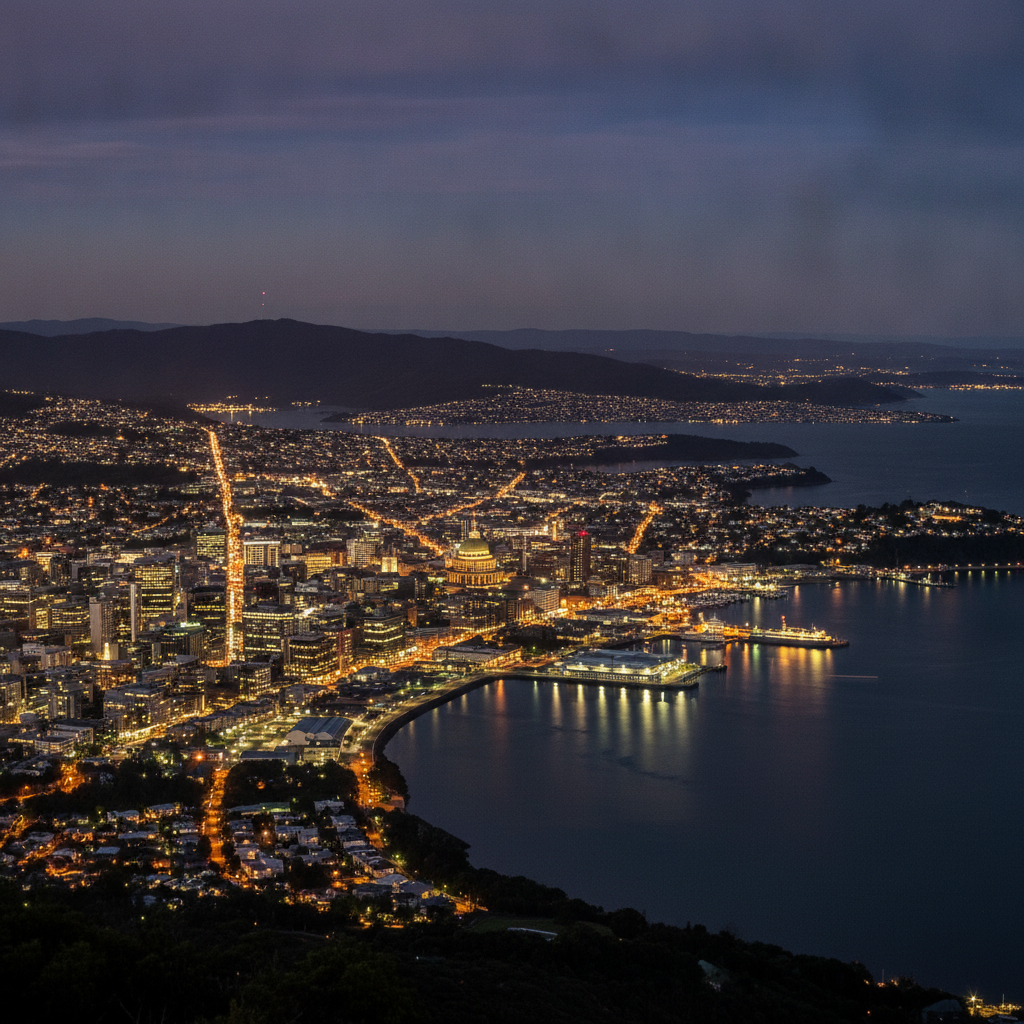
Wellington: Maori History (Te Rauparaha, Ka Mate Haka), Wellington Earthquake Risk, Greater Wellington Outdoors, Nightlife and LGBTQ Scene, Accommodation Guide, and Complete Capital City Assessment