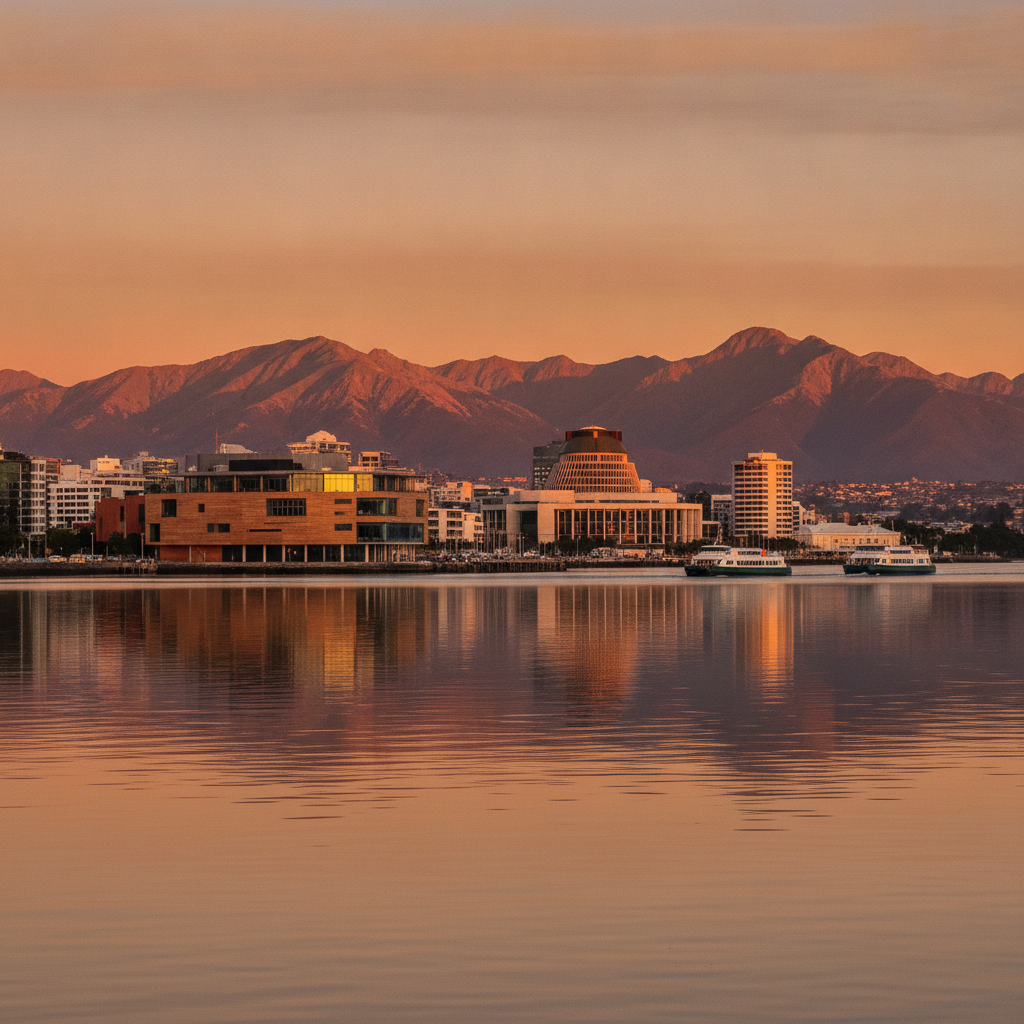
Wellington: Weta Workshop and the New Zealand Film Industry, Lord of the Rings City, Kapiti Island Predator-Free Sanctuary, Arts and Festival Capital, Beehive and New Zealand Political History
Wellington: Weta Workshop (LOTR, Avatar, Hobbit effects studio), Wellington Lord of the Rings connections and the Embassy Theatre, Kapiti Island world most important little spotted kiwi sanctuary, Wellington arts and festival scene (NZSO, Royal NZ Ballet, WOW), New Zealand parliament and political firsts (first women to vote), and Wellington day trips.
- 1
Weta Workshop and the New Zealand Film Industry
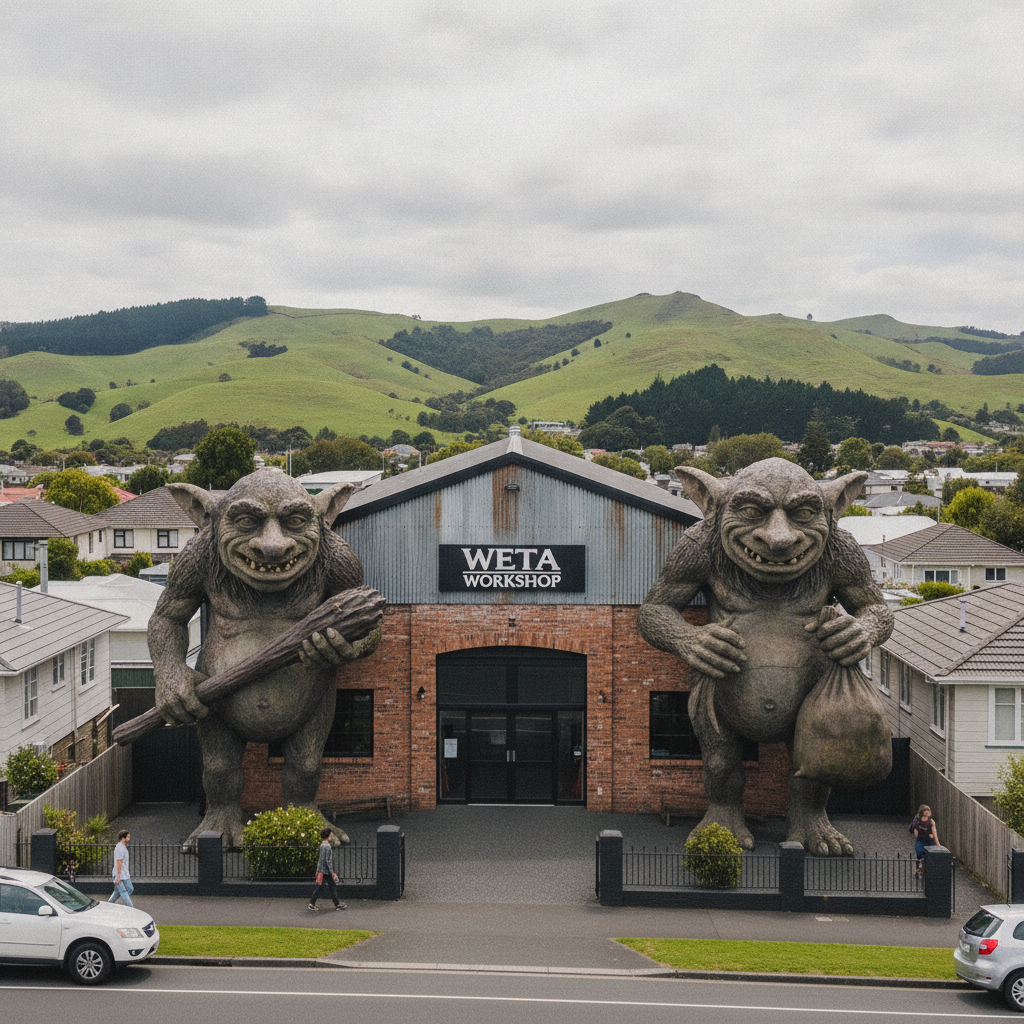
Weta Workshop (in Miramar, approximately 15 minutes from Wellington city center): the special effects and prop-making company founded by Sir Peter Jackson, Richard Taylor, and Tania Rodger in 1987. Weta Workshop produced the physical effects for The Lord of the Rings trilogy (2001-2003), King Kong (2005), the Avatar films, The Hobbit trilogy (2012-2014), and dozens of other major productions. The Weta Workshop tour: the guided tour of the working studios, prop-making workshops, and creature design areas, with the Weta Cave (the retail shop and mini-museum). Weta Digital (the separate digital effects company founded by Peter Jackson in 1993): the primary digital effects house for the LOTR, Avatar, and other major productions, headquartered in Miramar adjacent to Weta Workshop. Park Road Post (the post-production studio in Miramar, owned by Peter Jackson): where the editing, sound mixing, and color grading of the Jackson productions are completed. The Miramar film village: the concentration of film industry infrastructure in Miramar (Weta Workshop, Weta Digital, Park Road Post, and the Stone Street Studios) has made Wellington the Hollywood of the South Pacific.
- 2
Lord of the Rings Wellington Filming Locations
The Lord of the Rings Wellington connections: while the major LOTR landscape locations are distributed across New Zealand (Matamata-Hobbiton for the Shire, Tongariro National Park for Mordor, Queenstown/Glenorchy for Rohan and Lothorien, the Pelorus River for the barrel scene in The Hobbit), the Weta Workshop Miramar is the heart of the LOTR production history. The Embassy Theatre (on Kent Terrace, Wellington): the historic 1924 cinema restored by Peter Jackson and the venue for the world premieres of The Two Towers (2002), The Return of the King (2003), and the three Hobbit films. The Roxy Cinema (in Miramar, owned by the Weta Workshop partners): the art deco cinema decorated with LOTR and Weta production memorabilia, the finest independent cinema in Wellington. Wellington city as Middle-earth: the giant Gollum over the Air New Zealand Wellington Airport arrivals hall (the 5-metre fibreglass Gollum installed by Air New Zealand in 2012), and the Bilbo Baggins hobbit hole installation at Wellington Airport.
- 3
Kapiti Island - Predator-Free Bird Sanctuary Off the Wellington Coast
Kapiti Island (5 km off the Kapiti Coast, 50 km north of Wellington): one of the most important bird sanctuaries in New Zealand. Kapiti Island (1,965 hectares): the island was cleared of all introduced predators (rats, cats, stoats, possums, ferrets, and weasels) between 1986 and 1998. The Kapiti Island species: little spotted kiwi (the island has the largest population of little spotted kiwi in the world, approximately 1,300 birds), North Island robin, saddleback, rifleman, hihi (stitchbird), brown teal, and the Kapiti Island kaka. The North Island weka (flightless rail): abundant on Kapiti Island, where it is extremely bold and will steal food from visitors. Access to Kapiti Island: only 75 people per day may visit; advance booking of both the permit and the water taxi is essential. Kapiti Island overnight: the Kapiti Island Lodge (the only accommodation on the island) offers the most immersive wildlife experience accessible to the general public in the North Island, with kiwi audible at night. The Kapiti Coast: the beach towns of Paraparaumu, Waikanae, and Paekakariki (accessible on the Metlink rail from Wellington in 45-60 minutes) form the primary beach and recreation zone for Wellington.
- 4
Wellington Arts, Festival Scene, and Creativity
Wellington as New Zealand arts capital: the Royal New Zealand Ballet (founded 1953), the New Zealand Symphony Orchestra (founded 1946), the New Zealand String Quartet, and the New Zealand Film Archive (Nga Taonga Sound and Vision, the repository of all New Zealand film and recorded sound heritage) are all based in Wellington. The New Zealand International Arts Festival (biennial, in February-March of even-numbered years): one of the most significant arts festivals in the southern hemisphere, with international and New Zealand theatre, dance, music, and visual arts. The World of Wearable Art Awards (WOW, annual in September-October): the most distinctive arts event in New Zealand, where avant-garde wearable art creations are judged in a theatrical awards show; the WOW Museum (in Nelson, where the event began) holds the archive. The New Zealand International Film Festival (annual in July-August): showing across multiple New Zealand cities; the Wellington season is the primary venue. The Circa Theatre (on the Wellington waterfront) and Bats Theatre (on Cuba Street): the primary professional theatre venues in Wellington, both producing New Zealand and international work. The City Gallery Wellington (in Civic Square): the primary public contemporary art gallery.
- 5
The Beehive, Parliament, and New Zealand Political History
The Beehive (the Executive Wing of the New Zealand Parliament, 1977): the circular building designed by Sir Basil Spence, with 10 floors of offices and the Parliamentary debating chamber lobby, on the corner of Molesworth Street and Lambton Quay. Parliament Buildings (1922): the grey stone Edwardian baroque main Parliament building housing the House of Representatives debating chamber. New Zealand political firsts: New Zealand was the first country in the world to give women the right to vote (1893, the Electoral Act of 1893 gave all women over 21 the right to vote); Kate Sheppard led the suffragette movement, and her portrait is on the New Zealand NZD 10 note. New Zealand became the first country in the world with a fully self-governing status (1907 Dominion, 1947 full constitutional independence). New Zealand political culture: the MMP (Mixed Member Proportional) electoral system (adopted 1996) typically produces coalition governments. New Zealand first female Prime Minister: Jenny Shipley (1997-1999). New Zealand most internationally known PM: Jacinda Ardern (2017-2023), who gave birth while in office (2018, the first elected world leader to do so), and managed the Christchurch mosque attacks and the COVID-19 pandemic response.
- 6
Wellington Complete: City Summary and North Island Day Trips
Wellington three-route summary. Route 1: Te Papa museum, Cuba Street cafe culture, Zealandia ecosanctuary, Wellington Harbour, practical guide. Route 2 (this route): Weta Workshop, Lord of the Rings Wellington connections, Kapiti Island predator-free sanctuary, Wellington arts and festival scene, Beehive and New Zealand political history. Wellington key day trips from the capital: Palliser Bay (the wild south coast, Cape Palliser, the Putangirua Pinnacles used as the Paths of the Dead in The Return of the King, approximately 90 minutes from Wellington); the Wairarapa wine country (Martinborough, the Pinot Noir capital of the North Island, accessible by car or the Metlink train to Featherston, then bus, approximately 90 minutes); Napier (the Art Deco city of Hawkes Bay, the Sauvignon Blanc and Chardonnay wine region, approximately 4 hours north). Wellington verdict: New Zealand Cool Little Capital is genuinely one of the most charming small capital cities in the world. It combines genuine political and cultural importance with a manageable city scale (everything is walkable or a short ride), a world-class museum, an extraordinary ecosanctuary within city limits, and the most distinctive film industry legacy of any city its size on earth. Allow 3-4 days.
Walk this route with audio
Stories play automatically as you reach each stop — no tapping needed.
More in wellington
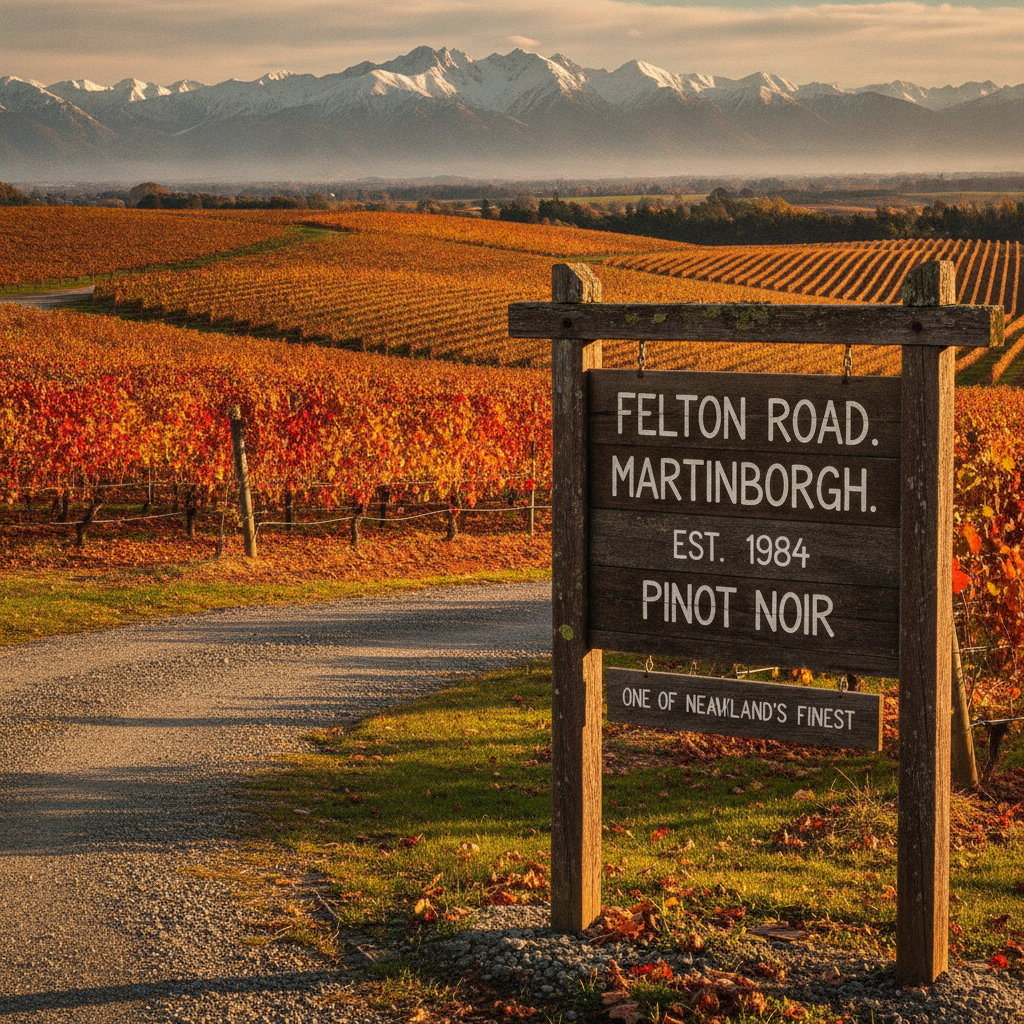
Wellington: Wairarapa and Martinborough Pinot Noir, Rimutaka Cycle Trail, Wellington World-Class Food Scene, Greater Wellington, and the Cook Strait Ferry to Picton
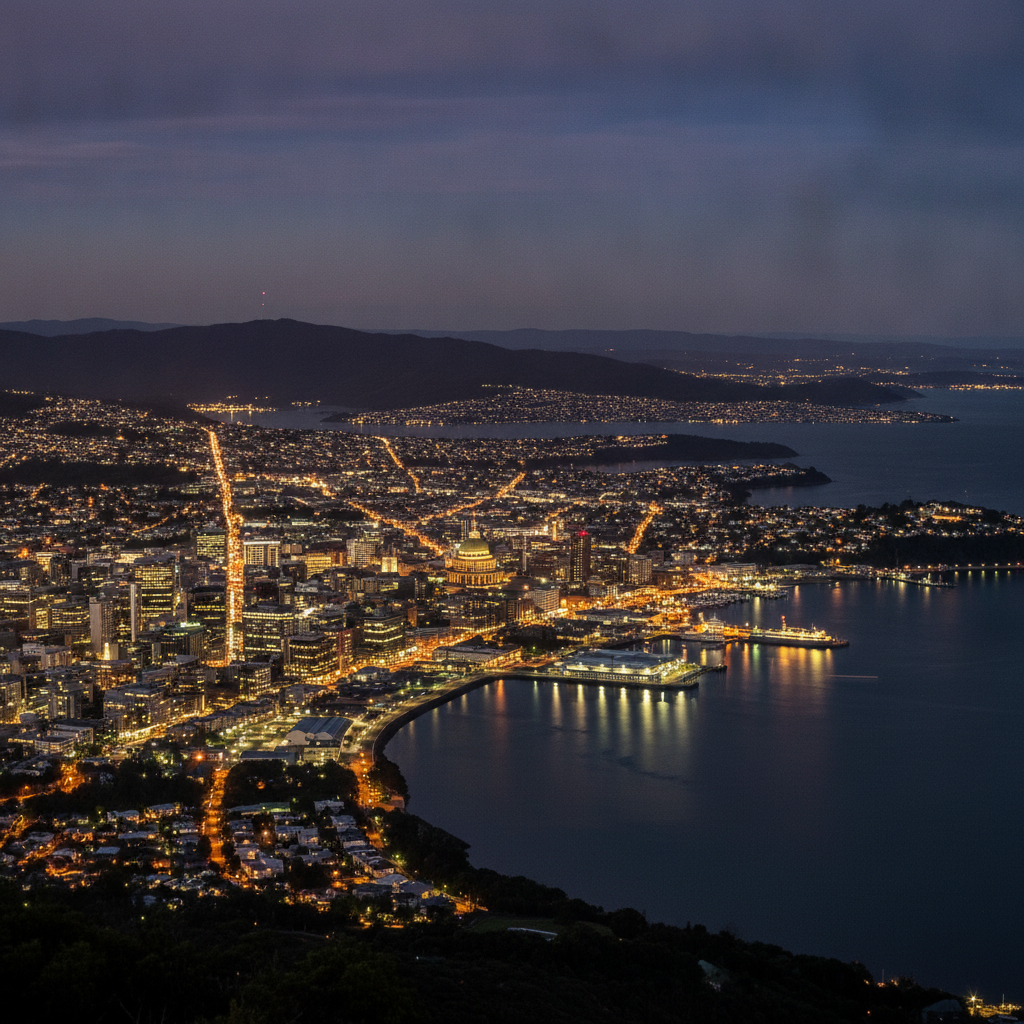
Wellington: Maori History (Te Rauparaha, Ka Mate Haka), Wellington Earthquake Risk, Greater Wellington Outdoors, Nightlife and LGBTQ Scene, Accommodation Guide, and Complete Capital City Assessment