Willemstad Activities and Practical: Curacao Carnival, World-Class Shore Diving, Banda Abou Beaches, Kingdom of Netherlands Connection, Papiamentu, and Hato Airport
The Willemstad activity circuit includes the February Curacao Carnival, the most accessible shore diving in the Dutch Caribbean along the west coast highway, the pristine Banda Abou beaches of the rural west, the Papiamentu Creole language identity, and the practical guide to the Hato Airport and the Curacao guilder.
- 1
Curacao Carnival: The February Festival
Curacao Carnival, held in February in the weeks before Lent, is the third-largest carnival in the Kingdom of the Netherlands after Trinidad (which influenced it directly) and Aruba, with the Willemstad parade of the Grand Parade on the Sunday before Lent and the Children's Parade and the Music Parade creating a week-long celebration of the Afro-Caribbean cultural heritage of the island. The Curacao Carnival reflects the island's multicultural composition in the diversity of its music genres from tumba to soca to calypso.
- 2
Willemstad Diving: The Shore Dive Capital
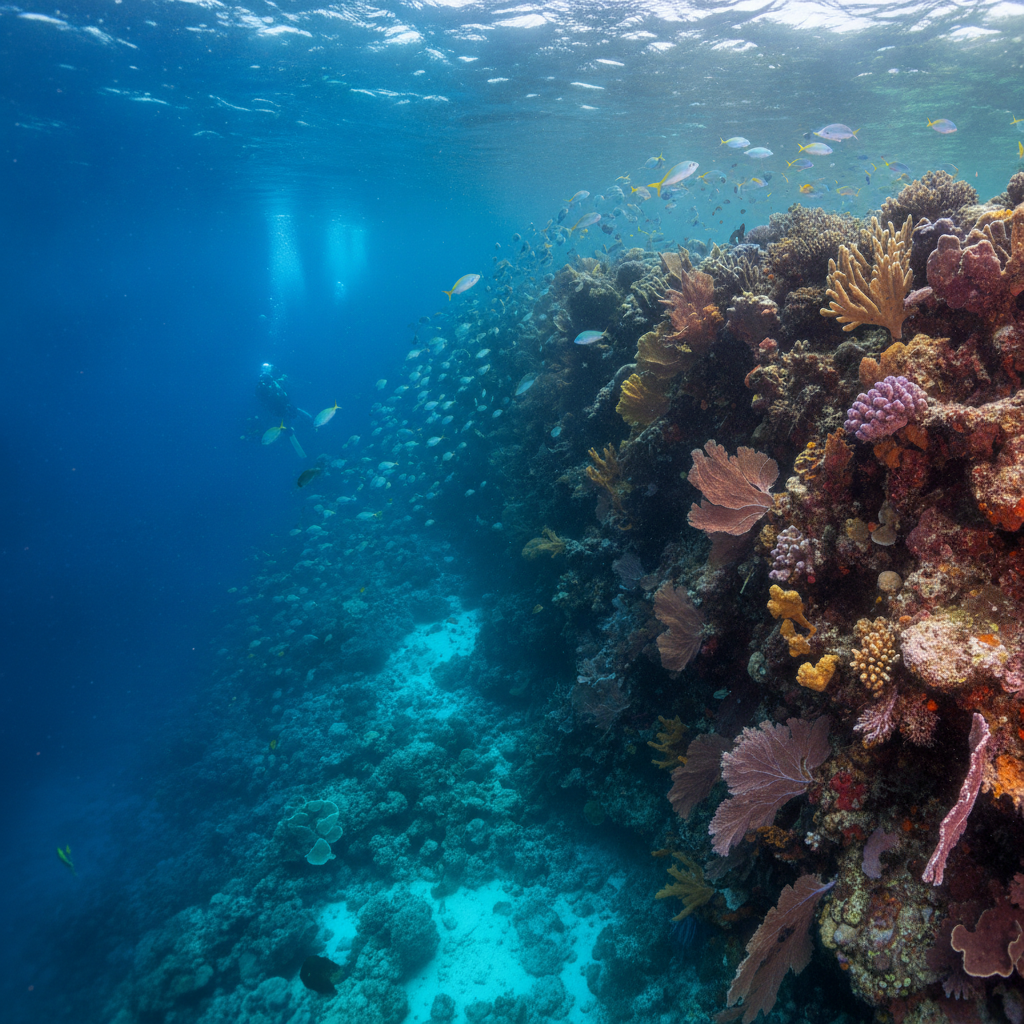
Willemstad and the surrounding Curacao west coast is one of the most accessible shore diving destinations in the world, with the Tugboat dive site, the Watamula current dive, the Blue Room sea cave, and the Mushroom Forest coral pinnacle field accessible from the beach or a short drive from the capital without boat transport, making Curacao the most economically accessible dive destination in the Dutch Caribbean for the independent diver who does not require dive resort infrastructure.
- 3
Banda Abou: The Quiet West
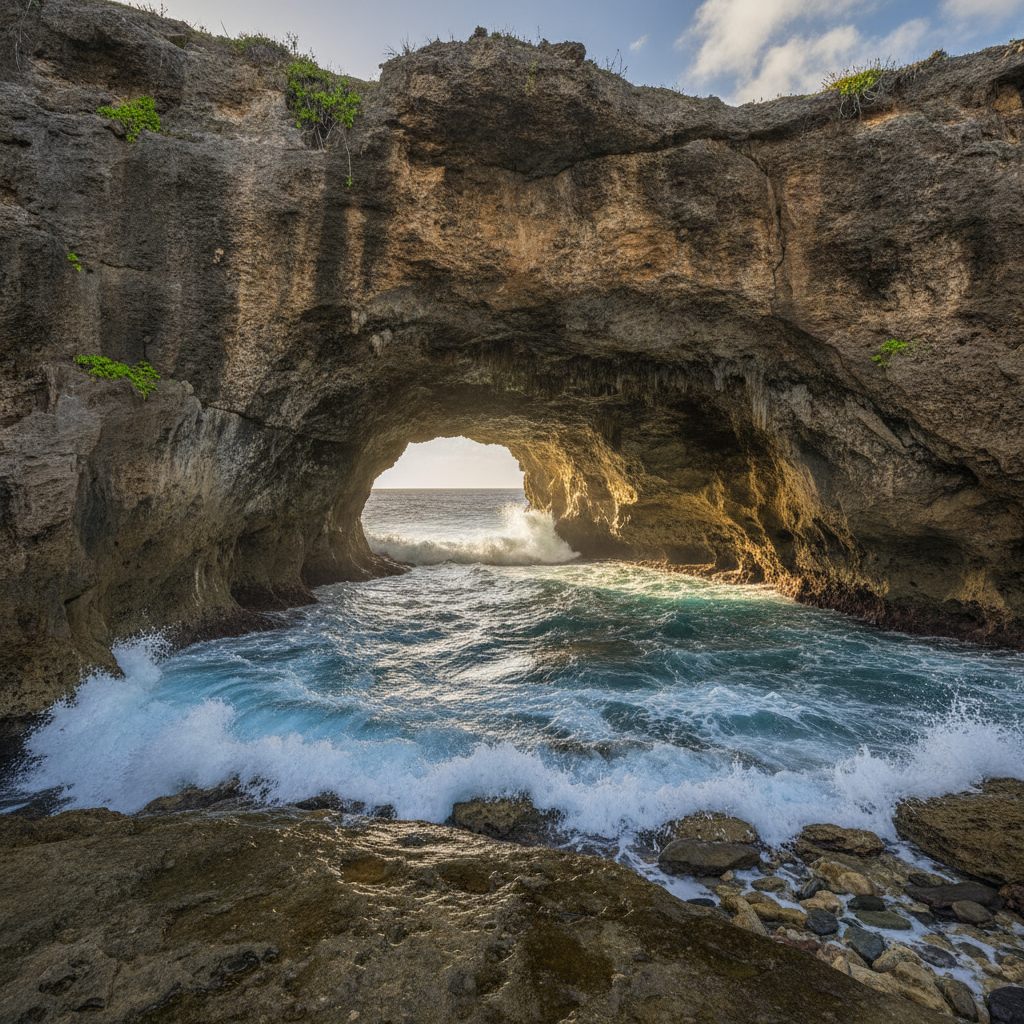
The Banda Abou western portion of Curacao beyond Willemstad, accessible in a 45-minute drive from the capital, contains the most beautiful beaches on the island including Cas Abao, Playa Knip, and Daaibooi and the most significant natural landscapes of the island interior with the Christoffelpark and the Shete Boka national park on the rugged north coast where the Atlantic waves surge into the rock blowholes and sea caves. The rural Cunucu landscape of Banda Abou preserves the traditional land use patterns of the pre-tourism economy.
- 4
Curacao Royal Family: The Kingdom Connection
Curacao is a constituent country of the Kingdom of the Netherlands and retains the full Dutch citizenship, passport, and European Union access that gives the Curacao population the ability to live and work in the Netherlands and throughout the European Union. The royal family visits to Curacao, including the state visits of King Willem-Alexander and Queen Maxima, are major events in the Curacao calendar and reflect the continuing constitutional connection with the Netherlands.
- 5
Papiamentu: The Creole Language
Papiamentu, the Creole language of the ABC islands that blends Portuguese, Spanish, Dutch, English, and African languages into a distinct tongue that is the mother tongue of most Curacao residents and one of the official languages of the island alongside Dutch, is the most linguistically significant Creole of the Dutch Caribbean and the marker of Curacao identity that distinguishes the island from the Dutch-speaking Windward Islands of Sint Maarten, Sint Eustatius, and Saba.
- 6
Willemstad Practical: Hato Airport, Currency, and Diving Access
The Curacao Hato International Airport receives direct flights from Amsterdam, Miami, New York, Toronto, and the Caribbean island chain. The Curacao guilder (ANG) is the official currency but the US dollar is widely accepted. The most practical way to dive the Curacao shore sites is to rent gear from one of the Willemstad dive shops and follow the numbered dive site markers along the west coast highway to the designated entry points.
Walk this route with audio
Stories play automatically as you reach each stop — no tapping needed.
More in Willemstad
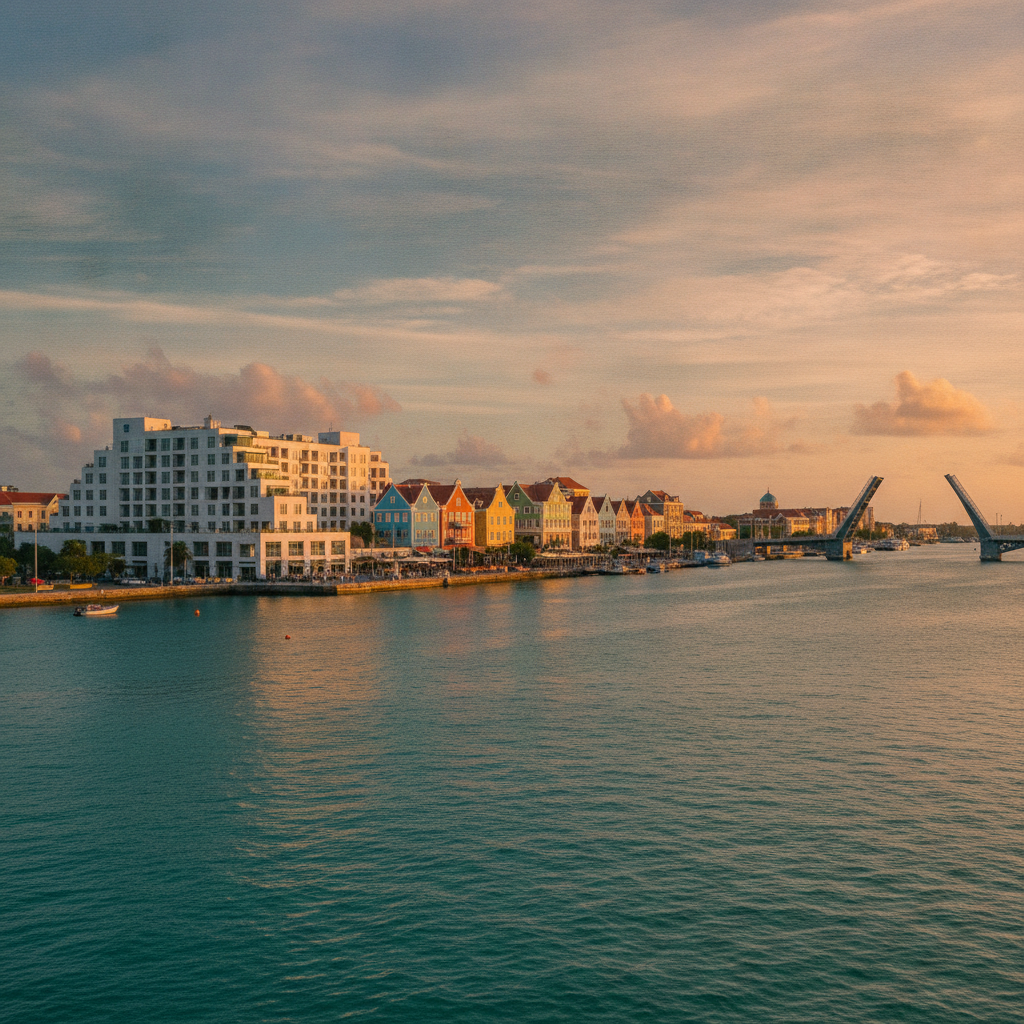
Willemstad History and Identity: The Colonial Legacy, Slave Trade Reparations, Venezuelan Diaspora, Renaissance Resort, ABC Island Hopping, and the Korsou Identity
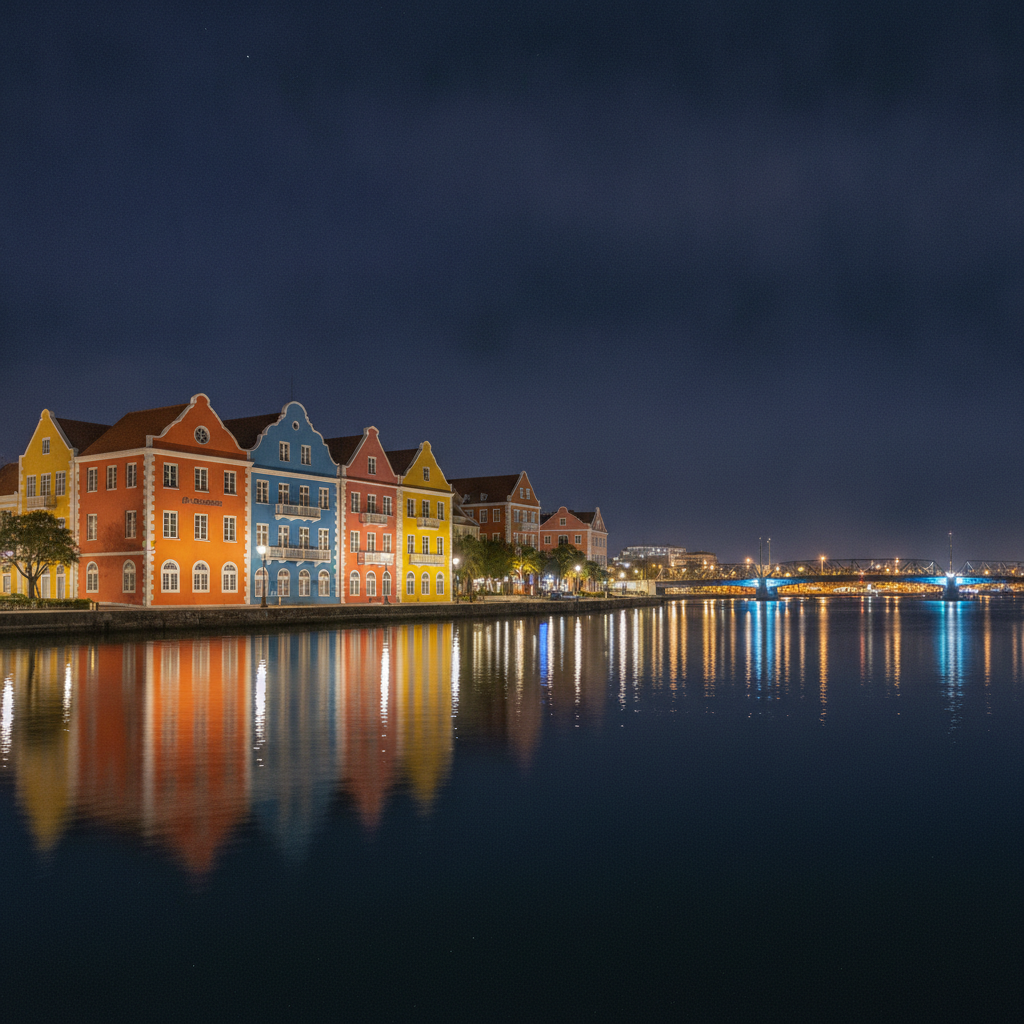
Willemstad Culture and Food: Funchi and Stoba Creole Kitchen, Contemporary Art, the Superior Producer Wreck Dive, and the Handelskade by Night
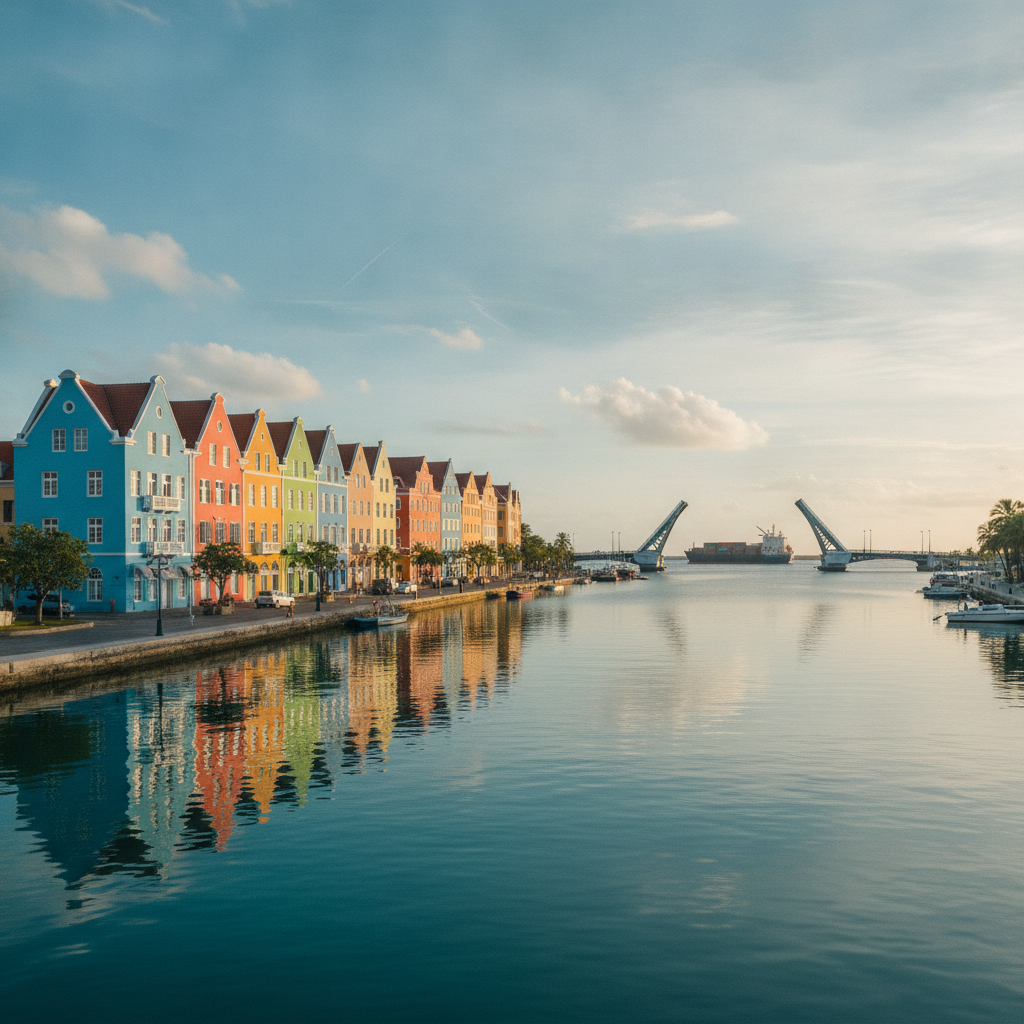
Willemstad: UNESCO Colonial Architecture, Blue Curacao Liqueur, the Americas Oldest Synagogue, and World-Class Shore Diving
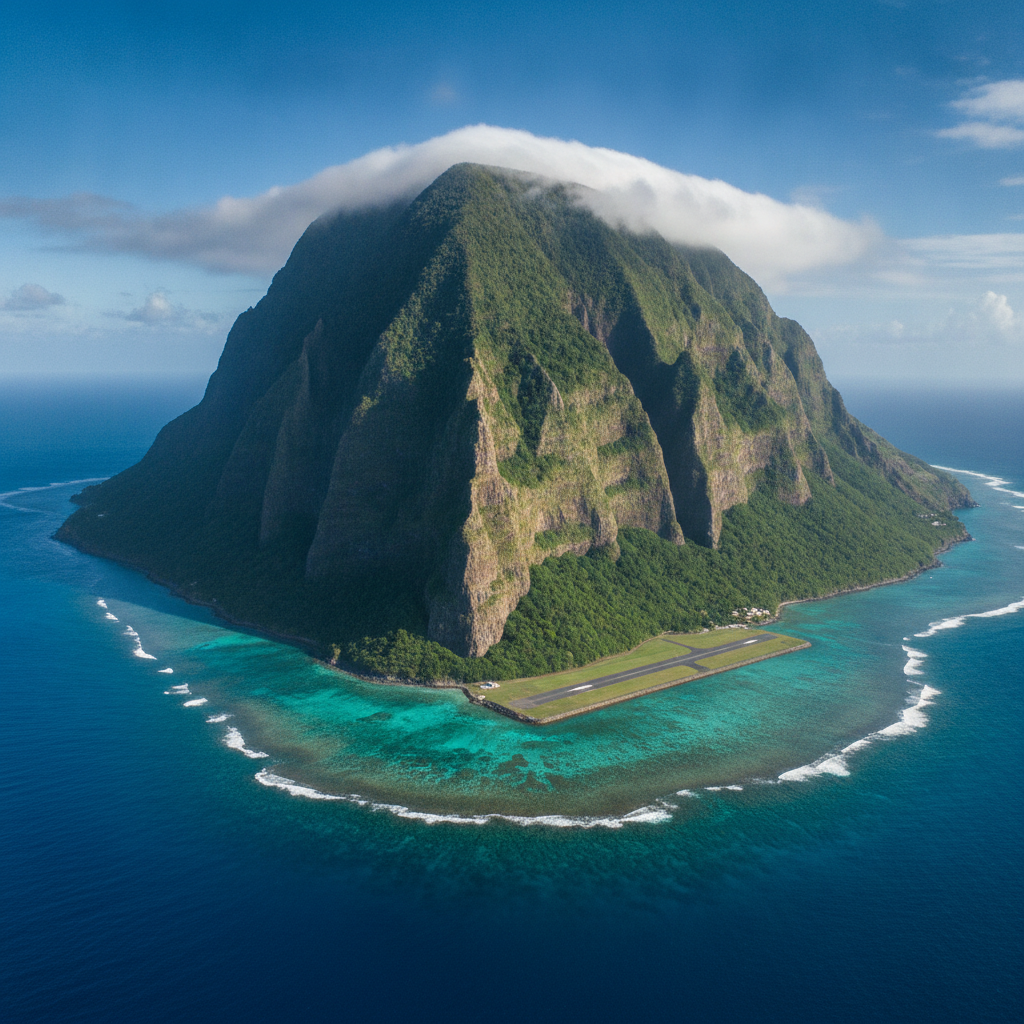
Dutch Caribbean Beyond Curacao: Saba Diving, Sint Eustatius History, Bonaire Marine Park, the ABC Island Circuit, and the Best Willemstad Hotels
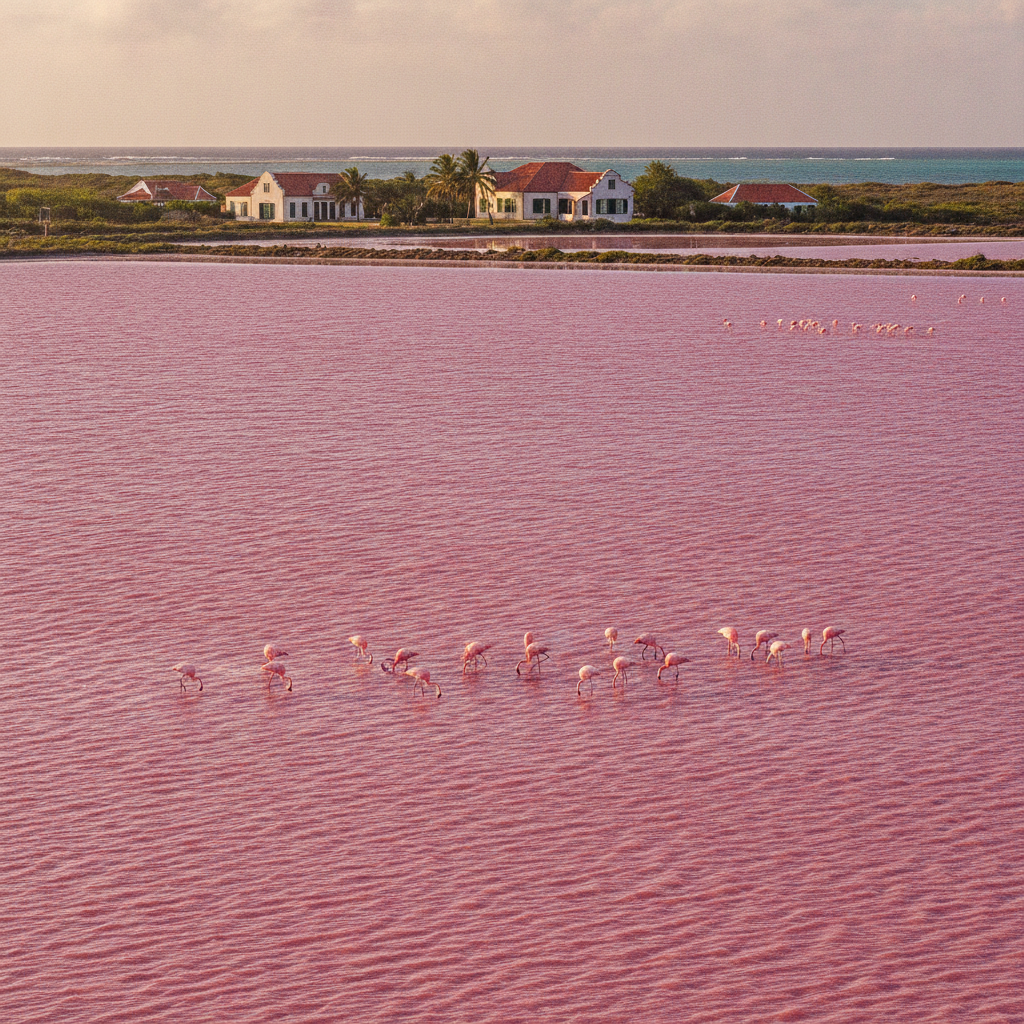
Curacao Beyond Willemstad: Christoffelpark, Flamingos, Cas Abao Beach, Keshi Yena Food, and the Caribbean Hub Airport