Willemstad Culture and Food: Funchi and Stoba Creole Kitchen, Contemporary Art, the Superior Producer Wreck Dive, and the Handelskade by Night
The Willemstad cultural depth encompasses the traditional Curacao Creole kitchen of funchi and stoba, the emerging contemporary art scene, the coral-encrusted Superior Producer cargo vessel wreck dive, the spectacular night reflection of the Handelskade colonial facades, and the authentic residential quarter of Kleine Berg.
- 1
Curaçao Food: Funchi, Stoba, and Dutch Indonesian
The Curacao food culture combines the traditional Creole dishes of funchi cornmeal porridge, stoba goat stew, tutu cornmeal and black-eyed peas, and the bolo di kashupete cashew nut cake with the Dutch Indonesian rijsttafel rice table that reflects the Netherlands colonial history in Southeast Asia, creating a food culture of unusual diversity that the Willemstad restaurants present in both traditional and modernized forms. The fresh fish of the Willemstad fish market provides the seafood that underpins the traditional coast kitchen.
- 2
Curacao Art: Caribbean Contemporary
The Willemstad art scene, centered on the galleries of the Punda and Otrobanda historic districts and the Nena Sanchez gallery that represents the most recognized Curacao contemporary artist, reflects the multicultural background of the island in a visual art tradition that combines Caribbean abstraction with the Dutch painterly tradition and the African symbolic language. The annual Curacao Art Fair attracts collectors and curators from the Netherlands, the Americas, and the Caribbean.
- 3
Bapor Kibra: The Boat Wreck Dive
The Superior Producer, a 65-meter cargo vessel that sank in 1977 and lies in 30 meters of water adjacent to the Willemstad fishing pier, is the most iconic wreck dive in Curacao and one of the most decorated wreck dives in the Caribbean, with the coral encrustation and the fish population including the massive Atlantic jewfish (goliath grouper) that inhabit the wreck providing an exceptional dive experience within sight of the Willemstad waterfront.
- 4
Handelskade at Night: The Light Reflection
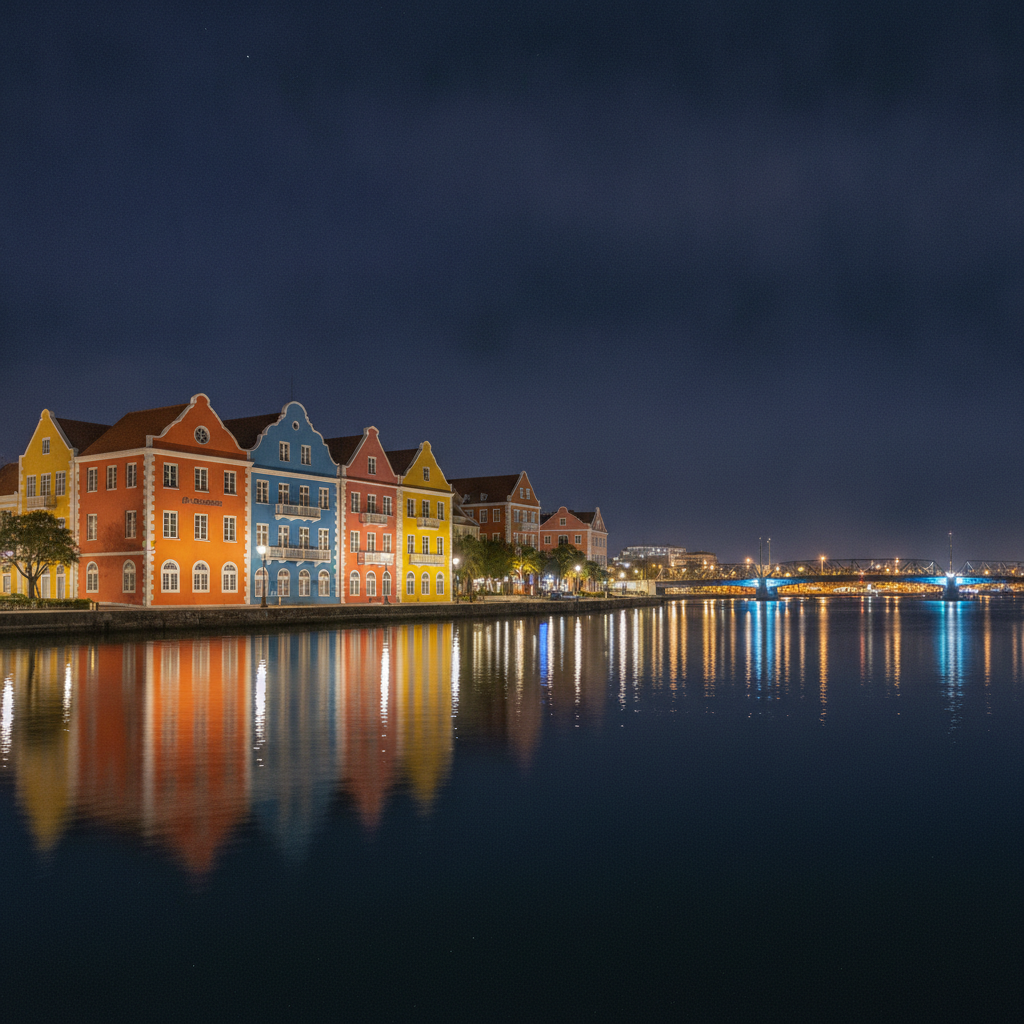
The Handelskade waterfront of Punda at night, when the colored facades of the colonial warehouses are reflected in the flat dark water of the St. Anna Bay and the lights of the Otrobanda shore are visible across the channel, is one of the most beautiful urban waterfront scenes in the Caribbean and the optimal time to photograph the UNESCO World Heritage streetscape that defines the international image of Willemstad.
- 5
Altos de Chavon Connection: The Dominican Comparison
Curacao and the Dominican Republic share the distinction of having preserved the most significant colonial urban heritage in the Caribbean, with the Willemstad historic district and the Colonial Zone of Santo Domingo representing the two UNESCO-listed colonial cities of the Dutch and Spanish Caribbean respectively. The comparison between the two preservation approaches illuminates the difference between the Netherlands and Spanish colonial urban planning traditions in the tropical Caribbean context.
- 6
Kleine Berg and the Residential Interior
The Kleine Berg neighborhood on the hillside above Otrobanda, the residential quarter of Willemstad that preserves the colonial landhuis style in a lived urban environment, is the least-touristed and most authentically Curacao neighborhood of the capital, where the local restaurants, the community churches, and the residents going about their daily lives create the encounter with the actual Willemstad society behind the tourist waterfront facade.
Walk this route with audio
Stories play automatically as you reach each stop — no tapping needed.
More in Willemstad
Willemstad History and Identity: The Colonial Legacy, Slave Trade Reparations, Venezuelan Diaspora, Renaissance Resort, ABC Island Hopping, and the Korsou Identity
Willemstad: UNESCO Colonial Architecture, Blue Curacao Liqueur, the Americas Oldest Synagogue, and World-Class Shore Diving
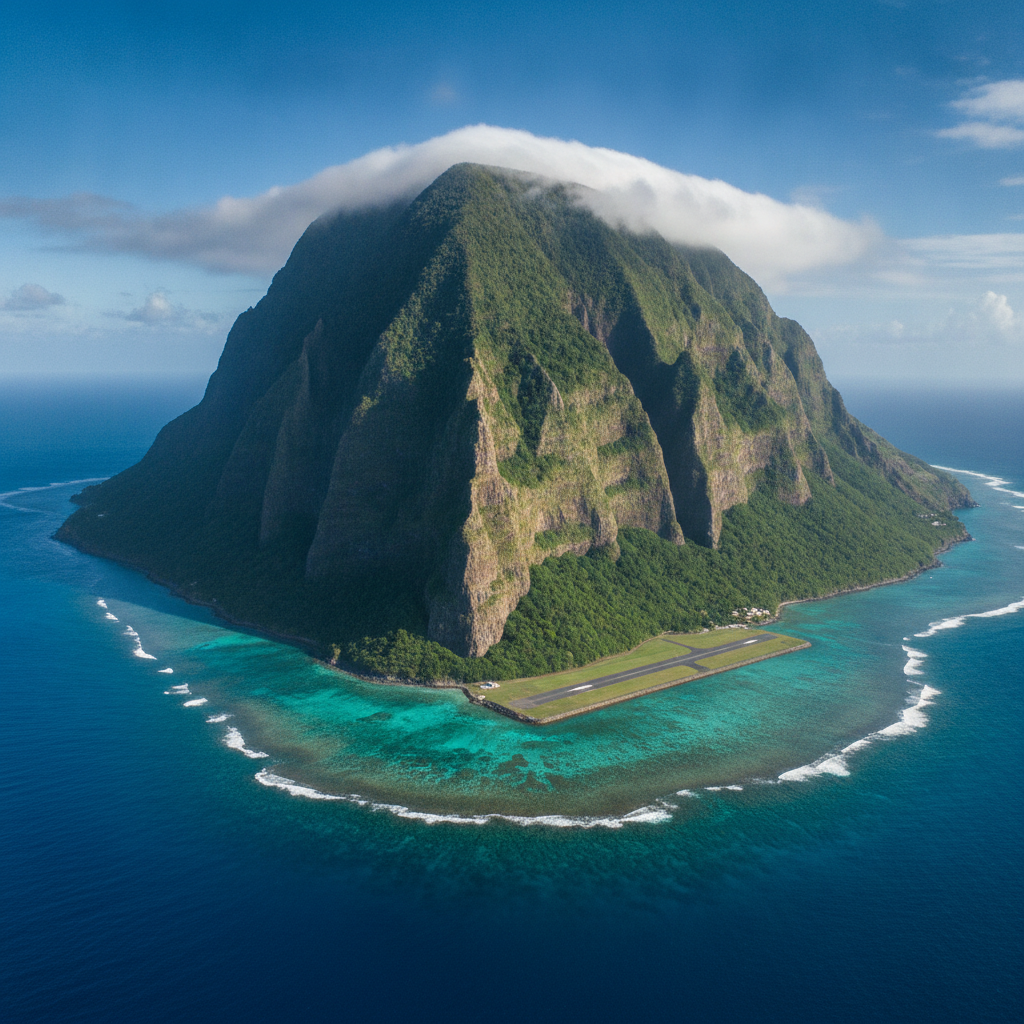
Dutch Caribbean Beyond Curacao: Saba Diving, Sint Eustatius History, Bonaire Marine Park, the ABC Island Circuit, and the Best Willemstad Hotels
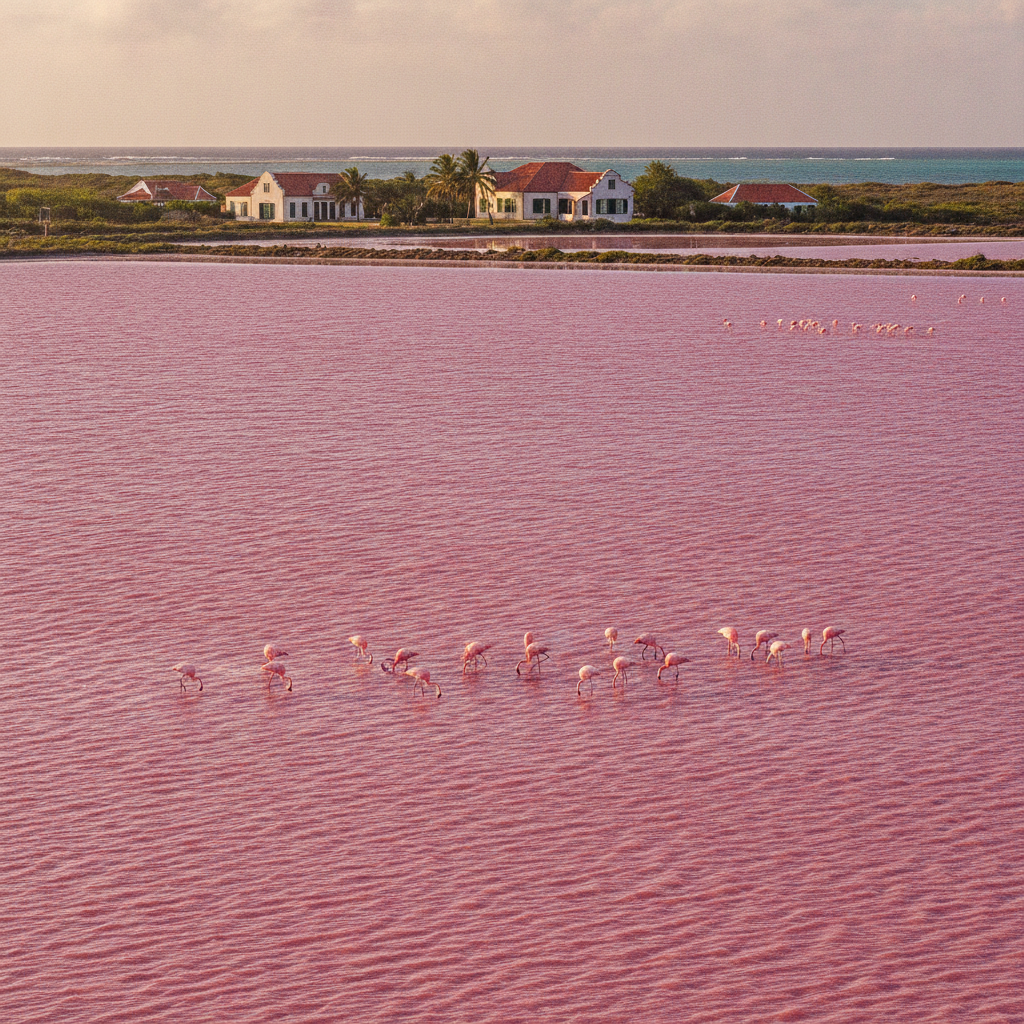
Curacao Beyond Willemstad: Christoffelpark, Flamingos, Cas Abao Beach, Keshi Yena Food, and the Caribbean Hub Airport
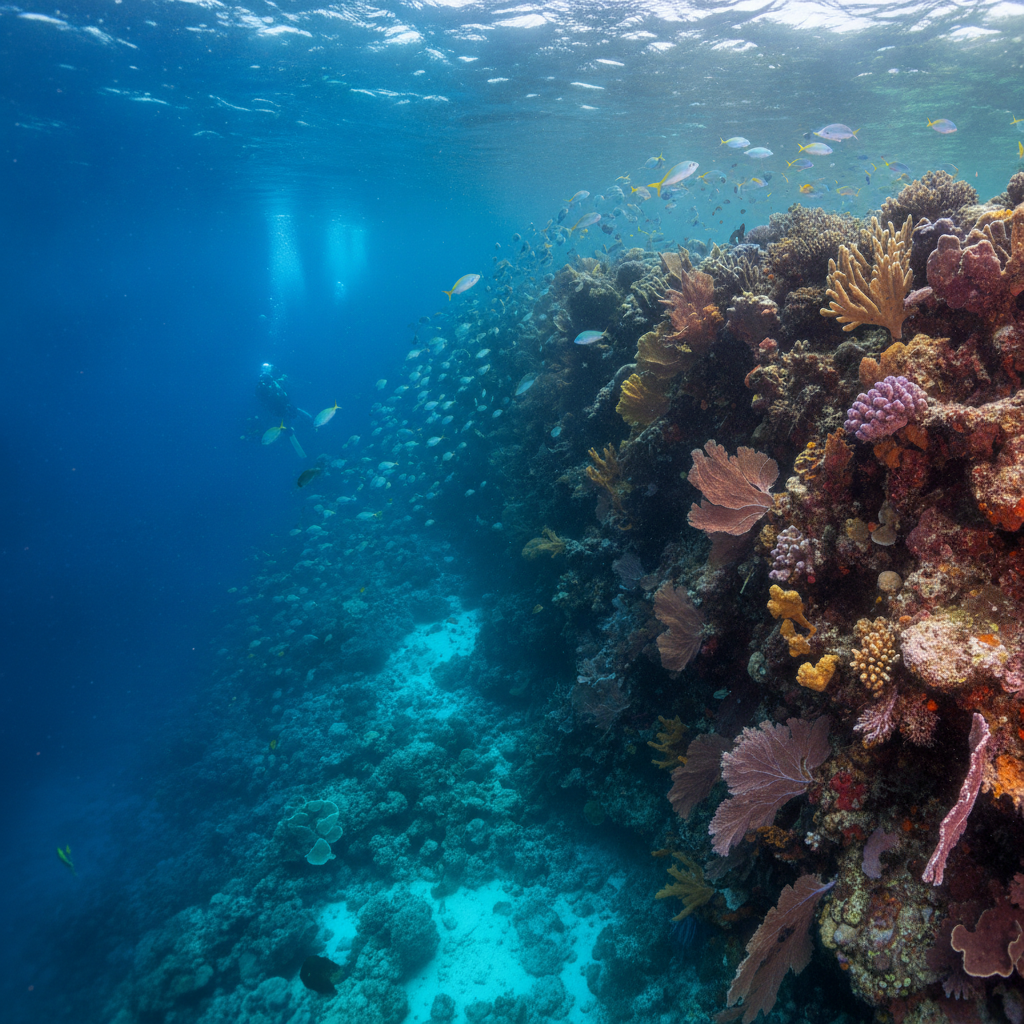
Willemstad Activities and Practical: Curacao Carnival, World-Class Shore Diving, Banda Abou Beaches, Kingdom of Netherlands Connection, Papiamentu, and Hato Airport