Windhoek Final Legacy: Namibia Economy, Itinerary Planning, Community Conservancies, Cultural Diversity, and the Complete Reference
Windhoek closing routes: the uranium and diamond economy, Sossusvlei practical planning, community conservancy program (20% of Namibia land area protected), the 10-day Windhoek circuit itinerary, Namibia cultural and language diversity, and the six-route complete Namibia travel legacy.
- 1
Namibia Economy - Uranium, Diamonds, and Tourism
The Namibian economy: a middle-income economy by African standards (GDP per capita approximately USD 4,500-5,000), heavily dependent on mineral extraction and tourism. The primary exports: uranium (Namibia is one of the top 5 uranium producers in the world: the Rossing Uranium Mine near Swakopmund, operated by Rio Tinto, is one of the largest open-pit uranium mines in the world; the Husab Mine is the third-largest uranium mine in the world), diamonds (the Namdeb Diamond Corporation, a joint venture between the Namibian government and De Beers, operates the Namibian diamond mining operations including the marine diamond mining from the Benguela seabed), and fish (the Namibian exclusive economic zone supports one of the most productive fishing grounds in the southern hemisphere, supporting the hake, orange roughy, and horse mackerel fishing industries).
- 2
The Sossusvlei Self-Drive - Practical Planning for the Essential Namibia Experience
Sossusvlei practical planning. Access: the Sossusvlei is within the Namib-Naukluft National Park (entry fee required). The NamibRand road (the C19 and D826 from Solitaire): the access route from Windhoek via the scenic Spreetshoogte Pass. Accommodation: book well in advance (especially June-September); the Sossus Dune Lodge inside the park gates allows pre-dawn access; the Sossusvlei Lodge outside the gates requires a 4am departure for the sunrise. The self-drive route inside the park: the 2WD road ends at the Sossusvlei car park (5 km from the vlei itself); the final 5 km requires a 4x4 OR the park shuttle. The essential stops: Dune 45 (climb for sunrise: approximately 40-45 minutes to the summit), the Sossusvlei clay pan (the main pan), the Deadvlei (the most photographed location: allow 2 hours including the 1 km walk from the car park), and the Big Daddy Dune (the highest accessible dune, approximately 380 meters).
- 3
The Namibian Wildlife Reserves Beyond Etosha
Namibia has more privately owned and community conservancy-managed wildlife areas than any other African country. The Namibian Community Conservancy program (established 1996): the most successful community wildlife management program in Africa, where rural communities receive income from wildlife tourism and hunting concessions in exchange for protecting wildlife. By 2024 there are approximately 86 registered community conservancies covering approximately 20% of Namibia total land area. The primary community conservancies: the Torra Conservancy (the Damaraland area, adjacent to the Palmwag Concession): the first commercially viable community conservancy in Namibia. The NamibRand Nature Reserve (private: 172,000 ha of pristine Namib dune landscape adjacent to Sossusvlei): one of the largest private nature reserves in southern Africa. The Gondwana Canyon Park (adjacent to the Fish River Canyon): the primary wildlife reserve in southern Namibia.
- 4
Windhoek as a Base City - Planning Multi-Week Namibia Itineraries
Windhoek as the hub of a multi-week Namibia itinerary. The standard 10-day Namibia circuit from Windhoek: Day 1: arrive Windhoek (Hosea Kutako International Airport, 45 km east of the city), explore Windhoek (Christuskirche, Independence Avenue, Katutura township). Days 2-3: drive to Sossusvlei (via Spreetshoogte Pass and the Namib-Naukluft), dawn dune climbing, Deadvlei photography. Day 4: Swakopmund (German architecture, oysters, Atlantic coast). Day 5: Walvis Bay lagoon, flamingos, pelicans, oyster tasting. Day 6: drive to Etosha (via Outjo). Days 7-9: Etosha National Park (three nights in the park: Okaukuejo, Halali, Namutoni). Day 10: return Windhoek via Otjiwarongo (Cheetah Conservation Fund optional). This 10-day circuit covers the primary Namibia highlights; a 14-day extension adds Damaraland, the Kaokoveld, or the Caprivi Strip.
- 5
The Namibian Community - Diversity of Cultures and Languages
Namibia language and culture diversity. The official language is English (since independence 1990). Namibia has 13 recognized national languages. The primary ethnic groups: Ovambo (approximately 50%), Kavango (approximately 9%), Herero (approximately 7%), Damara (approximately 7%), Nama (approximately 5%), Caprivian (approximately 4%), San (approximately 3%), Baster (approximately 2%), Tswana (approximately 0.5%). The Baster (Bastaard, literally mixed): the community descended from mixed-race unions of Afrikaners and Khoi women in the Cape Colony who trekked to Namibia in 1870 and established the town of Rehoboth (approximately 90 km south of Windhoek). The Rehoboth Baster community has maintained its own cultural identity and the distinctive Afrikaans dialect. The German-speaking Namibian community: approximately 15,000-20,000 German-speaking Namibians (the descendents of German colonial settlers) maintain their language, culture, and social clubs (the Deutschen Buehne (German Theater) in Windhoek has performed continuously since the colonial era).
- 6
Windhoek Six-Route Final Legacy - The World Youngest Nation and Most Dramatic Landscape
Windhoek six-route ultimate final. Route 1: German colonial Windhoek, Herero Nama genocide (the first genocide of the 20th century), Etosha safari, Sossusvlei red dunes and Deadvlei, practical guide (Windhoek Lager, biltong, fly-drive). Route 2: Himba semi-nomadic people, San Bushmen tracking, Skeleton Coast (Cape Cross 100,000 seals), Swakopmund German colonial town, Fish River Canyon. Route 3: SWAPO liberation struggle and Sam Nujoma, Cheetah Conservation Fund (world largest free-roaming cheetah population), NamibRand Dark Sky stargazing, Kolmanskop diamond ghost town, game meat cuisine. Route 4: Walvis Bay flamingo lagoon (50,000+ flamingos), Sossusvlei geology and photography, Twyfelfontein San rock engravings UNESCO, Caprivi Strip wetlands. Route 5: Okahandja Herero Flag Day, Ovambo culture (50% of Namibia population), Namibian art (John Muafangejo linocuts), Luderitz penguins, independent travel practical. Route 6 (this route): uranium and diamond economy, Sossusvlei planning guide, community conservancies, Windhoek 10-day itinerary, Namibia cultural diversity. Namibia final statement: the most dramatically beautiful country in southern Africa, the most sparsely populated country in sub-Saharan Africa, the first country in the world to incorporate environmental protection into its constitution (1990), and the country where the oldest desert meets the Atlantic Ocean in one of the most surreal landscapes on earth. Five nights minimum; two weeks is better; three weeks is ideal.
Walk this route with audio
Stories play automatically as you reach each stop — no tapping needed.
More in windhoek
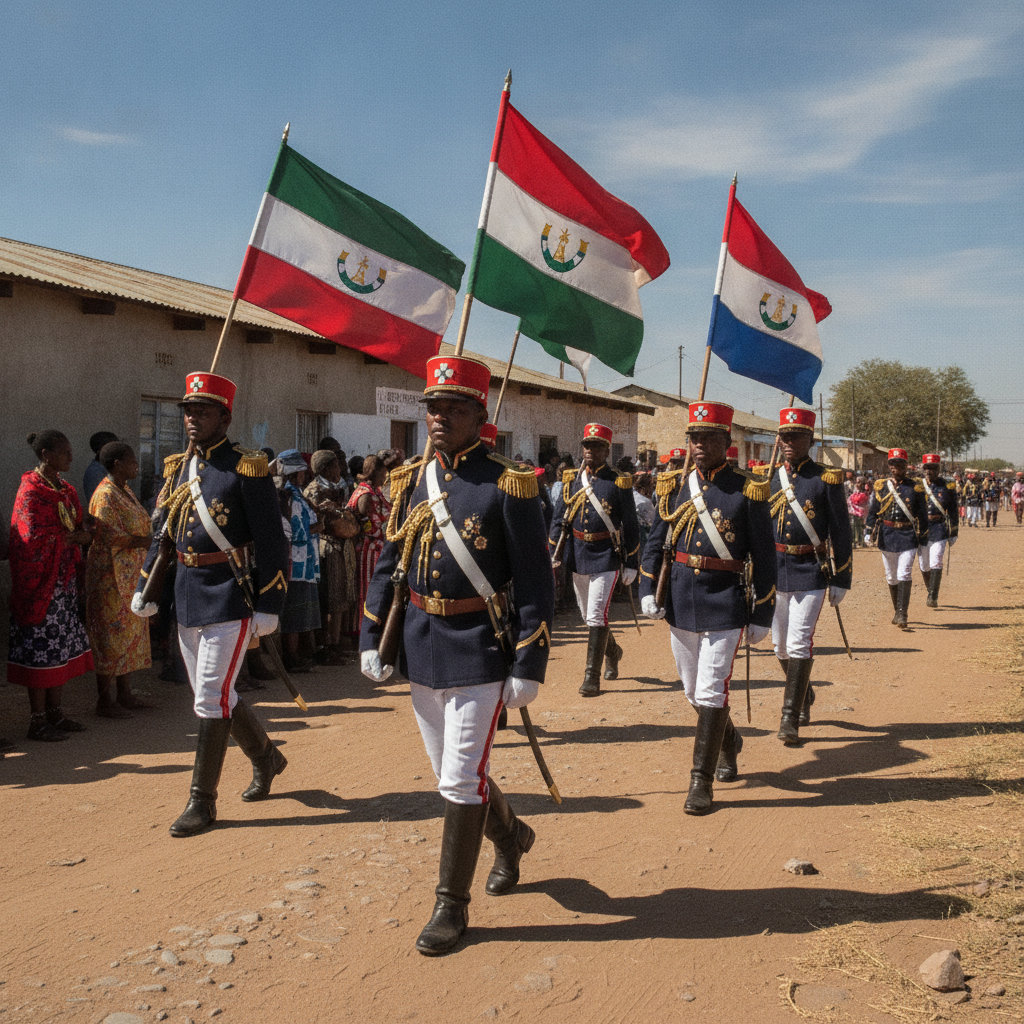
Windhoek: Okahandja Herero Memorial, Ovambo Culture, Namibian Art, Luderitz Penguins, and Independent Travel Guide
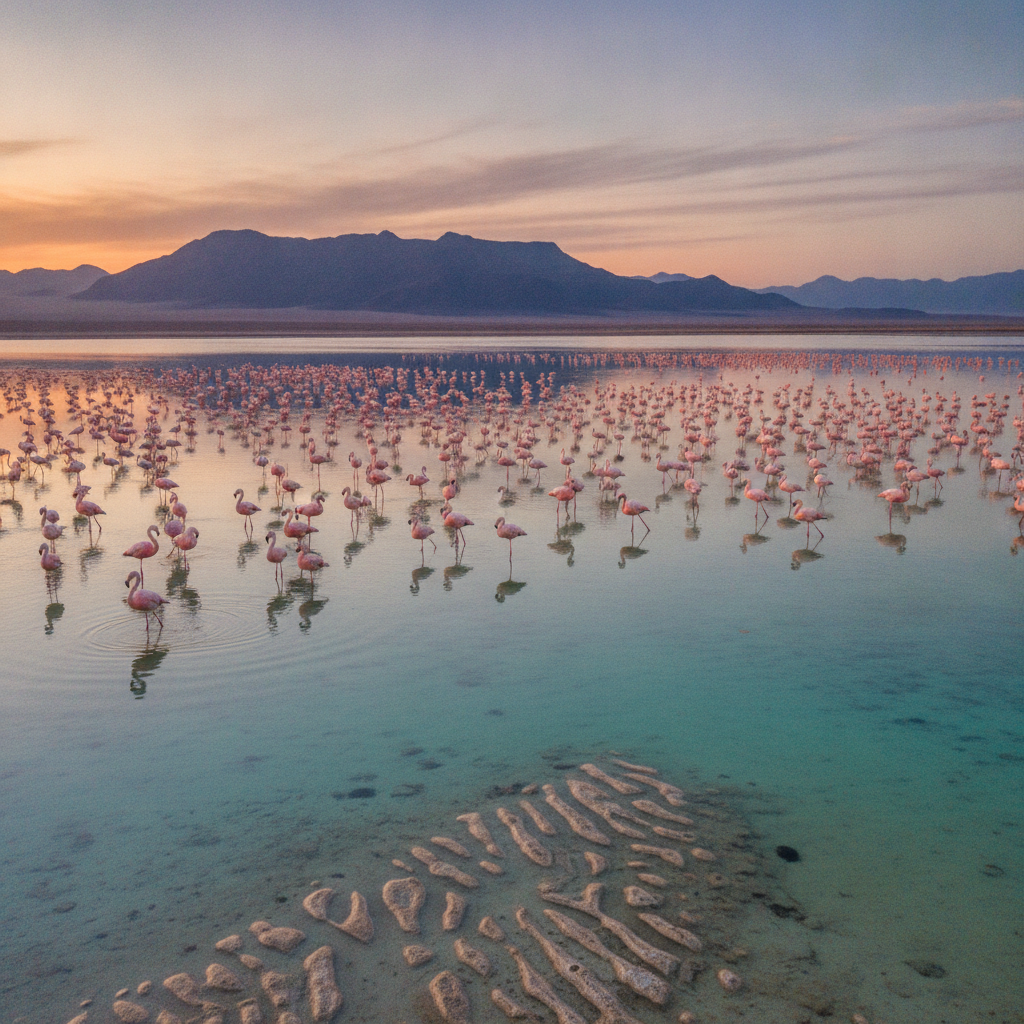
Windhoek: Walvis Bay Flamingos, Sossusvlei Geology, Twyfelfontein UNESCO Rock Engravings, Caprivi Strip, and Photography
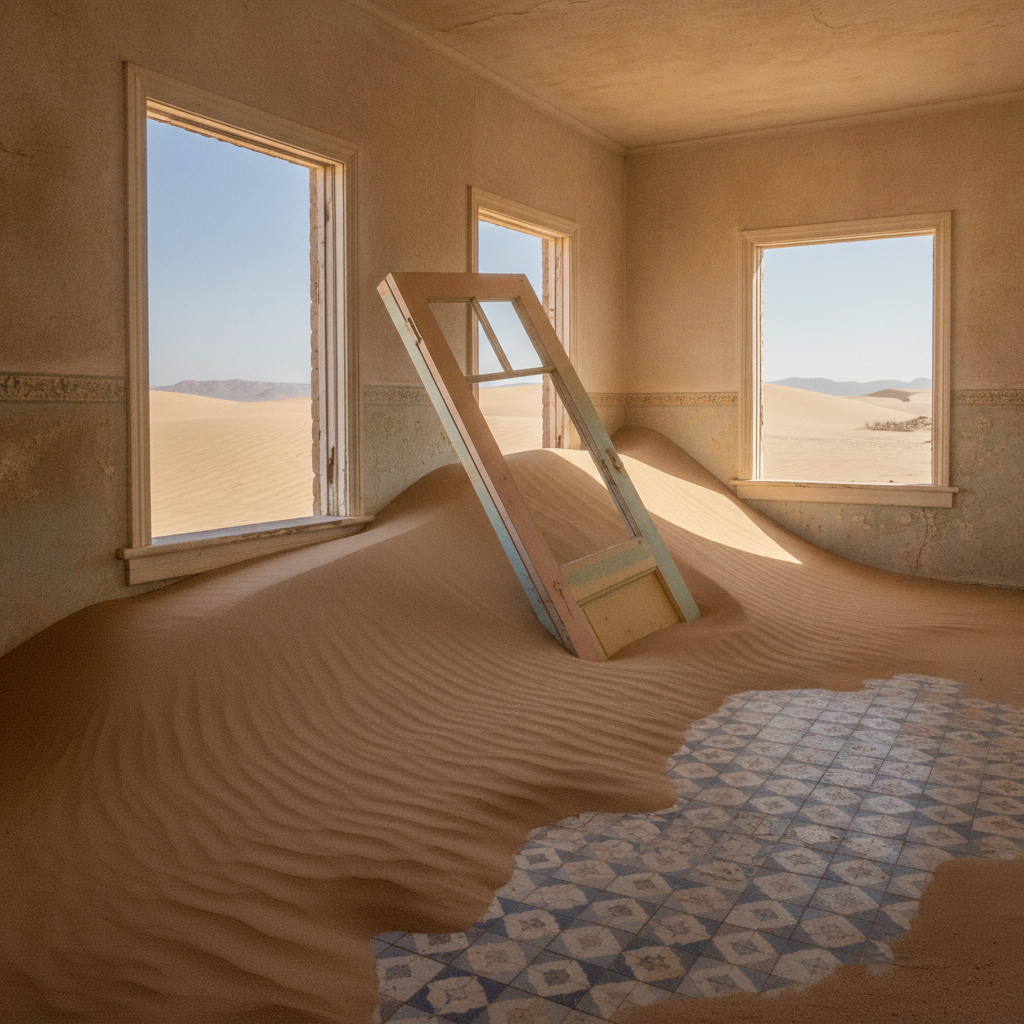
Windhoek: SWAPO Independence, Cheetah Conservation, Namibia Stargazing, Kolmanskop Ghost Town, and Game Meat Cuisine