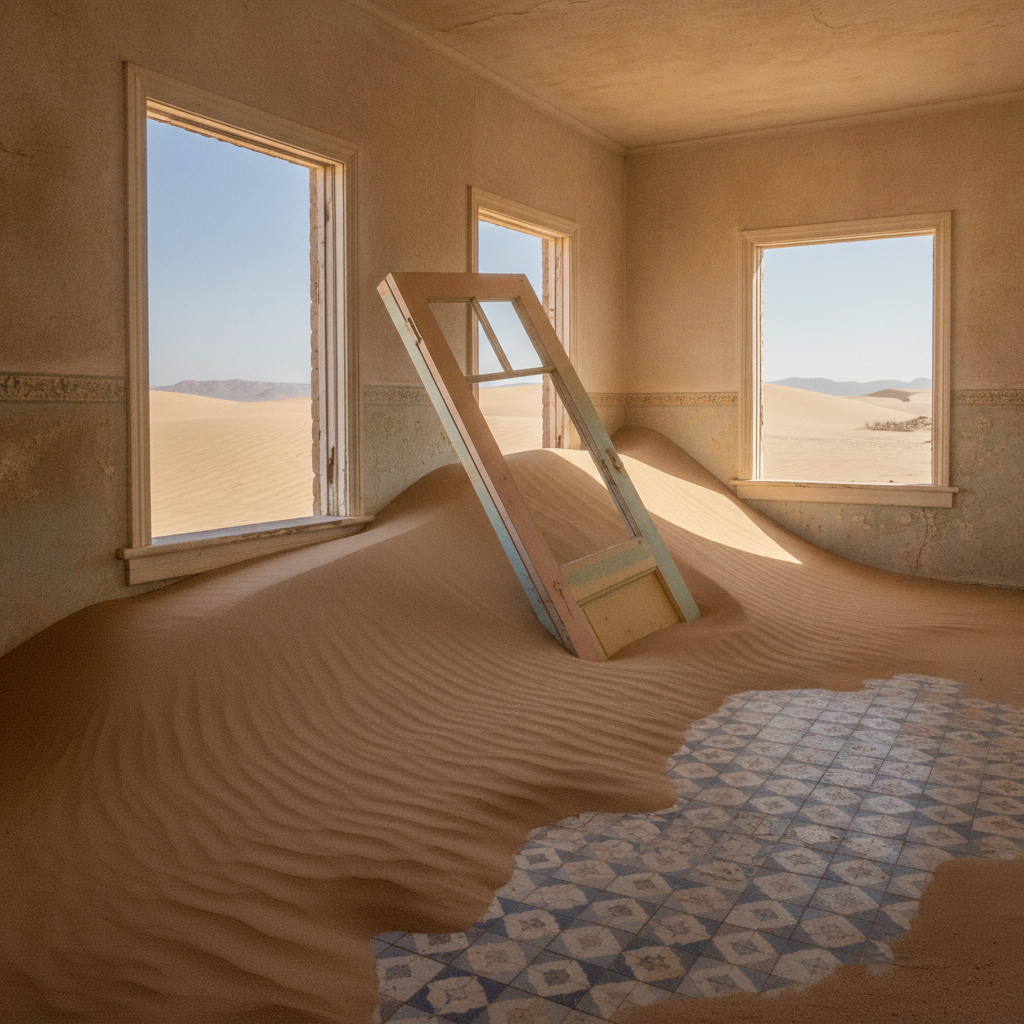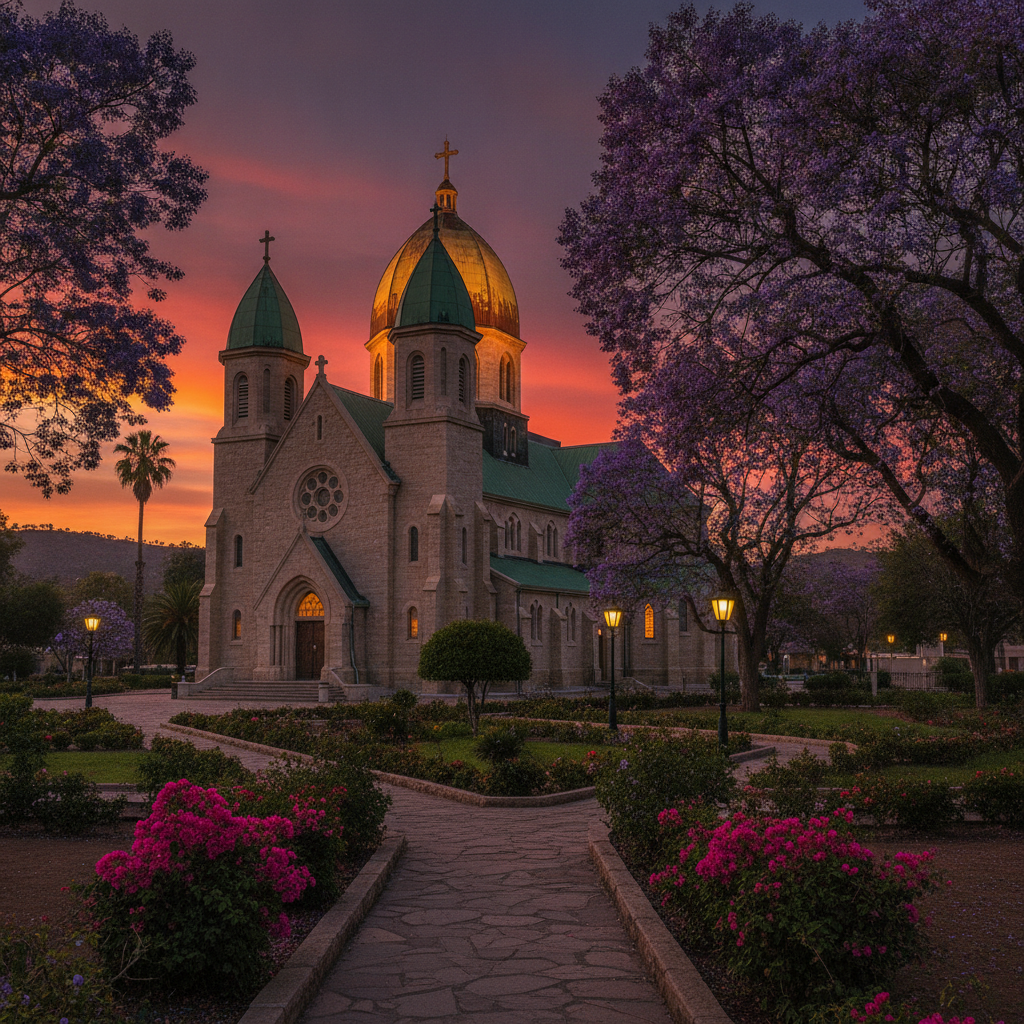
Windhoek: German Colonial Capital, the Herero Genocide, Etosha Safari, Sossusvlei Red Dunes, and the Namib Desert
Windhoek introduction: the German colonial architecture (Christuskirche, Alte Feste), the Herero and Nama genocide (the first genocide of the 20th century), Etosha National Park Big Five safari, Sossusvlei red dunes and Deadvlei, the Namib Desert, and the practical Namibia travel guide.
- 1
Windhoek - The Capital of the World Newest Nation and German Colonial Africa
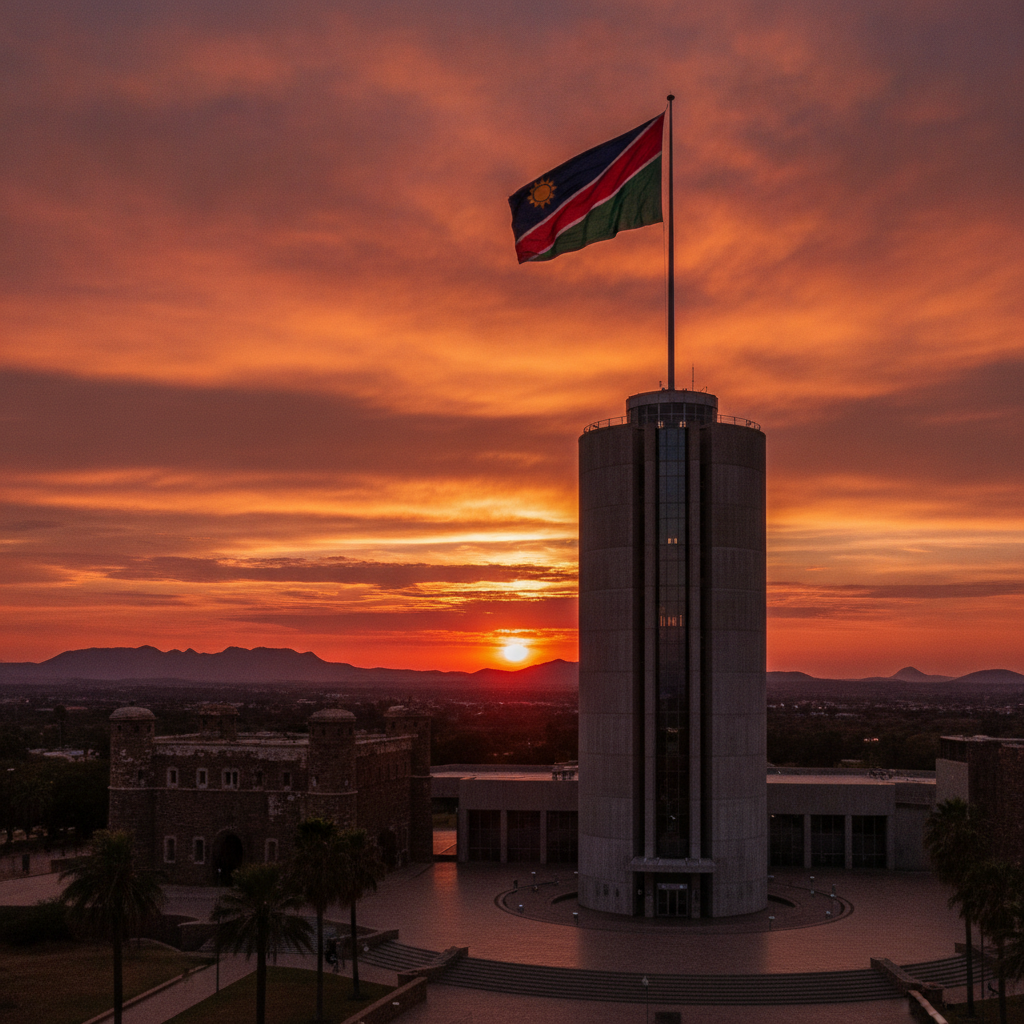
Windhoek (German: the windy corner): the capital and largest city of Namibia, a country that gained independence from South Africa only in 1990, making it one of the youngest nations in the world. Namibia was the German colony German South-West Africa (1884-1915), making Windhoek the city with the most significant surviving German colonial architecture in Africa. The downtown Windhoek skyline is still dominated by German-era buildings: the Christuskirche (the Evangelical Lutheran Church, completed 1910, the most photographed building in Namibia), the Alte Feste (the old German colonial fort, now the Independence Museum of Namibia), and the turn-of-the-20th-century German colonial commercial buildings along Independence Avenue. Windhoek is one of the smallest African capitals by population (approximately 430,000 people) but one of the cleanest, most organized, and most livable cities in sub-Saharan Africa.
- 2
The Christuskirche and German Colonial Architecture of Windhoek
The Christuskirche (Christ Church): built between 1907 and 1910 in a hybrid German Wilhelmine and Art Nouveau style on a raised hill above the Windhoek CBD, the most architecturally distinctive building in Namibia and the primary visual symbol of Windhoek. The church was built using compressed sandstone quarried near Windhoek. The Alte Feste (the Old Fort): the German colonial military headquarters of Windhoek, built in 1890 on a hill above the city (now the site of the Independence Memorial Museum). The railway station (the Windhoek railway station, completed 1912): a fine example of German colonial station architecture. The Kaiserliche Realschule (the Imperial Secondary School, now the Windhoek High School): another significant German colonial building. The Post Street Mall: the downtown pedestrian shopping area around the colonial post office, where the Meteorite Installation (a display of 33 meteorites from the Gibeon meteorite field) is installed in the pavement.
- 3
The Herero and Nama Genocide - The First Genocide of the 20th Century
The Herero and Nama genocide (1904-1908): the systematic extermination campaign carried out by the German colonial administration and military against the Herero and Nama peoples of German South-West Africa. The Herero and Nama uprising of 1904 against German colonial rule was met with a genocidal military campaign under General Lothar von Trotha. The Vernichtungsbefehl (extermination order) of October 1904 ordered the killing of all Herero men, women, and children. An estimated 65,000-80,000 Herero (approximately 80% of the total Herero population) and 10,000 Nama (approximately 50% of the Nama population) were killed through direct killing, starvation, and the concentration camps in the Namib Desert. Germany formally acknowledged the genocide and issued an apology in 2021. The genocide is considered the first genocide of the 20th century and a precursor to the systematic genocides of the Nazi era. The Independence Memorial Museum addresses the genocide in its historical narrative.
- 4
Etosha National Park - The Great White Pan and the Namibian Big Five
Etosha National Park: the flagship wildlife reserve of Namibia, approximately 4.5-5 hours drive north of Windhoek. The Etosha Pan: the vast salt flat at the center of the park (approximately 4,800 square km), one of the largest salt pans in the world. During the dry season (May-October), the water holes around the pan rim become the most concentrated game viewing sites in Africa: elephant, lion, cheetah, leopard, rhino, zebra, wildebeest, giraffe, and dozens of antelope species all concentrate at the water holes. The black rhinoceros: Etosha has one of the largest populations of black rhino (Diceros bicornis) in the world. Self-drive safari: the Etosha self-drive experience (the network of gravel roads accessible in a standard saloon car during the dry season) is one of the most accessible safari experiences in Africa for independent travelers. Recommended water holes: Okaukuejo (the floodlit waterhole offering night game viewing), Halali, and Namutoni.
- 5
The Namib Desert - The Oldest Desert and the Red Dunes of Sossusvlei
The Namib Desert: the oldest desert in the world (estimated 55-80 million years old). The Namib covers approximately 2,000 km of coastline from Angola through Namibia to the Northern Cape of South Africa. The Sossusvlei (approximately 5 hours drive southwest of Windhoek): the most iconic Namibian landscape, the enormous red dunes (colored by iron oxide from the ancient Kalahari sand swept into the Atlantic and back): Dune 45 (one of the most photographed sand dunes in the world) and the Deadvlei (the clay pan surrounded by dead camelhorn trees standing in the white clay against the red dunes: one of the most photographed landscapes in Africa). The dunes of Sossusvlei are among the highest in the world (up to 380 meters). The Skeleton Coast (the Atlantic coast of northern Namibia): named for the whale and seal bones that littered the beach in the whaling era; now the bleached bones are from the seals of the Cape Fur Seal colonies.
- 6
Windhoek Practical Guide - Beer, Biltong, and Navigating Namibia
Windhoek practical guide. The Namibian economy: mining (uranium, diamonds, gold, and semi-precious stones) and tourism. Namibia GDP per capita is one of the highest in sub-Saharan Africa but the income inequality (Gini coefficient) is among the highest in the world. The Windhoek Lager (the primary Namibian beer, brewed in Windhoek since 1920 under the German Reinheitsgebot purity law using only water, hops, yeast, and malted barley): one of the most recognizable African beers internationally. Namibian biltong: considered by many the finest biltong in southern Africa, with game meat biltong (kudu, oryx, springbok) being a Namibian specialty. Currency: the Namibian dollar (NAD), pegged 1:1 to the South African rand; South African rand is also accepted everywhere. Transport: Windhoek to Sossusvlei (approximately 5 hours drive), Windhoek to Etosha (approximately 5 hours drive). Fly-drive is the recommended mode of travel in Namibia: hire a 4x4 at Hosea Kutako International Airport and drive independently.
Walk this route with audio
Stories play automatically as you reach each stop — no tapping needed.
More in windhoek
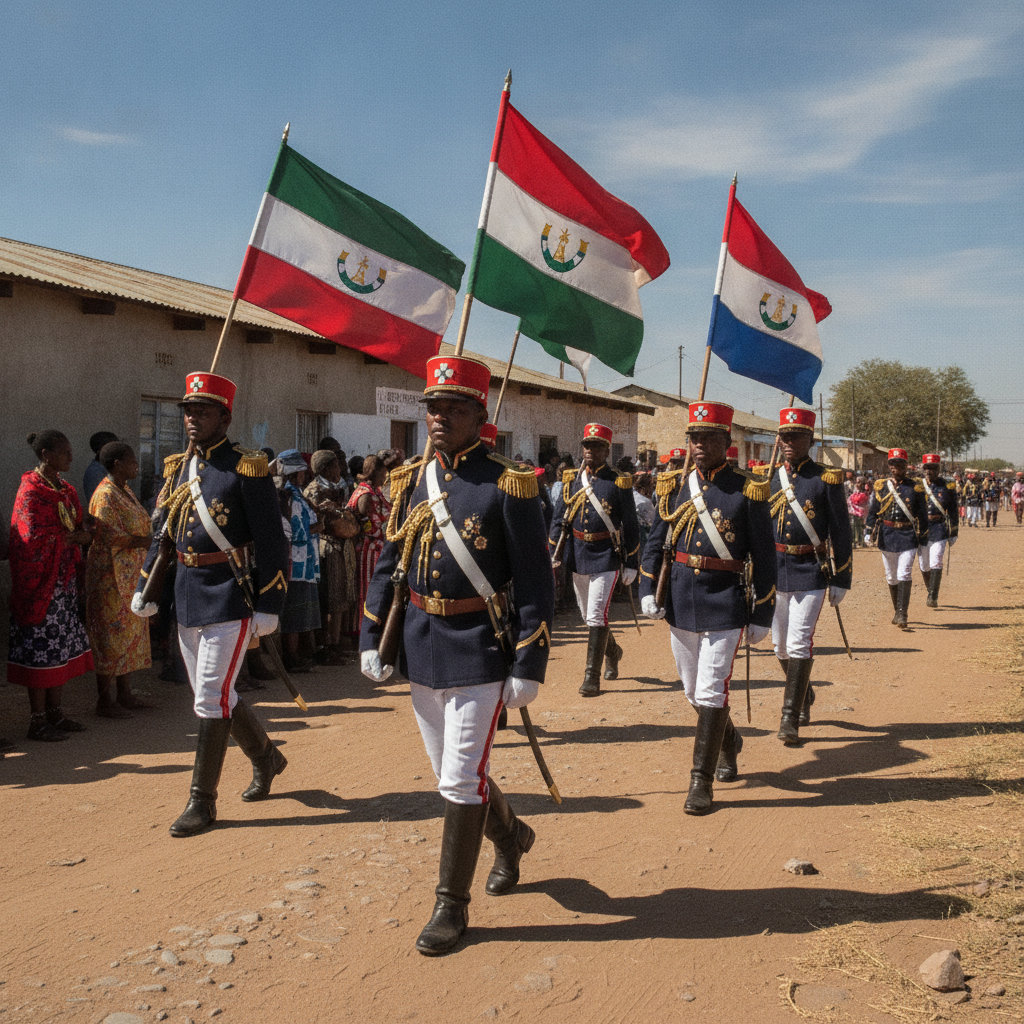
Windhoek: Okahandja Herero Memorial, Ovambo Culture, Namibian Art, Luderitz Penguins, and Independent Travel Guide
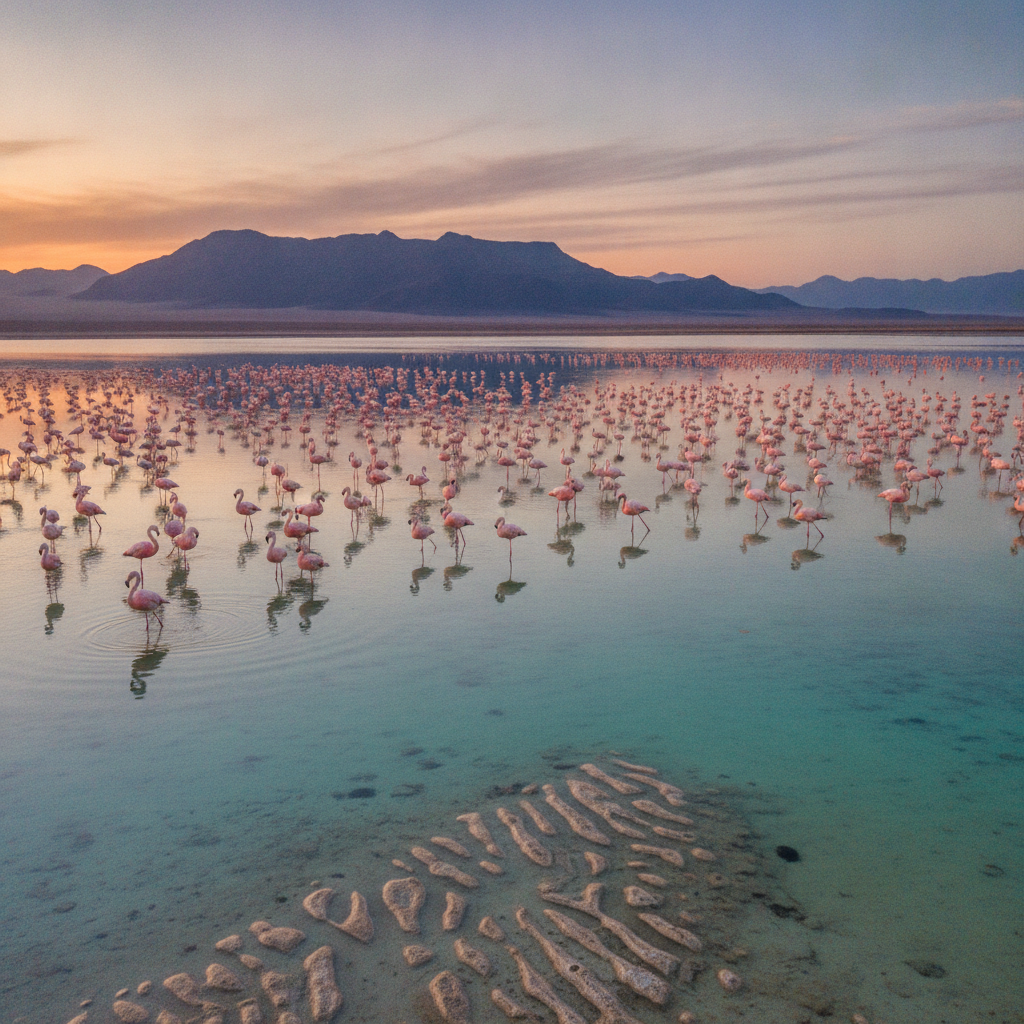
Windhoek: Walvis Bay Flamingos, Sossusvlei Geology, Twyfelfontein UNESCO Rock Engravings, Caprivi Strip, and Photography
Windhoek Final Legacy: Namibia Economy, Itinerary Planning, Community Conservancies, Cultural Diversity, and the Complete Reference