Winnipeg: The Strike That Was Called a Bolshevist Revolution and Created the NDP, the Ballet Company That Is Older Than Many Canadian Provinces and the Hockey Team That Left and Came Back
Understand that the 1919 Winnipeg General Strike ended with Mounted Police charging workers on Bloody Saturday and the arrested leader later founding the party that became the NDP and introduced universal health care, see the largest collection of contemporary Inuit art in the world in a building specifically designed with Inuit community input so 14,000 works could be displayed with cultural respect, watch the Jets play in a whiteout arena where 15,000 people in white have spent 15 years making up for losing the team to Phoenix in 1996, attend a performance by the oldest ballet company in Canada that has been touring internationally for 50 years from a city most people think of primarily for cold, look at the grave of Louis Riel in Saint Boniface whose execution in 1885 split English and French Canada and who was declared a Father of Manitoba 107 years later by the legislature, and go outside at minus 40 to watch an international architecture competition build experimental warming huts on the river ice because Winnipeg decided to treat its extraordinary cold as a cultural resource.
- 1
Winnipeg Climate and the Cold
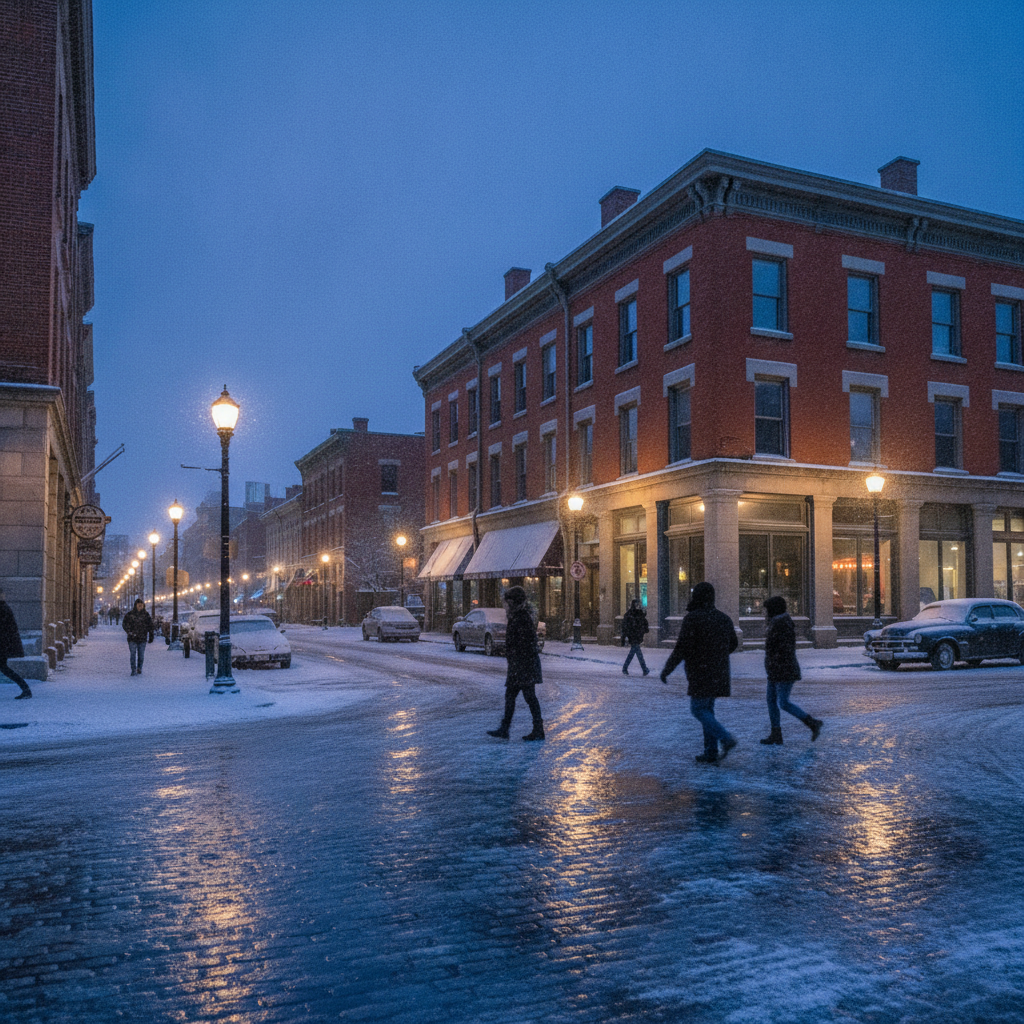
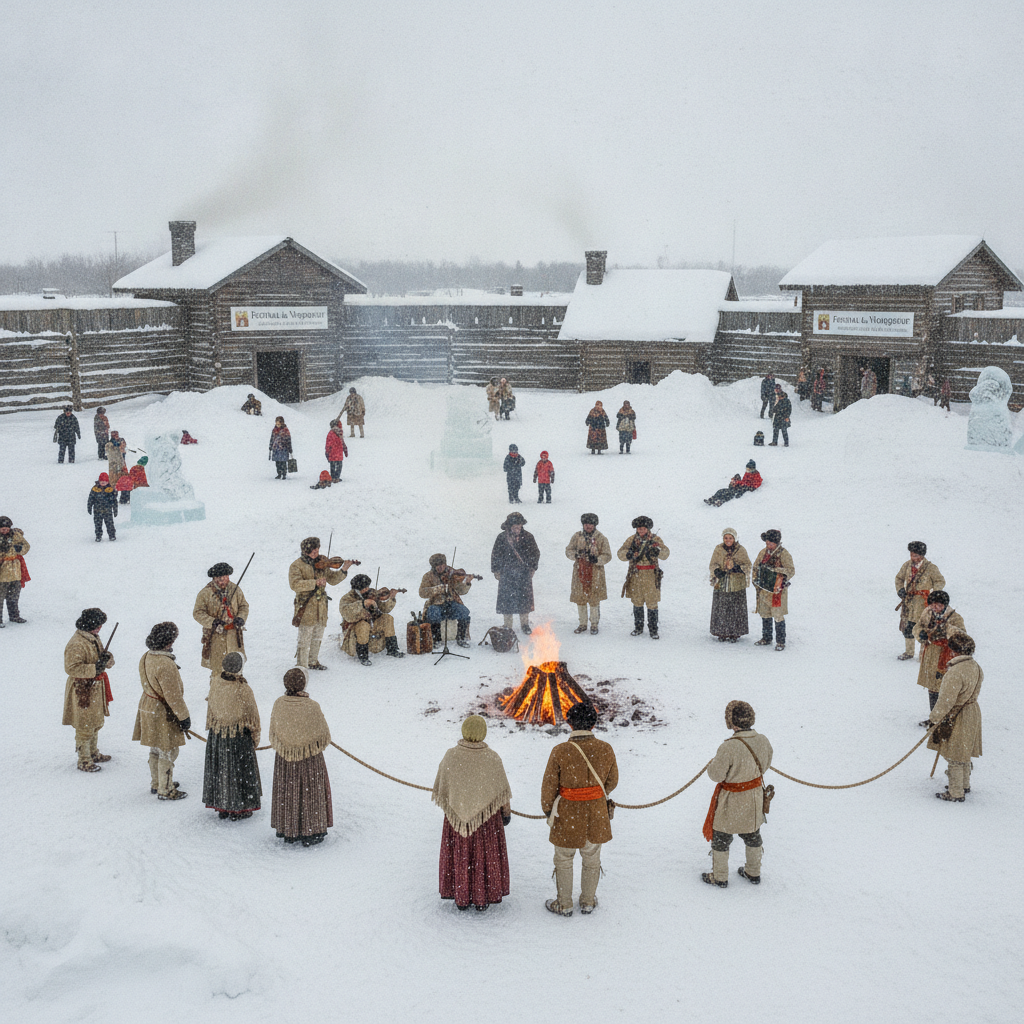
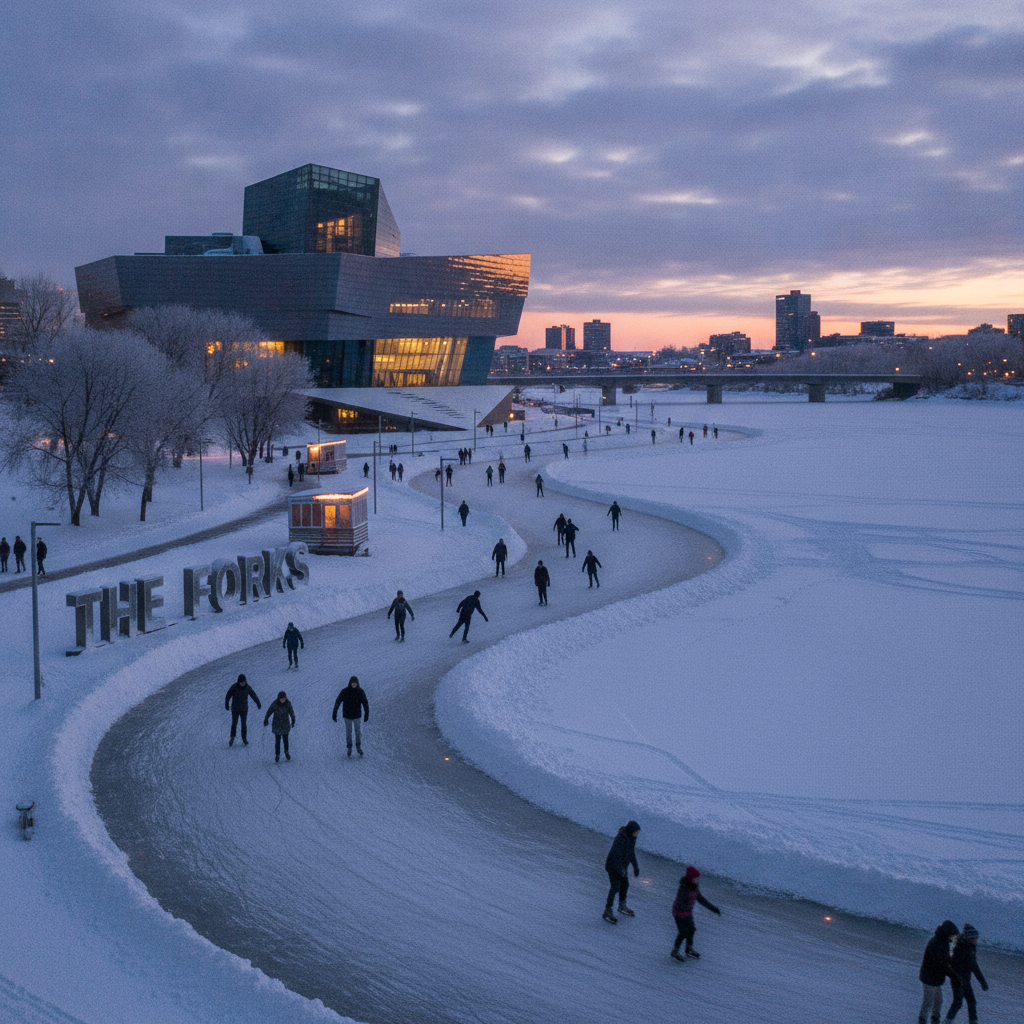
Winnipeg has the coldest winters of any major city in Canada, with average January temperatures of minus 16 Celsius and wind chill values regularly reaching minus 40 to minus 50, temperatures at which exposed skin freezes within minutes and diesel fuel gels in fuel lines. The city is colder in January than Moscow, colder than most of Siberia in practical experience, and has produced a culture of winter survival and cold celebration that is distinctive even by Canadian standards. The Winnipeg Warming Huts competition, an annual design competition held each winter that invites architects and designers from around the world to create temporary structures on the river skating trail at The Forks, has produced celebrated experimental architecture each year since 2010 and attracts entries from international firms that would not otherwise engage with Winnipeg. The Winnipeg underground walkway system, called the Winnipeg Walkway, connects hotels, office buildings, and shopping centers through several blocks of downtown tunnel, and is used extensively during the coldest days. Despite the severity of the climate, Winnipeg has developed a sophisticated outdoor winter culture with natural ice skating trails, cross-country skiing in city parks, and the Festival du Voyageur celebrations in February that treat winter as a cultural resource rather than an obstacle.
- 2
Louis Riel and Metis History
Louis Riel, born in 1844 in the Red River Colony to a Metis father and French-Canadian mother, led two resistance movements against Canadian federal authority in 1869 and 1885 defending the rights of Metis people, the mixed-ancestry community of French-Canadian fathers and Indigenous mothers who had developed a distinct culture in the Red River region over generations of the fur trade. The 1869 Red River Resistance arose when Canada purchased Rupert's Land from the Hudson Bay Company without consulting the Metis who lived there, and Riel led the provisional government that negotiated the terms under which Manitoba entered Confederation in 1870, securing French language rights and land grants for Metis families. The 1885 Northwest Resistance at Batoche in Saskatchewan was crushed by the Canadian military, and Riel was captured, tried for high treason in Regina, and hanged on November 16, 1885, over the objections of Quebec which viewed him as a defender of French-Canadian rights and the protests of supporters across the country. The execution of Riel is considered one of the most divisive acts in Canadian political history, inflaming French-English tensions and creating the political conditions for the Parti national in Quebec. Riel was declared a Father of Manitoba and a Defender of Metis Rights by the Manitoba legislature in 1992.
- 3
Winnipeg Art Gallery and Indigenous Art
The Winnipeg Art Gallery, the oldest civic art gallery in western Canada founded in 1912, holds the largest collection of contemporary Inuit art in the world, with over 14,000 works representing every Inuit artistic tradition from sculptures in soapstone, bone, and ivory to prints, drawings, and textiles. The Qaumajuq gallery, a major expansion of the WAG opened in 2021 specifically for the Inuit art collection, is the largest public collection of contemporary Inuit art in any institution and was designed with input from Inuit communities across Canada to ensure that the works were displayed in ways respectful of their cultural context. The main WAG building, a 1971 brutalist concrete structure on Memorial Boulevard, holds significant collections of Manitoban, Canadian, and European art including major works by Winnipeg-born Lionel LeMoine FitzGerald, a member of the Group of Seven. The Winnipeg arts community is unusually productive relative to the city size, with a higher proportion of practicing artists than most Canadian cities of comparable population, partly because the relatively low cost of living and available studio space in heritage buildings of the Exchange District support creative careers.
- 4
Winnipeg Jets Hockey and MTS Centre
The Winnipeg Jets NHL franchise, lost to Winnipeg when the original Jets relocated to Phoenix as the Phoenix Coyotes in 1996 after years of financial difficulty in a small Canadian market, returned to Winnipeg in 2011 when the Atlanta Thrashers franchise relocated north, creating one of the most enthusiastic fan receptions in NHL history as Winnipeg residents greeted the team arrival with celebrations that reflected 15 years of longing for NHL hockey. The Canada Life Centre, opened in 2004 as the MTS Centre and renamed for its current naming rights sponsor, is an 15,321-seat arena in the downtown core that consistently sells out Jets games with one of the loudest and most passionate fan atmospheres in the NHL. The Jets fan culture, anchored by the organization called the Whiteout Party Crew which facilitates white-out crowd coordination during playoffs, created the Winnipeg whiteout tradition in which Jets fans wear entirely white to home playoff games and fill the arena with a visually distinctive sea of white. The Winnipeg Free Press and Winnipeg Sun coverage of the Jets is among the most intense local sports media coverage in Canada relative to market size. The loss of the original Jets in 1996 and the return in 2011 is the defining sports narrative of the city and shapes how Winnipeg residents relate to the franchise with a possessiveness born of experience with loss.
- 5
Winnipeg Theatre and Performing Arts
Winnipeg has one of the strongest theatre and performing arts communities in Canada relative to its size, with the Royal Manitoba Theatre Centre, founded in 1958 as the first English-language regional theatre in Canada and the model for regional theatre development across the country, presenting a season of productions at the Mainstage and Tom Hendry Warehouse Theatre in the Exchange District. The Royal Winnipeg Ballet, founded in 1939 and the oldest ballet company in Canada and one of the oldest in North America, is consistently ranked among the finest ballet companies in Canada and has toured internationally for over 50 years. The Prairie Theatre Exchange, the Manitoba Theatre for Young People, and numerous fringe and independent theatre companies make Winnipeg a city with unusual theatrical density. The Winnipeg Fringe Theatre Festival, held annually since 1988 in the Exchange District, is the second largest fringe festival in North America after the Edmonton Fringe and has been a launching pad for Canadian playwrights and performers. The Manitoba Opera and the Winnipeg Symphony Orchestra perform at the Centennial Concert Hall, a 1968 performing arts complex in the Broadway cultural corridor. The richness of Winnipeg arts is attributed to the relative affordability of the city for working artists, the strong Indigenous and Metis cultural traditions that infuse performance, and a civic culture that values arts as essential rather than supplementary.
- 6
Winnipeg 1919 General Strike
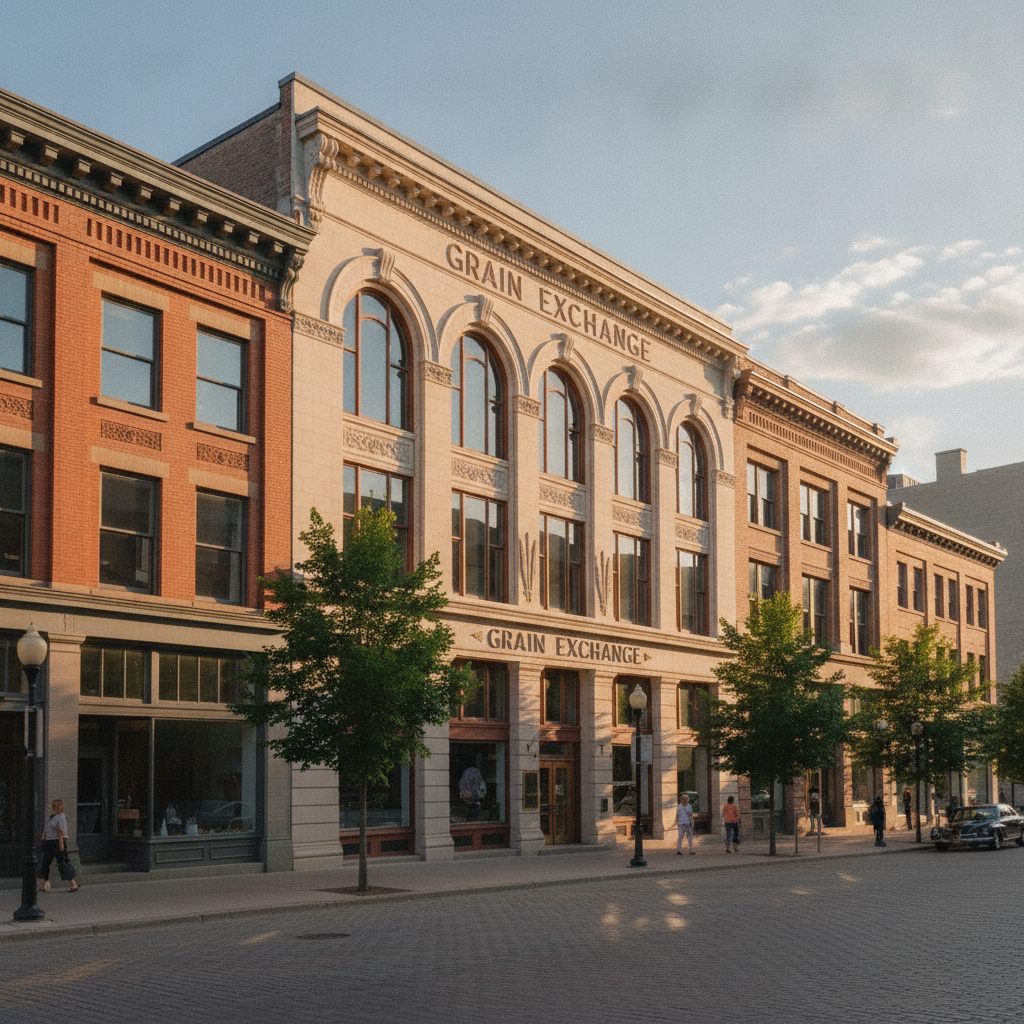
The Winnipeg General Strike of May 15 to June 25, 1919, a six-week strike in which 35,000 workers walked off the job and paralyzed the city in a dispute over collective bargaining rights, wages in the metal and building trades, and the broader question of whether workers had the right to organize across industries, is the most significant labour action in Canadian history and shaped the development of Canadian social democratic politics for the next 50 years. The strikers, led by a Central Strike Committee that included future cooperative and CCF founders, maintained essential services including milk and bread delivery to avoid civilian hardship. The federal government declared the strike a Bolshevist revolution and sent the Royal North-West Mounted Police and special constables to suppress it. On June 21, 1919, called Bloody Saturday, the RNWMP charged a crowd of strikers on Main Street, killing two men, wounding dozens, and arresting eight strike leaders. The strike ended June 25. The arrested leaders were tried and convicted but many were later elected to public office: J.S. Woodsworth, arrested for seditious libel, later founded the Co-operative Commonwealth Federation, predecessor to the NDP. The Ukrainian Labour Temple on Pritchard Avenue in the North End, where strike meetings were held, is now a National Historic Site. The legacy of the General Strike is visible in the Canadian labour law framework, universal health care, and the NDP political tradition.
Walk this route with audio
Stories play automatically as you reach each stop — no tapping needed.
More in Winnipeg
Winnipeg: The Masonic Temple Hiding in the Legislature Dome, 900 Polar Bears Waiting for a Bay That Is Freezing Later Every Year and the City Where Neil Young Learned to Play Guitar
Winnipeg: The Second Largest Bus Manufacturer in North America Building Electric Buses, the World Oldest Multicultural Festival With 40 Pavilions and the Finest Freshwater Beach in Canada 90 Minutes Away
Winnipeg: The Geographic Centre of North America, the Museum Built on the Site Where Two Rivers Have Met Humans for 6000 Years and the City That Is Colder Than Moscow in January
Winnipeg: The Ship That Founded the Hudson Bay Company in a Museum, the 1870 Land Grants That Were Stolen by Speculators and the Prairie Sky That Displays Lightning Like a Natural Theatre

Winnipeg: The Ukrainian Olympic Hockey Champions Who Were Not Allowed to Join the WASP Hockey Establishment, the Most Endangered Ecosystem in North America and the First Provincial Human Rights Code in Canada