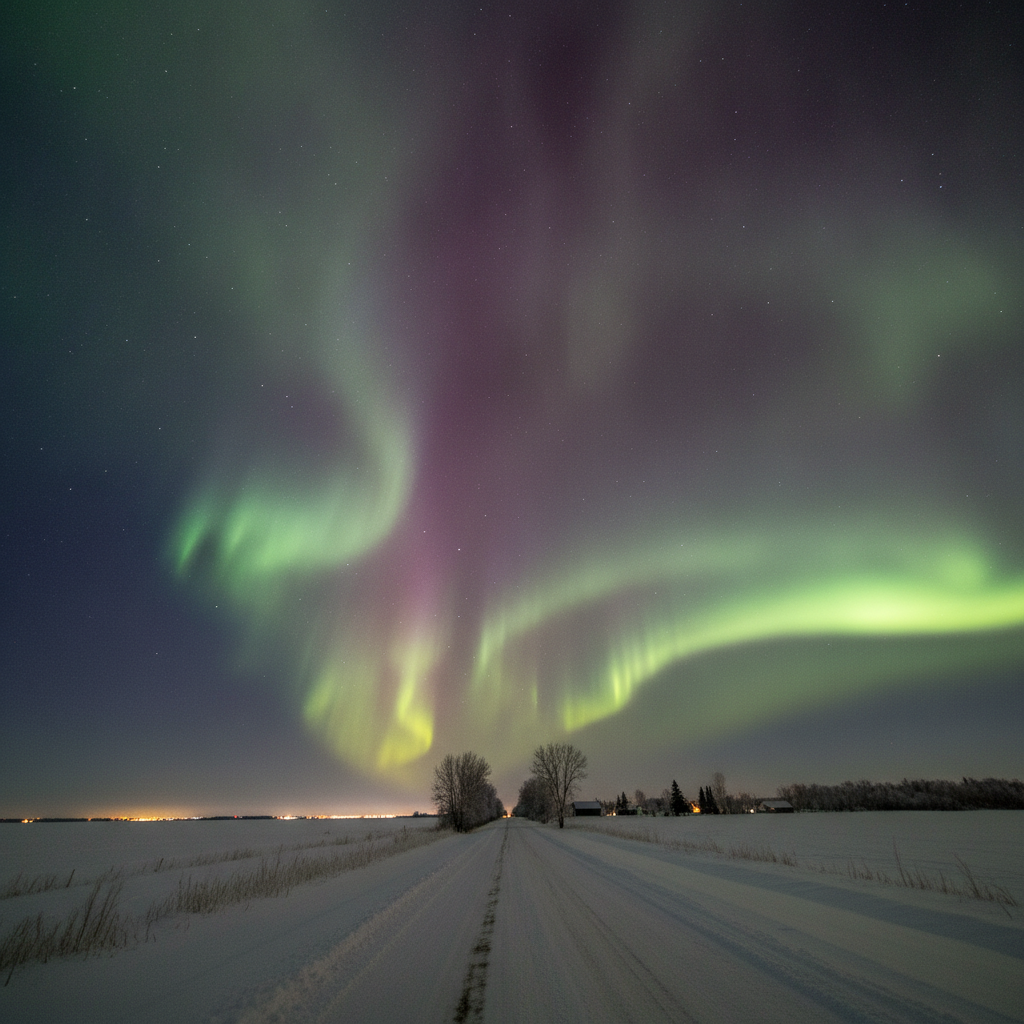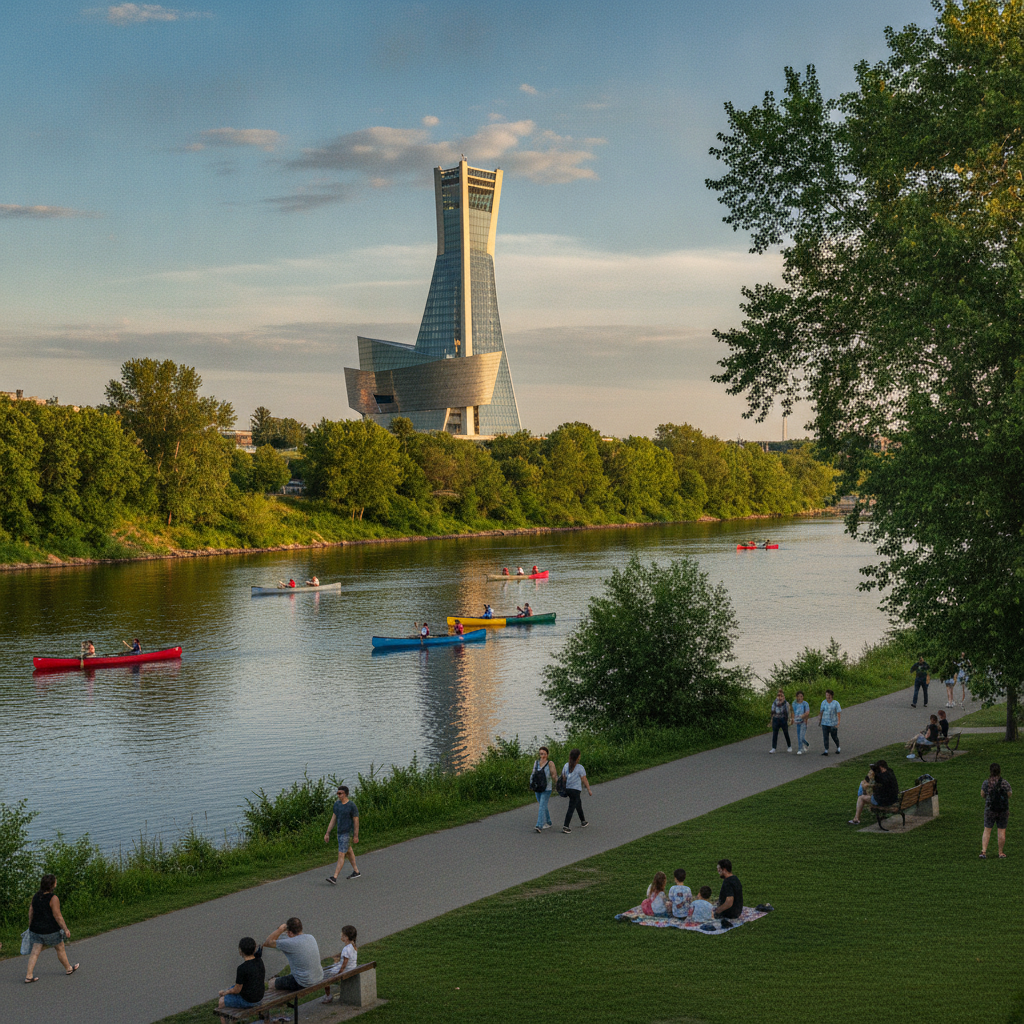
Winnipeg: The Colony Destroyed in 1816 and Rebuilt, the Supreme Court Land Claim That Changed How Canada Consults Indigenous Peoples and the Guy Maddin Film That Explains Why Cold Produces Culture
Drive 32 kilometres north to Lower Fort Garry, the best-preserved fur trade fort in Canada where the stone buildings from the 1830s still stand inside intact walls and the story of the Selkirk settlers who rebuilt their colony after it was destroyed in 1816 is told with unusual honesty, understand the Kapyong Barracks Treaty 1 Nations land claim that reached the Supreme Court and established that Canada must consult Indigenous peoples before disposing of surplus crown lands in treaty territories as a precedent that applies nationwide, read that Indigenous children make up over 90 percent of children in Manitoba government care and then walk through the North End to see the social service organizations trying to address a crisis that multiple government reports have failed to resolve, find Carol Shields who won the Pulitzer Prize from this city and Miriam Toews whose Women Talking began as a Mennonite community investigation and became an Oscar-nominated film, watch Guy Maddins My Winnipeg to understand how the cold and the flat and the isolation produce a creative intensity that makes the city disproportionately productive in culture, and decide whether Winnipeg is a city you understand better by the time you leave.
- 1
Winnipeg River System and Lake Winnipeg
Lake Winnipeg, the 10th largest freshwater lake in the world at 24,514 square kilometres, lying 68 kilometres north of the city and draining a watershed that extends from the Rocky Mountains to Ontario, receives the outflows of the Red River and Winnipeg River and is the terminal point of the entire Red-Assiniboine drainage system that defines Winnipeg geography. The lake provides boating, fishing for walleye, sauger, and whitefish, and beach recreation at Grand Beach Provincial Park where the fine sand beaches and warm shallow water attract over 2 million visits annually, making it one of the most used provincial parks in Canada. The Lake Winnipeg ecosystem has been severely impacted by blue-green algae blooms driven by phosphorus loading from agricultural runoff throughout the watershed, a problem affecting the entire basin. The Winnipeg River, entering Lake Winnipeg from Ontario, is one of the most powerful rivers in Manitoba and was a primary voyageur route from the Great Lakes to the western interior. The International Joint Commission between Canada and the United States manages shared watershed issues on the Red River that drains from North Dakota and Minnesota through Manitoba. The water management challenges of the Red-Assiniboine-Lake Winnipeg system involve agriculture, municipal water supply, flood control, recreation, and Indigenous fishing rights in a complex interjurisdictional negotiation.
- 2
Winnipeg Arts Scene and Creative Industries
Winnipeg creative industries sector, including film, television, video game development, and digital media, has grown significantly since 2010 through provincial tax credits and the development of media production infrastructure. Frantic Films, the largest VFX company in western Canada, and several smaller animation and game studios have established Winnipeg as a minor but growing center for digital creative work. The Manitoba Film and Music organization coordinates industry development and the filming of productions in Winnipeg and across the province. The Exchange District, with its heritage commercial buildings, has been used as a filming location for dozens of Canadian and American productions requiring period architecture. The Writers Guild of Canada has a significant Manitoba membership producing screenplays, novels, and non-fiction. The Winnipeg literary scene, while modest in size, has produced internationally recognized writers including Carol Shields, whose novel The Stone Diaries won the Pulitzer Prize in 1995 and the Governor General Award, and Miriam Toews, whose novels including A Complicated Kindness and Women Talking have been adapted to film. Winnipeg has a thriving small press and zine culture, and the University of Manitoba MFA program in creative writing has been a center for literary development in the province.
- 3
Winnipeg Remembrance Day and Military Heritage
Winnipeg has a significant military heritage reflecting its role as a major mobilization and training center during both World Wars, when tens of thousands of prairie soldiers shipped from Winnipeg for service in Europe. The Kapyong Barracks in the Tuxedo neighborhood, a 64-acre military installation that was the home of Princess Patricia Canadian Light Infantry regiment in Winnipeg and was vacated in 2004, has been the subject of a decade-long redevelopment dispute involving the Treaty 1 Nations who claimed the land under their treaty rights in a case that reached the Supreme Court of Canada. The Treaty 1 Nations claim, upheld in principle by the courts, established that the federal government had an obligation to consult Indigenous peoples before disposing of surplus crown lands in treaty territories, setting a significant precedent for land consultation across Canada. The National War Memorial observation at Winnipeg, held at the Cenotaph in Memorial Park adjacent to the Legislature, draws large crowds on November 11 each year. The Manitoba Military Museum at Kapyong Barracks documents the province military history. The Princess Patricia Canadian Light Infantry, a regiment with roots in Winnipeg, served with distinction in Korea at the Battle of Kapyong in 1951, for which the regiment received a Presidential Unit Citation from the United States.
- 4
Winnipeg Red River Colony Origins
The Red River Colony, founded in 1812 by Thomas Douglas, the 5th Earl of Selkirk, as an agricultural settlement for destitute Scottish Highland crofters displaced by the Highland Clearances, established the first permanent agricultural settlement in the Canadian interior at the confluence of the Red and Assiniboine rivers, creating the community that would become Winnipeg. The Selkirk settlers, arriving in small groups from 1812 to 1815, endured extraordinary hardships including the destruction of their settlement at Seven Oaks by the North West Company in 1816, in which 21 settlers and their governor Robert Semple were killed by a group of Metis allied with the NWC in what is called the Battle of Seven Oaks. The settlement was rebuilt and persisted, ultimately drawing Metis, French-Canadian, and British settlers to form the diverse Red River society of the mid-19th century that produced the Metis cultural and political identity that Riel would later defend. The Selkirk story is told at the Lower Fort Garry National Historic Site on the Red River 32 kilometres north of Winnipeg, the best-preserved fur trade fort in Canada, built in stone by the HBC in the 1830s with its original warehouse, officers quarters, and Big House still standing within intact stone walls.
- 5
Winnipeg Homelessness and Social Services
Winnipeg has a visible and serious homelessness and poverty crisis concentrated in the downtown core and the inner North End, driven by the intersection of Indigenous poverty, the legacy of residential schools, mental health and addiction challenges, housing unaffordability, and the failure of social services to adequately address the needs of the urban Indigenous population that migrates to Winnipeg from northern reserves. The Main Street strip from the downtown to the North End has the highest concentration of social service organizations, shelters, and addiction treatment facilities in the province. The Main Street Project, a Winnipeg organization providing harm reduction, shelter, and outreach services, has operated in the inner city for decades and is considered one of the most effective urban social service organizations in Canada. The Point Douglas neighborhood adjacent to the North End has been the focus of urban renewal efforts that have struggled to address the root causes of poverty rather than displacing the population. The provincial government investment in social housing in Winnipeg, while significant, has not kept pace with the need created by the combination of population growth, housing cost increases, and the continuing migration of Indigenous people from reserves. The issue of Indigenous overrepresentation in the child welfare system, with Indigenous children comprising over 90 percent of children in Manitoba government care, is a specific crisis that multiple government reports and TRC recommendations have addressed without adequate resolution.
- 6
Winnipeg Identity and Prairie Consciousness
Winnipeg occupies an unusual position in the Canadian geographic imagination: the cold, flat, isolated prairie city where the wind never stops and culture somehow thrives in inverse proportion to the comfort. The city has produced more artists, musicians, writers, and cultural figures relative to its size than almost any Canadian metropolitan area, and has been the source of social democratic political movements including the CCF founding that shaped Canadian social policy for generations. Guy Maddin identified Winnipeg psychological landscape as a combination of cold, memory, and civic mythology in My Winnipeg, a film that captures something real about how residents relate to their city with a possessiveness born of knowing that almost nobody else chooses to come here. The Winnipeg arts community is united by the shared experience of isolation and cold that forces creative people into sustained indoor collaboration during six months of winter, producing theatrical and musical and literary work that has a characteristic intensity. The city has developed a sophisticated ironic pride in its cold and flat and overlooked status, making the Winnipeg winter experience part of the civic identity rather than an embarrassment. Visitors who engage with Winnipeg on its own terms, rather than comparing it to warmer and more obviously attractive Canadian cities, consistently report a depth and authenticity of experience that surprises them.
Walk this route with audio
Stories play automatically as you reach each stop — no tapping needed.
More in Winnipeg
Winnipeg: The Masonic Temple Hiding in the Legislature Dome, 900 Polar Bears Waiting for a Bay That Is Freezing Later Every Year and the City Where Neil Young Learned to Play Guitar
Winnipeg: The Second Largest Bus Manufacturer in North America Building Electric Buses, the World Oldest Multicultural Festival With 40 Pavilions and the Finest Freshwater Beach in Canada 90 Minutes Away
Winnipeg: The Strike That Was Called a Bolshevist Revolution and Created the NDP, the Ballet Company That Is Older Than Many Canadian Provinces and the Hockey Team That Left and Came Back
Winnipeg: The Geographic Centre of North America, the Museum Built on the Site Where Two Rivers Have Met Humans for 6000 Years and the City That Is Colder Than Moscow in January
Winnipeg: The Ship That Founded the Hudson Bay Company in a Museum, the 1870 Land Grants That Were Stolen by Speculators and the Prairie Sky That Displays Lightning Like a Natural Theatre