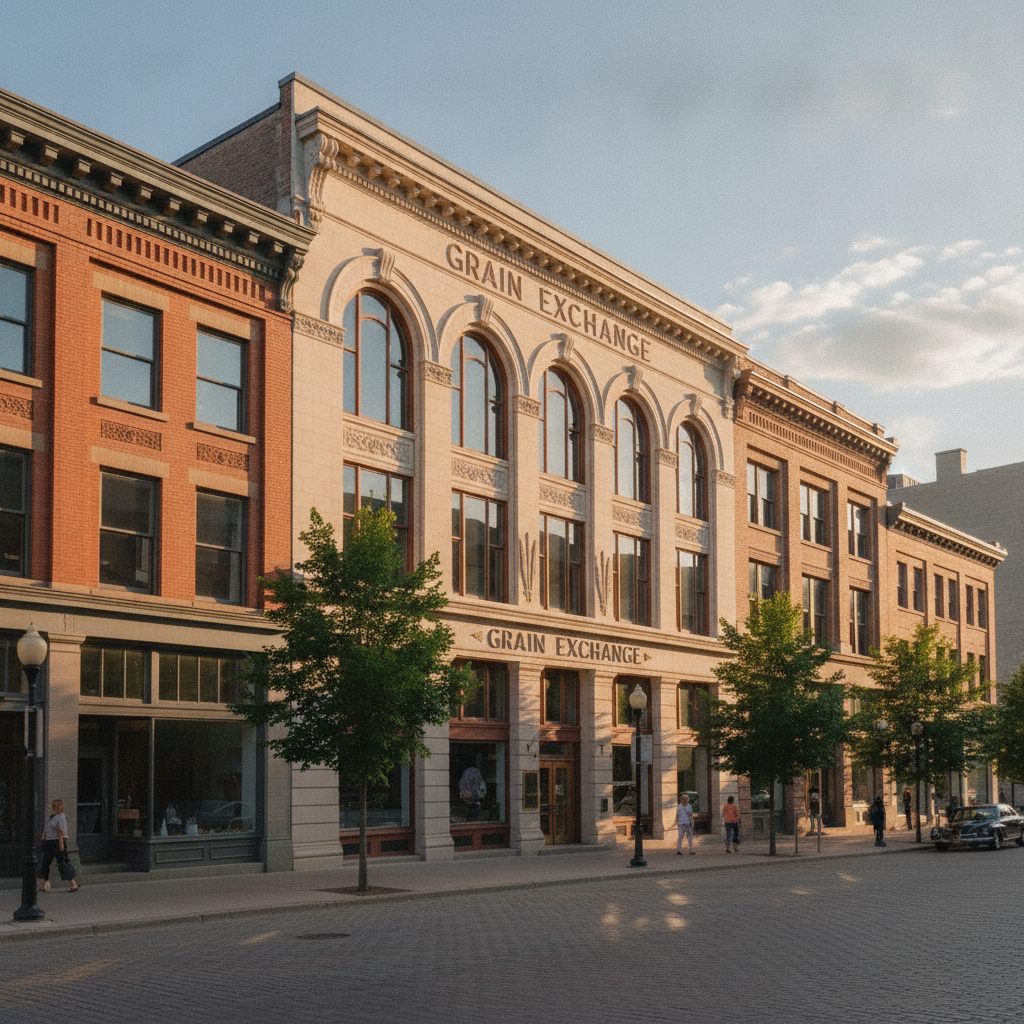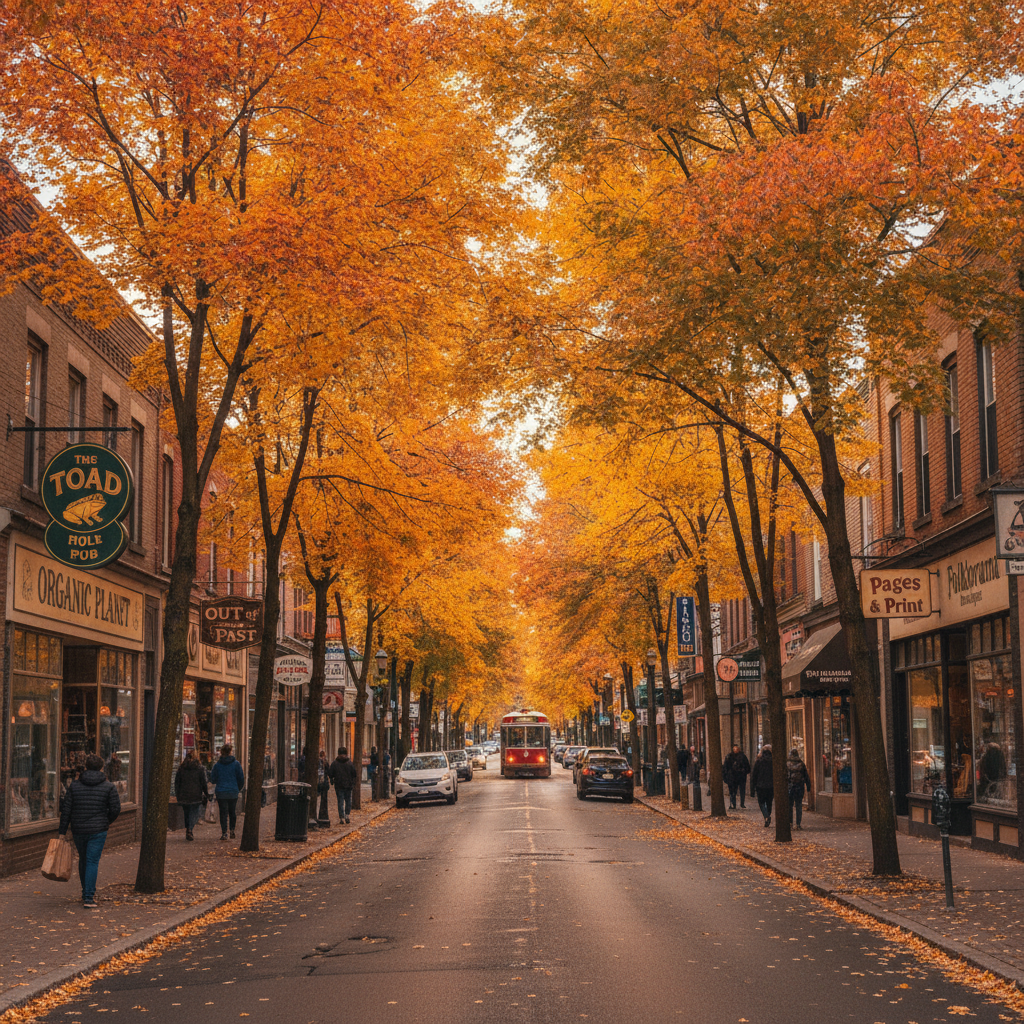
Winnipeg: The Ship That Founded the Hudson Bay Company in a Museum, the 1870 Land Grants That Were Stolen by Speculators and the Prairie Sky That Displays Lightning Like a Natural Theatre
See the full-scale replica of the Nonsuch ketch in the Manitoba Museum and understand that this 17-metre ship sailed to Hudson Bay in 1668 and returned with enough beaver pelts to convince a group of English investors to found the company that would control the interior of North America for 200 years, read the Manitoba Act of 1870 and then read the subsequent history of Metis land grants that were delayed and manipulated until speculators had acquired most of them for nominal prices and the families had been driven west, find the oldest smoked meat and challah in western Canada in River Heights where the Winnipeg Jewish community moved from the North End and still maintains its cultural institutions, walk to Oodena Celebration Circle at The Forks where reconciliation architecture sits on 6000 years of Indigenous use of the same river confluence, eat at an independent restaurant in Osborne Village then walk Corydon Avenue from Italian gelato to Vietnamese pho to Ukrainian perogies in four blocks, and drive west to the Manitoba Escarpment at sunset to watch the thunderstorm build on the flat prairie horizon where no mountain or building interrupts the view from earth to atmosphere.
- 1
Winnipeg Red River Resistance and Confederation
The Red River Resistance of 1869 to 1870, in which Louis Riel led the Metis community to resist annexation by Canada after the Canadian government purchased Rupert's Land from the Hudson Bay Company without consulting the people who lived there, was the founding crisis of Manitoba and one of the most consequential episodes in Canadian history. The Metis provisional government established by Riel negotiated the Manitoba Act of 1870, which created Manitoba as a province with guarantees of French language rights, a dual Protestant and Catholic school system, and 1.4 million acres of land to be distributed to Metis families. The execution of Thomas Scott, an Ontario Orangeman who was captured by the provisional government and executed by a Metis firing squad in March 1870 for sedition, inflamed anti-Metis and anti-Catholic sentiment in Ontario and set in motion the political forces that would eventually condemn Riel himself to execution in 1885. The Canadian military expedition that arrived in Red River in August 1870 forced Riel to flee to the United States, beginning his years of exile. The land grants promised to Metis families under the Manitoba Act were systematically undermined through bureaucratic delays and legal mechanisms that allowed speculators to acquire the grants at nominal prices, displacing Metis families from the Red River region and driving many west to Saskatchewan where the 1885 resistance occurred.
- 2
Winnipeg Museum and Natural History
The Manitoba Museum on Main Street north of the Broadway corridor, comprising a natural history museum, planetarium, and science gallery in a 1970 building that has recently received significant renovation investment, holds the most significant collection of Manitoba natural history and human history, including the replica of the ketch Nonsuch, a 17-metre ship that in 1668 sailed from England to Hudson Bay carrying the first commercial cargo of beaver pelts that triggered the founding of the Hudson Bay Company in 1670. The full-scale Nonsuch replica in the museum, built in 1970 to commemorate the HBC centennial, is one of the most dramatic museum installations in Canada. The natural history galleries cover the geology and ecology of Manitoba from the Precambrian shield of the north through the prairie grassland of the south. The planetarium presents astronomy programming and laser shows. The museum also holds significant Metis and First Nations collections documenting the cultures of the peoples who inhabited Manitoba before European contact. The Manitoba Archives, housed in a separate facility, holds the documentary history of the province including the Red River Colonys settlement records, Hudson Bay Company trading post journals, and official government records from 1870 onward. The legislative library at the Legislature holds the most significant historical collection of Manitoba political documentation.
- 3
Winnipeg Jewish Heritage
The Winnipeg Jewish community, one of the oldest in western Canada, traces its presence to the 1880s when Russian Jewish immigrants fleeing the pogroms under Tsar Alexander III arrived in Manitoba as part of the general wave of eastern European immigration. At its peak in the mid-20th century, the Winnipeg Jewish community numbered approximately 20,000 people, making it the third largest in Canada after Montreal and Toronto, and was concentrated in the North End neighborhoods of Selkirk Avenue and Main Street before dispersing to the River Heights and Tuxedo areas. The Jewish Cultural Centre and the Shaarey Zedek Synagogue, the dominant institution of the Winnipeg Jewish community founded in 1889, continue in River Heights. The Jewish community produced several notable Winnipeg cultural figures including the novelist Adele Wiseman, whose novel The Sacrifice won the Governor General Award in 1956, and Jack Cantor, a pioneer of Canadian broadcasting. The North End delicatessen tradition, with its smoked meat, pickled herring, and challah, is preserved in a few remaining establishments. The Holocaust Gallery at the Canadian Museum for Human Rights includes testimony from Winnipeg Jewish Holocaust survivors. The Rosh Hashanah and Yom Kippur services at Shaarey Zedek draw the largest Jewish community gatherings in western Canada outside of the Vancouver and Calgary High Holy Day observances.
- 4
Winnipeg Reconciliation Architecture and Public Spaces
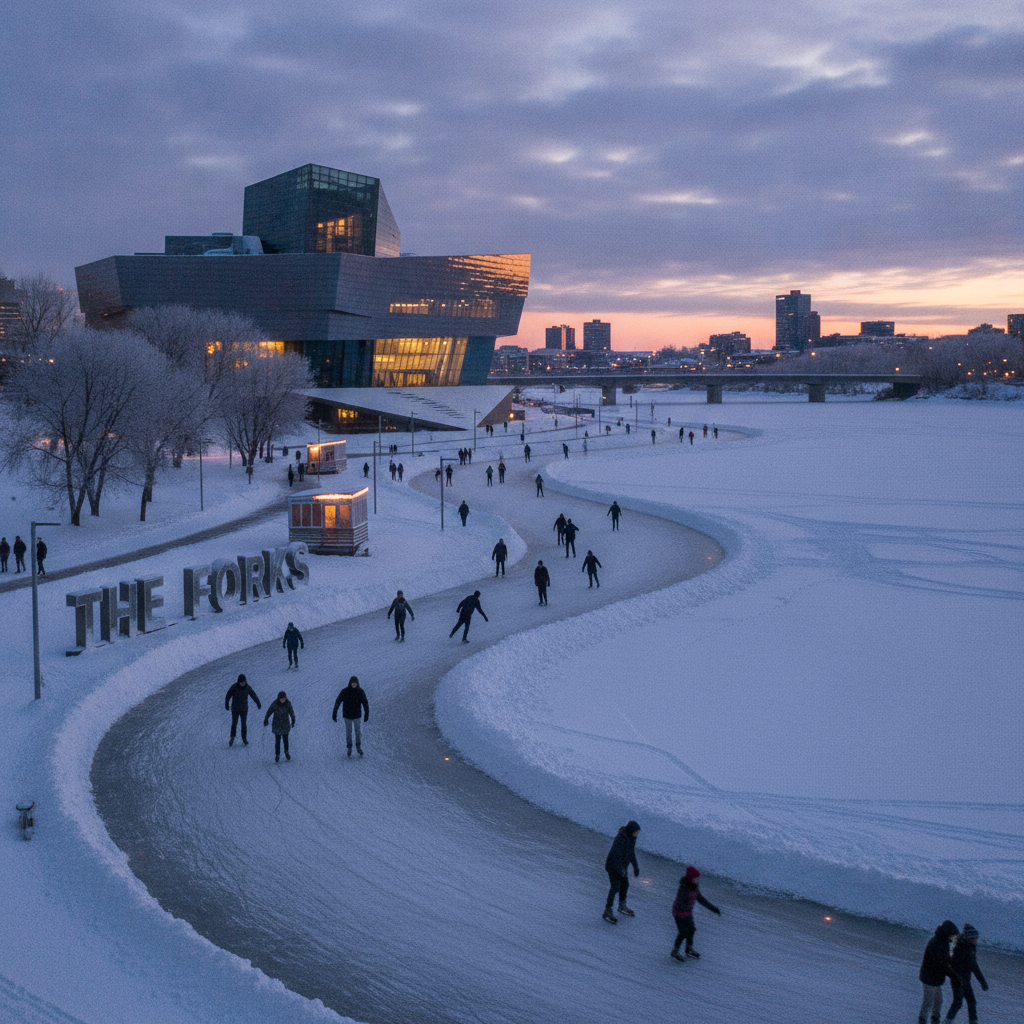
Winnipeg has invested significantly in reconciliation-focused public art, architecture, and naming since 2015, reflecting both the Truth and Reconciliation Commission calls to action and the particular urgency of reconciliation in a city with the largest urban Indigenous population in Canada. The Oodena Celebration Circle at The Forks, a circular gathering space designed with Indigenous aesthetic principles, is used for ceremonies, public events, and daily gathering. The Niimi Naan on the Red River Mutual Trail, an installation honoring Anishinaabe teachings about the four seasons and the cycle of life, is one of several public art installations incorporating Indigenous knowledge along the river pathways. The renaming of streets, parks, and institutions to reflect Indigenous place names and histories has been an ongoing process in Winnipeg, with the renaming of several streets and parks generating both support and resistance from established community groups. The Bear Clan Patrol nightly safety patrol in the North End, which operates with volunteer community members rather than police, has become a model for community-based safety responses that center Indigenous needs. The Thunderbird House on Main Street north of downtown, an Indigenous cultural center opened in 1999 and designed by Douglas Cardinal, provides cultural programming, traditional healing, and community gathering space for the urban Indigenous population.
- 5
Winnipeg Osborne Village and River Heights
Osborne Village, the neighborhood south of the Assiniboine River accessible by the Osborne Street bridge from downtown, is the most active and cosmopolitan residential neighborhood in Winnipeg, with independent restaurants, coffee shops, vintage clothing stores, bookshops, and apartments in a mix of Victorian houses and low-rise apartment buildings from the 1920s through the 1970s on streets lined with mature elms. The Osborne Street commercial strip from the bridge south to Corydon Avenue has the highest concentration of independent businesses in Winnipeg. The Corydon Avenue commercial strip, extending west from Osborne, is known as Little Italy from its historical concentration of Italian immigrants, and retains a gelateria, Italian restaurants, and delicatessens alongside newer Asian, Middle Eastern, and international restaurants that reflect the changing demographics of the neighborhood. The River Heights neighborhood surrounding Corydon was the primary Jewish residential neighborhood from the 1950s to the 1980s and retains several synagogues, the Jewish Cultural Centre, and kosher food options. The Fort Rouge neighborhood south of the Assiniboine is a quiet residential area of 1910s and 1920s houses. The Wolseley neighborhood west of Osborne Village has been the home of Winnipeg progressive, environmental, and activist communities since the 1970s, with its own distinctive commercial strip of cooperatives, health food stores, and social justice organizations.
- 6
Winnipeg Night Sky and Prairie Astronomy
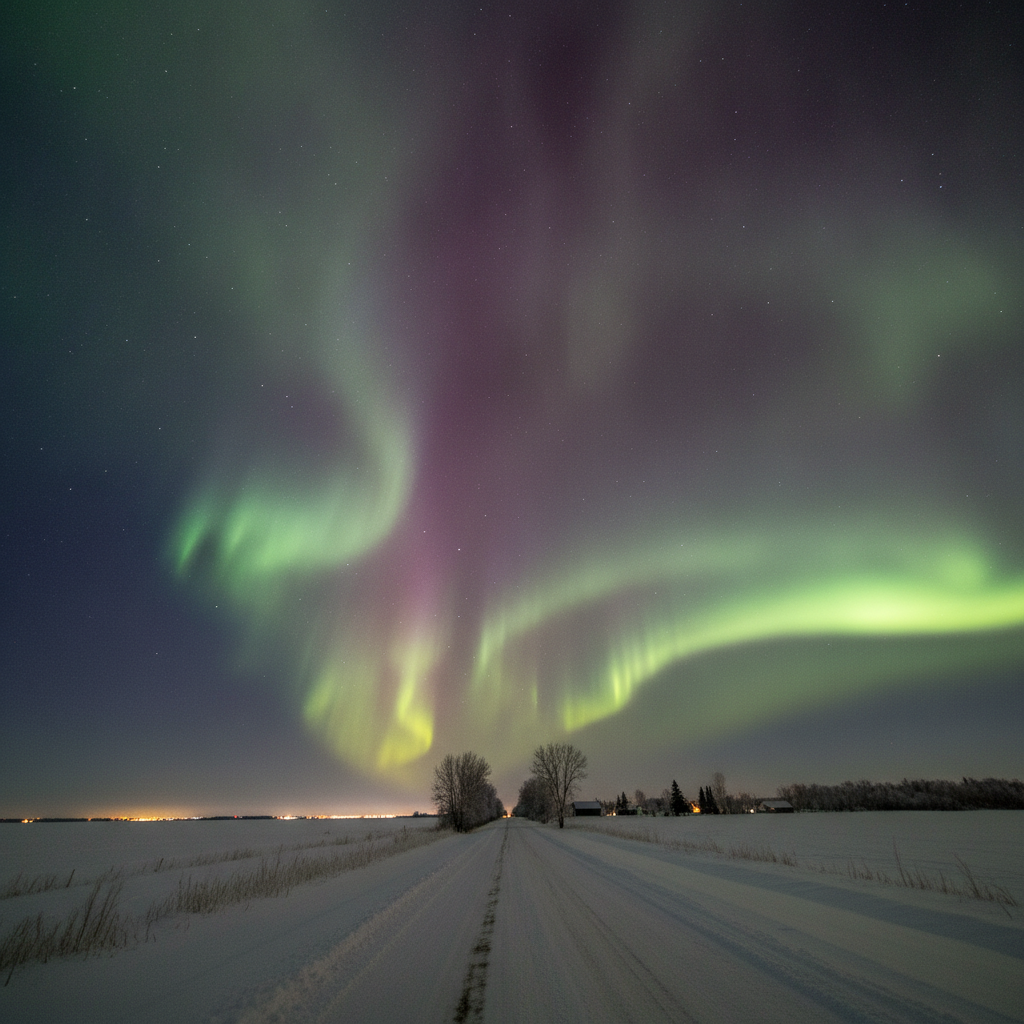
Winnipeg is one of the southernmost major cities in Canada from which the aurora borealis is regularly visible, with the flat prairie horizon providing dramatic low-sky aurora displays when geomagnetic activity is high, particularly during the equinox periods of March and September. The darkness available just beyond the Winnipeg urban fringe, within 30 to 60 minutes of the city center, is exceptional for a city of its size because the prairie landscape has minimal elevated terrain that would trap light pollution, and the agricultural nature of the surrounding landscape means low built infrastructure density. Riding Mountain National Park, 320 kilometres northwest, is designated a Dark Sky Preserve under the Royal Astronomical Society of Canada program. The Hecla Grindstone Provincial Park on Lake Winnipeg provides darker sky conditions for aurora watching from the lakeshore. The Manitoba Naturalists Society coordinates astronomy outreach programs and dark sky observation events. The flat prairie landscape visible from the Manitoba Escarpment west of Winnipeg, where the land drops 90 metres from the plateau to the Red River valley below in a geological transition between the Precambrian shield and the sedimentary plains, provides some of the longest unobstructed horizon views in Canada, making it a preferred location for observing lenticular clouds, mammatus clouds, tornado-producing supercell thunderstorms, and prairie lightning displays that are as dramatic as any natural light show available in Canada.
Walk this route with audio
Stories play automatically as you reach each stop — no tapping needed.
More in Winnipeg
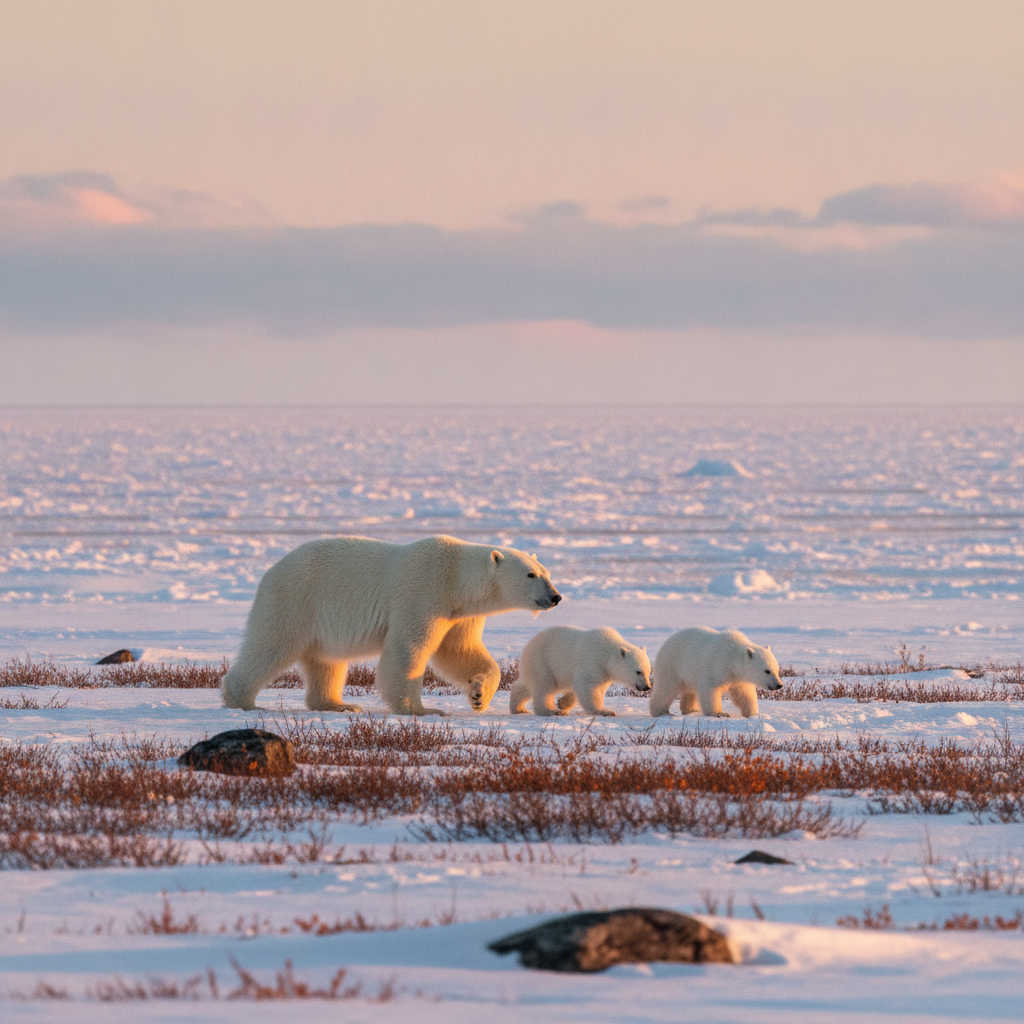
Winnipeg: The Masonic Temple Hiding in the Legislature Dome, 900 Polar Bears Waiting for a Bay That Is Freezing Later Every Year and the City Where Neil Young Learned to Play Guitar
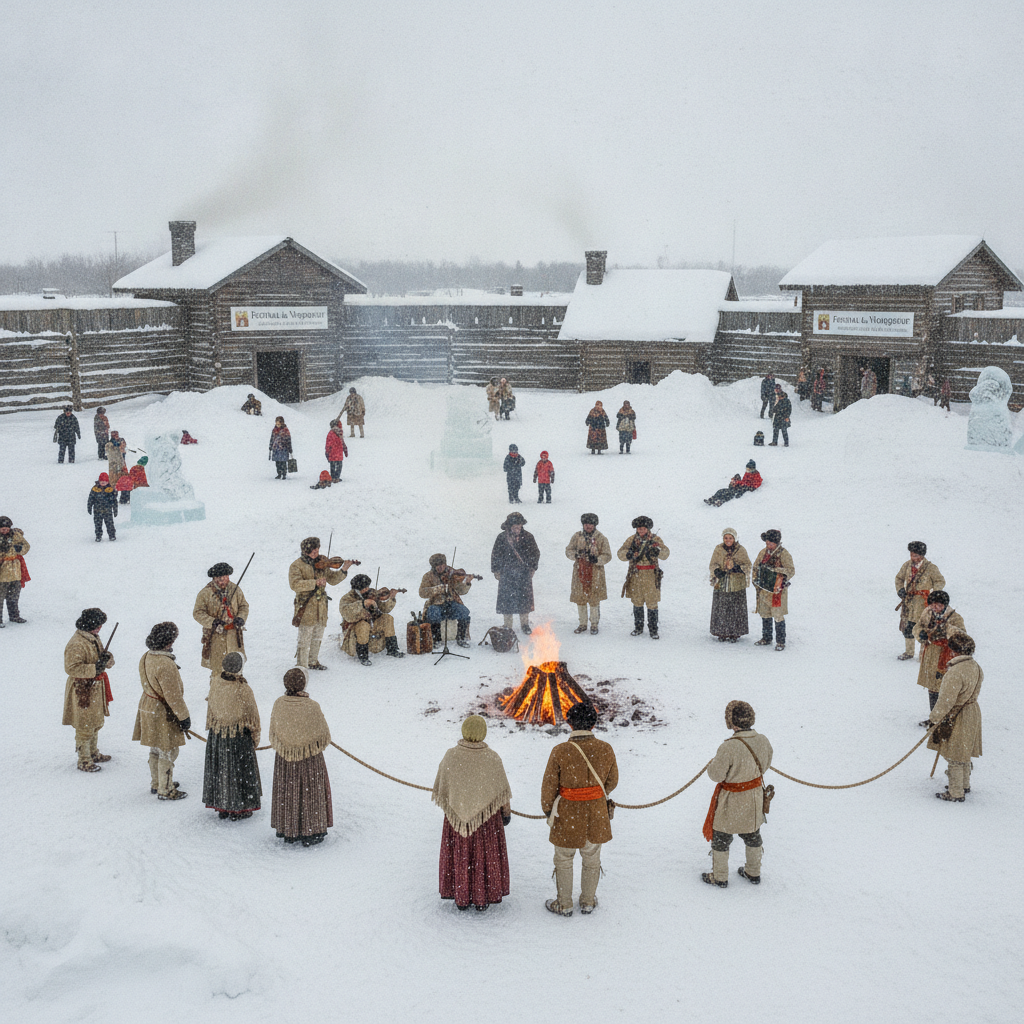
Winnipeg: The Second Largest Bus Manufacturer in North America Building Electric Buses, the World Oldest Multicultural Festival With 40 Pavilions and the Finest Freshwater Beach in Canada 90 Minutes Away
Winnipeg: The Strike That Was Called a Bolshevist Revolution and Created the NDP, the Ballet Company That Is Older Than Many Canadian Provinces and the Hockey Team That Left and Came Back
Winnipeg: The Geographic Centre of North America, the Museum Built on the Site Where Two Rivers Have Met Humans for 6000 Years and the City That Is Colder Than Moscow in January
Winnipeg: The Ukrainian Olympic Hockey Champions Who Were Not Allowed to Join the WASP Hockey Establishment, the Most Endangered Ecosystem in North America and the First Provincial Human Rights Code in Canada