The Mandate of Heaven Invented Here in 771 BCE, the Xi'an-to-Hamburg Freight Train That Replaced the Camel & How to Tell a Real Tang Sancai from a Weinan Reproduction
The Western Zhou's Mandate of Heaven as the 3,000-year political justification for every Chinese dynasty change; the 长安号 Xi'an-to-Hamburg freight train as the contemporary Silk Road completing the journey in 10–12 days; the Baxian Nunnery antique market's XRF authentication service for Tang sancai; the Rosewood Xi'an in the Qujiang District as the most architecturally ambitious hotel in the city; the Mount Hua East Peak sunrise at 04:30 as the most dramatic dawn photography in the region; and the Xi'an vs. Beijing comparative analysis for first-time China travelers.
- 1
The Zhou Dynasty & Xi'an Before the Qin
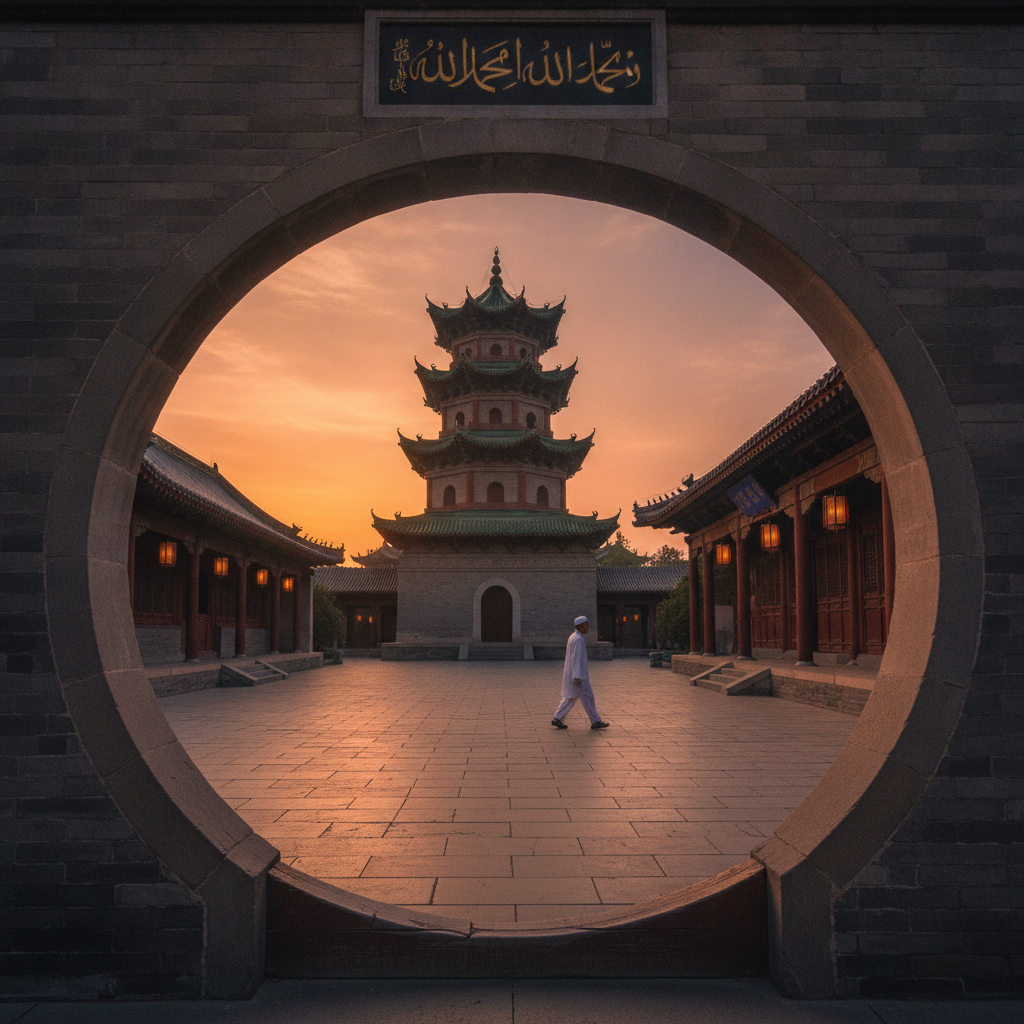
The history of the Xi'an region before the Qin Dynasty (the Wei River valley as the seat of power for 1,000 years before the First Emperor): the 3 dynasties that established the cultural template on which the Qin and Han built. The Western Zhou (西周, 1046–771 BCE): the Zhou Dynasty capital at Hao (镐—the site near modern Mawangcun (马王村) southwest of Xi'an city): the Zhou Dynasty's contribution (the Zhou created the foundational Chinese political philosophy: the Mandate of Heaven (天命—Tiānmìng), the concept that the emperor rules with divine sanction as long as he governs justly—the political justification for every Chinese dynasty change for 3,000 years). The Western Zhou collapse (771 BCE—the Zhou capital Hao was sacked by the Quan Rong ('dog barbarians') and the Zhou court fled east to Luoyi (modern Luoyang), ending the Western Zhou period): the collapse triggered the Spring and Autumn period (771–476 BCE) and the Warring States period (476–221 BCE)—the 550 years of philosophical innovation that produced Confucius, Laozi, Sun Tzu, and Mozi. The Early Qin (the Qin state capital at Yueyang (栎阳—in the modern Lintong District, 20 km east of central Xi'an) before the final capital at Xianyang): the Qin state's rise as a western borderland military culture that ultimately consumed the Eastern aristocratic states.
- 2
The Silk Road Markets – Xianyang Airport District
The Silk Road Market of Contemporary Xi'an (the wholesale and logistics market district centered on the Xianyang Airport Economic Development Zone): the continuation of Xi'an's role as a trade hub. The Xi'an International Trade & Logistics Park (西安国际港务区—the Xi'an China-Europe freight railway terminus): the China-Europe freight train from Xi'an to Hamburg (the 长安号 (Chang'an) freight train: Xi'an to Hamburg in 10–12 days—established in 2013, the most-operated China-Europe freight service in China): the Xi'an Silk Road experiment (the contemporary recreation of the Silk Road trade function using rail freight instead of camel caravan). The Shenzhen-Xi'an trade corridor (the Xi'an free trade zone (西安自贸区—established 2017)): the industrial parks hosting Samsung, Intel, Micron, and the SMIC semiconductor fab in the Xi'an High-Tech Industries Development Zone (西安高新技术产业开发区). The Xianyang Airport cargo hub (the Xi'an Xianyang Airport cargo volume: the 4th largest cargo airport in China, handling 430,000 tonnes of air freight annually (2023)—the logistics hub for the Central Asia and Middle East freight routes).
- 3
Xi'an Photography – Locations & Seasons
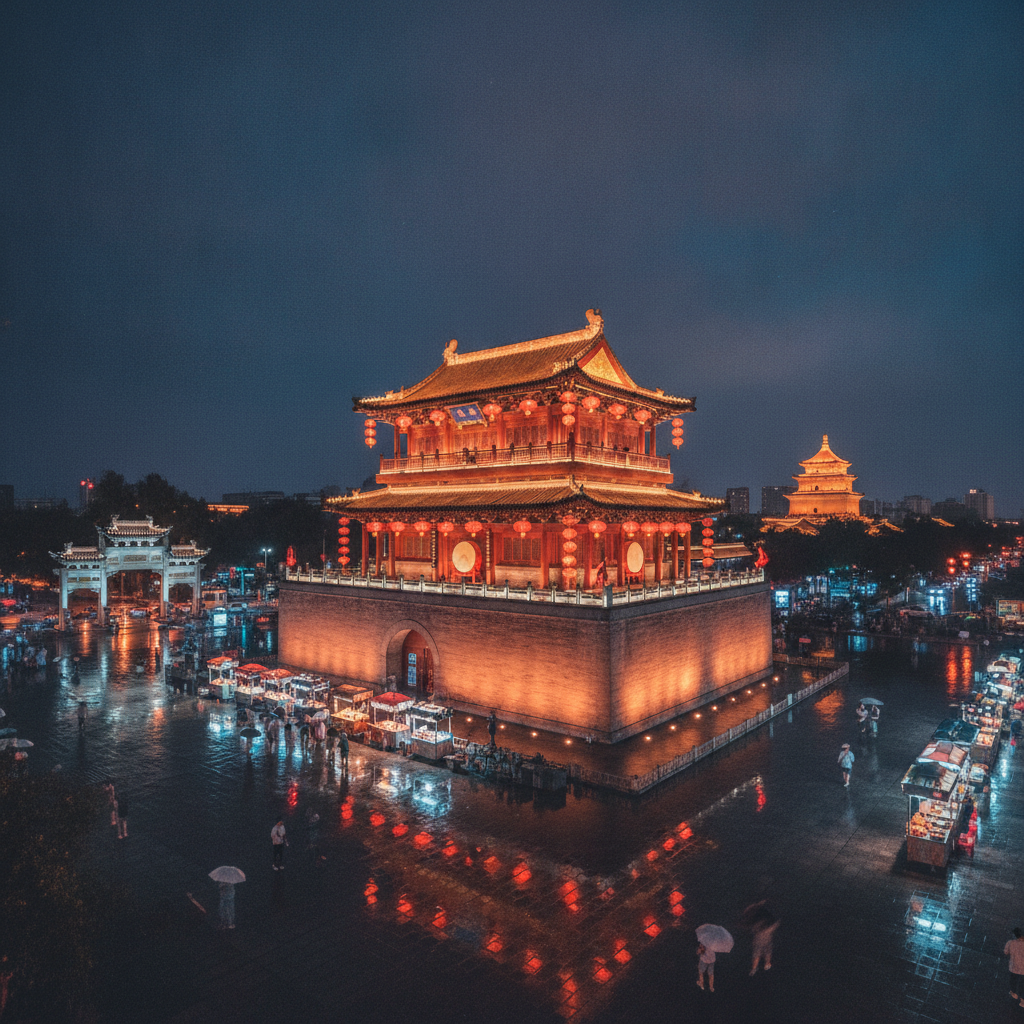
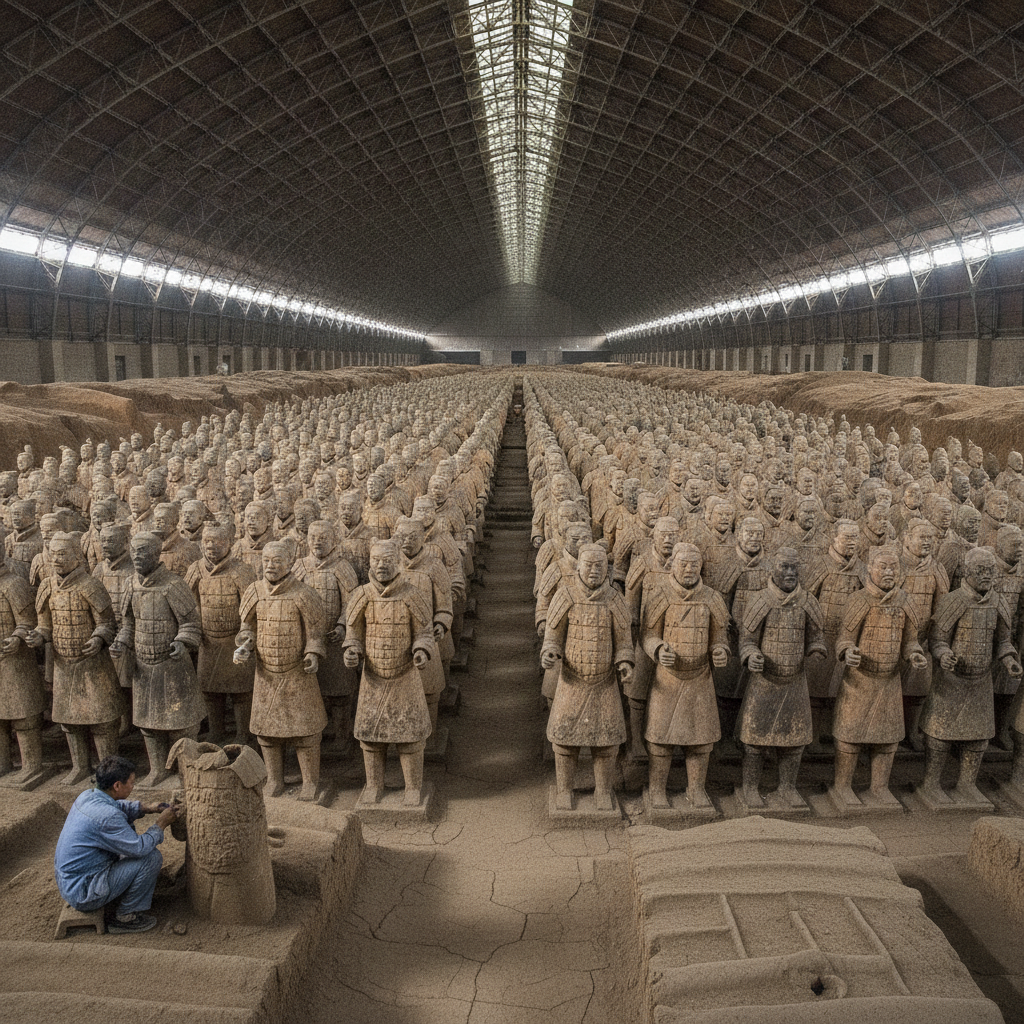
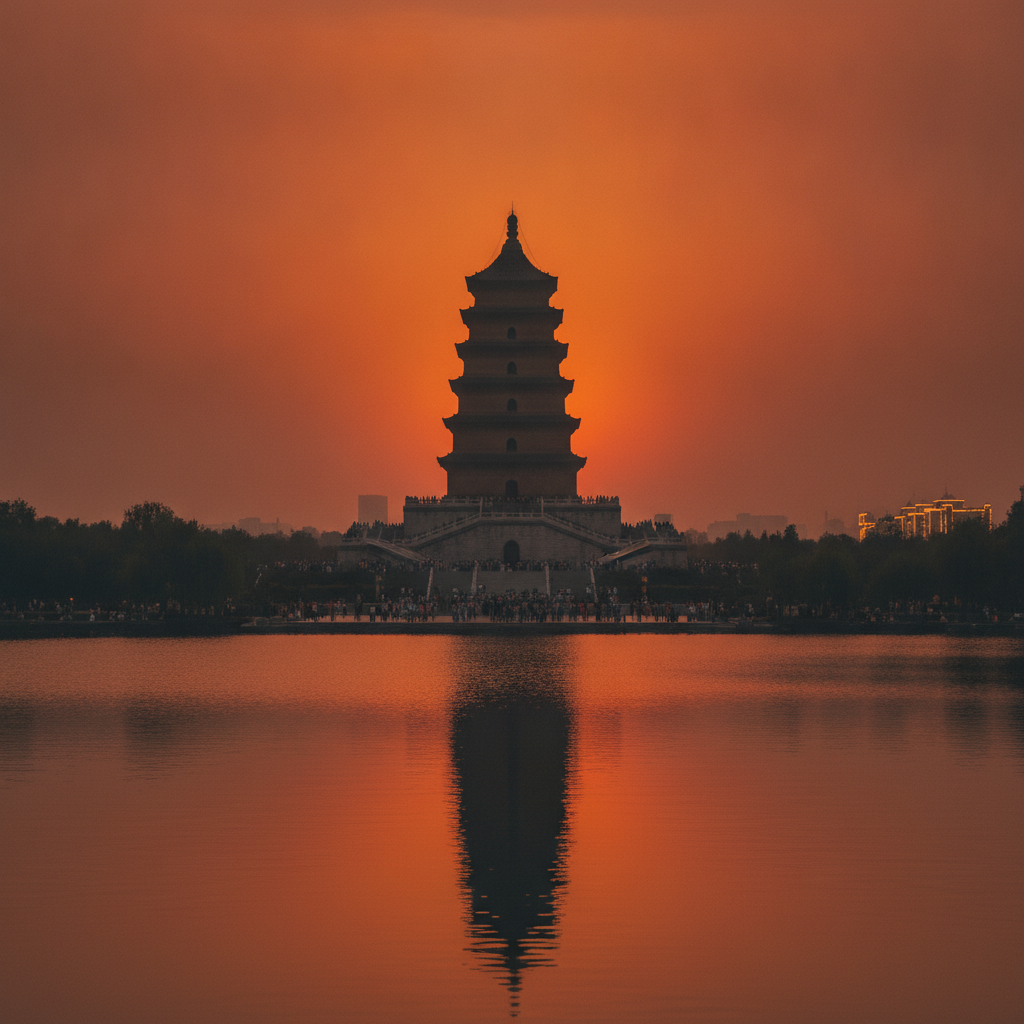
The Xi'an photography guide (the complete guide to the best photographic opportunities in Xi'an and the conditions that produce the most evocative images). The Terracotta Army photography (the 3 pits have different lighting: Pit 1 has the best overhead illumination and the most varied warrior formations; Pit 2 has the most interesting partially-excavated warriors; Pit 3 is the command headquarters and has the fewest warriors but the best viewing angle for single-warrior portraits): the professional photography rule (the Museum allows tripods in the observation gallery—no flash permitted—the best Pit 1 photography is from the elevated ramps at the east end looking west along the warrior rows in the late morning light). The city wall photography (the most telephoto-favorable location: the North Gate (安远门) wall section looking east at dawn with the sunrise behind the Bell Tower): the Muslim Quarter night photography (the Beiyuanmen street 19:00–21:00 on weekends: the food stalls illuminated by hanging red lanterns above the crowd). The Big Wild Goose Pagoda sunset (the Furong Garden lake north bank at 18:30–19:00: the pagoda silhouette against the orange sky reflected in the lake): Mount Hua cable car exit at dawn (04:30–06:00 in clear weather: the East Peak sunrise is the single most dramatic dawn in the Xi'an region—the Qinling ridgeline visible to the 270° horizon in golden light).
- 4
Xi'an's Accommodation – Ancient Walls to Boutique Hotels
The Xi'an accommodation guide (the guide to where to stay in the city and what each location offers): from budget to luxury. Budget (¥150–250/night): the Youth Hostel network in the Muslim Quarter (the Han Tang Inn (汉唐客栈) on Xiyangshi Street—the most conveniently located hostel for the Muslim Quarter and Drum Tower): the price range places the traveler within 10 minutes' walk of the Muslim Quarter food streets and 15 minutes' walk of the Bell and Drum Towers. Mid-range (¥400–800/night): the Ibis Xi'an South Gate (宜必思西安南门店—directly adjacent to the South Gate—the best mid-range location for the city wall bicycle circuit). The boutique: the Sofitel Xi'an on Renmin Square (索菲特西安人民广场酒店—the colonial-era building in the heart of the Ming walled city—the lobby art collection references the Silk Road trading culture). Luxury (¥1,200–3,500/night): the Rosewood Xi'an (瑰丽酒店西安—the Tang Dynasty garden resort in the Qujiang Cultural District—the most architecturally ambitious hotel in Xi'an): the property (a 210-key resort designed around a Tang-era lake garden with the Big Wild Goose Pagoda visible from the rooftop terrace): the Rosewood's Tang Cuisine (the most refined Tang court-influenced restaurant in Xi'an).
- 5
Xi'an's Jade & Antiques – The Collector's City
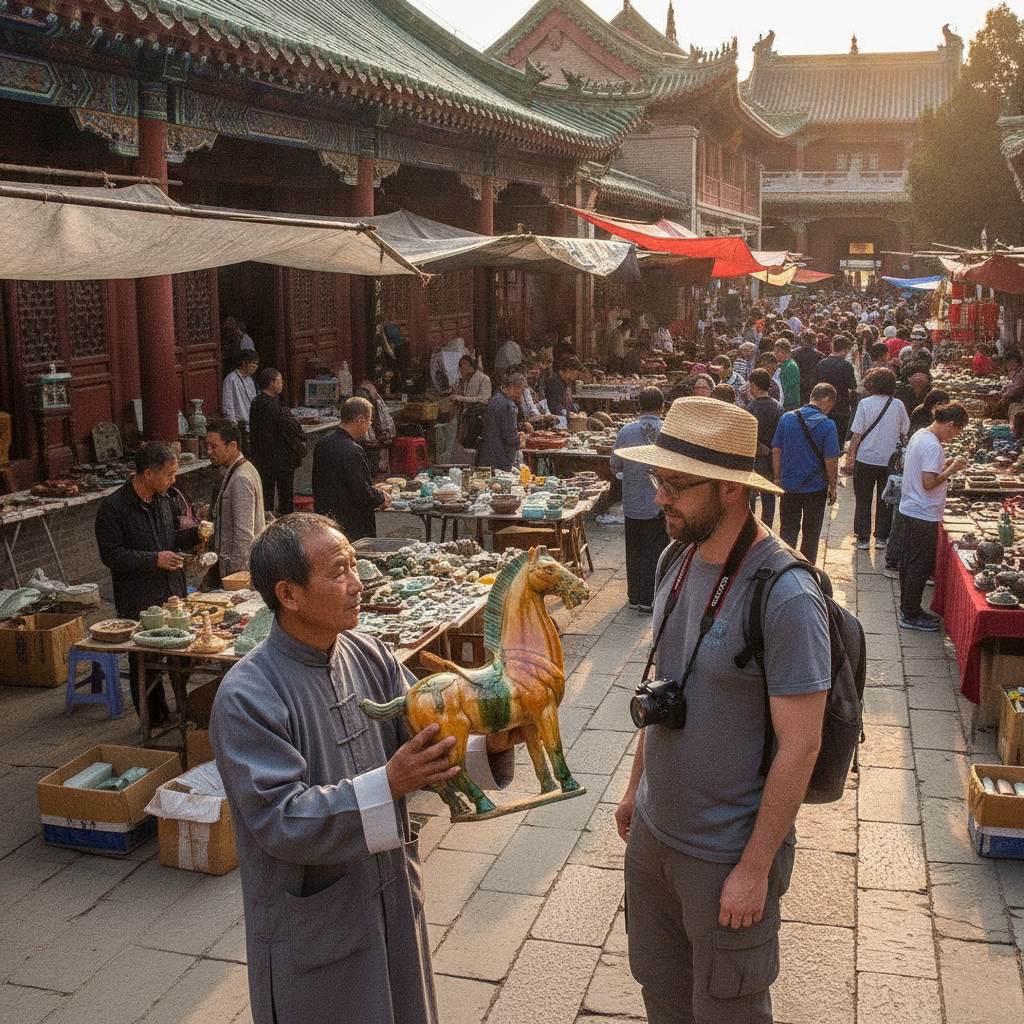
Xi'an's antiques and collector's market (the city with the most concentrated antiques market of any Chinese tourism destination): the guide for collectors and the curious. The Antique Market (八仙庵古玩市场—Baxian Nunnery Antique Market—the market surrounding the Baxian Nunnery (八仙庵) east of the walled city): the largest antique market in Shaanxi Province with approximately 300 permanent stalls and an expanded flea market every weekend. The products (the Xi'an antiques market specializes in: Tang tomb pottery (the tri-color Tang sancai—the primary item for international collectors); ancient coins (the Ban Liang (半两) coins of the Qin Dynasty and the Wu Zhu (五铢) coins of the Han Dynasty are the most commonly traded ancient Chinese coins and are found in the Xi'an soil with the highest density of any Chinese city); Shaanxi folk art (the Xi'an New Year paper cuts (新年剪纸), the Fengxiang clay figurines (凤翔彩绘泥塑))). The authentication issue (the Xi'an antiques market has the highest density of reproductions of any market in China—the Tang sancai pottery is reproduced commercially in the Weinan District and sold alongside genuine pieces): the authentication guide (the genuine Tang sancai has lead-based glazes that show aging crazing (细小裂纹) in the glaze surface—the reproductions have evenly cracked patterns—the geochemical test (XRF spectroscopy) available at the Shaanxi Cultural Heritage Bureau for ¥200 per item is the only definitive authentication method).
- 6
Xi'an vs. Beijing – Which Ancient Capital?
The Xi'an versus Beijing comparison (the choice between China's 2 most important historical capitals for the traveler with limited time): the analytical guide. Historical depth: Xi'an (3,100 years of continuous urban occupation; 11 Chinese dynasties with their capital at Chang'an/Xi'an; the older, longer, deeper history): Beijing (800 years as the imperial capital from the Yuan Dynasty (元, 1271 CE) onward—less ancient but the most complete surviving imperial urban complex). The physical evidence: Xi'an (the Terracotta Army as the world's largest funerary monument and the Ming city walls as the most complete surviving city wall): Beijing (the Forbidden City as the world's largest imperial palace complex in continuous use, the Temple of Heaven, the Summer Palace). Food: Xi'an (the most distinctive regional food culture in northern China—the Muslim Quarter, biangbiang noodles, the 108-dumpling banquet): Beijing (Peking Duck, but a less distinctive street food culture). International accessibility: Beijing (the primary international hub; direct flights from every major city worldwide): Xi'an (the secondary hub; direct international flights from Tokyo, Seoul, Bangkok, Kuala Lumpur but limited European direct service). The recommendation: for a first China trip focused on ancient history, Beijing's imperial grandeur is more immediately legible; for a second China trip or a traveler interested in the oldest layers of Chinese civilization, Xi'an's 3,100 years and the Terracotta Army justify the detour.
Walk this route with audio
Stories play automatically as you reach each stop — no tapping needed.
More in Xi'an
The 108 Tang Court Dumplings Including One Stuffed With Camel Fat, the World's 4th Largest Student City & How to Cycle Through 3 Ancient Empires on a Flat Agricultural Plain
The An Lushan Rebellion That Killed 36 Million and Started in a Hot Spring Palace, the Xianyang Miniature Han Army Nobody Visits & Every European Book Before 1100 Written on Sheepskin Because of One Battle Near Xi'an
The 8,000-Warrior Clay Army That Was Gray When Buried (It Wasn't), the World's First Zoning System & the Arabic Traders Who Became Xi'an's Muslim Quarter
The Monk Who Left Without Permission, Walked 25,000 km & Inspired the Monkey King; the Brown Pandas of the Qinling Range; and the Wordless Stele That Was Left Blank On Purpose