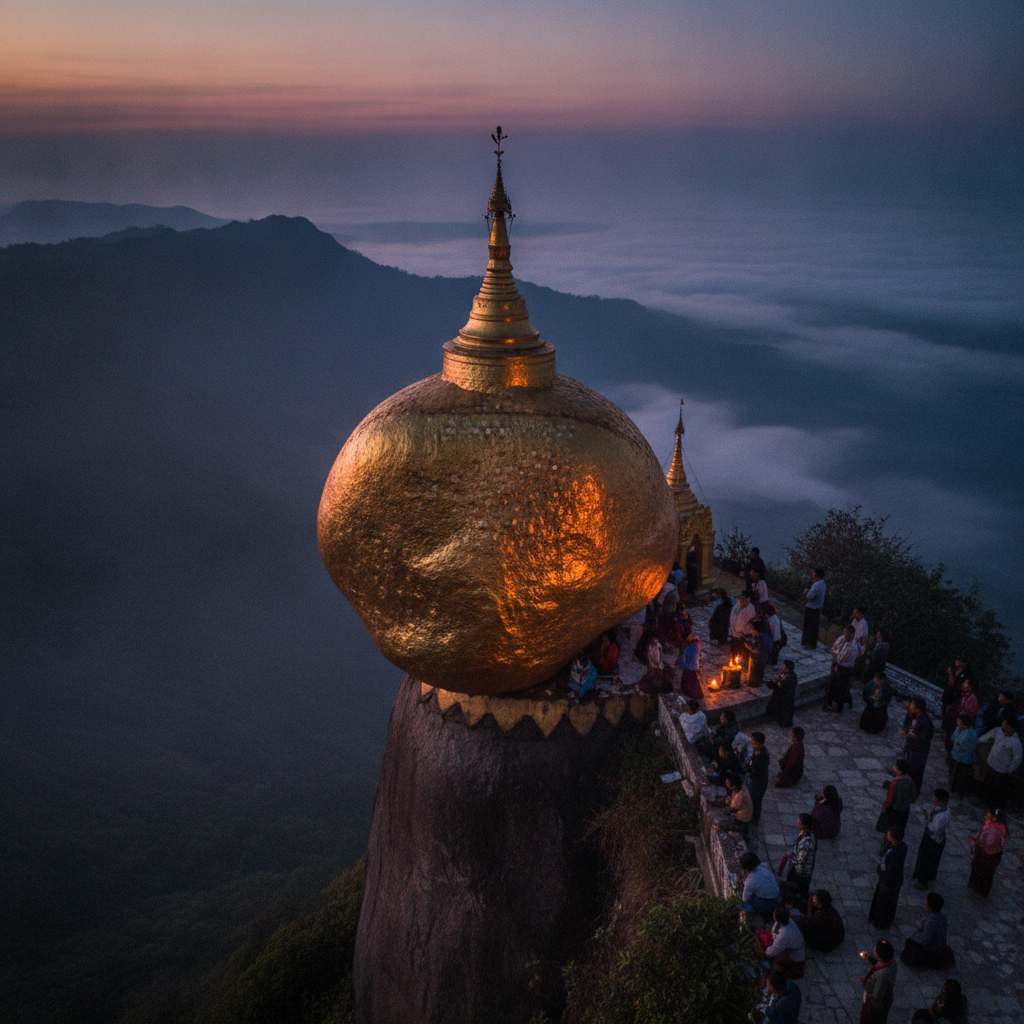
Yangon: 60 Tonnes of Gold on Shwedagon Pagoda, Victorian Rangoon's Last Streets & the Tea House Where Myanmar Talks
Myanmar's largest city in full complexity—Shwedagon's 98-metre gold stupa enshrining Buddha hairs received by merchants who met him at enlightenment (the planetary posts where you pour water over your birth-day Buddha), the Victorian downtown grid of the Strand Hotel and 1905 Secretariat where Aung San was assassinated in 1947 that the Yangon Heritage Trust has been fighting to save since 2012, Bogyoke Market's pigeon-blood rubies and the Kachin jade mine human cost behind the jewellery stalls, the Karaweik Palace barge on Kandawgyi that hosted the 1974 Non-Aligned Movement, mohinga fish noodle soup and laphet fermented tea-leaf salad as the tastes that define Yangon, and the military coup of February 2021 that changed everything for visitors and residents alike.
- 1
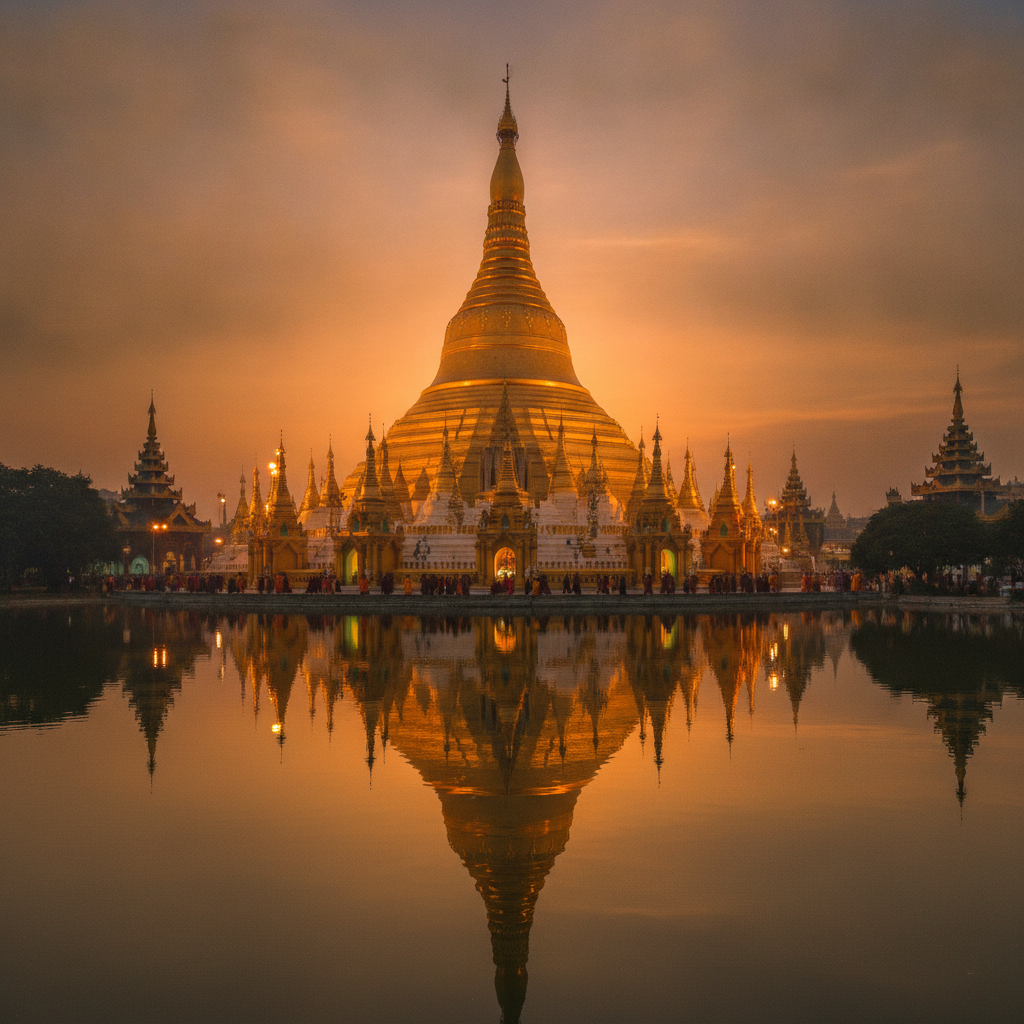
Shwedagon Pagoda – The Golden Heart of Yangon
The Shwedagon Pagoda—rising 98 metres above the Singuttara Hill in central Yangon, its great zedi (stupa) gilded with an estimated 60 tonnes of gold and crowned with a diamond-studded hti (jewelled umbrella)—is the most sacred Buddhist monument in Myanmar and one of the most visually overwhelming religious structures in the world. The spiritual foundation: Shwedagon enshrines eight hairs of the Buddha received by two merchant brothers (Tapussa and Bhallika) who are said to have met the Buddha shortly after his enlightenment, making the relics contemporary with the Buddha's life (the stupa's origin is claimed as 2,600 years ago, though archaeological evidence suggests the current structure dates to the 14th–15th centuries). The compound: a platform of 5.4 hectares surrounding the main stupa, containing dozens of smaller stupas, prayer halls, images, and the 'planetary posts' (eight compass-direction shrines where worshippers pour water over a Buddha image corresponding to their day of birth—one of the most widely practised devotional acts in Myanmar). The sunset view of Shwedagon from the Kandawgyi Lake observation point—the gold dome reflecting in the water—is Yangon's most reproduced image.
- 2
Yangon's Colonial Architecture – The Last Victorian City in Asia
Yangon (Rangoon under British rule, 1824–1948) retains the largest surviving concentration of colonial-era British architecture in Southeast Asia: a downtown grid of late-Victorian and Edwardian buildings that would be immediately recognisable to any visitor from Liverpool or Glasgow, now weathered, partially occupied, and increasingly threatened by redevelopment. The architectural heritage: the Strand Hotel (1901—opened by the Sarkies brothers who also built Raffles in Singapore; restored and operating as a luxury hotel), the Secretariat (1905—the former seat of British Burma's government, where General Aung San was assassinated in 1947; now a massive heritage complex under partial renovation), the Rangoon High Court (1911—a red-brick Renaissance Revival building of extraordinary quality), the Customs House, the Post Office, and dozens of commercial buildings along Strand Road and Merchant Street. The Yangon Heritage Trust (founded by Thant Myint-U, the historian and diplomat)—established in 2012 during the brief democratic opening—has been the primary advocacy organisation for preserving the downtown grid; the military coup of February 2021 has severely complicated conservation efforts.
- 3
Bogyoke Aung San Market & Yangon's Trade
Bogyoke Aung San Market (formerly Scott Market, 1926—named for the British superintendent J.A. Scott who oversaw its construction)—a large covered market complex in central Yangon—is the most diverse single shopping destination in Myanmar: jewellery stalls (rubies, sapphires, jade—Myanmar is the world's largest supplier of pigeon-blood rubies and the primary source of high-quality jadeite), traditional lacquerware, Shan-weave textiles, silverwork, wood carvings, longyis (the sarong-like garment worn by virtually all Myanmar men and many women), and Burmese art. The jade trade: Myanmar supplies over 70% of the world's jadeite, and Kachin State's Hpakant jade mines are simultaneously the country's most valuable export resource and the site of extensive documented environmental destruction and labour rights abuses; the jade that passes through Bogyoke has a complex political economy. The ruby and sapphire trade: Mogok Valley (Mandalay Region) is the source of the world's finest rubies; the stones are sold at the Bogyoke market at prices that reflect both the gem quality and the human cost of artisanal mining.
- 4
Kandawgyi & Inya Lakes – Yangon's Green Lungs
Yangon's two large urban lakes—Kandawgyi ('Royal Lake') in the eastern suburbs and Inya Lake further north—provide the city's most accessible green space and the most atmospheric settings for experiencing the colonial and post-colonial layering of Yangon's history. Kandawgyi: a 68-hectare lake created in the 19th century as a water reservoir, now a public park with the Karaweik Palace (a concrete replica of a royal barge, floating on the eastern bank—originally built as a floating restaurant for a 1974 Non-Aligned Movement summit, now an overpriced dinner show venue but photographically irresistible), walking paths, and the direct sightline to Shwedagon across the water. Inya Lake Hotel (1960—built by the Soviet government as a gift to newly independent Burma, for many decades the finest hotel in the country): the hotel itself is a mid-century socialist modernist building of architectural significance; the lake it overlooks was the meeting place for international diplomats during the socialist period when Yangon was relatively isolated from Western tourism.
- 5
Yangon's Food Scene – Mohinga & the Tea House Culture
Yangon's food culture is one of the most distinctive in Southeast Asia—shaped by the confluence of Bamar (majority Burmese), Indian (the large Indian community established during British rule), Chinese (Yunnanese and Cantonese), and Shan minority food traditions. Mohinga—a thick rice vermicelli soup in a fish broth, flavoured with lemongrass, banana tree stem, and turmeric, topped with crispy fritters (gourd fritters, split pea fritters)—is the universally acknowledged national dish of Myanmar, eaten at breakfast in tea houses across the country. The tea house (laphet yay hsaing): Yangon's defining social institution—a simple establishment serving strong sweet milk tea (a British-Indian legacy) and light snacks from early morning, where men of all classes meet daily for conversation, business, and news; tea houses are the primary public social space in a city with few parks and limited evening entertainment infrastructure. Laphet thoke (fermented tea leaf salad—the snack served at every significant social occasion in Myanmar): a mixture of fermented tea leaves, sesame seeds, fried garlic, dried shrimp, peanuts, and tomato, with a funky, complex flavour unlike anything in the surrounding cuisines.
- 6
Yangon Under Military Rule – History & Present Reality
Understanding Yangon in 2026 requires engaging with Myanmar's political situation, which has fundamentally altered the city's character, safety, and accessibility since the military coup of February 1, 2021. The 2021 coup: the Tatmadaw (Myanmar military) seized power from Aung San Suu Kyi's elected government, arrested her and the NLD (National League for Democracy) leadership, and declared a state of emergency. The response: a massive, sustained civil disobedience movement (CDM—Civil Disobedience Movement)—government workers went on strike, professionals (doctors, teachers, civil servants) refused to work for the military government, and protests in Yangon and across the country were met with live fire: over 1,000 civilians were killed in the first year of the coup. The current situation (2026): continued armed conflict between the Tatmadaw and People's Defence Forces (PDF) in multiple states and regions; ongoing repression in Yangon; significant travel advisories from most Western governments recommending against all travel to Myanmar. Visitors who do travel to Yangon should be aware that hotel taxes, visa fees, and tourism expenditure flow directly to the military government.
Walk this route with audio
Stories play automatically as you reach each stop — no tapping needed.
More in Yangon
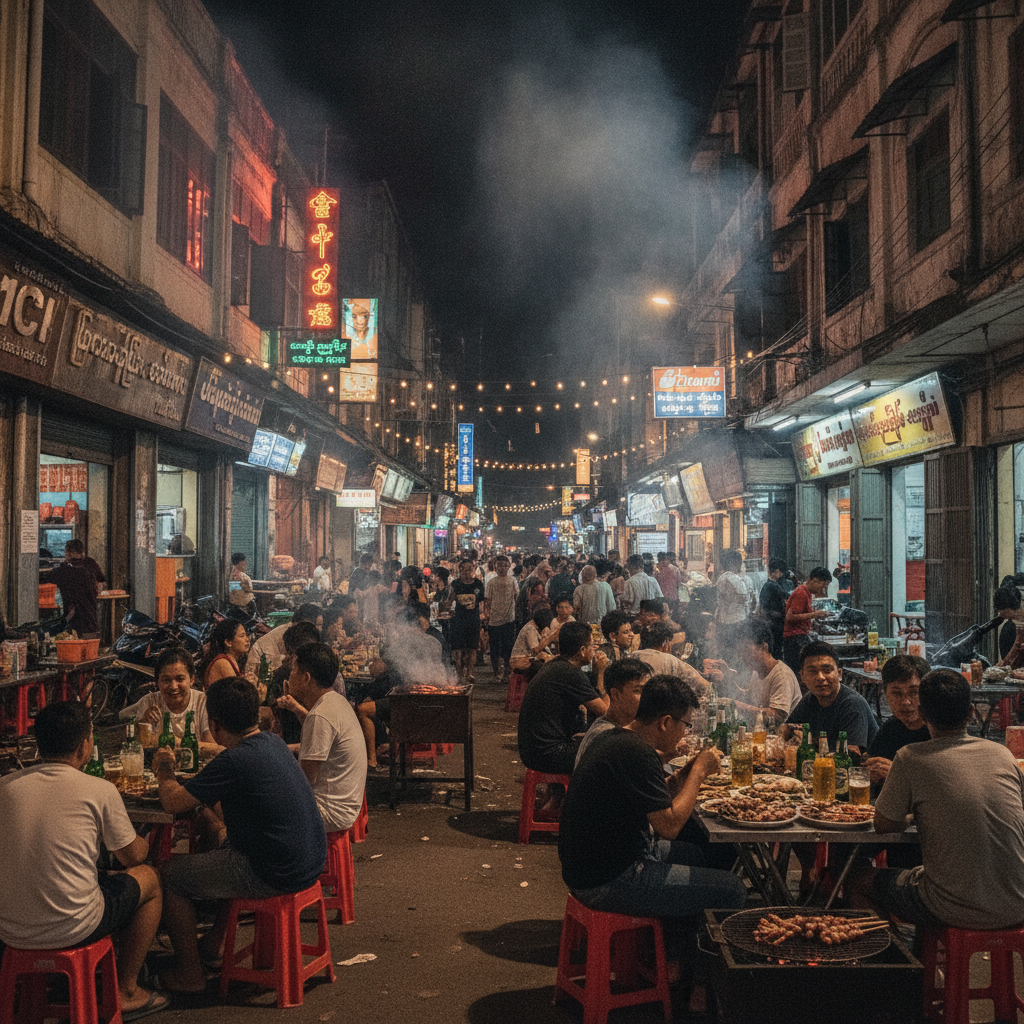
Yangon Deeper: The $0.10 Circular Train Loop, 19th Street Chinatown Barbecue & Aung San Suu Kyi's Lake House
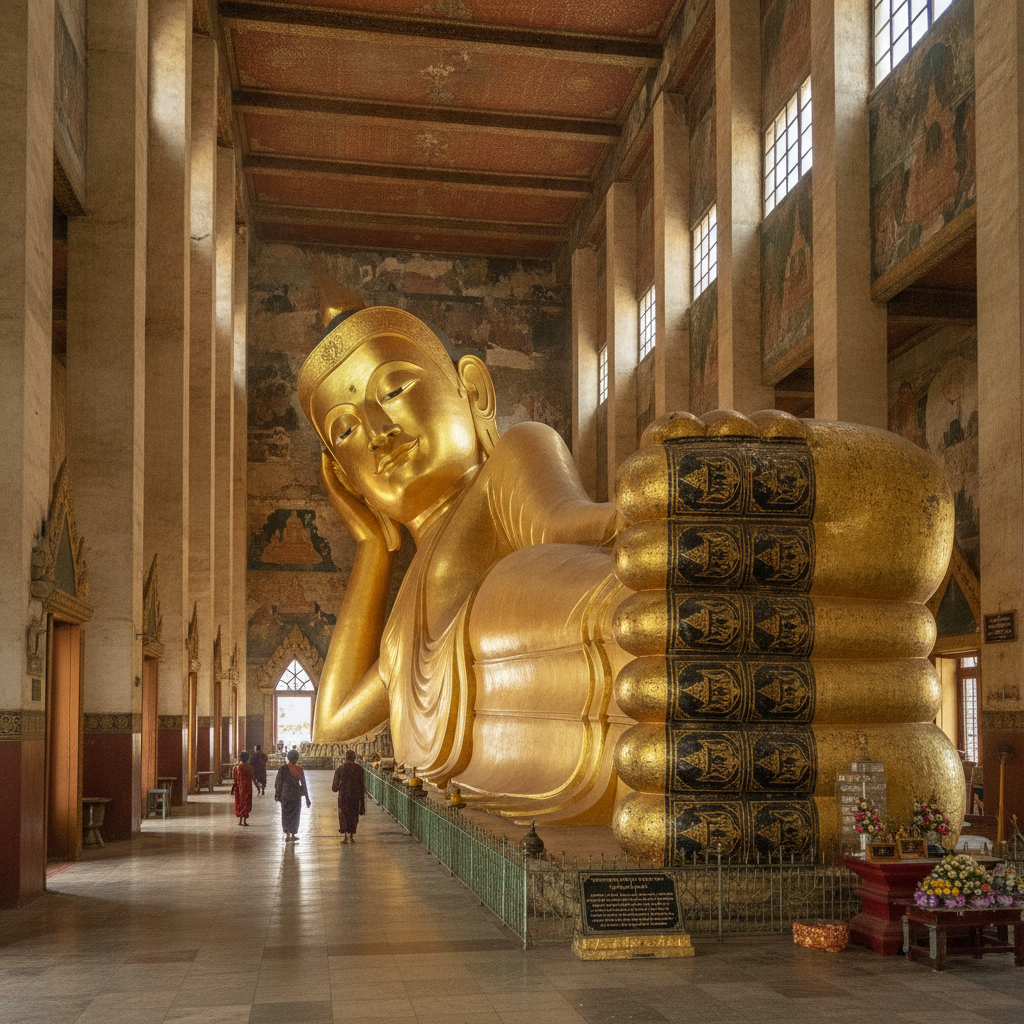
Yangon's Weight: Bago's 55-Metre Reclining Buddha, the 1962 Military Coup's Roots & a City of Resilient Dignity
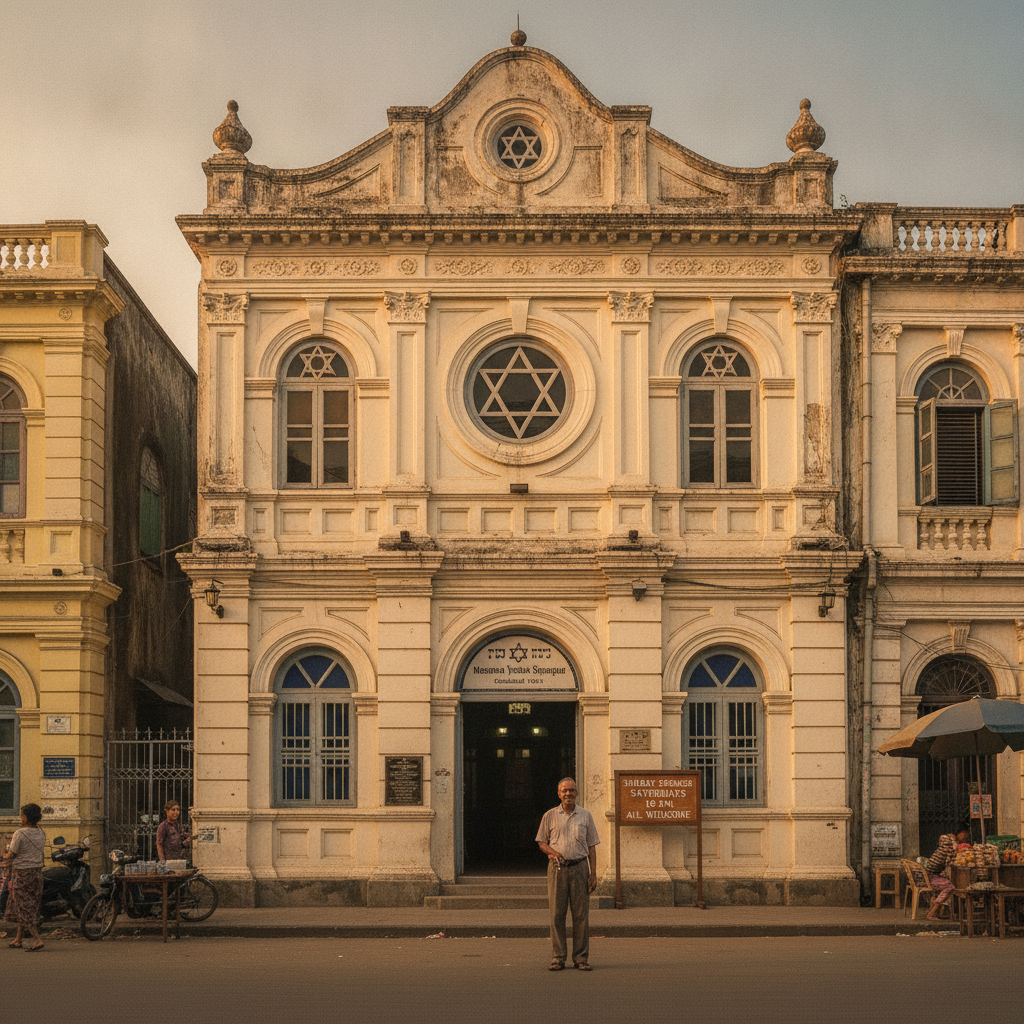
Yangon 2026: The Last Synagogue With 20 Jews, World's Largest Opium Producer & a City of 7 Million Persisting
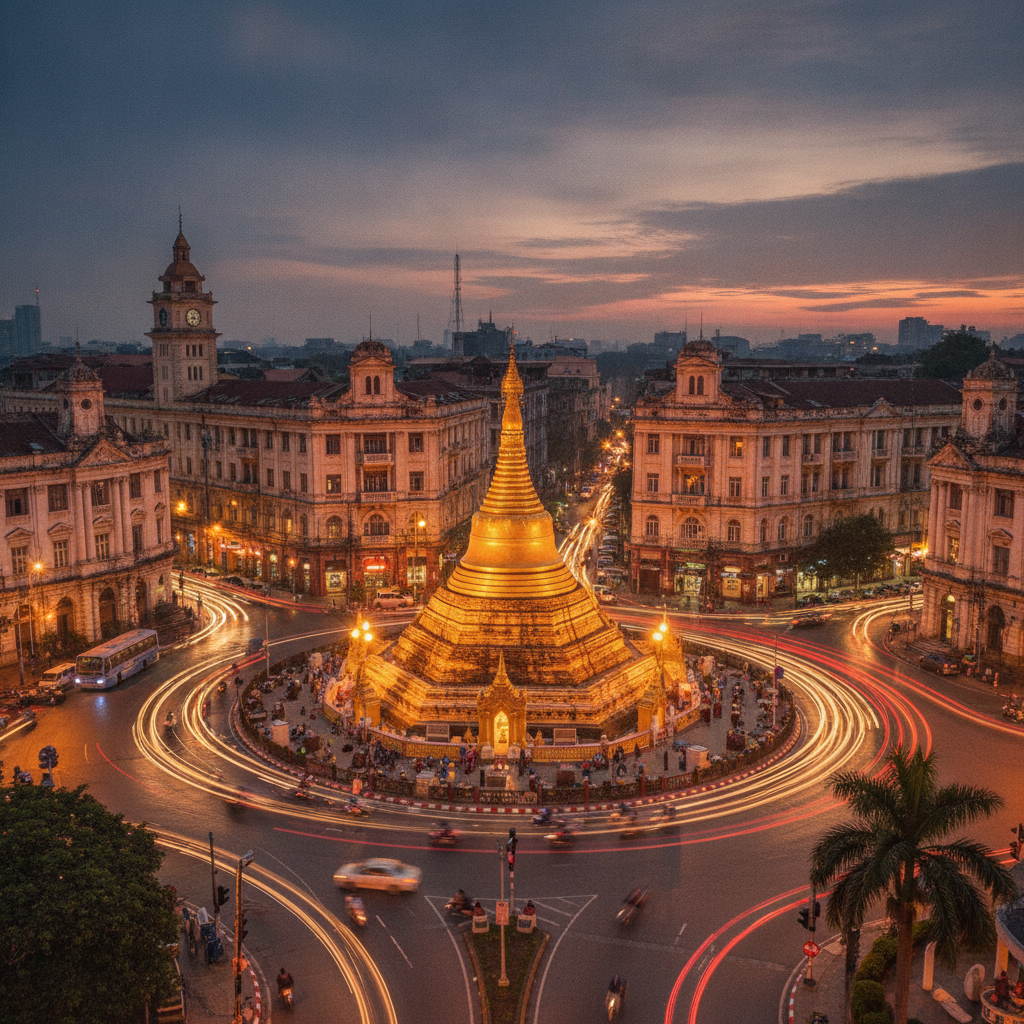
Yangon's Hard Questions: Rohingya Genocide Context, the Ethics of Visiting & Shan Noodles in the Tea House