Zakynthos Natural Wonders: Porto Roma Cove, Cape Skinari Lighthouse, Banana Beach East, Alykes Salt Flats, Keri Pitch Lakes, and the Ionian Wildlife Summary
The Zakynthos natural circuit covers the Porto Roma sheltered cove, the Cape Skinari lighthouse at the northern tip, the Banana Beach long sandy strip on the east coast, the Alykes salt flat wetlands, the Keri pitch lake natural asphalt springs, and a summary of the Ionian wildlife that Zakynthos uniquely protects.
- 1
Porto Roma: The Southern Sheltered Cove
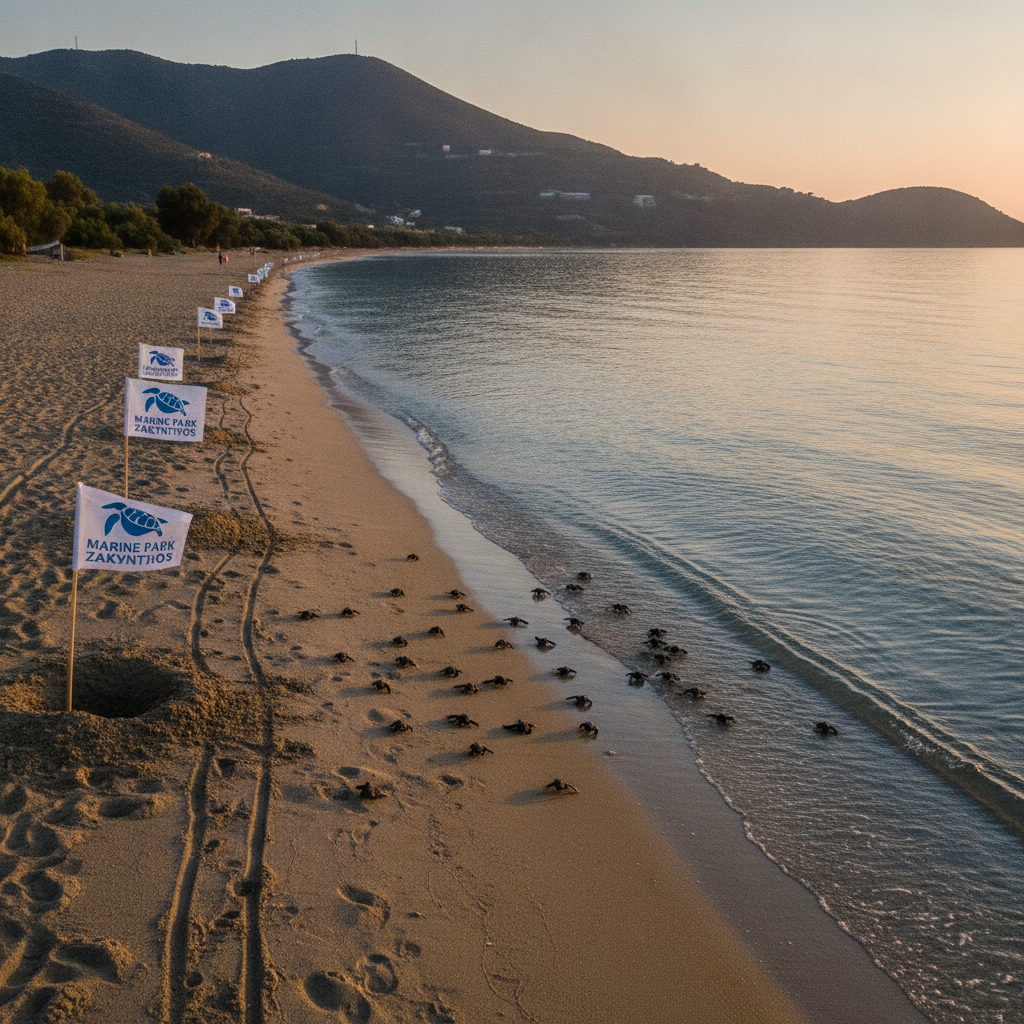
Porto Roma on the southeast coast of Zakynthos, the small sheltered cove accessible by the dirt road through the olive groves from the village of Vasilikos, is the most tranquil beach on the island for the visitor seeking the low-infrastructure experience of the pebble beach, the clear water, and the absence of the sunbed and parasol infrastructure that the main east coast beaches provide. The Porto Roma area also has the Gerakas and Dafni turtle nesting beaches within walking distance, making it the most concentrated turtle conservation zone in the island.
- 2
Cape Skinari: The Northern Lighthouse
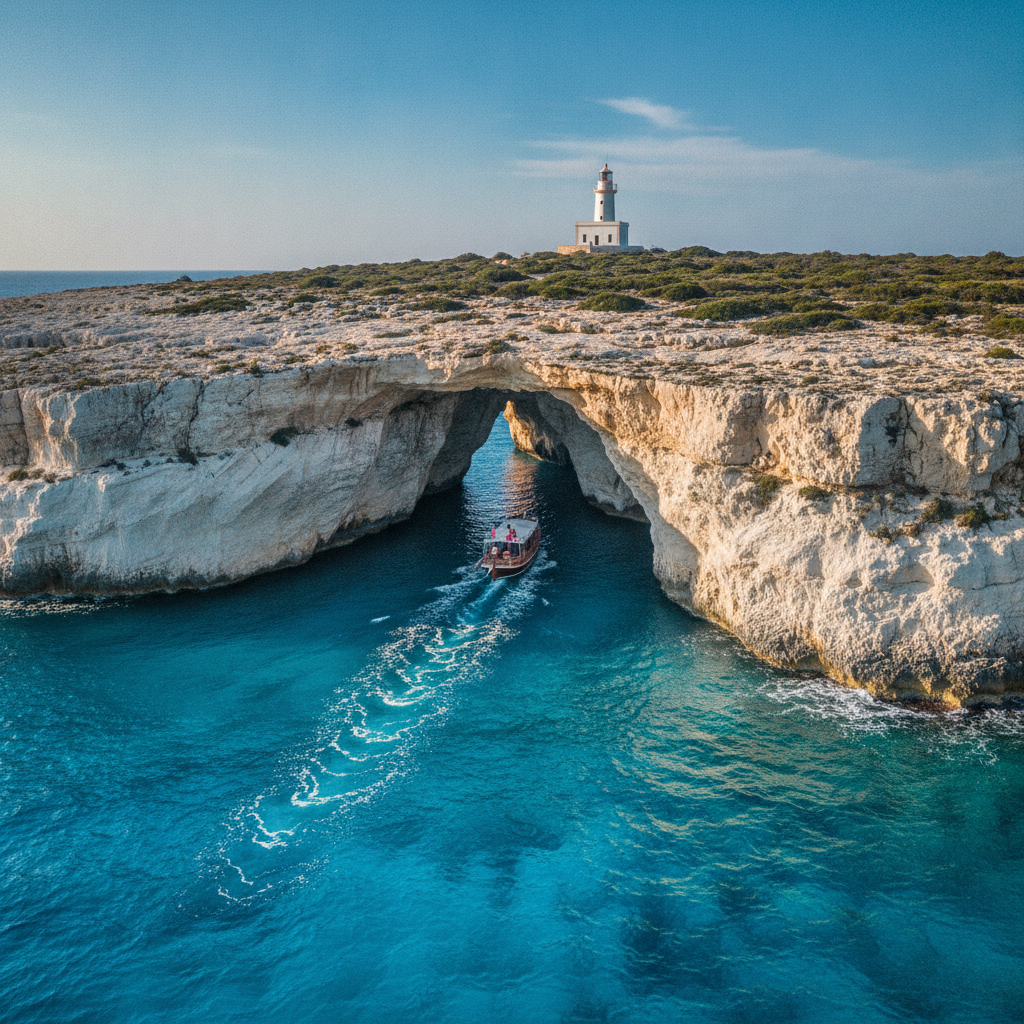
Cape Skinari at the northern tip of Zakynthos, the lighthouse headland from which the boat tours to the Blue Caves depart and the closest point to Kefalonia visible 4 kilometers across the Ionian channel, is the most remote and scenic point accessible by car on the island. The lighthouse was built by the British Protectorate administration and the small settlement of Agios Nikolaos below provides the taverna and the excursion boat services that make it the most visited natural landmark in the north.
- 3
Banana Beach: The Long East Coast Strip
Banana Beach on the east coast near Argasi, the longest continuously sandy beach in Zakynthos with the warm shallow water that the east coast shelter from the Ionian swell provides, is the most family-friendly beach in the island and the most accessible from the main resort accommodation strip south of Zakynthos Town. The Banana Beach beach bar infrastructure, the watersports rental, and the sun lounger organization make it the most fully serviced beach in the island and the most convenient for the full beach day.
- 4
Alykes: The Salt Flat Wetlands and Spa
Alykes on the north coast, the resort village built on the salt flat wetlands that the Venetians exploited for salt production and that now provide the wetland habitat for the wading birds and the reed warblers that are among the most biodiverse bird communities on the island, combines the beach resort with the wetland wildlife in the most surprising ecological juxtaposition in Zakynthos. The Alykes thermal spa, based on the mineral waters that emerge near the salt flats, is the wellness complement to the beach and the birdwatching.
- 5
Keri: The Pitch Lake and Lighthouse
Keri on the southern cape of Zakynthos, where the natural asphalt springs that Herodotus described in 450 BC still bubble from the ground and the Keri lighthouse stands above the sheer sea cliffs, is the most dramatic natural site on the island and the one most associated with the ancient world. The Keri pitch was used for waterproofing ancient ships and the springs are still active, making Keri the only place in Greece where the visitor can see the natural petroleum seeps that the ancient writers recorded.
- 6
Zakynthos Wildlife: The Complete Ionian Picture
Zakynthos, as the home of the most important loggerhead sea turtle nesting colony in the Mediterranean, the monk seal haul-out sites in the marine caves, the Eleonoras falcon nesting colonies on the offshore stacks, and the Audouin gull on the northern cape, is the most biodiversity-significant of the Ionian Islands and the best destination in Greece for the visitor interested in Mediterranean wildlife. The National Marine Park of Zakynthos, established in 1999 after decades of conflict between the conservationists and the tourism industry, now provides the framework that allows both the turtles and the tourism to coexist.
Walk this route with audio
Stories play automatically as you reach each stop — no tapping needed.
More in Zakynthos
Zakynthos: Navagio Shipwreck Beach, the Blue Caves Crystal Light, Loggerhead Turtle Nesting at Laganas, the Earthquake-Rebuilt Venetian Town, Porto Vromi North Coast, and Mandola and Verdea Food
Zakynthos Southern Peninsula: Vassilikos Quiet Beaches, Turtle Lake Keri, Porto Koukla Bay, Agalas Cave and Village, Keri Lighthouse Sea Views, and the Peninsula Boat Tour
Zakynthos Nature and Farewell: Xigia Sulfur Springs Beach, Porto Katsiki Comparison, the Verdea Indigenous Wine, 1485 Venetian History, Dionysios Solomos Airport, and the Shipwreck Island Summary
Zakynthos North and Farewell: Katastari Largest Village, Pigadakia Sunset View, Alykanas Beach, Makris Gialos North Cove, Ionian Village Life, and the Complete Island Summary
Zakynthos Conservation and Departure: Laganas Turtle Protection Balance, Ceri Village Sunset Views, Mount Vrachionas Summit, Porto Zoro Beach, and the Ionian Island Farewell