Zanzibar: Stone Town, the Slave Trade, Spice Island, Revolution, and the Indian Ocean
Zanzibar as the UNESCO World Heritage Spice Island: Stone Town and its carved wooden doors; the Indian Ocean slave trade and abolition; the clove plantation economy; the white sand beaches of Nungwi, Kendwa, and the east coast; the 1964 Revolution and the making of Tanzania; and the complete practical guide including dhow sailing and the Forodhani night market.
- 1
Stone Town - A UNESCO World Heritage City of Spice Trade and Swahili Culture
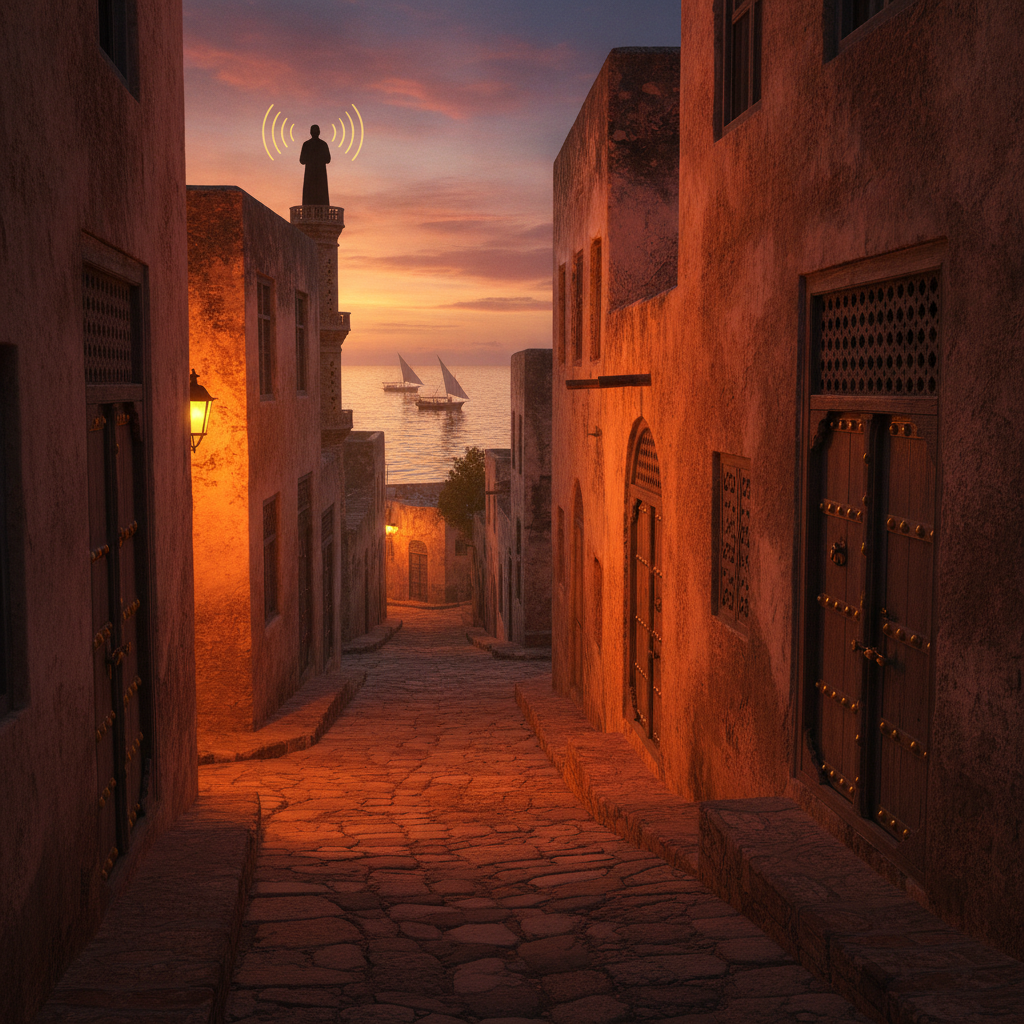
Stone Town (Mji Mkongwe in Swahili: the old city): the historic center of Zanzibar City on the western coast of Unguja Island and a UNESCO World Heritage Site since 2000. The city (Stone Town is the only functioning ancient town in East Africa where the old buildings remain in continuous use: the architecture is a unique fusion of Arabic, Persian, Indian, and Swahili styles built from coral rag stone (the locally quarried fossilized coral used as the primary building material throughout the Swahili coast): the most distinctive architectural feature of Stone Town is the elaborately carved wooden door (the Zanzibari door: a tradition brought from India (the Gujarati merchants who traded in Zanzibar from the 18th century) and from Oman (the Arab Omani rulers who controlled Zanzibar from 1698): the doors are carved with elaborate geometric, floral, and calligraphic patterns: the door of a wealthy Zanzibar merchant was the primary public statement of his status and wealth: the larger the door, the more important the merchant). The history (Stone Town was the capital of the Sultanate of Zanzibar from 1832 when Sultan Seyyid Said moved the Omani capital from Muscat to Zanzibar: the Omani Arab sultans transformed Zanzibar into the primary commercial center of the East African coast: the primary trade goods were cloves (Zanzibar dominated world clove production throughout the 19th century) and enslaved people (the Indian Ocean slave trade: Zanzibar was the largest slave market in East Africa (the Old Slave Market: the site of the main slave market where an estimated 50,000 enslaved people passed annually at the peak of the trade in the 1860s: now the site of the Anglican Christ Church Cathedral built by the Bishop of Zanzibar in 1873 on the exact site of the slave market as a statement of abolition)). The practical (Old Fort: the oldest standing building in Stone Town (built by the Omani Arabs in 1699-1700 on the site of a Portuguese church): free entry: the Fort hosts concerts and cultural events: the House of Wonders (Beit el-Ajaib): the largest building in Stone Town: the former ceremonial palace of Sultan Barghash (built 1883): the first building in East Africa to have electric lights and an electric lift).
- 2
The Slave Trade and Abolition - Zanzibar as the Heart of the Indian Ocean Slave Market
The Zanzibar slave trade: the most significant and painful chapter of Zanzibari history, the role of the island as the primary hub of the Indian Ocean slave trade, and the abolition movement that ended it. The trade (the Indian Ocean slave trade (the East African slave trade): the trade of enslaved Africans across the Indian Ocean to Arabia, Persia, India, and beyond: the trade had existed for over 1,000 years before the 19th century but reached its peak under the Omani Sultans of Zanzibar: Sultan Seyyid Said moved the Omani capital to Zanzibar in 1832 and rapidly expanded both the clove plantation economy and the slave trade: the enslaved people (the primary source of enslaved people was the interior of East Africa (present-day Tanzania, Mozambique, Malawi, Congo): Arab and Swahili traders penetrated deep into the interior along trade routes to capture and transport enslaved people to the coast: the primary Arab slave trader routes converged on Ujiji on Lake Tanganyika (the point where Livingstone and Stanley met in 1871): the enslaved people were marched to the coast (the slave march: those too weak to continue were killed): approximately 50,000-70,000 enslaved people passed through Zanzibar annually at the peak of the trade in the 1860s: the total number of enslaved people transported from East Africa across the Indian Ocean over the full history of the trade is estimated at 1-1.5 million people). The abolition (the British campaign to abolish the East African slave trade: the British had abolished the transatlantic slave trade in 1807 and slavery in British territories in 1833 but the Indian Ocean slave trade continued under Omani Arab control: the British abolitionist pressure (David Livingstone travels in the interior (1840s-1870s) documented the devastating human cost of the slave trade and created enormous public pressure in Britain for abolition): the 1873 Treaty (the British forced Sultan Barghash to sign the Frere Treaty (1873) abolishing the slave trade in Zanzibar: the old slave market was immediately closed and the Anglican Christ Church Cathedral was built on the site: formal slavery (the ownership of enslaved people already in Zanzibar) was not abolished until 1897).
- 3
Spice Island - The Clove Plantations and the Global Spice Trade
Zanzibar as the Spice Island: the history of the clove and spice trade that made Zanzibar the wealthiest territory in East Africa, the plantation system, and the spice farms that visitors can tour today. The cloves (clove (Syzygium aromaticum): the dried flower buds of the clove tree: one of the most valuable spices in the world trade for over 2,000 years: the clove originated in the Maluku Islands (the Moluccas) in eastern Indonesia (the only place cloves grew naturally until the 18th century): the Portuguese controlled the global clove trade via Maluku in the 16th century: the Dutch seized Maluku from the Portuguese in 1605 and attempted to maintain a clove monopoly by restricting growing to specific islands: the French broke the Dutch monopoly (Pierre Poivre (Peter Pepper): the French colonial administrator who in 1770 smuggled clove seedlings from the Maluku Islands to Mauritius and Reunion: from Mauritius the trees spread to other colonial territories): the clove introduction to Zanzibar (Seyyid Said of Oman introduced clove cultivation to Zanzibar in approximately 1818: by the 1850s Zanzibar and the neighboring island of Pemba had become the world largest clove producers: at peak production Zanzibar produced approximately 75-80% of the world clove supply): the plantation economy (the clove plantations were worked by enslaved labor: the abolition of the slave trade (1873) and slavery (1897) disrupted the plantation economy: the plantation workers became tenant farmers (mashamba workers) working the former plantations for a share of the harvest). The spice tours (the Zanzibar spice farm tours: a half-day tour of the plantation areas in the interior of Unguja Island: visitors can see and taste growing cloves, cinnamon, black pepper, cardamom, turmeric, vanilla, nutmeg, lemongrass, ginger, and ylang-ylang: one of the most sensory experiences available in East Africa: the guides demonstrate the plants by crushing leaves and bark to release the aromas).
- 4
Zanzibar Beaches - Nungwi, Kendwa, and the East Coast
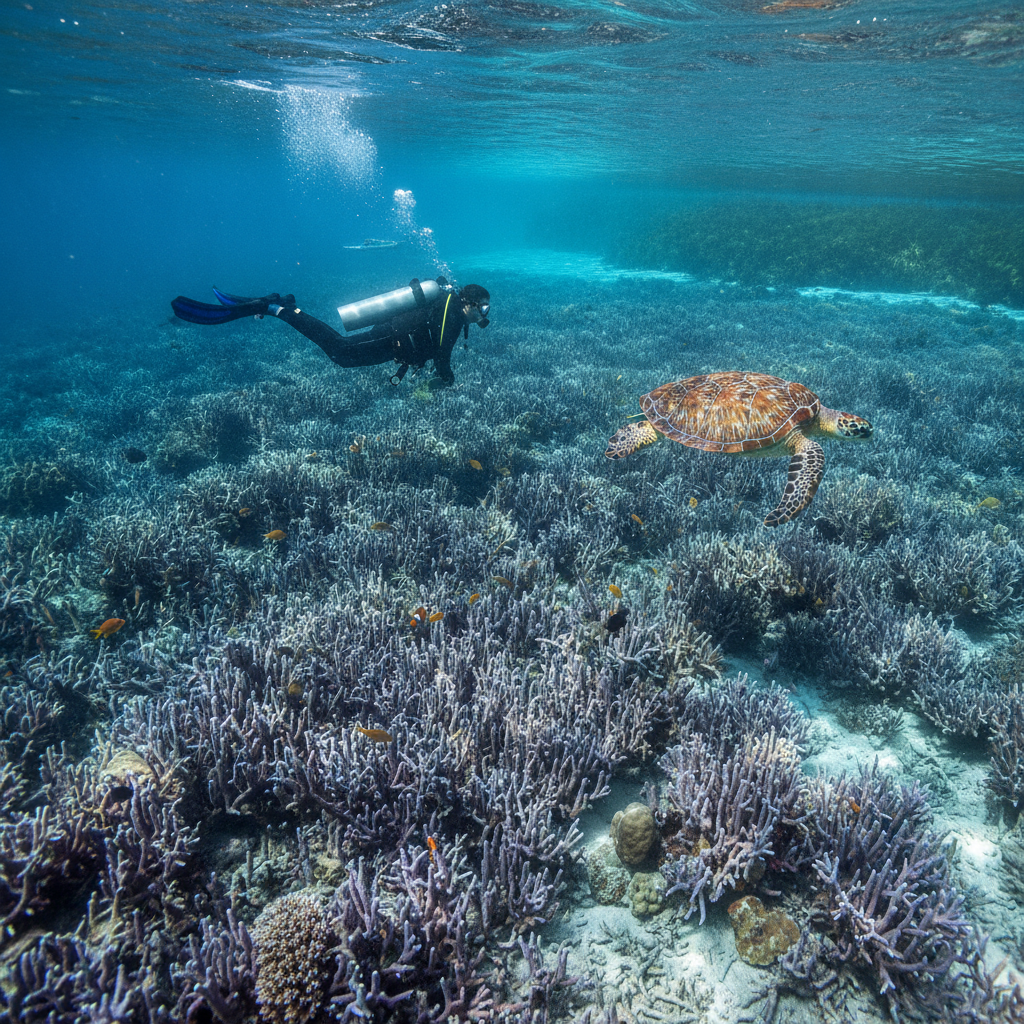
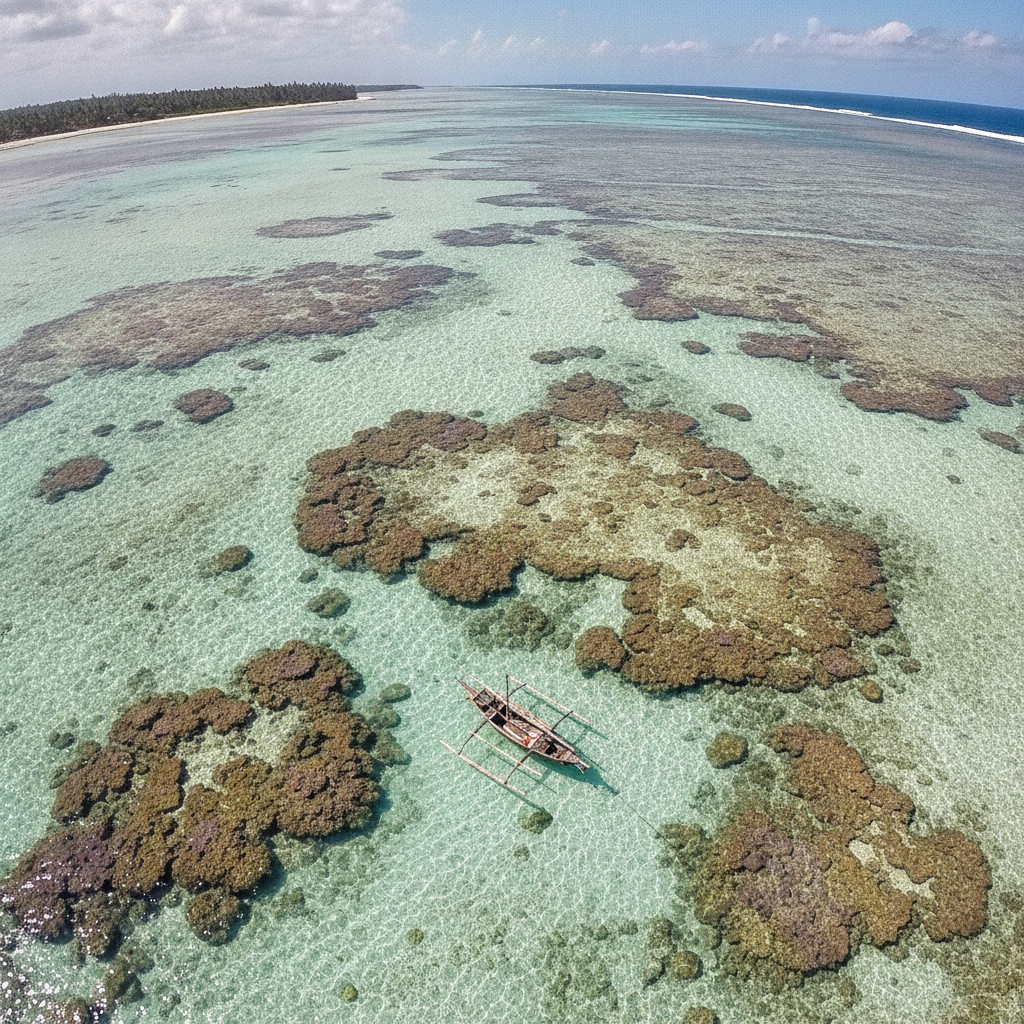
The Zanzibar beaches: the white sand and turquoise water beaches of Unguja Island that have made Zanzibar one of the most celebrated beach destinations in the Indian Ocean. The beaches (Nungwi (the northernmost village of Unguja: the most famous beach destination on the island: a traditional dhow-building village where Zanzibari craftsmen still build wooden dhows by hand using ancient methods: the Nungwi beach is a white sand beach on the northwestern tip of the island where the tidal variation is minimal (unlike the east coast beaches which are affected by significant tidal ranges): the Nungwi lagoon remains swimmable throughout the day regardless of tide: the beach is lined with resort hotels ranging from budget to luxury: the Mnarani Aquarium (the sea turtle rehabilitation center at Nungwi where injured and immature turtles are kept before release): Kendwa (2 km south of Nungwi along the west coast: a slightly quieter beach village than Nungwi: the Kendwa Rocks beach party (the full moon party at Kendwa Rocks beach bar: one of the most famous beach parties in East Africa): the east coast beaches (Paje, Jambiani, Bwejuu, Matemwe): the east coast of Zanzibar faces the open Indian Ocean: the beaches are broader and whiter than the west coast: the east coast is the primary kite surfing destination in Zanzibar (Paje: the consistent south-east trade wind (the kusi) creates reliable kite surfing conditions at Paje from June to October): the tidal range on the east coast is significant (at low tide the ocean retreats far from the beach and large areas of seagrass and reef are exposed): the best swimming is at high tide on the east coast beaches). The snorkeling and diving (Zanzibar has some of the finest snorkeling and diving in the Indian Ocean: the primary dive sites (Mnemba Atoll: the premier dive site in Zanzibar waters: a protected marine reserve 3 km off the northeast coast of Unguja: clear water, diverse coral, and abundant fish: the site where dolphins, sea turtles, and occasional whale sharks are seen): Prison Island (Changuu Island: 5 km from Stone Town: the former island prison and quarantine station: home to a colony of giant Aldabra tortoises (Aldabrachelys gigantea: donated by the British colonial government of Seychelles in 1919): visitors can walk among and touch the giant tortoises).
- 5
The 1964 Zanzibar Revolution and the Making of Tanzania
The 1964 Zanzibar Revolution: the violent overthrow of the Arab Sultanate by the African majority, the bloodiest political event in Zanzibari history, and the creation of Tanzania. The Sultanate (the Sultanate of Zanzibar at independence (December 10, 1963): Zanzibar was granted independence from Britain as a constitutional monarchy under Sultan Jamshid bin Abdullah: the political power was held by the Arab and Arab-African Afro-Arab minority (approximately 20% of the population) who dominated the government, civil service, and economy: the African majority (the Shirazi (Bantu Africans with Arab admixture) and mainland African communities) were largely excluded from political and economic power: the Afro-Shirazi Party (ASP) had won the majority of votes in the pre-independence elections but the colonial electoral system had given the Arab-dominated Zanzibar Nationalist Party (ZNP) and Zanzibar and Pemba Peoples Party (ZPPP) coalition a parliamentary majority). The revolution (January 12, 1964: the Zanzibar Revolution was led by John Okello (a Ugandan field marshal of the ASP army: a charismatic but unstable figure who declared himself Field Marshal and broadcast violent revolutionary rhetoric on Radio Zanzibar): approximately 600-800 revolutionary fighters attacked the police armory on the night of January 12: within hours the police were overwhelmed and the Sultan fled on the royal yacht (the Sultan never returned): the subsequent violence (the revolutionary period (January-February 1964) saw significant violence against the Arab and Asian minorities: the death toll is disputed (estimates range from 2,000 to 17,000 killed): the Arab community was targeted (approximately 17,000 Arab Zanzibaris fled the island in the weeks following the revolution): Abeid Karume (the leader of the ASP) became the first President of the People Republic of Zanzibar): the creation of Tanzania (April 26, 1964: the union of Zanzibar and mainland Tanganyika (which had gained independence in 1961 under Julius Nyerere): the United Republic of Tanzania: the name Tanzania combines Tanganyika and Zanzibar: Zanzibar retains significant internal autonomy within Tanzania (the Zanzibar government (the Revolutionary Government of Zanzibar) has its own president, parliament, and control over internal affairs).
- 6
Zanzibar Practical Guide - Dhow Sailing, Dolphin Tours, and the Complete Spice Island Reference
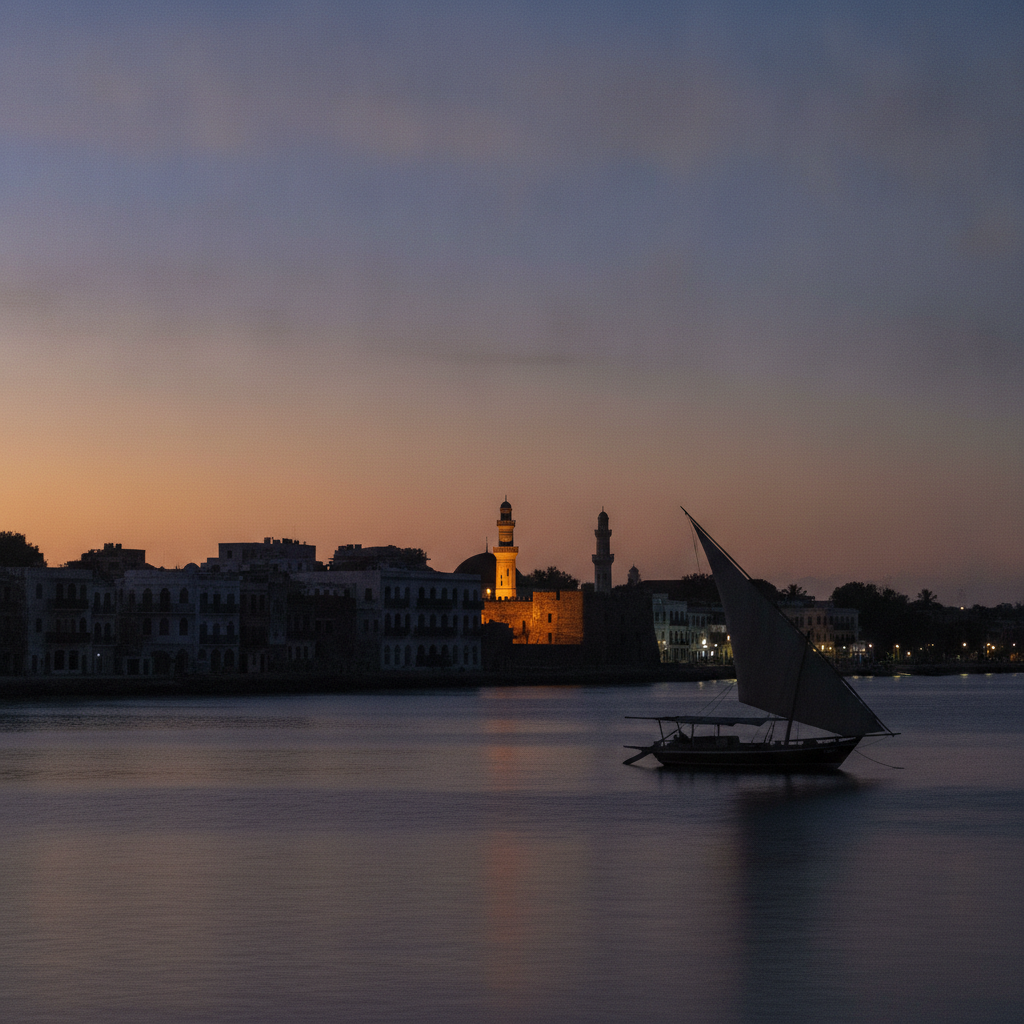
The Zanzibar complete practical guide: the dhow sailing experience, dolphin tours at Kizimkazi, the best Stone Town restaurants, accommodation from budget to luxury, and the complete visitor reference for planning a Zanzibar trip. The dhow experience (the traditional Arab dhow (the wooden sailing boat with a lateen (triangular) sail that has been the primary vessel of the Indian Ocean for over 2,000 years): the Zanzibar sunset dhow cruise from Stone Town (the most popular activity for Stone Town visitors: 2-hour dhow cruise at sunset departing from the waterfront in front of the Old Fort: the cruise includes snorkeling on a reef near Prison Island and a sundowner drink: one of the finest sunset experiences in East Africa): the dhow building at Nungwi (watch traditional dhows being constructed by hand by Zanzibari craftsmen using ancient methods without power tools or plans): the Dhow Countries Music Academy (Stone Town: the music school and cultural centre dedicated to the traditional music of the Swahili coast and the broader Indian Ocean world: the taarab music (the traditional music of Zanzibar: a fusion of Arabic maqam music, Indian film music, and Swahili poetry: performed by an orchestra (oud, violin, cello, accordion, qanun (Arabic zither), and percussion) with a female vocalist singing Swahili romantic poetry)). The dolphin tours (Kizimkazi: the fishing village on the southern tip of Unguja: the location of the most reliable dolphin-watching in Zanzibar: spinner dolphins (Stenella longirostris) and bottlenose dolphins (Tursiops truncatus) are resident in the waters off Kizimkazi year-round: the dolphin tours involve snorkeling with the dolphins (the dolphins are wild and come and go freely): the Kizimkazi mosque (the 12th century mosque with Kufic script inscriptions from 1107 CE: one of the oldest mosque buildings in East Africa)). The food guide (the Stone Town waterfront (Forodhani Gardens) night food market: the best cheap food experience in Zanzibar: the open-air market sets up at sunset on the Stone Town waterfront: fresh Zanzibar pizza (a thin fried flatbread filled with meat, egg, and vegetables), sugarcane juice, mishkaki (skewered grilled meat), and fresh coconut: the Mercury Restaurant (named after Freddie Mercury (the Queen frontman Farrokh Bulsara was born in Stone Town in 1946 to a Parsi Indian family): one of the most unexpected Zanzibar historical connections).
Walk this route with audio
Stories play automatically as you reach each stop — no tapping needed.
More in zanzibar
Zanzibar Final: Spice Trade History, Julius Nyerere, Kilimanjaro, Serengeti vs Mara, Dhow Tradition, and Complete Legacy
Zanzibar Complete: Jozani Forest, Livingstone, Marine Conservation, Tanzanian Politics, and the Full Visitor Guide
Zanzibar Deep Dive: Freddie Mercury, Pemba Island, Swahili Language, Cuisine, Omani Heritage, and Island Comparisons
Zanzibar Extended: Madagascar Comparison, Diaspora Legacy, Slow Travel, Architecture, Islam, and Ultimate Practical Guide