Bahnhofstrasse, the Kunsthaus & Zurich's Museum District
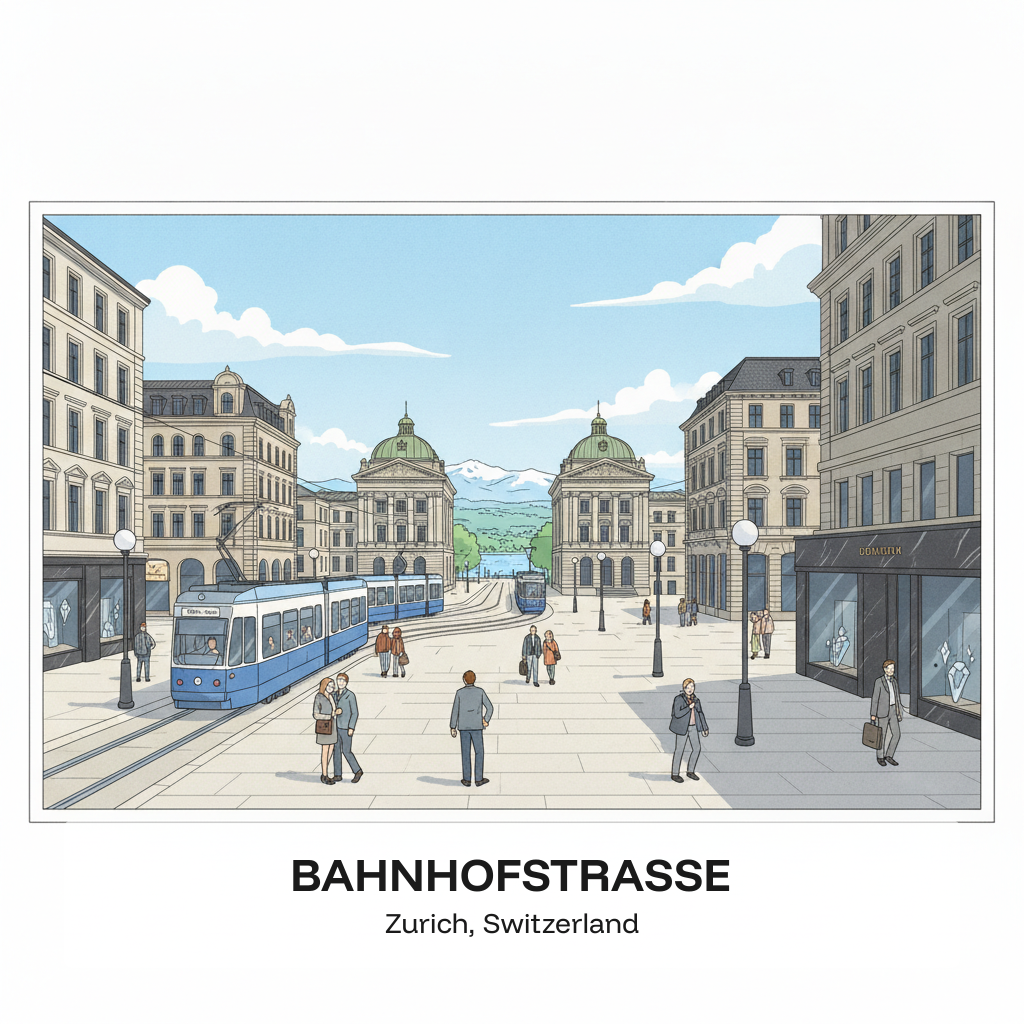
Bahnhofstrasse (the 1.4-kilometre main street of Zurich, running from the Hauptbahnhof (central station) south to the lake — the most expensive shopping street in continental Europe, lined with Swiss watch brands, luxury jewellers, and international fashion houses) leads south to the lake and east to the Kunsthaus Zurich (the largest art museum in Switzerland and one of the finest collections of modern art in Europe), forming the cultural and commercial spine of the city.
1. Bahnhofstrasse — The Most Expensive Street in Continental Europe
- 1
Bahnhofstrasse — The Most Expensive Street in Continental Europe
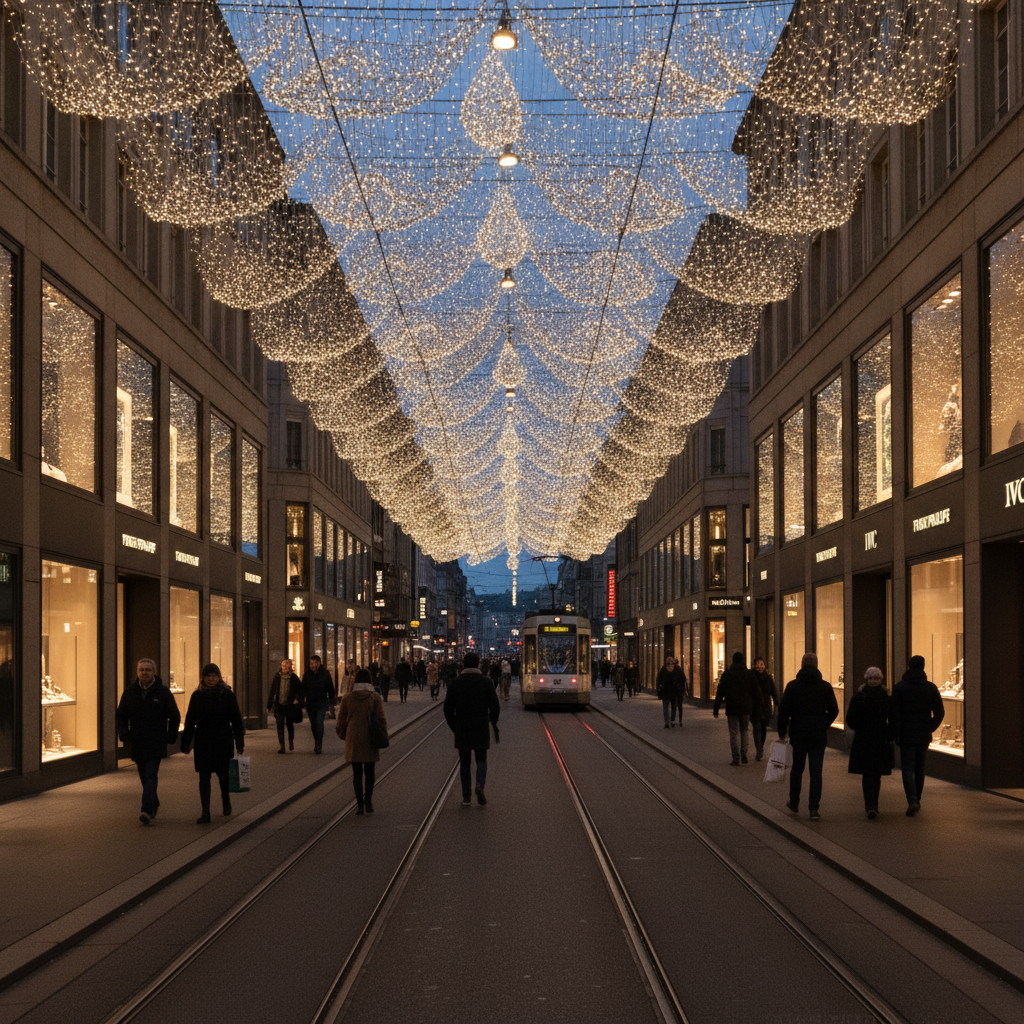
Bahnhofstrasse (the 1.4-kilometre pedestrian and tram street running from Zurich Hauptbahnhof south to the Bürkliplatz on Lake Zurich, developed as the principal commercial street of the city in the 1860s-1900s after the draining of the Fröschengraben (Frog Ditch) moat that had previously occupied the site): Bahnhofstrasse is the most prestigious and (by some measures) the most expensive retail street in continental Europe, with shops including the Zurich flagship stores of virtually every major luxury brand in the world; the Swiss watch industry's highest-end brands (Patek Philippe, Rolex, IWC, Audemars Piguet, Cartier, Jaeger-LeCoultre) are especially prominent; the underground vault of UBS (at the Paradeplatz, the large square at the midpoint of the Bahnhofstrasse, bordered by the headquarers of the major Swiss banks) is said to contain the largest deposit of gold bullion in the world; at Christmas, the famous 'Lucy' lights (suspended above the street) make Bahnhofstrasse one of the most atmospherically beautiful Christmas shopping streets in Europe.
- 2
Kunsthaus Zurich — The Finest Art Collection in Switzerland
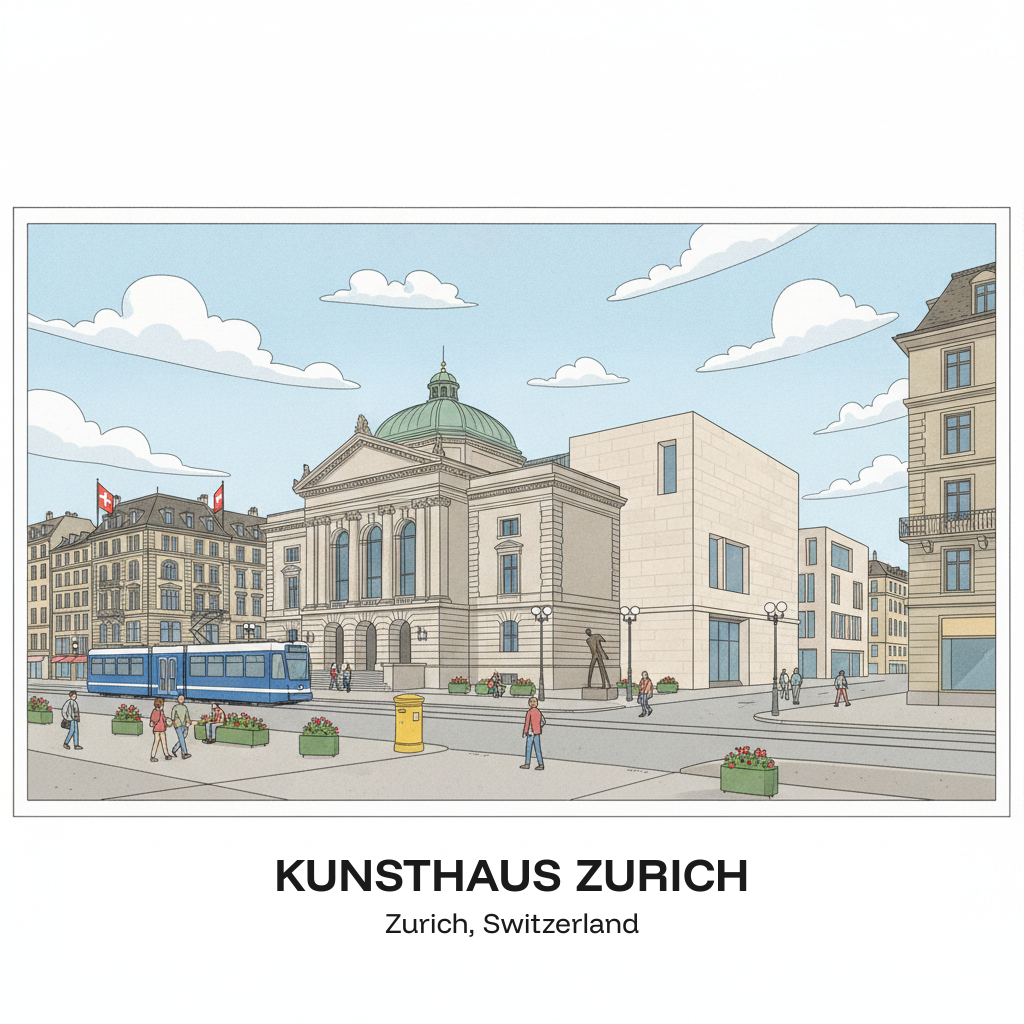
Kunsthaus Zürich (Heimplatz 1 — the main art museum of Zurich and the largest art museum in Switzerland, substantially expanded in 2021 by the addition of the Chipperfield Building (designed by British architect David Chipperfield, connected to the existing Moser Building (1910) by an underground passage, doubling the display area): the Kunsthaus has the finest collection of modern and contemporary art in Switzerland and one of the strongest in Europe; highlights of the collection include: the largest collection of works by Alberto Giacometti outside the Giacometti Foundation in Paris (over 100 sculptures and numerous drawings by the Swiss sculptor — the most important collection of Giacometti in a public museum), major works by Edvard Munch (including several versions of 'The Scream'), a comprehensive Impressionist and Post-Impressionist collection (Monet, Picasso, Van Gogh, Cézanne, Matisse), and an outstanding collection of German and Austrian Expressionism; the Chipperfield expansion houses the Bührle Collection (the private art collection of Emil Bührle, a major collection of Impressionist and early Modern painting that has been controversial due to the wartime provenance of some works).
- 3
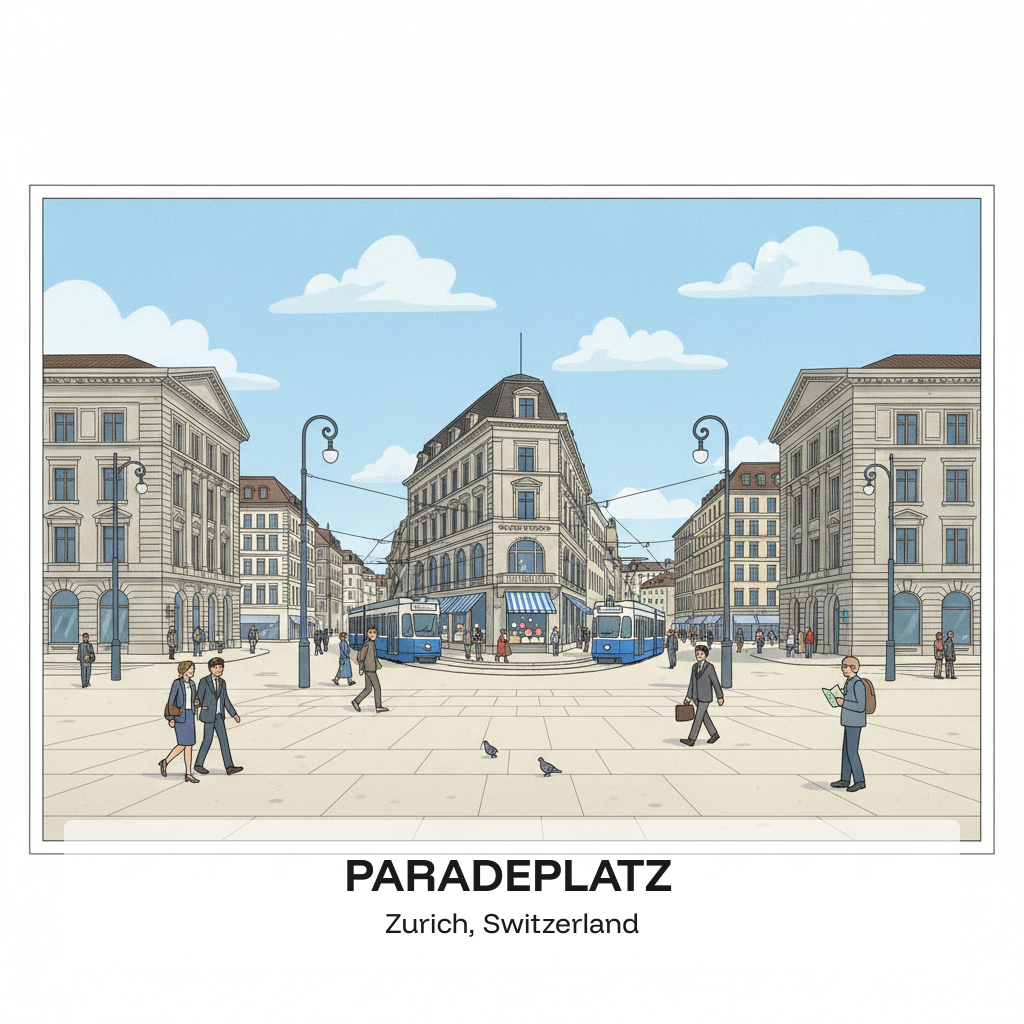
Paradeplatz — The Heart of Swiss Finance
Paradeplatz (the large square at the midpoint of Bahnhofstrasse — the symbolic centre of the Swiss financial system, where the two largest Swiss banks (UBS and Credit Suisse, now merged into UBS after the Credit Suisse collapse and rescue in March 2023) have their historic headquarters buildings face-to-face across the square): Paradeplatz is the most concentrated node of global financial power in continental Europe — the square where the decisions are made that affect the approximately $7 trillion of assets managed by Swiss private banks (Switzerland manages approximately one-third of all offshore private wealth in the world); the tram stop at Paradeplatz is the central transfer point of the Zurich tram network; the Confiserie Sprüngli (Bahnhofstrasse 21/Paradeplatz — the oldest and most famous confectionery in Zurich, founded 1836, the original business of the Lindt & Sprüngli chocolate company before the two branches separated) is the most beloved pastry shop in Zurich, famous for its Luxemburgerli (the miniature macarons that are a Zurich specialty and a Sprüngli exclusive).
- 4
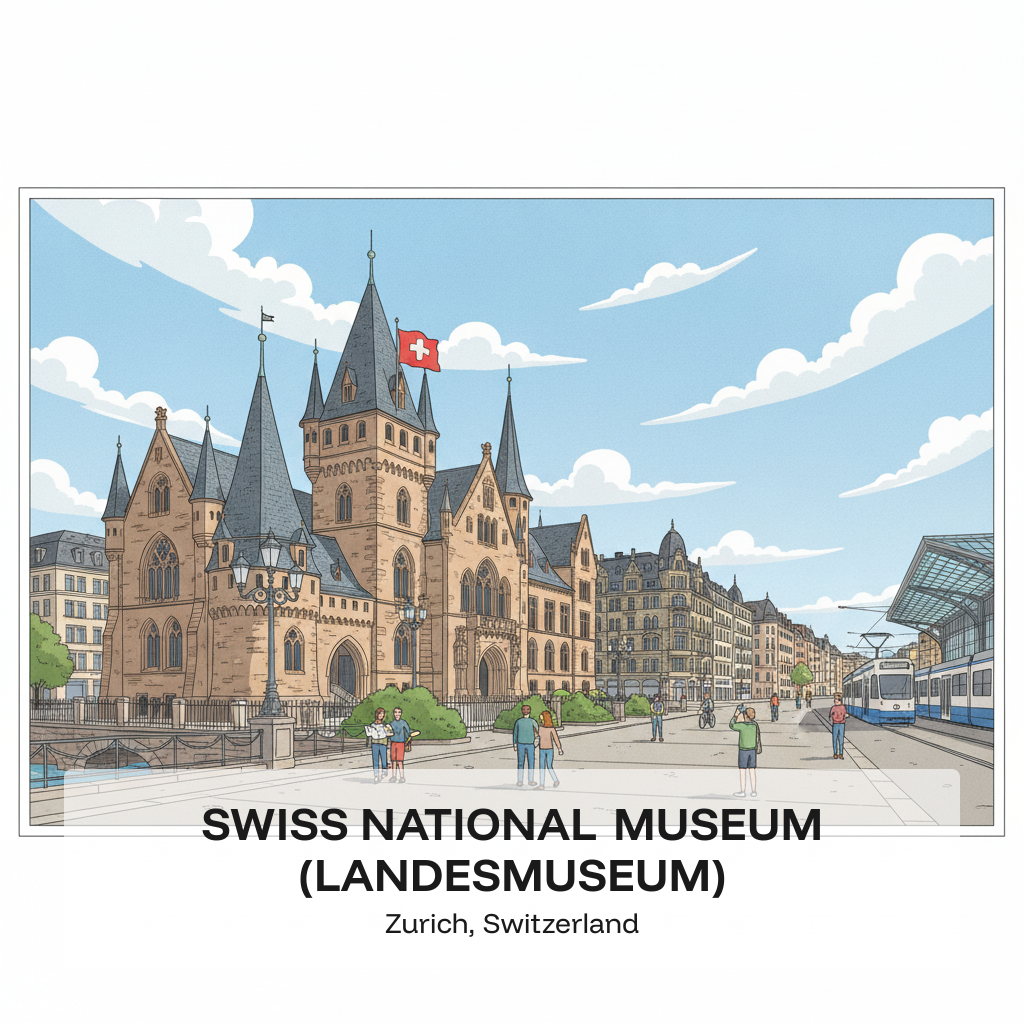
Swiss National Museum (Landesmuseum) — 5,000 Years of Swiss History
Schweizerisches Nationalmuseum (Swiss National Museum — Museumstrasse 2, immediately adjacent to the Hauptbahnhof (main railway station) — the national history museum of Switzerland, housed in the extraordinary neo-Gothic building (built 1898, designed by Gustav Gull in a romantic historicist style combining elements of a medieval castle, a Gothic cathedral, and a Renaissance town hall — the most eclectic and dramatic museum building in Switzerland)): the museum houses the most comprehensive collection of objects documenting Swiss history and culture, from Stone Age lake dwellings (Switzerland has the highest density of Neolithic and Bronze Age lake dwelling sites in the world, with over 111 sites on Swiss lakes and rivers — UNESCO World Heritage) through the Roman period, the Middle Ages, the Swiss Confederation (founded 1291), the Reformation, the early modern period, and the development of Swiss industrialism and democracy; the museum's collection of applied arts (furniture, textiles, goldsmith work, armour) is the finest in the country.
- 5
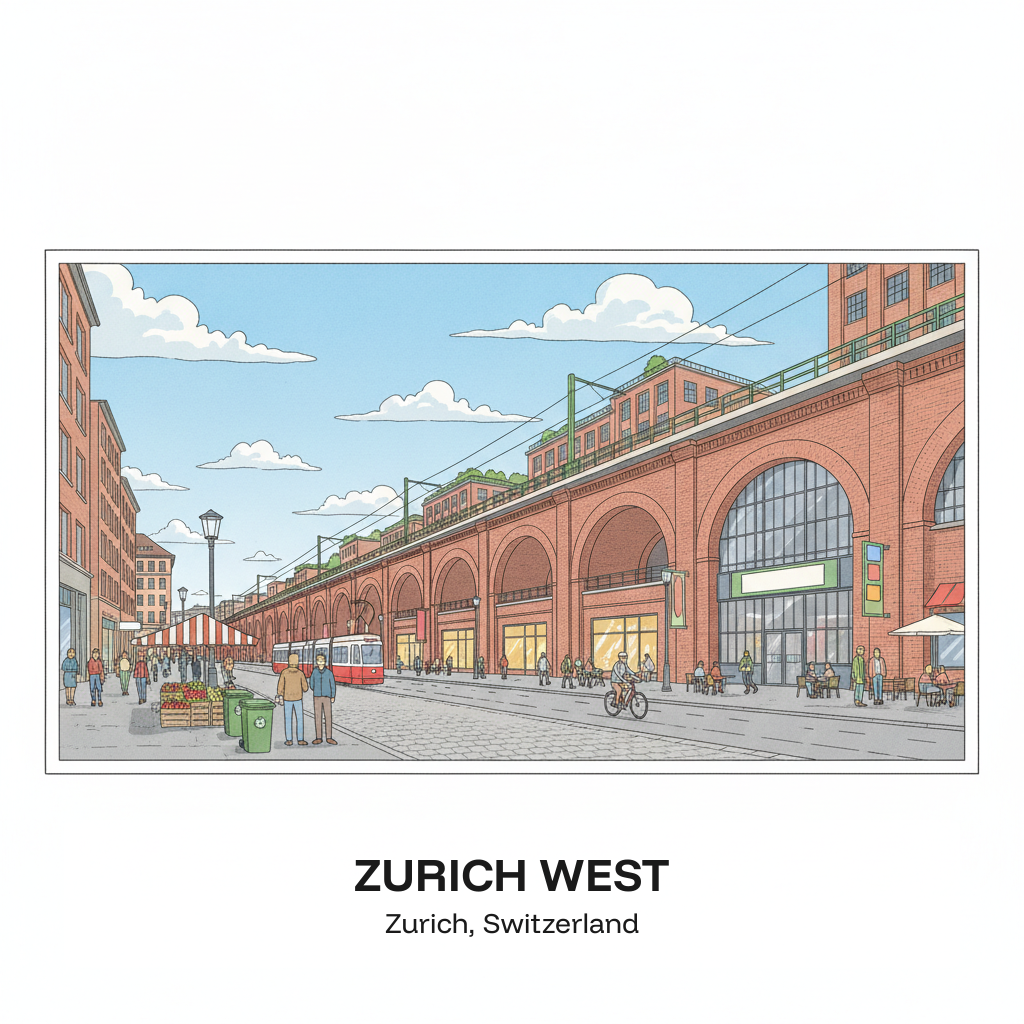
Zurich West — Industrie Quarter, Viadukt & Contemporary Culture
Zurich West (the former industrial district in the western part of central Zurich, along the Limmat and the railway viaduct — the city's main creative and nightlife district, transformed from heavy industry to culture and gastronomy in the 1990s-2000s): the key elements of Zurich West's cultural landscape include: the Langstrasse (the main street of Zurich's red light district, nightlife, and immigrant communities — the most socially diverse and authentically urban street in Zurich, running north-south through the Kreis 4 (Fourth District) neighbourhood); the Viadukt (the 500-metre brick railway viaduct built 1894, now converted to a mixture of boutique shops, restaurants, a farmers' market, and event spaces underneath its 36 arches — the most innovative adaptive reuse project in Zurich); the Schiffbau (the converted 19th-century shipbuilding hall, now containing the stage of the Schauspielhaus Zurich (the main theatre of Zurich) and the Restaurant Schiffbau).
- 6
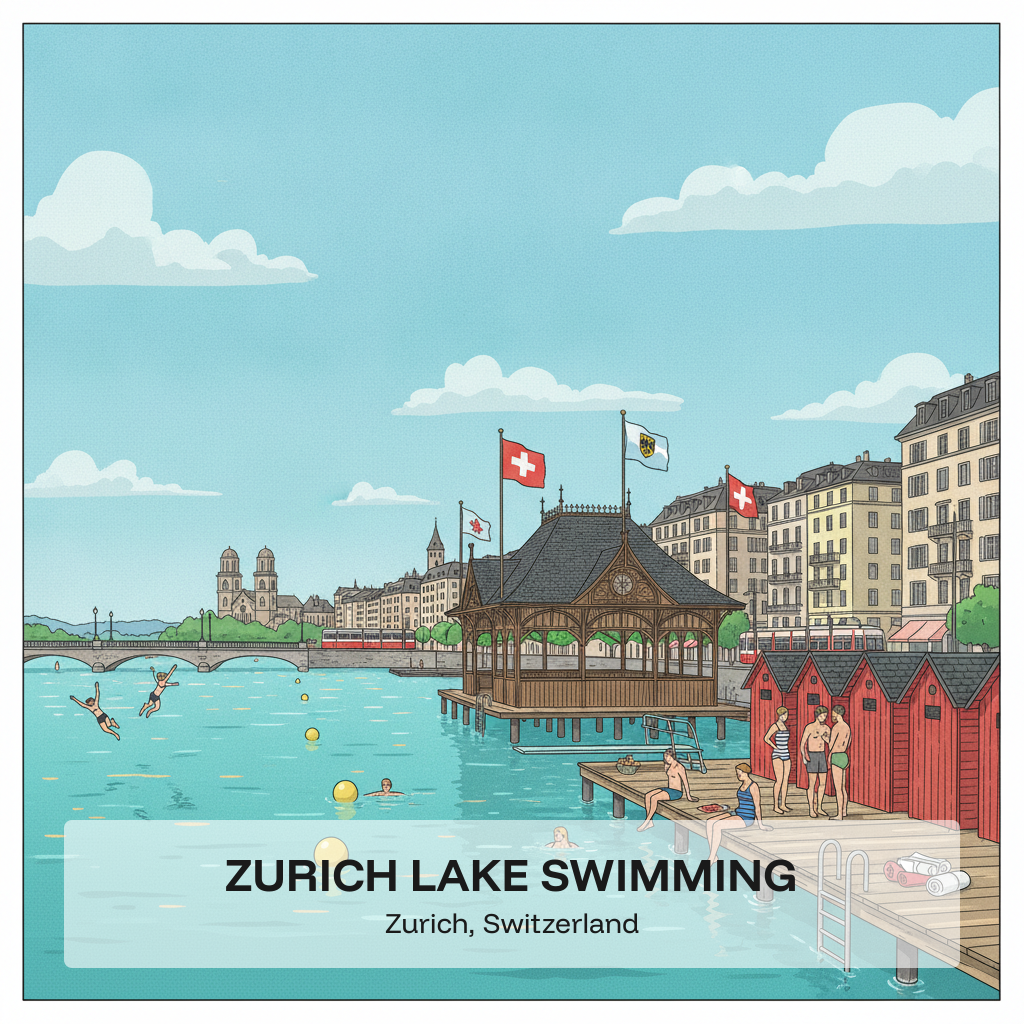
Zurich Lake Swimming — The Seebäder Summer Tradition
Zurich Lake Swimming (the Seebäder — the traditional outdoor swimming facilities on the lake and the Limmat river, a distinctively Zurich institution that makes the city's relationship with its natural water environment unique among major European cities): the Zurich bathing culture (Badekultur) encompasses approximately 18 public outdoor swimming facilities within the city boundaries, including the historic wooden lakeside bathing halls (the Frauenbad Stadthausquai (women only, historic Art Nouveau structure), the Männerbad Schanzengraben (men only, also historic), and the mixed facilities of the Seebad Enge, Seebad Utoquai, and Seebad Tiefenbrunnen on the lake); on warm summer days, the banks of the Limmat in the city centre fill with Zurichers swimming in the river current from the bridges — the annual Züri-fäscht festival includes the famous mass Limmat river swim (approximately 600 swimmers jumping from the Rudolf Brun Bridge and drifting downstream).
Walk this route with audio
Stories play automatically as you reach each stop — no tapping needed.
More in zurich
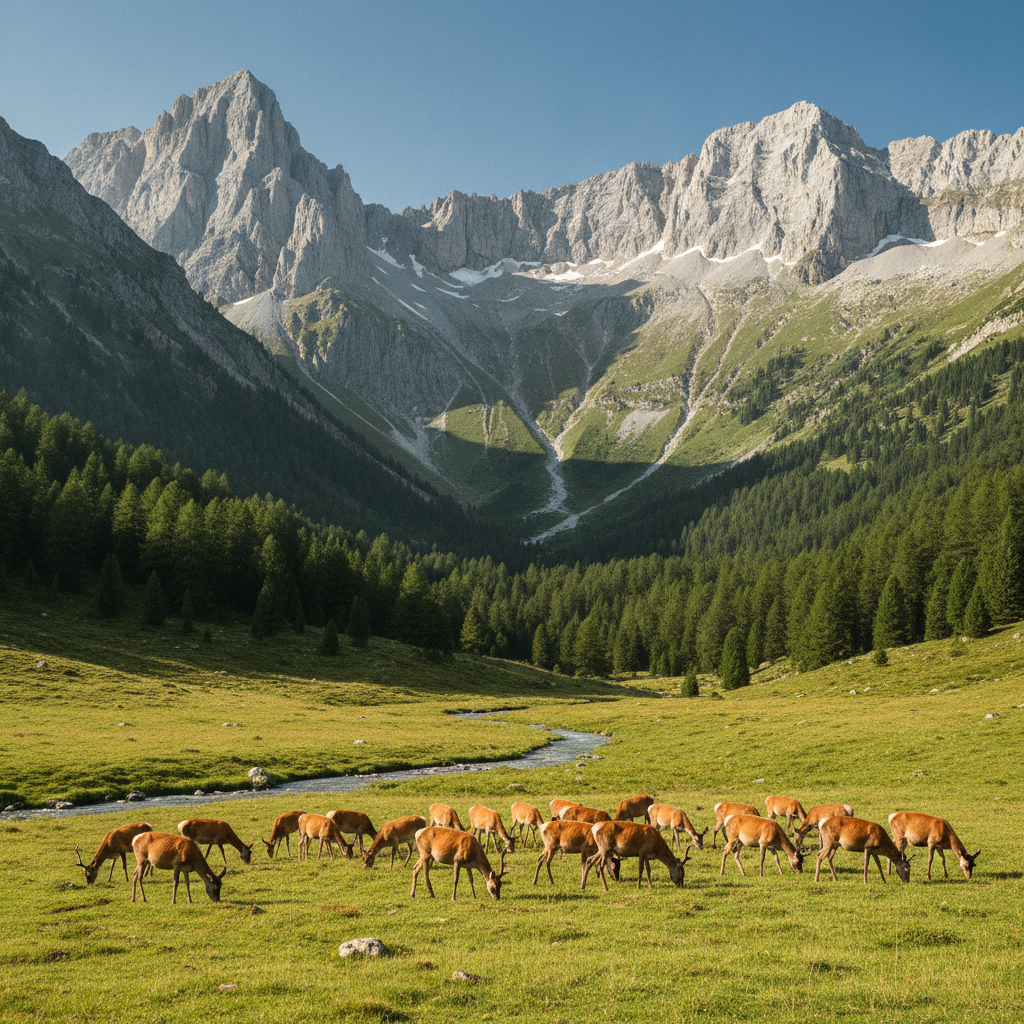
Swiss National Park & Graubünden — Switzerland's Alpine Wilderness
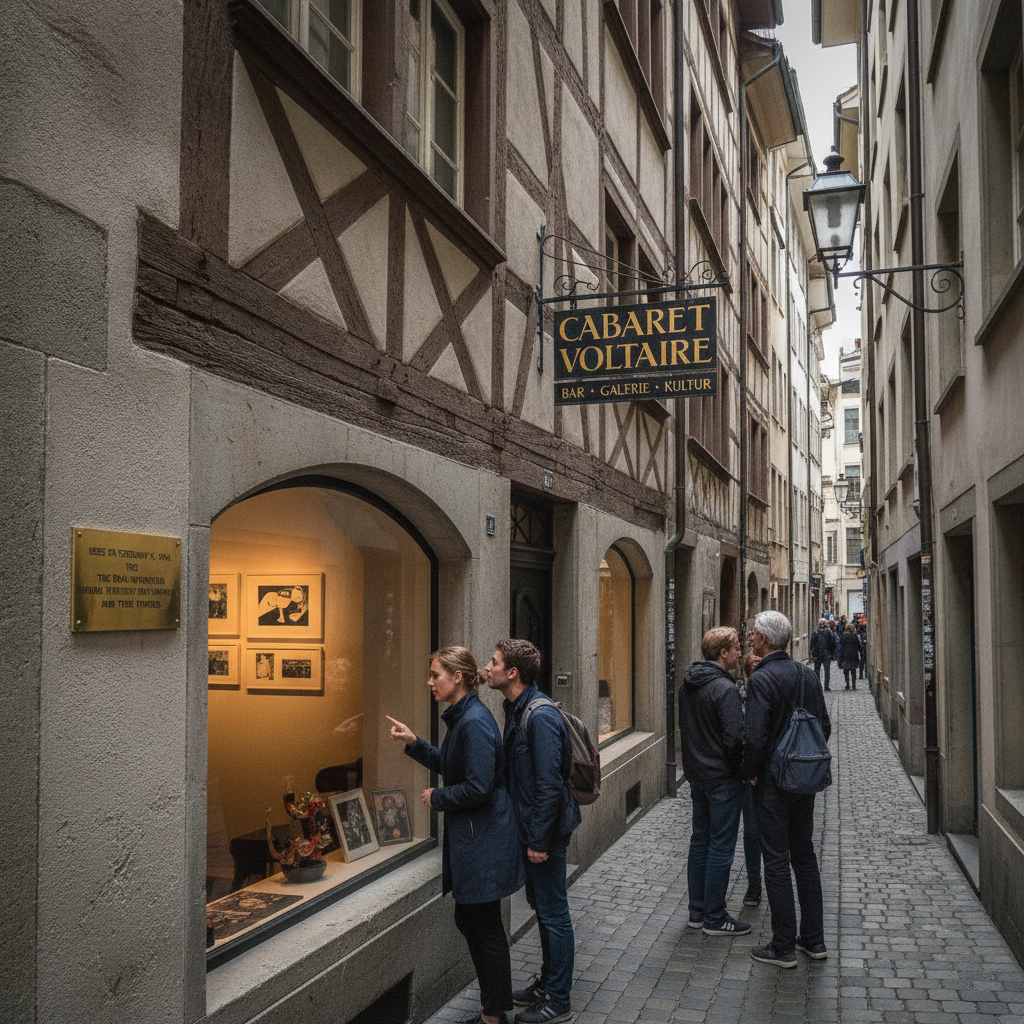
Cabaret Voltaire — Where Dada Was Born & Zurich's Cultural Underground
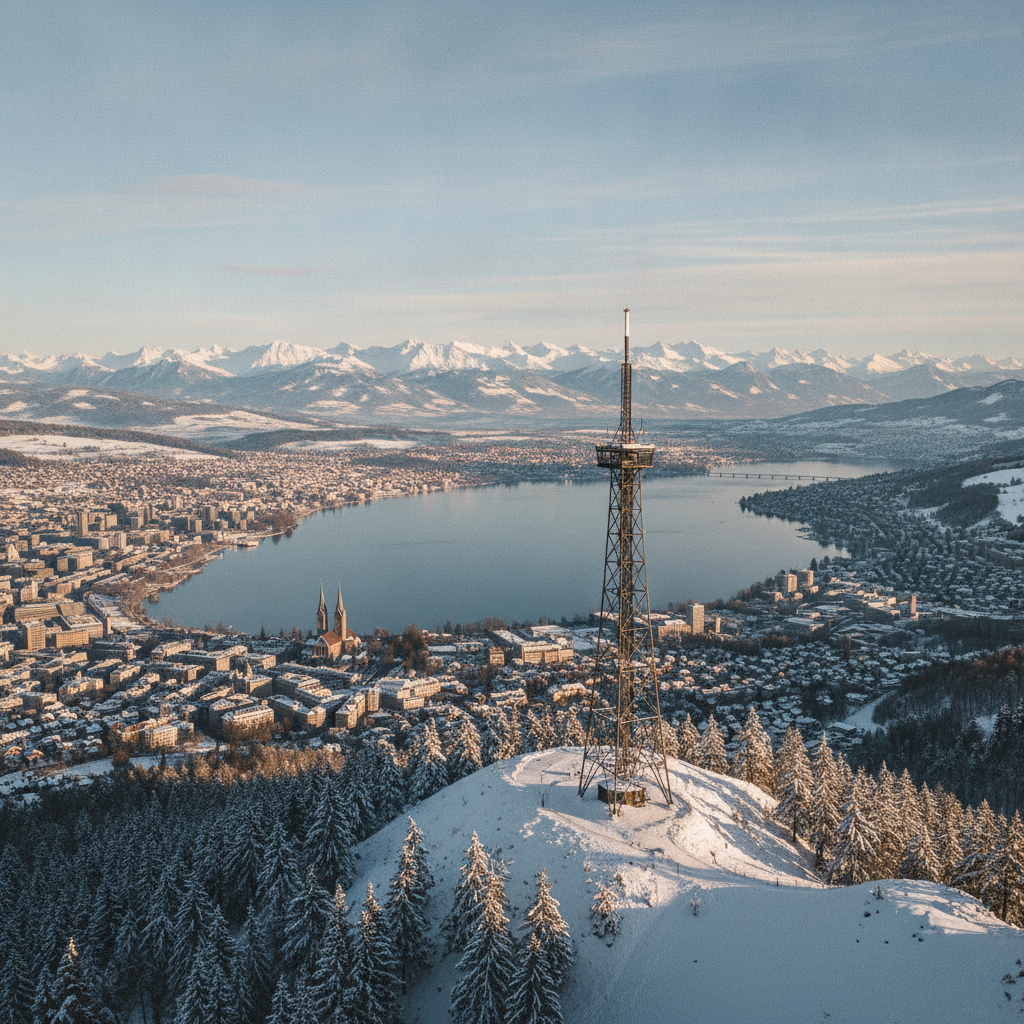
Uetliberg Mountain — Zurich's Local Mountain & Alpine Panorama
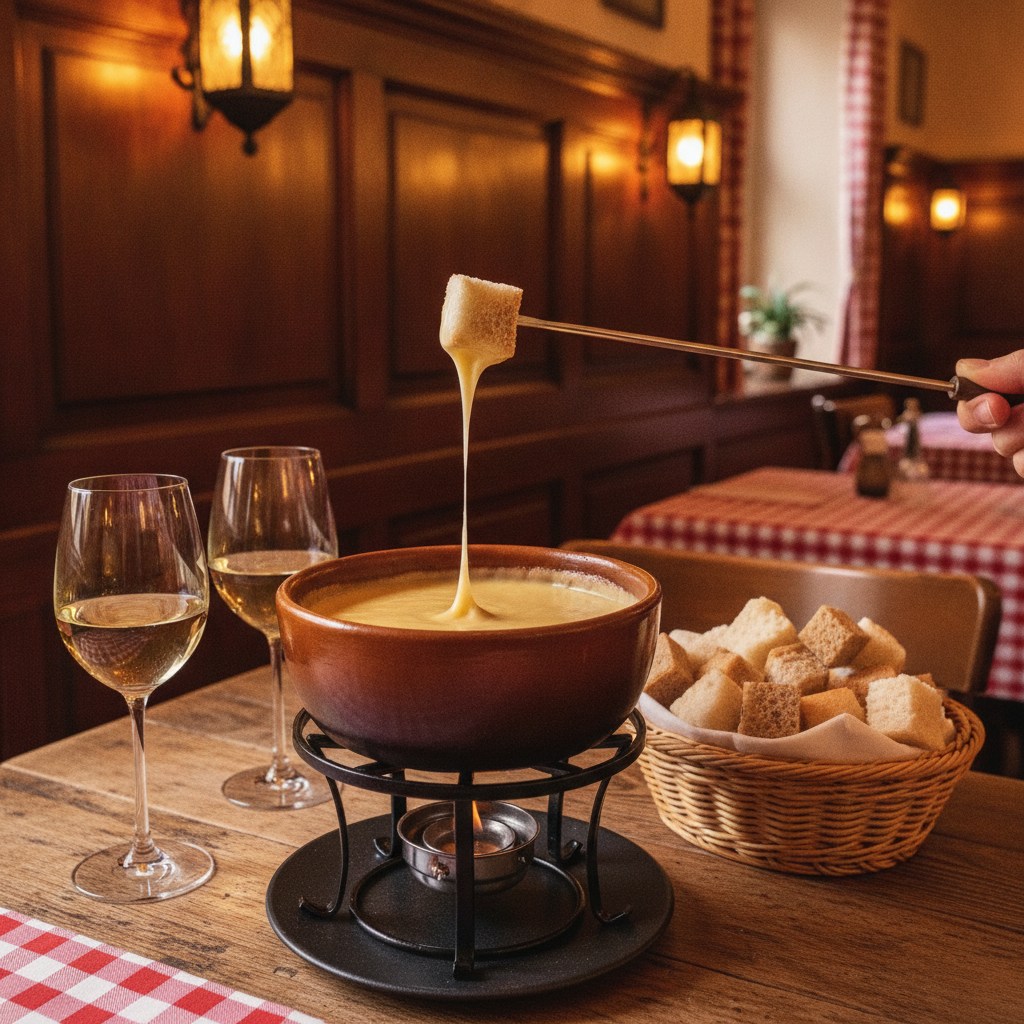
Swiss Food in Zurich — Fondue, Raclette, Rösti & Swiss Chocolate
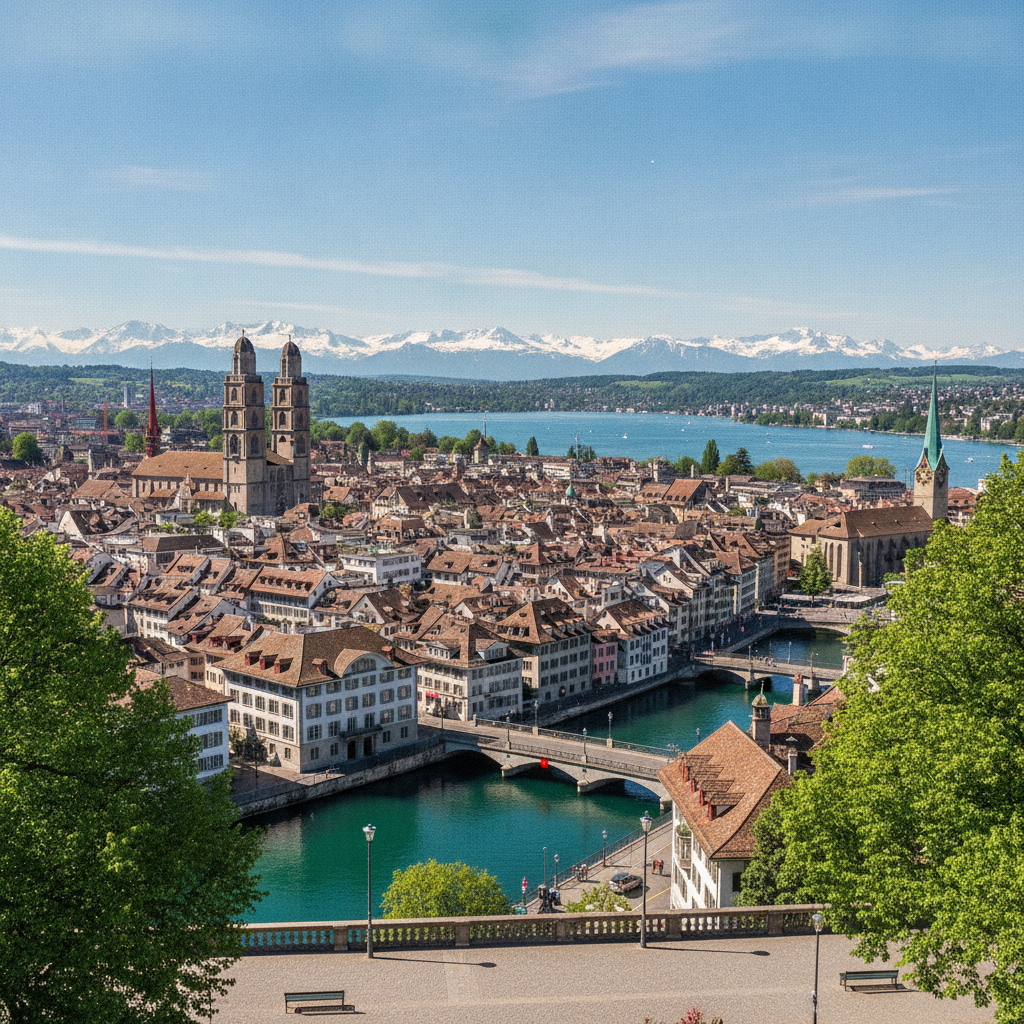
Zurich Old Town, the Grossmünster & Lake Zurich