City Guides
Routes, articles, and curated lists to help you discover amazing places.
Routes, articles, and curated lists to help you discover amazing places.
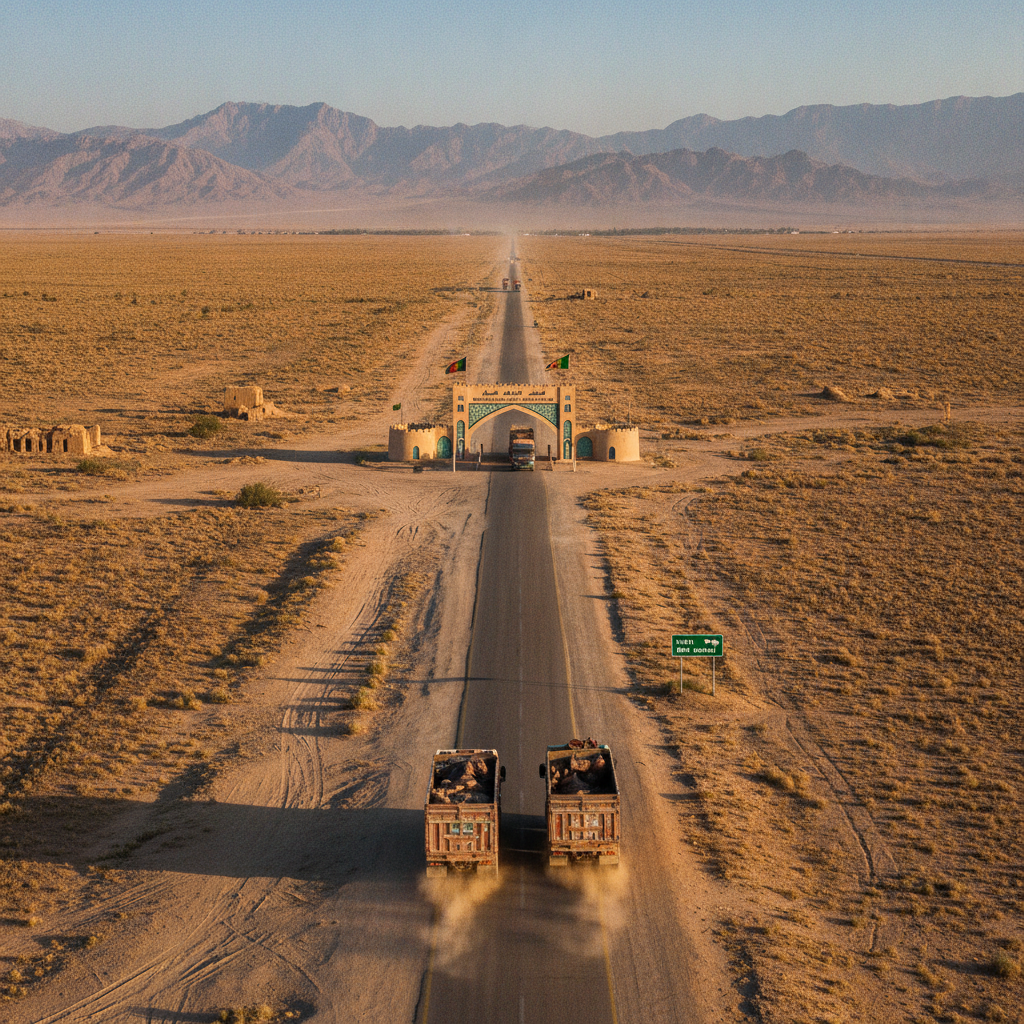
Visit the Islam Qala border crossing — the main entry point between Afghanistan and Iran 120 kilometers west of Herat, the border post through which the ancient trade routes connecting Persia to Central Asia passed, the area around the crossing now the busiest land trade route in Afghanistan handling billions of dollars in annual commerce.

Explore the Cold War history around Nukus — the Vozrozhdeniya Island (Resurrection Island) in the former Aral Sea that served as the Soviet Union's main biological weapons testing ground, the site where anthrax, plague, and smallpox weapons were developed and tested, now accessible as a peninsula since the sea level dropped, and the complex legacy of Soviet military activity in this remote region.
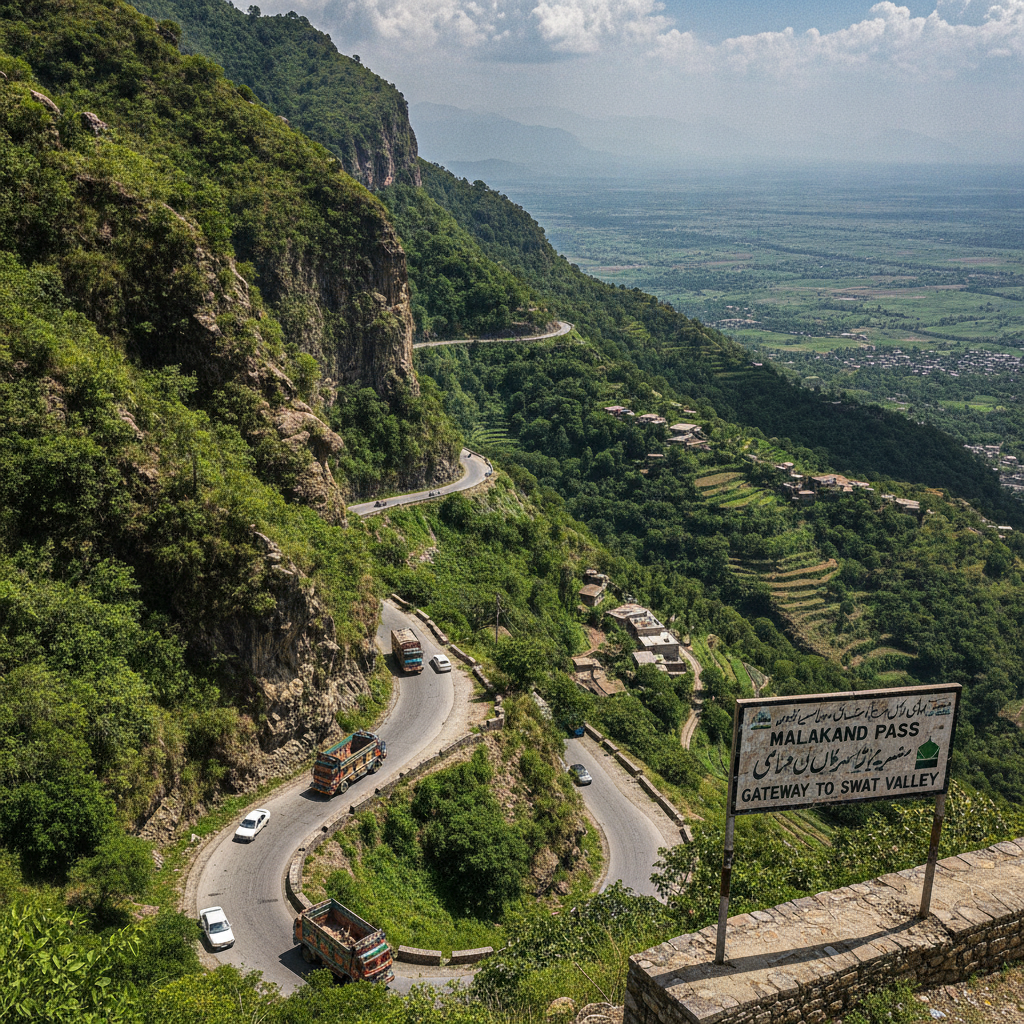
Drive north from Peshawar into the Swat Valley — the mountain valley carved by the Swat river through the Hindu Kush foothills, once called the Switzerland of Pakistan for its alpine scenery, with terraced fields on steep hillsides, the medieval Buddhist monastery of Udegram, and the market town of Mingora at the valley's commercial heart.
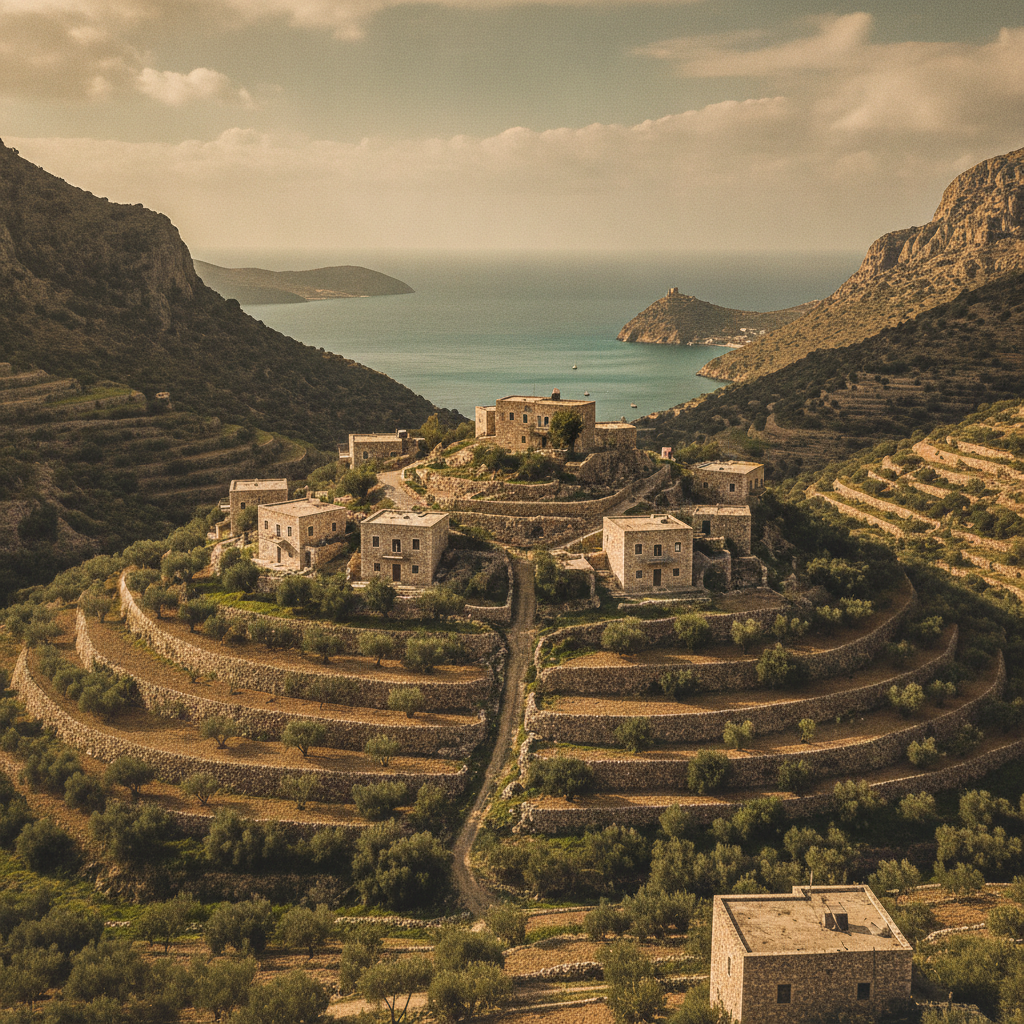
Explore the traditional villages in the mountains behind Tartus where Alawite and Christian communities maintain their stone-built villages, terraced agriculture, and distinctive coastal mountain culture in a landscape little changed for centuries.
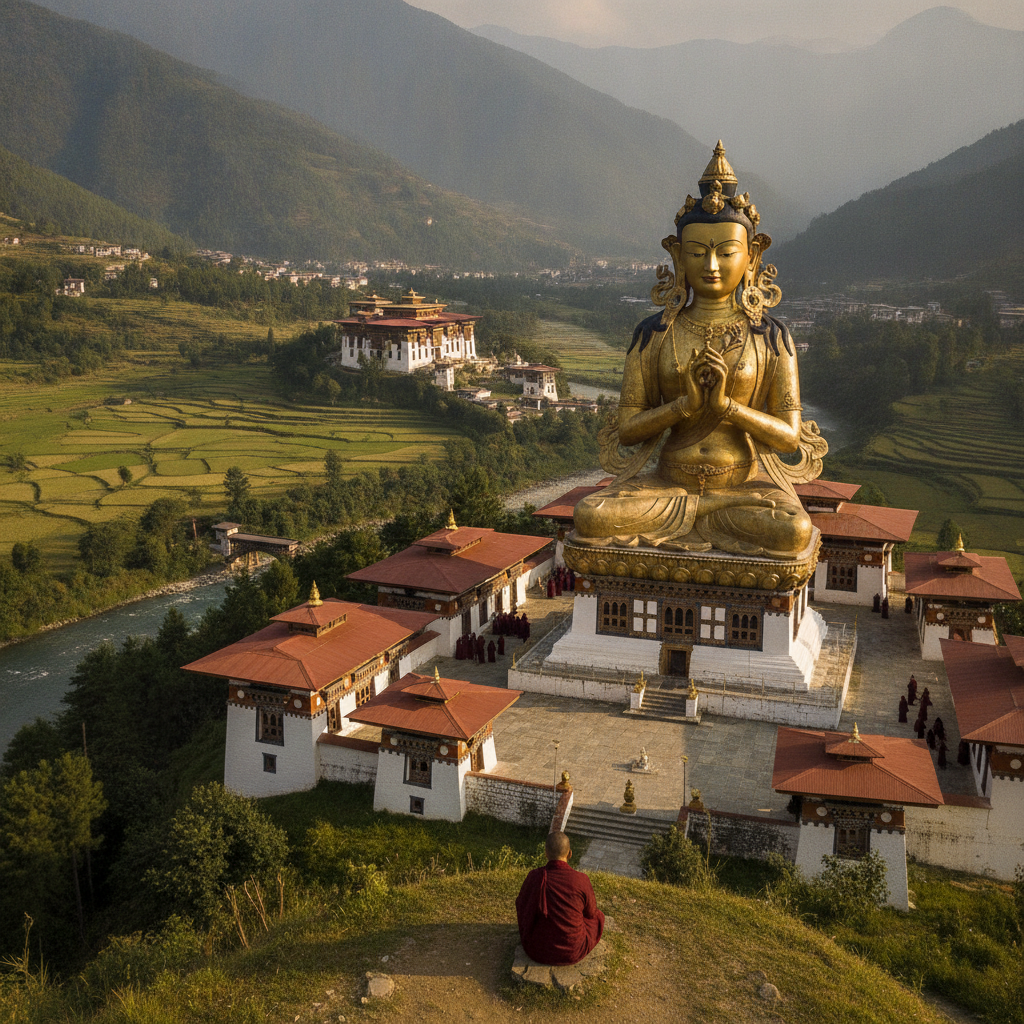
Walk the circuit of ancient monasteries, stupas, and sacred sites in the Punakha Valley — a landscape of spiritual significance where the first Zhabdrung who unified Bhutan spent his later years and where the first King of Bhutan was consecrated, leaving a dense layer of religious history in every valley settlement.
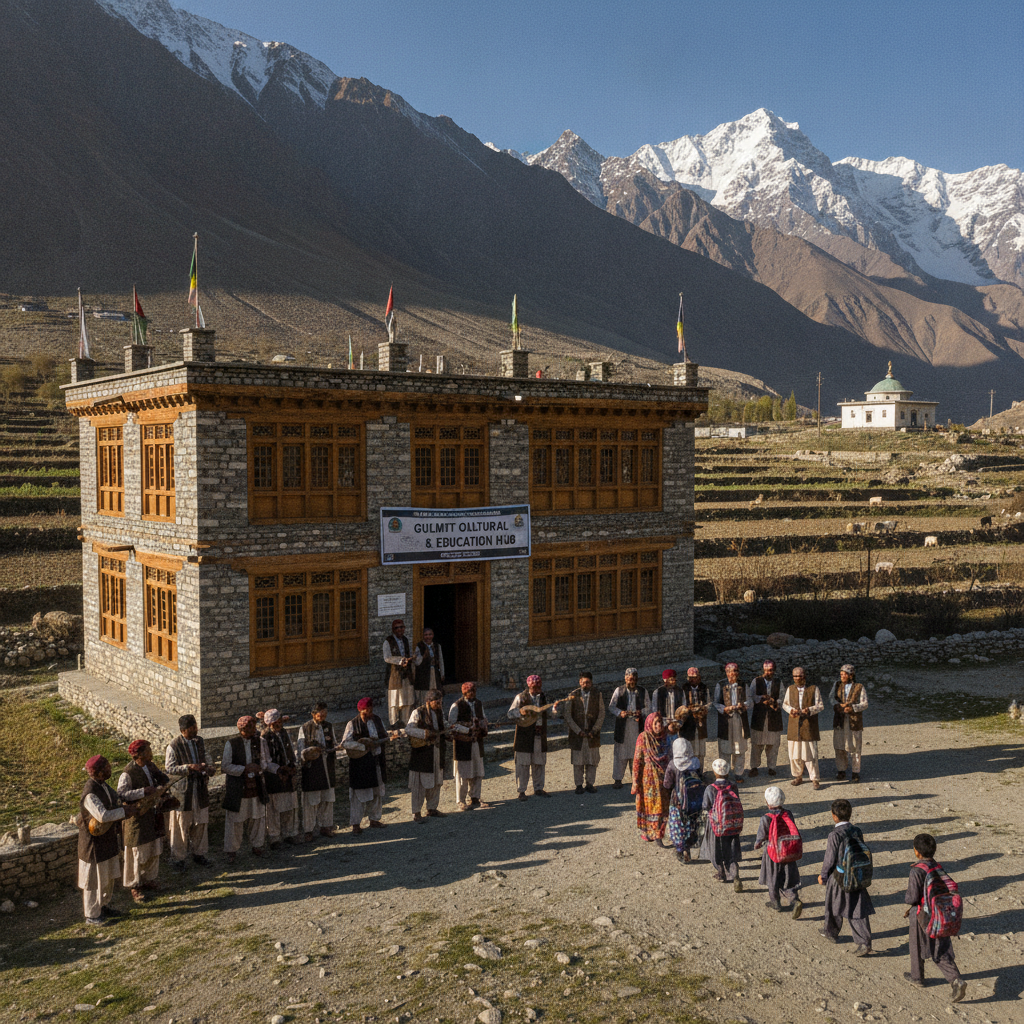
Explore Gojal — the uppermost section of the Hunza Valley between Attabad Lake and the Khunjerab Pass, a region of Wakhi-speaking herding communities, ancient forts, and extraordinary mountain scenery where the Karakoram, Hindu Kush, and Pamir ranges converge and the borders of Pakistan, China, and Afghanistan come within kilometers of each other.
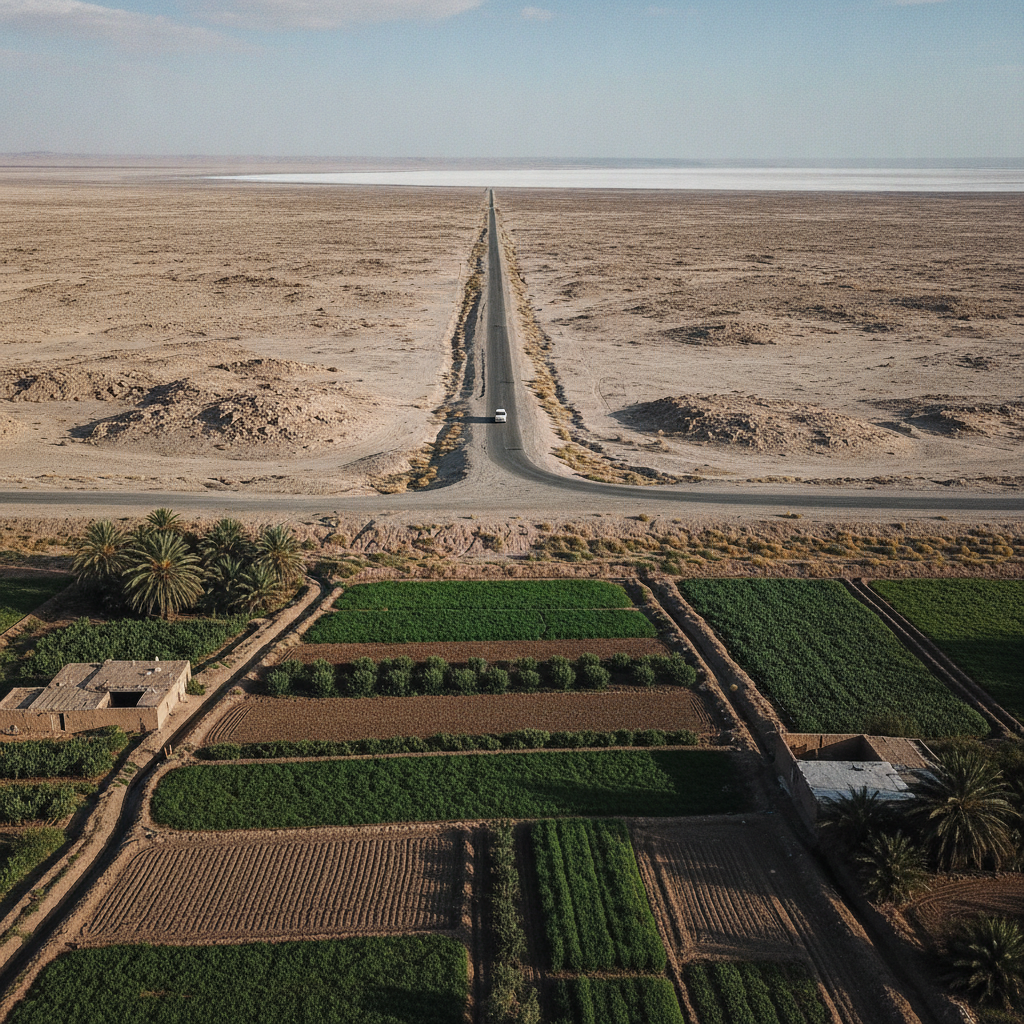
Venture to the edge of the Maranjab desert outside Kashan where the vast salt lake, dramatic sand dunes, and the historic caravanserai create a landscape of austere desert beauty accessible as a day trip from the city, offering the ultimate contrast to Kashan's lush garden heritage.
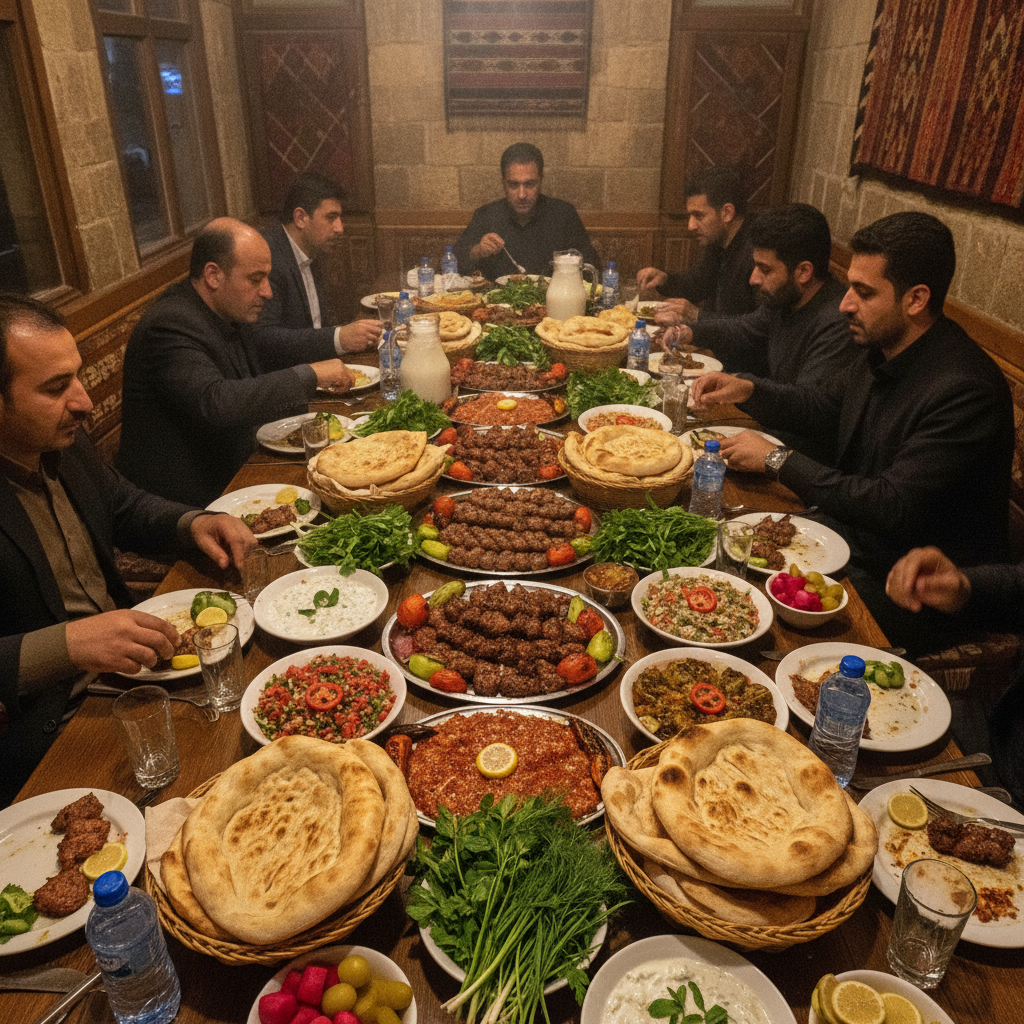
Savor the rich flavors of Kurdish cuisine through Erbil's best restaurants, street food vendors, and traditional dining experiences celebrating the region's distinctive food culture.
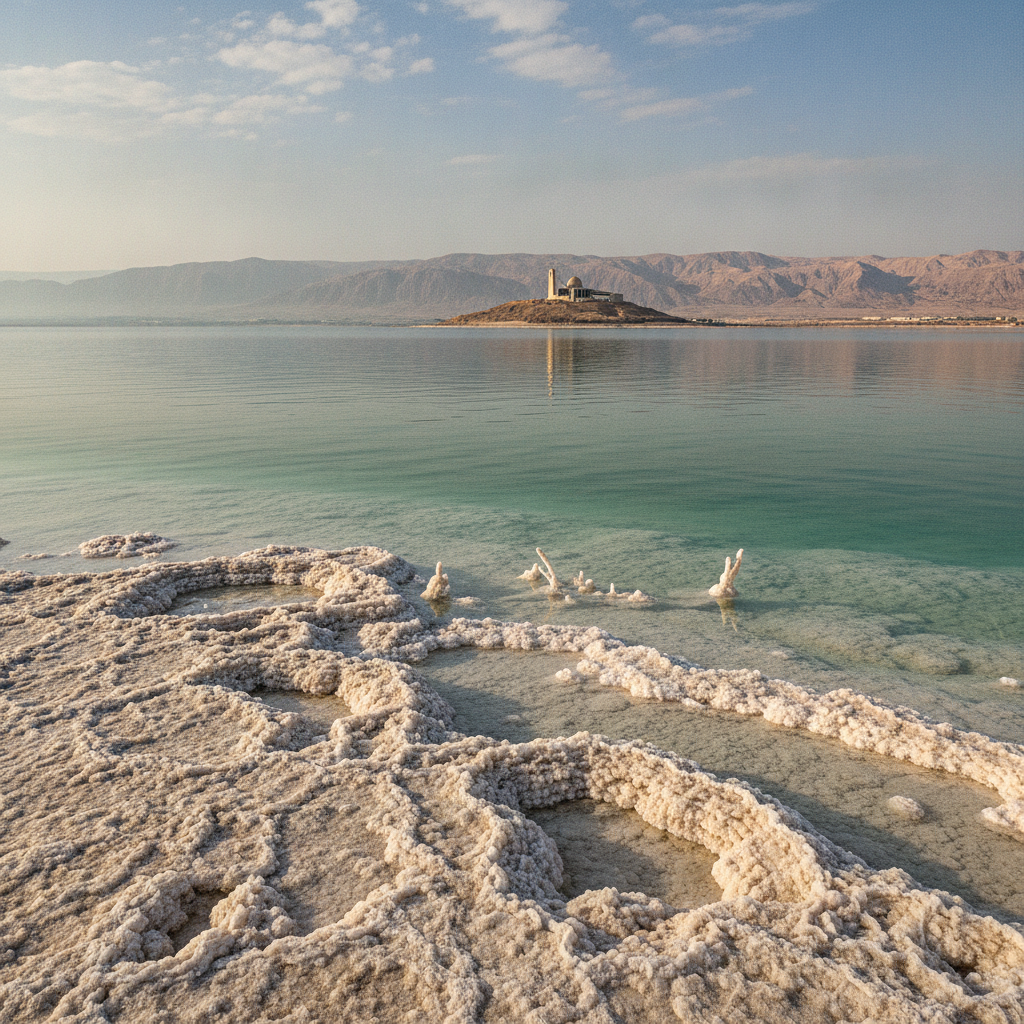
Experience the Dead Sea from the Jordanian side, combining the mineral-rich beaches with a visit to Mount Nebo where Moses viewed the Promised Land he would never enter, and the extraordinary mosaics of Madaba.
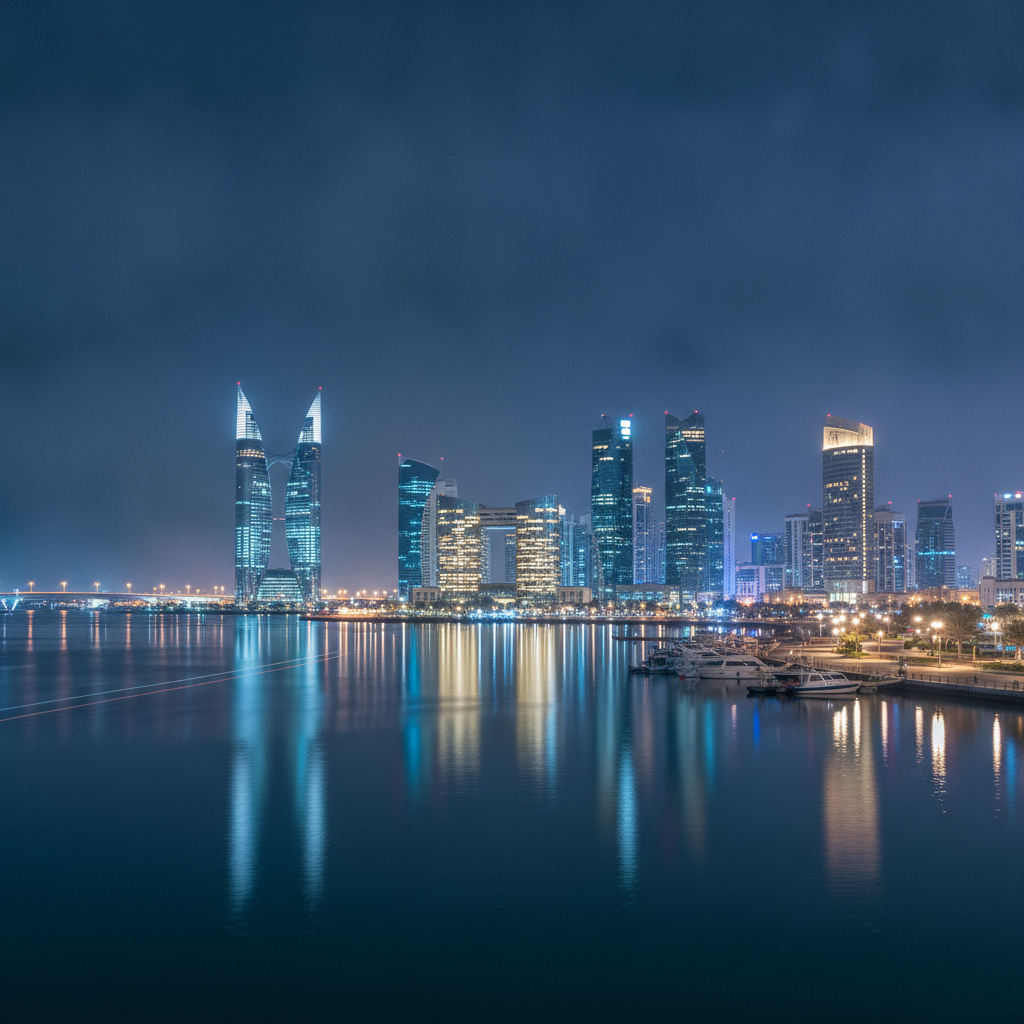
Discover Manama ambitious modern waterfront development at Bahrain Bay, where reclaimed land hosts luxury towers, five-star hotels, and the Four Seasons resort on an artificial peninsula in the Gulf.
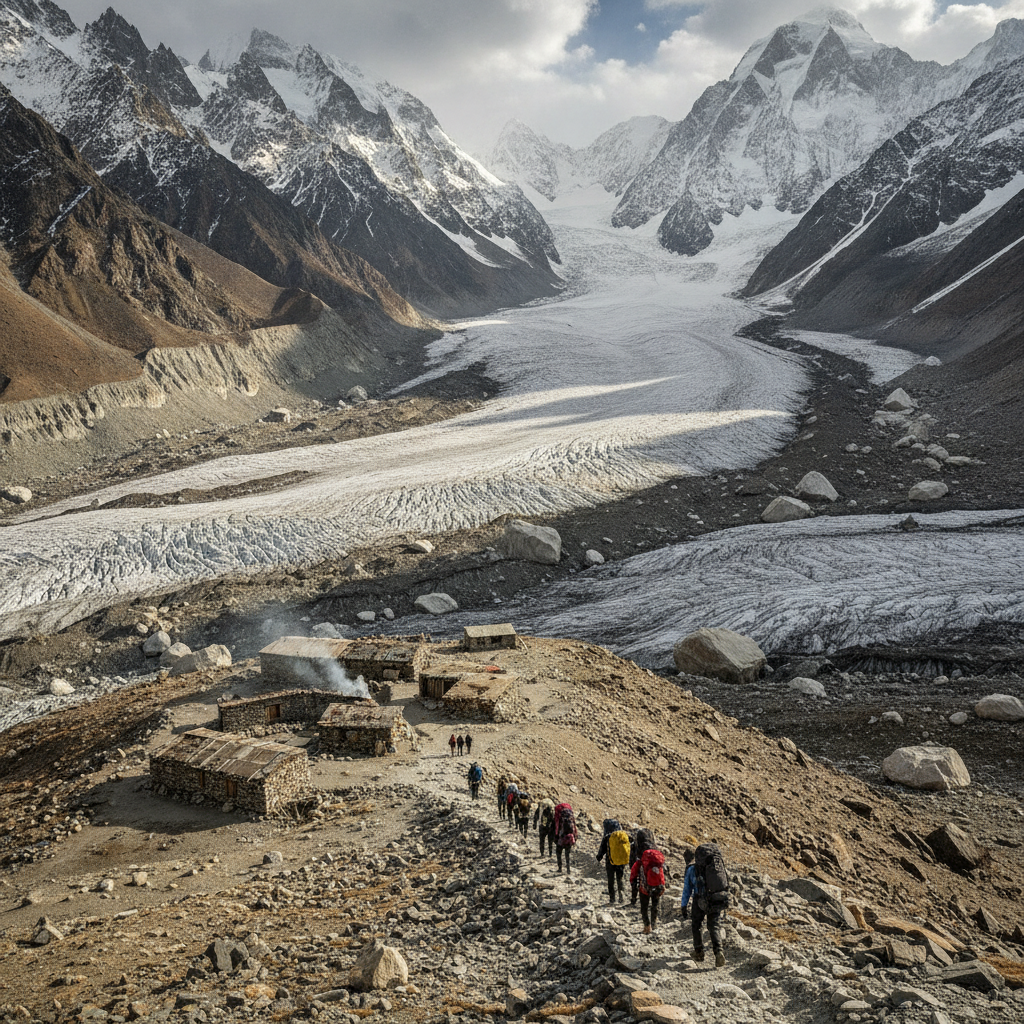
Trek the Biafo Glacier to Snow Lake — the 67-kilometer glacier that is the longest glacier outside the polar regions and its source at Snow Lake, a 40 square kilometer snowfield at 5,000 meters where the Biafo, Sim Gang, and Hispar glaciers meet in a high-altitude wilderness of ice and rock visited by fewer people than the moon.
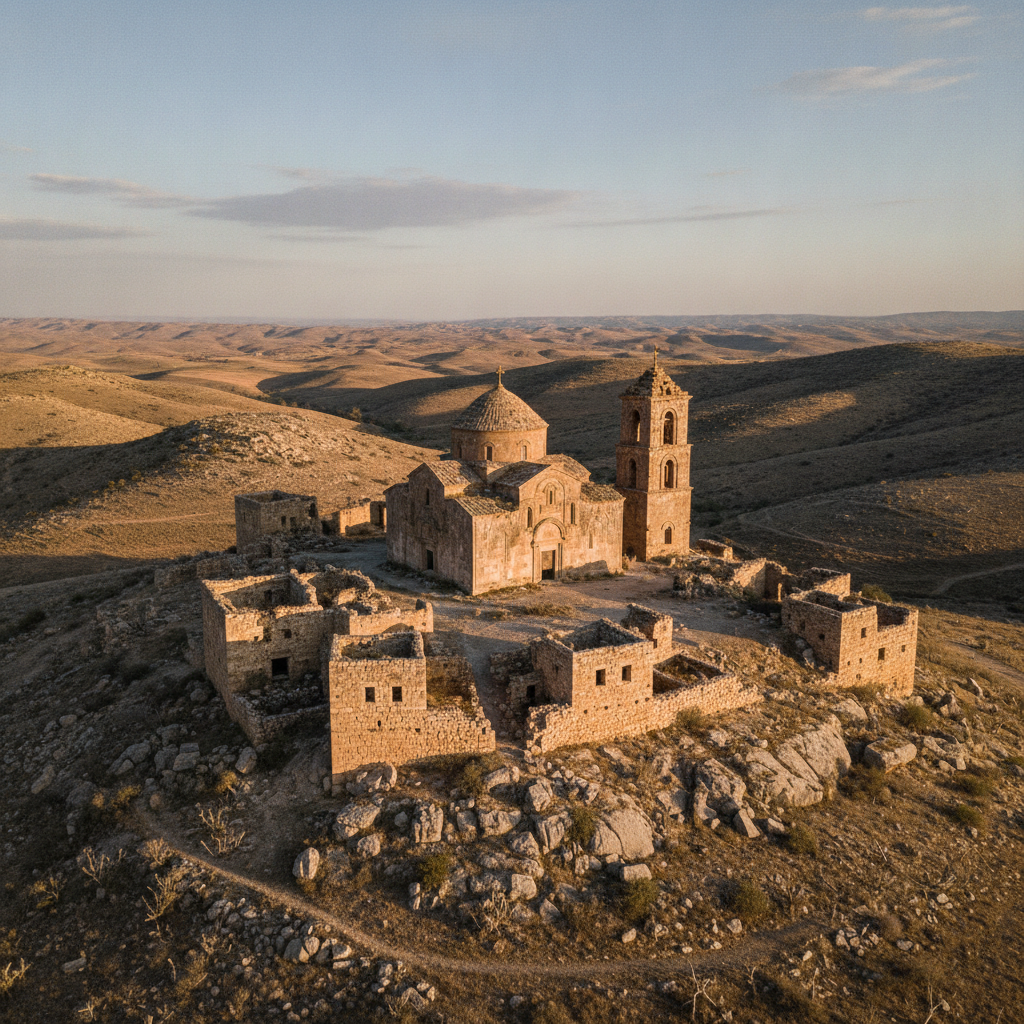
Explore the extraordinary Dead Cities of Syria northwest of Aleppo, UNESCO World Heritage Byzantine villages abandoned in the 8th century and preserved in remarkable completeness in the dry Syrian countryside.
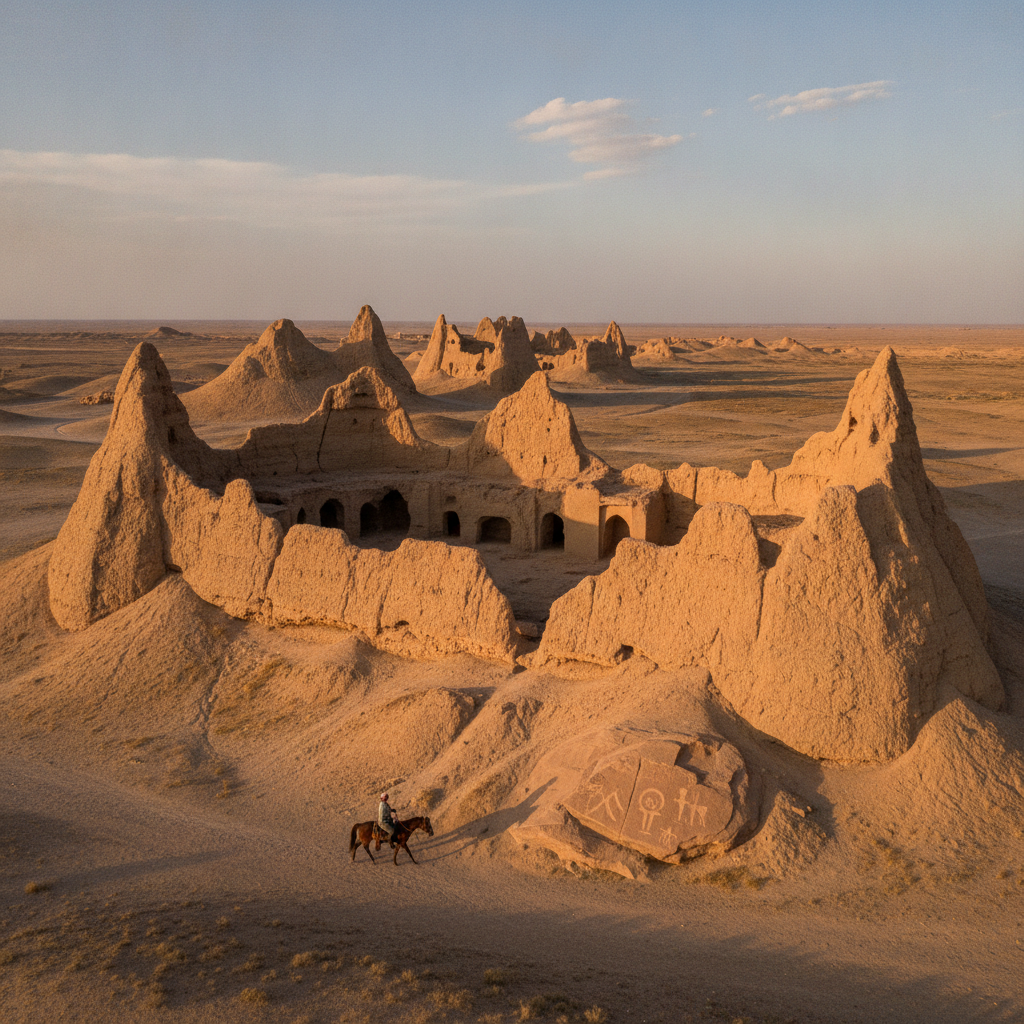
Explore the ancient history of Khorezm — the region around Khiva where one of Central Asia's earliest civilizations developed in the Amu Darya delta, the ancient Khorezmian kingdom that maintained independence from the Achaemenid Persian Empire, the homeland of the medieval Islamic scholar al-Biruni, and the state that was destroyed by Genghis Khan in 1221.
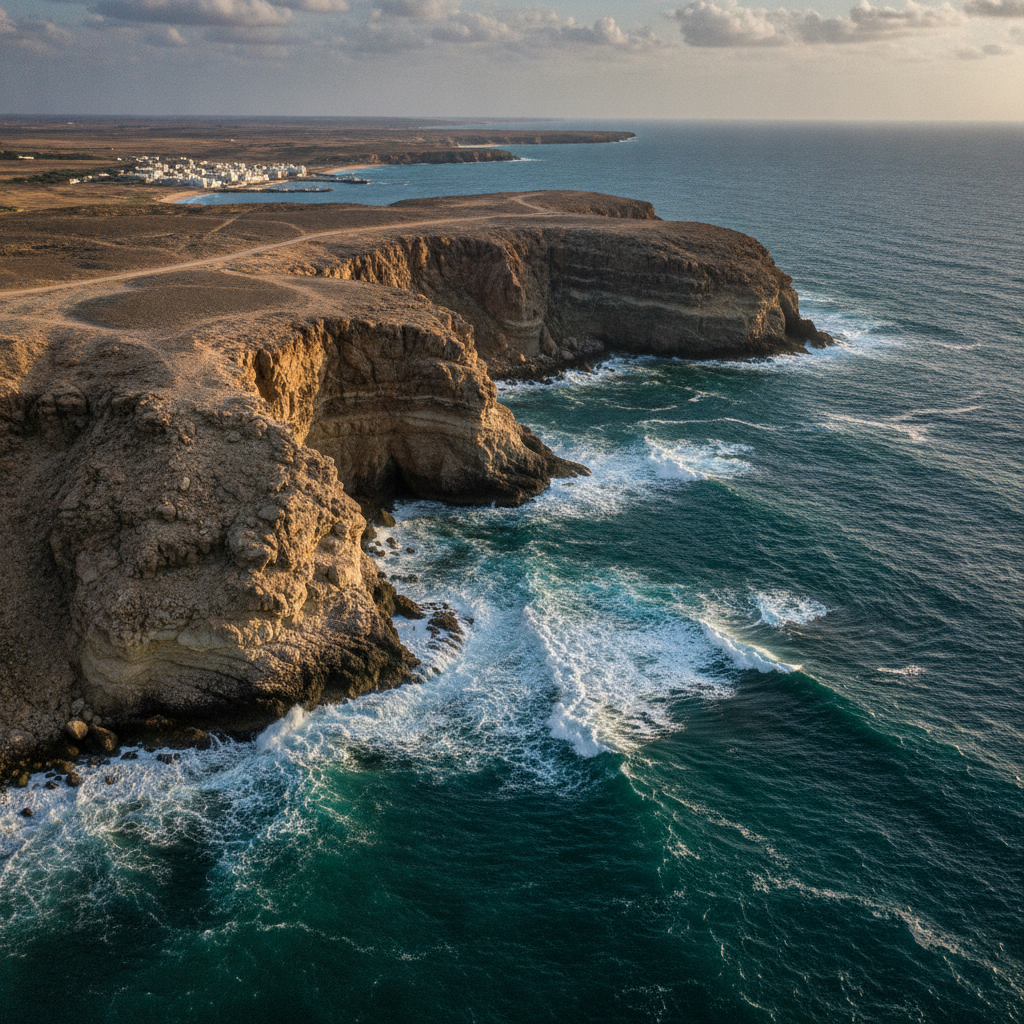
Drive the wild and dramatic coastline south of Sur toward Ras al-Hadd, experiencing the raw power of the Arabian Sea crashing against limestone cliffs above beaches of extraordinary isolation and beauty.
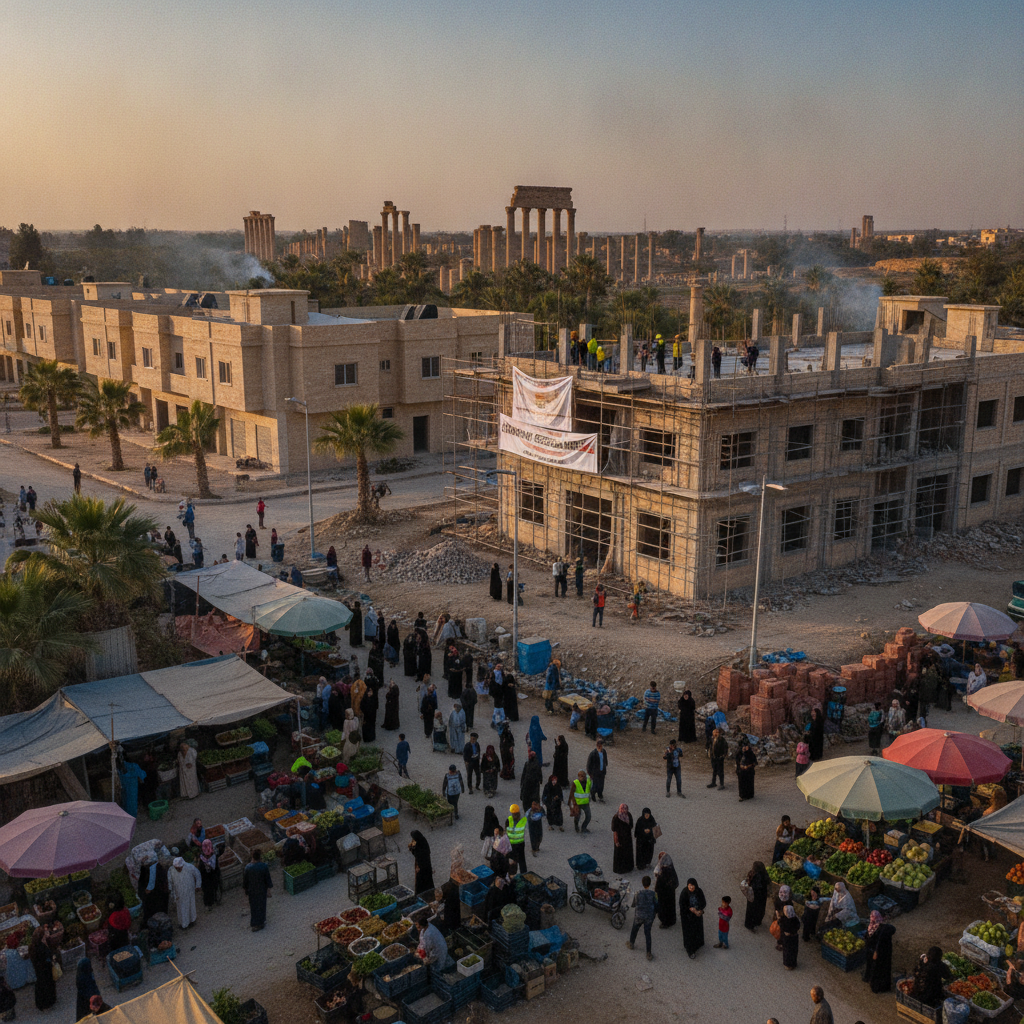
Visit the modern town of Tadmur adjacent to ancient Palmyra where the local community is rebuilding after the displacement and destruction of the ISIS period, the human story of recovery inseparable from the restoration of the ancient ruins.
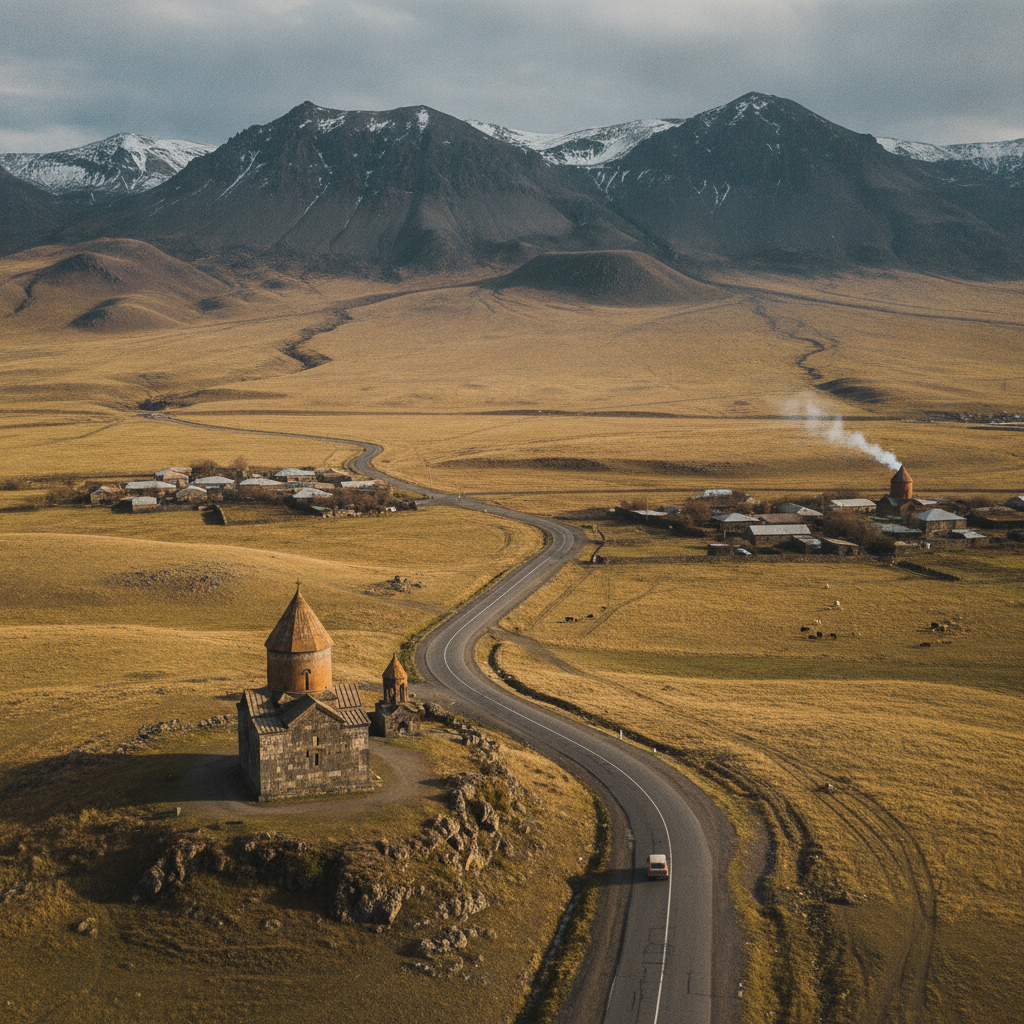
Journey to the beautiful 13th-century Harichavank monastery in the Shirak highlands near Gyumri, exploring medieval Armenian ecclesiastical architecture amid dramatic mountain scenery and traditional highland village communities.
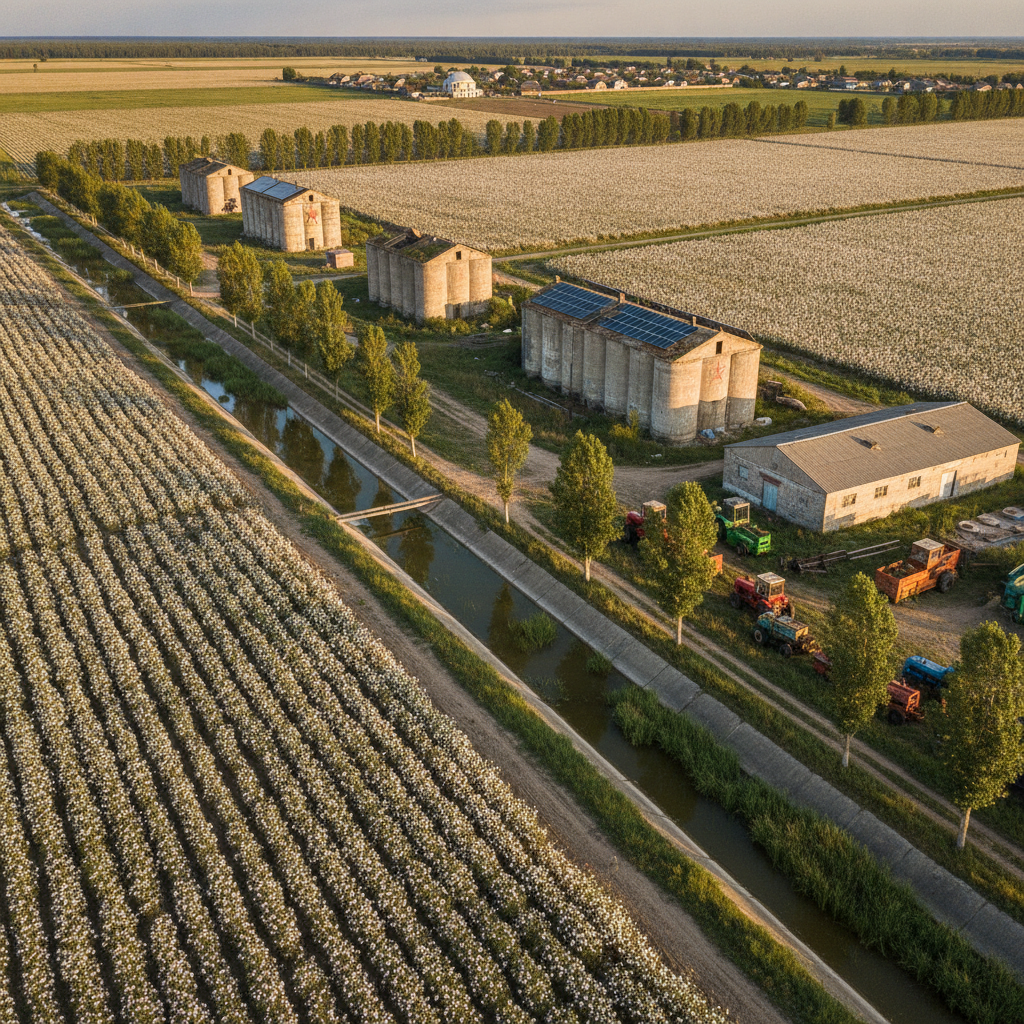
Explore the complex legacy of Soviet collectivization in the Kulob region, where massive cotton monoculture schemes transformed the Vakhsh Valley landscape, creating both economic dependence and agricultural infrastructure that persists today.
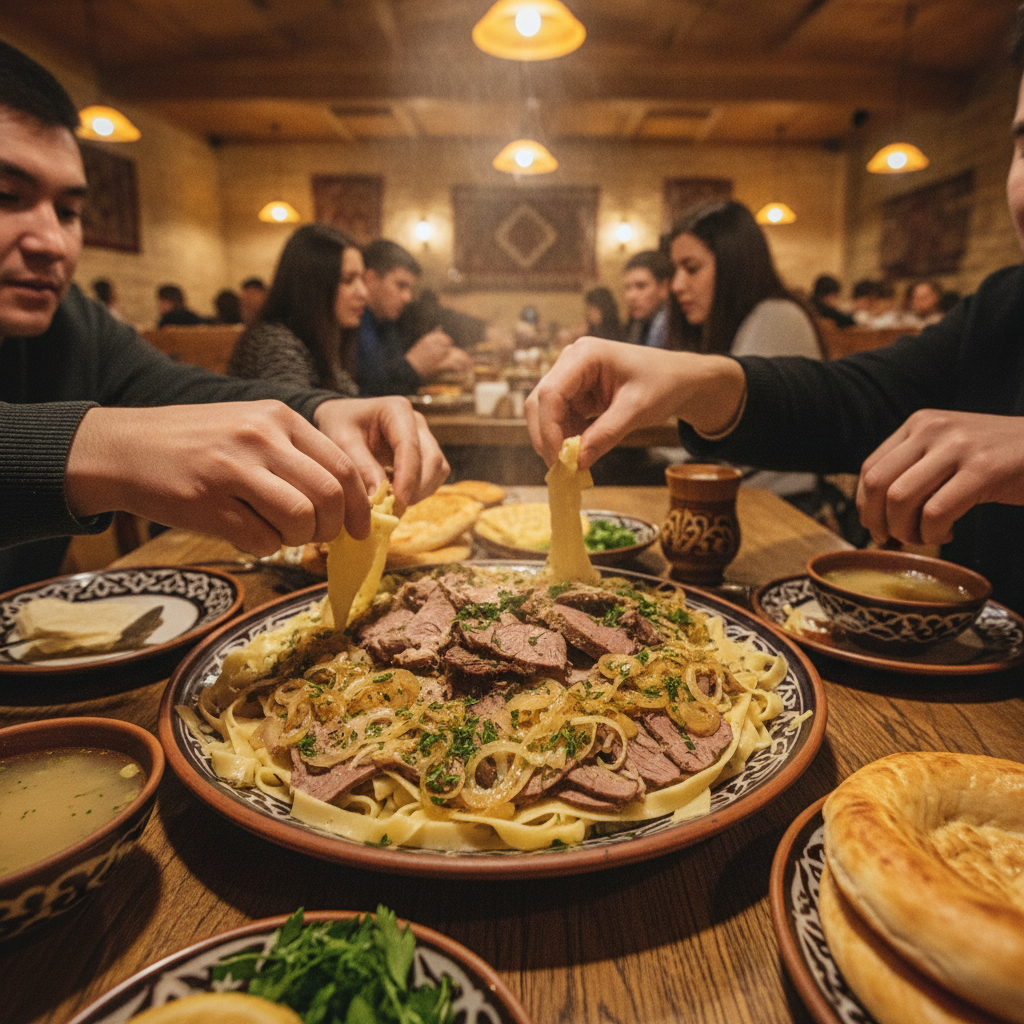
Explore the food culture of Shymkent — the city where the Kazakh nomadic culinary tradition meets the Uzbek sedentary cuisine and the Russian colonial cooking in a vibrant southern city food scene, the bazaar food stalls serving the full range of Central Asian dishes from plov and shashlik to beshbarmak and the lagman noodles of the Dungan community.
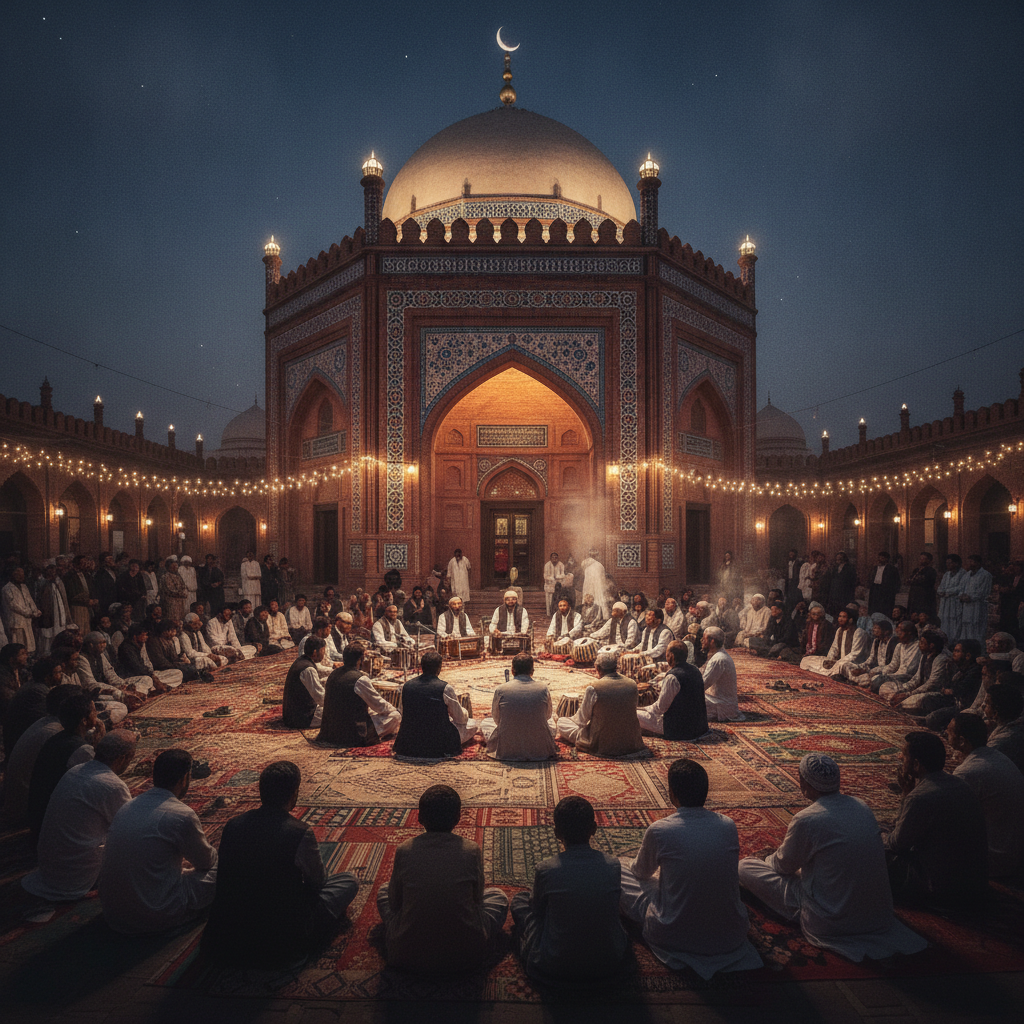
Experience Multan's living Sufi music culture — the qawwali performances at the shrines that have continued for centuries, the traditional musicians who maintain the musical lineages of the Sufi orders, and the Thursday night gatherings at the major shrines where the devotional music builds through the night in the city that is the heartland of Pakistani Sufi tradition.
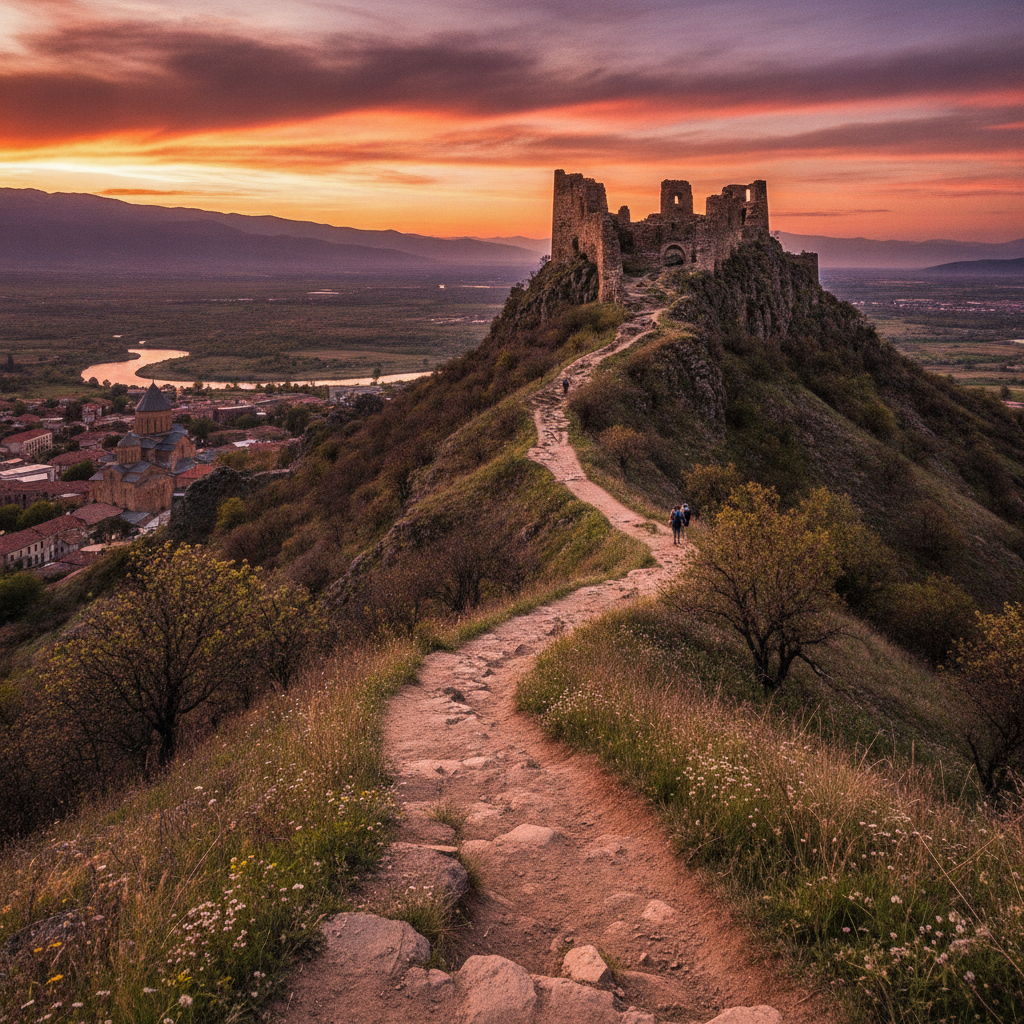
Hike to the ancient Bebristsikhe Fortress above Mtskheta for sweeping panoramic views over the Kartli plain, the sacred city below, and the Caucasus mountains beyond, accessing one of the oldest hilltop fortifications in Georgia's ancient capital region.
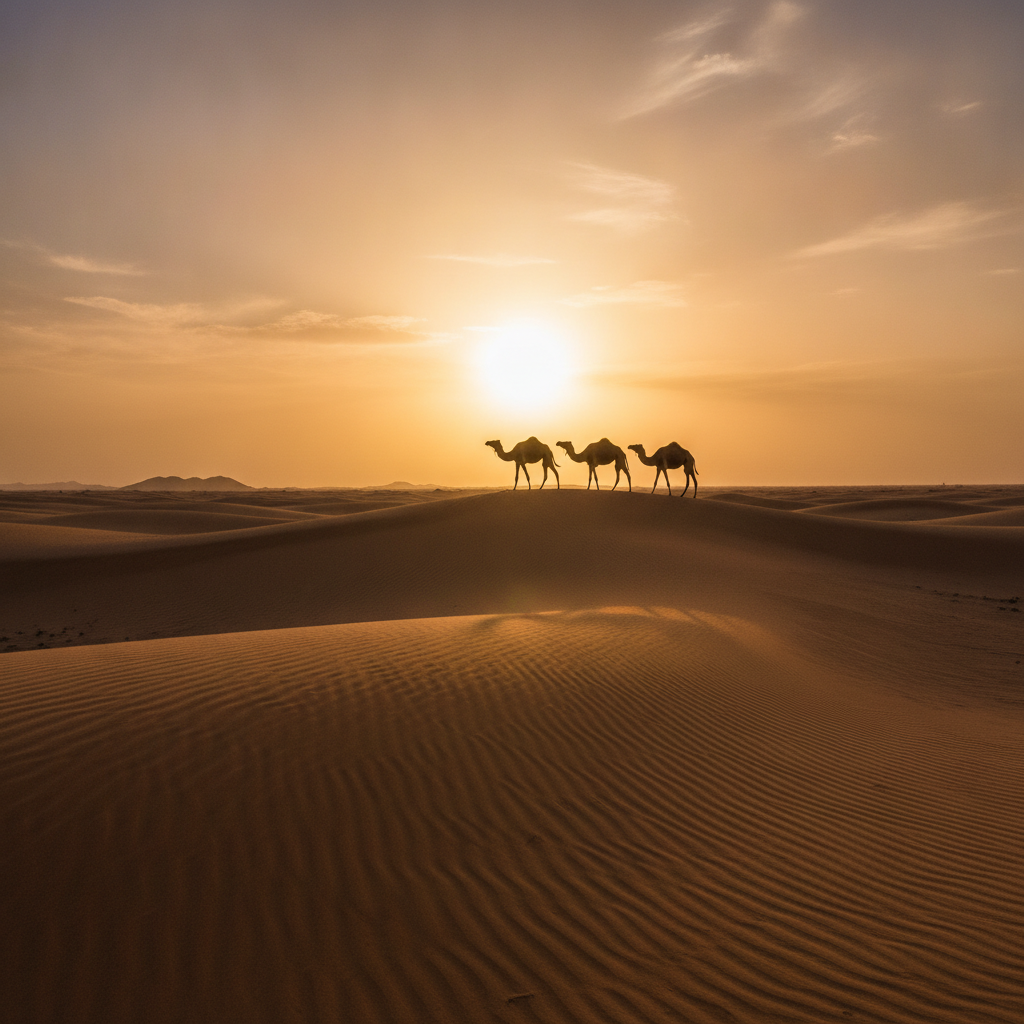
Escape the urban glitter of Kuwait City into the vast surrounding desert, experiencing camel racing, Bedouin camps, and the ancient nomadic heritage that remains central to Kuwaiti identity.

Explore the historic mosques and religious architecture of Qom beyond the great shrine, where the accumulated centuries of religious building have created a cityscape dense with domed prayer halls, minarets, and the architectural heritage of a city that has been a center of Islamic scholarship since the 8th century.

Explore the deep history of Gilgit — the Silk Road town that served as a crucial junction between India, China, and Central Asia for over a millennium, where the Buddhist kingdom of Gilgit accumulated Sanskrit manuscripts now in museums worldwide, and where the rock inscriptions of the Karakoram record the passage of pilgrims, merchants, and diplomats across the roof of the world.
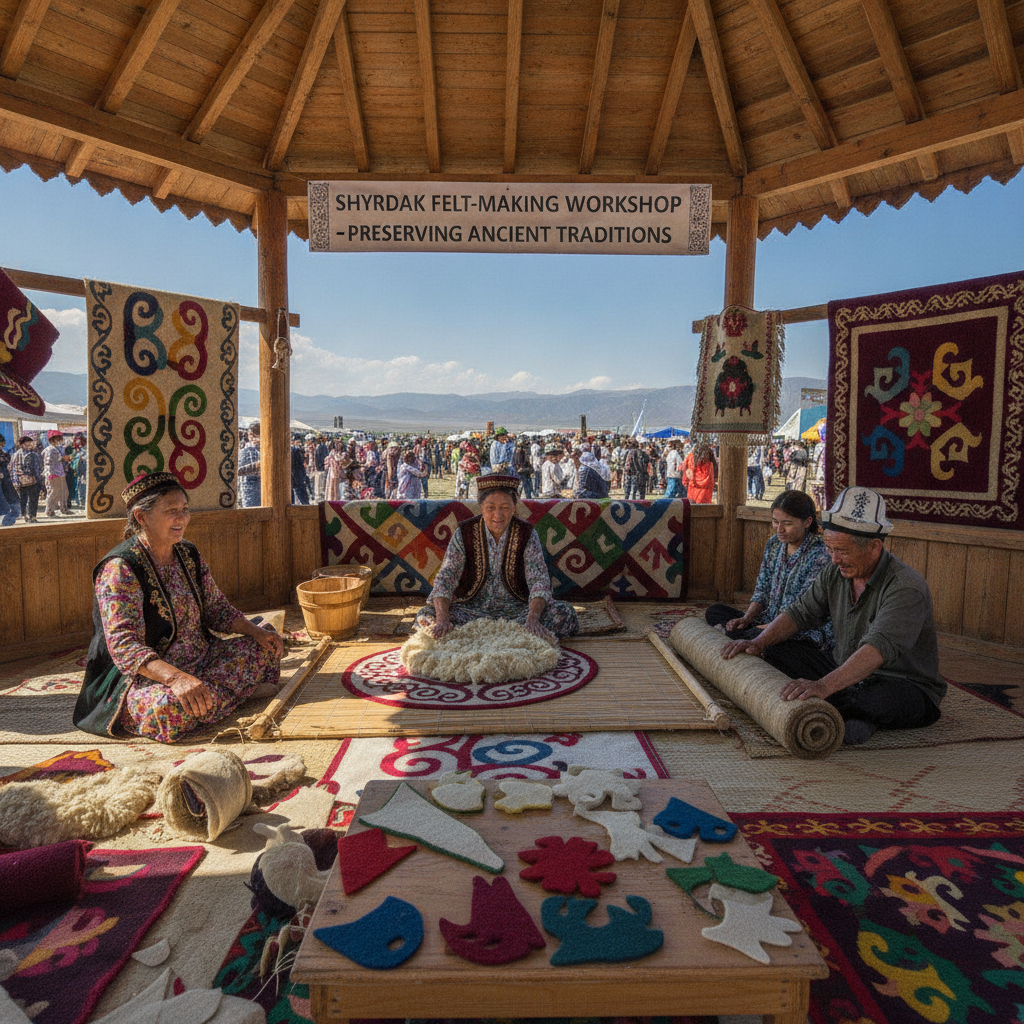
Immerse in authentic Kyrgyz cultural heritage through hands-on encounters with felt-making, eagle hunting, traditional cooking, folk music, and the deep nomadic traditions that shape Kyrgyz identity to this day.