Guides de Voyage
Itinéraires, articles et listes sélectionnées pour vous aider à découvrir des endroits incroyables.
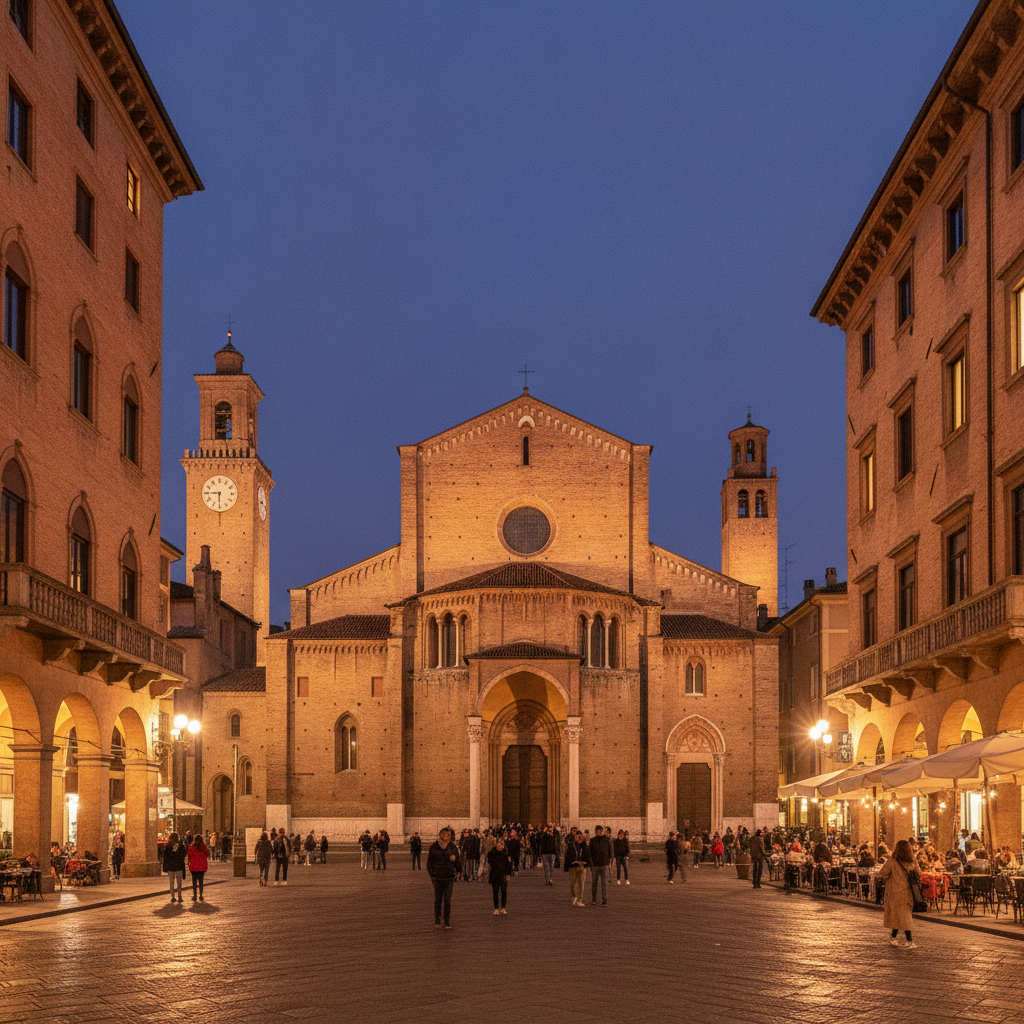
Basilique Santo Stefano, Palais Médiévaux et Bologne la Nuit
The Piazza Santo Stefano and the surrounding medieval quarter of Bologna — the most atmospheric corner of the city — at night transforms into the heart of the Bologna social life: the aperitivo hour ('aperitivo bolognese' — the pre-dinner drink culture of Bologna, the city's most convivial social ritual), the restaurants and the 'osterie' of the historic centre filling as the university students and the city residents settle in for the long Bolognese evening.
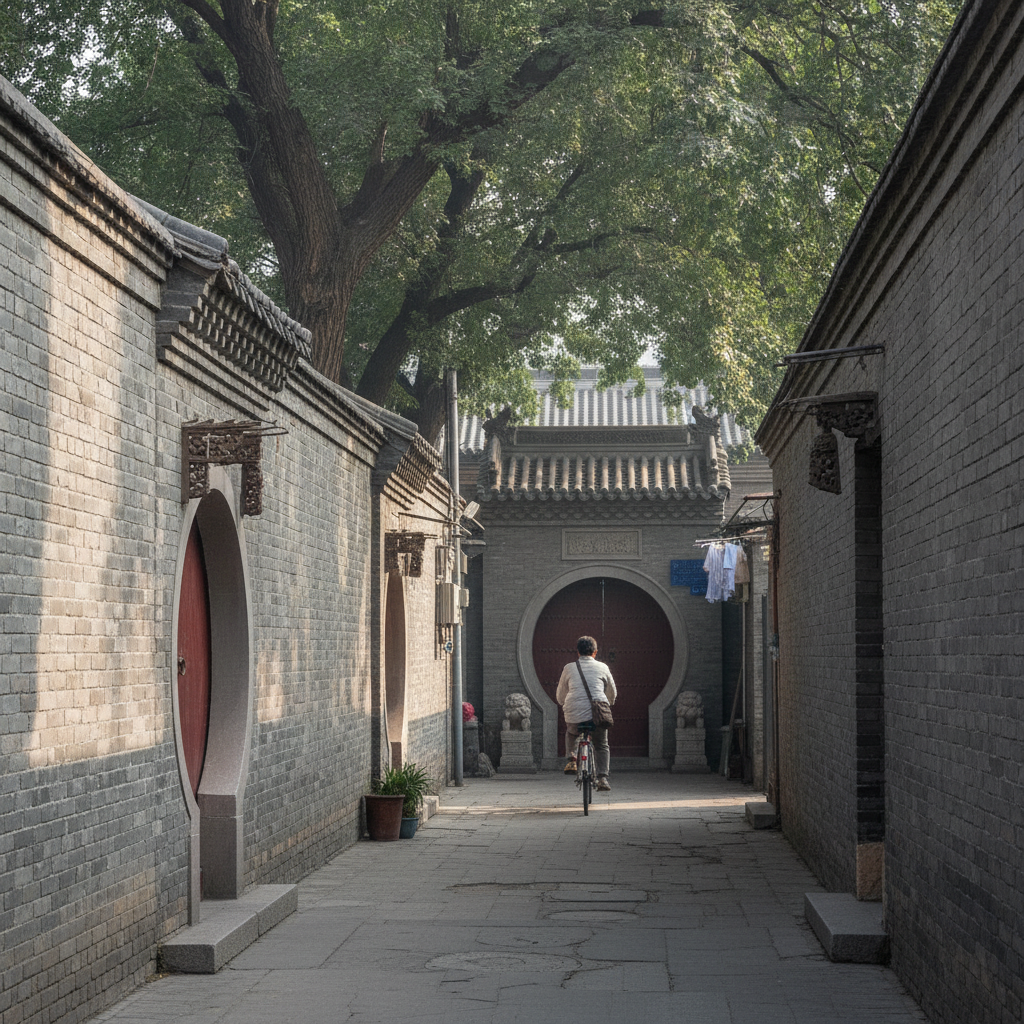
Hutong et Siheyuan — La Ville des Cours de la Vieille Pékin
Les hutong (胡同 — les ruelles étroites du vieux Pékin, tracées en grille pendant la dynastie Yuan (1271-1368)) et les siheyuan (四合院 — la maison à cour fermée avec des bâtiments sur les quatre côtés d'une cour centrale) forment ensemble le tissu urbain historique de Pékin avant 1949.
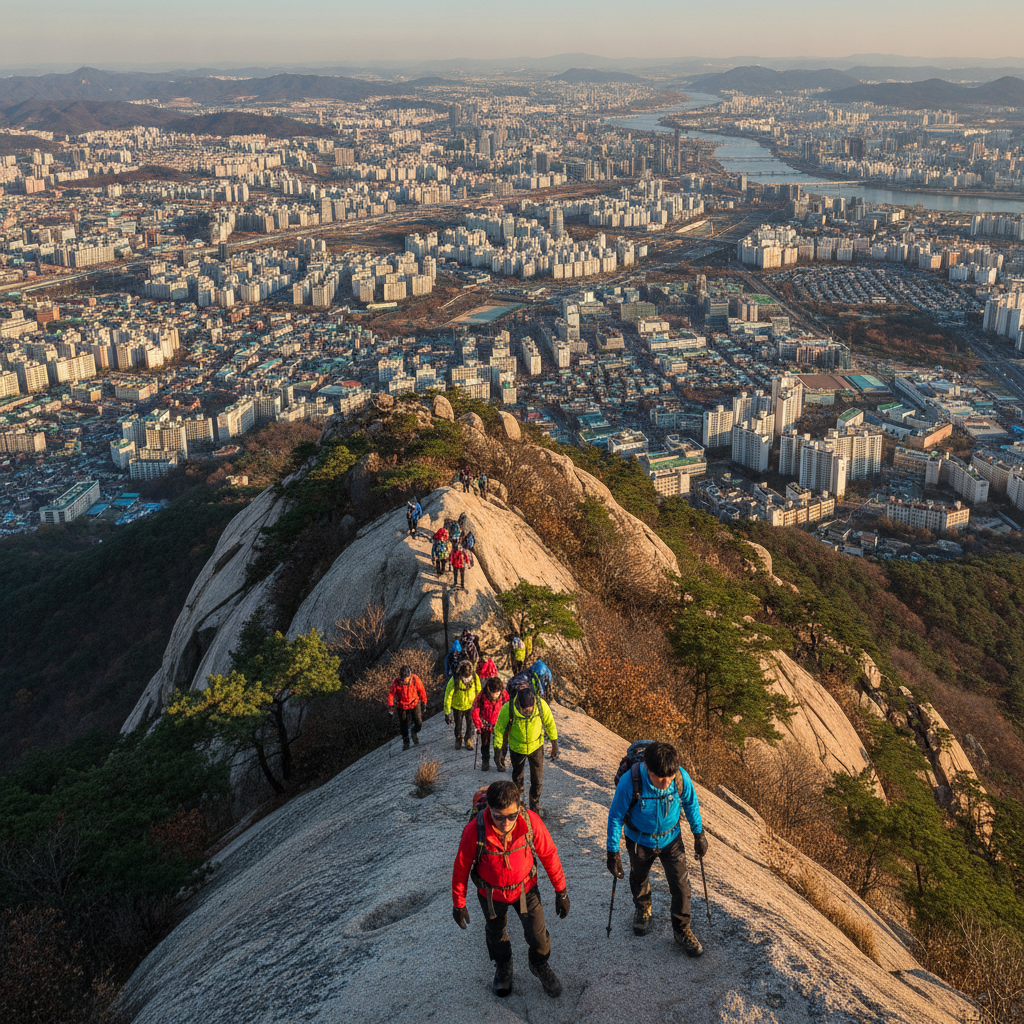
Parc National de Bukhansan — Pics de Granite et les Remparts de la Forteresse de Séoul
Bukhansan National Park (북한산국립공원, 'north of the Han Mountain National Park' — the 80-square-kilometre national park in the northern outskirts of Seoul, encompassing the Bukhansan massif (the highest peak Baegundae 836 metres) and the Dobongsan massif (Jaunbong 740 metres) — is the most visited national park in the world per unit area, with over 5 million visitors annually accessing it directly from Seoul's subway system.
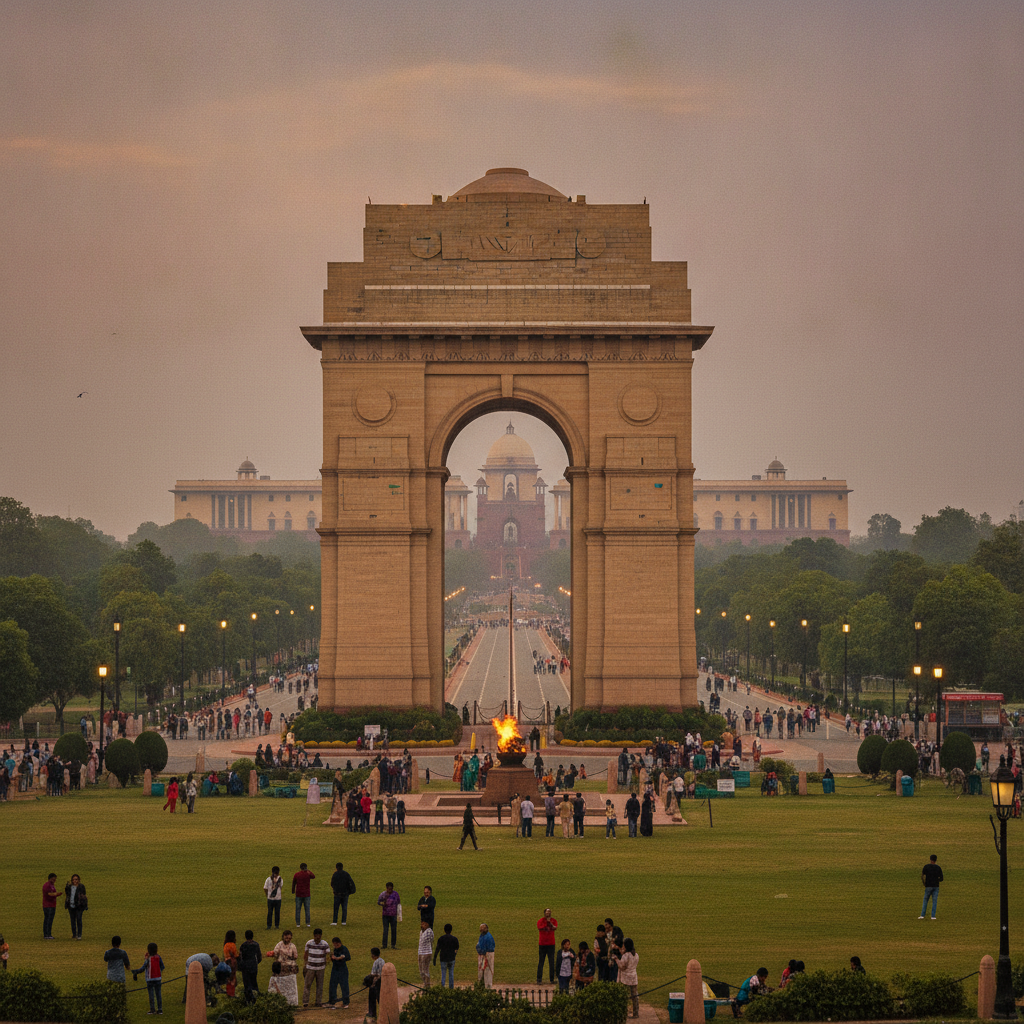
Porte de l'Inde, Rashtrapati Bhavan et le Nouveau Delhi de Lutyens
Le Nouveau Delhi de Lutyens — la capitale coloniale planifiée conçue par Edwin Lutyens et Herbert Baker, construite entre 1911 et 1931 — centré sur l'axe cérémoniel de 3 km entre la Porte de l'Inde et Rashtrapati Bhavan, est l'un des grands exemples de planification urbaine impériale du 20e siècle.
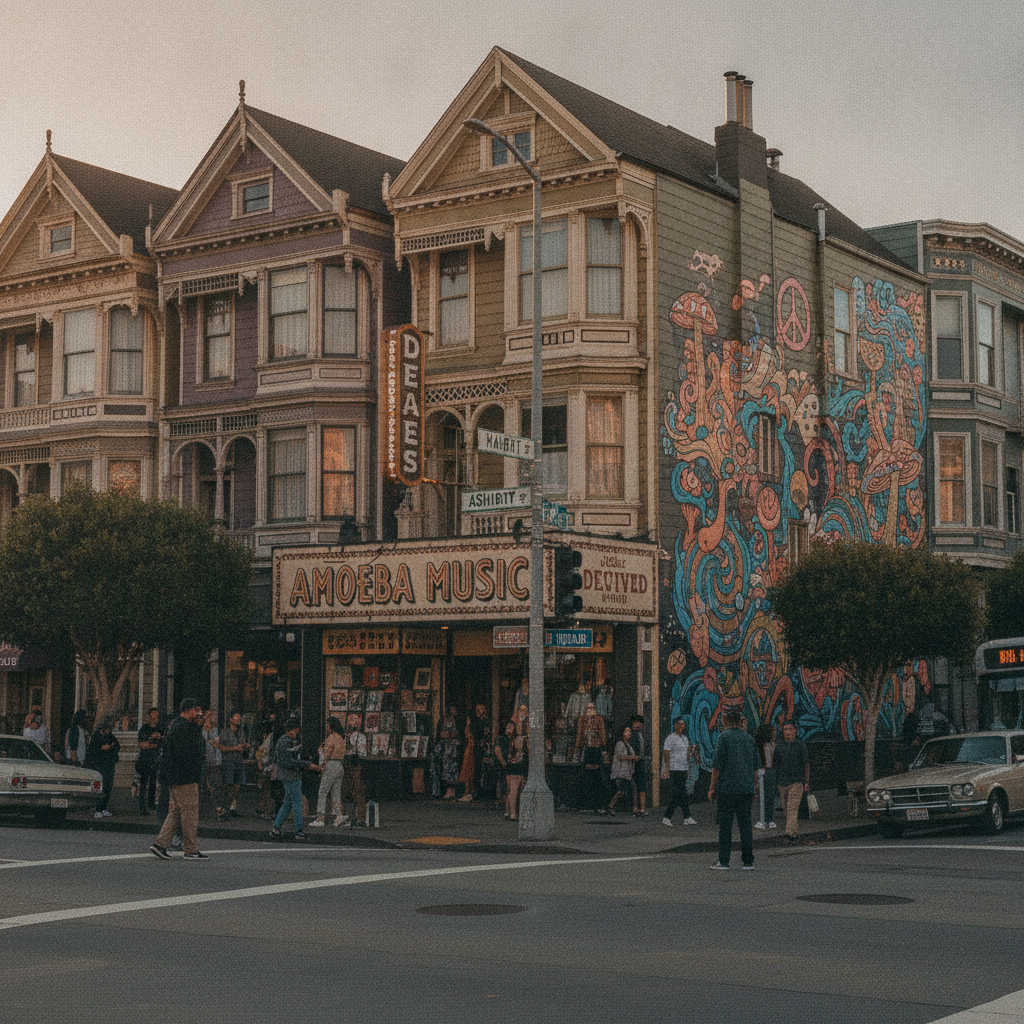
Haight-Ashbury, Golden Gate Park et l'Héritage de la Contre-culture des Années 60
The Haight-Ashbury neighbourhood — the Victorian residential district west of Buena Vista Park that became the epicentre of the 1967 Summer of Love and the psychedelic counterculture movement, and that today preserves more of the visual and commercial character of that era than any other neighbourhood in San Francisco — and the adjacent Golden Gate Park (the 3 miles by half-mile rectangular park that constitutes San Francisco's largest green space) are the twin anchors of western San Francisco's cultural and recreational landscape.
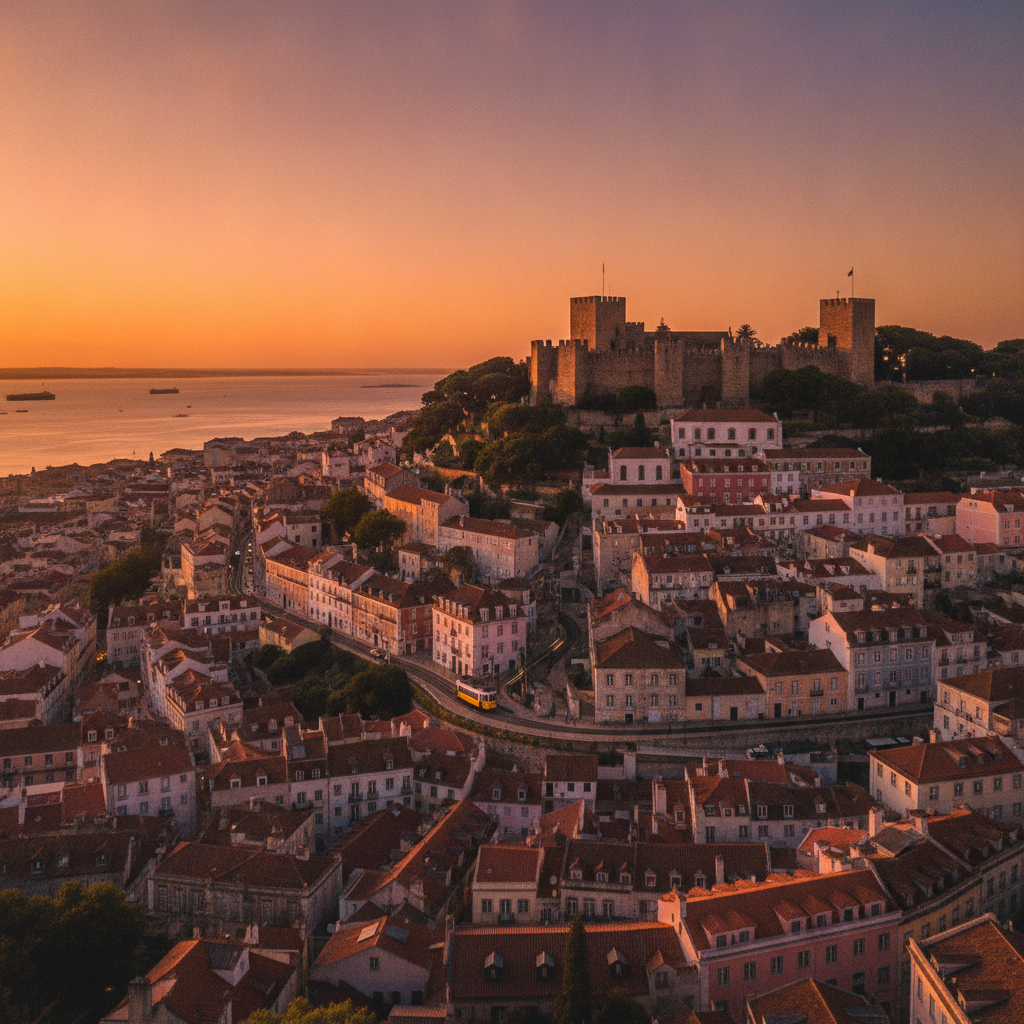
Alfama et le Château São Jorge : Le Cœur Maure de Lisbonne
Alfama — de l'arabe al-hamma, 'les bains' — est le quartier survivant le plus ancien de Lisbonne, le seul à avoir précédé le catastrophique tremblement de terre de 1755. Accroché à une colline sous le château maure de São Jorge, son labyrinthe de ruelles escarpées, de maisons carrelées, de belvédères et de bars à fado représente l'âme de la ville.
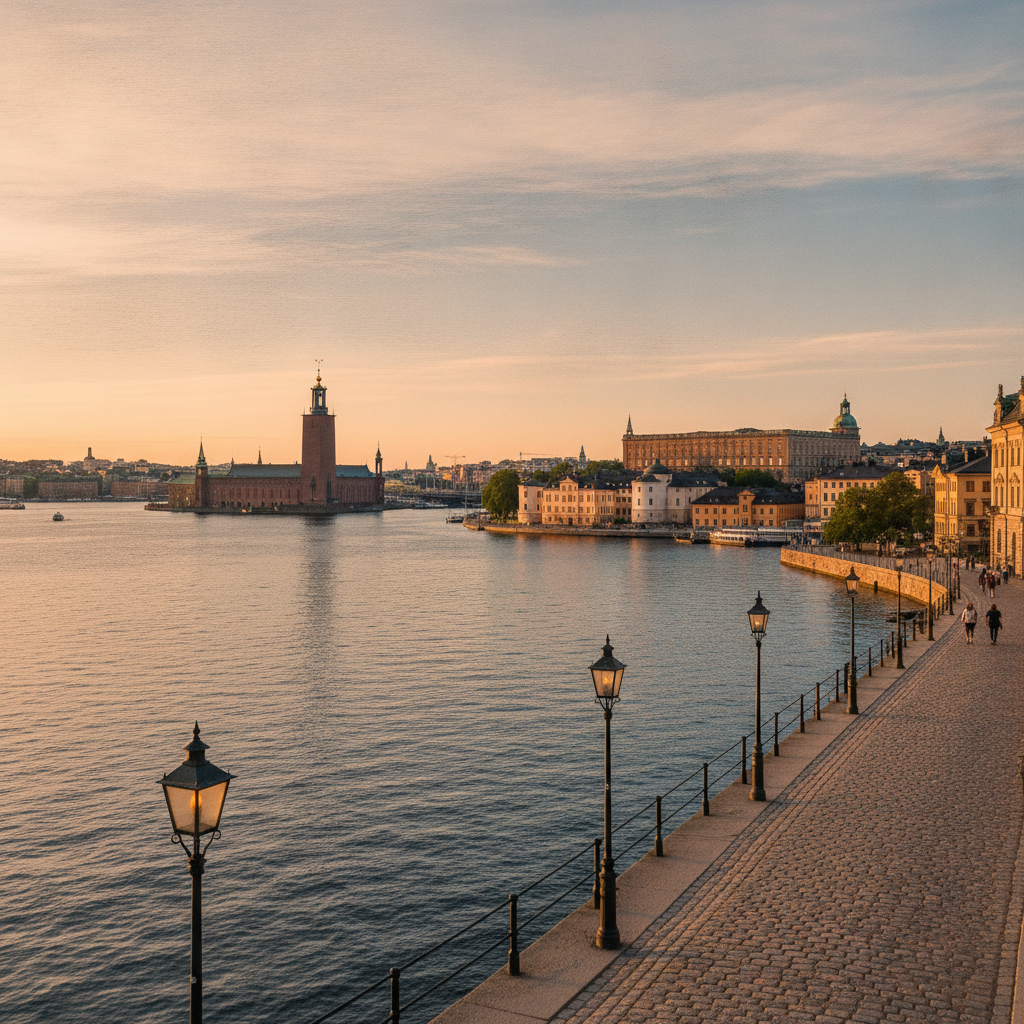
Södermalm — Le Quartier Créatif de Stockholm, Fotografiska et l'Hôtel de Ville
Södermalm — la grande île au sud de Gamla Stan, le quartier le plus créatif et culturellement vital de Stockholm — abrite Fotografiska (l'un des plus importants musées de photographie du monde), la promenade falaise de Monteliusvägen et les vues panoramiques sur l'Hôtel de Ville.
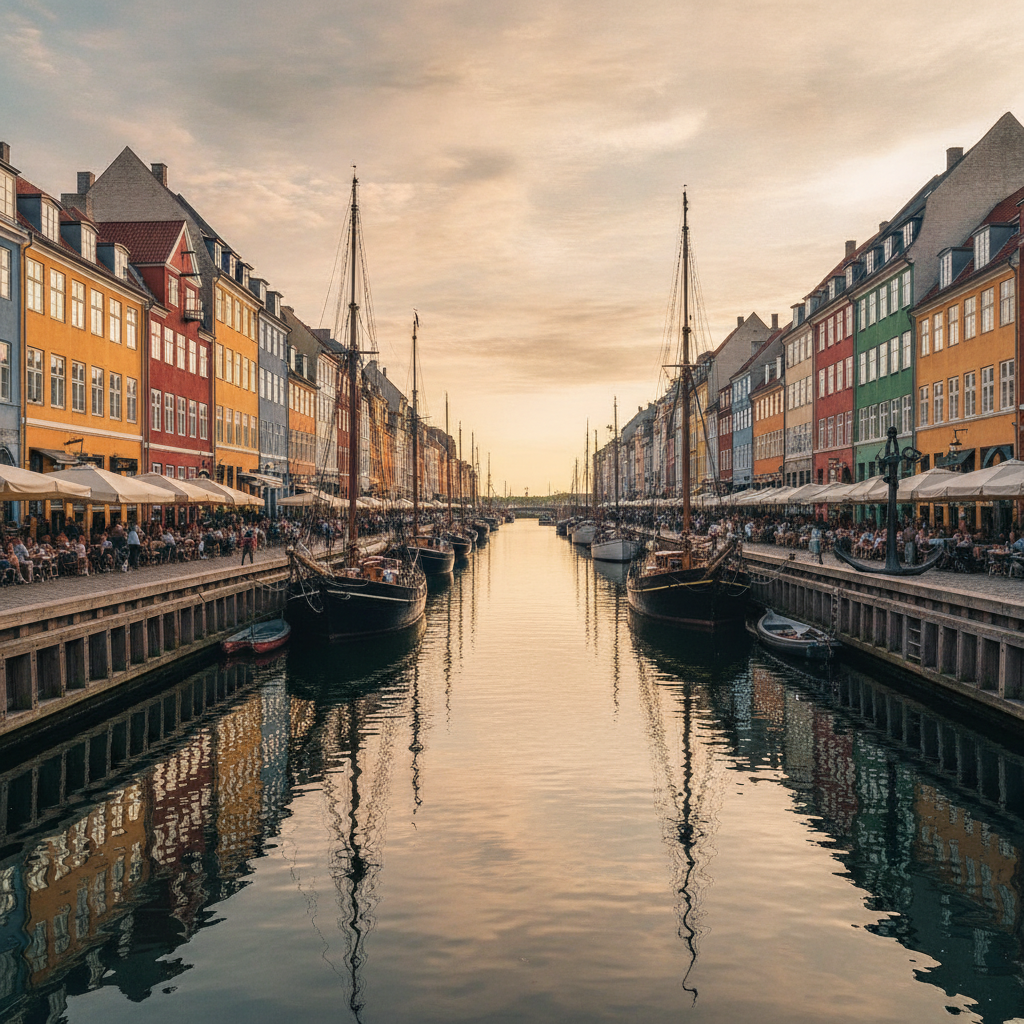
Nyhavn, Vieille Ville et Christiansborg — Le Cœur Historique de Copenhague
Copenhague — la capitale et la plus grande ville du Danemark, régulièrement classée parmi les meilleures villes du monde pour la qualité de vie — possède un centre historique construit autour de la ville médiévale et du port royal du XVIIe siècle, avec Nyhavn, Strøget et Christiansborg comme monuments phares.
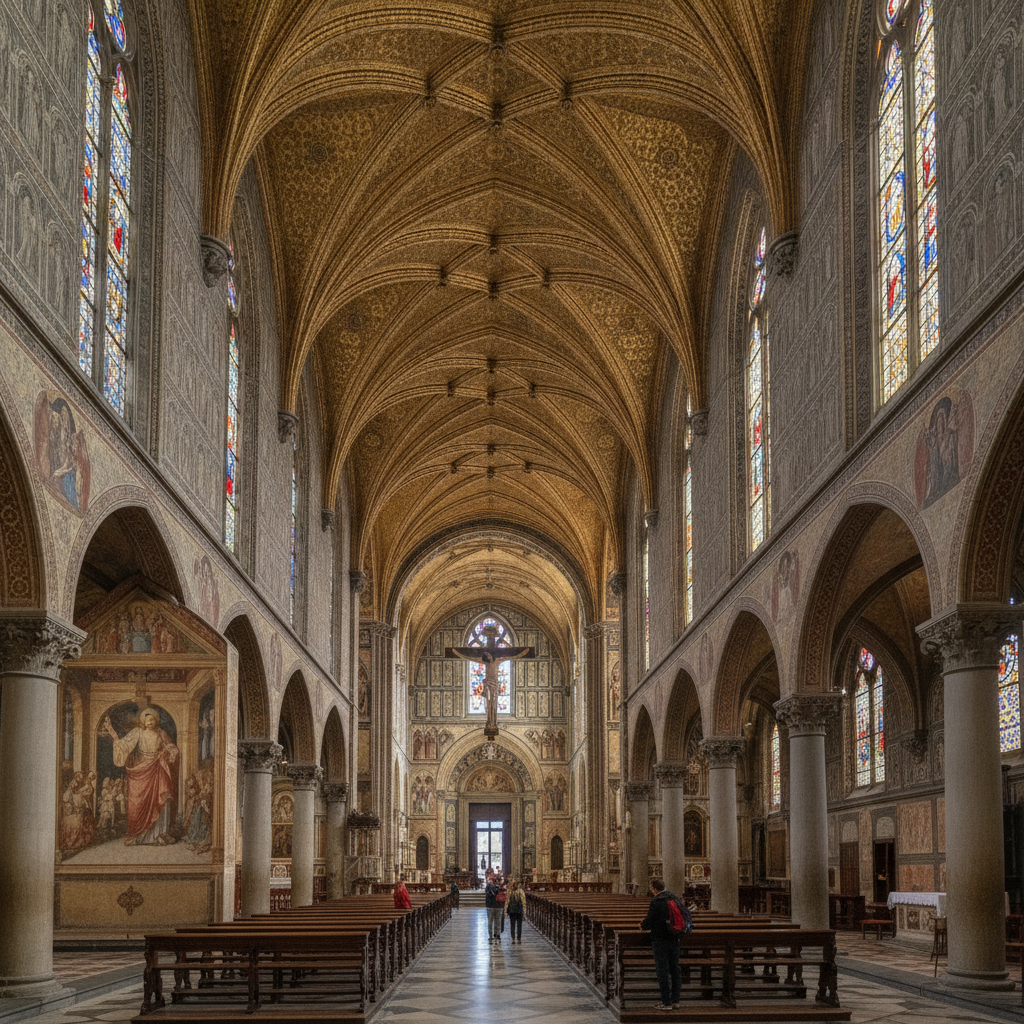
Santa Maria Novella, Via Tornabuoni et la Florence de Ghirlandaio
Le quartier ouest du centre historique de Florence, centré sur la basilique dominicaine de Santa Maria Novella et la rue commerçante de luxe Via Tornabuoni, représente une couche distinctive de la culture florentine — l'église qui contient la 'Trinité' de Masaccio (la première peinture utilisant la vraie perspective linéaire) et le cycle de portraits de Ghirlandaio dans la Chapelle Tornabuoni.
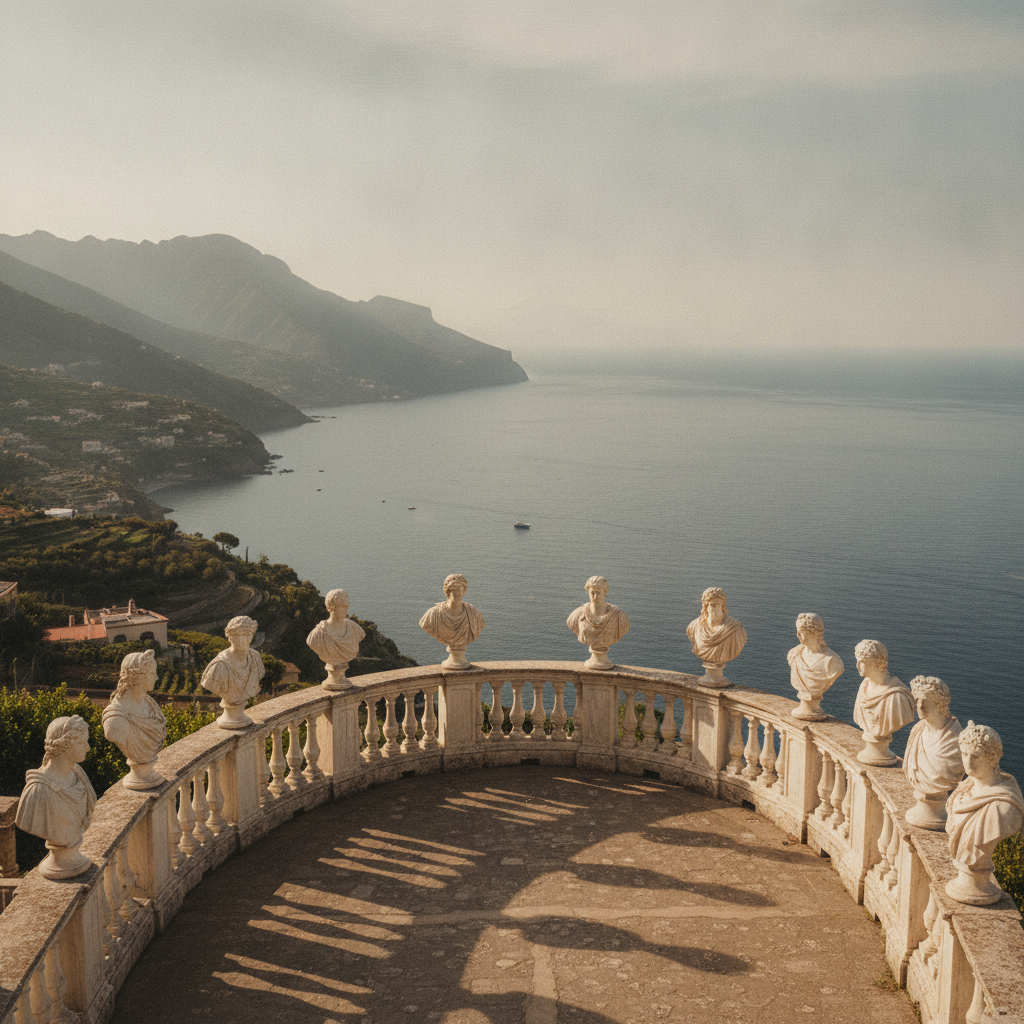
Ravello — Villa Cimbrone, Villa Rufolo & the Ravello Festival
Ravello (population 2,500, at 350m altitude on the ridge between the Valle del Dragone and Valle di Sambito, the City of Music hosting the annual Ravello Festival) is the most elevated and culturally distinguished town on the Amalfi Coast. Accessible by bus from Amalfi in 30 minutes for €1.30.
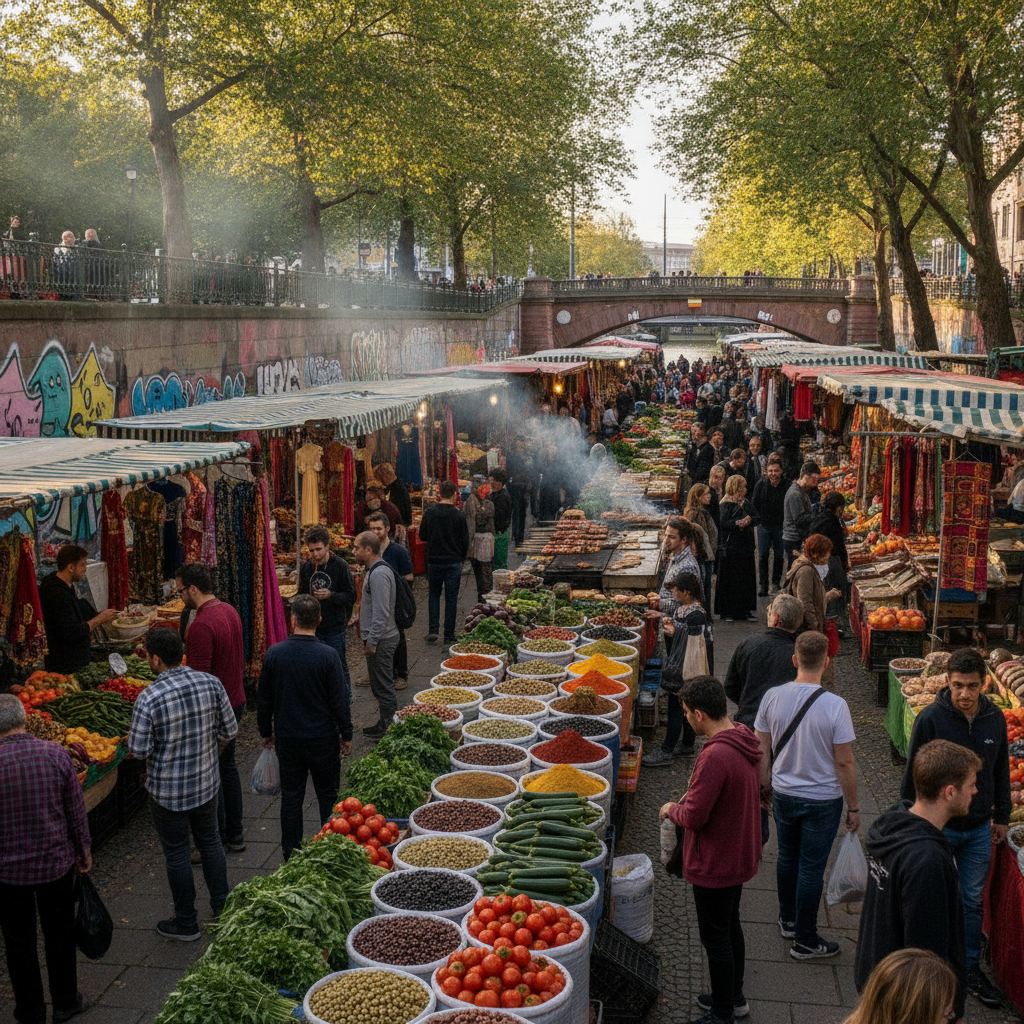
Kreuzberg : Marché Turc, Landwehrkanal et Culture Urbaine
Kreuzberg — l'ancien enclave de Berlin-Ouest devenu le centre à la fois de la communauté immigrée turco-allemande et de la contre-culture alternative — est le quartier le plus politiquement et culturellement chargé de Berlin.
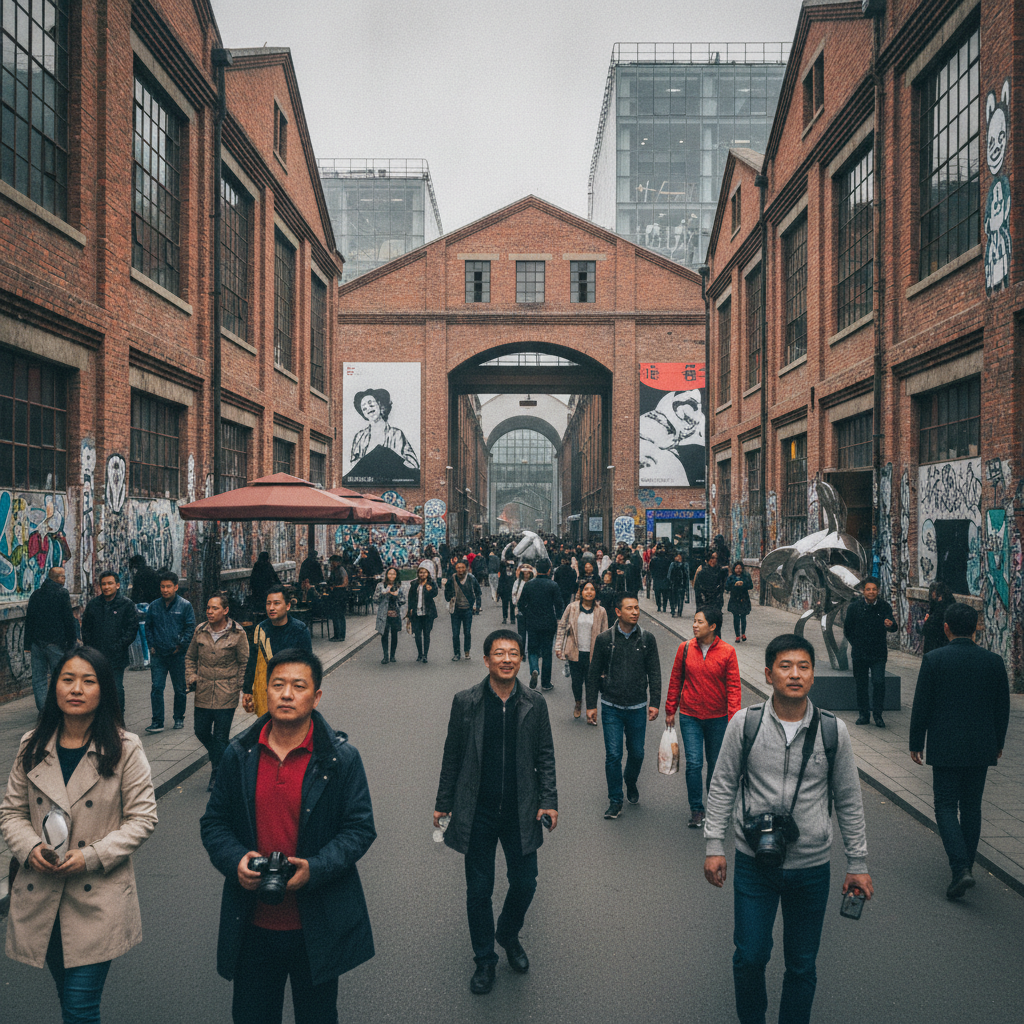
District Artistique 798 et le Pékin Contemporain — La Révolution Créative de la Chine
798 Art District (798艺术区 — the contemporary art district in the Chaoyang district of northeastern Beijing, in the former buildings of the state-owned 798 Joint Factory (the military electronics factory built with Soviet assistance in the 1950s in the Bauhaus-influenced East German industrial style (designed by East German architects during the 1950s Sino-Soviet friendship period)) — the most important contemporary art district in China and one of the most significant in Asia): the transformation of the factory complex (from 2002, when artists began renting the cheap industrial spaces) into a gallery, studio, and cultural venue complex has made 798 the symbol of China's contemporary art renaissance.

Cuisine Brésilienne à Rio — Churrasco, Feijoada, Açaí et la Cuisine Carioca
Brazilian cuisine in Rio de Janeiro — the most accessible, varied, and affordable food culture in South America — is shaped by the extraordinary biodiversity of Brazil (the most biodiverse country on Earth), the three-way cultural fusion of indigenous Brazilian, Portuguese colonial, and African slave heritage, and the particular Carioca food traditions that have developed in Rio's specific social context: the beach, the favela, the churrascaria, and the Saturday feijoada are the defining food experiences of Rio.
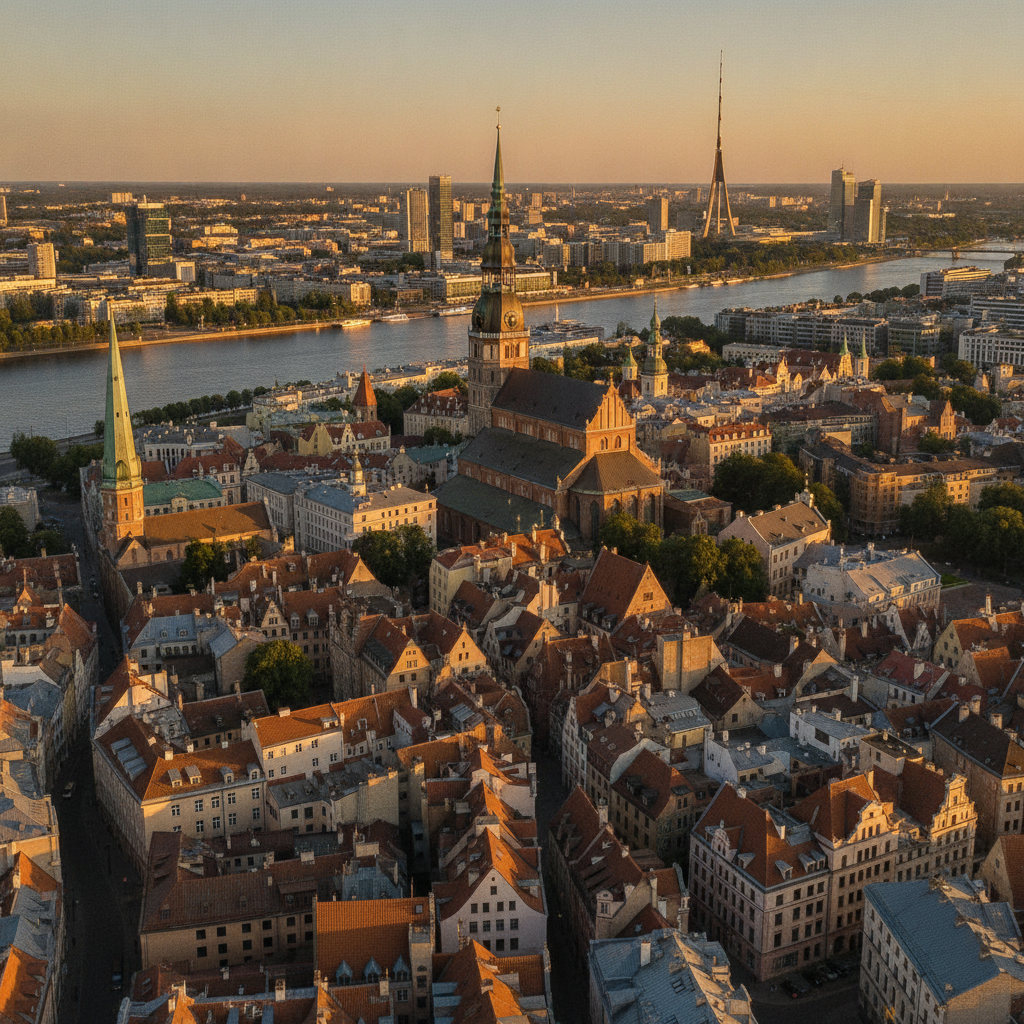
Riga Old Town — Dom Cathedral, the House of Blackheads & the Largest Art Nouveau District in Europe
Riga (the capital of Latvia, population 620,000, the largest city in the Baltic states, founded 1201 by Bishop Albert of Riga as a crusader base for the Christianization of the Baltic peoples, a major Hanseatic League port from the 13th century, the city possessing the most extensive Art Nouveau architecture in the world — approximately one third of all buildings in central Riga built in the Jugendstil and Art Nouveau style 1899-1914, the Old Town inscribed on the UNESCO World Heritage List in 1997, the city capital of independent Latvia since 1918 and since the restoration of independence in 1991) is the cultural capital of the eastern Baltic Sea.
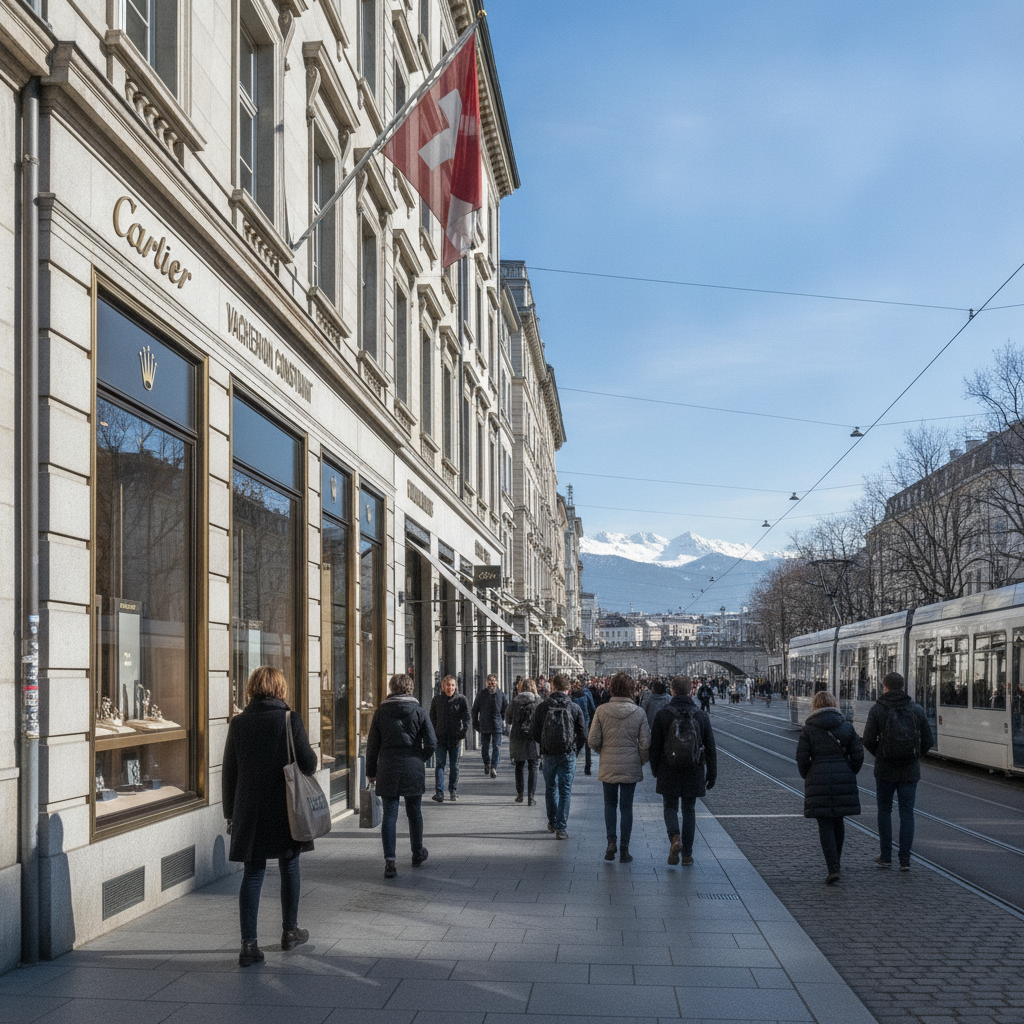
Geneva Watches, the Rue du Rhône & Jean-Jacques Rousseau's City
Geneva's international identity rests on three pillars — the luxury watch industry, the role as a global diplomatic hub, and the intellectual tradition of Rousseau and Calvin — all concentrated in the 2km from the Rue du Rhône to the Old Town.
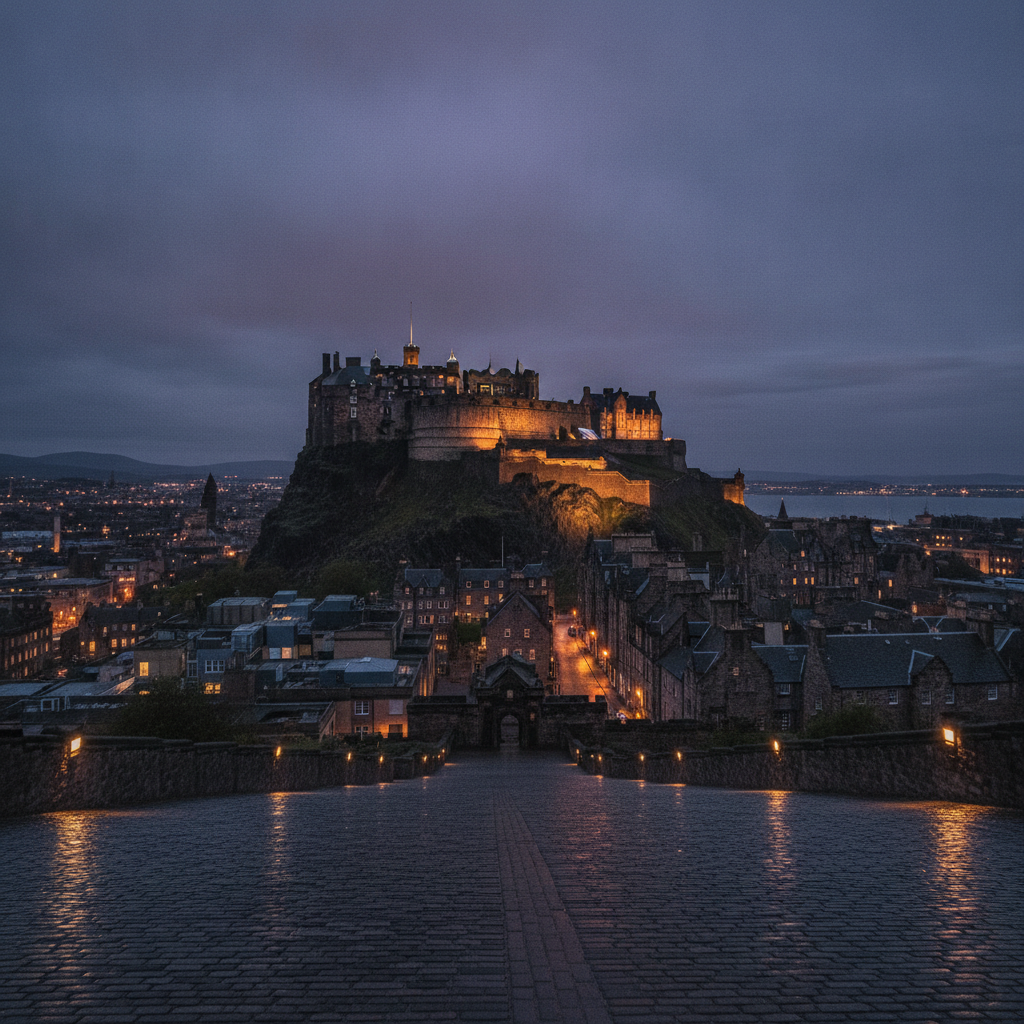
Château d'Édimbourg, le Royal Mile et Holyrood — La Vieille Ville
Édimbourg — la capitale de l'Écosse, l'une des villes capitales les plus dramatiques et les plus belles d'Europe — a pour cœur historique la Vieille Ville, le quartier médiéval allant du Château d'Édimbourg le long du Royal Mile jusqu'au Palais de Holyroodhouse.
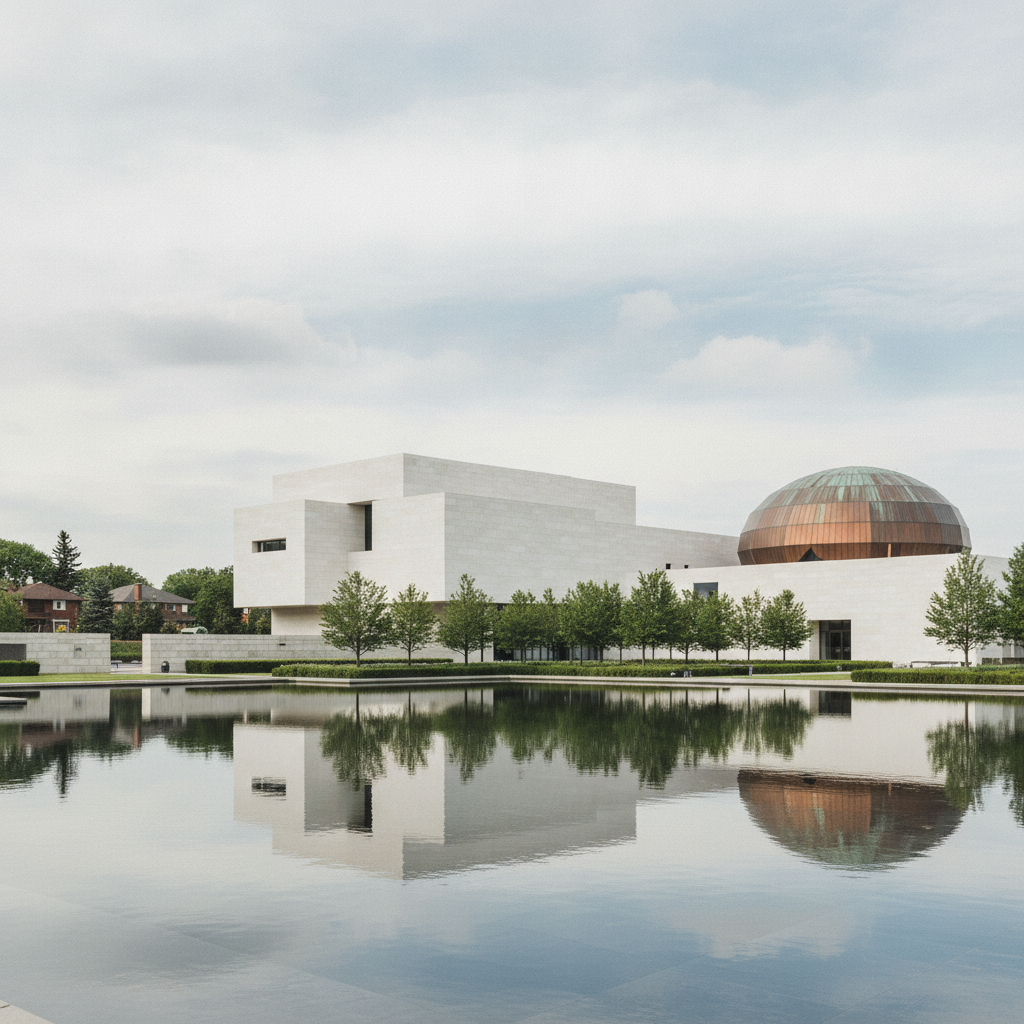
Musée Aga Khan, North York et la Diversité Suburbaine de Toronto
Toronto is the most ethnically diverse large city in the world — approximately 50% of Toronto residents were born outside Canada (the highest proportion of any large city in the world), and the city is home to communities from over 200 countries speaking over 140 languages; the suburban areas of Toronto (North York, Scarborough, Etobicoke) house the majority of Toronto's immigrant communities and represent one of the most extraordinary experiments in multicultural urbanism in history.
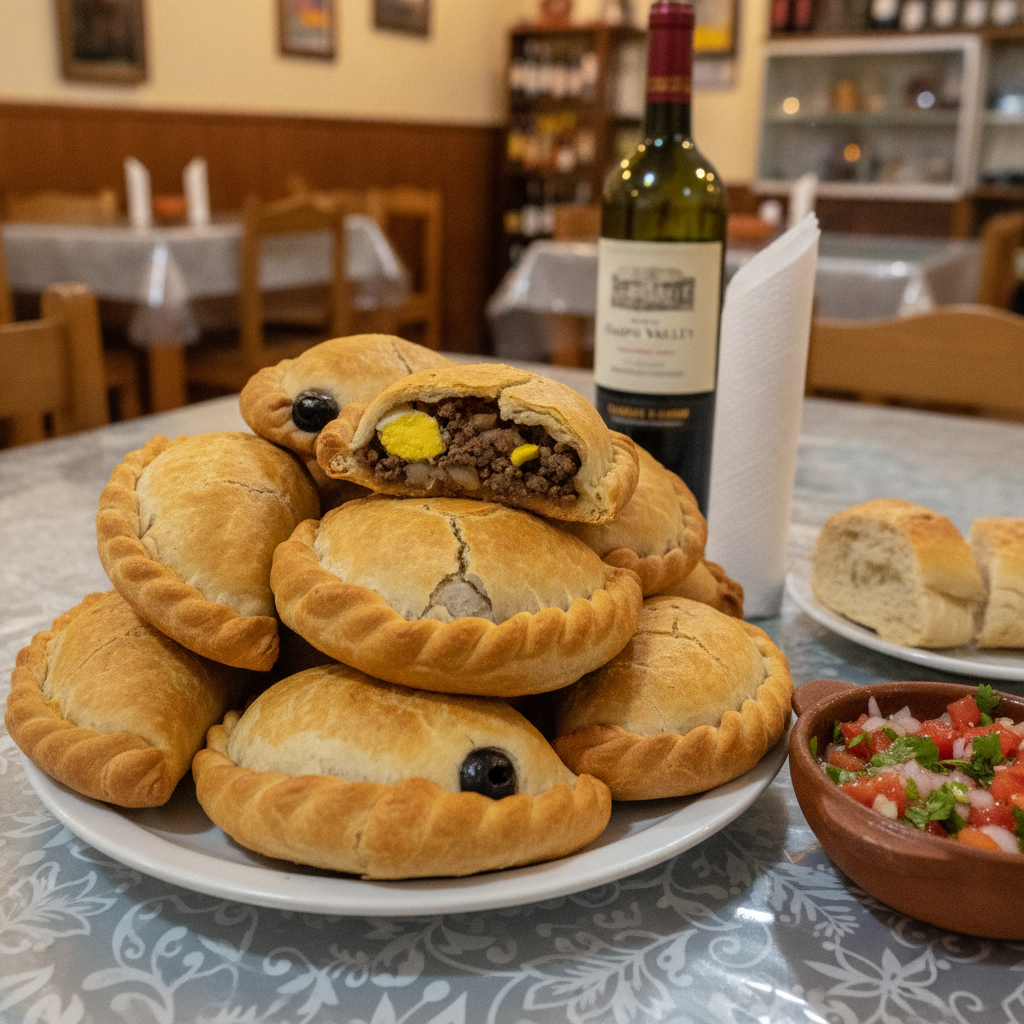
Cuisine Chilienne, Empanadas et la Culture Gastronomique de Santiago
La cuisine chilienne — la culture gastronomique du pays qui s'étend du désert le plus aride de la Terre aux îles sub-antarctiques du sud, avec 6 435 km de côte pacifique: la scène gastronomique de Santiago englobe toute la gamme des cuisines régionales chiliennes.
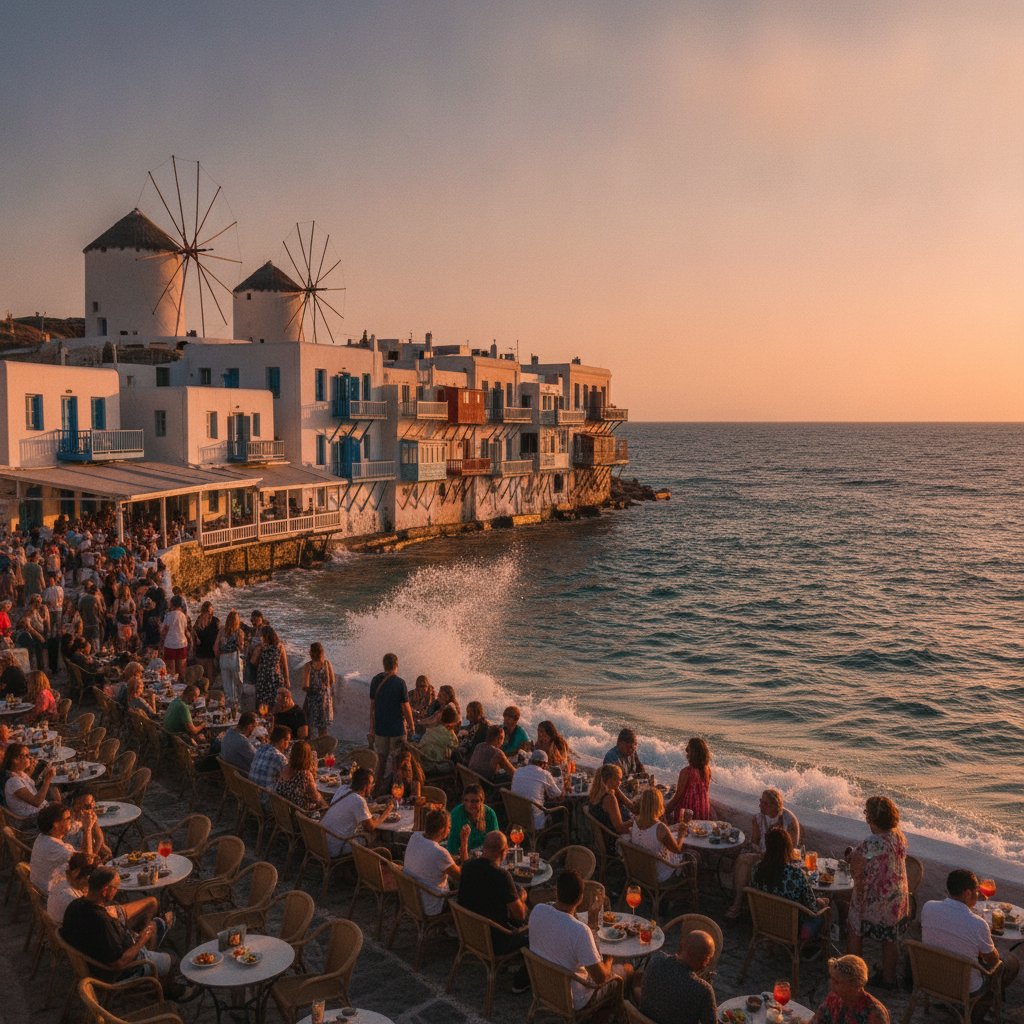
Mykonos Chora — Little Venice, the Windmills & the Labyrinth of the Old Town
Mykonos (the island of 10,000 permanent residents in the central Cyclades, the most internationally recognizable Greek island after Santorini, the combination of the iconic white-cubist architecture of Chora with the internationally oriented party culture and luxury beach club scene making it the most expensive destination in Greece) is built around Chora — the old town — whose labyrinthine street plan was deliberately designed to confuse pirates.
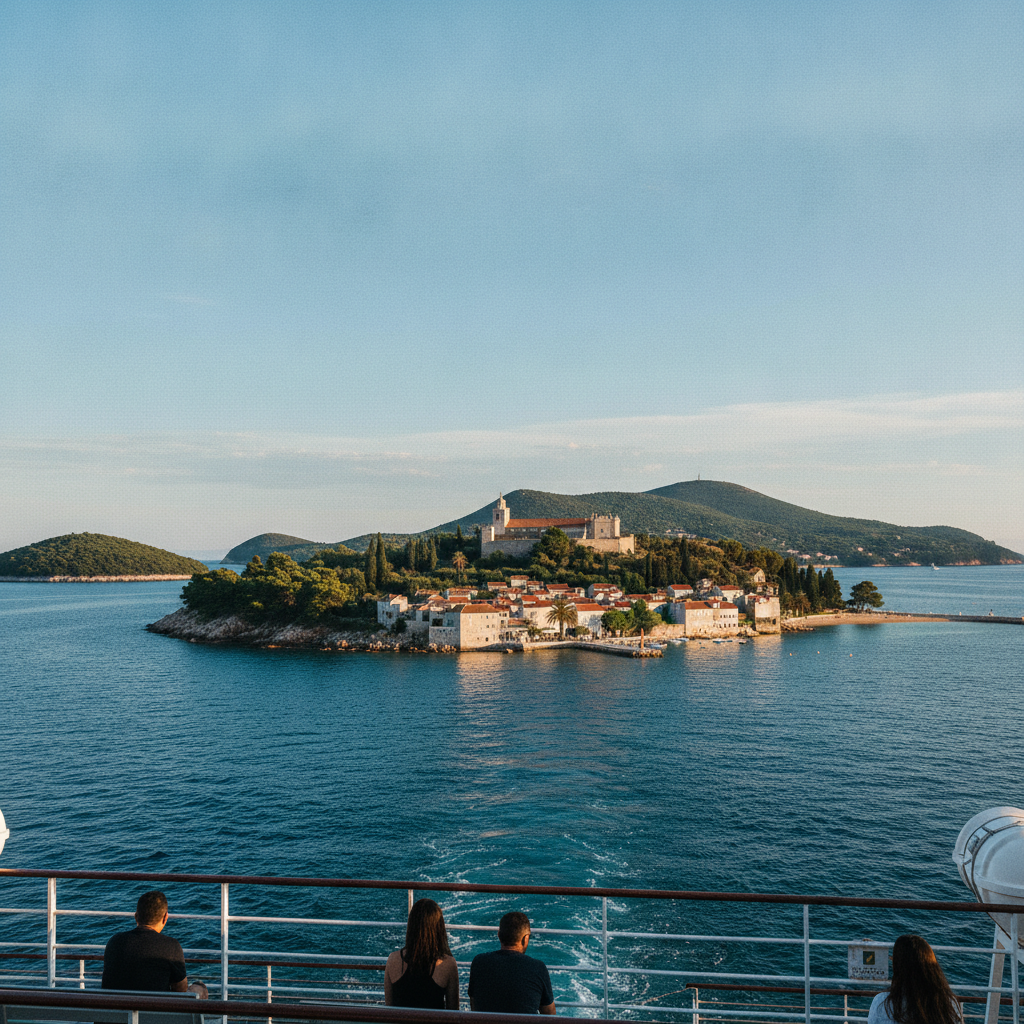
Elafiti Islands Day Trip — Lopud, Sipan & the Best Beach Near Dubrovnik
The Elafiti Islands (the archipelago of 13 islands northwest of Dubrovnik, the three inhabited ones — Kolocep, Lopud, and Sipan — accessible by regular ferry from Dubrovnik Old Port, Jadrolinija car ferry operating year-round with 2-4 daily departures, the furthest island Sipan 75 minutes from Dubrovnik) are the correct day-trip destination from Dubrovnik for a quieter, less-commercialized Adriatic island experience than Korcula, Brac, or Hvar.
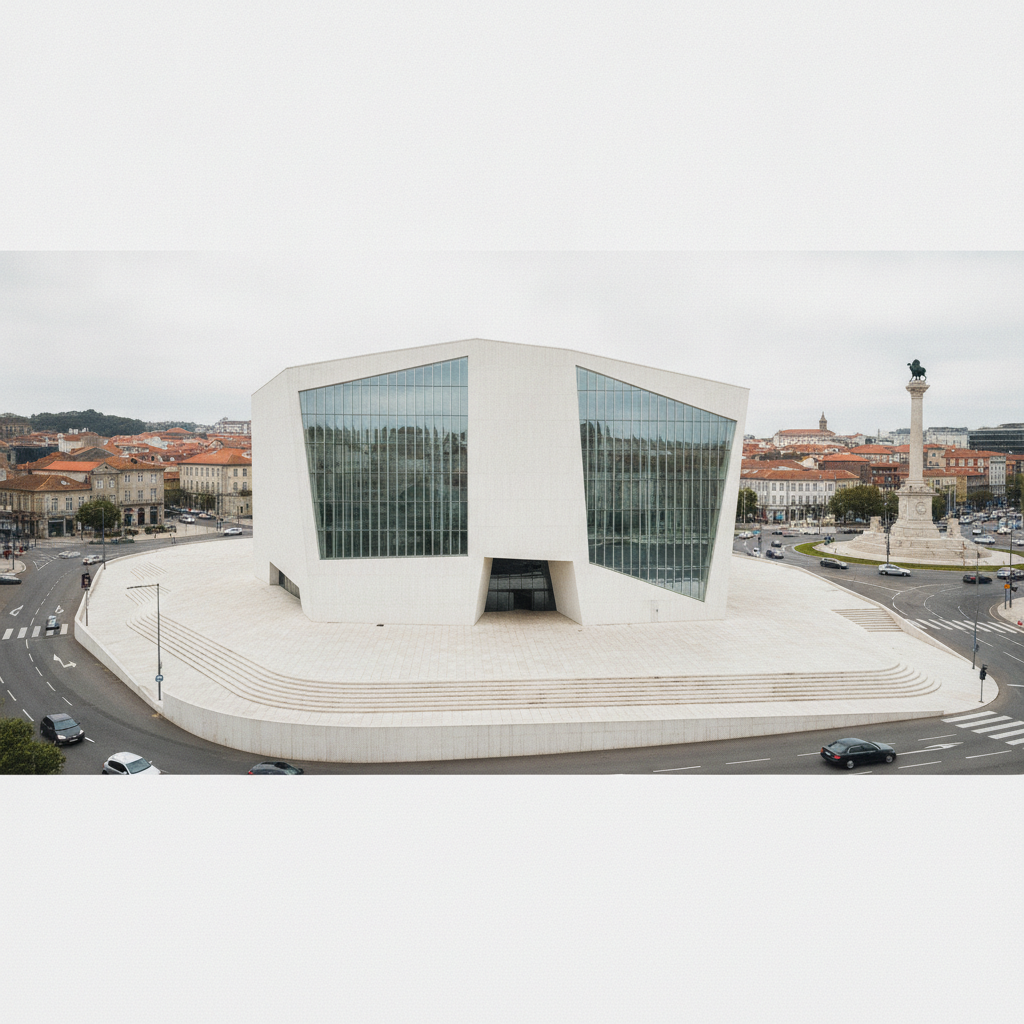
Casa da Música, Serralves et la Culture Contemporaine de Porto
Porto's contemporary cultural institutions — the Casa da Música (the 2005 concert hall by Rem Koolhaas on the Rotunda da Boavista — the most radical work of contemporary architecture in Porto), the Museu de Arte Contemporânea de Serralves (the 1999 museum by Álvaro Siza Vieira in the Serralves Estate park — the most important contemporary art museum in Portugal), and the cultural district of Boavista and Cedofeita — represent Porto's vibrant contemporary creative identity.
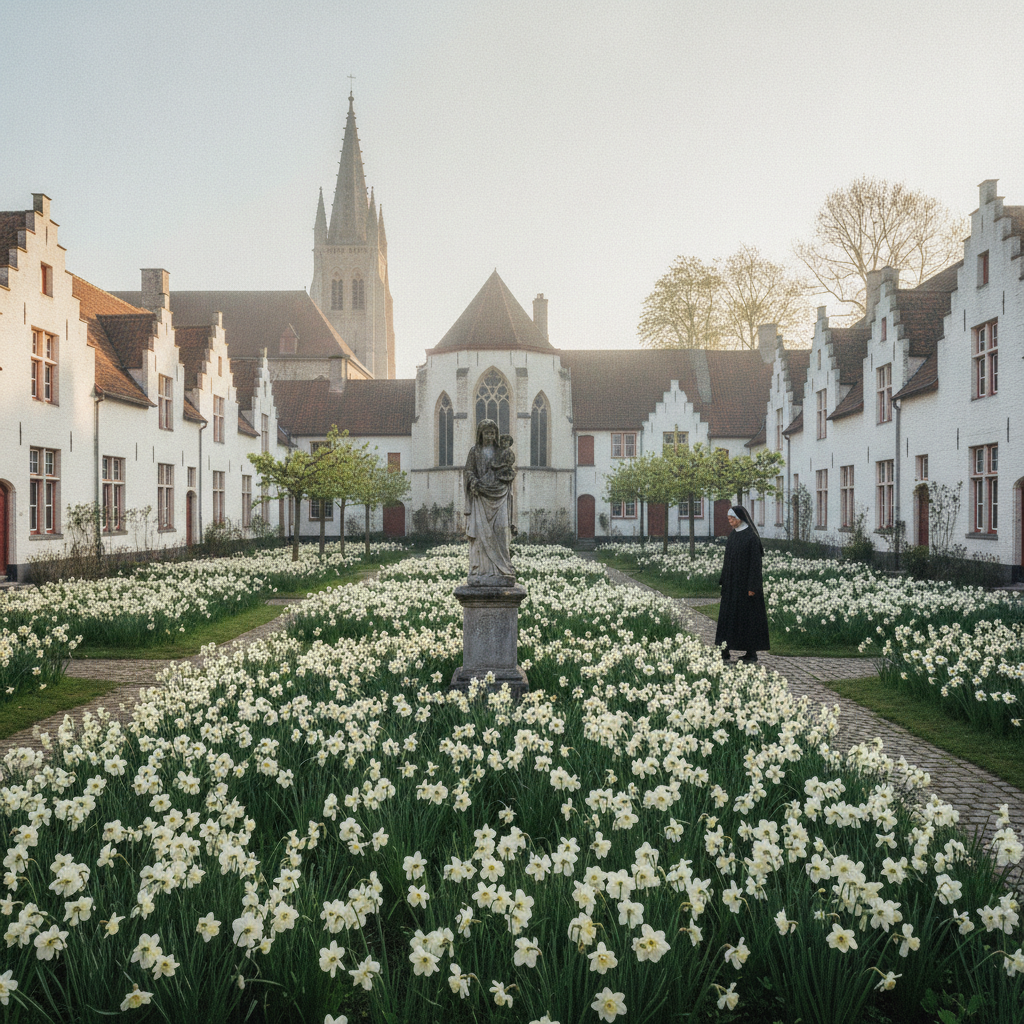
Bruges — Begijnhof, Michelangelo's Madonna, Almshouses, Flemish Lace, Chocolate & the Windmill Ramparts
The walled Begijnhof garden with its spring daffodils, the only Michelangelo sculpture north of the Alps, 50 hidden almshouse courtyards, the world's most celebrated lace tradition, artisan chocolatiers, and the windmill-lined medieval ramparts make Bruges inexhaustible.
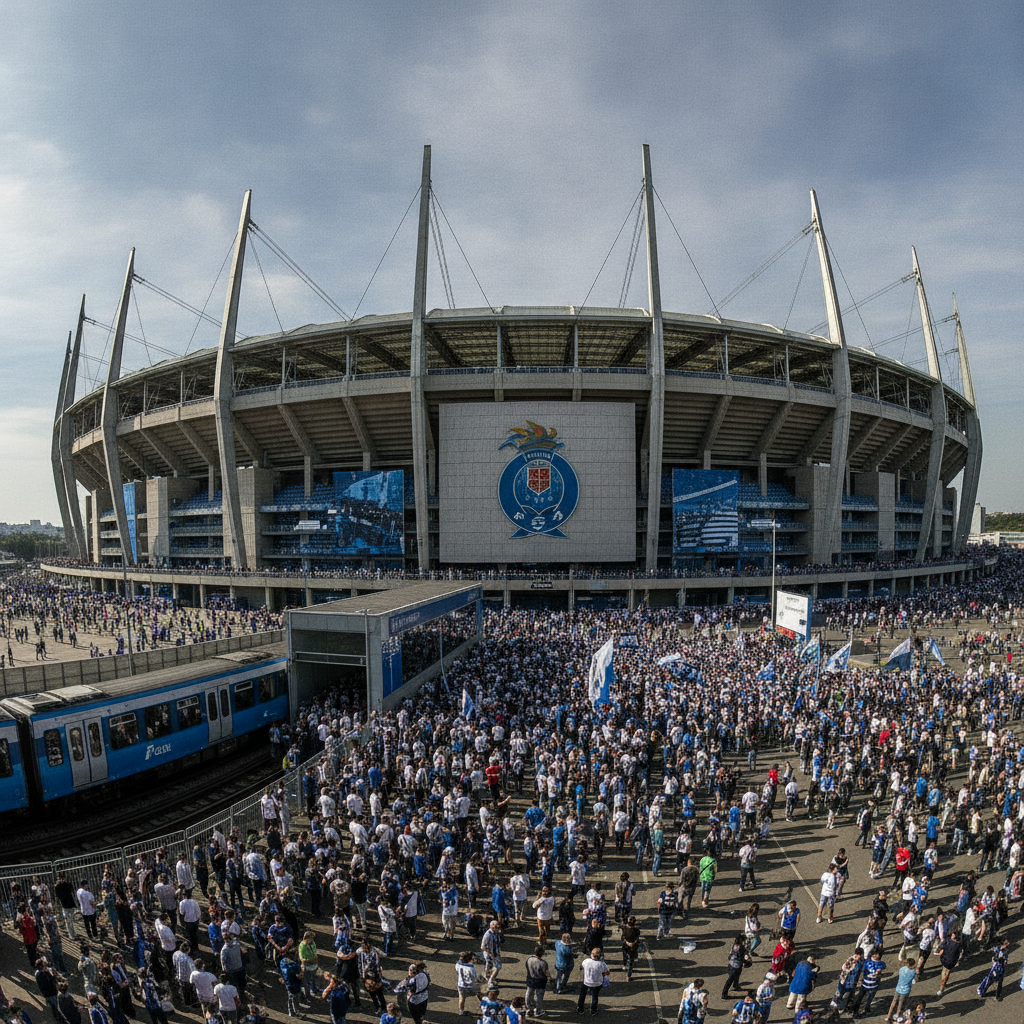
FC Porto, Estádio do Dragão et la Culture du Football Portugais
Le FC Porto (le club de football fondé en 1893, le club dominant du nord du Portugal — le club qui a remporté la Ligue des Champions UEFA deux fois (1987 et 2004 sous l'entraîneur José Mourinho)) et l'Estádio do Dragão (le stade de 50.033 places construit pour l'UEFA Euro 2004) sont l'expression de la fierté civique intense et de l'identité footballistique de Porto.
Carnaval de Rio — Sambódromo, Écoles de Samba et la Plus Grande Fête du Monde
Rio Carnival (Carnaval do Rio de Janeiro — the annual pre-Lent celebration held in Rio de Janeiro in February or March, the largest carnival in the world by attendance (approximately 2 million people per day for 5 days, total of approximately 5 million participants) and by international reputation): the centrepiece of Rio Carnival is the Sambódromo Marquês de Sapucaí (the 700-metre parade avenue designed by architect Oscar Niemeyer, built 1984, seating 90,000 spectators) where the samba school parade competitions take place over two nights.