Antofagasta Science and Culture: The Museo del Desierto, the Atacama Paleontology, the Huanchaca Ruins, and the Desert Natural History
The Antofagasta science and culture route covers the Museo del Desierto as the most comprehensive single natural history museum dedicated to the Atacama Desert in the world, the Huanchaca ruins as the most dramatically positioned single industrial heritage site in northern Chile, and the Atacama's extraordinary paleontological record as the most fossil-rich single desert in the southern hemisphere.
- 1
Museo del Desierto: The Atacama Natural History
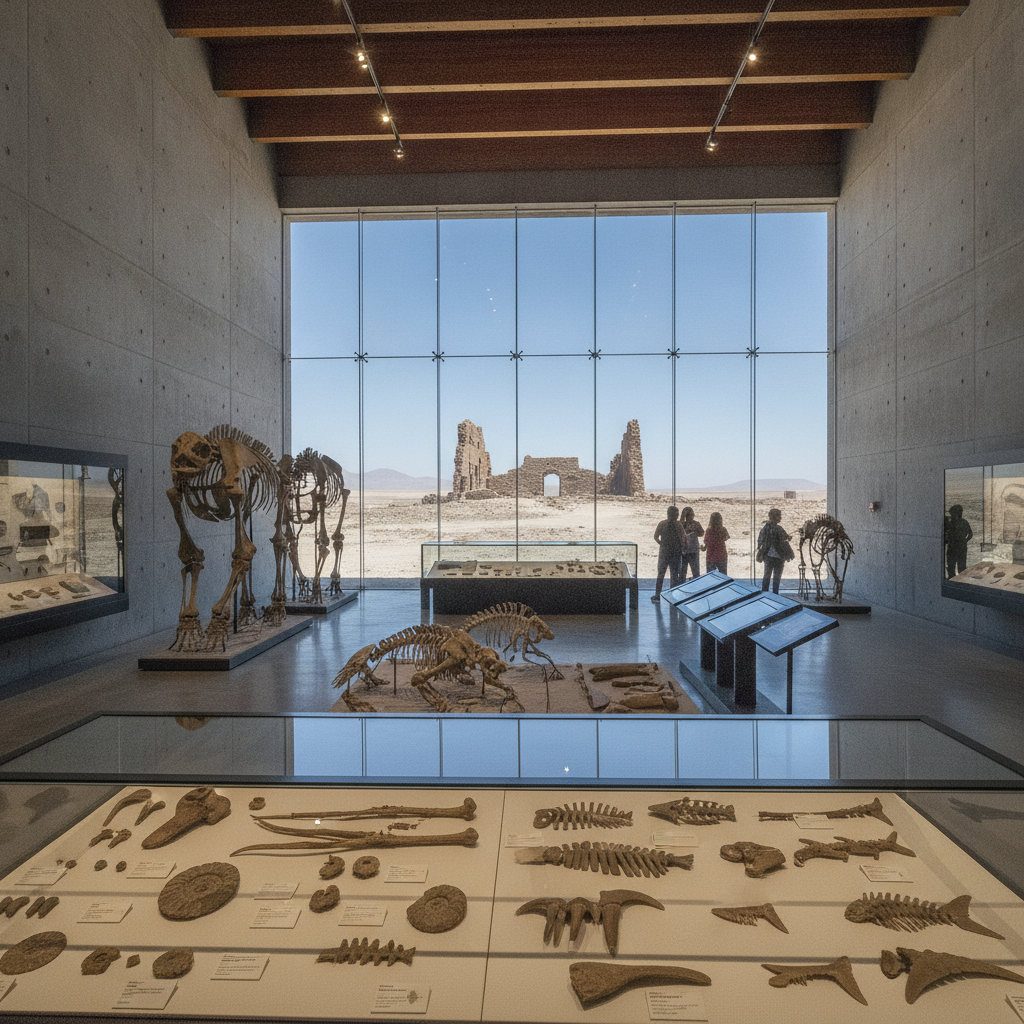
The Museo del Desierto (Desert Museum) at the Ruinas de Huanchaca complex in Antofagasta is the most comprehensive single natural history museum dedicated to the Atacama Desert ecosystem in the world, presenting the most complete single scientific overview of the Atacama's geology, paleontology, mineralogy, and ecology in the most dramatically located museum building in northern Chile, sited within the restored nineteenth-century silver smelting ruins overlooking the Pacific. The marine fossil collection, the Atacama mineral displays, and the desert ecology exhibits constitute the most scientifically authoritative single introduction to the natural history of the driest non-polar desert on Earth.
- 2
Atacama Paleontology: The Fossil Desert
The Atacama Desert preserves the most remarkable single concentration of marine fossils in the southern hemisphere, exposed by the tectonic uplift that raised the former Pacific ocean floor to its current elevation and preserved in the most arid single environment on Earth where the complete absence of moisture prevents the bacterial decomposition that destroys fossils in wetter climates. The ammonite, ichthyosaur, and marine reptile fossils exposed in the Atacama desert floor north of Antofagasta, the whale fossil site at Cerro Ballena 240 kilometers south of Antofagasta, and the insect and plant fossils of the hyperarid core constitute the most paleontologically significant single fossil exposure in South America.
- 3
Ruinas de Huanchaca: The Silver Refinery Heritage
The Ruinas de Huanchaca on the Antofagasta clifftop are the most architecturally imposing single industrial ruins in northern Chile, the remains of the Bolivian silver smelting company's 1888 facility that processed silver ore from the Potosí mines transported to Antofagasta by the Antofagasta-Bolivia Railway before the War of the Pacific permanently transferred the city from Bolivian to Chilean sovereignty. The massive brick walls, the surviving machinery bases, the clifftop location above the Pacific, and the cultural programming of the Fundación Ruinas de Huanchaca create the most historically layered single heritage site in the Norte Grande capital.
- 4
Mineralogy of the Atacama: The Mineral Wealth
The Atacama Desert is the world's most mineralogically diverse single arid region, hosting the most varied single assemblage of rare and commercially significant mineral deposits accessible in any single desert zone, including the world's largest single recoverable lithium reserves in the Salar de Atacama, the largest single copper deposit in the world at Chuquicamata, significant cobalt and boron deposits, and the historically most important single sodium nitrate deposits that sustained the Chilean economy from 1880 to 1930. The Museo de Mineralogía in Antofagasta presents the most complete single mineral collection from the Atacama available to the public.
- 5
Atacama Desert Ecology: The Life in the Void
The Atacama Desert's remarkable ecology, adapted to the most extreme single dry environment on Earth where some weather stations have recorded zero precipitation for decades, includes the most drought-adapted single plant community in the Americas, the most salt-tolerant single microbial community known to science, and the most fog-dependent single coastal ecosystem in the world where the camanchaca coastal fog supports a biologically diverse zone of lichens, cacti, and flowering plants invisible from passing distance. The Atacama ecological research program at the Universidad de Antofagasta represents the most active single desert ecology research community in South America.
- 6
Antofagasta Regional University: The Desert Science Hub
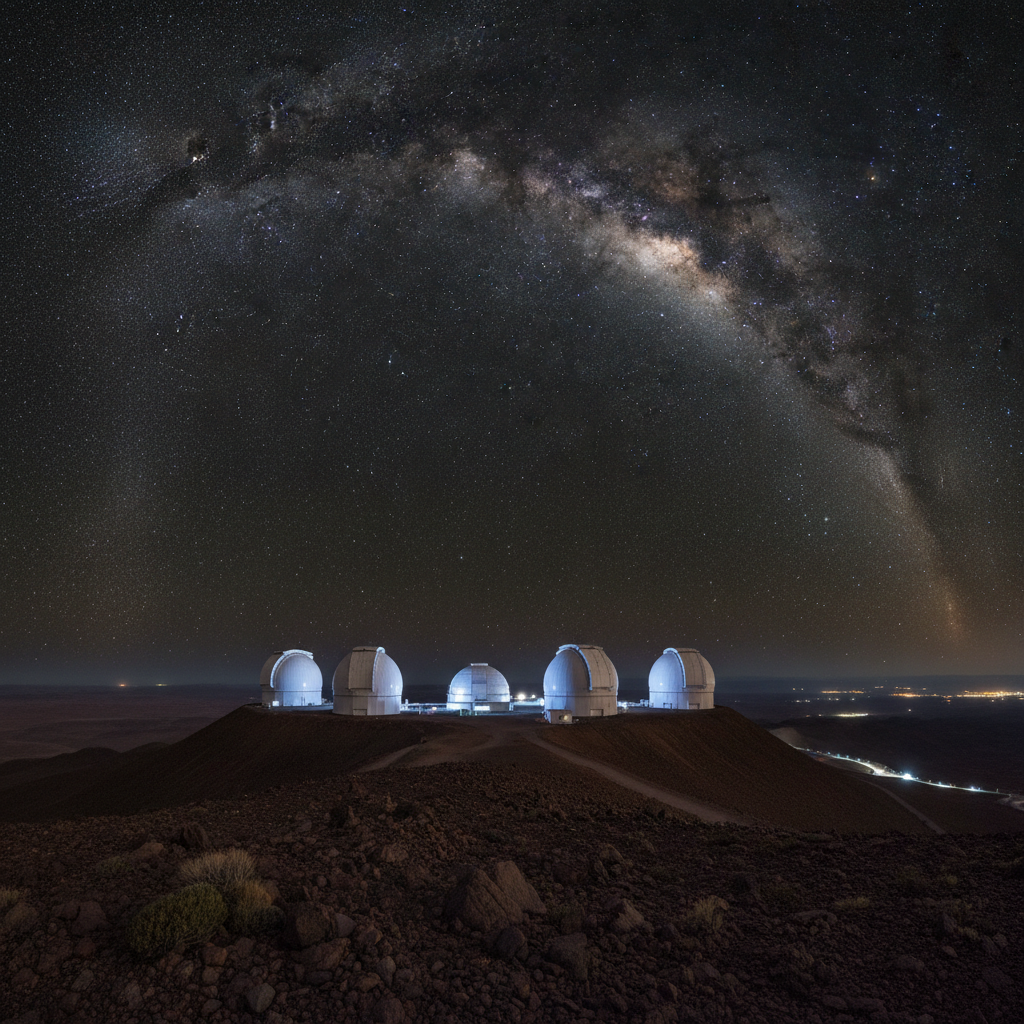
The Universidad de Antofagasta, the most important single research institution in the Norte Grande, concentrates the most significant single academic research programs on Atacama Desert ecology, mining engineering, astronomy, and pre-Hispanic Atacameño archaeology in the country's most mining-economy-dependent single university city. The university's research stations in the desert interior, the astronomical telescope partnerships with the Paranal and Llano Chajnantor observatory complexes, and the marine biology research on the Humboldt Current upwelling create the most scientifically productive single regional university research environment in the Chilean Norte Grande.
Walk this route with audio
Stories play automatically as you reach each stop — no tapping needed.
More in Antofagasta
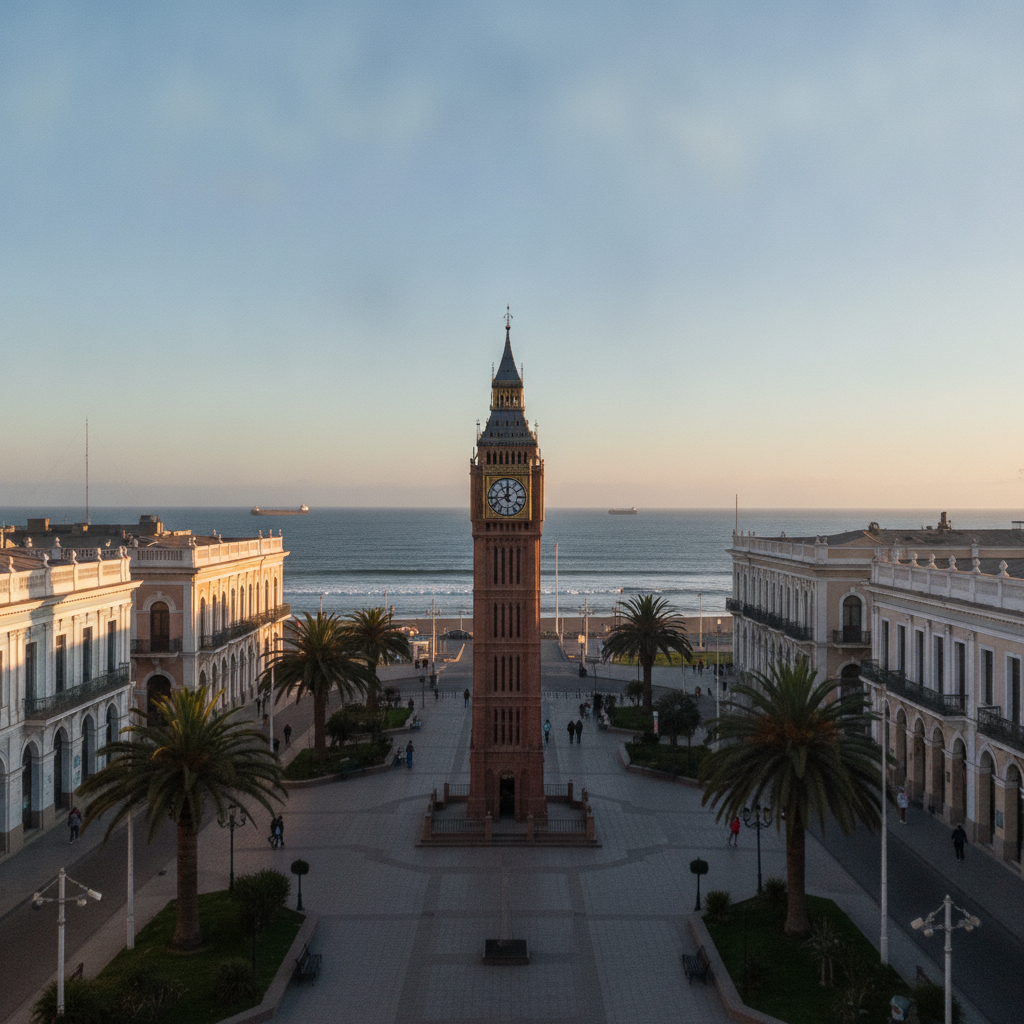
Antofagasta Historic Center: Plaza Colón, the British Clocktower, the Portales Waterfront, and the Nitrate Era Architecture
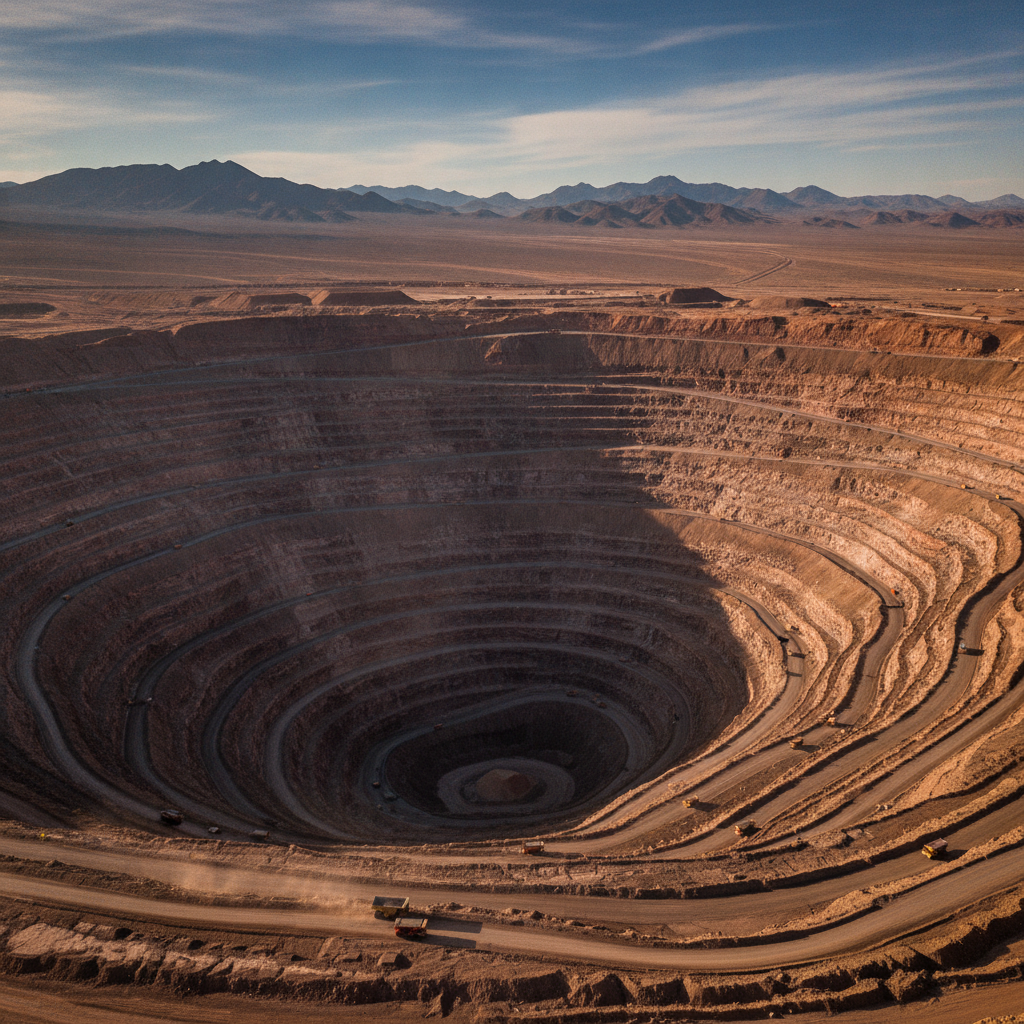
Chuquicamata and Calama: The World's Largest Open-Pit Copper Mine, the Mining City, and the Atacama Industrial Heritage
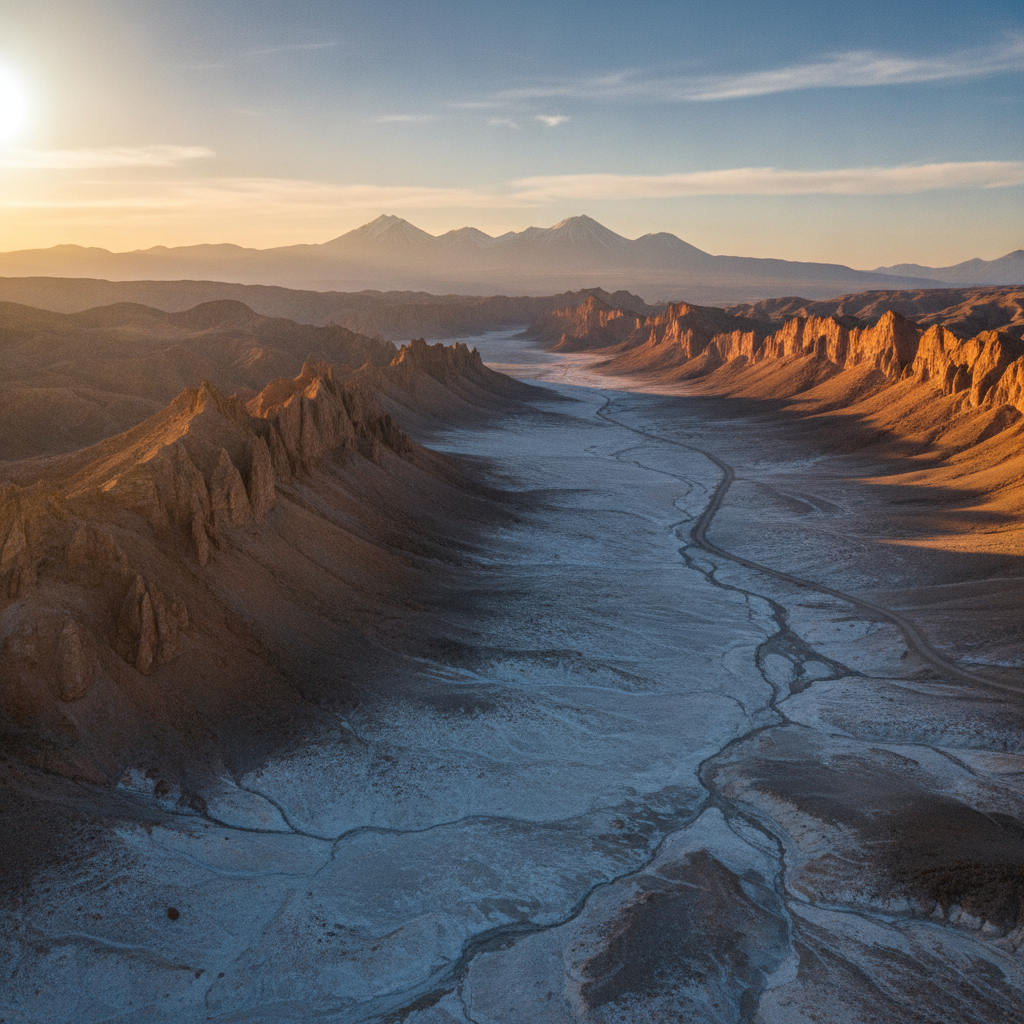
Atacama Desert Interior: Valle de la Luna, the Salar de Atacama, the Flamingo Lagoons, and the Pre-Andean Desert Landscape
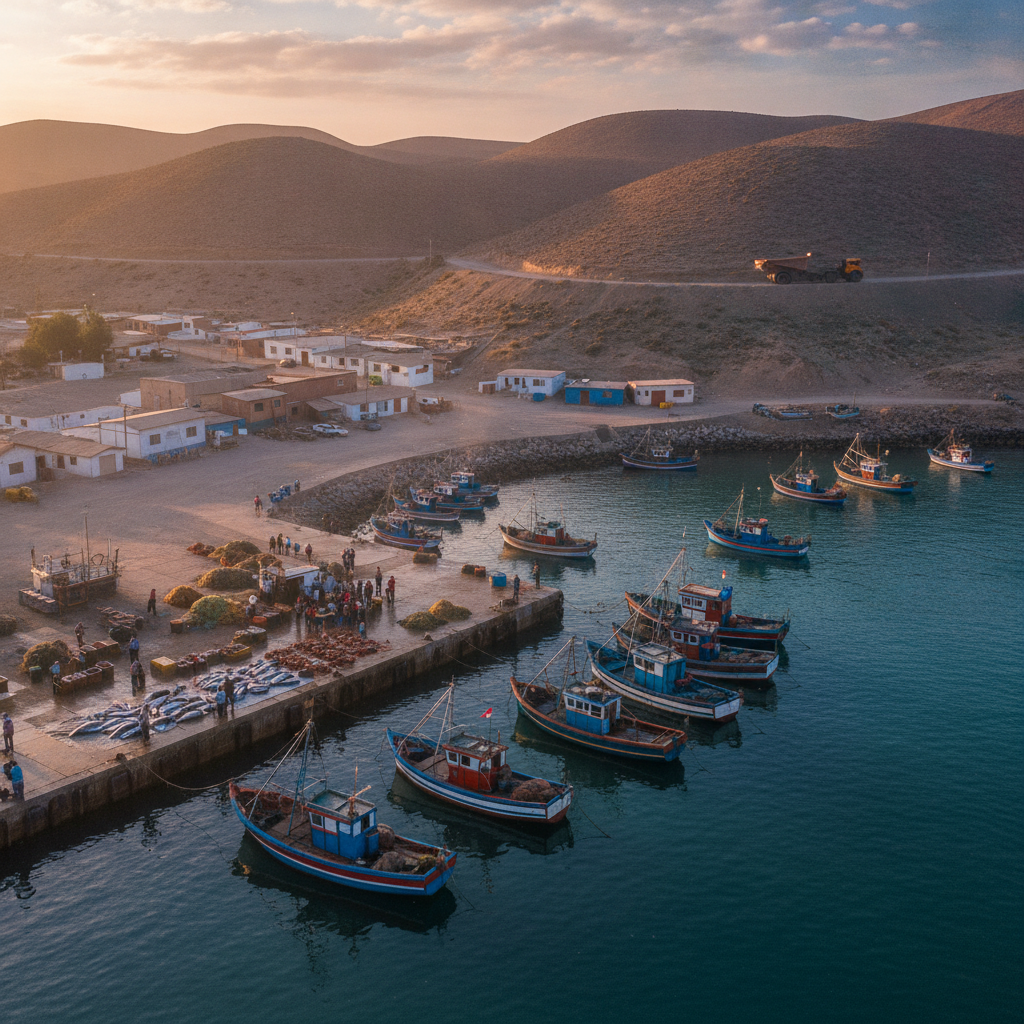
Antofagasta Food Culture: Caleta Coloso Fishing Harbor, the Norte Grande Seafood Tradition, the Port City Market, and the Mining Camp Cuisine
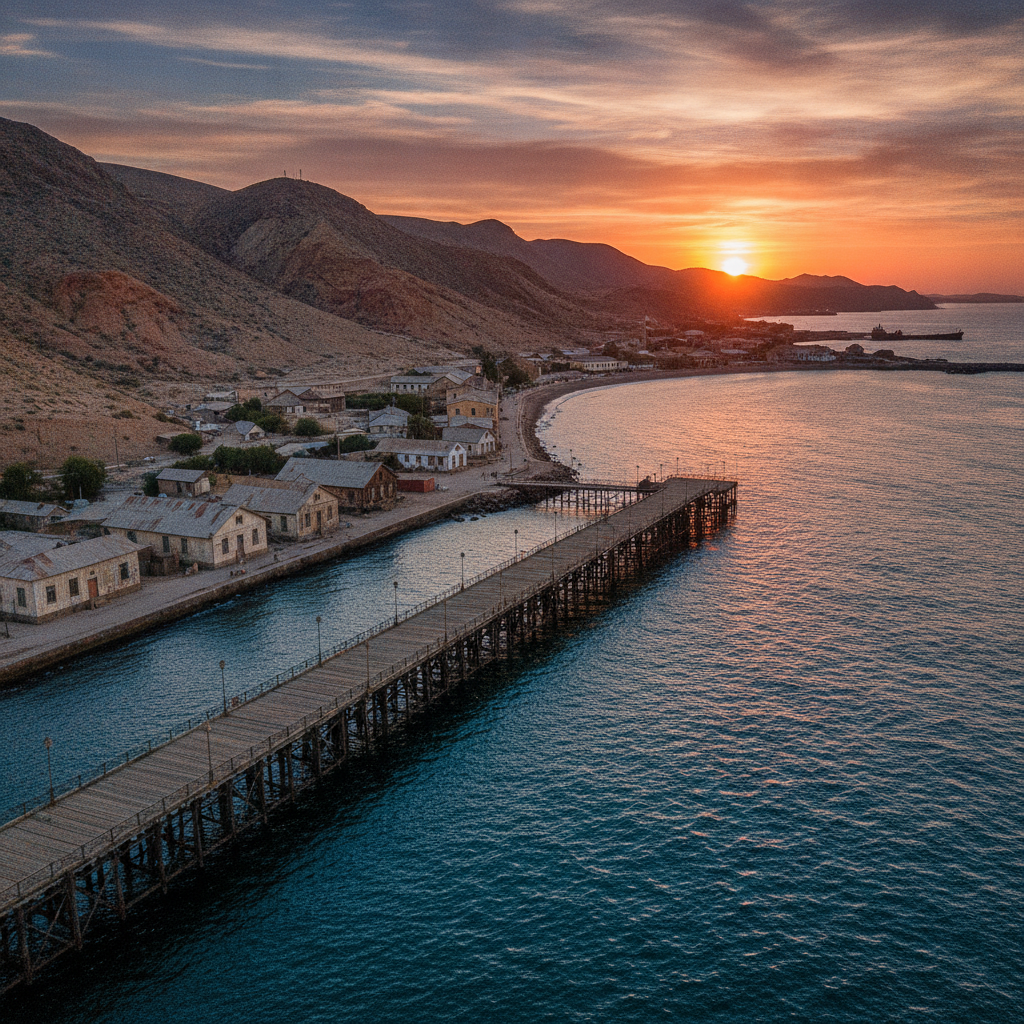
Southern Antofagasta Region: Taltal Historic Port, Paposo Nature Reserve, the Coastal Desert Fog Zone, and the Atacama Southern Wilderness