Southern Antofagasta Region: Taltal Historic Port, Paposo Nature Reserve, the Coastal Desert Fog Zone, and the Atacama Southern Wilderness
The southern Antofagasta Region route covers Taltal as the most intact single nitrate-era port town in the southern Norte Grande, the Paposo Nature Reserve as the most biologically rich single fog-desert coastal area in the Antofagasta Region, and the southern Atacama coastal wilderness as the most remotely spectacular single landscape accessible by road from the Norte Grande capital.
- 1
Taltal: The Southern Nitrate Port
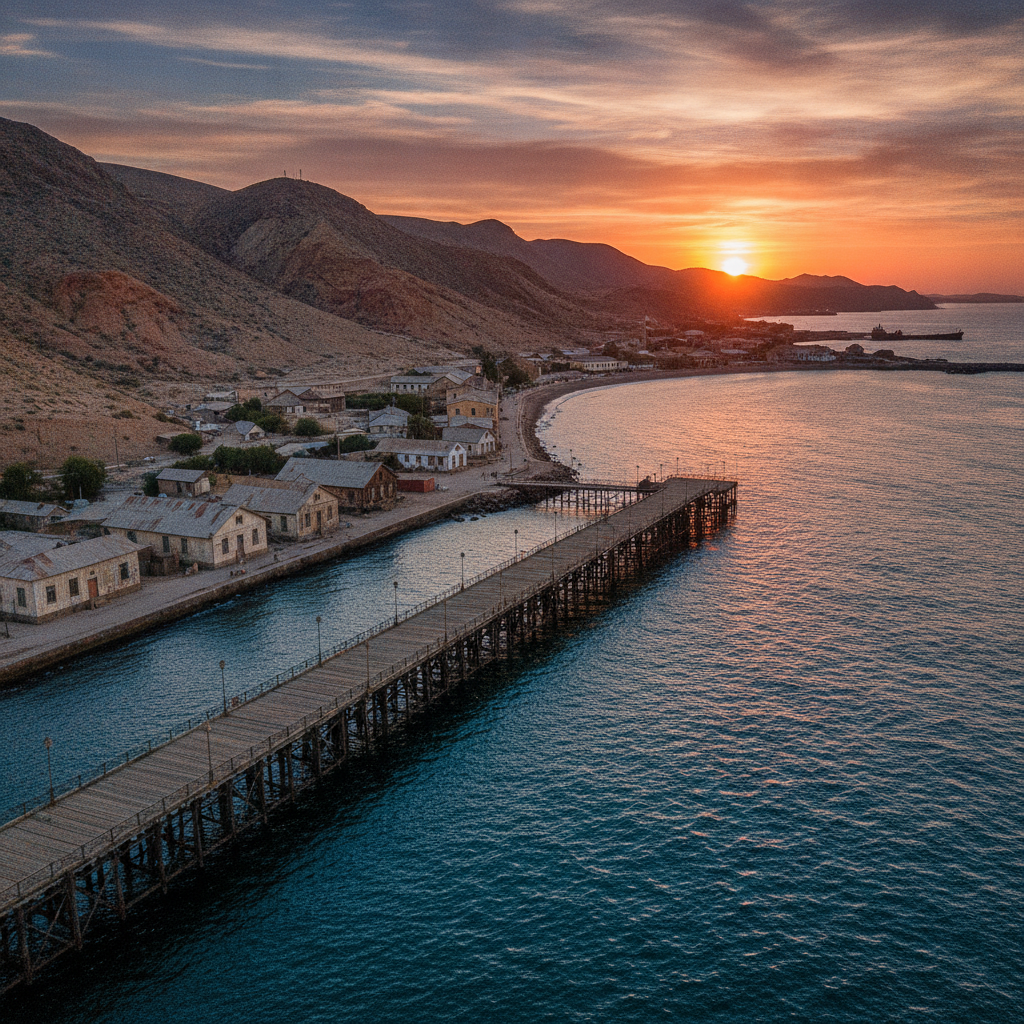
Taltal, the isolated port town 300 kilometers south of Antofagasta on the Atacama coastal desert, is the most intact single nitrate-era port town in the southern Norte Grande, preserving the most complete single assemblage of Victorian commercial and residential architecture from the 1880-1930 saltpeter prosperity in a single Chilean coastal settlement still inhabited after the nitrate industry's collapse. The Taltal historic pier, the theater building, the clocktower, and the colonial-style commercial facades along the main street create the most authentically preserved single nitrate-era port town atmosphere in the Atacama, and the extreme isolation of the town from modern infrastructure creates the most time-capsule-like single heritage town experience in northern Chile.
- 2
Paposo Nature Reserve: The Fog Desert Biodiversity
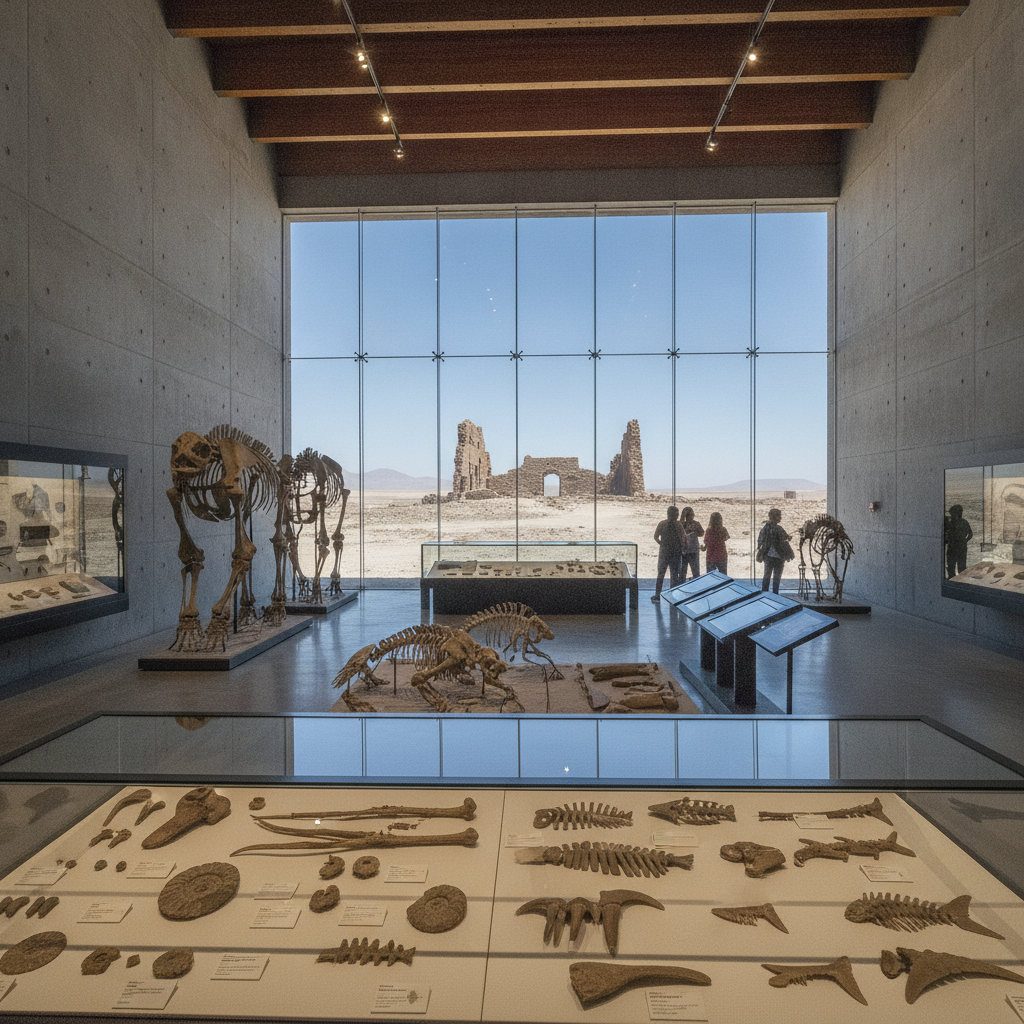
The Paposo Nature Reserve 100 kilometers south of Antofagasta on the Atacama coastal clifftops is the most biologically rich single fog-desert ecosystem in the Antofagasta Region, supporting the most diverse single plant community in the hyperarid Atacama through the camanchaca coastal fog that condenses on the vegetation and soil in the most productive single moisture-harvesting ecosystem in the driest desert on Earth. The endemic Atacama succulent species, the nesting colonies of Humboldt penguins in the cliffs below, and the puma and guanaco populations in the fog zone create the most wildlife-diverse single protected area in the southern Norte Grande.
- 3
Pan-American Highway South: The Atacama Road
The Pan-American Highway south from Antofagasta through the most absolutely barren single coastal desert plain in Chile, with 300 kilometers of uninterrupted Atacama Desert visible from the road between Antofagasta and Taltal, is the most scenically extreme single road journey in South America, traversing the most completely lifeless-appearing single landscape on the Pacific coast in the most psychologically overwhelming single driving experience available in northern Chile. The complete absence of human habitation, the rust-red desert hillsides, and the occasional Pacific Ocean glimpses through the coastal range passes create the most existentially confrontational single road trip in the Atacama.
- 4
Mina Michilla: The Coastal Copper Mine
Mina Michilla, the open-pit copper mine visible from the Pan-American Highway 75 kilometers north of Antofagasta on the coastal desert plain, is the most scenically accessible single operating copper mine in the Antofagasta Region, with the mine terraces and processing facilities creating the most visually dramatic single industrial landscape directly adjacent to the Pan-American Highway in northern Chile. The coastal location of the mine, with the Pacific Ocean visible from the pit rim, and the surrounding desert moonscape create the most geographically surreal single mining operation in Chile, extracting copper from the most barren single coastal mining terrain in South America.
- 5
Cifuncho: The Remote Desert Cove
Cifuncho, the tiny fishing cove 120 kilometers south of Antofagasta accessible by a rutted desert track from the Pan-American Highway, is the most remote single artisan fishing settlement in the Antofagasta Region, with a handful of permanent fishing families operating the most isolated single Humboldt Current fishing operation on the Atacama coast in a natural cove sheltered from the Pacific swell by the most dramatic single rock headland on the southern Norte Grande coast. The completely unspoiled cove beach, the fishing boat haul-out, and the absolute desert wilderness surrounding the cove create the most primordially isolated single coastal experience accessible from Antofagasta.
- 6
Cerro Paranal from the South: The Observatory Approach
The approach to Cerro Paranal from the south via the Pan-American Highway and the 12-kilometer observatory access road provides the most dramatically isolated single approach to any major scientific facility in the world, driving through the most absolutely barren single coastal desert in the hemisphere before the telescope domes appear on the summit horizon. The ESO Saturday visitor program accessible via advance registration creates the most directly educational single astronomical research facility tour in South America, with access to the VLT telescope platform, the control room, and the Residencia's remarkable interior providing the most scientifically immersive single site visit in the Atacama.
Walk this route with audio
Stories play automatically as you reach each stop — no tapping needed.
More in Antofagasta
Antofagasta Historic Center: Plaza Colón, the British Clocktower, the Portales Waterfront, and the Nitrate Era Architecture
Chuquicamata and Calama: The World's Largest Open-Pit Copper Mine, the Mining City, and the Atacama Industrial Heritage
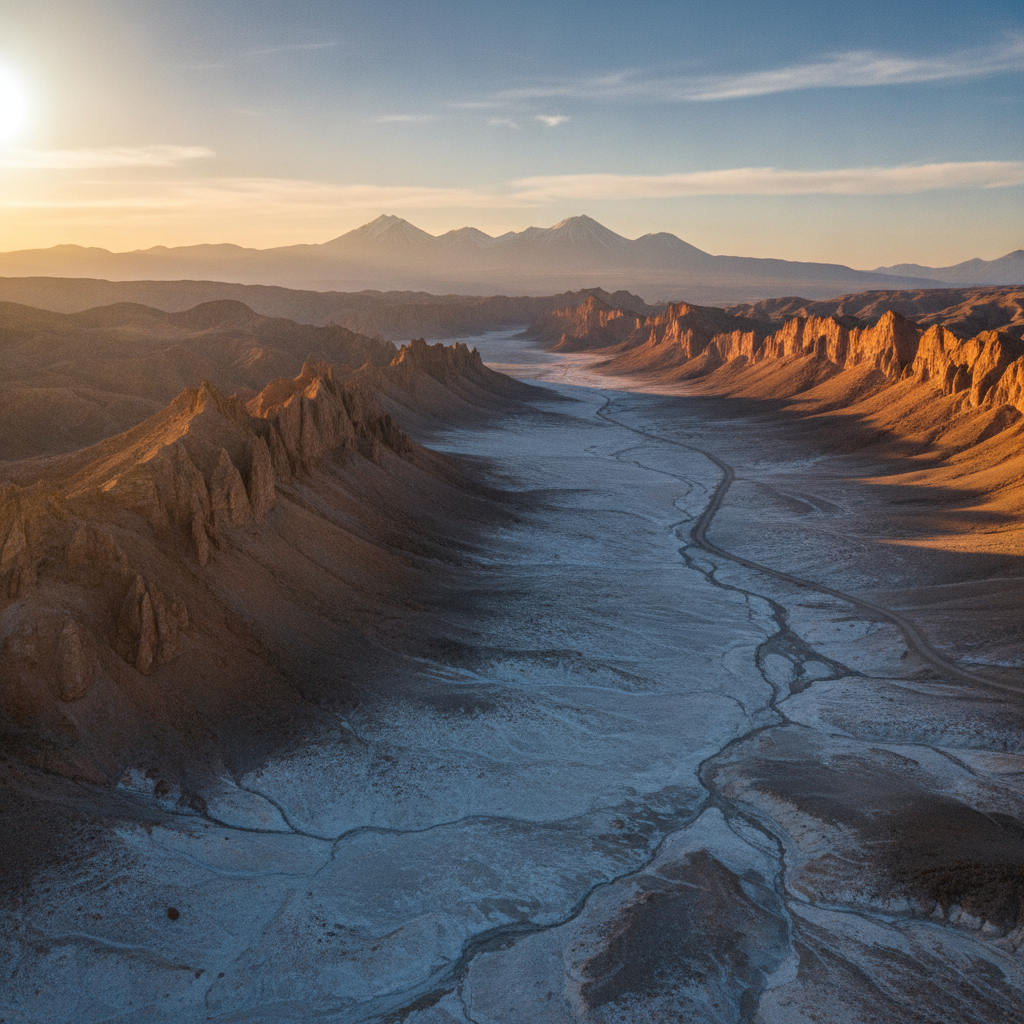
Atacama Desert Interior: Valle de la Luna, the Salar de Atacama, the Flamingo Lagoons, and the Pre-Andean Desert Landscape
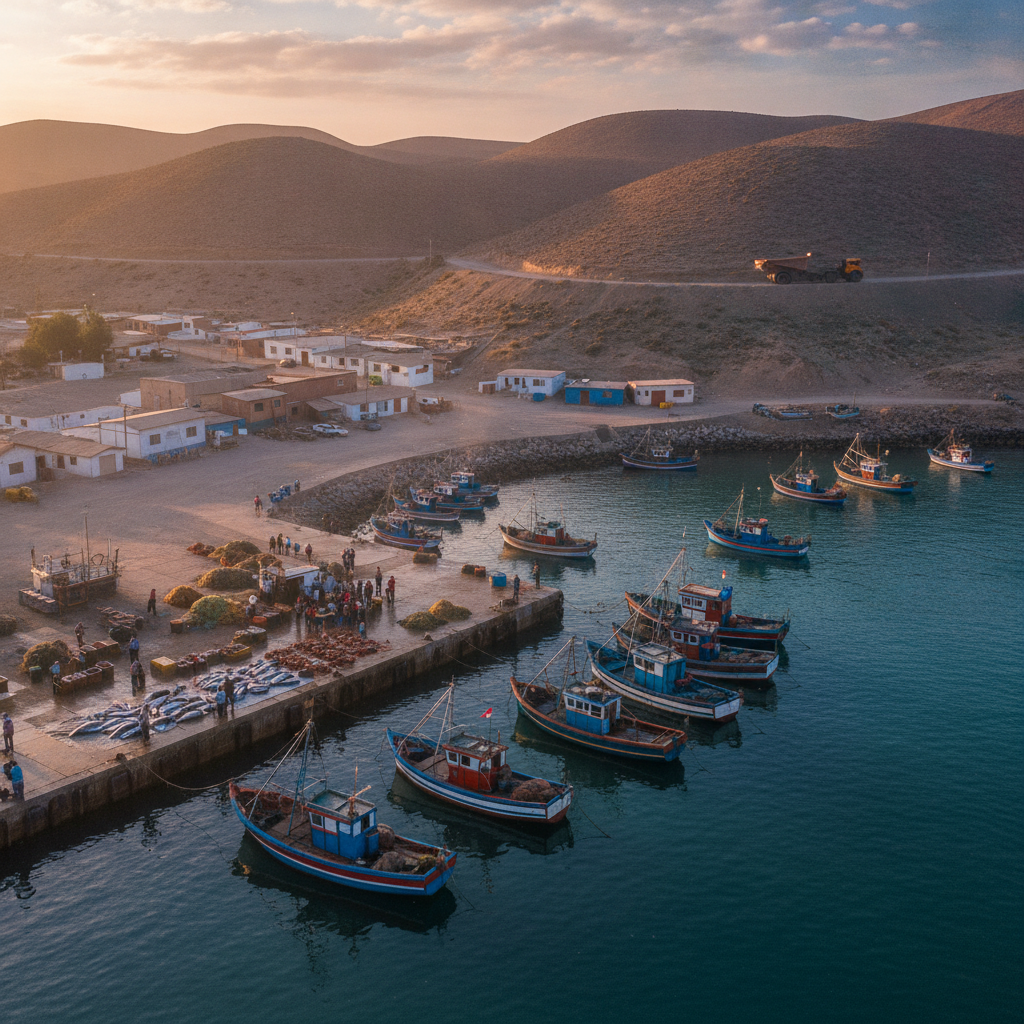
Antofagasta Food Culture: Caleta Coloso Fishing Harbor, the Norte Grande Seafood Tradition, the Port City Market, and the Mining Camp Cuisine

Paranal Observatory: The VLT, the World's Most Powerful Optical Telescope, the Residencia, and the E-ELT Construction Site