Laranjeiras: Sergipe's Afro-Brazilian Cultural Capital
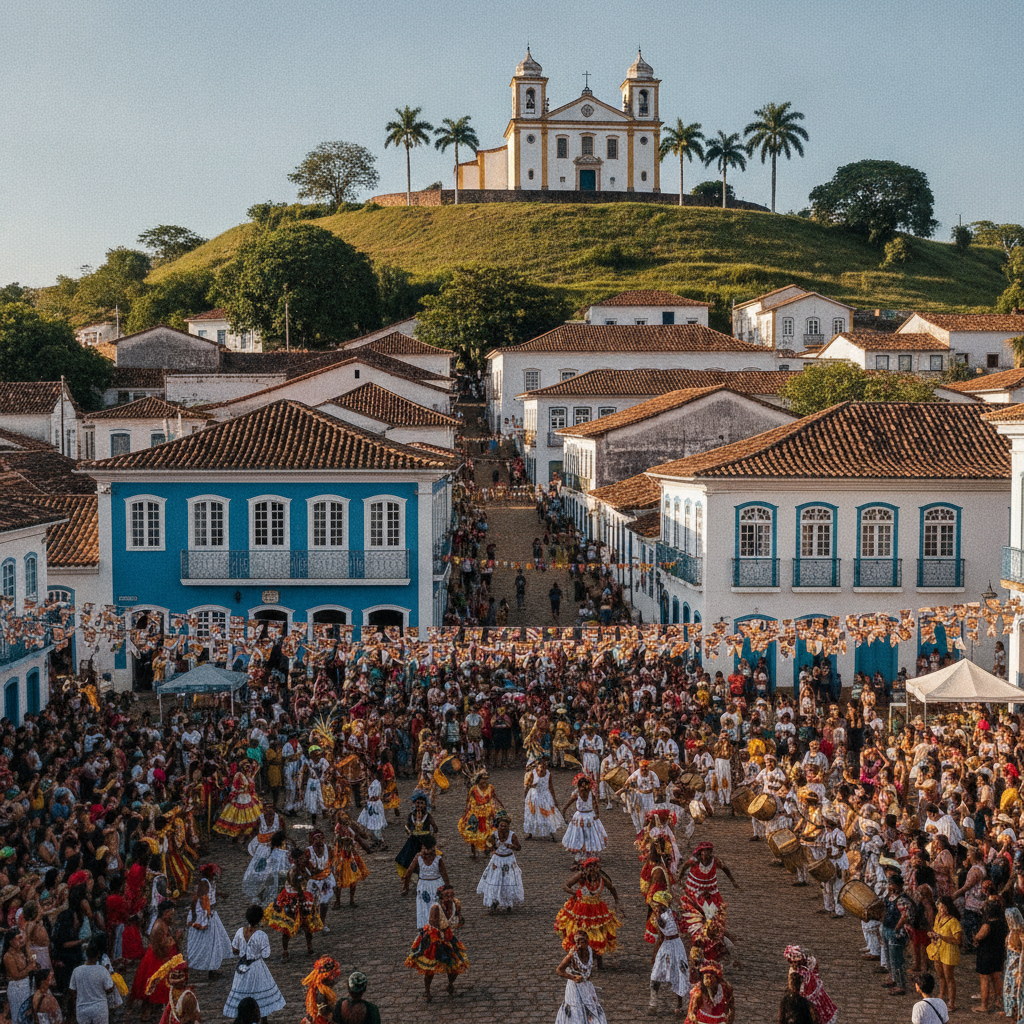
Laranjeiras — Sergipe's former state capital — is a colonial town with an extraordinary Afro-Brazilian cultural heritage; the lambe-sujo and cacumbi festivals are among the most important Afro-Brazilian celebrations in the Northeast
- 1
Lambe-Sujo Festival
The Lambe-Sujo Festival – a ritual battle between the Caboclos and Africanos groups, with painted bodies and elaborate costumes – is one of Brazil's most extraordinary Afro-indigenous cultural expressions
- 2
Cacumbi Dance Ceremony
Cacumbin — a circle dance with song and percussion of distinct African origin — is performed in Laranjeiras as both a religious ceremony and a cultural festival; the society that maintains it traces its ancestry to enslaved Africans
- 3
Colonial architecture in blue
The blue-painted colonial houses of Laranjeiras - a distinct local aesthetic - line the town's cobbled streets; the color gives the old capital a visual identity different from any other Sergipe city
- 4
Igreja Nossa Senhora da Conceição
Laranjeira's church - on the hill above the town - offers views of the Cotinguiba River Valley; the most important historical building
- 5
Museu de Arte Sacra Laranjeiras
The Museum of Sacred Art in Laranjeiras has religious objects from the colonial era — carved wooden saints, silver ceremonial objects and painted panels from the churches of Sergipe
- 6
Cotinguiba River Valley
The Cotinguiba River valley below Laranjeiras was the heart of Sergipe's colonial sugar economy - the fertile valley that produced the wealth that built the colonial churches and houses
Walk this route with audio
Stories play automatically as you reach each stop — no tapping needed.
More in Aracaju
São Cristóvão: Brazil's Fourth-Oldest City & Colonial Gem
Aracaju's Crab Culture: Sergipe's Defining Seafood
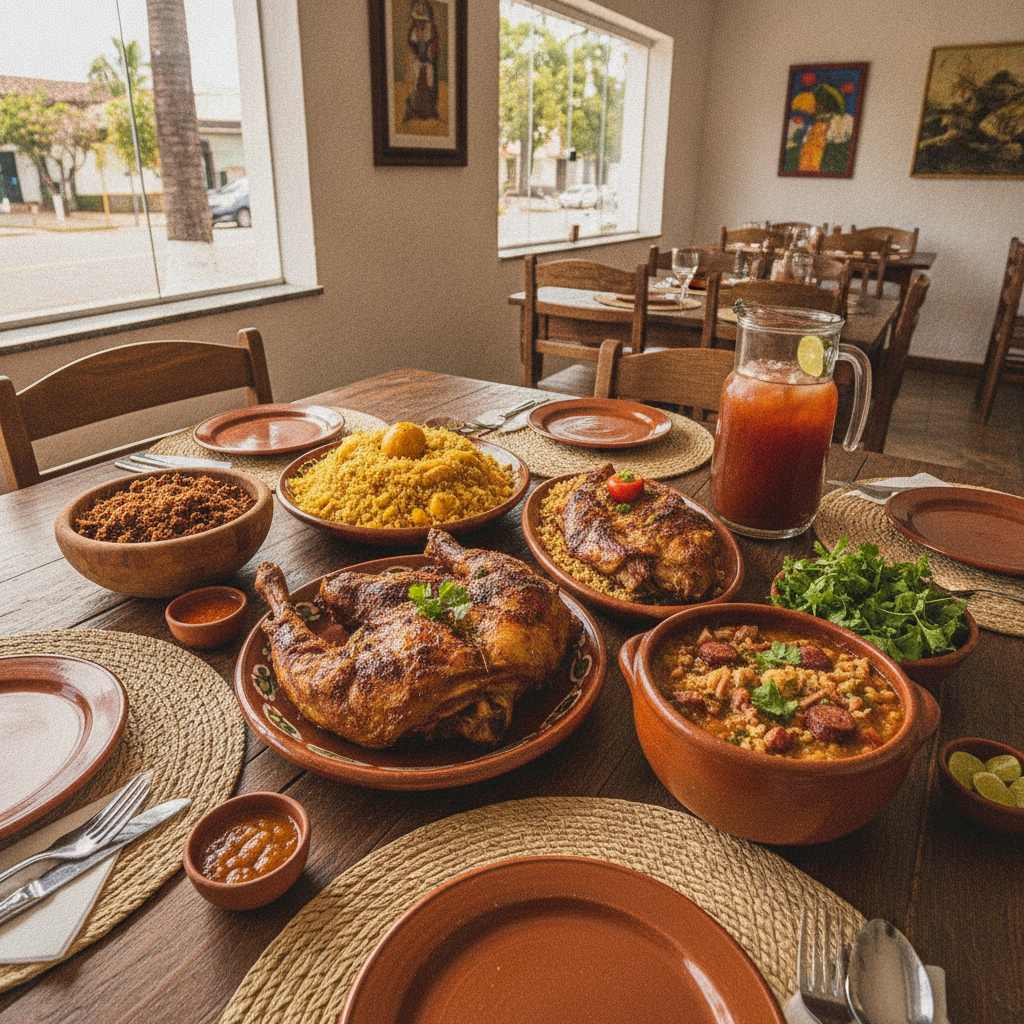
Sergipe on the Table: Goat, Dried Beef & Sertão Flavours

Cânion do Xingó: The São Francisco River's Blue Canyon
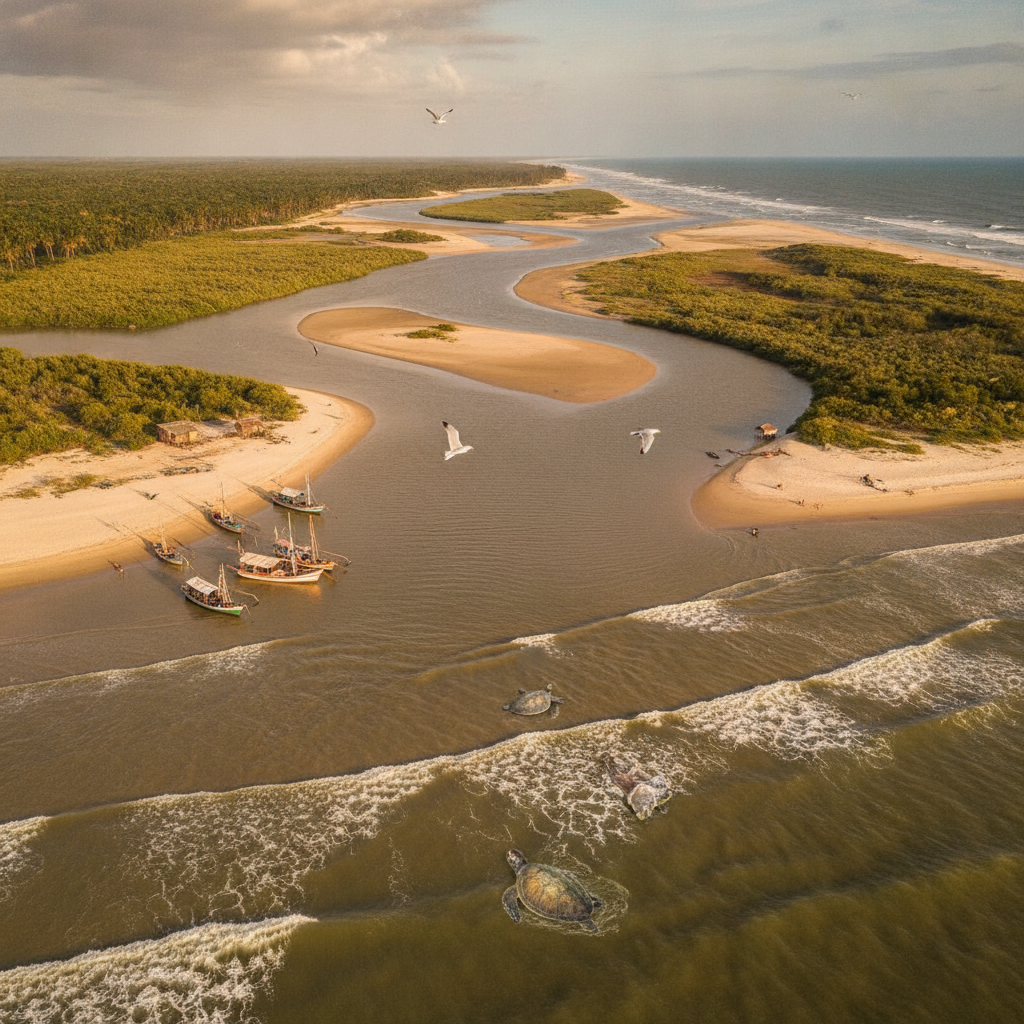
São Francisco River Delta: Where the Great River Meets the Sea