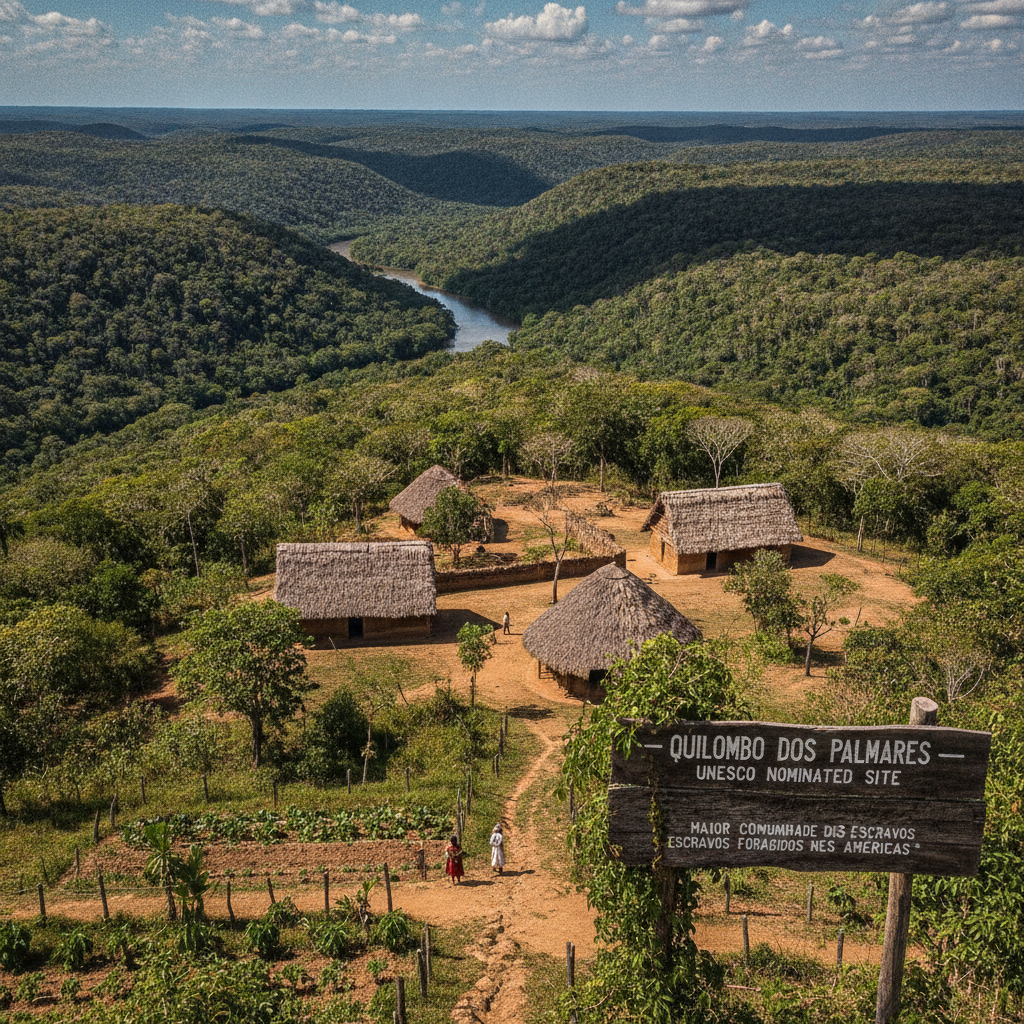


Quilombo dos Palmares: The Greatest Slave Resistance in History
The Quilombo dos Palmares — in the Alagoas highlands above Maceió — was the Americas' largest fugitive slave community, surviving for nearly a century; Zumbi dos Palmares is Brazil's greatest resistance hero

Maceió Food: Sururu, Moqueca & Alagoas Coastal Cuisine
Maceió's cuisine is defined by the lagoon and the Atlantic — the sururu clam stew is the city's signature, the moqueca uses fresh coconut milk and local fish, and the seafood variety is extraordinary

Penedo: Alagoas's Colonial Baroque Gem on the São Francisco
Penedo — 180 km from Maceió on the São Francisco River — is one of Brazil's finest colonial towns; the baroque churches, the Dutch fort, and the São Francisco riverside create an atmosphere of preserved 17th-century Brazil

Alagoas Sugar History: Engenhos, Slavery & Colonial Economy
Alagoas was the heart of Brazil's sugar economy from the 16th century — the engenho sugar mills, the slave labour that powered them, and the planation society they created shaped everything that followed

Maceió Natural Pools: Brazil's Most Beautiful Coral Reef Swimming
The natural pools formed by the offshore reefs at Maceió's beaches — accessible by jangada raft at low tide — contain crystal-clear warm water with tropical fish; among Brazil's most beautiful beach experiences

Lagoa Mundaú: Maceió's Magical Lagoon Between Sea and City
The Lagoa Mundaú — a brackish coastal lagoon separated from the Atlantic by a narrow strip of land — is Maceió's defining geographic feature; its stilted houses, boat trips, and extraordinary seafood define the city's identity

Maceió South Coast: Brazil's Most Beautiful Beaches
The beaches south of Maceió — Praia do Gunga, Barra de São Miguel, and the lagoon-to-sea peninsula beaches — are consistently voted among Brazil's most beautiful; the combination of lagoon and ocean is unique

Alagoas Folk Culture: Guerreiro, Pastoril & Living Traditions
Maceió is the capital of Alagoas's rich folk culture — the guerreiro dramatic folk dance, the pastoril popular theatre, and the maracatu drumming tradition are living performance arts maintained in the city's neighbourhoods