Astana Steppe Silk Road Ancient Trade History
Explore the ancient history of the Astana region — the Ishim River valley that was a corridor of movement for the steppe nomads of the Eurasian grasslands, the trade routes connecting China to the west that passed through this region, and the Bronze Age and Iron Age archaeological sites that document the human history of the steppe long before the modern capital was built.
- 1
Botai Culture Archaeological Site
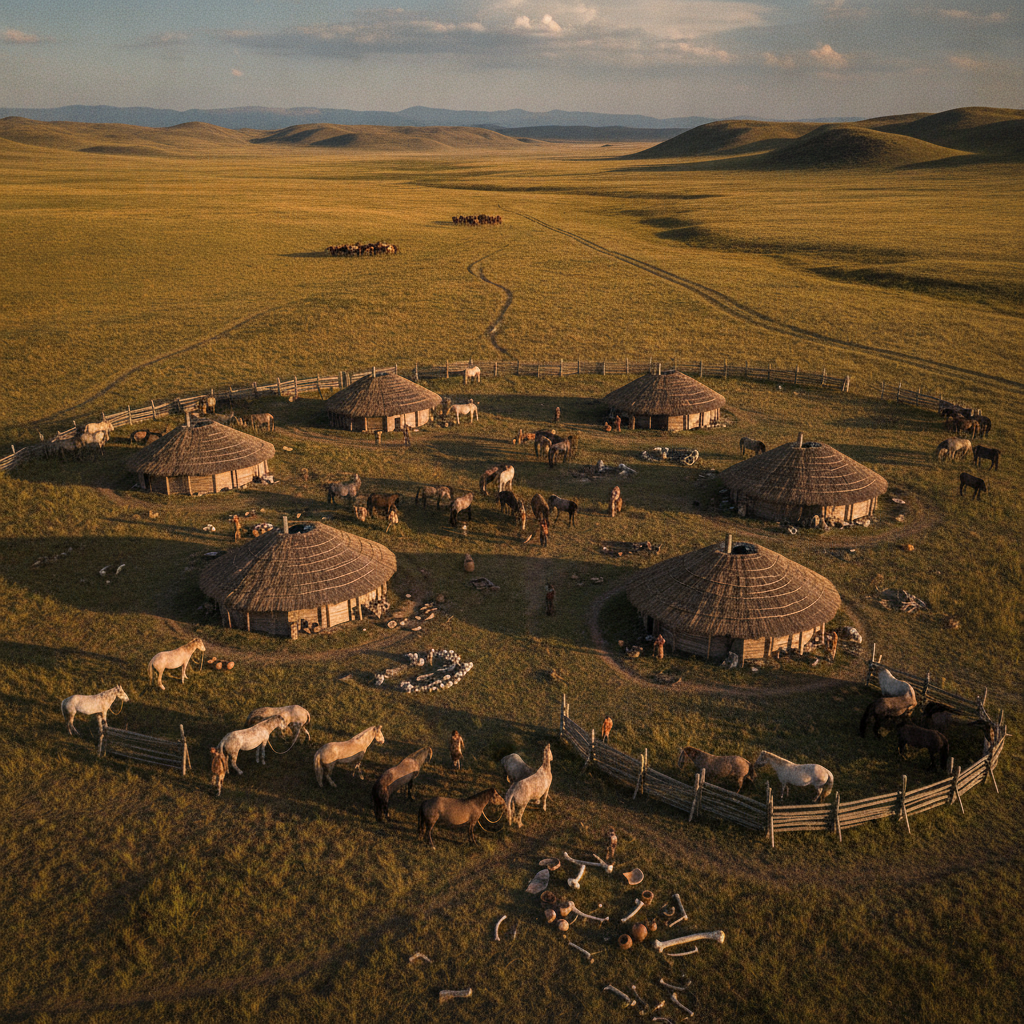
The Botai culture archaeological connection to the Astana region — the Bronze Age culture centered near Kokshetau north of Astana that domesticated the horse around 3500 BCE, the earliest evidence of horse domestication on the Eurasian steppe, the archaeological discovery that identified the region north of Astana as the birthplace of the horse-human relationship that transformed human history.
- 2
Saka Nomad Burial Mounds
The Saka nomad burial mounds (kurgans) visible across the steppe around Astana — the large earthen mounds marking the graves of Saka warrior elite from the 7th-3rd centuries BCE, the burial tradition that placed the deceased with their horses, weapons, and golden ornaments including the type of burial that produced the Golden Man of Issyk, the mounds scattered across the Ishim River valley.
- 3
Steppe Silk Road Connection
The steppe Silk Road connection of the Astana region — the northern routes of the Silk Road that bypassed the desert of Central Asia by following the Eurasian steppe, the trade in horses, furs, and other steppe products moving along the Ishim River valley between the forests of Siberia and the urban centers of Central Asia, Persia, and China.
- 4
Medieval Nomadic Confederacies
The medieval nomadic confederacies of the Astana steppe — the Kipchak and later the Kazakh khanate that dominated the central steppe in the medieval period, the pastures around the Ishim River that were the traditional summer grazing grounds (zhailau) of the Kazakh tribes, the connection between the historical nomadic landscape and the modern capital built on the same steppe.
- 5
Russian Colonization Fort
The Russian colonization of the Astana region — the Akmola fort established by Russian Cossacks in 1830 as part of the line of frontier forts that secured the northern steppe for the Russian Empire, the fort becoming the nucleus of the settlement that grew through the 19th century as Russian and Ukrainian settlers moved into the steppe, the colonial history now overlaid by the modern capital.
- 6
Virgin Lands Campaign History
The Virgin Lands Campaign history in the Astana region — the Khrushchev-era initiative of 1954-1960 that brought millions of Soviet settlers to plow the Kazakh steppe for grain production, the Akmola oblast at the center of the campaign that dramatically transformed the ethnic composition of northern Kazakhstan and established the agricultural infrastructure that still operates around the capital.
Walk this route with audio
Stories play automatically as you reach each stop — no tapping needed.
More in astana

Astana Modern Business Financial Hub Central Asia
Astana Extreme Winter Climate Life Cold Capital
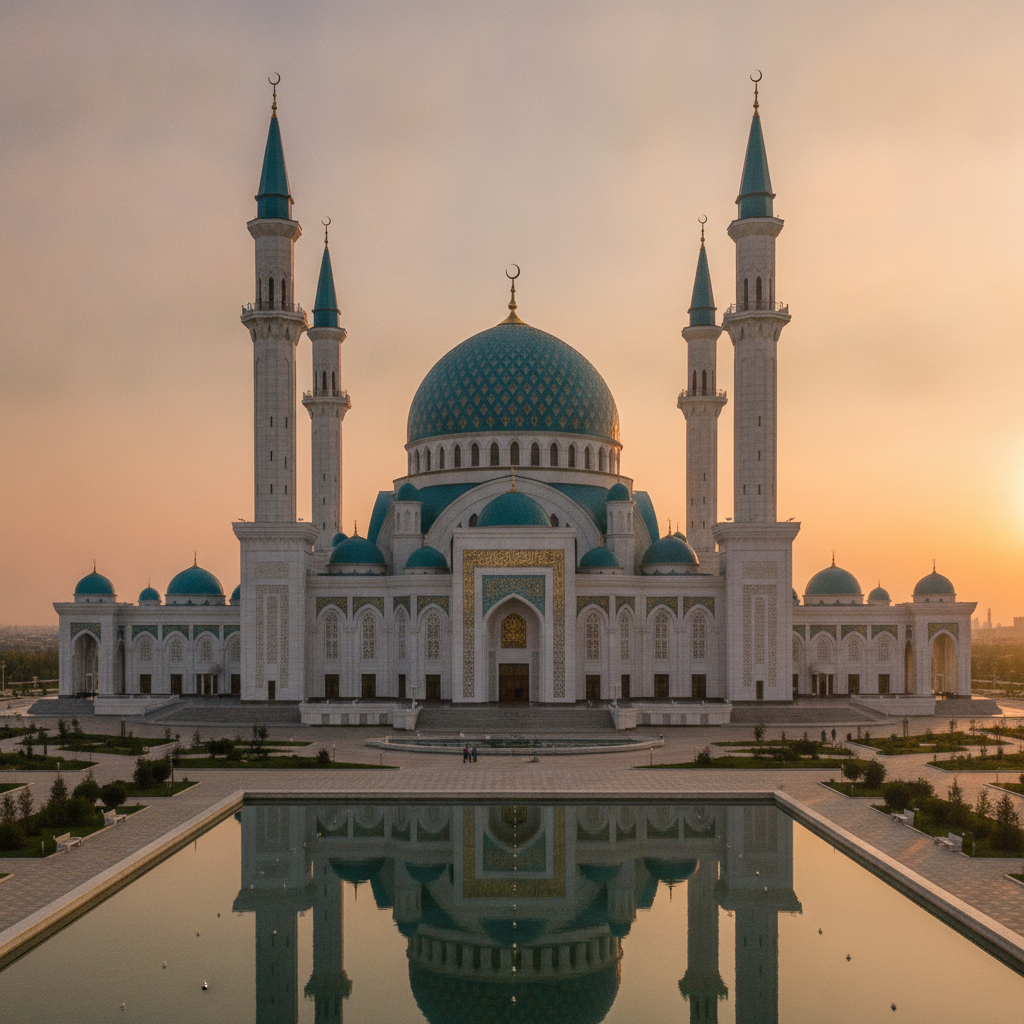
Astana Religious Architecture Diversity Mosques Cathedral
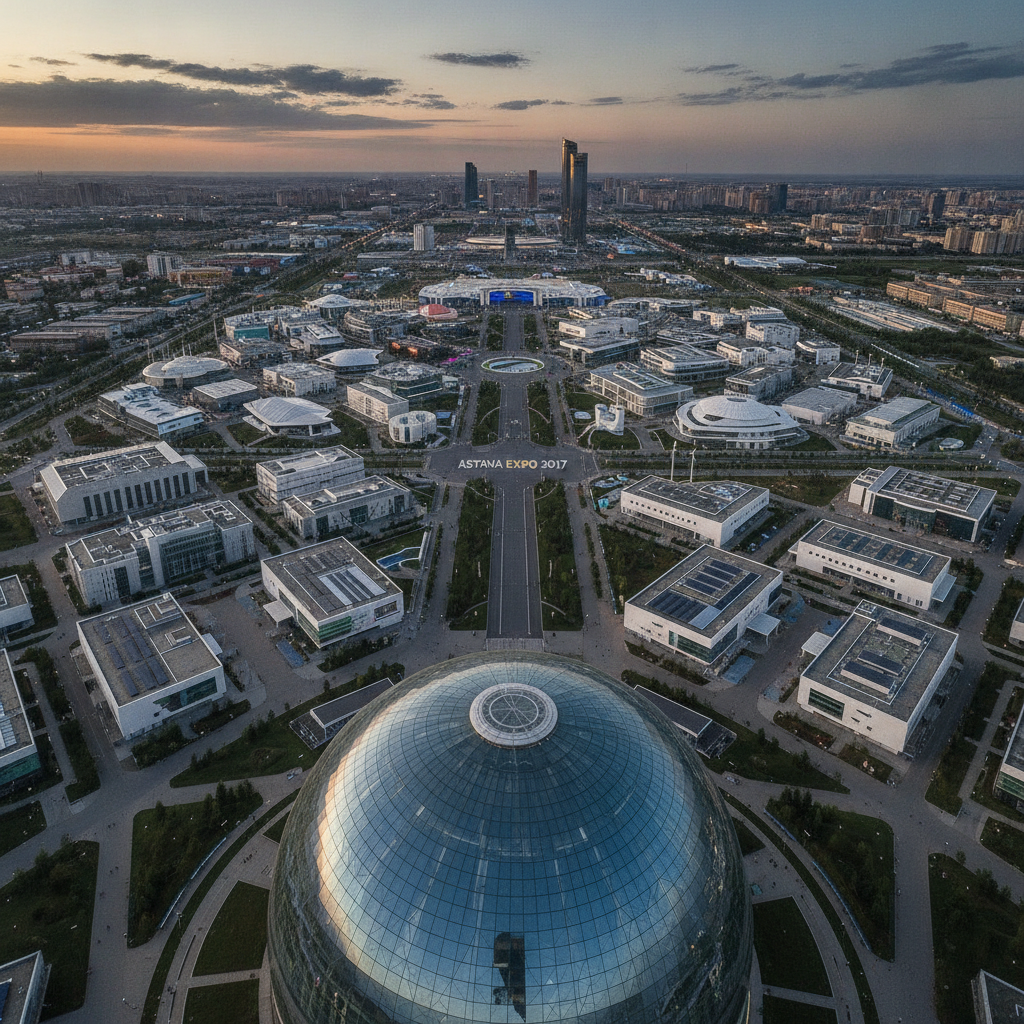
Astana EXPO 2017 Future Energy Innovation Hub

Astana Ishim River Waterfront Embankment