Bamyan Shahr-e-Zohak Red City Ruins
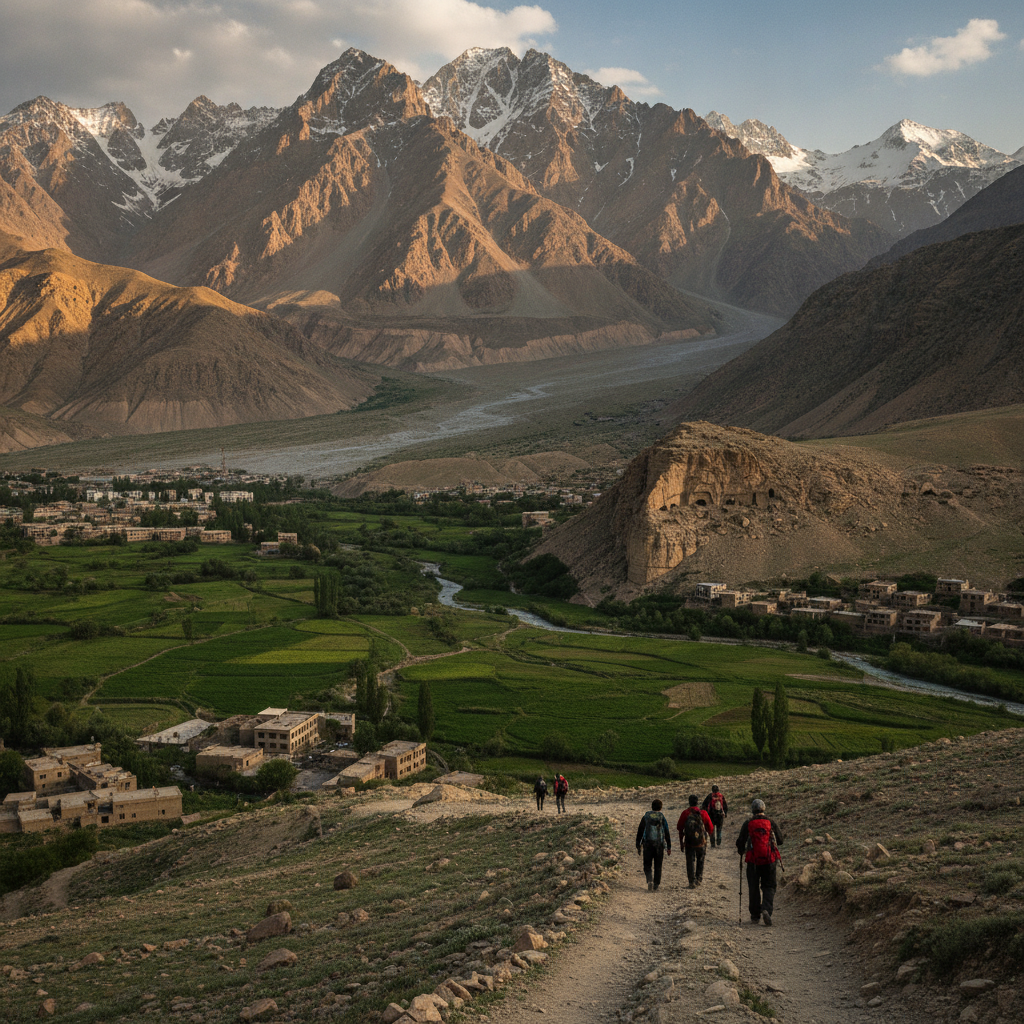
Explore Shahr-e-Zohak — the Red City, the dramatic ruins of a fortress city built at the confluence of the Bamyan and Kalu rivers whose red cliff position made it the guardian of the eastern approach to the Bamyan valley, the city active from the Kushano-Sasanian through the early Islamic periods before its partial destruction by the forces of Genghis Khan.
- 1
Red Cliff Citadel Position
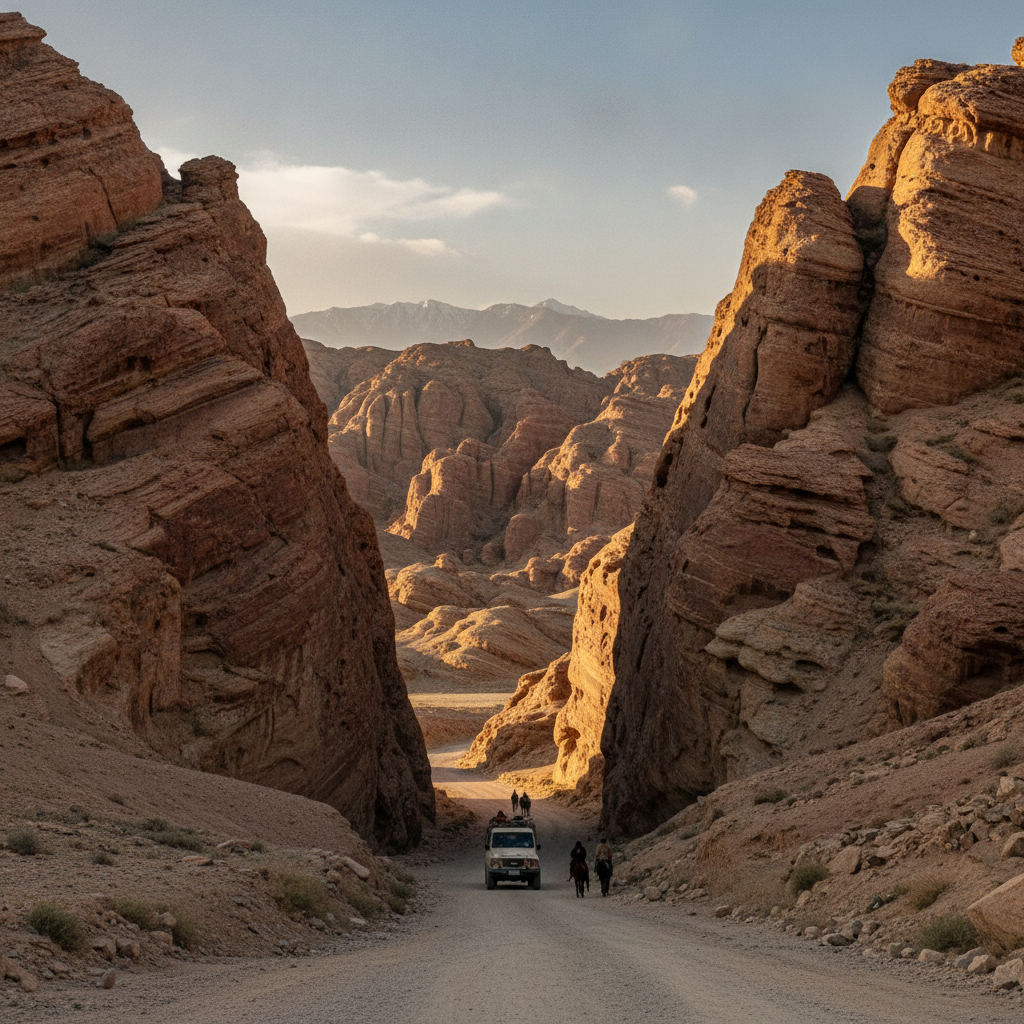
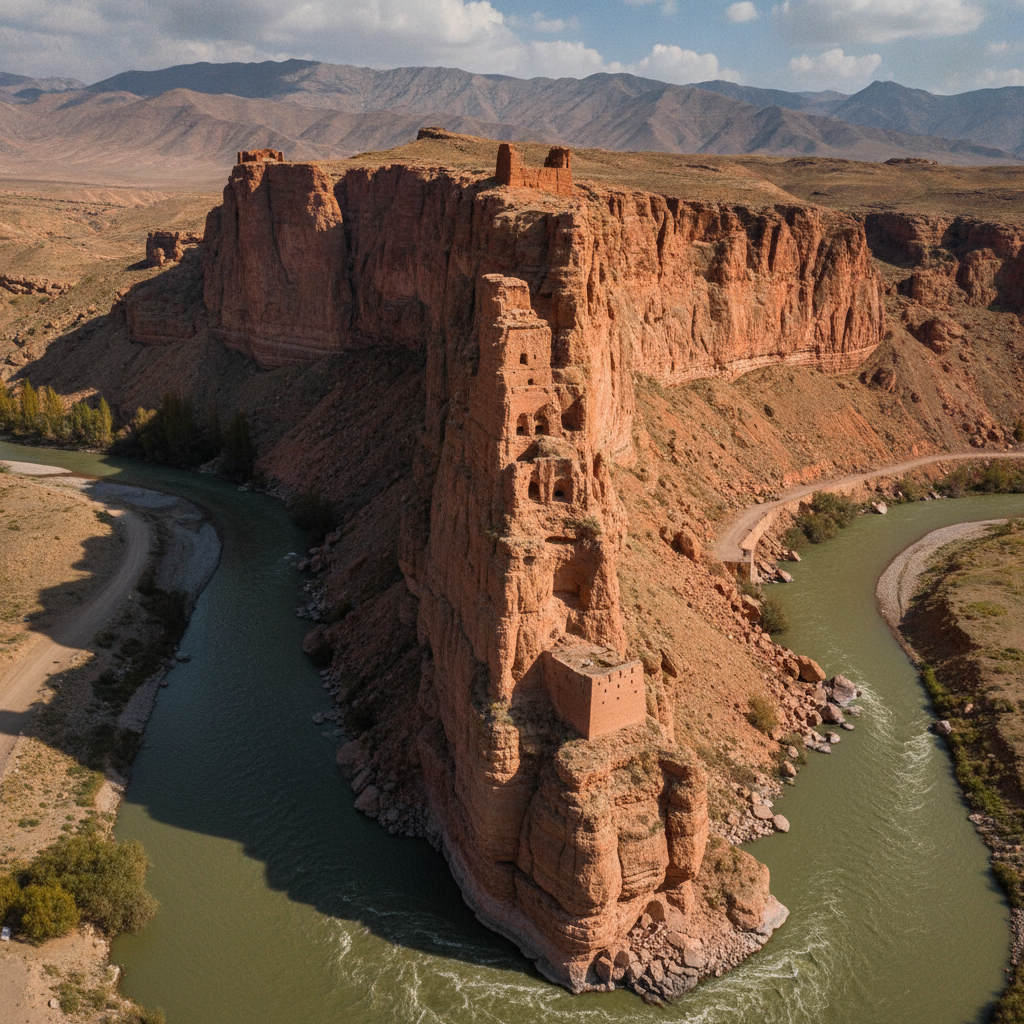
The Red City fortress on its red sandstone cliff at the river confluence — the dramatic natural defensive position where the cliff rises directly from the river, the ruins of the walls and towers visible against the red rock, the site controlling the narrow gorge through which any army approaching Bamyan from the east must pass.
- 2
Kushano-Sasanian Origins
The Kushano-Sasanian origins of Shahr-e-Zohak — the fortress dating to the period when the Kushan Empire's successors were absorbing Sasanian Persian influence in the 4th-5th centuries CE, the architectural remains showing the Central Asian fortress tradition that preceded the Islamic conquests of the 7th century.
- 3
River Confluence Viewpoint
The viewpoint at the river confluence below the Red City — the junction of the Bamyan and Kalu rivers visible from the fortress walls, the strategic importance of controlling this water junction understanding the city's original military purpose, the rivers flowing through a canyon whose walls display the geological history of the Hindu Kush in colored rock strata.
- 4
Mongol Siege Evidence
The evidence of the Mongol siege at Shahr-e-Zohak — the destruction layers in the archaeological record corresponding to the 1221 siege by Genghis Khan's forces, the city only partially destroyed (unlike the neighboring Shahr-e-Gholghola) with continued occupation through the medieval Islamic period visible in the later building layers.
- 5
Climb to Upper Fortress
The climb to the upper fortress of Shahr-e-Zohak — the steep path ascending through the ruins to the highest point of the defensive works, the scramble requiring care on the crumbling red sandstone but rewarding with views encompassing the Bamyan valley to the west and the narrow river gorge to the east.
- 6
Cave Dwellings in Red Cliff
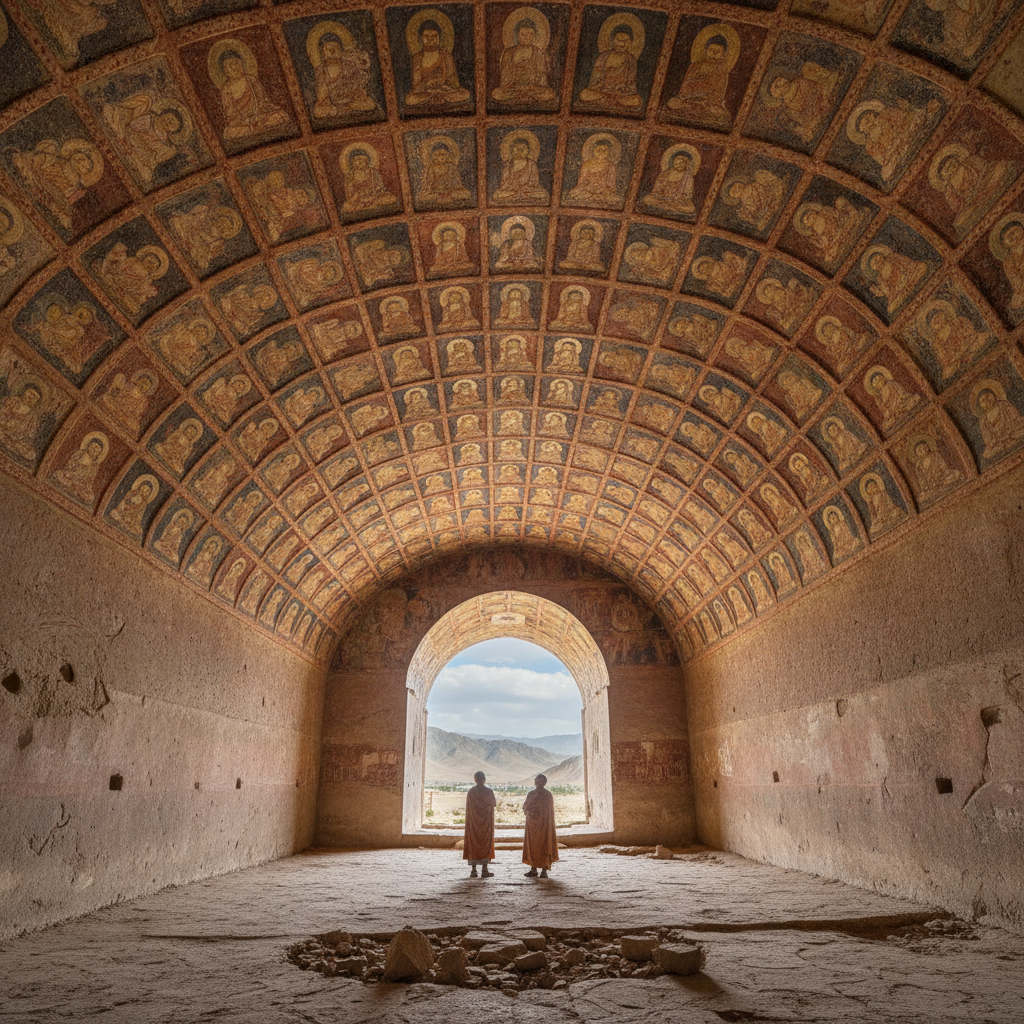
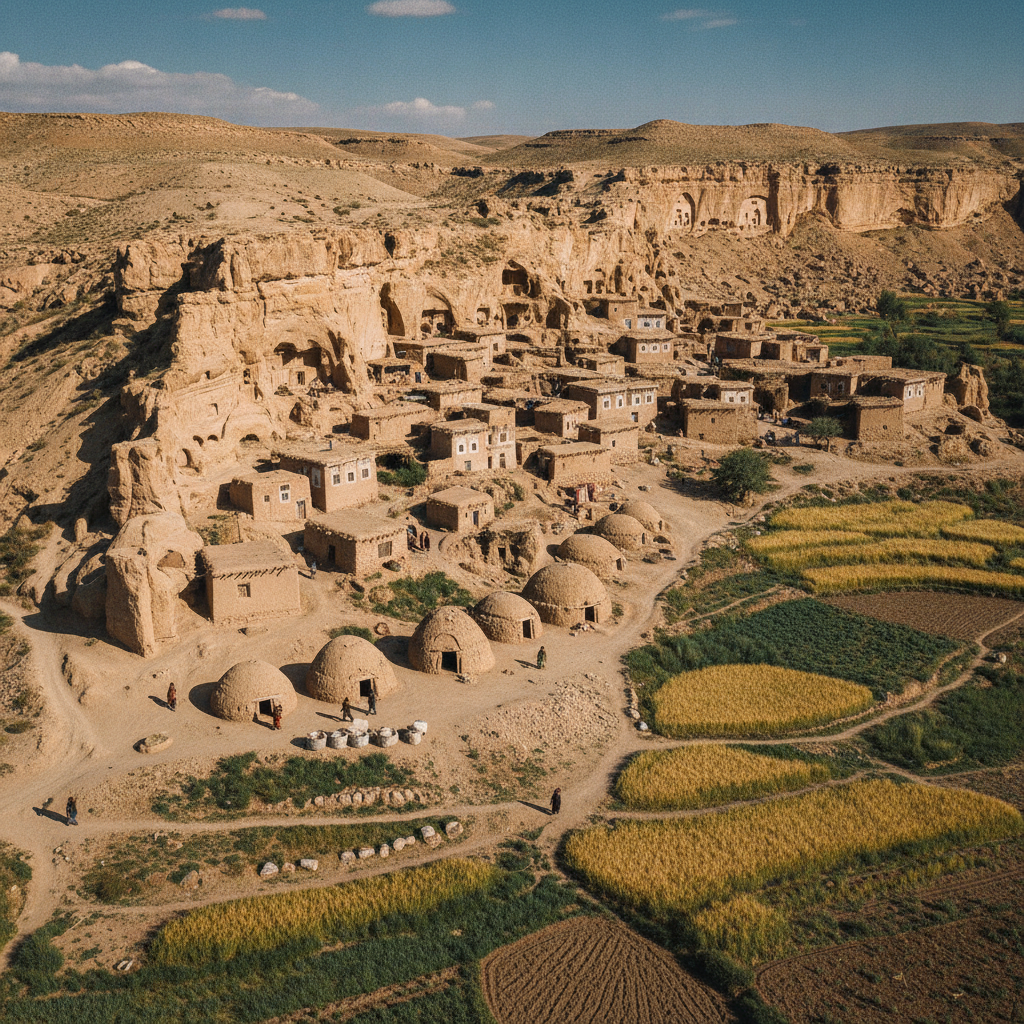
The cave dwellings cut into the red sandstone cliff beneath the fortress — the domestic spaces that supplemented the fortress buildings, the cave rooms carved from the soft red rock in the same manner as the Buddhist caves of the main Bamyan cliff, the inhabited caves showing the continuity of cliff-dwelling tradition in the valley across religious and cultural periods.
Walk this route with audio
Stories play automatically as you reach each stop — no tapping needed.