Bariloche Practical Guide: Getting There, Seasons, Accommodation, and the Patagonia Circuit
Bariloche is the most visited destination in Argentine Patagonia and has a well-developed tourist infrastructure that makes it accessible and comfortable for visitors at all budget levels. The combination of summer trekking and winter skiing creates two distinct peak seasons with different visitor demographics and pricing structures.
- 1
Getting There: Flights from Buenos Aires and the Scenic Bus Option
Bariloche International Airport receives multiple daily direct flights from Buenos Aires taking approximately two hours on Aerolineas Argentinas and LATAM; the domestic Argentine air market also connects Bariloche directly to Mendoza, Cordoba, and several other provincial capitals. The overland bus from Buenos Aires to Bariloche takes approximately 20 hours on the sleeper bus system and passes through the Patagonian steppe before arriving at the lake district; the journey is an experience in itself for those who want to understand the scale of the Argentine territory.
- 2
Accommodation: Ski Lodges, Lake Hotels, and Estancias
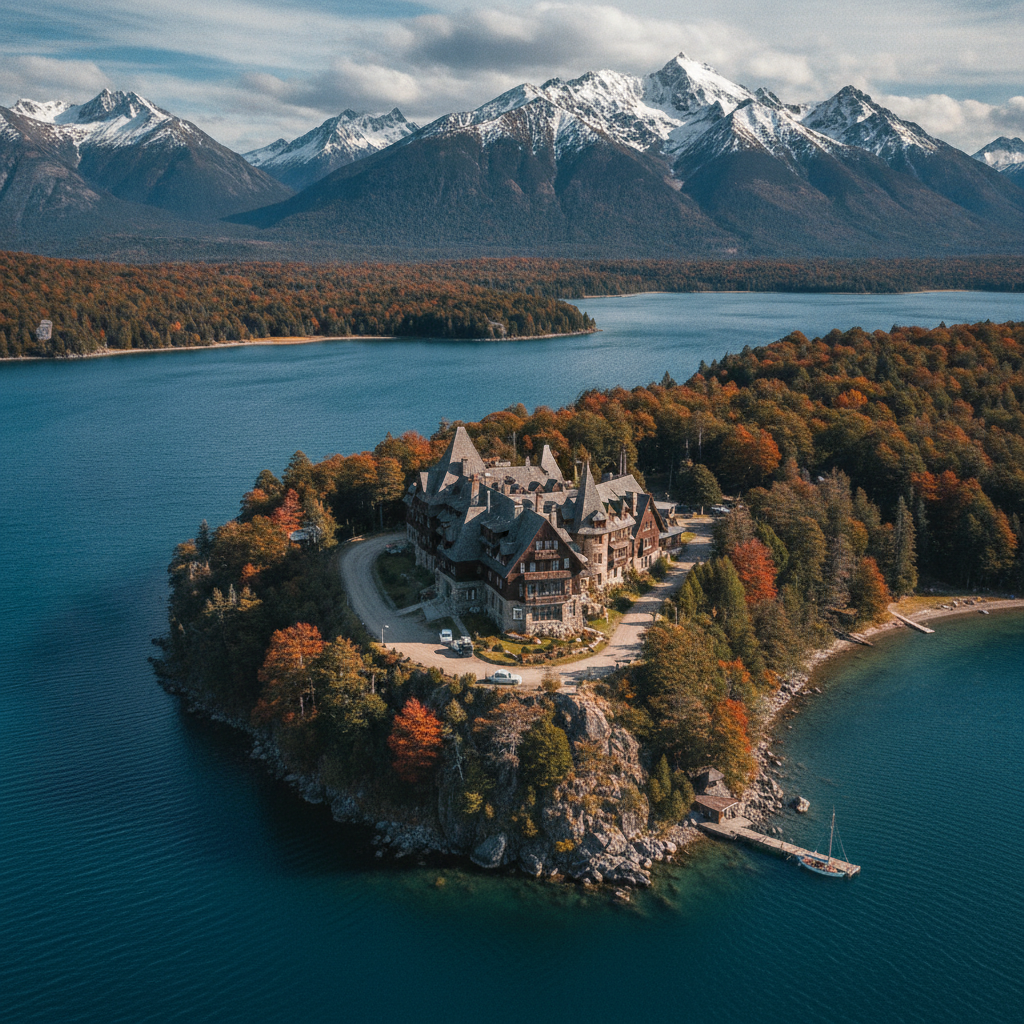
The accommodation range in Bariloche extends from backpacker hostels in the city center to the Llao Llao five-star hotel on the lake peninsula. The winter ski season concentrates demand and prices in the Catedral base village and the city center hotels closest to the shuttle bus; the summer trekking season fills the camping grounds and refugios of the national park alongside the mid-range city hotels. Booking accommodation for the July school holiday peak period requires advance reservation of several months.
- 3
When to Visit: Summer Trekking versus Winter Skiing
The summer season from December to March offers the full range of outdoor activities including lake navigation, trekking, mountain biking, and fly fishing in warm temperatures with extended daylight; the winter season from June to October concentrates on skiing at Catedral with the secondary attraction of the autumn foliage in April and May. The shoulder seasons of November and September-October offer lower prices and manageable crowds for visitors flexible about timing.
- 4
City Orientation: Centro, Avenida Bustillo, and the Lake District Geography
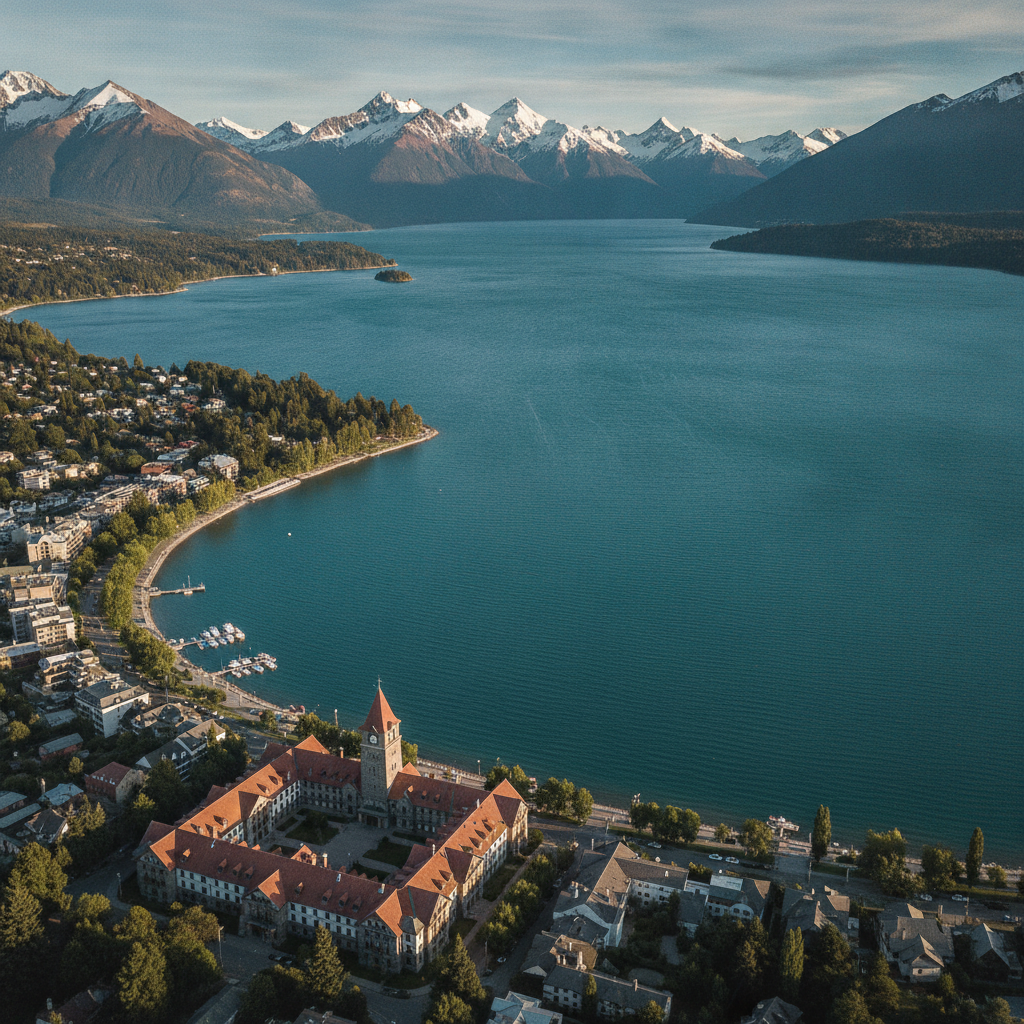
The Bariloche city center, concentrated in the blocks around the civic center and the Avenida Bartolome Mitre, contains the majority of the restaurants, chocolate shops, tour operators, and equipment rental services that visitors need for their daily activities. The Avenida Bustillo extends 25 kilometers west along the lake shore to the Catedral ski area, with the Circuito Chico viewpoints, the Llao Llao peninsula, and the Cerro Campanario chairlift distributed along its length.
- 5
The Lake Crossing to Chile: Cruce de Lagos to Puerto Montt
The Cruce de Lagos, the full-day lake and bus crossing from Bariloche to Puerto Montt in Chilean Lake District, is one of the most celebrated tourist routes in South America and provides a connection between the Argentine and Chilean lake districts through a combination of three lake crossings and bus transfers. The crossing operates daily from October to April and takes approximately 12 hours; the full itinerary can be done as a one-way journey to Chile or as a day trip returning to Bariloche by bus through the Cardenal Samore pass.
- 6
Budget Planning and Practical Tips for Bariloche
A comfortable week in Bariloche during the summer season including accommodation, the Circuito Chico, a lake excursion, two national park hikes, and the Tronador day trip costs approximately 800 to 1,500 USD per person at mid-range prices excluding the Llao Llao hotel. The ski week in winter including accommodation, lift pass, and ski rental at Cerro Catedral costs approximately 600 to 1,200 USD per person at the mid-range level. Both estimates assume favorable exchange rates for visitors holding hard currencies against the Argentine peso.
Walk this route with audio
Stories play automatically as you reach each stop — no tapping needed.
More in Bariloche
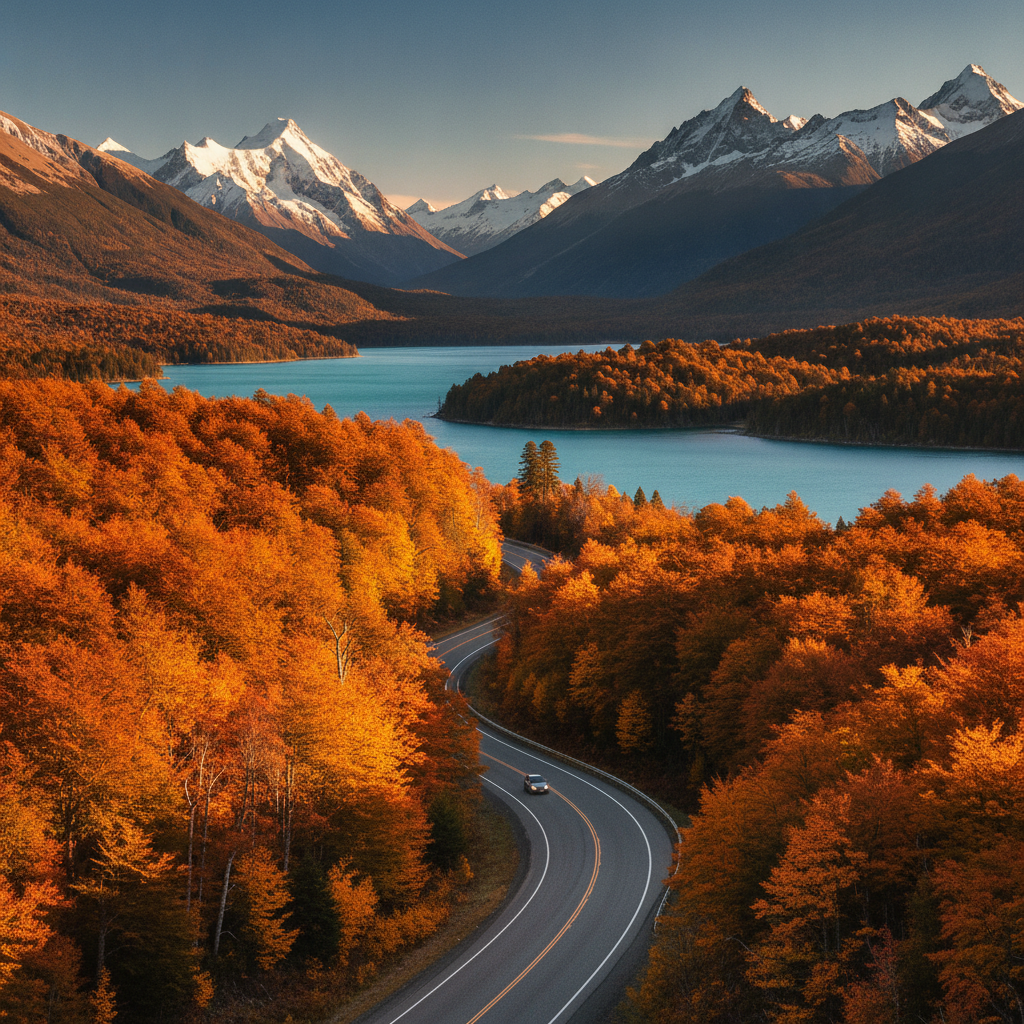
Bariloche Day Trips: Seven Lakes Route, Villa La Angostura, and El Bolson
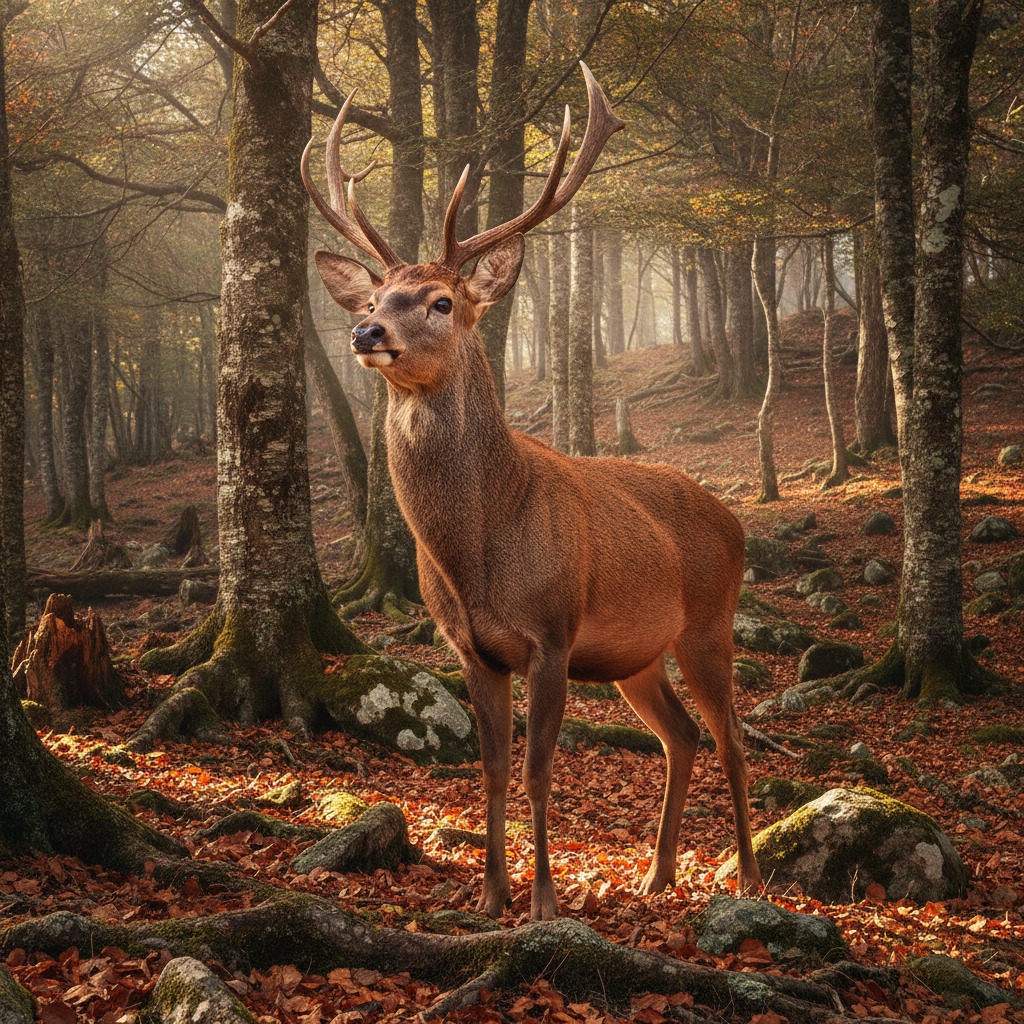
Bariloche Wildlife: Pumas, Huemul Deer, and Lake District Birds
Bariloche Adventures: Rock Climbing, Multi-Day Trekking, Mountain Biking, and Lake Kayaking
Bariloche: Andean Lakes, Chocolate, Skiing, and Patagonian Wilderness
Bariloche History: Mapuche Territory, German Settlers, and the Nazi Controversy