Beirut Day Trips: Byblos, Baalbek Roman Temples, Sidon, and Tyre in the Most Historically Dense Single Small Country
The Beirut day trips route covers Byblos as the most ancient single continuously inhabited city and the source of the alphabet, Baalbek as the most spectacularly preserved single Roman temple complex, Sidon and Tyre as the most significant single Phoenician port cities.
- 1
Byblos: The Most Ancient City and the Alphabet
Byblos (Jbeil, 37 kilometers north of Beirut, the most ancient single continuously inhabited city in the world at 7,000+ years and the most historically consequential single Phoenician city as the most likely single origin point of the most completely foundational single alphabetic writing system that most directly spawned the most universally used single Latin, Greek, Cyrillic, Arabic, and Hebrew alphabetic traditions through the most specifically documented single Phoenician merchant writing system), is the most intellectually significant single day trip from Beirut.
- 2
Baalbek: The Most Spectacular Roman Temple Complex
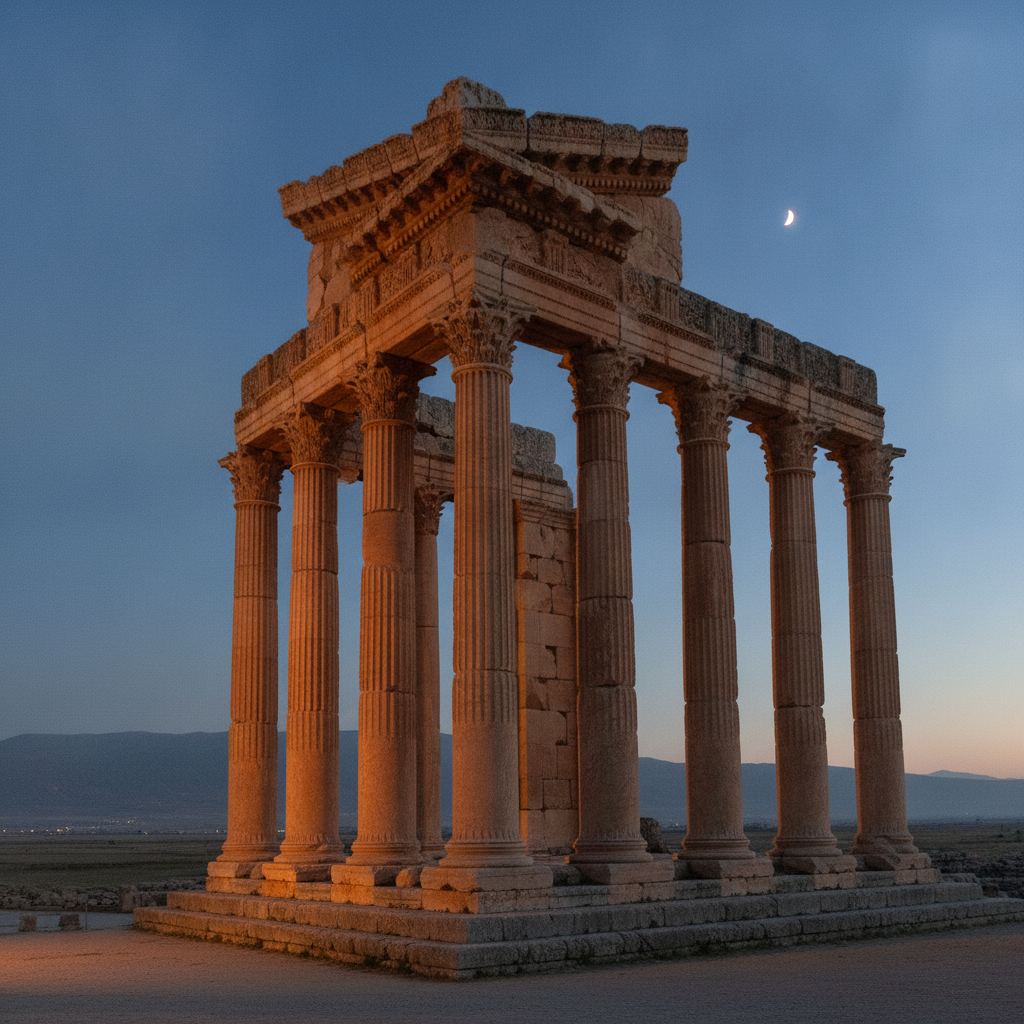
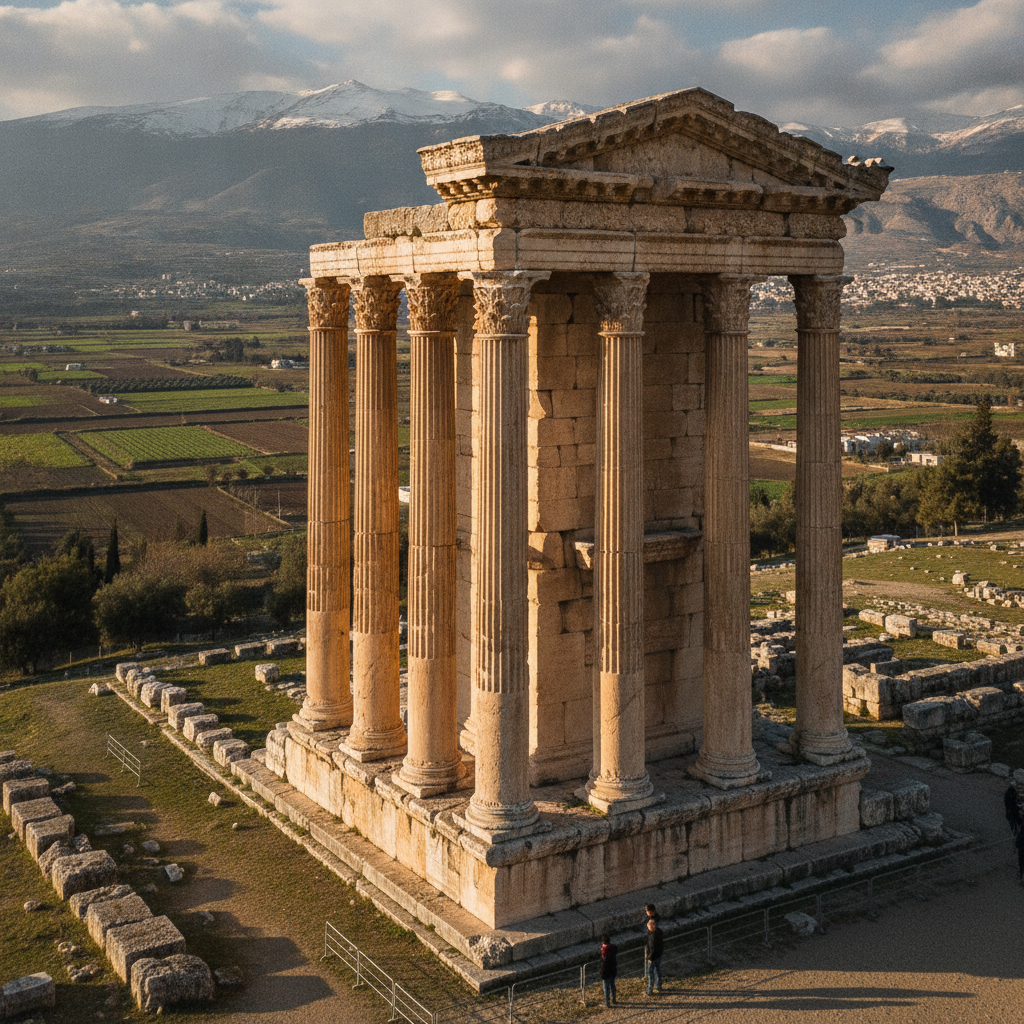
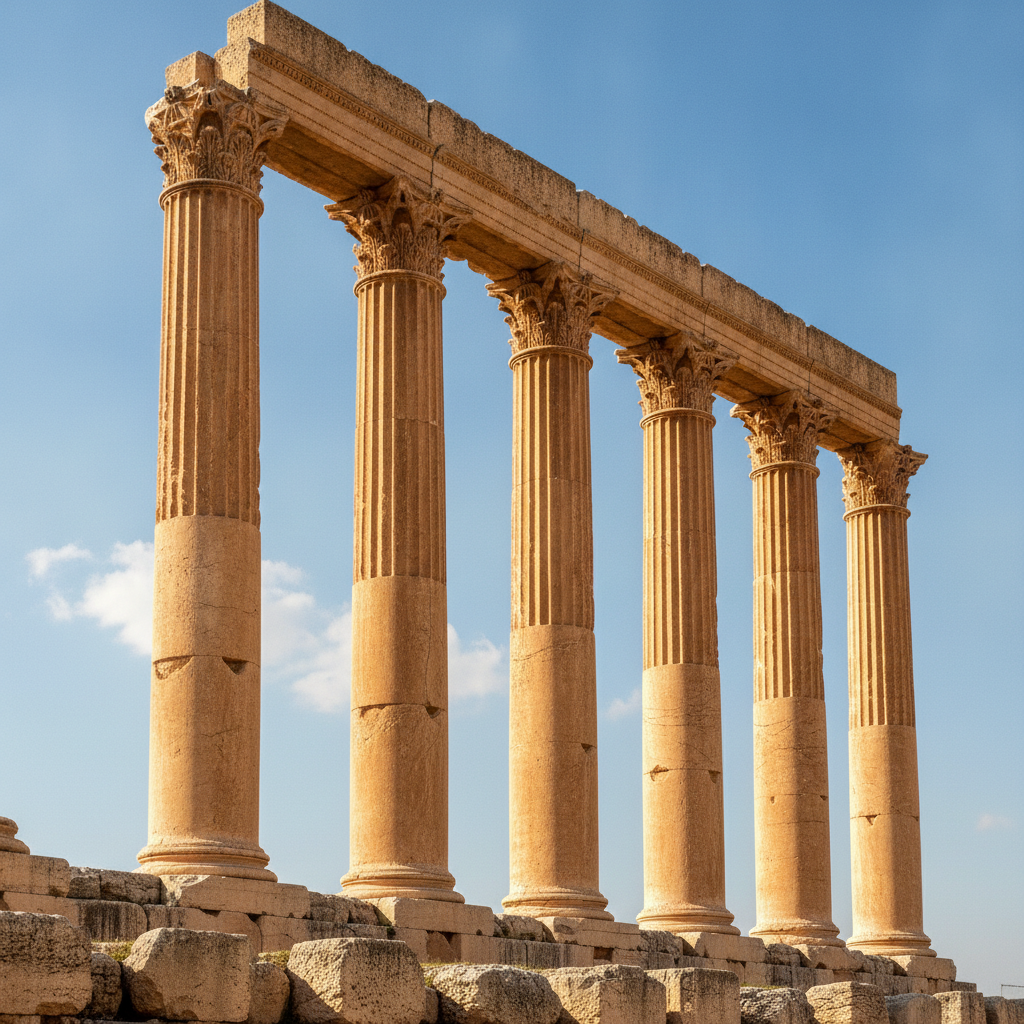
Baalbek (85 kilometers east of Beirut in the Bekaa Valley, the most spectacularly preserved single Roman temple complex in the world with the Temple of Jupiter (the most colossal single Roman temple ever built with the 54 surviving Corinthian columns at 20 meters height and the most monumental single stone blocks in any human construction project at the Trilithon weighing 800 tons each), and the Temple of Bacchus (the most completely preserved single Roman temple), is the most architecturally overwhelming single Lebanese site.
- 3
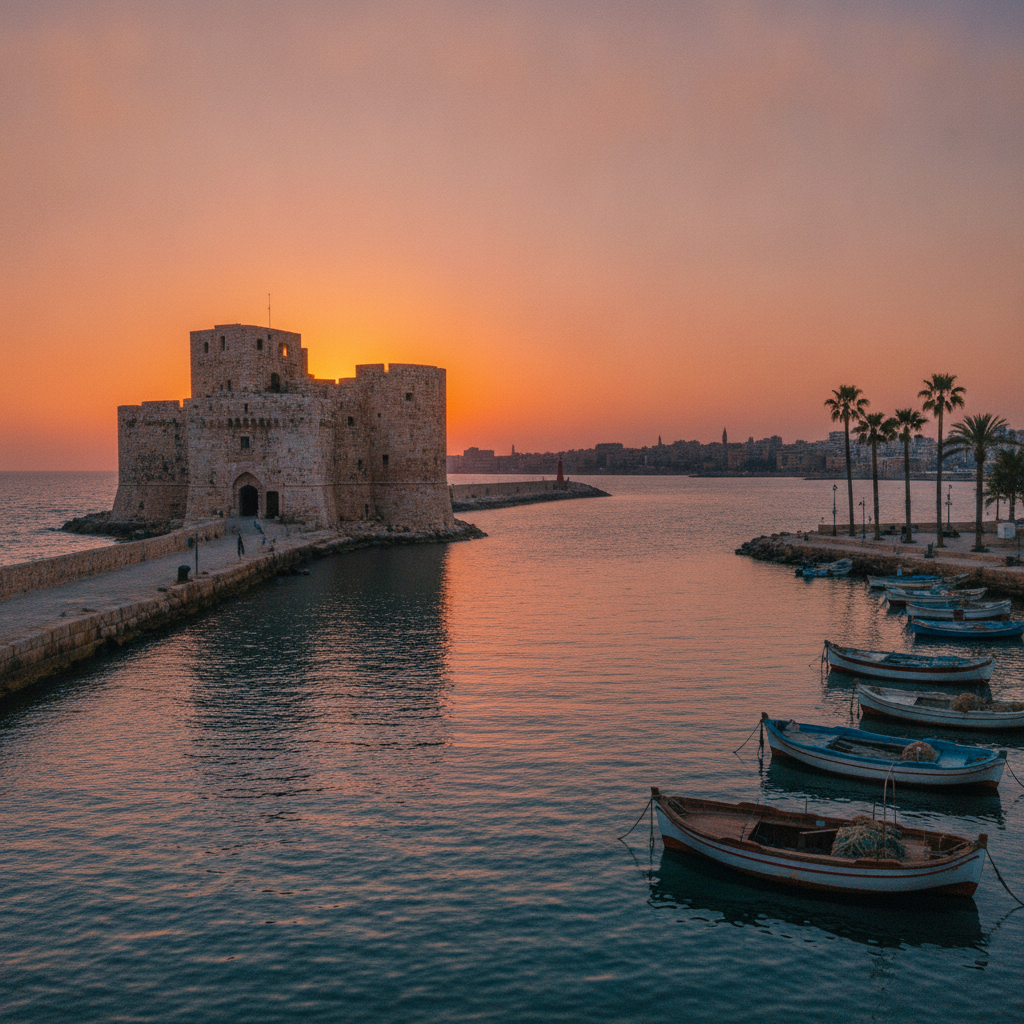
Sidon: The Crusader Sea Castle
Sidon (45 kilometers south of Beirut, the most historically significant single southern Lebanese Phoenician city with the most dramatically sea-positioned single Crusader Sea Castle (built 1228 on the most isolated single rock islet connected to the shore by the most originally functioning single Crusader causeway), the most complete single Arab Khan al-Franj caravanserai market, and the most comprehensive single archaeological museum in the most ancient single purple dye-producing Phoenician port), is the most practically half-day-distance single Beirut day trip.
- 4
Tyre: The UNESCO Phoenician Port Ruins
Tyre (Al-Sur, 83 kilometers south of Beirut, the most extensively UNESCO-protected single Phoenician port ruins with the most completely preserved single Roman hippodrome, the most extensive single Roman necropolis in the Levant, and the most dramatically sea-surrounded single Phoenician island city site that Alexander the Great most famously conquered in 332 BC by building the most engineering-audacious single causeway in ancient military history across the most originally island-city single site), is the most archaeologically rich single southern Lebanese city.
- 5
Bekaa Valley and Anjar: The Umayyad City
The Bekaa Valley (the most agriculturally fertile single Lebanese interior with the most internationally exported single Lebanese wine from the Chateau Ksara and Chateau Musar vineyards) and Anjar (the most completely Umayyad-period single city ruin in Lebanon, built by Caliph Al-Walid I around 715 AD, the most orthogonally planned single early Islamic city on the most completely Roman-inspired single grid plan with the most well-preserved single Umayyad palace, commercial street, and residential quarter), complete the most geographically diverse single Lebanon day circuit.
- 6
Chouf Mountains: The Druze Heartland
The Chouf Mountains (the most dramatically terraced single Lebanese mountain landscape with the most extensively cedar-forested single Lebanon Cedar Reserve at the Chouf Cedar Reserve, the most politically significant single Druze community heartland with the Beiteddine Palace as the most architecturally magnificent single 19th century Lebanese Emiri palace), is the most scenically beautiful single Lebanese interior landscape day trip and the most culturally distinct single Lebanese non-coastal community experience available from the Beirut base.
Walk this route with audio
Stories play automatically as you reach each stop — no tapping needed.
More in Beirut
Khalil Gibran's The Prophet Has Sold Over 100 Million Copies in 108 Languages Making It the Third Best-Selling Book of the 20th Century After the Bible and the Quran; the Kahan Commission Found Ariel Sharon Bore Personal Responsibility for the Sabra and Shatila Massacre of 762-3,500 Palestinian Civilians; Fairuz Has Been Recording for 70 Years and Is the Best-Selling Arabic-Language Artist of All Time
Hezbollah Secretary-General Hassan Nasrallah Killed by Israeli Strike September 27, 2024 After 32 Years Leading the Movement; the 2005 Rafik Hariri Assassination Car Bomb Contained 1,000 kg TNT and Triggered the Cedar Revolution Ending Syria's 29-Year Military Presence in Lebanon; Lebanon's 18 Recognized Religious Communities Make It the Most Religiously Diverse Country in the Arab World
Alexander the Great Built a 60m-Wide 800m-Long Causeway to Reach Island Tyre in 332 BCE and the Sediment Accumulation Has Made It a Permanent Land Bridge Today; the Druze Religion Has Been Closed to Converts and Non-Members Since the 11th Century; the Palestinian Refugee Camp Ain al-Hilweh Houses 80,000 People in 2 Square Kilometers Making It the Densest Urban Area in Lebanon
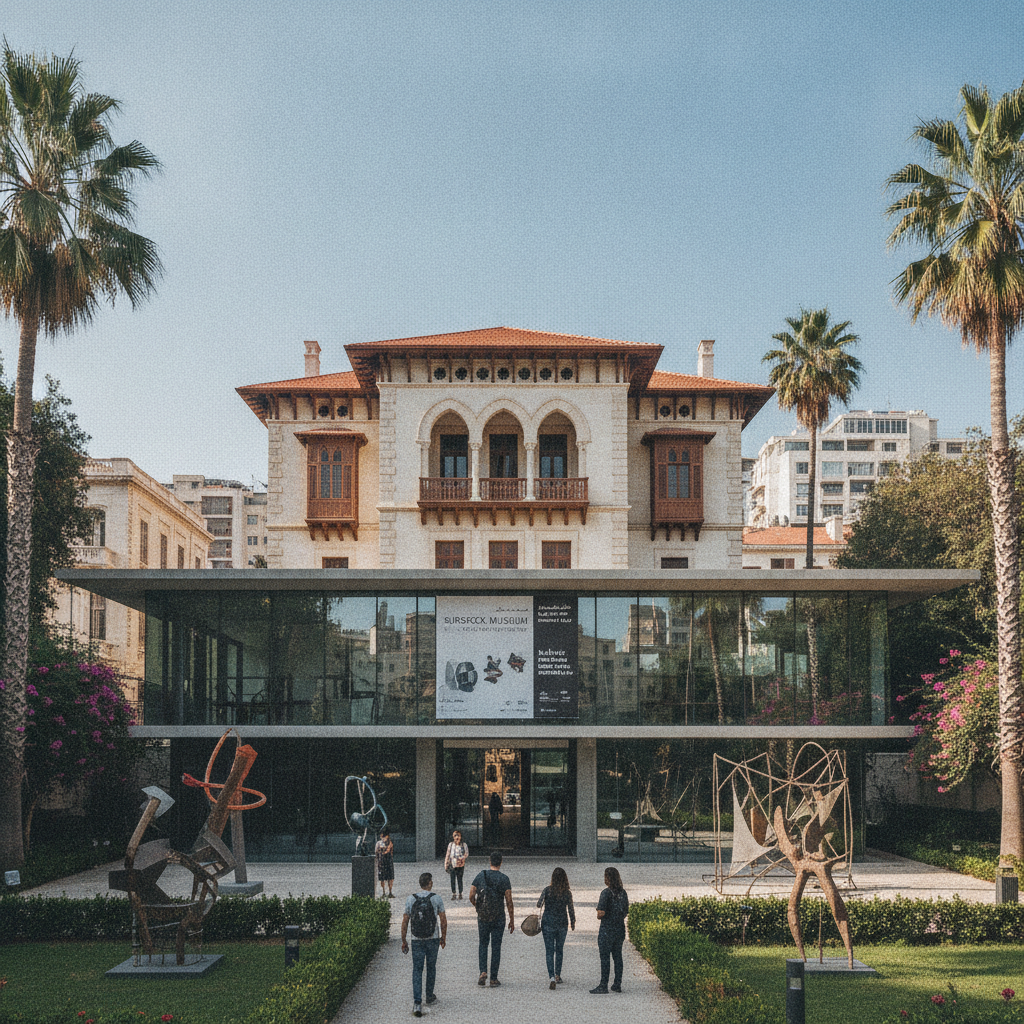
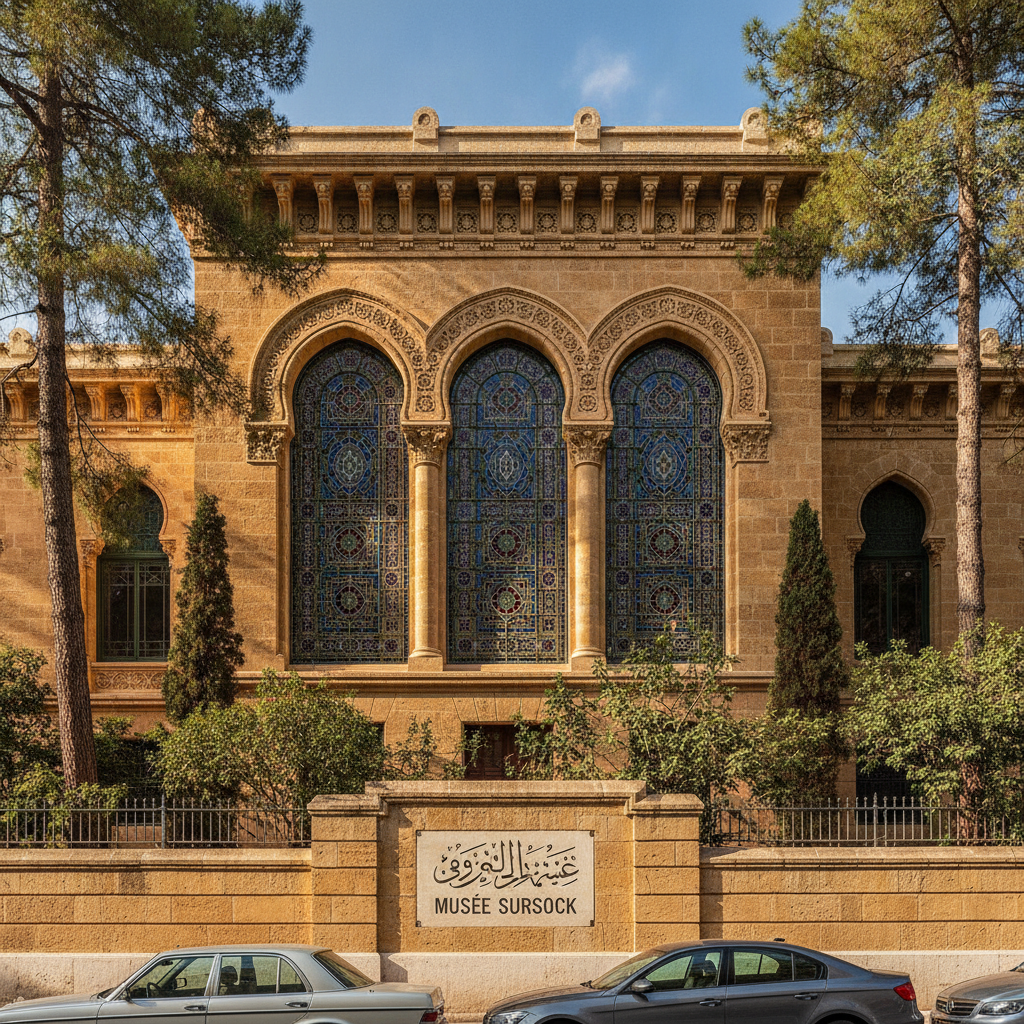
Beirut Arts: The Sursock Museum, the Theatre and Cinema Scene, the Gallery Circuit, and the Most Culturally Ambitious Single Arab Capital
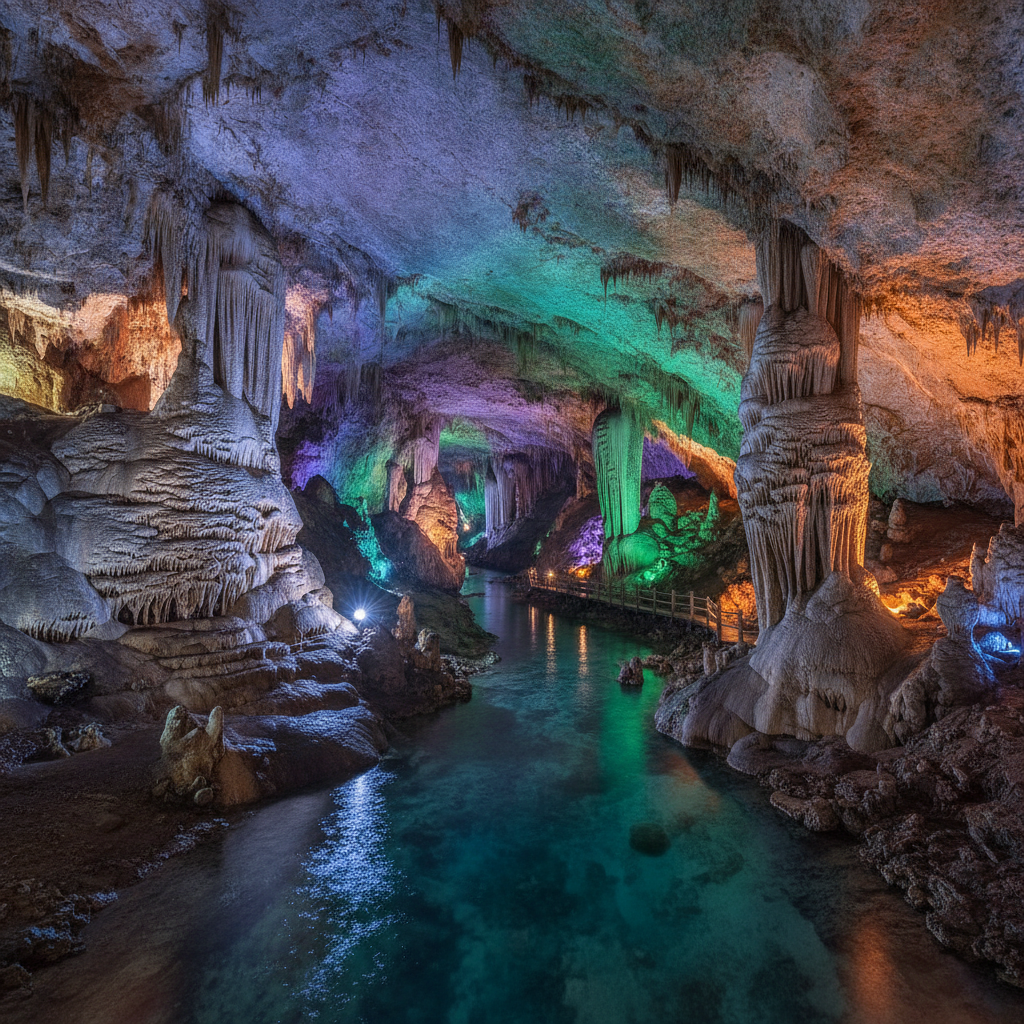
Beirut Region: Tripoli Old Souk, the Jeita Grotto, the Qadisha Valley, and the Most Scenically Diverse Single Small Country