Beirut Region: Tripoli Old Souk, the Jeita Grotto, the Qadisha Valley, and the Most Scenically Diverse Single Small Country
The Beirut region route covers Tripoli as the most historically intact single Lebanese old city, the Jeita Grotto as the most spectacular single Lebanese natural wonder, the Qadisha Valley as the most dramatic single Lebanese mountain landscape, and the most scenically diverse single small country.
- 1
Tripoli: The Most Historically Intact Lebanese City
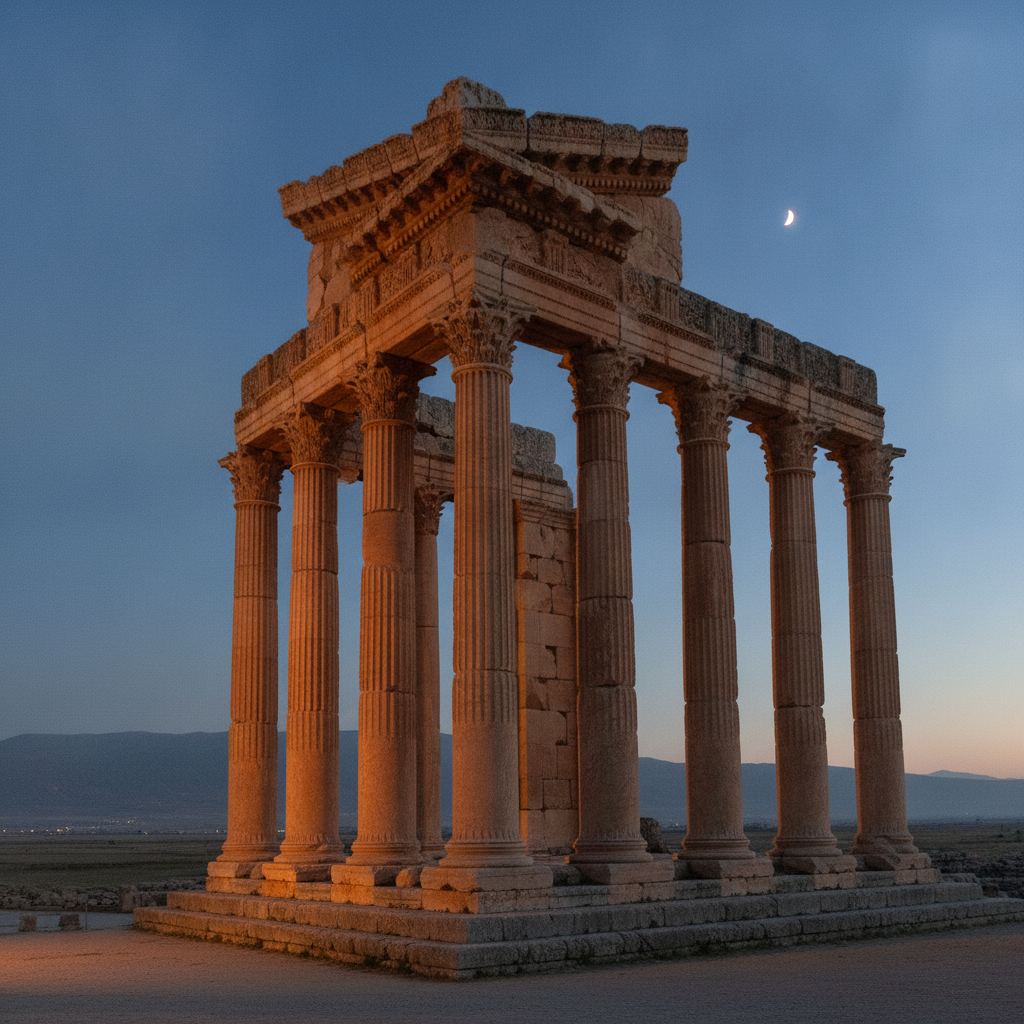
Tripoli (85 kilometers north of Beirut, the most historically intact single Lebanese old city with the most comprehensively Mamluk-era single souk complex, the most complete single Khan al-Saboun soap market, the most elaborately carved single Mamluk mosque minaret, and the most authentically inhabited single Lebanese medina daily life in the most specifically Sunni Muslim single Lebanese city character), is the most architecturally complete single medieval Lebanese urban heritage and the most historically resonant single non-Beirut Lebanese city visit.
- 2
Jeita Grotto: The Most Spectacular Lebanese Cave
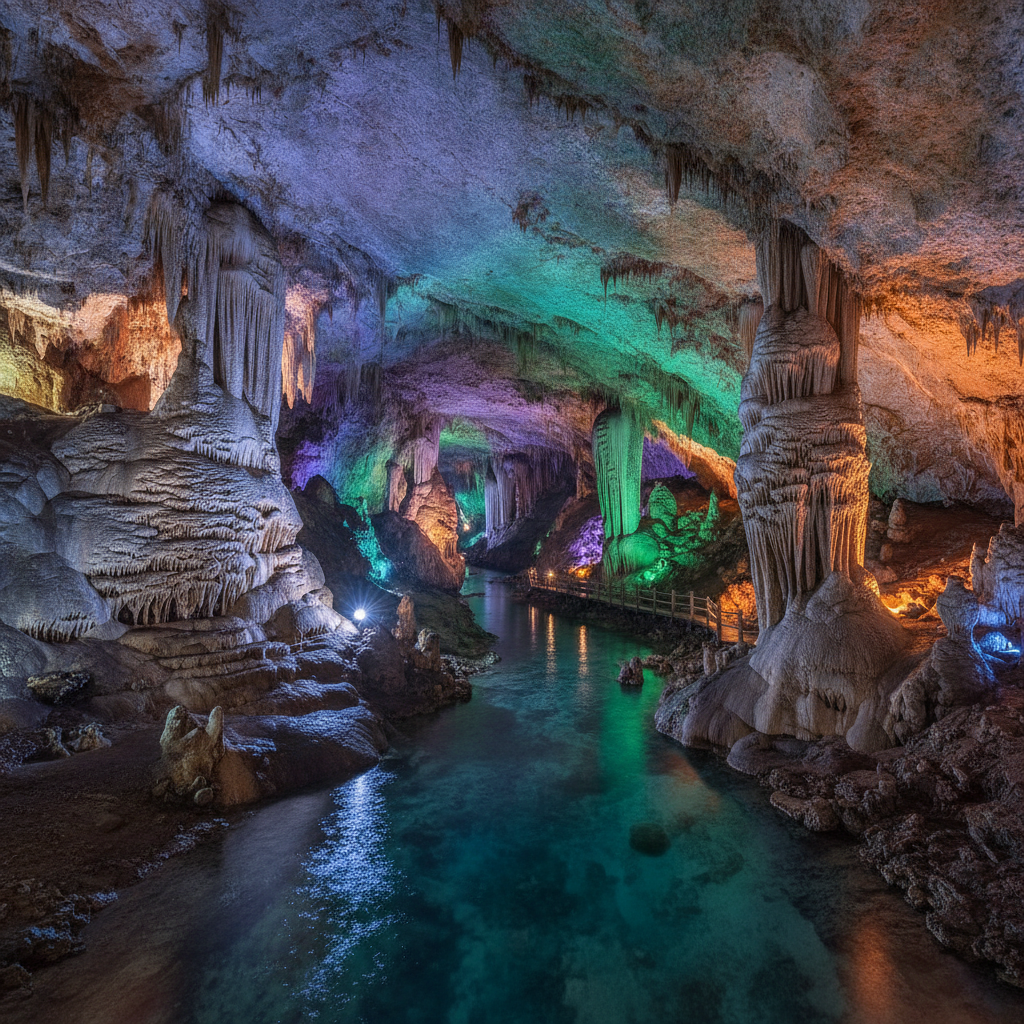
The Jeita Grotto (the most spectacular single Lebanese natural wonder with the most dramatically stalactite-and-stalagmite-filled single cavern system extending 9 kilometers under the most northern single Lebanese mountain, the most impressively vast single upper dry gallery visitable by foot and the most uniquely boat-traversable single lower underground river channel, was voted the most popularly supported single New Seven Wonders of Nature candidate and the most naturally awe-inspiring single Lebanese landscape attraction 23 kilometers north of Beirut.
- 3
. The Most Sacred Lebanese Landscape
The Qadisha Valley (the most dramatically gorge-carved single Lebanese mountain landscape, UNESCO World Heritage Site as the most significant single early Christian monastic valley in the Middle East with the most continuously inhabited single cliff-face monastery since the earliest Christian hermit tradition, including the most spectacularly positioned single Monastery of Qannoubine accessible only by the most adventurously narrow single mountain path), is the most naturally and spiritually sacred single Lebanese landscape destination.
- 4
Cedars of God: The Most Ancient Lebanese Trees
The Cedars of God (Arz ar-Rab, the most sacred single Lebanese natural symbol at the Bcharre Cedar Reserve, the most ancient single cedar trees in the most continuously protected single Lebanese forest with trees reaching 35 meters height and 14 meters girth and estimated at 3,000+ years old, the most specifically biblical cedar referenced in the most ancient single Phoenician timber trade that built the most celebrated single Solomon Temple in Jerusalem), is the most profoundly national single Lebanese natural monument.
- 5
Nahr el-Kalb: The Victory Stele Collection
The Nahr el-Kalb site (the most historically layered single Lebanese rock-face inscription collection with the most chronologically diverse single military victory stele from the most ancient single Egyptian Ramesses II stele through the most recent single French Mandate independence declaration, representing the most comprehensively time-spanning single military monument collection in the most practically accessible single Beirut day trip location 15 kilometers north of the city), is the most historically instructive single Lebanese outdoor museum.
- 6
Chouf Cedar Reserve: The Mountain Ecosystem
The Chouf Cedar Reserve (the most biologically significant single Lebanese protected area with the most extensively reforested single Lebanese cedar and fir habitat, the most actively managed single Lebanese wildlife corridor for the most recently reintroduced single deer and wildcat population, and the most spectacularly terraced single Druze mountain landscape with the Beiteddine Palace as the most architecturally magnificent single 19th century Lebanese Emirate court), completes the most geographically complete single Lebanese interior landscape experience.
Walk this route with audio
Stories play automatically as you reach each stop — no tapping needed.
More in Beirut
Khalil Gibran's The Prophet Has Sold Over 100 Million Copies in 108 Languages Making It the Third Best-Selling Book of the 20th Century After the Bible and the Quran; the Kahan Commission Found Ariel Sharon Bore Personal Responsibility for the Sabra and Shatila Massacre of 762-3,500 Palestinian Civilians; Fairuz Has Been Recording for 70 Years and Is the Best-Selling Arabic-Language Artist of All Time
Hezbollah Secretary-General Hassan Nasrallah Killed by Israeli Strike September 27, 2024 After 32 Years Leading the Movement; the 2005 Rafik Hariri Assassination Car Bomb Contained 1,000 kg TNT and Triggered the Cedar Revolution Ending Syria's 29-Year Military Presence in Lebanon; Lebanon's 18 Recognized Religious Communities Make It the Most Religiously Diverse Country in the Arab World
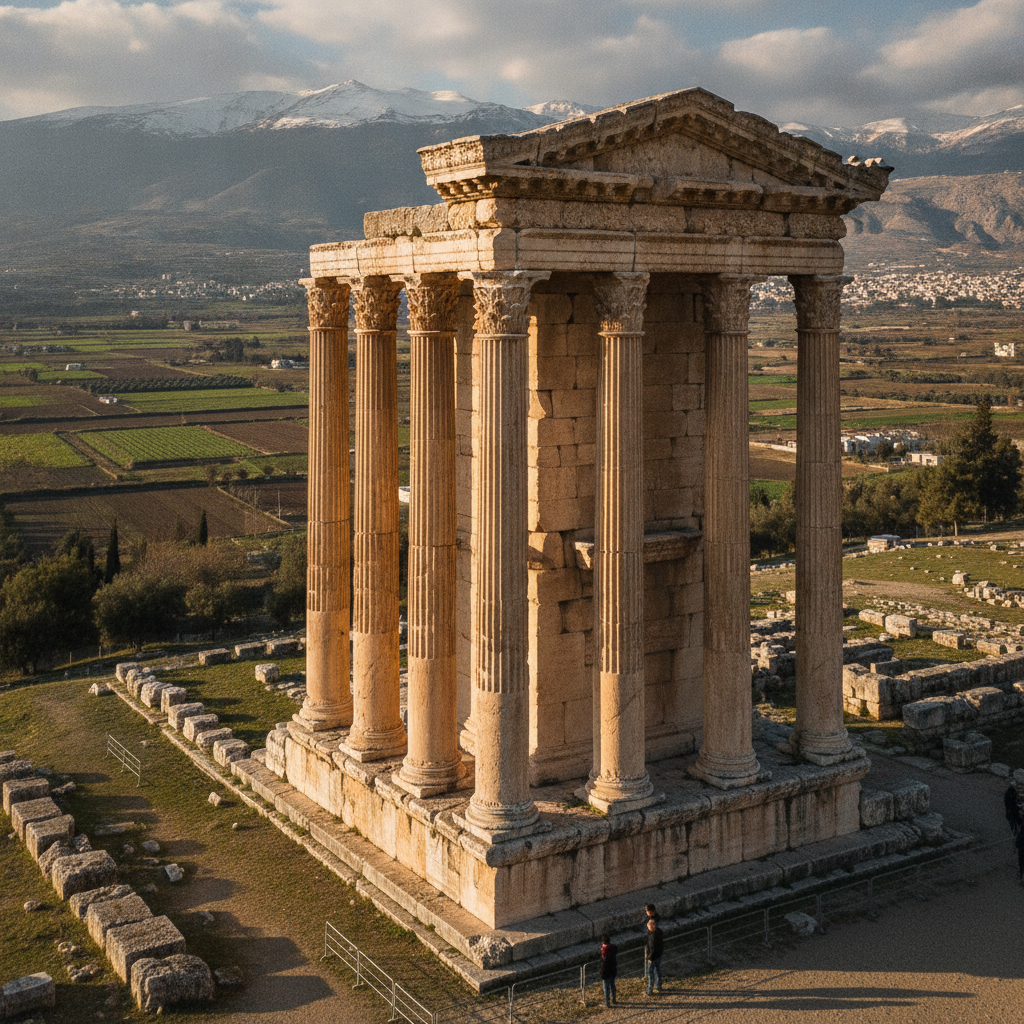
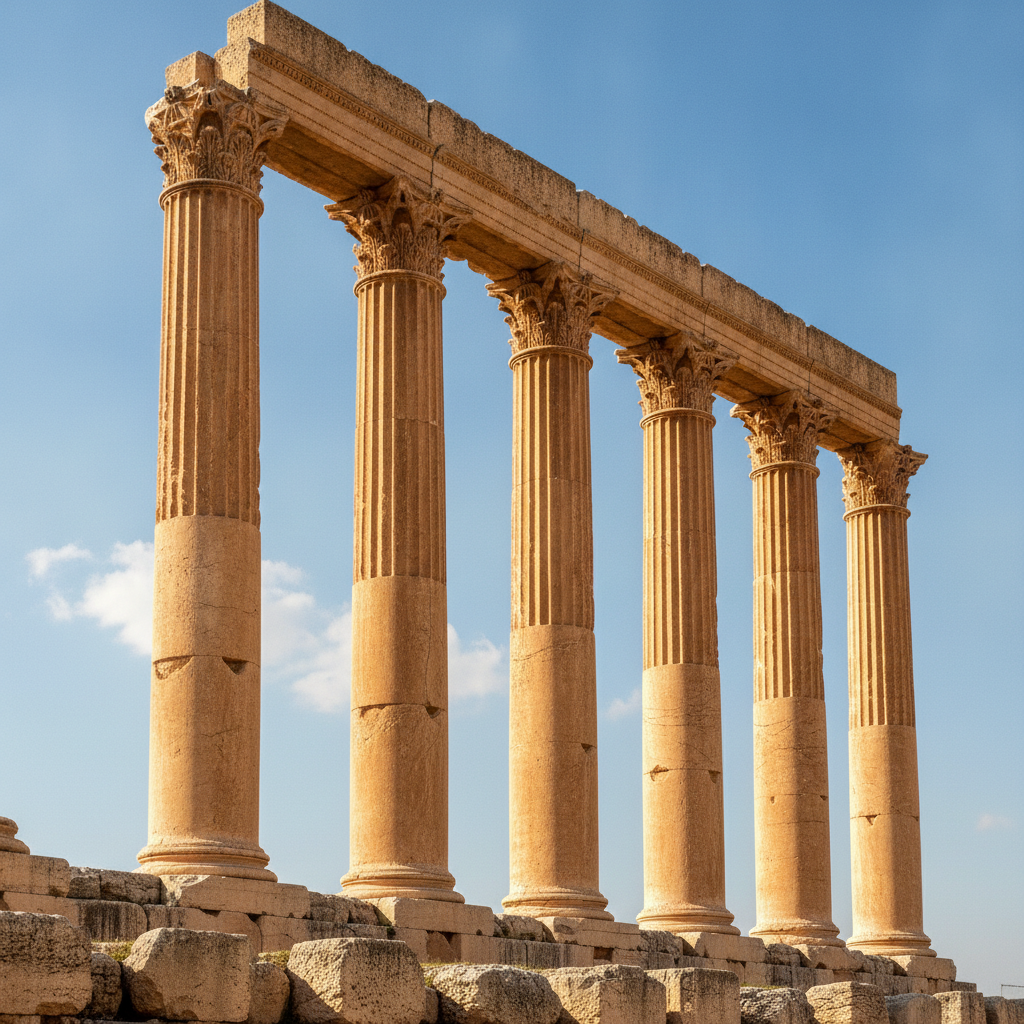
Beirut Day Trips: Byblos, Baalbek Roman Temples, Sidon, and Tyre in the Most Historically Dense Single Small Country
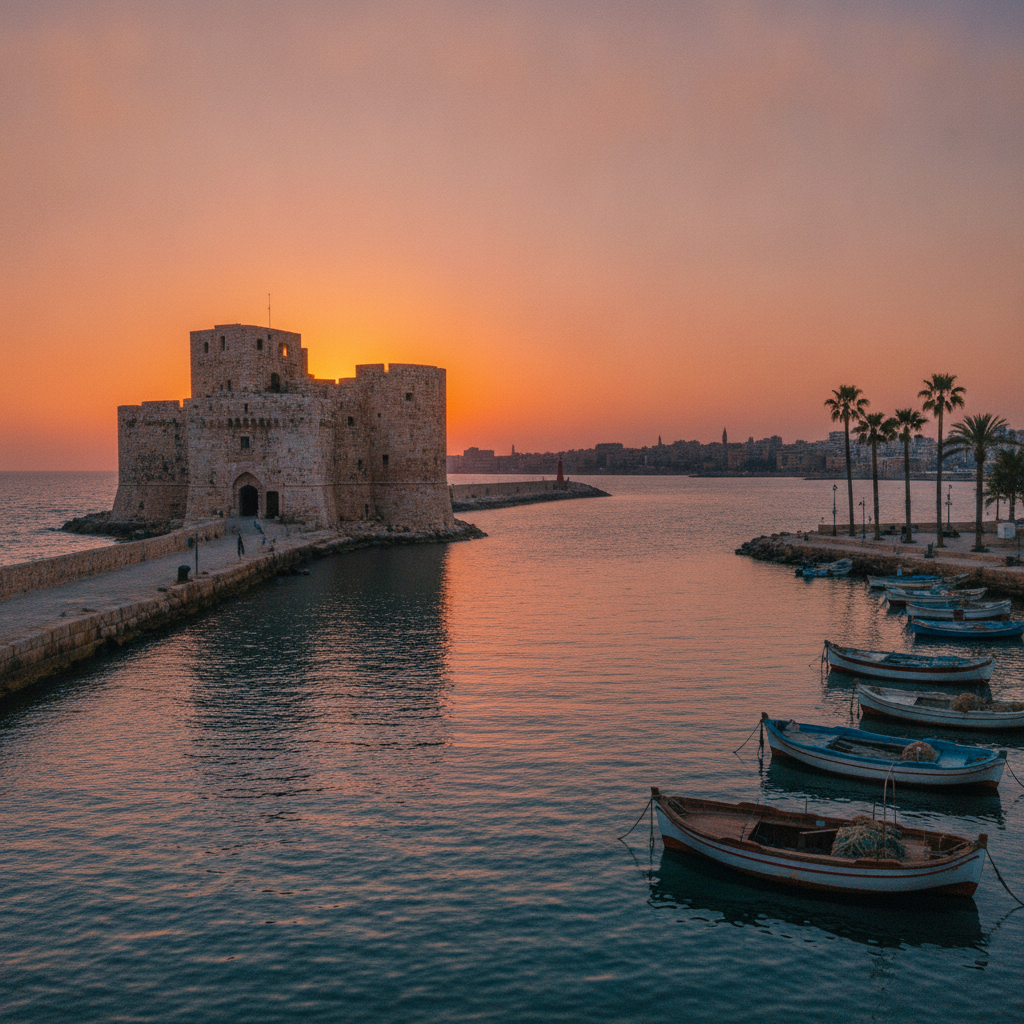
Alexander the Great Built a 60m-Wide 800m-Long Causeway to Reach Island Tyre in 332 BCE and the Sediment Accumulation Has Made It a Permanent Land Bridge Today; the Druze Religion Has Been Closed to Converts and Non-Members Since the 11th Century; the Palestinian Refugee Camp Ain al-Hilweh Houses 80,000 People in 2 Square Kilometers Making It the Densest Urban Area in Lebanon
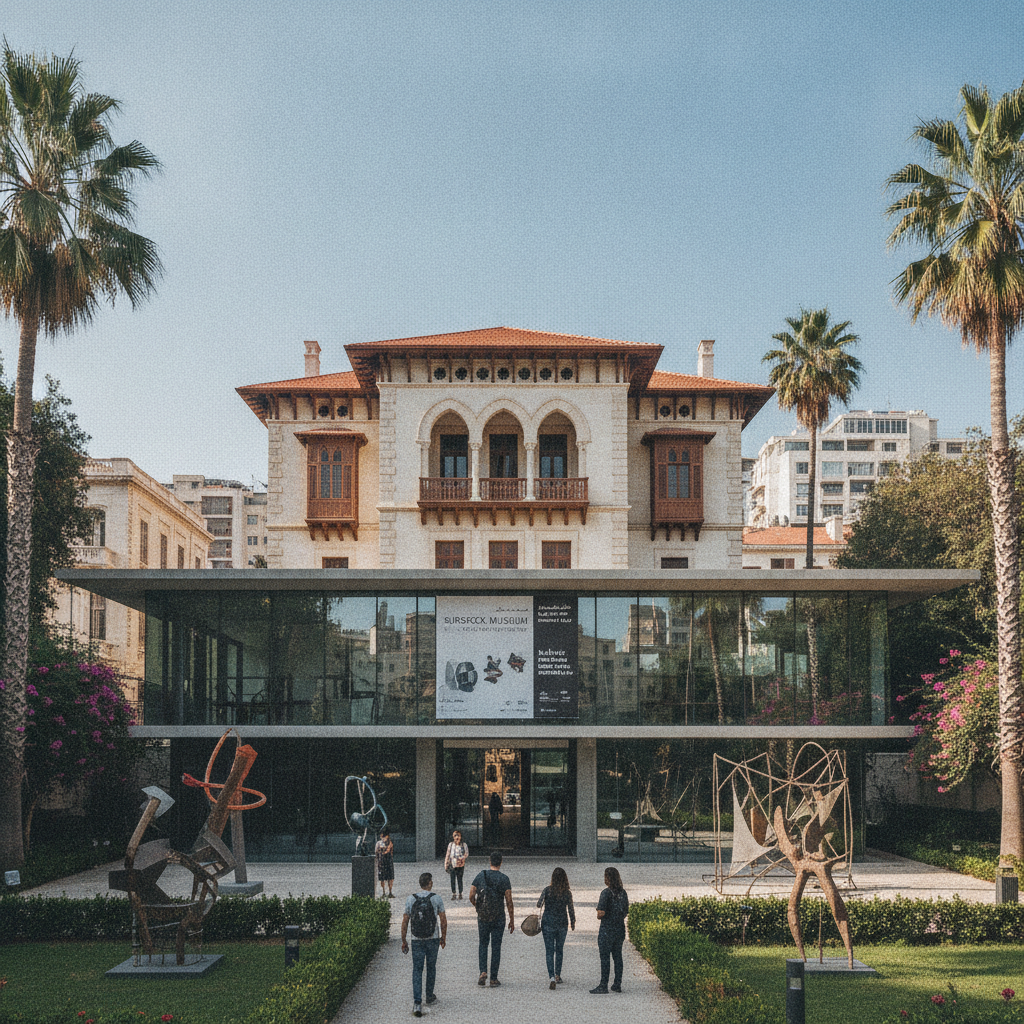
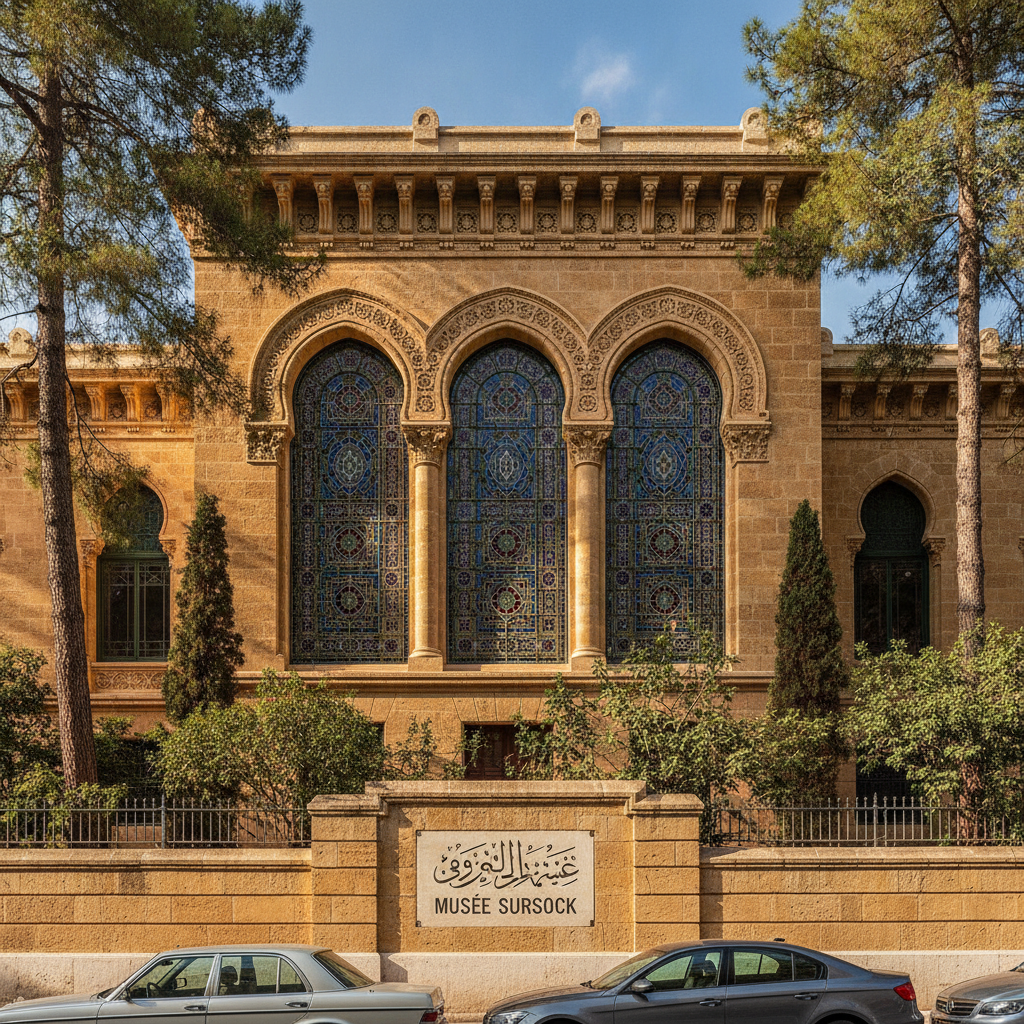
Beirut Arts: The Sursock Museum, the Theatre and Cinema Scene, the Gallery Circuit, and the Most Culturally Ambitious Single Arab Capital