Bursa Thermal Culture: The Cekirge Thermal District, the Ottoman Hamam Tradition, the Ancient Warm Springs Heritage, the Cumalikizik Ottoman Village, and the Bursa City Thermal Hotel
The Bursa thermal culture route covers the Cekirge thermal district as the most historically continuous urban thermal area in Turkey, the Ottoman hamam tradition rooted in the Bursa hot springs, the ancient Orhangazi thermal spring heritage, the Cumalikizik UNESCO village, and the modern thermal hotel culture.
- 1
Cekirge: The Historical Thermal District
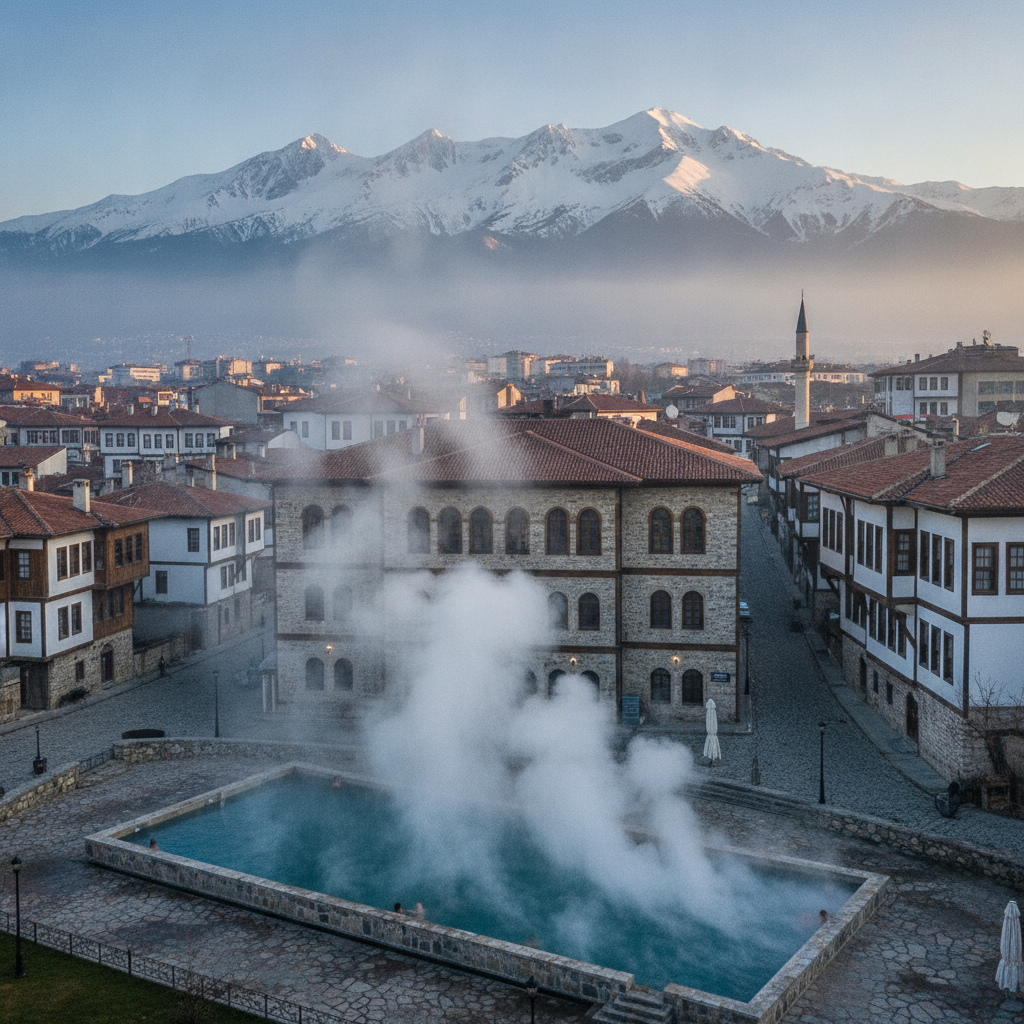
Cekirge, the thermal district on the western hillside of Bursa 3 kilometers from the city center, has been the most continuously used urban thermal area in Turkey from the Roman period (the Roman general Prusias II named the city Prusa for the thermal baths) through the Byzantine occupation when the empress Theodora bathed here to the Ottoman period when the Sultans Murat I and Murat II built their mosque complexes in Cekirge to be near the healing waters. The Cekirge thermal spring water at 47-78 degrees Celsius is the hottest single urban thermal system in Turkey and the most diverse in terms of the mineral composition with the sulfur, calcium, and magnesium-rich different spring sources.
- 2
Ottoman Hamam Heritage: The Bursa Bathing Tradition
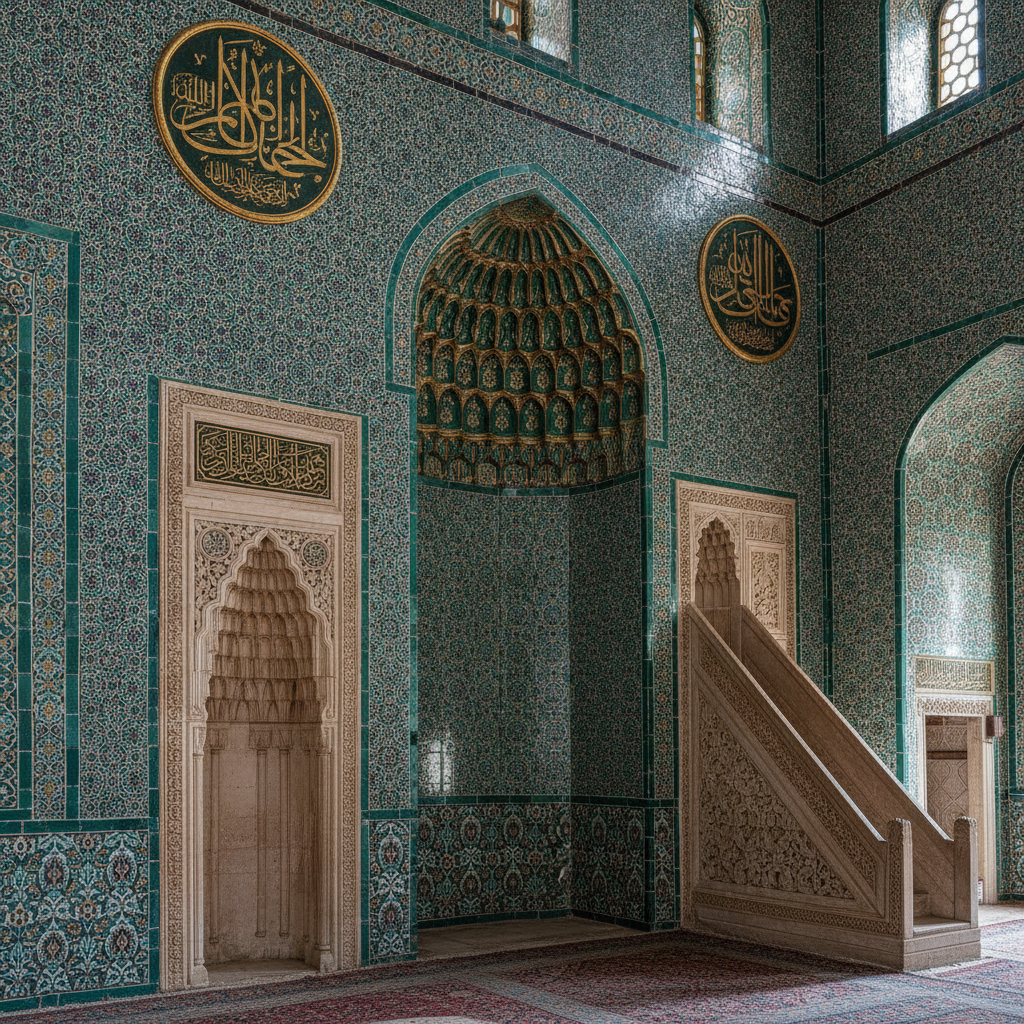
The Ottoman hamam (Turkish bath) tradition that spread from Bursa across the entire Ottoman empire was developed from the combination of the Byzantine bath heritage and the Islamic ritual cleanliness requirement and the Bursa thermal spring water that made the early Ottoman hamams the most thermally luxurious in the Islamic world. The Old Spa (Eski Kaplica) in Cekirge built by Sultan Murat I in the 14th century on the Byzantine bath foundation is the oldest continuously operating thermal hamam in Turkey and the building where the Ottoman bath architectural type - the hot room, the warm room, the changing room, and the central heated marble slab - was definitively established.
- 3
Eski Kaplica: The Oldest Ottoman Thermal Bath
The Eski Kaplica (Old Thermal Bath) in Cekirge, built in 1389 by Sultan Murat I on the site of the Byzantine Empress Theodora bath, is the oldest continuously operating Ottoman thermal bath complex in Turkey with the Byzantine column drums incorporated into the Ottoman thermal room walls and the 47-degree spring water feeding the same pool where the Byzantine empress and the Ottoman sultan bathed. The Eski Kaplica was the model for the Ottoman hamam architectural plan and the thermally hottest single public bath still in continuous operation in Turkey.
- 4
New Thermal Baths: The Yeni Kaplica Complex
The Yeni Kaplica (New Thermal Bath) complex in Cekirge, built in 1522 by the Grand Vizier Rustem Pasha (son-in-law of Suleyman the Magnificent) on the instruction of the sultan to provide additional thermal facilities for the Bursa community, is the most architecturally elaborate Ottoman thermal bath complex in Turkey with the separate baths for men, women, and the sultan's private suite, the Kaynarca pool with the boiling spring emerging directly from the bath floor, and the most complete 16th century Ottoman hamam interior in Turkey with the original marble fittings.
- 5
Cumalikizik: The Best Preserved Ottoman Village
Cumalikizik village 12 kilometers from Bursa, established in the early 14th century as a vakif foundation village supporting the Orhan Gazi endowments in Bursa, is the best single preserved Ottoman village in Turkey with the 300 original Ottoman-period stone and timber houses surviving in the most unmodified single Ottoman domestic streetscape in the country. The Cumalikizik breakfast culture - the village breakfast of the tahini, the local chestnut honey, the fresh white cheese, the village eggs, and the Bursa peach jam served in the village houses - is the most authentic single agrotourism food experience accessible from a major Turkish city.
- 6
Mudanya: The Marmara Fishing Village
Mudanya, the Marmara Sea fishing village 25 kilometers north of Bursa, was the site of the 1922 Mudanya Armistice that ended the Turkish War of Independence and established the basis for the Lausanne Treaty. The Mudanya seafront with the Greek Orthodox church converted to the Armistice House Museum, the fishing harbor, and the fish restaurants serves as the most conveniently accessible single seaside excursion from Bursa. The fresh sea bass, the mullet, and the anchovy caught in the Marmara Sea and grilled on the Mudanya harbor front is the most direct culinary contrast to the landlocked Ottoman Bursa food culture.
Walk this route with audio
Stories play automatically as you reach each stop — no tapping needed.
More in Bursa
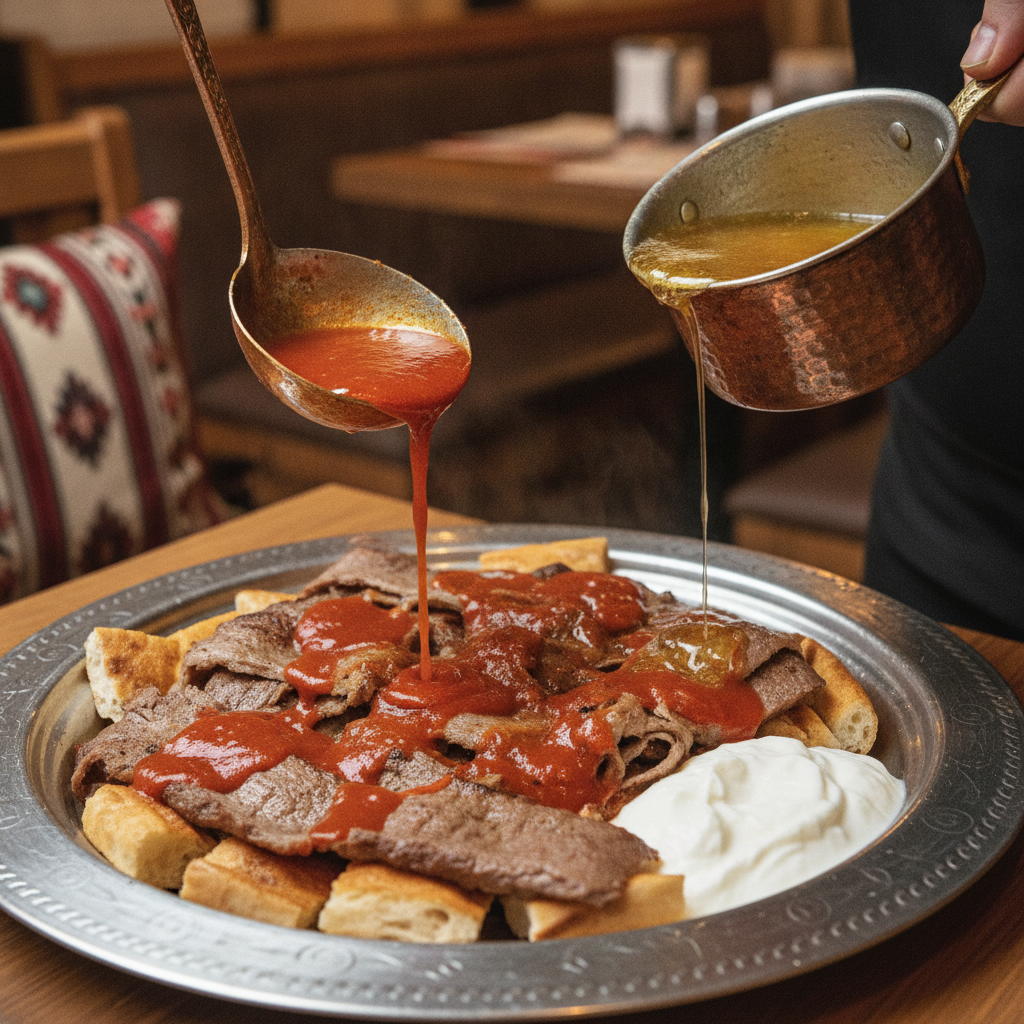
Bursa Cuisine: The Iskender Kebab Invention, the Chestnut and Uludag Honey Culture, the Inegol Kofte Tradition, the Bursa Peach Orchards, and the Ottoman Court Food Legacy
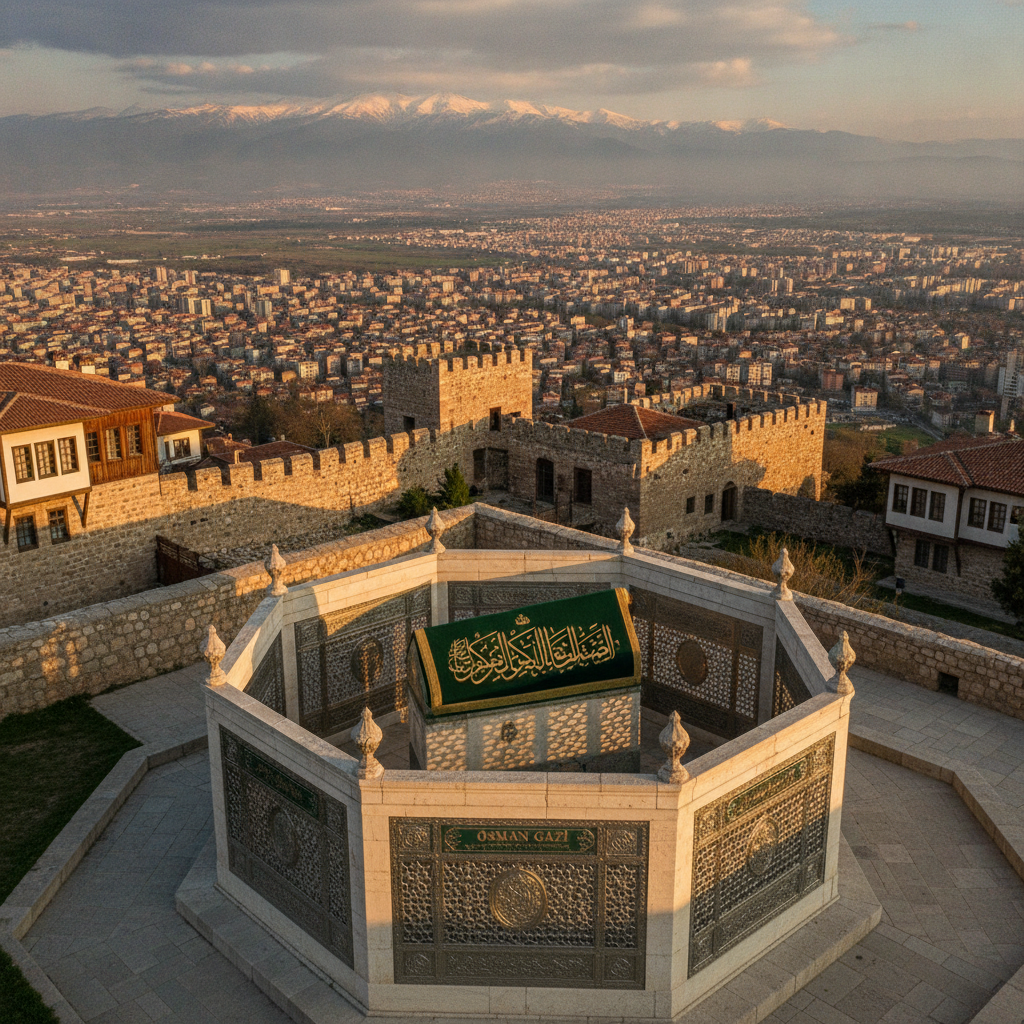
Bursa: First Ottoman Capital, the Osman Gazi Tomb and Foundation Legend, the Orhan Gazi Mosque, the Muradiye Complex with Royal Tombs, and the Ottoman Dynasty Founding Story
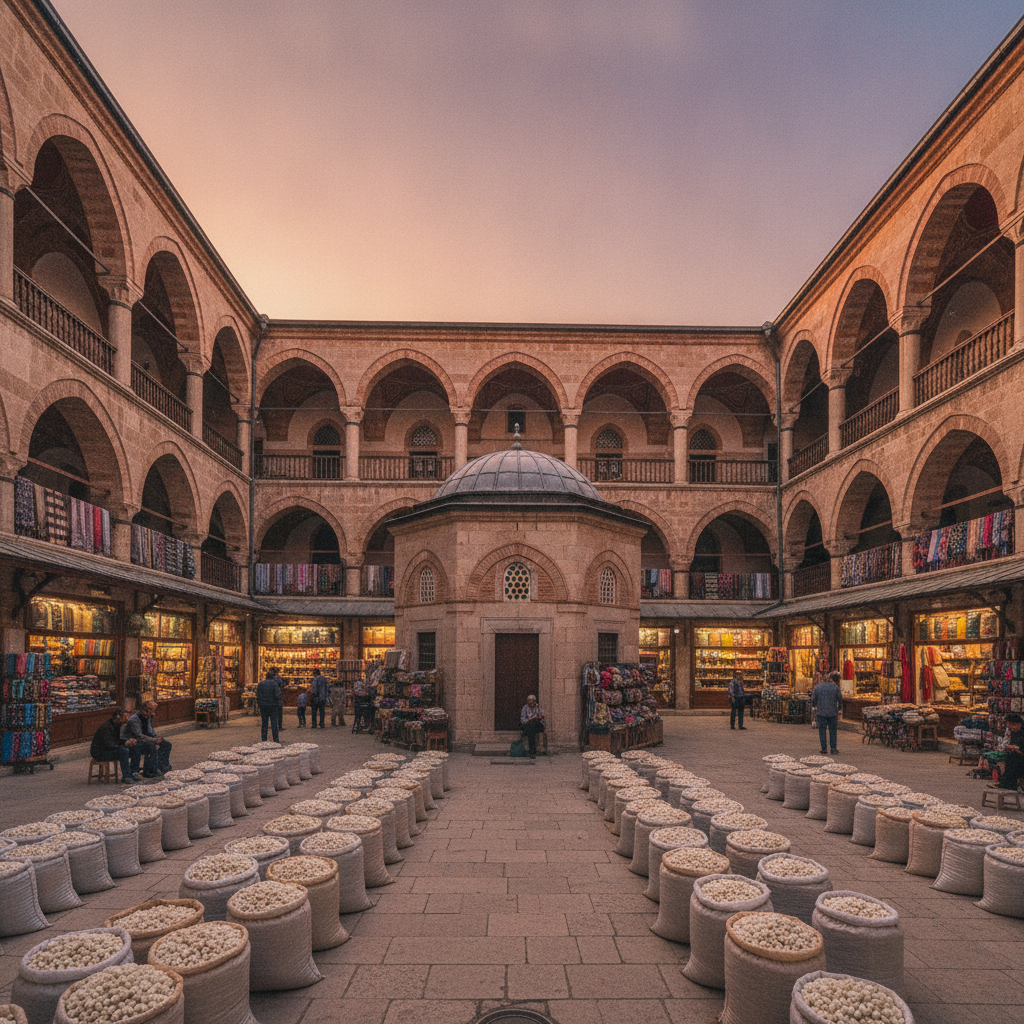
Bursa Silk Heritage: The Koza Han Cocoon Auction, the Ottoman Silk Industry Peak, the Bursa Ipek Silk Textile Tradition, the Silk Route Connection, and the Modern Silk Fabric Market
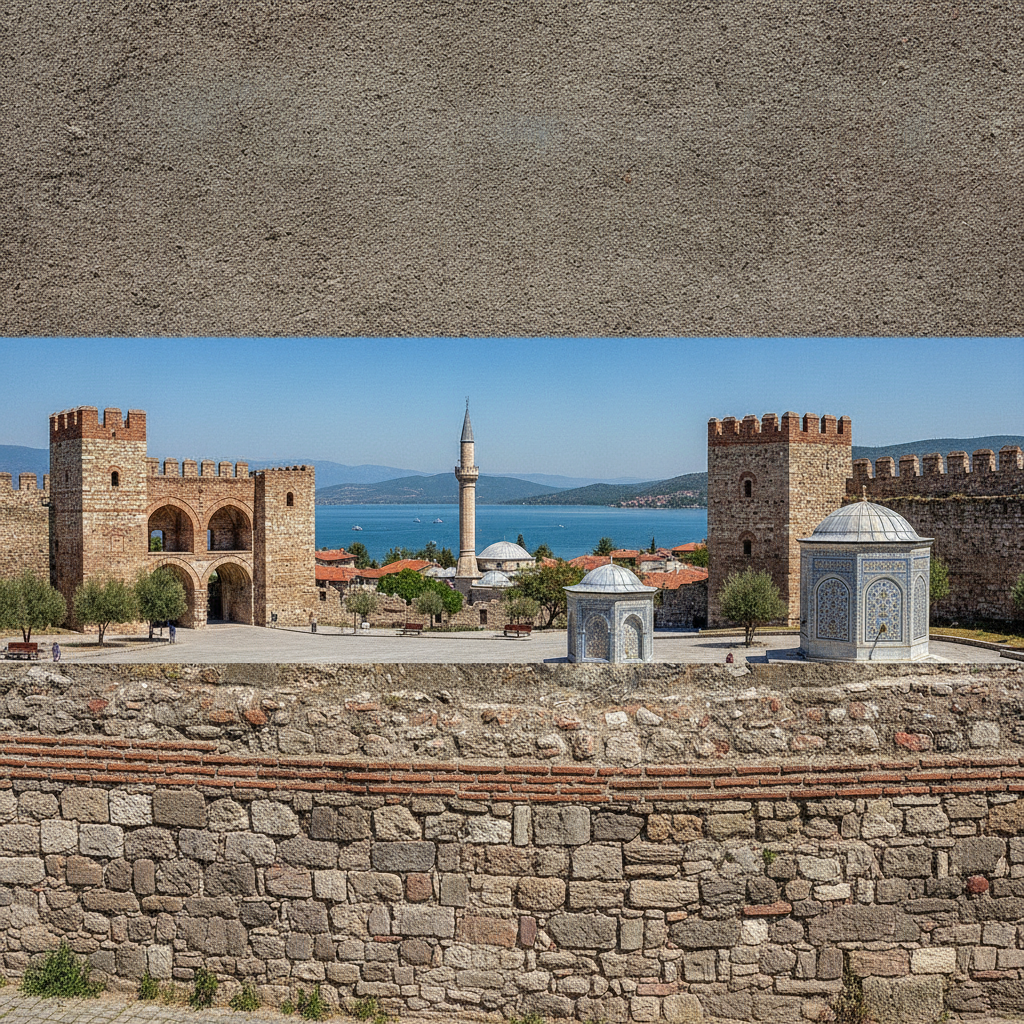
Bursa Region: The Iznik-Nicaea Byzantine Heritage, the First Council of Nicaea, the Iznik Tile Tradition, the Istanbul Day Trip Position, and the Bursa as the Ottoman Circuit Hub
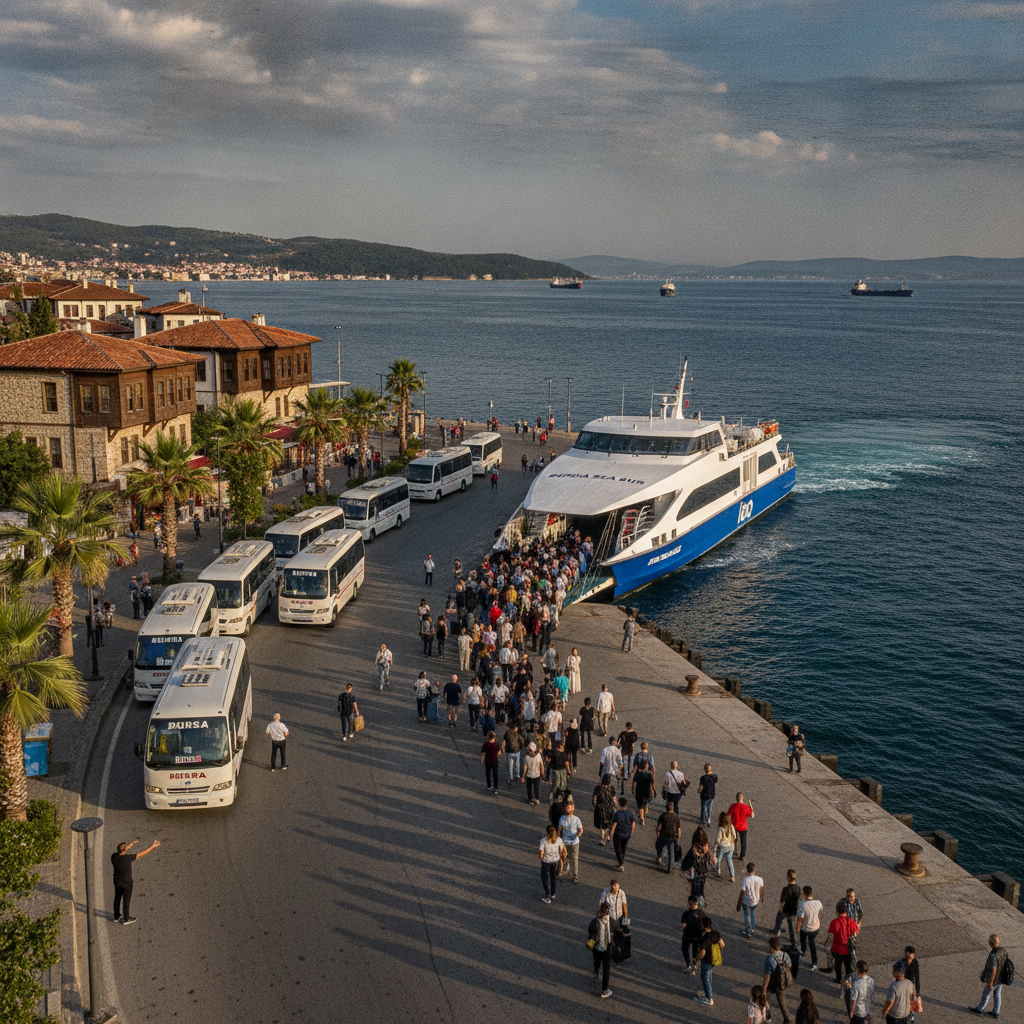
Bursa Practical: The Istanbul Ferry Connection, the Mudanya Arrival, Transport Within Bursa, the Best Accommodation Districts, the Optimal Visit Timing, and the Departure for the Marmara Circuit