Getsemaní, Street Art & Cartagena's Creative Underground
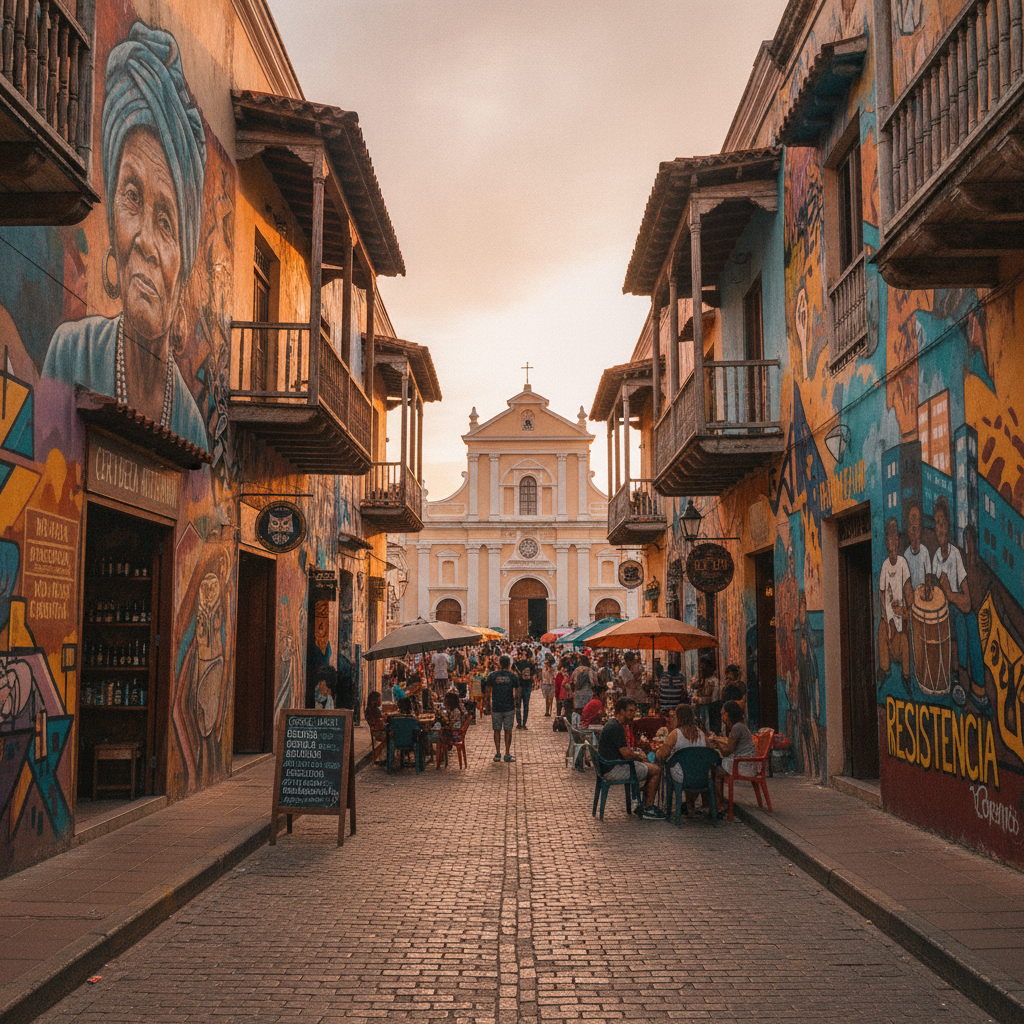
Getsemaní (the neighbourhood immediately outside the city wall of Cartagena — the former working-class neighbourhood that has undergone the most dramatic creative transformation of any neighbourhood in Colombia in the 2010s, from a dangerous, marginalized area to the most vibrant arts, street food, craft beer, and nightlife destination in Cartagena) is now the most exciting neighbourhood in the city.
- 1
Plaza de la Trinidad — The Heart of Getsemaní
Plaza de la Trinidad (Barrio Getsemaní) was the 1811 meeting point where Cartagena's working class voted for independence from Spain — today the plaza fills nightly with locals, backpackers, and street vendors; cumbia dancers and marimba musicians perform spontaneously around the 1750 Trinidad church; vendors sell fresh coconut and chicha.
- 2
Getsemaní Street Art — Murals of Identity and Resistance
Getsemaní's murals (covering 200+ walls) began as community art in 2010 to resist gentrification and reclaim public space — artists including Vertigo Graffiti, Bestiario, and international collaborators have created a 1km outdoor gallery documenting Afro-Caribbean history, cumbia culture, and local personalities alongside abstract and surrealist works.
- 3
La Movida Nightlife — Rooftop Bars and Cumbia Clubs
Getsemaní's nightlife (concentrated on Calle de la Sierpe and around the plaza) is Cartagena's most authentic alternative to the Walled City luxury hotels — Bazurto Social Club hosts live cumbia and champeta music from 10pm on Fridays; rooftop bars at Media Luna Hostel and Selina offer city views at 40,000–80,000 COP per cocktail.
- 4
Cementerio de Manga — 200,000 Crypts on a Hill
The Cementerio Universal de Manga (1870, across the Puente Heredia from Getsemaní) holds over 200,000 crypts spread across a hillside facing the bay — elaborate 19th-century Colombian elite mausoleums contrast with colourful working-class tomb towers; guided tours explain the social hierarchy encoded in burial placement and crypt materials.
- 5
Barrio Getsemaní — Afro-Colombian Cultural Heritage
Getsemaní was historically the neighbourhood of enslaved Africans and freed Black artisans who built Cartagena's fortifications — the community's Afro-Colombian heritage survives in the cumbia drum circles (champeta and bullerengue music) that continue in the plaza on weekend nights and in the annual November 11 Independence procession.
- 6
Mercado Bazurto — Cartagena's Chaotic Local Market
Mercado de Bazurto (15 minutes from Getsemaní by taxi) is Cartagena's main working market — 5,000+ stalls sell fresh fish, tropical fruits (mamoncillo, maracuyá, corozo, níspero), live animals, and everything the Walled City restaurants need; the market's own fondas serve the best sancocho de pescado (fish stew) in the city at 15,000 COP.
Walk this route with audio
Stories play automatically as you reach each stop — no tapping needed.
More in cartagena
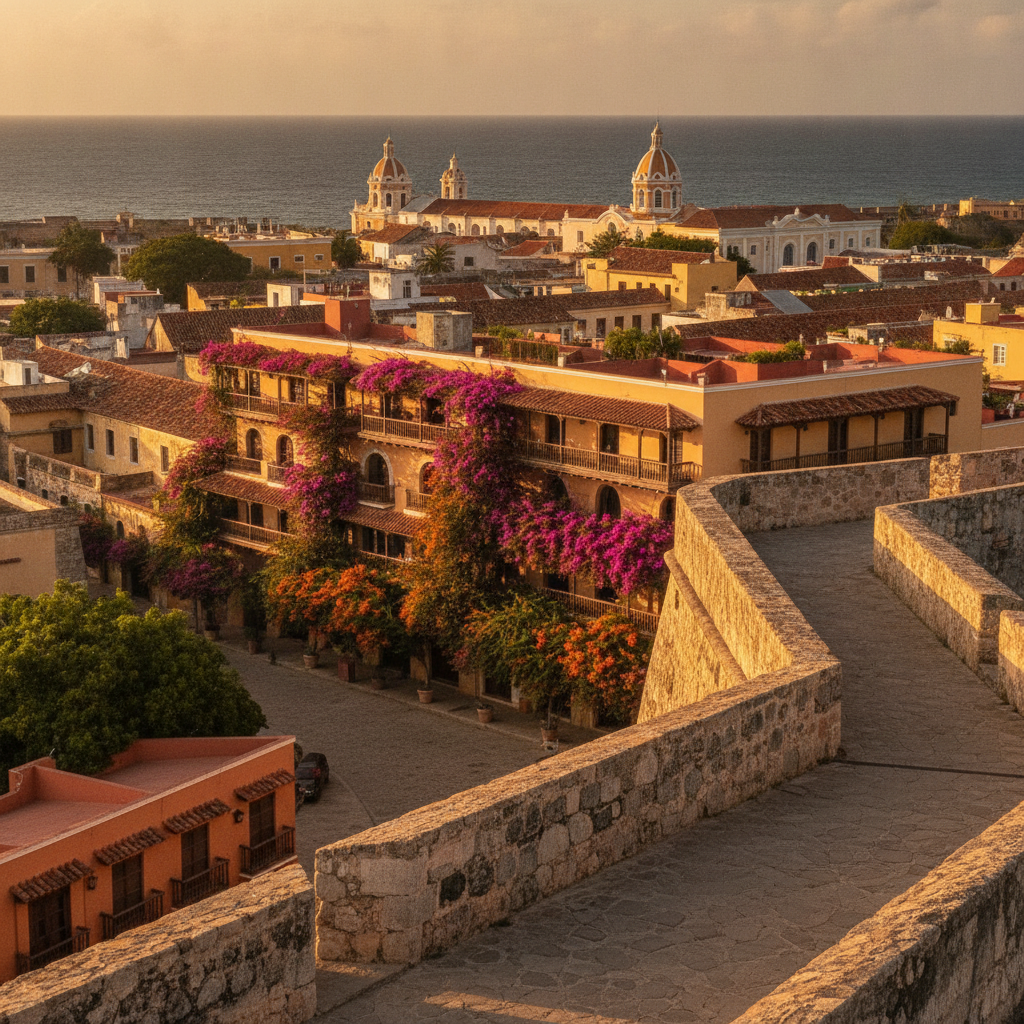
La Ciudad Amurallada — Cartagena's UNESCO Walled Colonial City
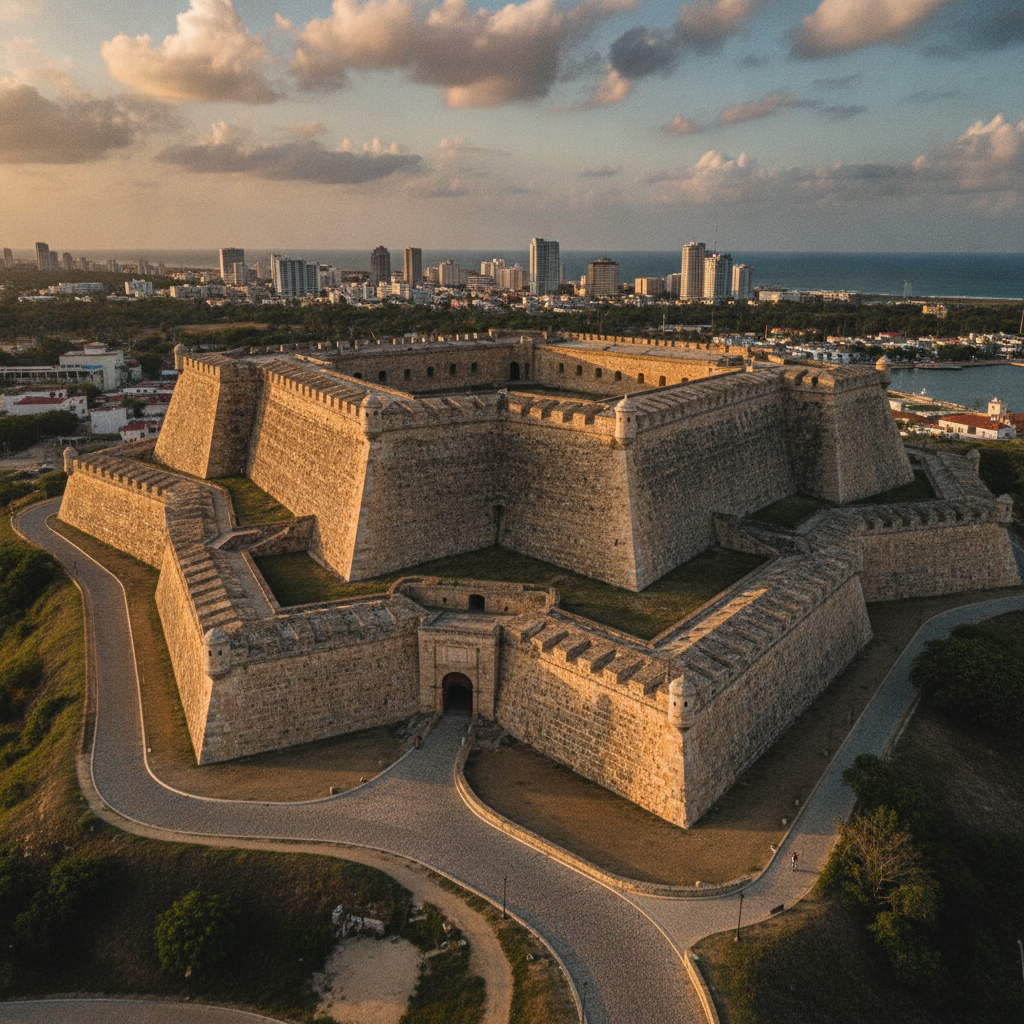
Castillo San Felipe de Barajas & Cartagena's Military Heritage
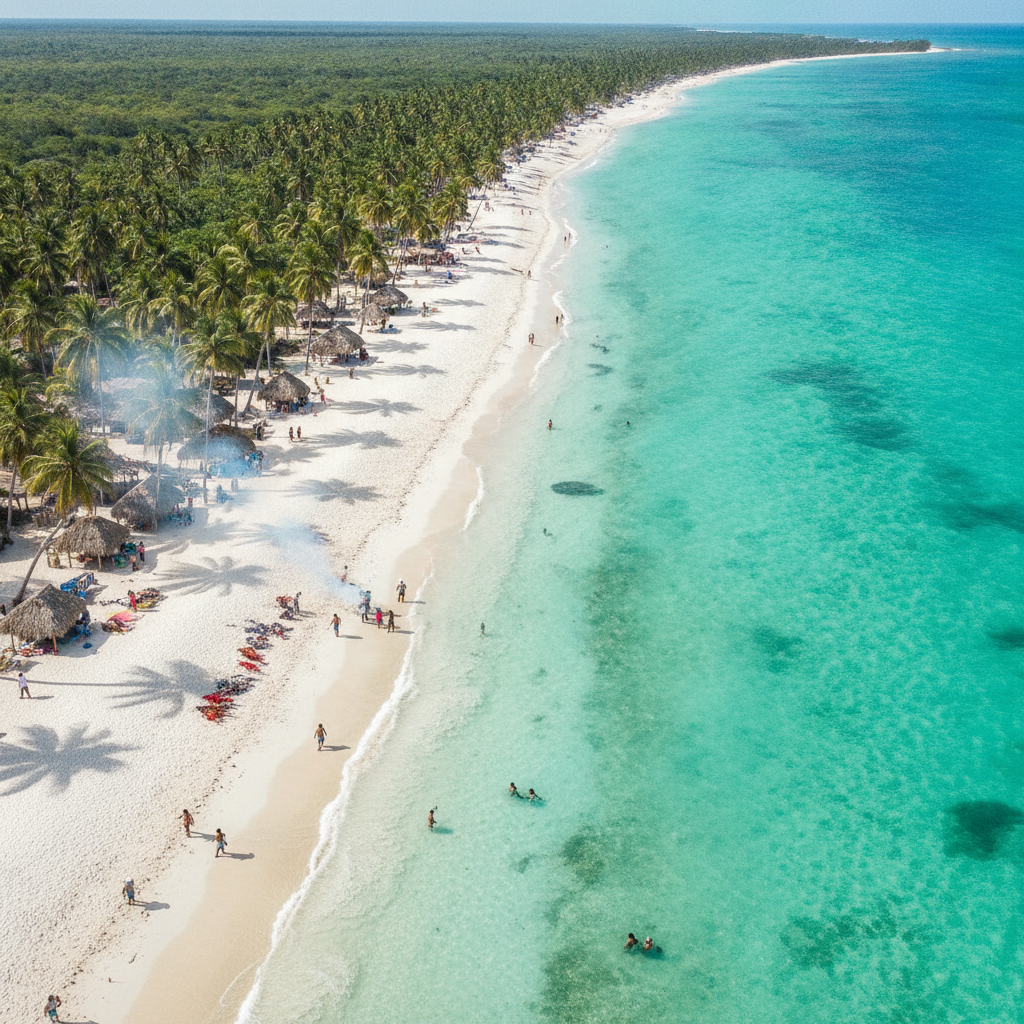
Playa Blanca, Barú & Cartagena's Caribbean Beach Experience
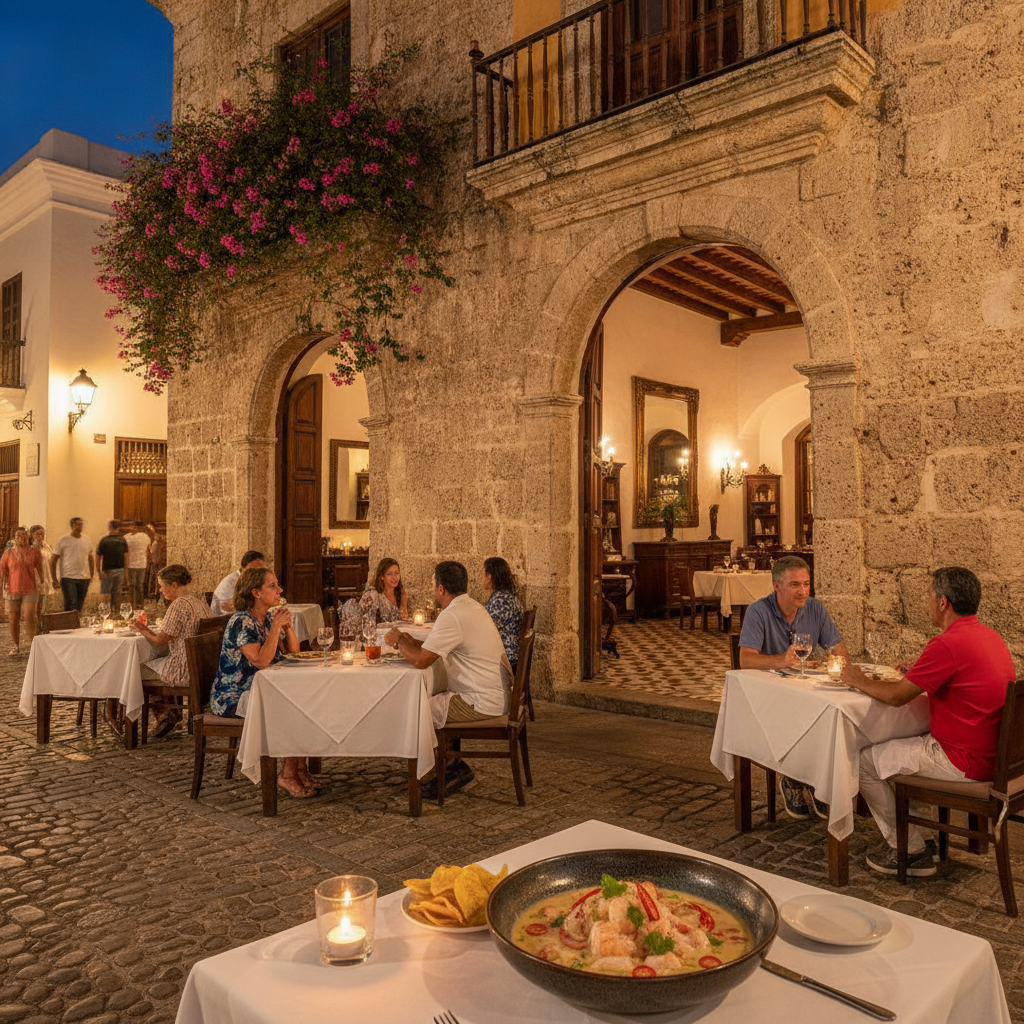
Cartagena's Modern Restaurant Scene & Creative Colombian Cuisine
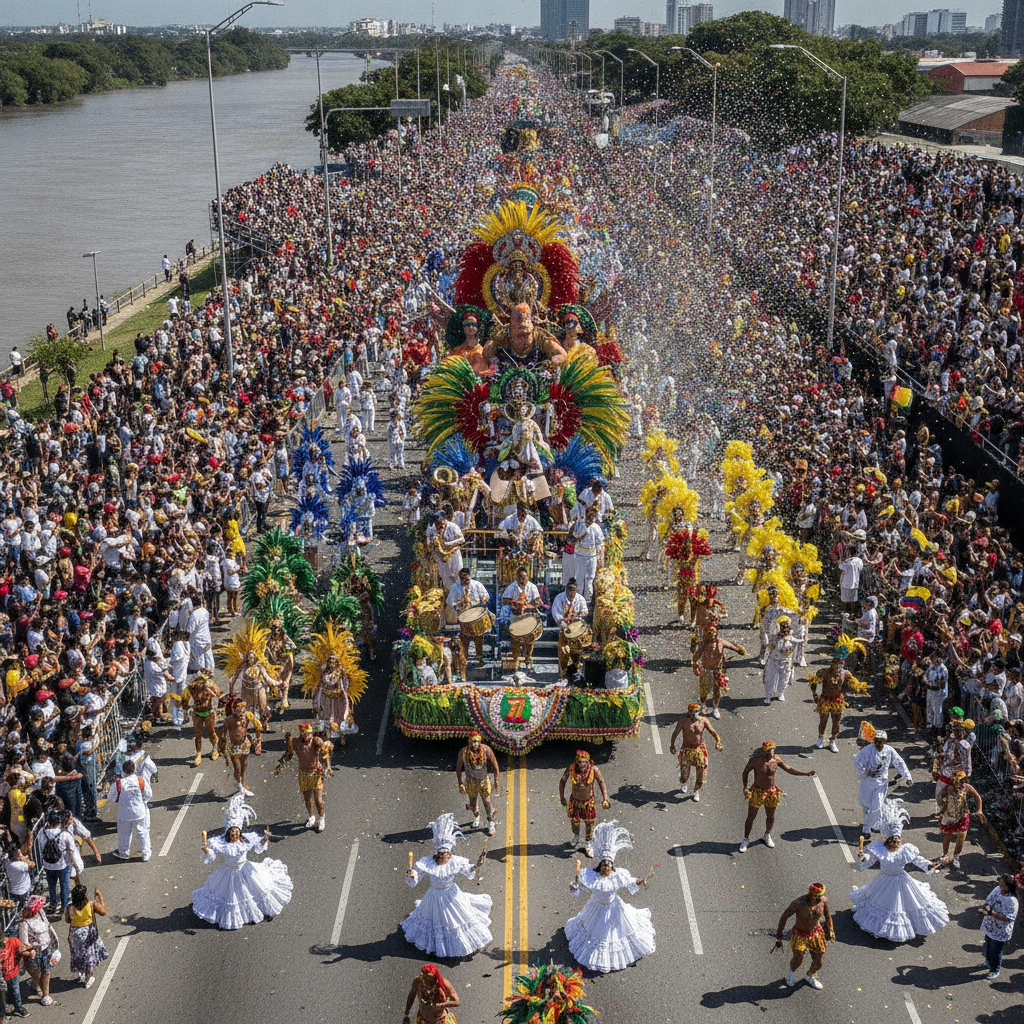
Barranquilla Carnaval & Colombia's Caribbean Coast Culture