Chitwan Terai Birdwatching Walk
Bird Chitwan's incredible diversity — with over 650 recorded species, Chitwan National Park is the most bird-species-rich single national park accessible in Nepal, and the combination of the riverine forest, the grassland, and the sal woodland habitats creates the most productive single birdwatching site in South Asia.
- 1
Rapti Riverbank Dawn
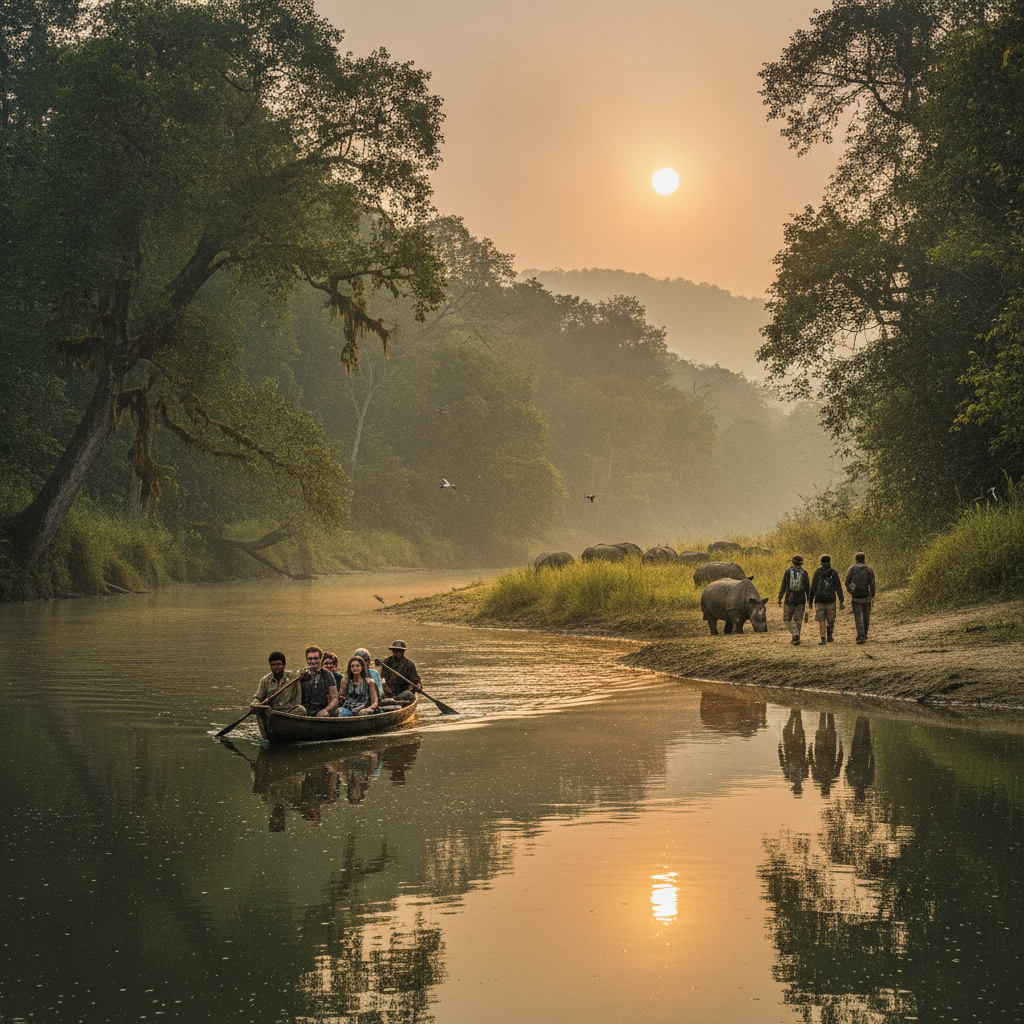
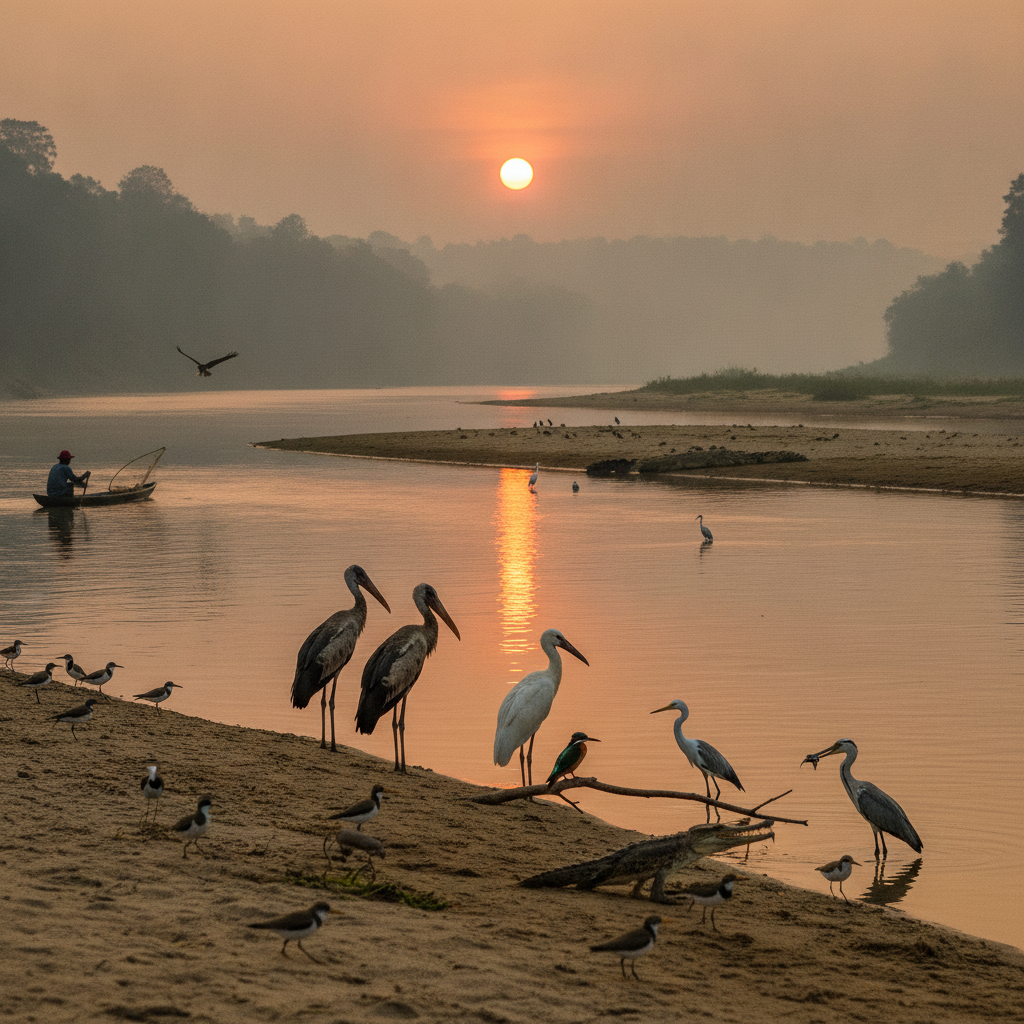
The Rapti riverbank at dawn (the most productive single birdwatching hour accessible at Chitwan, when the first light brings the largest number of species into activity simultaneously — the herons at the water's edge, the kingfishers beginning their fishing activity, and the river terns visible over the midstream shallows) is the most bird-species-rich single morning hour accessible in Nepal — the Rapti riverbank's specific bird community (the large-billed river tern, the small blue kingfisher, the pied kingfisher, and the stork-billed kingfisher visible simultaneously on the same river stretch, representing the most kingfisher-species-diverse single riverside accessible in Nepal) and the adjacent riparian forest birds (the oriental paradise flycatcher, the blue-tailed bee-eater, and the various sunbird species visible in the overhanging vegetation above the river path) create the most continuously species-productive single birdwatching transect accessible in the Terai region. The river's open water (the gravel bars and the shallow pools that provide the wading bird habitat for the great thick-knee, the river lapwing, and the rare black-bellied tern — all accessible from the same Rapti riverbank walk) is the most waterbird-diverse single river section accessible in Nepal.
- 2
Grassland Species Survey
The grassland species survey in the Chitwan tall grass meadows (the birdwatching transect through the elephant grass habitat that supports the most grassland-specialist bird species accessible in Nepal, including the Bengal florican — the most critically endangered single grassland bird accessible in South Asia — the swamp francolin, and the various grass-specialist warbler species that are almost impossible to observe in any other Nepal habitat) is the most conservation-critically significant single birdwatching environment accessible in the Terai — the Bengal florican's specific encounter (the male's display flight above the grass tops in the early morning during the breeding season, the most spectacular single bird display accessible in Nepal and one of the rarest single bird spectacles accessible in Asia due to the species' critical population status) and the grassland's other rare species (the Finn's weaver, the bristled grassbird, and the slender-billed babbler — all grassland specialists whose Nepal populations are almost entirely dependent on the Chitwan and the Bardia national park grassland habitat) make this the most ornithologically significant single bird habitat accessible in Nepal's protected area system.
- 3
Sal Forest Bird Trail
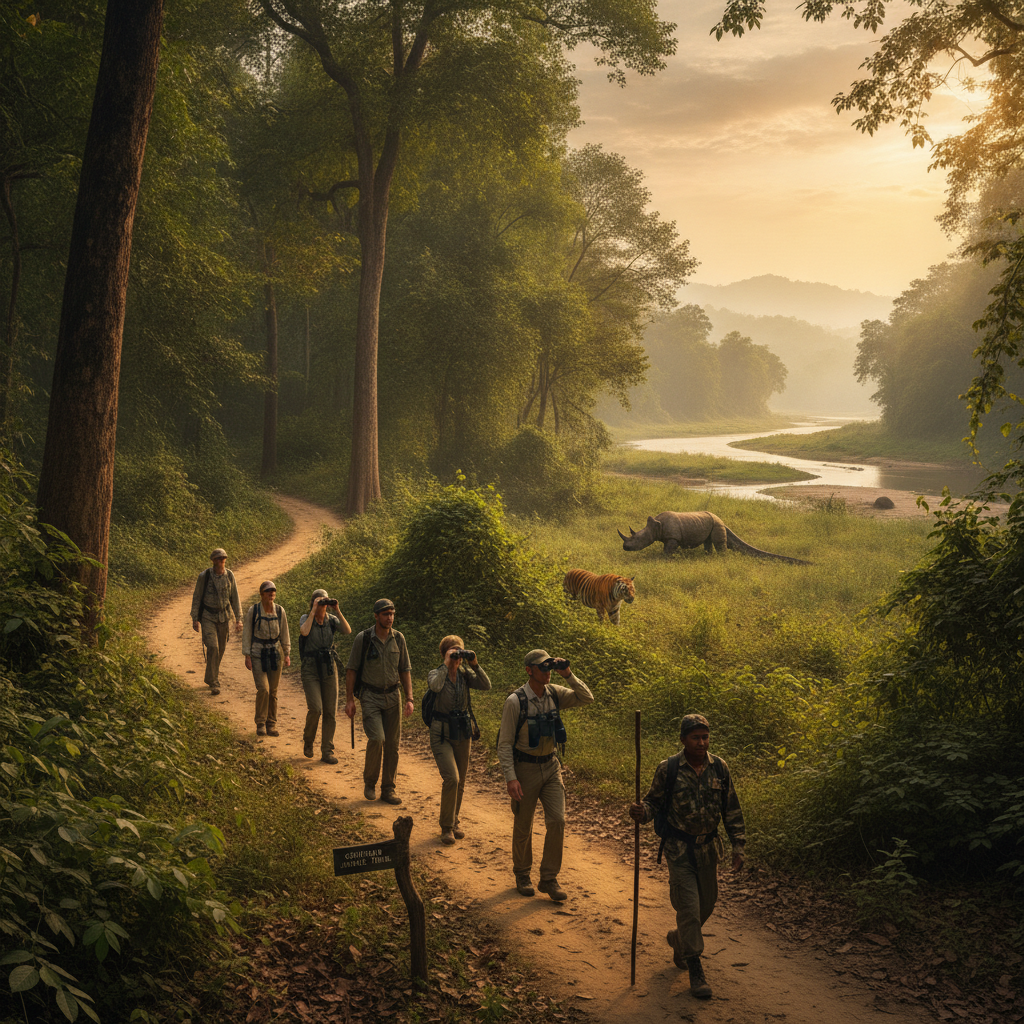
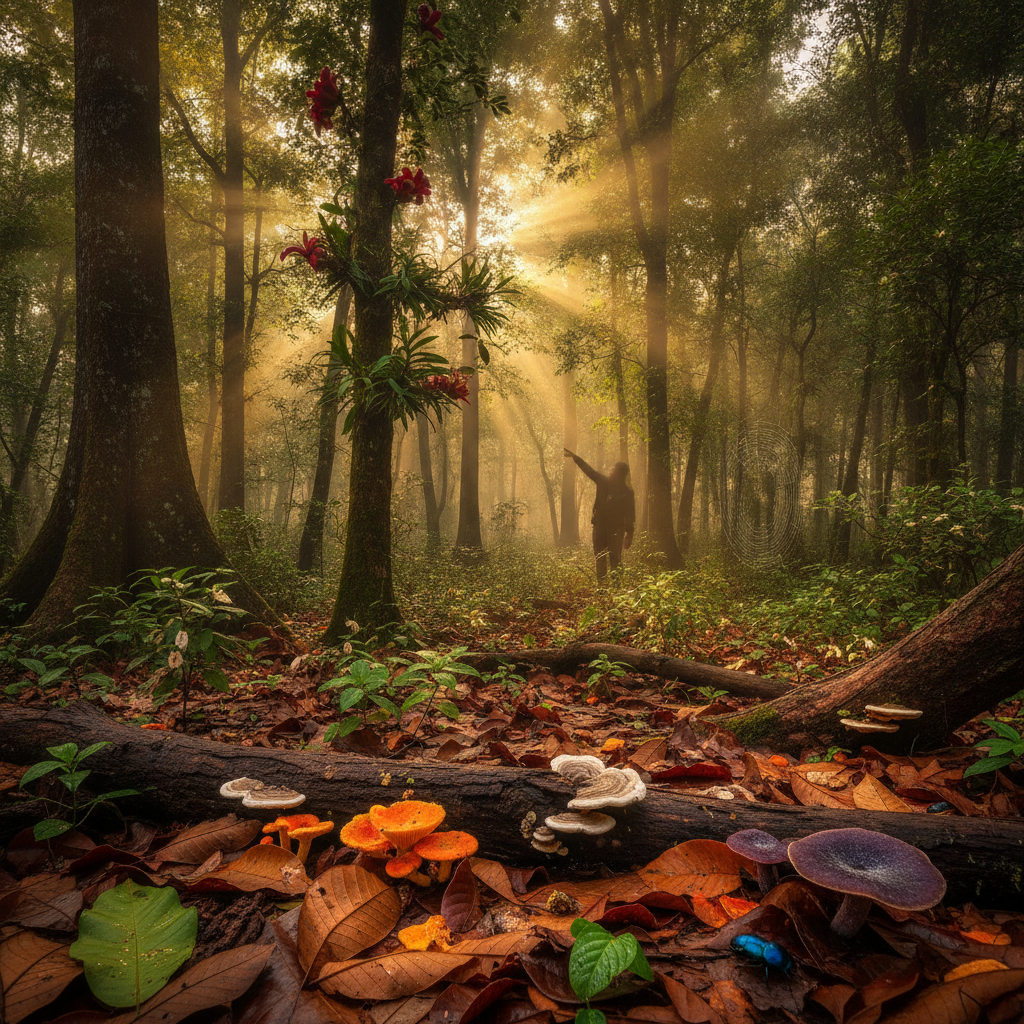
The sal forest bird trail at Chitwan (the walking transect through the woodland interior, the most species-diverse single bird habitat accessible in the Terai lowlands, where the forest interior species — the woodpeckers, the barbets, the treepies, and the various raptor species — are most productively encountered) provides the most species-accumulating single birdwatching hour accessible in Nepal's national park system — the sal forest's bird community density (the Great Hornbill visible in the upper canopy, the Wreathed Hornbill occasionally present in the larger trees, and the various broadbill and pitta species accessible in the forest interior that are the most range-restricted single bird families accessible in the Nepal lowland) and the forest's raptor community (the Crested Serpent Eagle visible perched in the mid-canopy, the Changeable Hawk-Eagle and the Mountain Hawk-Eagle visiting from the adjacent forest, and the rare Oriental Bay Owl accessible in the forested sections with large tree cavities) create the most raptor-diverse single birdwatching woodland accessible in Nepal. The forest trail's dawn activity (the mixed-species foraging flocks that move through the sal forest in the early morning, the most species-rich single bird encounter mode accessible in the Terai woodland) is the most productively bird-diverse single moment of the Chitwan forest birdwatching experience.
- 4
Ox-Bow Lake Waterbirds
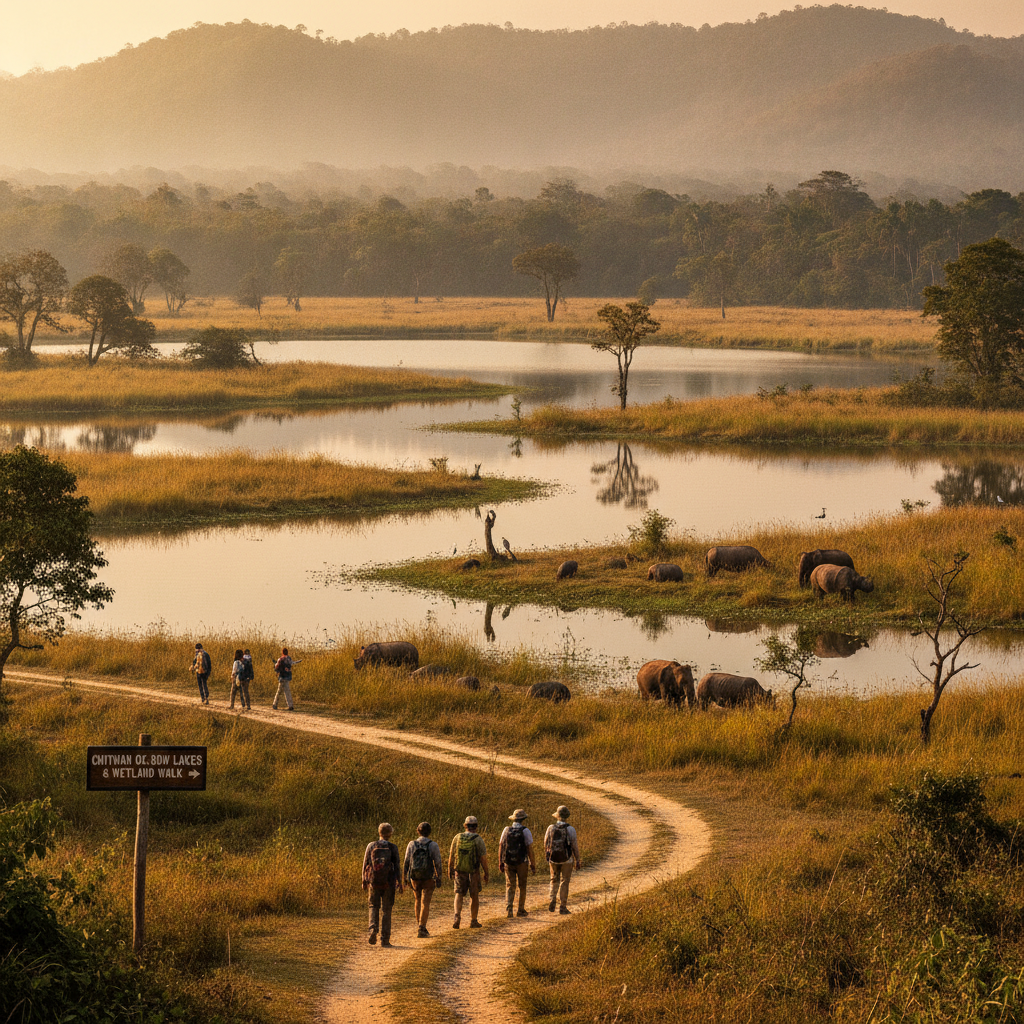
The ox-bow lake waterbird survey at Chitwan (the still water remnants of the Rapti and the Narayani rivers' former channels, now isolated as the permanent pools that provide the most bird-species-diverse single water habitat accessible in the Terai national park) is the most waterbird-concentrated single birdwatching location accessible during the Chitwan visit — the ox-bow lake's waterbird community (the painted stork, the Asian openbill, and the Lesser Adjutant visible at the same water body that also hosts the most accessible single population of the Spot-billed Pelican in Nepal, the pelican's large ungainly form and the bill's distinctive spot making it the most immediately identifiable single large waterbird accessible in Chitwan) and the lake's surface diversity (the multiple duck species, the jacanas walking on the floating vegetation, and the various grebe and cormorant species occupying the different depth zones of the ox-bow water) create the most completely waterbird-surveying single birdwatching location accessible in Nepal. The lake's early morning activity (the overnight roost breaking up at dawn, the various stork and heron species departing for their feeding territories and the duck species beginning their morning feeding activity) is the most bird-movement-dynamic single hour accessible at the Chitwan waterbird location.
- 5
Evening Roost Survey
The evening roost survey at Chitwan (the sunset observation of the large communal roosts that form in the Sauraha area riverine trees as the day ends — the open-billed storks, the night herons, and the various egret species gathering in the most numerically impressive single bird gathering accessible in Nepal) is the most visually spectacular single birding event accessible at the Chitwan park boundary — the roost's specific character (the hundreds of birds visible simultaneously in the roosting trees above the river, the noise and the movement of the gathering colony audible and visible from the riverbank, and the arriving birds from all directions as the light fades providing the most dynamic single bird movement accessible in Nepal) and the roost's location context (the roosting trees above the Rapti River with the Chitwan national park visible behind and the Sauraha village visible in the foreground creating the most dramatically framed single bird spectacle accessible at the Nepal terai destination) make the evening roost the most consistently awe-inspiring single natural spectacle accessible at the Chitwan birdwatching experience.
- 6
Night Owl Walk
The night owl walk at Chitwan (the after-dark guided walk along the buffer zone trails listening for and spotlighting the owl species that are the most diverse single nocturnal bird community accessible in Nepal — the Brown Fish Owl calling from the riverside trees, the Spotted Owlet visible in the village margin trees, and the rarer Brown Wood Owl and the Buffy Fish Owl accessible in the denser forest sections) is the most species-completing single birdwatching experience accessible at Chitwan — the night walk's specific bird community (the nightjar species — the Indian Nightjar and the Large-tailed Nightjar both accessible along the same buffer zone path, their churring calls distinguishable to the practised ear) and the mammal community visible by torchlight (the Asian Palm Civet moving along the trail edge, the Indian Muntjac occasionally visible in the torch beam, and the Chitwan's golden jackals audible on multiple sides as they begin their night's hunting) create the most multi-species-stimulating single night experience accessible in the Nepal protected area system. The night walk's amphibian community (the multiple frog species calling from the ditches and the pools along the buffer zone path, the frog chorus of the post-monsoon season the most acoustically rich single natural soundscape accessible in Nepal) provides the most completely night-ecologically immersive single sensory experience available at the Chitwan park boundary.
Walk this route with audio
Stories play automatically as you reach each stop — no tapping needed.