Chitwan Elephant Safari & Conservation Walk
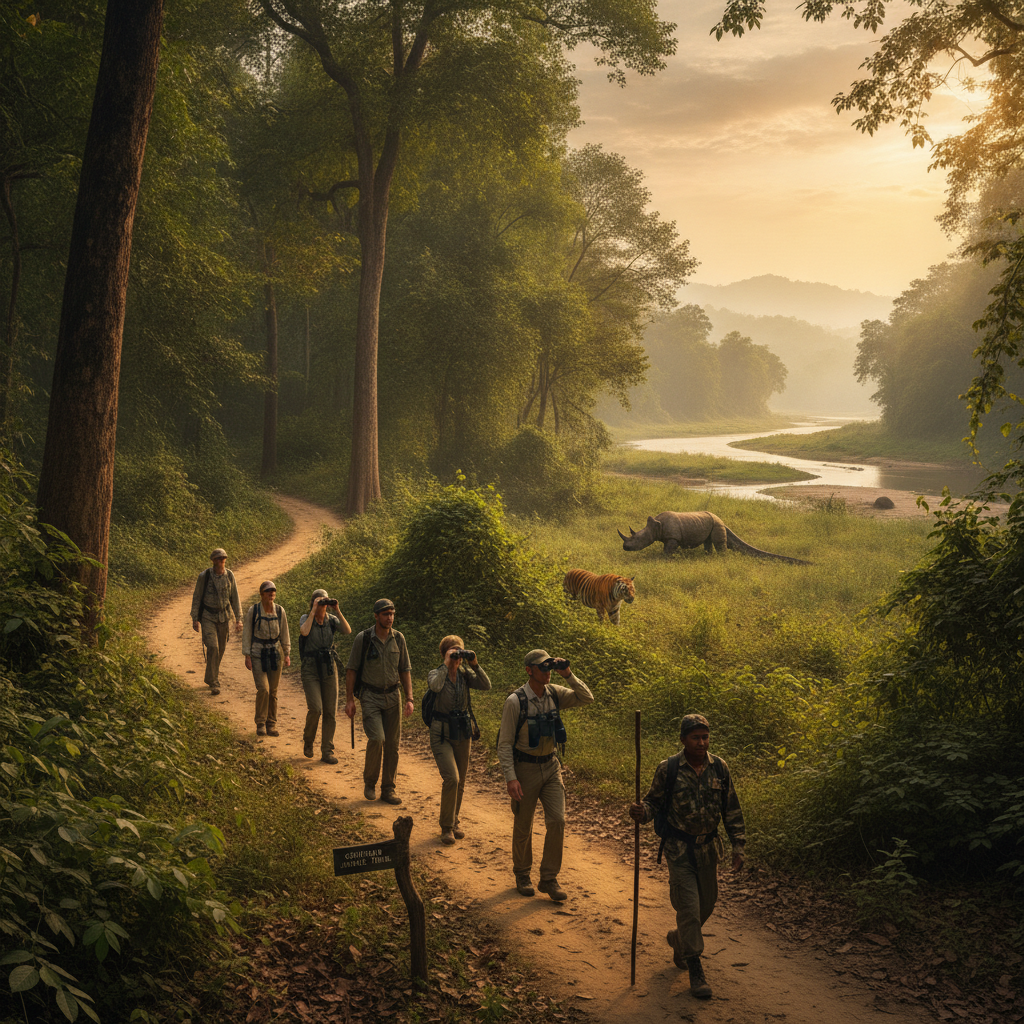
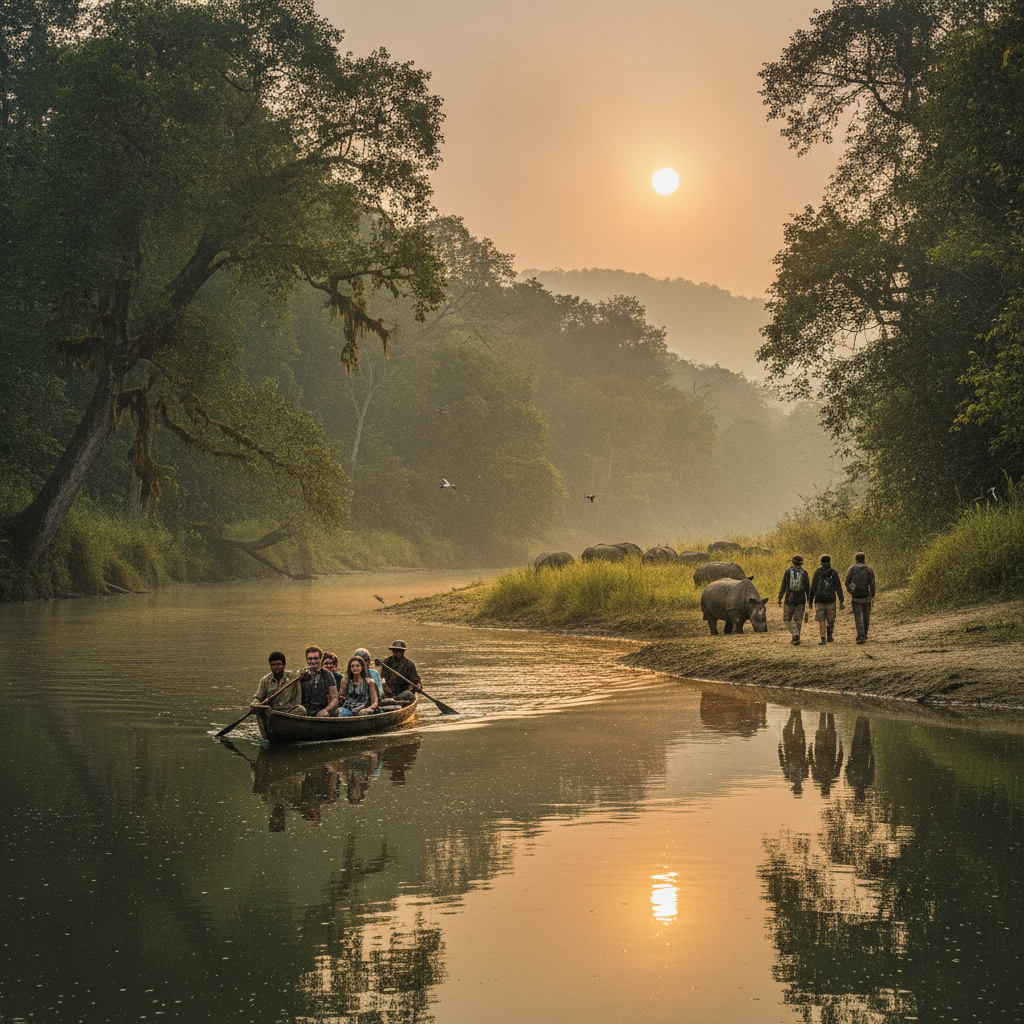
Ride through Chitwan's jungle — the elephant-back safari gives an elevated perspective over the tall elephant grass where the one-horned rhinoceroses and the Bengal tigers move, the mahout-guided elephants providing the most intimate single access to the Chitwan wildlife that no other safari format can replicate.
- 1
Elephant Stable Morning
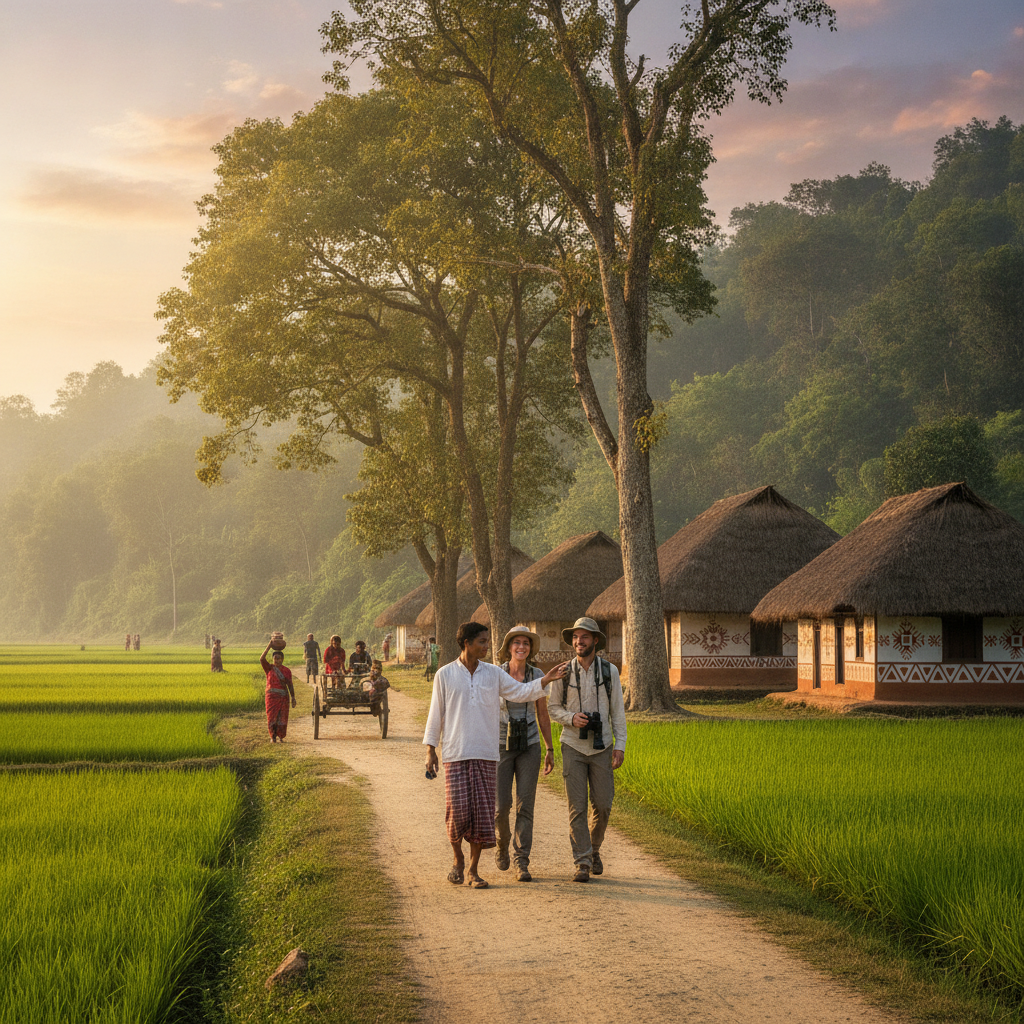
The elephant stable at the Chitwan safari operation (the morning at the elephant enclosure before the safari, where the working elephants are being fed the morning meal of grasses and grain by the mahouts, the individual elephant's personality visible in the way each animal interacts with its mahout and the visiting observers) is the most directly relationship-revealing single pre-safari encounter accessible in Nepal — the elephant stable's intimacy (the large animals at close range eating, being groomed, and being fitted with the riding howdah in the morning preparation, the mahouts' commands and the elephants' responses demonstrating the years of training and the individual bond between the animal and its rider) creates the most completely human-animal relationship-observing single wildlife encounter accessible before the Chitwan elephant safari begins. The mahout community (the elephant handlers whose skill represents the most specialised single traditional wildlife management knowledge accessible in the Nepal conservation community, the expertise developed over multiple generations within the families who have worked with the Nepal royal elephant stables and the national park operation) is the most directly conservation-culturally significant single human element visible at the Chitwan elephant experience.
- 2
Grassland Elephant Crossing
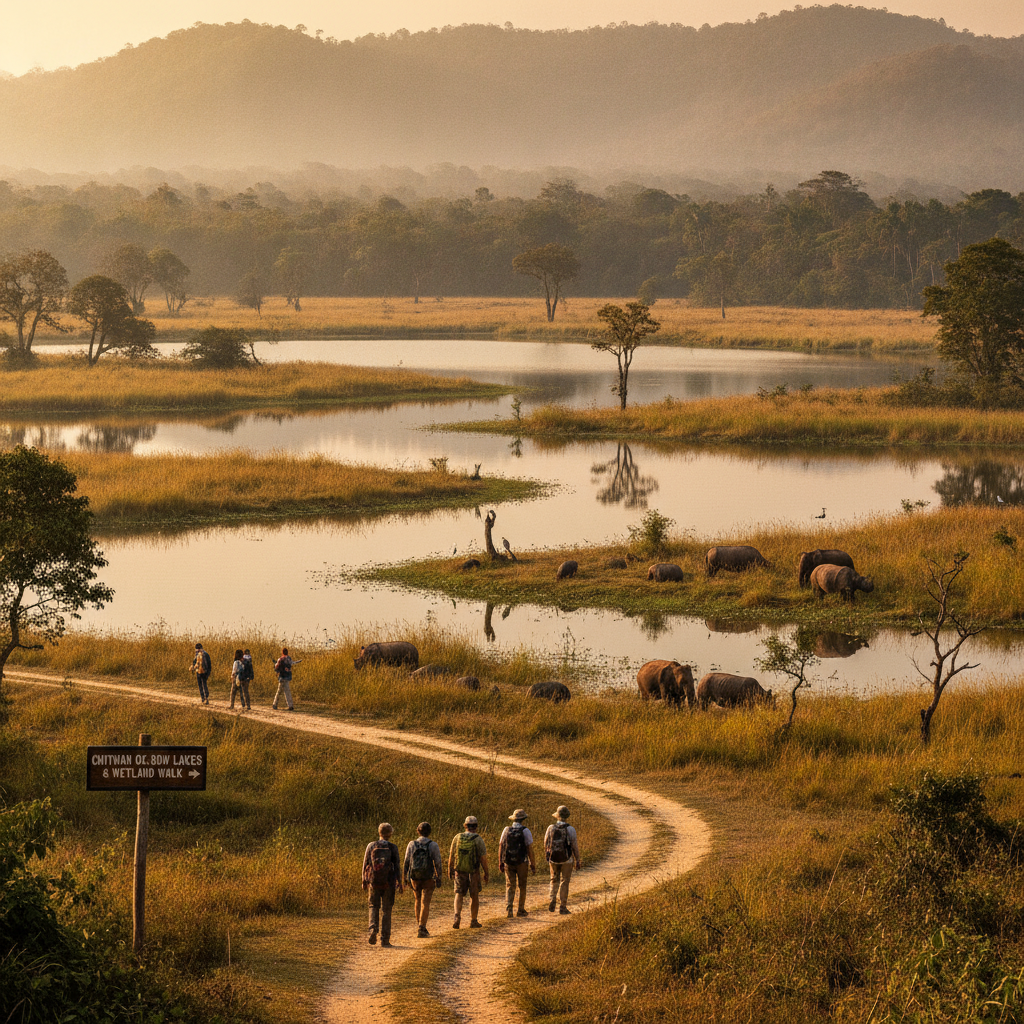
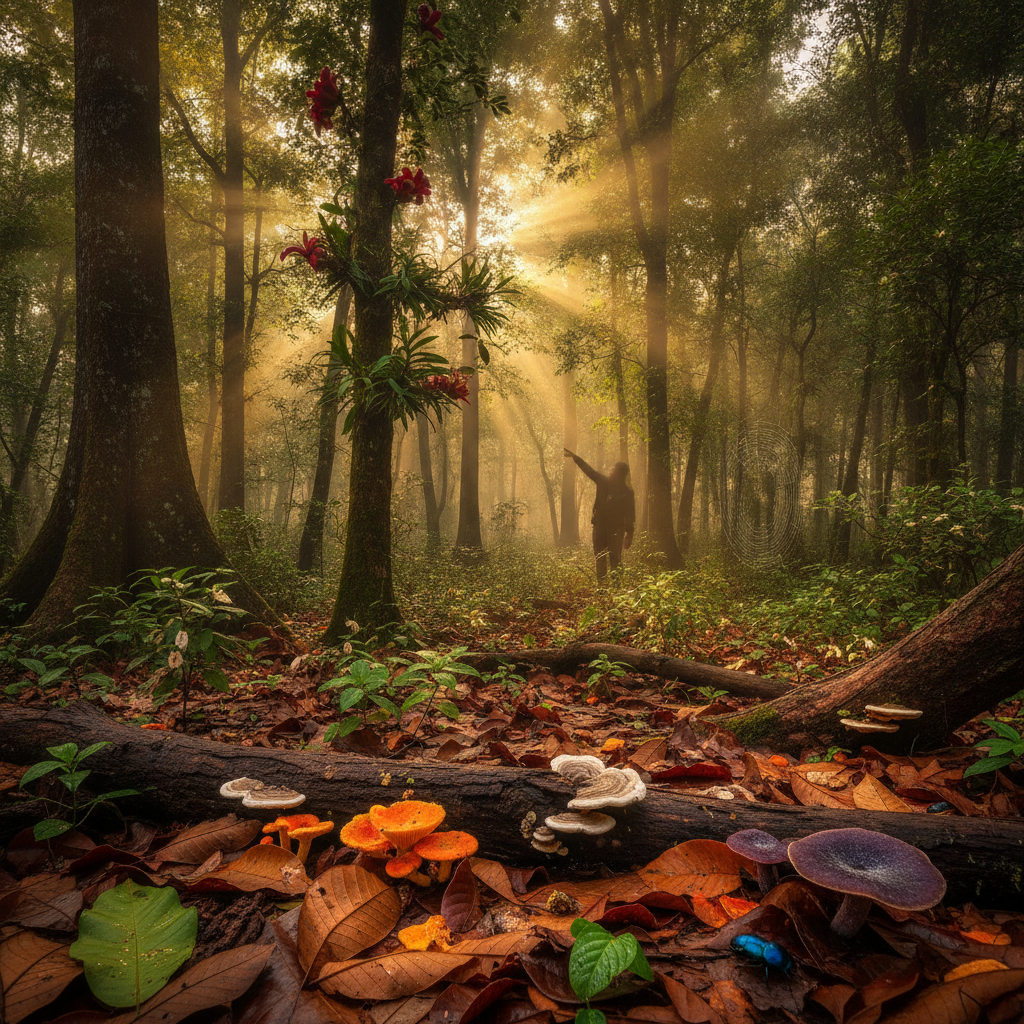
The elephant-back crossing of the Chitwan grasslands (the movement through the tall elephant grass on the back of the working elephant, the elevated perspective from the howdah providing the view over the grass tops that the walking safari cannot access, and the rhinoceroses, the deer, and the occasional tiger visible at close range because the elephant's smell masks the human presence) is the most wildlife-encounter-productive single safari format accessible in Chitwan — the elevated perspective (the view from 3-4 metres above ground level that allows the identification of animals moving in the tall grass that would be invisible from the walking path) and the olfactory camouflage effect (the human scent carried by the elephant's larger smell signature, allowing approach distances to the rhinoceros and the deer that would trigger a flight response if the same humans were on foot) create the most intimately close single large mammal encounter accessible in the Nepal national park system. The grassland's specific character in the early morning (the dew still visible on the grass tops at the beginning of the elephant safari, the mist burning off as the sun rises above the sal forest ridge, and the animal activity at its most concentrated in the period before the heat of the day drives the animals into the shade) is the most wildlife-productively timed single safari hour accessible in Chitwan.
- 3
Rhino Close Encounter
The rhinoceros close encounter from the elephant back (the moment when the elephant approaches within 10-20 metres of a grazing one-horned rhinoceros, the prehistoric-looking animal continuing to feed or raising its head to observe the approaching elephant with the studied indifference that distinguishes the rhinoceros's response to the elephant-mounted visitor from the flight response triggered by the on-foot approach) is the most dramatic single wildlife encounter accessible in Nepal — the rhinoceros's scale at close range (the Indian one-horned rhinoceros at 2,000-2,500 kg is the most massively impressive single land animal accessible at close range in Nepal, the armour-like skin folds and the single prominent horn visible in detail from the howdah at the 20-metre approach distance) and the animal's behavioural complexity visible at close range (the eye movements tracking the approaching elephant, the ear rotation monitoring the sound environment, and the nostril flaring reading the approaching scent) create the most behaviourally informative single wildlife encounter accessible in South Asia. The calf-and-mother rhinoceros encounter (the most emotionally engaging single wildlife scenario accessible in Chitwan, the young calf visible close to the mother's side and the mother's protective behaviour visible in her body positioning between the calf and the approaching elephant) is the most consistently memorable single wildlife moment accessible in the Nepal national park experience.
- 4
River Ford Crossing
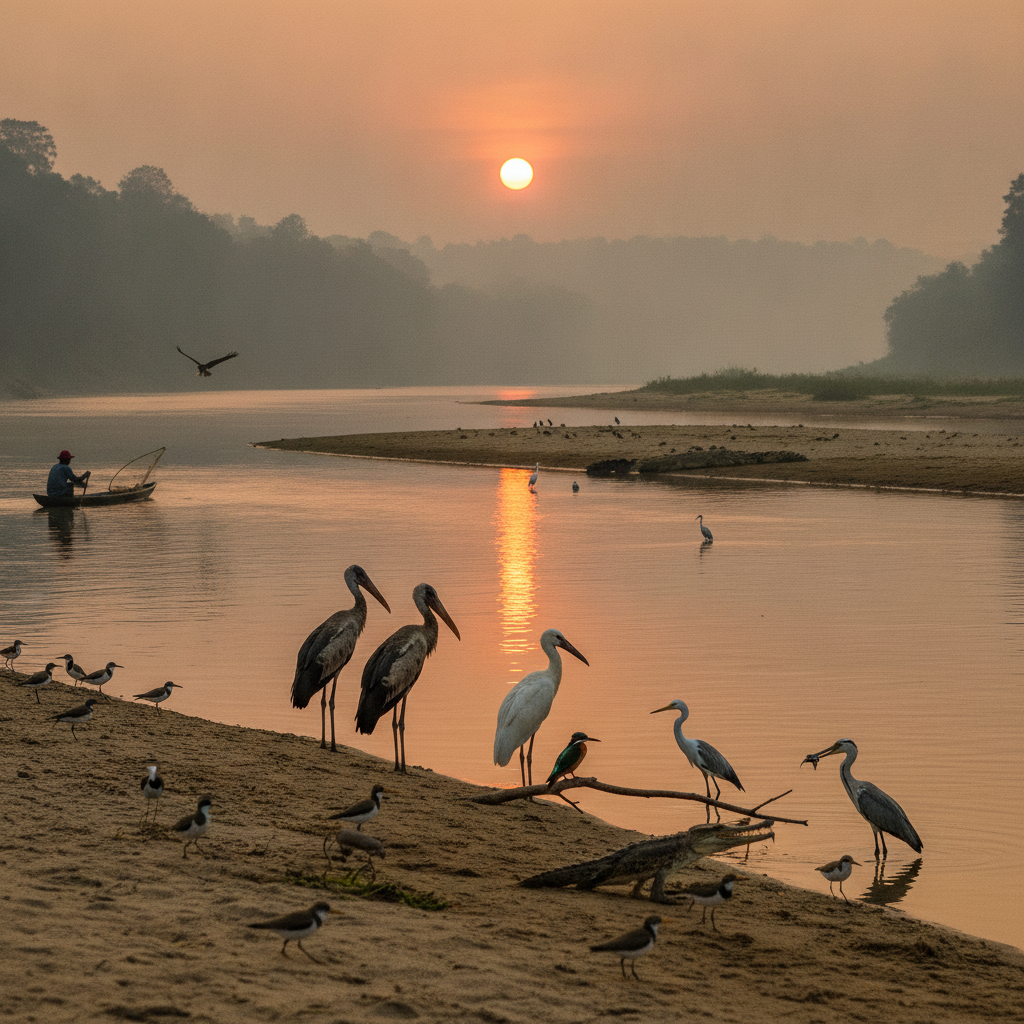
The river ford crossing during the Chitwan elephant safari (the moment when the elephant enters the river shallows to cross from one section of the park to another, the water rising to the elephant's knees and the howdah passengers experiencing the rocking motion of the crossing while the river's bird community responds to the large animal's passage) is the most physically immersive single moment of the elephant safari experience — the crossing's sensory character (the sound of the water against the elephant's legs, the motion of the howdah on the crossing animal, and the close-range view of the river's gharial crocodiles and the water birds disturbed by the elephant's approach) and the visual spectacle (the large elephant visible in the river, the forest on both banks reflected in the water, and the Chitwan landscape visible in both directions along the river course) create the most cinematically spectacular single moment accessible during the Chitwan elephant safari. The elephant's comfort in the water (the animals' natural affinity for rivers demonstrated in the ease of the crossing, the trunk dipping occasionally to drink and the ears flapping contentedly) is the most directly elephant-characteristic single behaviour accessible during the safari experience.
- 5
Tiger Territory Zone
The tiger territory zone accessed by the elephant safari (the sections of the Chitwan core zone where the Bengal tiger is most regularly active, the areas identified by the park rangers' monitoring as the current territories of the individually known tigers, and the zones where the elephant safari has the highest single probability of a tiger sighting in Nepal's national park system) creates the most suspensefully charged single wildlife-search environment accessible in Nepal — the tiger zone's specific character (the denser vegetation, the presence of the tiger's prey animals — the spotted deer and the sambar visible nervously at the clearing edges — and the guide's heightened attention to the environmental signals) and the tiger encounter's specific quality from the elephant back (the animal visible at close range without flight behaviour in some encounters, the full profile of the tiger visible against the grass or the forest edge in the most sought-after single wildlife photograph accessible in Nepal) make the tiger territory the most reputation-defining single zone of the Chitwan elephant safari. The tiger's actual sighting probability (approximately 20-30% per safari in the current Chitwan tiger density, making the Chitwan elephant safari the highest single probability tiger sighting access available in Nepal) makes this the most practically rewarding single wildlife-seeking experience accessible in the country.
- 6
Return Mahout Debrief
The return to the elephant stable and the mahout debrief (the conversation with the mahout after the safari return to the stable, the experienced handler sharing the context of the morning's wildlife encounters — the individual animals identified by name, the unusual behaviours noted, and the environmental conditions that affected the animals' morning movement patterns) is the most contextually enriching single conversation accessible after the Chitwan elephant safari — the mahout's specific knowledge (the individual rhinoceros family groups known by their physical characteristics, the tigers identified by their pug mark patterns, and the seasonal patterns of animal movement that the mahout's years of daily observation have compiled into the most practically specific single wildlife knowledge accessible in the Chitwan national park) creates the most directly conservation-knowledgeable single informational encounter accessible at the Nepal wildlife destination. The elephant's post-safari care visible during the debrief (the animal being unloaded of the howdah, washed, and fed the post-work reward of fruits and palm sugar, the mahout's affectionate interaction with the individual elephant demonstrating the most directly emotionally bonded single human-animal working relationship accessible in Nepal) completes the most humanly moving single conclusion to the Chitwan elephant safari experience.
Walk this route with audio
Stories play automatically as you reach each stop — no tapping needed.