Colonia's Military Heritage: The Most Contested Town in the Río de la Plata
Colonia del Sacramento changed hands between Portugal and Spain seven times in 134 years — the fortifications, the sieges, and the diplomatic treaties that shaped this small town also shaped the borders of modern South America
- 1
Seven Changes of Sovereignty
Colonia was captured and recaptured by Spain and Portugal seven times between 1680 and 1777; each siege left physical traces — destroyed and rebuilt fortifications, new administrative buildings, and the mixed architectural heritage of two colonial powers; the Treaty of San Ildefonso (1777) finally gave Spain permanent control of the town
- 2
Portuguese Military Engineering
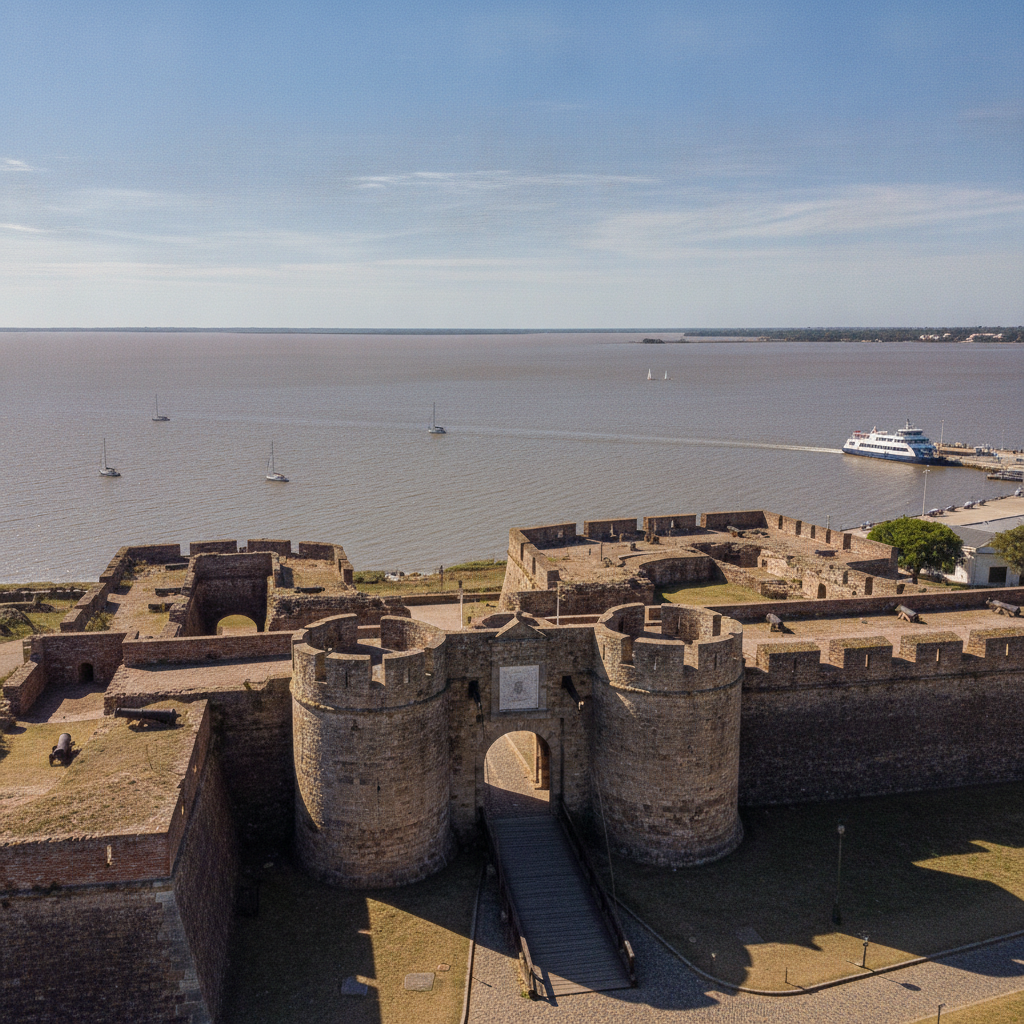
The Portuguese built Colonia as a fortified trading post — the town's layout, with its defensive walls, the bastions, and the positioning of the lighthouse and the gate, reflects Portuguese military engineering of the late 17th century; the layout is still clearly legible in the Barrio Histórico's streets and remaining walls
- 3
The 1762 British Siege
The 1762 British attack on Colonia — during the Seven Years' War when Britain and Portugal were allied against Spain and France — briefly occupied the town; the British bombardment caused significant damage; the event is a reminder that the Río de la Plata was contested not just by Spain and Portugal but by all the major European colonial powers
- 4
San Gabriel Shipwreck
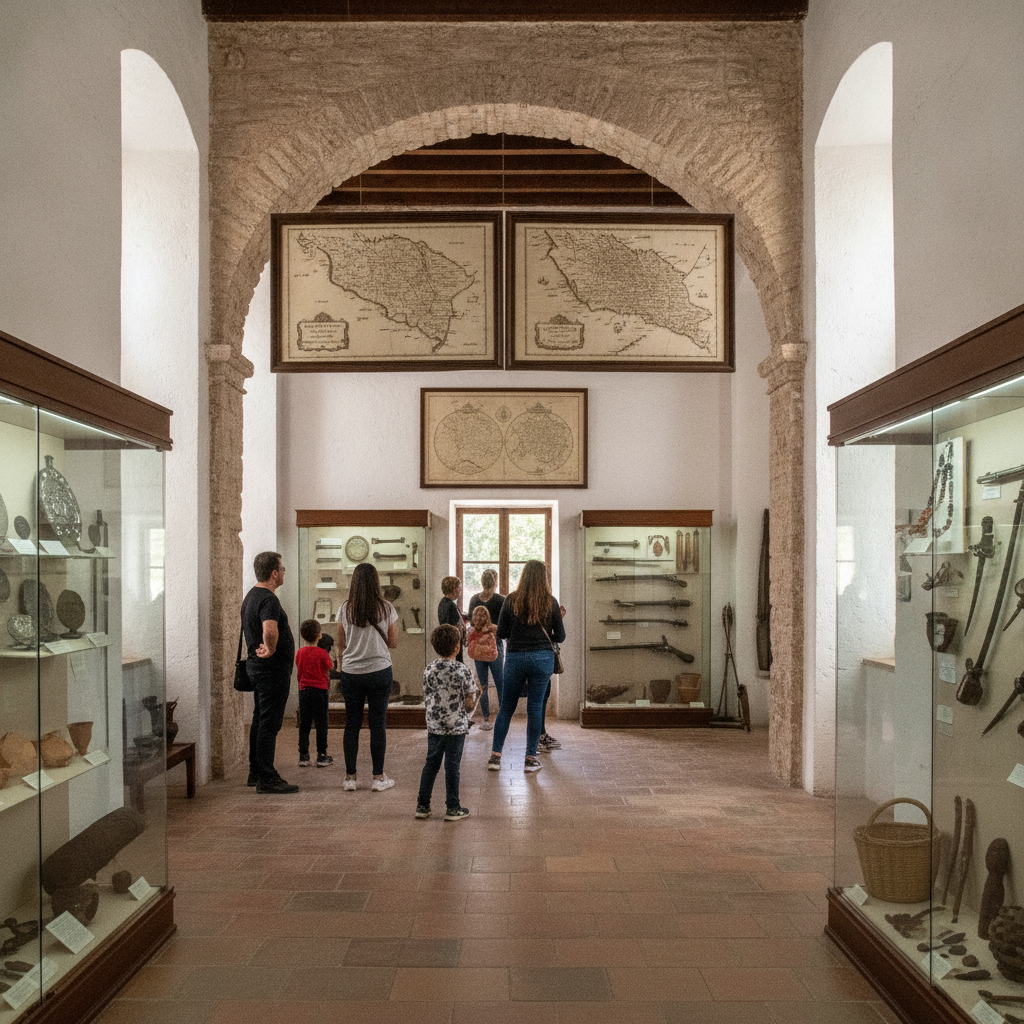
The Río de la Plata off Colonia has several colonial-era shipwrecks — the most significant is the San Gabriel, the flagship of the Portuguese fleet sunk during a Spanish attack; the wreck has been partially excavated; colonial artefacts from the Río de la Plata wrecks are displayed in Colonia's archeology museum
- 5
Bastion del Carmen
The Bastion del Carmen — the best-preserved section of Colonia's colonial fortifications — extends into the Río de la Plata from the southern point of the Barrio Histórico; the bastion's cannons pointed towards the river approach; the walk along the bastion wall, with the river on one side and the colonial town on the other, is the finest circuit of the historic quarter
- 6
Independence and Decline
After Uruguayan independence (1828), Colonia declined from a strategic military prize to a quiet provincial town; the cessation of military significance preserved the colonial architecture that other growing cities demolished; Colonia's historical importance — and the peace that followed its contested colonial history — created the UNESCO site that exists today
Walk this route with audio
Stories play automatically as you reach each stop — no tapping needed.
More in Colonia del Sacramento
Colonia's Museums: Layers of Colonial History
Colonia del Sacramento: A UNESCO Colonial Jewel
Colonia from Buenos Aires: The Essential Day Trip
Colonia at Golden Hour: South America's Most Romantic Town
Colonia on the Río de la Plata: Where River Meets Sea