Colonia's Museums: Layers of Colonial History
The Barrio Histórico contains seven small specialist museums — covering archaeology, colonial furniture, indigenous history, azulejo tiles, and municipal history; together they document the extraordinary contested colonial history of this town that changed hands repeatedly between Portugal and Spain
- 1
The municipality's museum
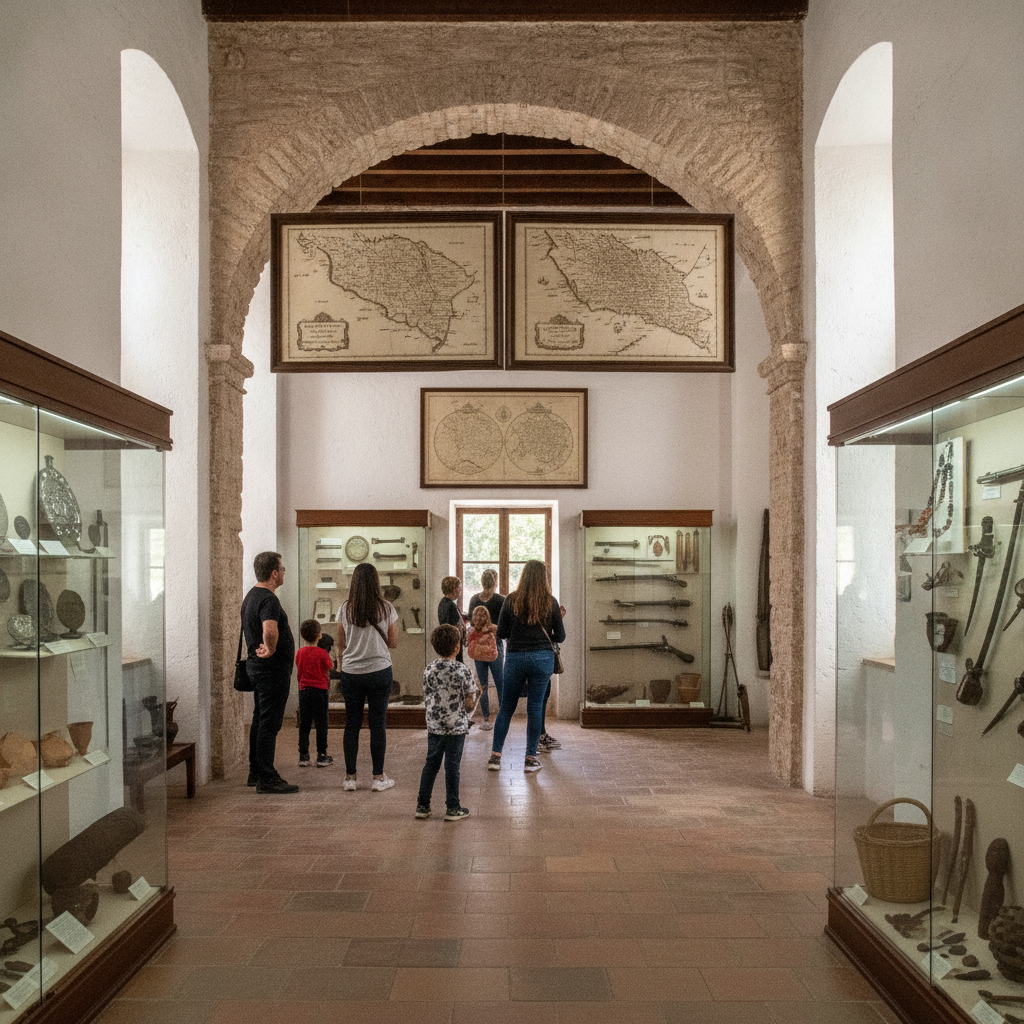
The Museo Municipal – in a restored colonial building on the Plaza Mayor – documents Colonia's history from its Portuguese founding through the period of independence; the collection includes colonial maps, military artifacts from the sieges, and documentary material on the seven changes of colonial sovereignty
- 2
The Archaeological Museum
The Museo Arqueológico - in one of Plaza Mayor's colonial houses - displays pre-Columbian materials from the Charrúa people (Uruguay's indigenous people), colonial ceramics and materials recovered from the underwater wrecks of the Río de la Plata outside Colonia; the collection spans from 8000 BC. to the colonial period
- 3
Portuguese Museum
The small Museo Portugués – in a beautifully restored colonial building – documents the Portuguese presence in Colonia with azulejo tiles, colonial furniture, navigational instruments and documents from the Portuguese colonial administration; the collection is the most intimate expression of Colonia's Portuguese heritage
- 4
Azulejo tiles
The use of azulejo (blue and white glazed ceramic tiles) in Colonia's architecture reflects the Portuguese colonial tradition; the tiles – imported from Lisbon and produced locally – decorated the floors and walls of colonial buildings; the surviving examples in Colonia's museums and in-situ on historic buildings are an important part of the city's Portuguese character
- 5
Original Charrúa history
The Charrúa – Uruguay's indigenous people – resisted both Portuguese and Spanish colonization with remarkable tenacity; Charrúa was not completely defeated until 1831 when the Uruguayan government massacred the last surviving community; the museum's documentation of the Charrúa culture and the genocide is a necessary counterpoint to the colonial architecture
- 6
Casa del Virrey
Casa del Virrey (Viceroy's House) - a colonial mansion that traditionally served as the residence of Spanish colonial officials - is now preserved as a historic house museum; the interior gives a sense of the domestic life of the colonial elite in the 18th century Colonia
Walk this route with audio
Stories play automatically as you reach each stop — no tapping needed.
More in Colonia del Sacramento
Colonia's Military Heritage: The Most Contested Town in the Río de la Plata
Colonia del Sacramento: A UNESCO Colonial Jewel
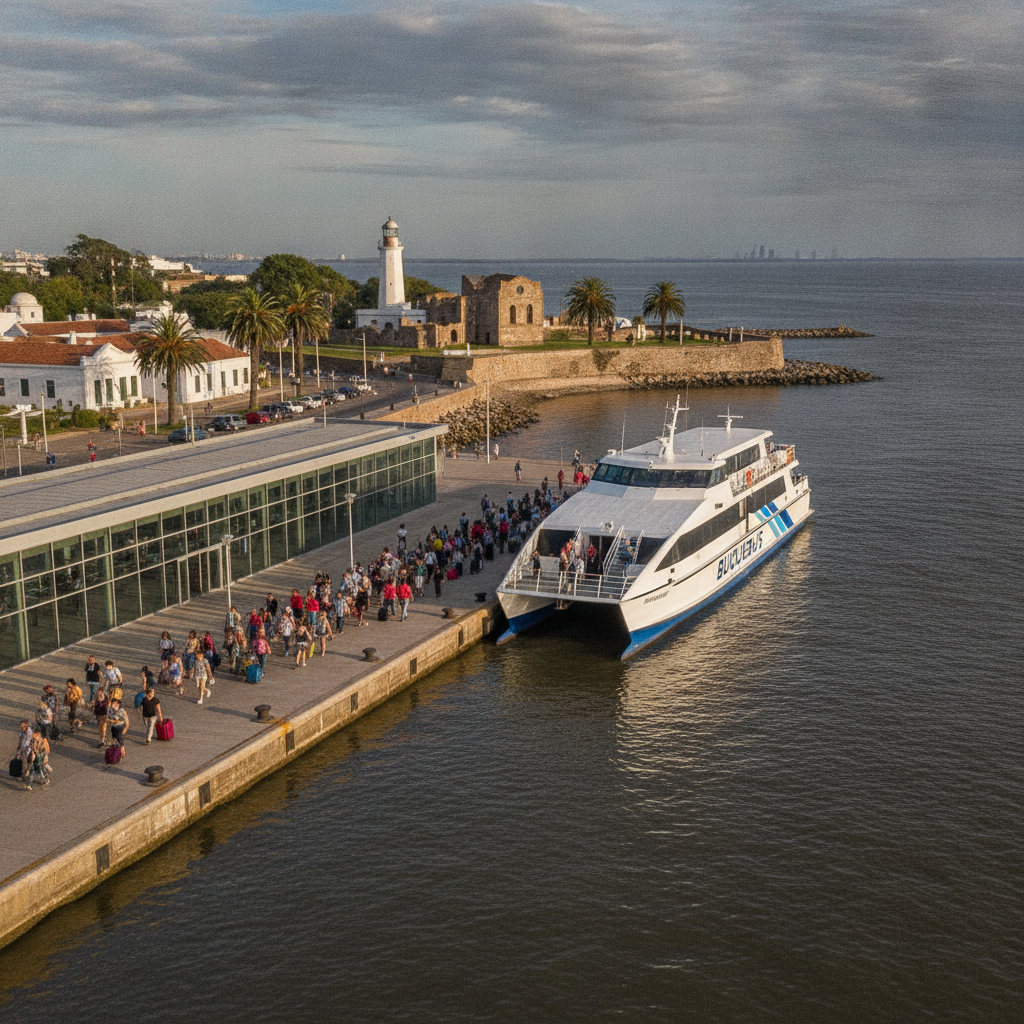
Colonia from Buenos Aires: The Essential Day Trip
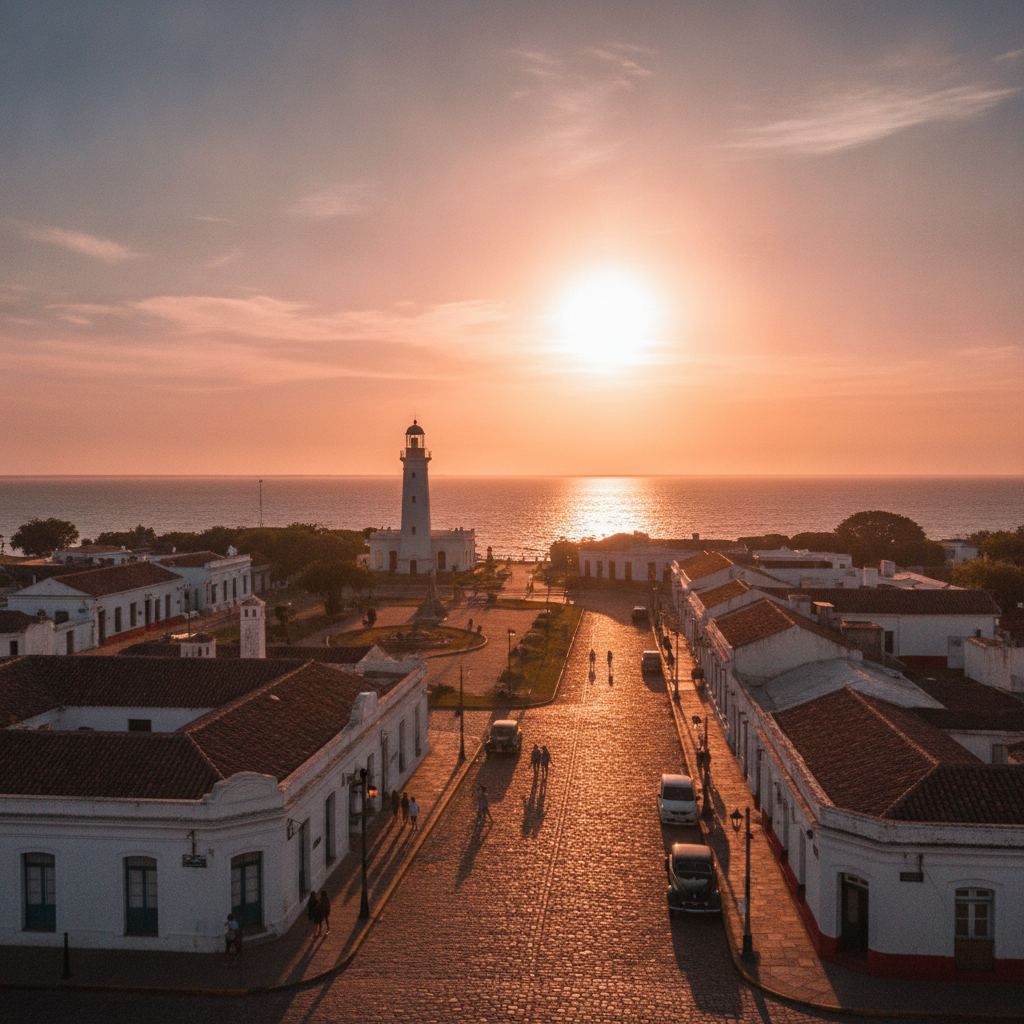
Colonia at Golden Hour: South America's Most Romantic Town
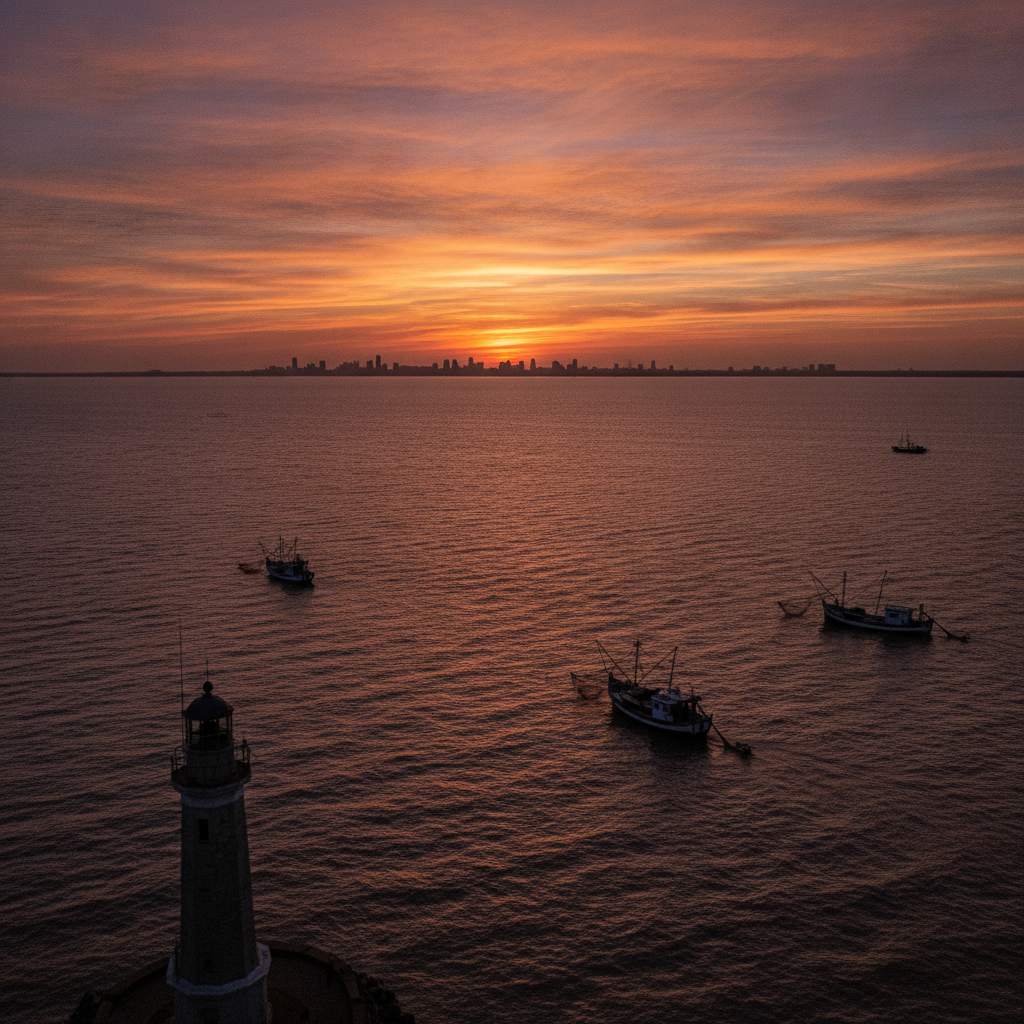
Colonia on the Río de la Plata: Where River Meets Sea